
Europe
St Dunstan's College
Catford’s pioneering 3–18 day school with a STEM tradition
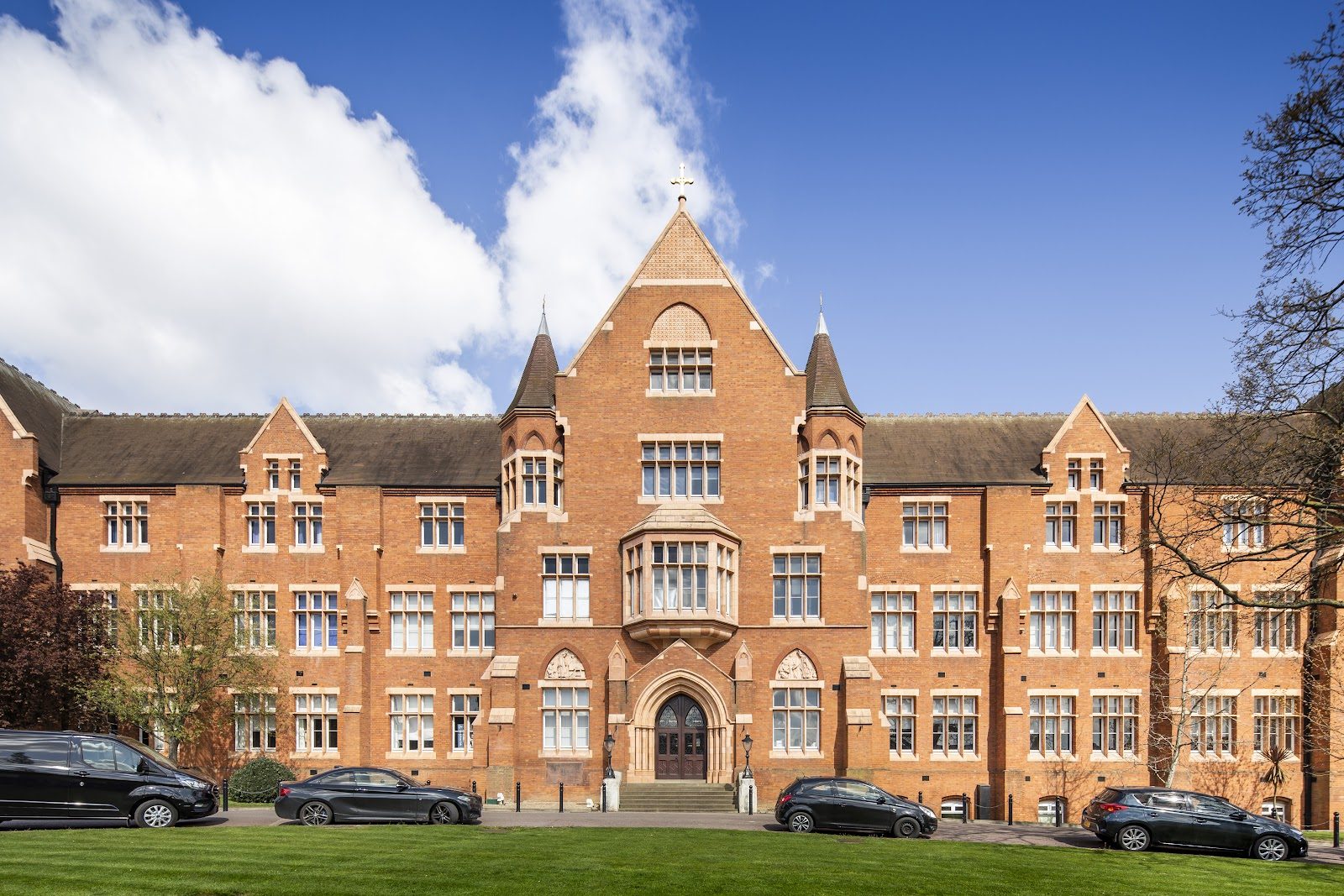
Photo © St Dunstan's College via Google Maps
Type
Day
Ages
3–18
Curriculum
British
Ratio
—
The Verdict
Editor's commitment
Right for
Families wanting a 3–18 London day school founded in 1888, with 1,250 pupils and a British curriculum that pushes beyond standard classroom orthodoxy.
Wrong for
Parents who want boarding, a faith-defined culture or a narrow exam factory; this is a non-denominational day school in Catford, not a cloistered enclave.
Watch out for
At an average £24,267 a year across ages 3–18, you are buying into a school that talks loudly about innovation; the hard outcome data is not published here.
Ranking breakdown
St Dunstan's College · #579 of 1591
Composite score 68.0. 8 weighted criteria.
By criterion
Academic Outcomes
Weight 20%
#857
of 1533 scored
University Placement
Weight 16%
#736
of 1529 scored
Prestige & Heritage
Weight 12%
#1102
of 1580 scored
Alumni Network
Weight 12%
#805
of 1530 scored
Facilities
Weight 12%
#73
of 1540 scored
Transparency & Communications
Weight 8%
#4
of 1547 scored
Peer & Industry Review
Weight 10%
#892
of 1564 scored
Admissions Selectivity & Demand
Weight 8%
#647
of 1529 scored
Peer & Industry Review
How St Dunstan's College is regarded in the sector
Insufficient peer signal
We couldn't find enough independent third-party evidence to score this school's peer & industry standing with confidence. It doesn't mean the school isn't well regarded — only that public reputation sources we trust don't yet cover it. This axis is left blank for now and the composite score is median-imputed from the other six categories.
Editors' overview
St Dunstan’s College occupies a distinctive place in south-east London’s independent market: a 3–18 day school in Catford with a long institutional history, a progressive streak and a clear technical bias that dates back to its founding in 1888. This is not a polished finishing school trading on old-fashioned prestige. Its identity rests on doing things differently, with science, technology and practical learning woven into the school’s self-image from the start. That matters. Plenty of London schools now talk about innovation; St Dunstan’s has made it part of its story for well over a century. The campus investment reinforces that claim: a new junior school, a STEM Centre for Excellence and Innovation, a dedicated sixth form centre and a performing arts theatre point to a school putting money behind both academic and co-curricular breadth.
What sets it apart is the combination of progressive instinct, serious STEM provision and a refusal to narrow the offer to pure exam mechanics. The school talks openly about wellness, character, future-focused skills and a sixth form diploma, alongside sport and the arts. That breadth will appeal to parents who want strong academic expectations without the brittle, hyper-traditional culture found elsewhere in London. The average annual fee is £24,267, which places St Dunstan’s in the expensive bracket, but below the top tier of central London independents. For families who want a full all-through education with strong facilities and a less conventional culture, that pricing gives it real traction in the market. It also benefits from scale: around 1,250 pupils within a wider education group across six sites, large enough to offer range, small enough to retain a recognisable institutional character.
Why shortlist it? Because it offers intellectual seriousness without a stale template. The school’s strongest selling point is not one single headline result or one glamorous tradition, but a coherent educational philosophy: practical learning, broad opportunity and modern pastoral priorities in a diverse part of London. The risk, for some families, is that the language of innovation can run ahead of hard public detail. The school makes big claims for academic, sporting and artistic outcomes, but it does not publish the kind of granular headline data that would settle the case quickly for analytically minded parents. That does not cancel the strengths; it means parents need to visit, ask direct questions and test how far the school’s forward-leaning culture translates into classroom quality, stretch and sixth form outcomes.
The pupil who will thrive here is bright, busy and open to a school that values initiative as much as compliance. St Dunstan’s suits children who want to mix academics with performance, sport, projects and leadership, and who benefit from a lively, future-facing environment rather than a rigidly traditional one. It will especially suit students drawn to STEM but unwilling to live in a one-dimensional academic silo. Children who need constant structure, heavy conservatism or an intensely formal atmosphere have stronger options elsewhere. For the right family, though, St Dunstan’s offers a confidently modern and genuinely broad education with more character than many better-known London rivals.
Academic Performance
St Dunstan’s talks with confidence about academic strength, but the public record is thin where it matters most. We have not seen published aggregate GCSE or A-level results, no headline run of top grades, and no clean year-on-year data set that lets parents benchmark the school against London competitors with precision. That is a weakness. In this part of the market, strong schools that want credit for results publish them plainly. Without that disclosure, St Dunstan’s sits in an opaque middle ground: successful enough to make expansive claims, but not transparent enough for an analytically minded parent to verify the scale of that success in hard numbers.
That does not place it in the weak category. The school’s long-standing emphasis on science, technology and practical learning, plus investment in a dedicated STEM centre and sixth form provision, points to serious academic intent rather than a soft progressive model. Membership of HMC also places it among established independent peers. The question is not whether pupils achieve; the question is how strongly St Dunstan’s performs against the capital’s more openly data-rich independents. On that measure, it trails the best public communicators. Parents who care about outcomes need to ask direct questions: recent GCSE and A-level profiles, subject strengths, university destinations, and how many pupils secure the highest grades. Until those figures are published, St Dunstan’s academic reputation rests on institutional confidence more than public proof.
Facilities
The strongest physical assets are the ones that back the school’s central claims rather than decorate them. The dedicated STEM centre gives real weight to its technical bias; plenty of London schools talk about innovation, fewer have built for it. The performing arts theatre matters for the same reason: it signals that music, drama and public performance are treated as core parts of school life, not timetable leftovers. Add the dedicated sixth form centre and the newer junior provision and you have a campus planned around distinct age groups instead of a single inherited block trying to do everything. That reads as serious investment with a clear educational purpose. The standout external asset is the 21-acre Jubilee Grounds, which gives the school a sporting footprint many urban day schools cannot match.
Against peers, this is a strong facilities package for a south-east London day school and stronger than many similarly priced independents on outdoor space and specialist build. The gender-neutral sports programme and Chelsea FC link add a modern edge, though a partnership is not the same thing as elite in-house sporting infrastructure. The weakness is visibility: the school talks up its estate confidently, but parents still need sharper detail on labs, maker space, art studios, music practice rooms and everyday teaching rooms. Top competitors do not just build well; they show parents exactly how those spaces function. St Dunstan’s has the bones of a well-equipped, future-facing campus, but it does not yet present them with maximum clarity.
The average annual fee is £24,267, which places St Dunstan’s in the expensive bracket, but below the top tier of central London independents
Prestige
St Dunstan’s has real standing in its corner of the London market, but not top-drawer national cachet. It carries the advantages of an established independent school with a recognisable identity, HMC membership and enough institutional scale to offer breadth without feeling anonymous. The wider education group educates close to 2000 children across 6 sites, and the college itself sits at the centre of that operation. That gives it substance. So does the school’s refusal to copy the old London independent template: the technical bent, the practical-learning tradition, the wellness agenda and the gender-neutral sports programme all mark it out as confidently modern rather than heritage-drunk. For families who value fresh thinking over social varnish, that holds genuine prestige.
The limit is clear. St Dunstan’s does not command the instant-status pull of the capital’s most famous names, nor does it trade on centuries of elite networking or a relentless public drumbeat of exam statistics and Oxbridge placements. Its prestige rests less on inherited hierarchy and more on institutional seriousness, progressive credibility and visible investment in facilities, including a 21-acre sports ground, a STEM centre and a performing arts theatre. That is a respectable and durable form of reputation, but it is not rarefied prestige. Parents buying into St Dunstan’s are choosing a school with substance and self-belief, not a social trophy.
For the right family, though, St Dunstan’s offers a confidently modern and genuinely broad education with more character than many better-known London rivals
Communications
St Dunstan’s communicates in a clear institutional voice: confident, busy and message-led. The public-facing style leans heavily on leadership narrative, signature initiatives and big-picture educational philosophy. Parents get a strong sense of what the school values — practical learning, wellbeing, co-curricular life and future-focused development — and the wider group structure is explained plainly enough to avoid confusion about where the college sits within the organisation. That coherence counts. A school serving around 1250 pupils across an all-through age range needs disciplined communication, and St Dunstan’s has a well-drilled, high-control way of presenting itself. The weakness is balance. The language is polished and energetic, but it pushes vision harder than evidence, which leaves the impression of a school more comfortable broadcasting identity than publishing hard operational detail.
That matters because parents do not just need atmosphere; they need specifics. On the academic side, the pattern is already clear: strong claims, thin public data. The same issue touches communications more broadly. There is plenty on ethos, investment and flagship programmes, but less plain-spoken detail on day-to-day experience, measurable outcomes and how headline initiatives work in practice for families. For some parents, that will feel slick but incomplete. For others, especially those drawn to a forward-leaning culture, it will feel coherent and modern enough. The test on a visit is simple: ask direct questions and judge whether answers are concrete, prompt and candid. If they are, the school’s communications machinery is effective. If not, the polish starts to grate.
Uniqueness
What marks St Dunstan’s out is not novelty for its own sake, but a school identity built around practical learning, science and technology, and a clear dislike of passive education. Plenty of independents bolt on coding, wellbeing language and innovation labs after the fact. St Dunstan’s has made hands-on, future-facing education part of its institutional DNA for generations, and that continuity matters. The result for pupils is a school culture that gives more permission than many rivals to experiment, speak up and build a profile beyond exam scripts. The Forder co-curricular programme, Sixth Form Diploma, Wellness Centre and Let’s Talk About conference series all point in the same direction: this is a place that wants students to do, make, discuss and lead, not just comply. That creates a livelier intellectual atmosphere than the polished but formulaic model still common in London independents.
Another point of difference lies in the school’s willingness to challenge old social codes. The gender-neutral sports programme is not a cosmetic gesture; it signals a genuinely modern view of participation and school life. Add the reach of a wider education group spread across 6 sites and the college gains resources and visibility beyond a standalone campus, while still serving a pupil body of about 1250. For students, that brings range: more people, more ideas, more opportunities to find a niche. The trade-off is obvious. A school this deliberately progressive will not suit families who want rigid tradition, heavy formality or a narrow exam factory. For the right child, that is precisely the attraction.
Top competitors do not just build well; they show parents exactly how those spaces function
Student Profile
The pupil who fits best here is engaged, articulate and willing to make use of a school that expects more than quiet compliance. St Dunstan’s suits children who want to be busy across the week: lessons, clubs, performance, sport, projects, discussion. The scale helps. With around 1250 pupils in the college and a wider group reaching close to 2000 across 6 sites, students get a broader social and co-curricular field than in a smaller boutique prep-to-sixth-form model. That breadth will suit self-starting children who like finding their lane rather than having every step prescribed for them. The culture has a forward-leaning, energetic feel, and pupils who enjoy practical work, visible participation and a degree of independence will get more from it than those who prefer to keep their heads down.
This is not the right environment for every child. Families looking for rigid tradition, social polish or a heavily codified old-school atmosphere should look elsewhere. The same goes for students who need a very narrow, exam-only culture with constant external structure. St Dunstan’s backs initiative, breadth and modern pastoral thinking, including a gender-neutral approach to sport and a public emphasis on wellbeing and character. That will land well with open-minded, confident children, and with thoughtful students who want serious academics without a straitjacket culture. For bright pupils with interests in science and technology but no desire to live in a one-note STEM silo, it is a strong fit.
St Dunstan’s has real standing in its corner of the London market, but not top-drawer national cachet
Co-curricular strengths
We haven't scored this school on the arts & sport axis yet. Our editorial team is working through the fleet — the school's public evidence will earn its own score, not a guess.
Gallery
Photo © St Dunstan's College via Google Maps
Photo © Flow Wolf via Google Maps
Photo © Flow Wolf via Google Maps
Photo © Flow Wolf via Google Maps
Photo © Flow Wolf via Google Maps
Photo © Flow Wolf via Google Maps
Photo © Flow Wolf via Google Maps
Photo © Flow Wolf via Google Maps
Photo © St Dunstan's College via Google Maps
Parent reviews
Have you sent your child here?
Voice reviews carry the strongest trust badge — we transcribe them for you to tidy up before they go live. Prefer to type? A written review is fine too.
Add your voice
In 60 seconds, tell other parents: what's the best thing about St Dunstan's College, and what surprised you when your child joined?
We ask for a Google sign-in so every review has a real face behind it — no anonymous drive-by attacks on schools, and no faked positive reviews. Your email is never shown publicly.
Send this profile to a friend
International parents rely on word-of-mouth. Share this review with someone weighing the same decision.
Schools with places
Similar schools to St Dunstan's College with places available now.
University College School
London · United Kingdom
- 2026-27
- CLOSEDStandard route
- 2027-28
- PLACES OPEN11+ (9 Nov); 16+ (28 Sept)
Emanuel School
London · United Kingdom
- 2026-27
- CLOSEDStandard route closed
- 2027-28
- PLACES OPEN11+ / 16+ active
City of London School
London · United Kingdom
- 2026-27
- CLOSEDStandard route
- 2027-28
- PLACES OPEN11+/16+ Active
Latymer Upper School
London · United Kingdom
- 2026-27
- CLOSEDStandard route
- 2027-28
- PLACES OPENCloses Nov
Availability first, then country, area, curriculum, price, co-curricular
Consider also
Also worth looking at alongside St Dunstan's College.
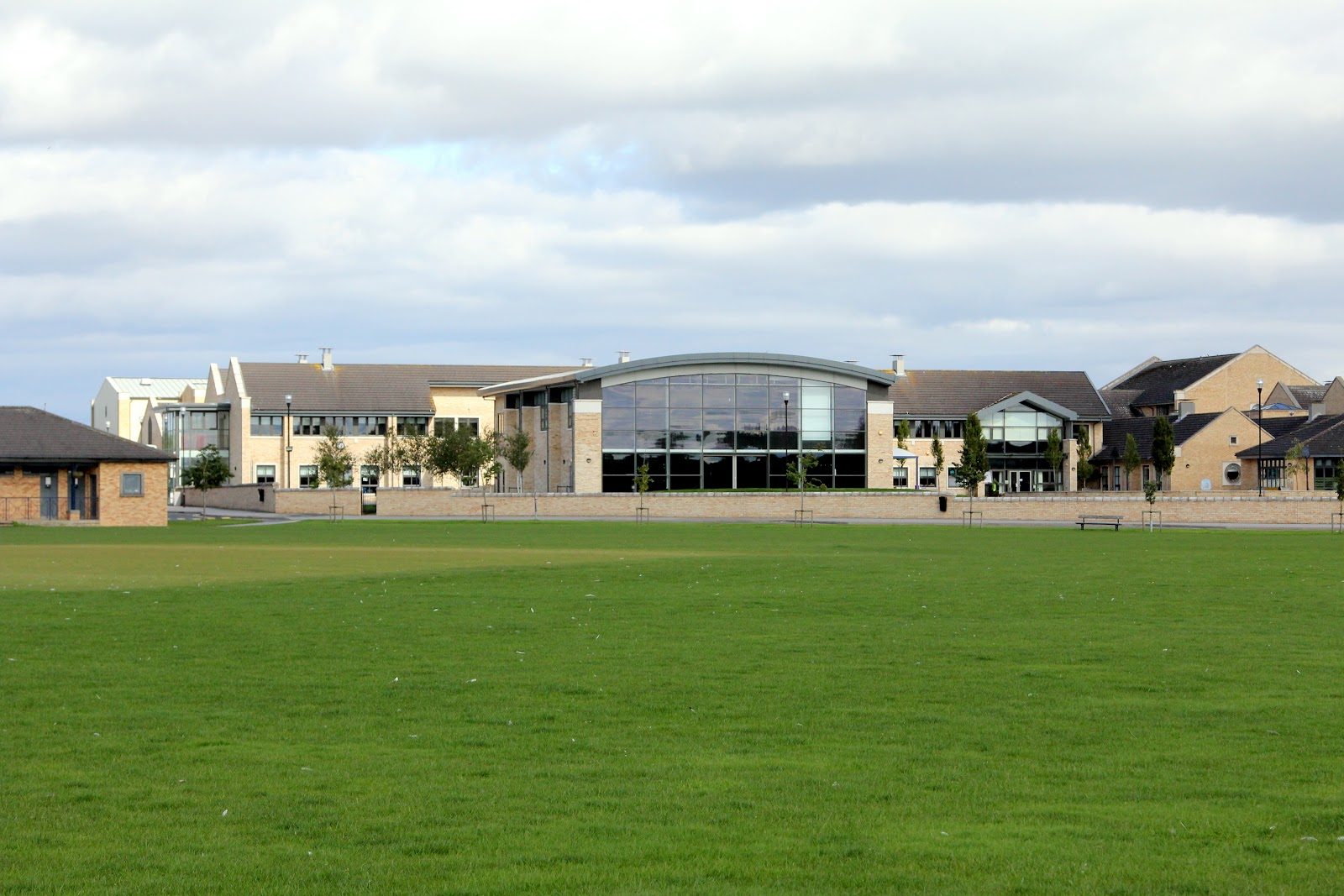
The Grammar School at Leeds
Leeds · United Kingdom
Where a 1552 boys' grammar school and an 1876 girls' high school fused into one diamond-model campus across 140 Yorkshire acres
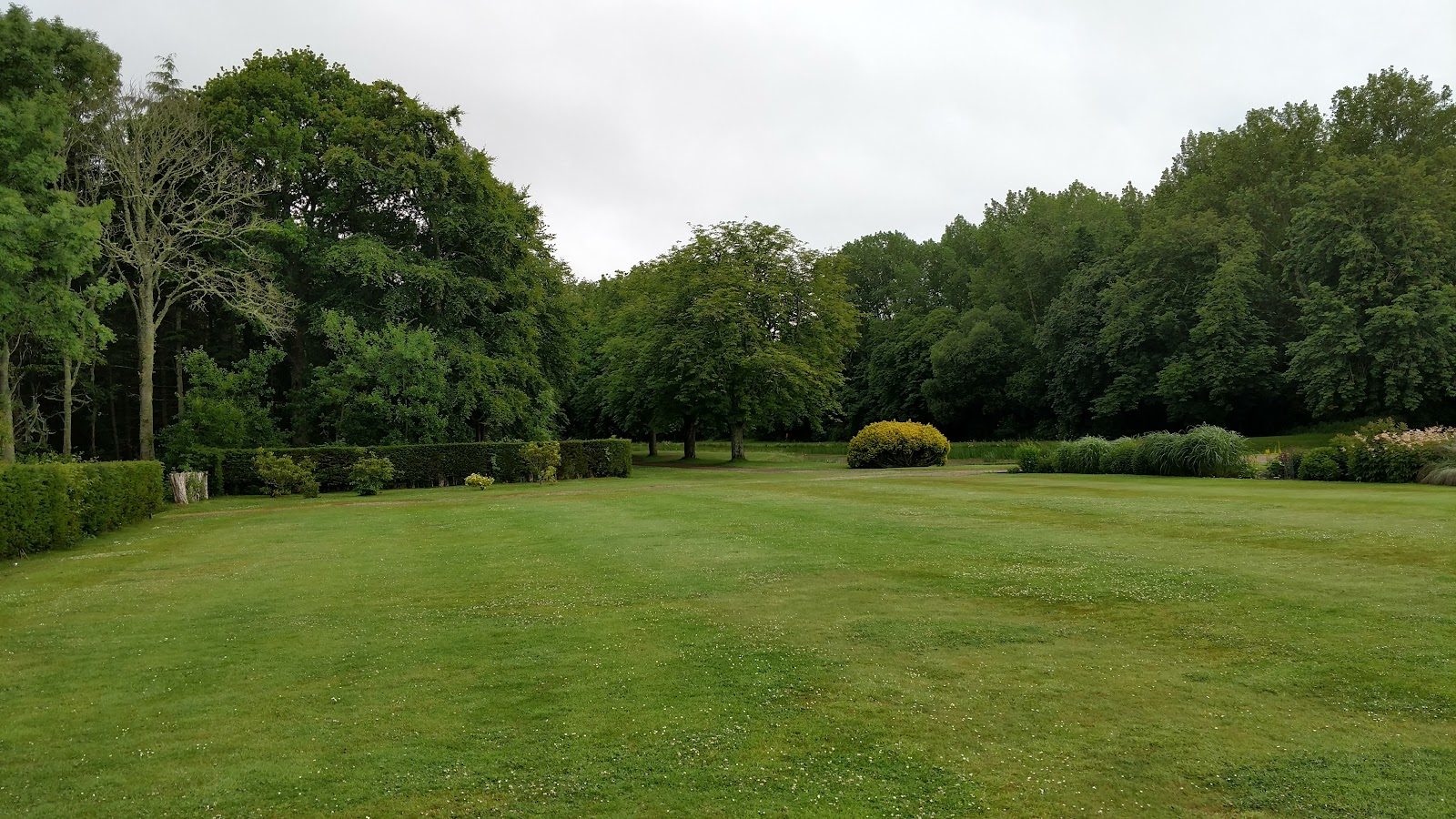
Gordonstoun
Elgin · United Kingdom
On Scotland's Moray coast, birthplace of Outward Bound, where sail training aboard the school's own ocean-going yacht counts as curriculum.
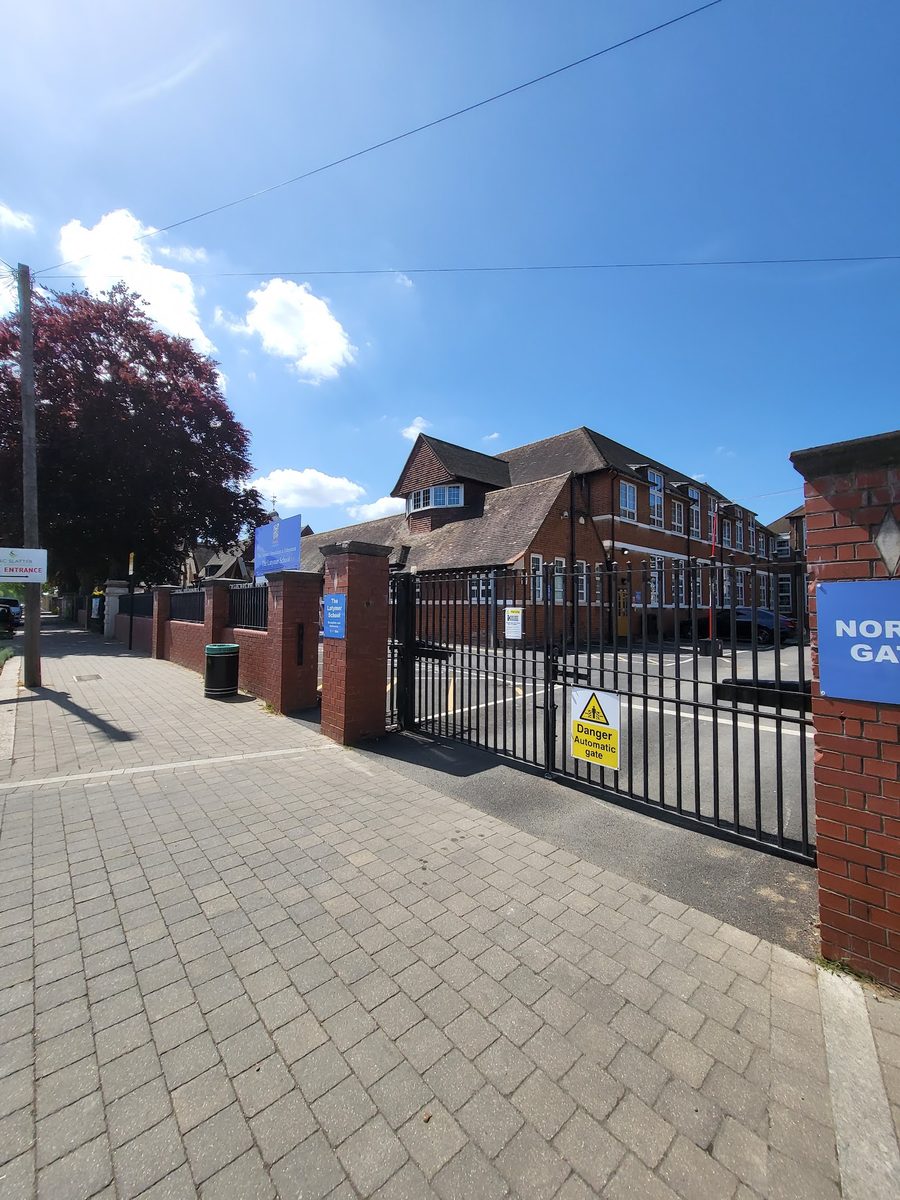
The Latymer School
London · United Kingdom
A 400-year-old state grammar in Edmonton where over 1,000 applicants compete yearly for just 192 places, with Cambridge college endowments still funding leavers.
Oundle School
Oundle · United Kingdom
Boarding houses woven into a historic market town, and an engineering centre that 3D-prints titanium and carbon fibre.
Same country and curriculum — closest matches within ±10 points either way