
Dubai
Dubai International Academy Al Barsha
low confidence· 4/6 cats · 0 avg sourcesOne of Dubai's few schools to run the complete IB continuum, PYP to CP, across a 23-acre Al Barsha campus.
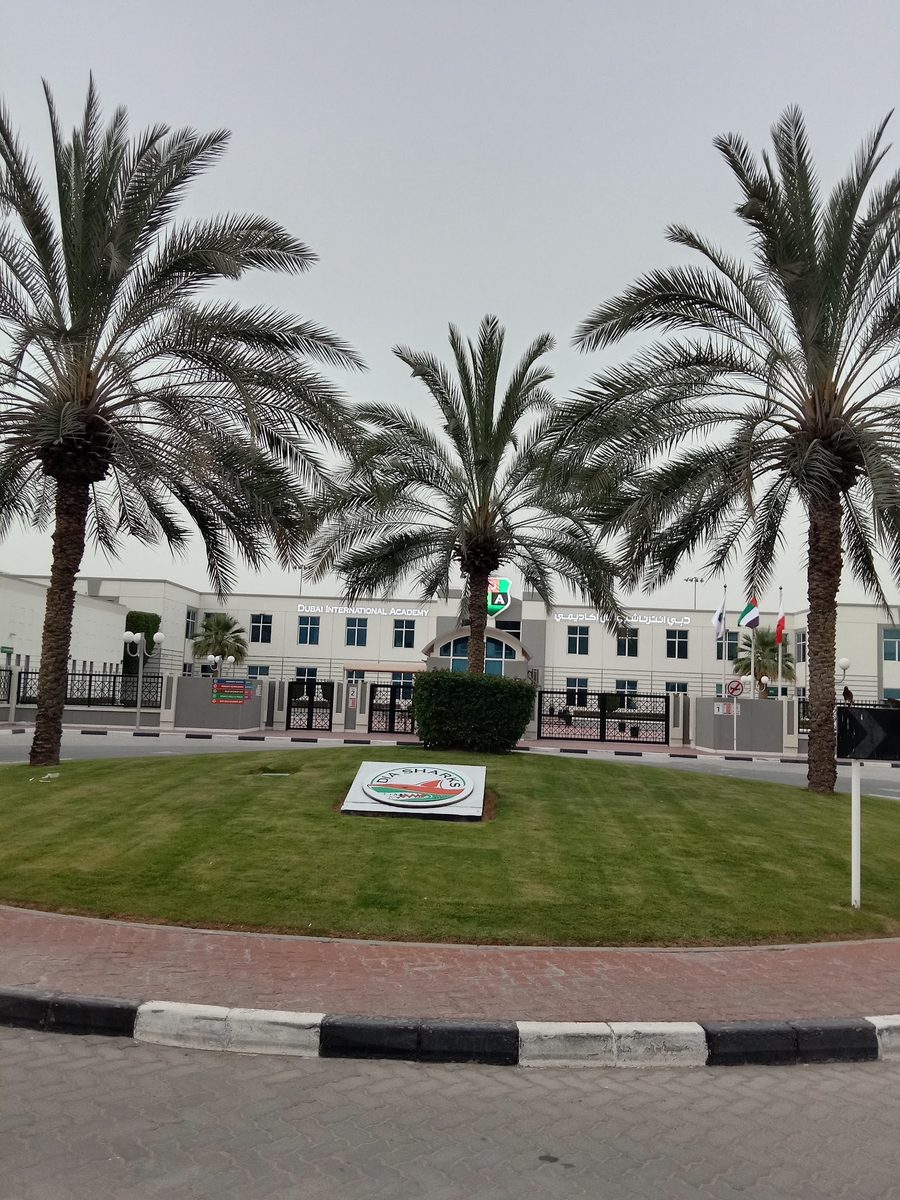
Photo © Md mintu Khan via Google Maps
Type
Day
Ages
3–18
Curriculum
IB
Qualifications
IB PYP · IB MYP · IB Diploma
Ratio
—
The Verdict
Editor's commitment
Right for
Families set on the full IB continuum, including the CP, on a 23-acre Al Barsha campus with KHDA's Very Good rating.
Wrong for
Parents who want a cheaper route than AED 67,192 a year, or a school with a track record stretching beyond 2018.
Watch out for
IB World status and ages 3–18 coverage give coherence, but KHDA rates it Very Good, not Outstanding, and the premium is real.
Ranking breakdown
Dubai International Academy Al Barsha · #701 of 1591
Composite score 67.9. 8 weighted criteria.
By criterion
Academic Outcomes
Weight 20%
#511
of 1529 scored
University Placement
Weight 16%
#516
of 1529 scored
Prestige & Heritage
Weight 12%
#842
of 1571 scored
Alumni Network
Weight 12%
#976
of 1530 scored
Facilities
Weight 12%
#209
of 1533 scored
Transparency & Communications
Weight 8%
#354
of 1532 scored
Peer & Industry Review
Weight 10%
#794
of 1548 scored
Admissions Selectivity & Demand
Weight 8%
#1156
of 1529 scored
Peer & Industry Review
How Dubai International Academy Al Barsha is regarded in the sector
70
Respected · high confidence
Dubai International Academy Al Barsha trades heavily on the pedigree of its Innoventures Education stablemate, with WhichSchoolAdvisor noting the original Emirates Hills campus is one of the most sought after schools in the city with parents trying and failing year on year to gain admission, a reputation the Al Barsha site is still building rather than inheriting outright. SchoolsCompared is notably bullish, calling it a "Fabulous, Tier 1 IB continuum school now offering a complete all-through education" and rating it "Highly recommended" on the back of strong leadership and facilities investment. WhichSchoolAdvisor is more measured, observing that the school does not yet have the legacy of great academic results of the original Emirates Hills school, but this is largely a question of time, with continuity provided by a KHDA Outstanding-credentialed principal transferred from the flagship site. Sector coverage is genuine and specific rather than generic, but the school remains a rising Tier 1 contender consolidating its own identity rather than an established top-tier benchmark.
Editors' overview
Dubai International Academy Al Barsha trades on a clear market advantage: it is one of Dubai’s few schools to offer the full IB continuum, from PYP through MYP and DP to CP, on a single campus. That matters. For families who want an uninterrupted IB education from age 3 to 18, the field is short. The school opened in 2018, so it lacks the heritage cachet of Dubai’s older flagships, but that youth also means a more coherent build: no retrofitted identity, no patchwork curriculum story, no split-site compromise. At 23 acres, the Al Barsha campus gives it physical scale to match that all-through ambition, and the KHDA’s Very Good rating for 2023/24 confirms that this is not an aspirational project but a functioning, credible school.
The school’s strongest selling point is coherence. Many Dubai schools do one phase well and bolt on the rest; DIA Al Barsha runs a straight IB line in English across the whole age range. That suits families who value continuity of teaching style, assessment culture and learner profile over the exam-shopping common in this market. Its IB World accreditation matters here because the badge is not decorative: parents are buying into a specific academic philosophy and a school structure built around it. Fees are expensive at an average of AED 67,192 a year across the full ladder, so this is not a casual choice. Parents paying at that level will expect serious organisation, strong university guidance in the senior years, and a school culture with enough substance to justify staying for the long haul.
Who is it for? Students who thrive in discussion-based classrooms, independent inquiry and a broad academic programme will fit best. It suits internationally mobile families who want stability without switching systems halfway through school, and teenagers who want the choice between the IB Diploma Programme and the Career-related Programme rather than a single sixth-form track. It is less convincing for families who want a heavily traditional British model, a narrow exam-drilling culture or the social capital of an older Dubai institution. Put plainly, DIA Al Barsha belongs on a shortlist for parents seeking a serious, all-through IB education on a substantial campus, with regulator-backed quality and a cleaner proposition than many of its rivals.
Academic Performance
DIA Al Barsha publishes headline IB Diploma outcomes that place it in the credible upper tier of Dubai’s non-selective international market, without giving parents the level of detail that would justify grander claims. The school reports an average Diploma score of 35.6 points for one recent cohort, against a global average of 30.3, with a 100% pass rate. Those are strong numbers. They put the school comfortably ahead of the worldwide IB baseline and in respectable company locally. They do not put it in the city’s most rarefied group of schools posting averages in the high thirties or above forty. That distinction matters. A mid-thirties average signals solid teaching, dependable student support and a cohort that performs well; it does not signal a market-leading academic powerhouse.
The more serious limitation is opacity. The school does not publish a long run of results, subject-level breakdowns, top scores, bilingual diploma figures, or destination data in enough depth to test consistency over time. For a school asking families for serious money, that is a weak spot. Parents choosing an all-through IB school want more than a single celebratory headline; they need evidence of trend, spread and sixth-form value added. On published outcomes, DIA Al Barsha reads as strong but not dominant: a school with good Diploma results, a sound pass profile and a performance level that stands up well against many Dubai peers, but not one that settles the argument on academic results alone.
Facilities
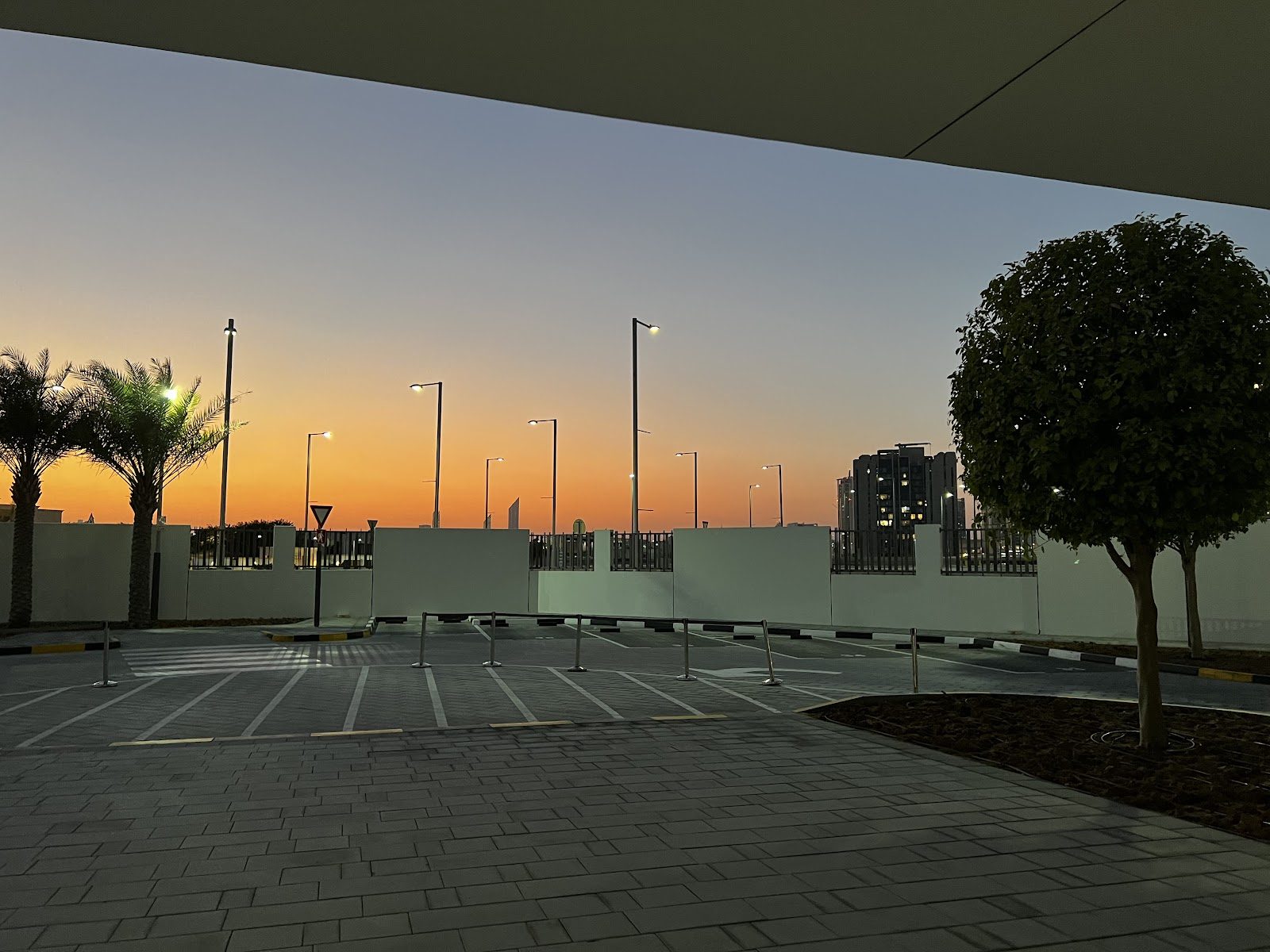
The campus gives the school room to do more than the standard Dubai formula of classrooms plus a sports hall. The important point is breadth: specialist spaces for science, design, the arts and sport sit on one site, which matters in an all-through school where older students need proper subject infrastructure rather than repurposed primary rooms. For parents, that translates into a school that can support a wide co-curricular range without feeling cramped or improvised. In market terms, that places DIA Al Barsha in the serious-campus category rather than the vertical, space-starved model common in the city. The estate itself is a competitive advantage, and a genuinely useful one, not just a brochure line.
Against premium IB peers, the facilities profile is strong rather than singular. Dubai has no shortage of schools with polished sports provision, theatres and smart labs; this campus belongs in that conversation. Where it gains ground is integration: younger children and sixth formers share one environment without the split-site compromises that weaken continuity elsewhere. That said, parents should separate scale from distinction. A large campus does not by itself guarantee exceptional coaching, high-level arts production or superior lab teaching. The school has the hardware for a full-spectrum student experience and the physical credibility to match its academic ambition. It does not, on facilities alone, claim a category-defining lead over Dubai’s best-resourced competitors.
Dubai International Academy Al Barsha carries real but not top-tier prestige in Dubai
Prestige
Dubai International Academy Al Barsha carries real but not top-tier prestige in Dubai. The advantage is structural: a family can buy into one school and stay through every phase of the IB, including the less common career-related route at the end. That gives it status with a specific audience — internationally mobile, university-minded parents who want continuity and do not want to switch systems in the teenage years. The regulator grade helps, and the fees place it firmly in the city’s premium bracket at an average of AED 67,192 a year. This is not a bargain school trading on convenience. It sits in the serious end of the market. But prestige in Dubai also rests on age, selectivity, exam dominance and social cachet, and on those measures DIA Al Barsha is still building.
That is why the school rates as credible, well-regarded and upward-moving, rather than elite. It has a clear identity, a substantial campus and a coherent educational proposition; many competitors cannot say the same. Yet it does not command the inherited aura of the city’s older names, and its published academic outcomes, while strong, do not force it into the very top bracket. The result is prestige with limits: respect rather than reverence. For parents who value educational continuity over old-school polish, that is enough. For families shopping for maximum social prestige, longest-established reputation or the strongest academic mythology, the market offers schools with a bigger halo.
The estate itself is a competitive advantage, and a genuinely useful one, not just a brochure line
Communications
Parent communication is competent, frequent and institutionally tidy, which is the minimum at this fee level and an important reassurance in an all-through school. The website does the core jobs well: admissions routes are clear, leadership is visible, the school calendar and key contacts are easy to find, and there is enough practical information for a parent to understand how the place runs. The school also benefits from a regulator-facing culture in which documentation, notices and process matter. That tends to produce communication that is orderly, serviceable and reassuringly adult rather than chaotic. For current families, that matters more than glossy storytelling. Parents need punctual notices, clear lines of responsibility and fast answers when routines shift. DIA Al Barsha gives the impression of a school that understands that basic contract.
Where the picture is less convincing is depth and candour. Public communications are stronger on day-to-day functioning than on hard accountability. We have seen headline celebration, but less of the granular disclosure that ambitious parents want once children move into the senior years: fuller outcomes data, richer destination reporting and sharper explanation of sixth-form performance over time. That does not make the communication weak; it makes it controlled. For some families, that feels professionally run. For others, it reads as too curated for a premium school. The test is simple: if you want warm community messaging and decent operational clarity, the school delivers. If you want forensic transparency, especially around older students, it still holds something back.
Uniqueness
What marks DIA Al Barsha out is not novelty for its own sake but structural coherence. In Dubai, plenty of schools offer an IB phase; far fewer carry children all the way through on one site and still keep meaningful choice at the senior end. Here, a family does not need to re-school a child at adolescence to preserve continuity or widen post-16 options. That matters more than marketing language. A pupil can grow up inside one academic culture, one set of expectations and one community, then move into either the more conventional university-prep route or a more applied pathway without changing schools. For the right child, that is genuinely valuable: fewer educational resets, less institutional churn, and a clearer line between early years habits and sixth-form outcomes.
The other point of difference is scale with purpose. The school has the footprint to run an all-through model without the patched-together feel that weakens many younger schools. Younger pupils are not tucked into one corner while older students operate as a separate entity in all but name; the proposition is integrated. That brings practical benefits to students: access to specialist spaces as they grow, a steadier transition between phases, and a stronger sense that the school was built for the full age range rather than expanded into it. The fee level — an average of AED 67,192 a year — raises the bar on what parents can demand, but it also underlines the point: this is a premium, long-horizon choice for families who want one school to do the whole job properly.
Against premium IB peers, the facilities profile is strong rather than singular
Student Profile
The best fit is a child who handles breadth well and does not need a narrow, exam-drilled atmosphere to stay on track. This is a school for students who can manage independent work, speak up in class, move between academic and co-curricular commitments, and cope with teachers asking for reflection rather than rote compliance. The all-through structure also suits families who dislike educational disruption: children who settle more deeply when expectations stay consistent, friendships last, and adolescence does not require a move to a different system. At an average annual fee of AED 67,192, parents are buying a long-horizon commitment, so the strongest fit is a family prepared to invest in one school community rather than treat each phase as a separate shopping exercise.
Socially, the school will suit internationally minded families who value a cosmopolitan, organised environment over old-school hierarchy or heavy institutional mystique. Students who enjoy discussion, group projects, presentations and a visible co-curricular life will have more room to breathe here than children who want a tighter, more traditional classroom culture with constant external pressure. The less natural fit is the child who thrives on relentless rank-order competition, maximal academic intensity or a deeply conventional British school tone. DIA Al Barsha suits engaged, adaptable students with a decent level of self-management, and families who want a premium, coherent school experience rather than a high-drama badge school.
A large campus does not by itself guarantee exceptional coaching, high-level arts production or superior lab teaching
Co-curricular strengths
Arts & sport, on a separate axis
Overall 8.14/10
Scored 0-10 from the school's own published evidence. This axis is editorial-only — it does not feed the main WTS ranking.
Sports
8.5/10
The extracurriculars explicitly list Football, Basketball and Swimming, indicating a solid multi-sport offering but with no named facilities, specialist staff or competitive results described.
Drama
8.2/10
Drama Productions, which is stronger than a bare mention of drama because it evidences recurring staged activity, but no theatre, department or productions details are provided.
Dance
8/10
Music
8.2/10
Both School Orchestra and Choir, showing named music ensembles and visible participation.
Visual Arts
7.8/10
Visual Arts is explicitly named in the extracurriculars, but there is.
Editor first-pass · editor-reviewable · 7/27/2026
Official inspection · Dubai
KHDA report · 2023/24
Official · KHDAInspectorate
Knowledge & Human Development Authority
Dubai's mandatory education regulator; annual DSIB inspections.
Curriculum
IB
Held vs previous cycle
Full report
KHDA report finderRating history
Strengths
- +Full IB pathway from PYP through MYP to DP, plus a BTEC Level 3 option
- +English-medium teaching across the full 3 to 18 age range
- +Publishes exam data: 2026 IB Diploma cohort of 58 averaged 35.1 points at a 100% pass rate (WSA)
- +Elite sports and outstanding performing-arts provision on the co-curricular measures
- +KHDA rated Very good
Considerations
- −Rated Very good rather than the KHDA's top Outstanding band
- −IB-focused curriculum may not suit children wanting early subject specialisation
- −Only English listed as the language of instruction
Availability
Primary entry gate & tests
CAT4 / Assessment
Gallery
Photo © Ultimate Athletics via Google Maps
Photo © Muhammed Niyaf via Google Maps
Recommended reading
Independent write-ups of this school from editorial outlets we trust.
Parent reviews
Have you sent your child here?
Voice reviews carry the strongest trust badge — we transcribe them for you to tidy up before they go live. Prefer to type? A written review is fine too.
Add your voice
In 60 seconds, tell other parents: what's the best thing about Dubai International Academy Al Barsha, and what surprised you when your child joined?
We ask for a Google sign-in so every review has a real face behind it — no anonymous drive-by attacks on schools, and no faked positive reviews. Your email is never shown publicly.
Send this profile to a friend
International parents rely on word-of-mouth. Share this review with someone weighing the same decision.
Schools with places
Similar schools to Dubai International Academy Al Barsha with places available now.
GEMS World Academy – Dubai
Dubai · United Arab Emirates
- 2026-27
- PLACES OPENApps open / space-dependent
- 2027-28
- WAITPOOL2027/28 timetable TBC
Fairgreen International School
Dubai · United Arab Emirates
- 2026-27
- PLACES OPENApps open / space-dependent
- 2027-28
- WAITPOOL2027/28 timetable TBC
Repton School Dubai
Dubai · United Arab Emirates
- 2026-27
- PLACES OPENApps open / space-dependent
- 2027-28
- PLACES OPENRolling
Swiss International Scientific School Dubai
Dubai · United Arab Emirates
- 2026-27
- PLACES OPENApps open / space-dependent
- 2027-28
- WAITPOOL2027/28 timetable TBC
Availability first, then country, area, curriculum, price, co-curricular
Consider also
Also worth looking at alongside Dubai International Academy Al Barsha.
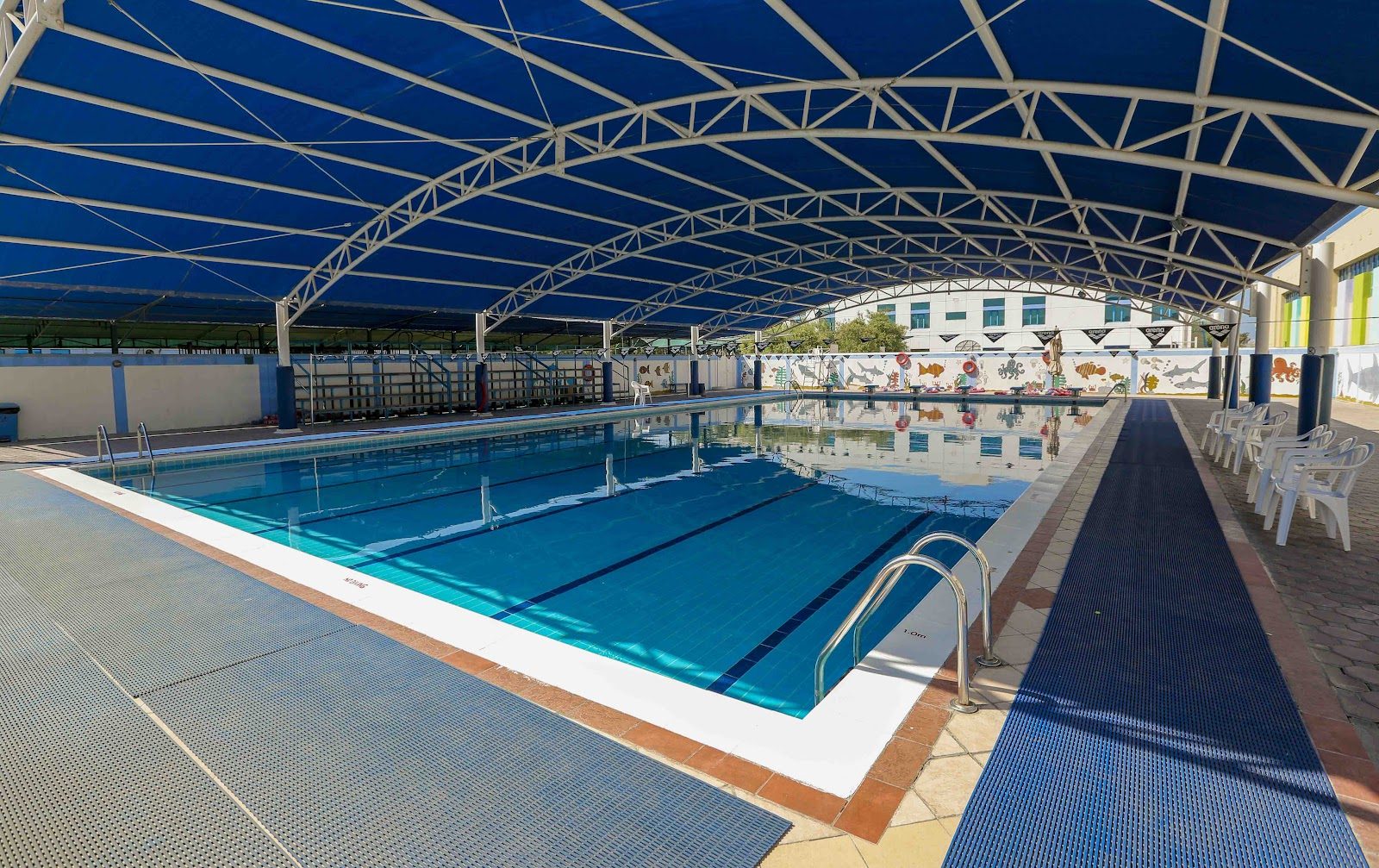
Emirates International School Jumeirah
Dubai · United Arab Emirates
Dubai's first IB World School, still running the full four-programme continuum from Early Years to graduation.
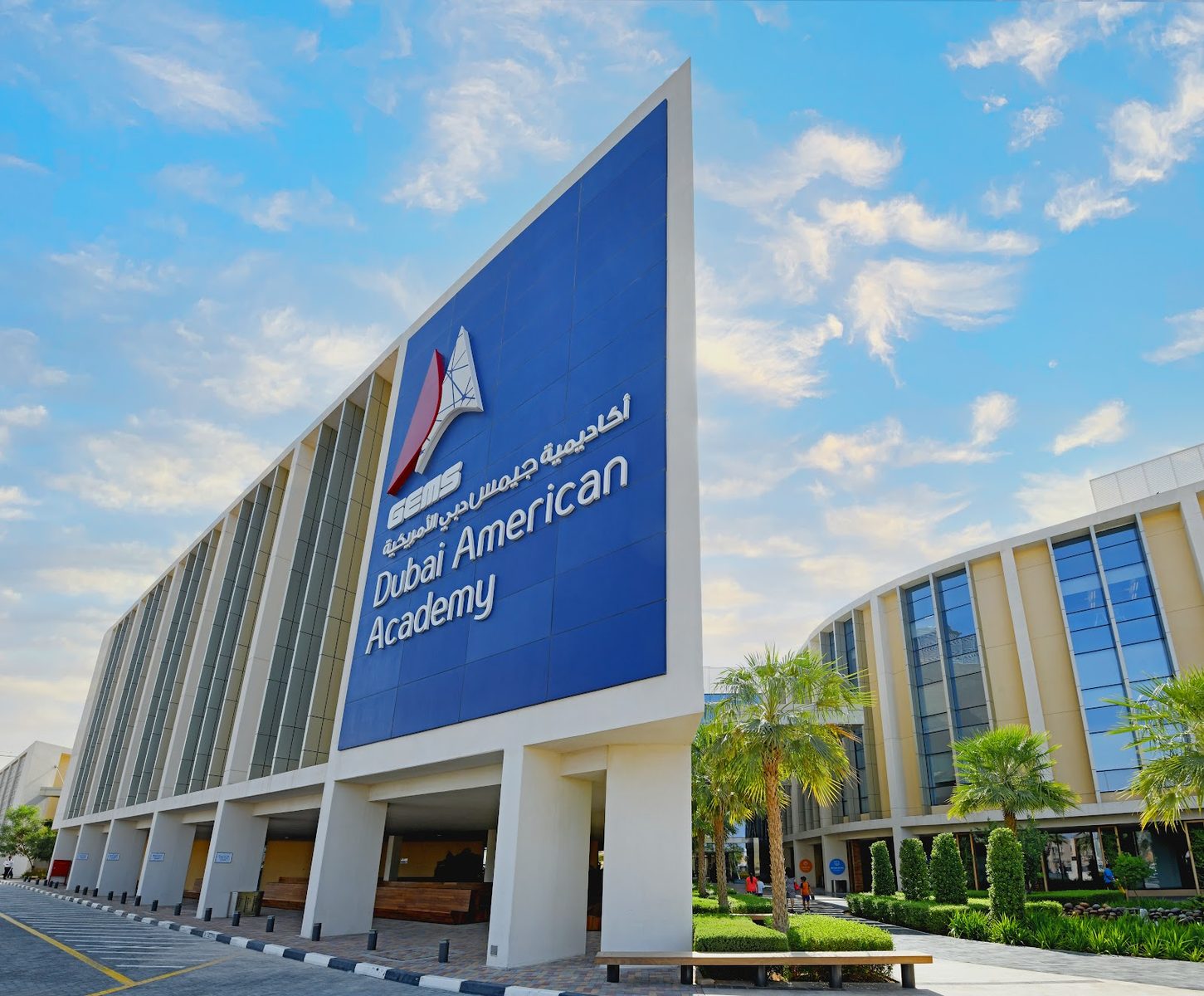
GEMS Dubai American Academy
Dubai · United Arab Emirates
The only American-curriculum school in Dubai to hold KHDA's Outstanding rating in every inspection since 2011, running US diplomas alongside the IB.
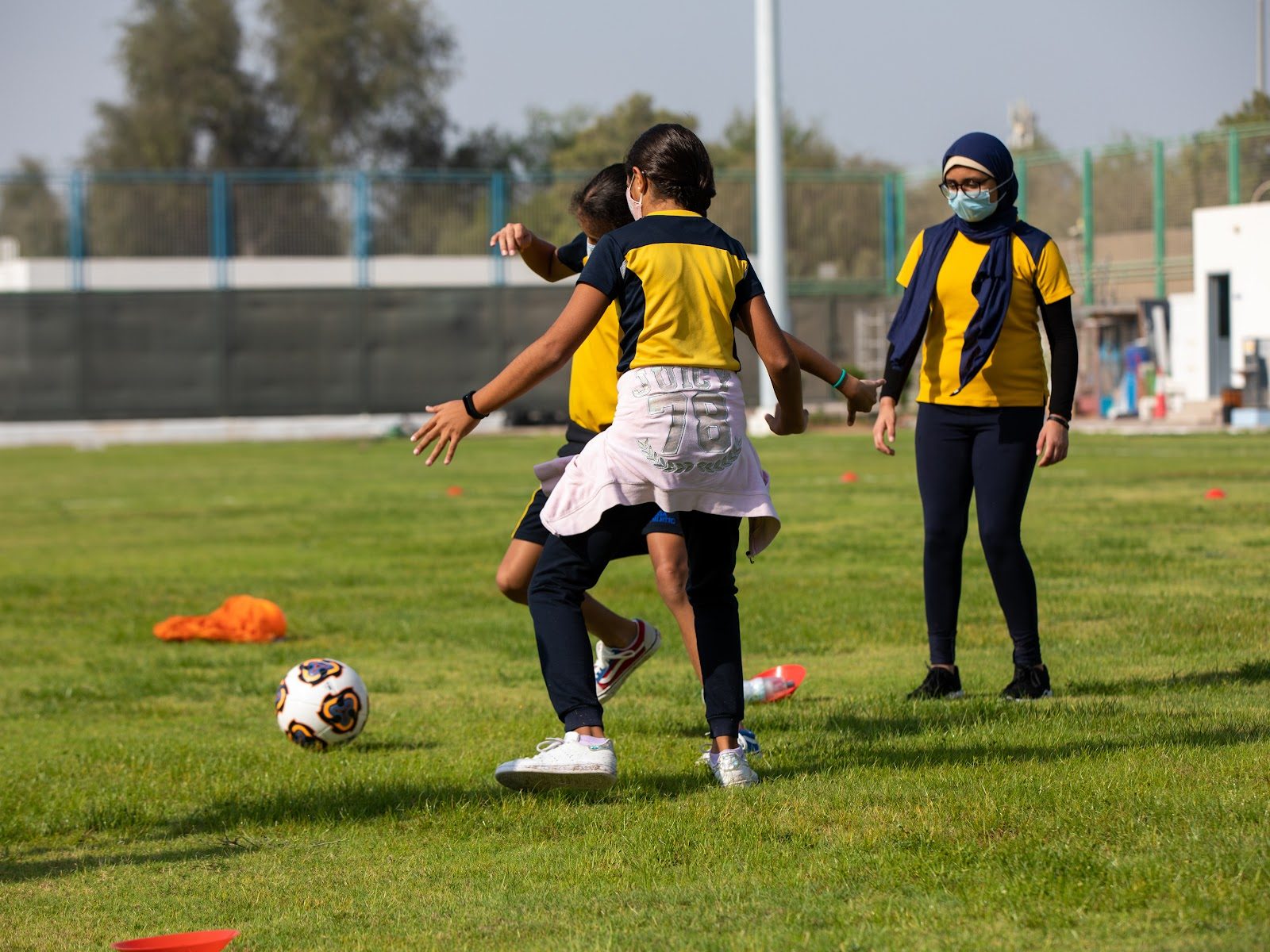
American International School in Abu Dhabi
Abu Dhabi · United Arab Emirates
Where American Common Core meets IB inquiry, having pioneered the UAE's first IB Diploma classroom back in the 1990s
GEMS World Academy – Abu Dhabi
Abu Dhabi · United Arab Emirates
A purpose-built Al Reem Island campus pairs IB inquiry with England's National Curriculum, IGCSEs folded into the MYP.
Same country and curriculum — closest matches within ±10 points either way