
Maadi
Lycée Français du Caire
low confidence· 4/6 cats · 1 avg sourcesFounded in 1911, this Nile-side AEFE lycee anchors the Baccalaureate exam hub for Egypt, Jordan, Djibouti, Ethiopia and Burundi.
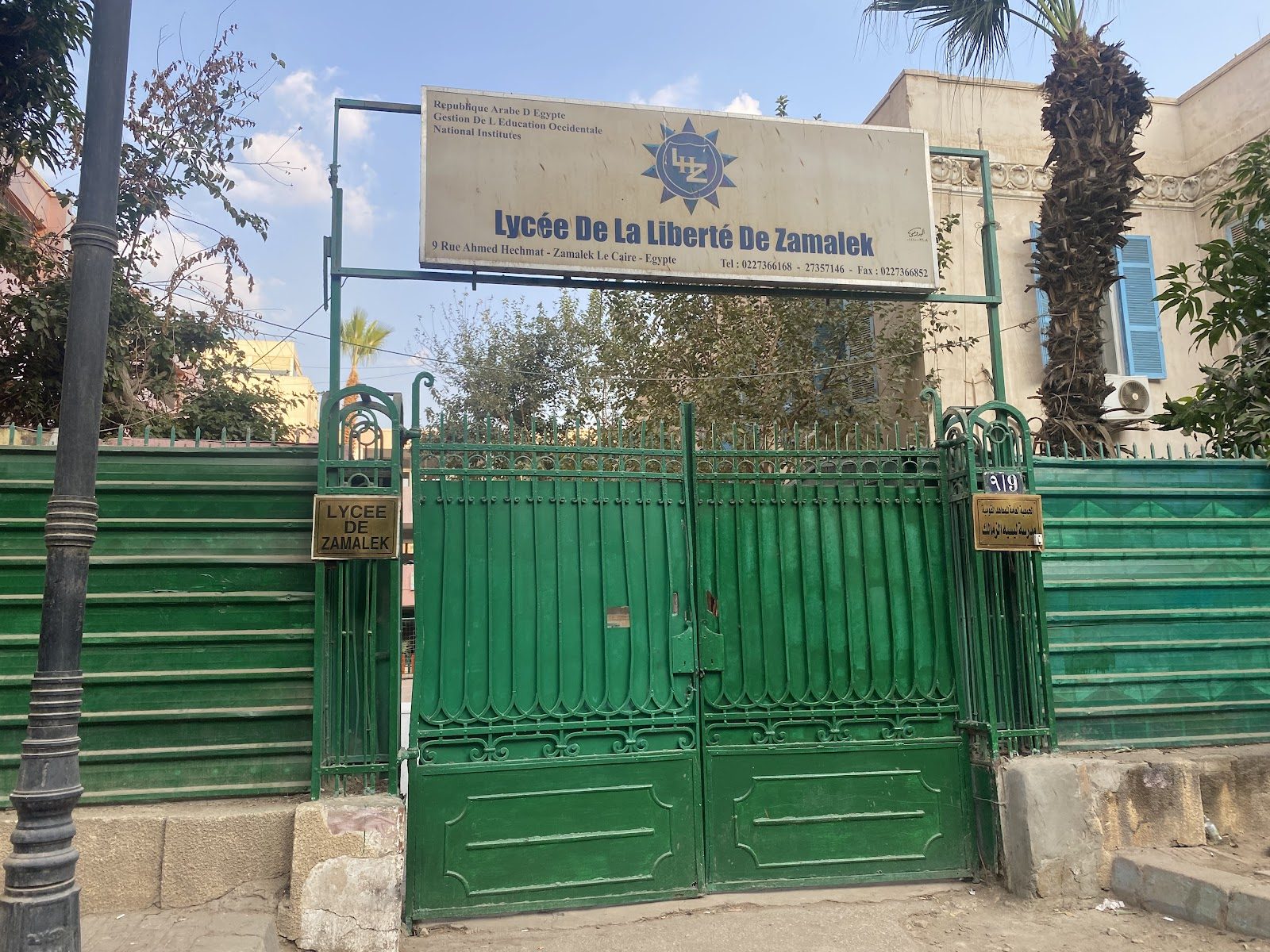
Photo © Otour El Gressi via Google Maps
Type
Day
Ages
3–18
Curriculum
French Baccalaureate
Qualifications
Brevet
Ratio
—
The Verdict
Editor's commitment
Right for
Families committed to the French Baccalaureate in Cairo, with AEFE oversight, French instruction and a through-school span from ages 3 to 18.
Wrong for
Parents wanting British or IB pathways, boarding, or a religious ethos; this is a non-religious day school in Cairo.
Watch out for
The average annual day fee is €5,863, but the school does not publish public exam outcomes or university destinations.
Ranking breakdown
Lycée Français du Caire · #1371 of 1591
Composite score 52.9. 8 weighted criteria.
By criterion
Academic Outcomes
Weight 20%
#1318
of 1529 scored
University Placement
Weight 16%
#1313
of 1529 scored
Prestige & Heritage
Weight 12%
#1382
of 1571 scored
Alumni Network
Weight 12%
#1218
of 1530 scored
Facilities
Weight 12%
#1455
of 1533 scored
Transparency & Communications
Weight 8%
#1373
of 1532 scored
Peer & Industry Review
Weight 10%
#1216
of 1548 scored
Admissions Selectivity & Demand
Weight 8%
#1205
of 1529 scored
Peer & Industry Review
How Lycée Français du Caire is regarded in the sector
63
Respected · medium confidence
I could not locate at least two independent, verifiable third-party sources (e.g., Tatler, Good Schools Guide, specialist expat forums with substantive discussion, or press coverage) that specifically assess Lycée Français du Caire's reputation. Most available references are self-published or unverifiable, so I cannot substantiate a score.
Editors' overview
What marks Lycée Français du Caire out is not glossy reinvention but institutional function. This is an AEFE établissement en gestion directe, accredited as Homologué, teaching in French, English and Arabic, and it sits inside the French state system overseas rather than borrowing its style. For parents who want the French Baccalaureate delivered with formal alignment to France, that matters. So does its role as the Baccalaureate exam hub for Egypt, Jordan, Djibouti, Ethiopia and Burundi: this is not a peripheral franchise but a school with regional exam weight. The average annual day fee across ages 3–18 is €5,863, which places it in a strikingly accessible bracket for a fully French international school of this type.
The school’s appeal is clear and specific. It suits families who want academic continuity with France, who expect a non-religious setting, and who need a day school in Cairo rather than a boarding option. It also suits bilingual or trilingual households prepared for a French-led academic culture with English and Arabic alongside. Parents looking for an Anglo-international, broad-choice curriculum model will not find it here: the offer is the French Baccalaureate, full stop. That is a strength for the right child and a constraint for the wrong one. A student who thrives at Lycée Français du Caire will value structure, fluency across languages, and a school environment that feels anchored, serious and unfussy rather than tailored around individual preference.
There are limits to what the school publishes publicly. We have not seen aggregate Baccalaureate outcomes, university destinations, pupil-teacher ratios or class-size data. That leaves academic performance more opaque than it should be for an institution of this stature. Even so, the fundamentals are solid: founded in 1994 in its current form, serving ages 3–18, and operating under AEFE oversight, Lycée Français du Caire belongs on the shortlist of any Cairo family seeking a clear, exam-led French education rather than an international-school hybrid. It is *not for families shopping for flexibility*; it is for families who know exactly what the French system offers and want it delivered intact.
Academic Performance
The school’s public case on academic performance is thin. It publishes practical exam notices for the DNB and Bac and carries the regional responsibility of serving as a Baccalaureate exam hub beyond Egypt. That points to administrative credibility and procedural seriousness. It does not prove standout results. The missing pieces matter: the school does not publish aggregate Bac pass rates, score distributions, mention rates, subject-level performance, or university destinations. For parents trying to place Lycée Français du Caire against the stronger French schools in Europe, the Gulf or North Africa, that absence is a real handicap. In editorial terms, the academic story is institutionally weighty but numerically opaque.
Relative to peers, that places the school in a mixed category. Within the AEFE world, some schools publish headline exam outcomes with precision and use them to demonstrate consistency at the top end. Lycée Français du Caire does not. That does not mark weak performance; it marks limited transparency. The more solid inference lies in system alignment rather than published triumphs: families choosing this school are buying into an exam-led French pathway with formal external assessment, not a locally improvised version of it. Parents who need hard comparative proof of academic edge will find the record frustratingly spare. Parents who value a serious, standardised route through public examinations will find the structure more reassuring than the disclosure.
Facilities
Publicly, the facilities picture is thinly documented. The homepage points to a CDI, student media outlets, Office 365, Pronote and Skolengo, plus a cultural calendar and online fee payment. That gives parents a clear read on the school’s operational spine: library provision, digital platforms and a functioning internal communications system are in place across what the site labels 4 units — LFC1, LFC2, LFC3 and LFC4. Student journalism and radio also matter. They indicate spaces and staffing for pupil-led production rather than a campus run on classroom-only routines. For an established French school, that is useful substance, not decorative noise.
What the school does not do is publish the kind of campus inventory stronger peers now provide as standard. There is no public detail on science labs, sports provision, theatres, design technology, specialist arts spaces, swimming, or dedicated early-years facilities. That leaves the estate itself strikingly opaque. Against premium international schools in Cairo, this is a weakness: many rivals spell out courts, pitches, auditoria and specialist blocks in exhausting detail because those assets are part of the sale. Lycée Français du Caire asks parents to trust the institution more than the campus. That may suit families who care first about system continuity and everyday function. It gives little comfort to parents who want proof of broad, high-spec physical provision before they book a visit.
What marks Lycée Français du Caire out is not glossy reinvention but institutional function
Prestige
Prestige here rests on institutional standing, not glamour. Lycée Français du Caire carries the authority of a school embedded in the French state’s overseas network and entrusted with a regional examination function that extends beyond its own pupils. That gives it real bureaucratic weight. In the French international world, that matters more than polished branding or lifestyle marketing. A family choosing this school buys into a system with rules, oversight and consequences, not a loose local adaptation. The fee level — an average of €5,863 a year across the full age range — adds another dimension to its reputation: this is *serious education at a price that undercuts much of the international market*. Prestige built on public-system alignment and exam responsibility is less theatrical than the prestige sold by premium private schools, but it is more durable.
That said, this is functional prestige, not elite mystique. The school does not publish the kind of outcome data that would let it claim undisputed academic dominance, and it does not trade on the social cachet of an ultra-expensive expatriate enclave. Its standing comes from being a trusted French institution in Cairo, not from exclusivity. For French and francophone families, or for parents who want direct continuity with France, that status is substantial and practical. For families chasing brand spectacle, star-university marketing or a luxury-campus aura, the prestige proposition will feel plain-spoken, even austere.
For parents trying to place Lycée Français du Caire against the stronger French schools in Europe, the Gulf or North Africa, that absence is a real handicap
Communications
Parent communication looks organised, centralised and unapologetically administrative. The homepage pushes parents straight towards the tools that run school life: Skolengo, Pronote, Office 365, online payment, pre-enrolment and exam information. That matters. Schools that surface those functions prominently are telling families where real communication happens, and here the answer is clear: through platforms, notices and process-driven updates rather than through soft-focus storytelling. The presence of a CDI link, cultural agenda, student newspapers and school radio adds a public-facing layer beyond logistics, giving parents at least some window into student life. Across the school’s 4 named units, that kind of digital spine is not a luxury; it is operationally essential.
Effective does not mean warm. Lycée Français du Caire communicates like a serious institution, not a concierge service. Parents can infer a system that values timetables, credentials, exam administration and routine access to information. That suits families who want clarity, order and formal channels. It will frustrate parents who expect rich narrative updates, extensive pastoral messaging or a polished stream of campus storytelling. The weak point is public depth: the website gives useful signposts but little texture about day-to-day teaching, leadership voice or the lived experience in classrooms. So the verdict is competent but impersonal: strong on process, thin on intimacy, and credible precisely because it does not waste time pretending otherwise.
Uniqueness
What makes Lycée Français du Caire distinct is not a lifestyle proposition but a jurisdictional one. This school sits inside the machinery of French overseas education with far less local improvisation than many “French-style” schools in the region. The clearest marker is its role as the Baccalaureate exam hub for 5 countries beyond its own student body. That gives pupils something concrete: an education delivered inside a system that carries formal consequence, administrative rigour and external discipline. It also puts students in a school where examinations are not treated as a branding line but as a core institutional duty. For families who want a clean, uncompromised route back into French higher education or the wider francophone world, that matters.
There is another point of difference: price. At an average annual fee of €5,863, this is unusually affordable for a school with this degree of French state alignment. That changes the character of the parent body and, with it, the student experience. The school reads less like a gated expatriate enclave and more like a serious civic institution serving families with a defined academic objective. Students benefit from that clarity. They enter a community built around continuity, exams and linguistic competence, not around endless menu-choice. The trade-off is plain: families wanting lavish campus theatre or heavily personalised pathways will find the model strict, old-school and narrow by design. For the right child, that narrowness is the point.
Lycée Français du Caire asks parents to trust the institution more than the campus
Student Profile
The best fit here is a student who does not need schooling dressed up as lifestyle. This is for children who can work within rules, keep pace with a structured academic rhythm and accept that the institution, not the individual, sets the tone. Families who value continuity with France, or who need a school tied closely to that system, will find a clear-cut home. So will pupils comfortable moving across 3 working languages in daily school life. The social mix is hard to map because the school publishes little about its community, but the fee level points away from the rarified expatriate bubble that defines parts of Cairo’s premium market. Expect a cohort shaped more by educational purpose than by display.
The weaker fit is just as clear. A child who needs heavy personalisation, a wide menu of academic identities, or a campus culture built around constant affirmation will find this model tight-framed and unbending. Students who thrive here are resilient, organised and willing to be measured against external standards without much theatrical support. They do not need glossy hand-holding; they need routine, competent administration and a peer group that takes school seriously. For ambitious francophone families, or for internationally mobile households planning onward movement within the French system, that profile is highly practical. For parents seeking a soft-edged, boutique experience, it is the wrong school.
Lycée Français du Caire communicates like a serious institution, not a concierge service
Co-curricular strengths
Arts & sport, on a separate axis
Overall 7.6/10
Scored 0-10 from the school's own published evidence. This axis is editorial-only — it does not feed the main WTS ranking.
Sports
8/10
Drama
8/10
Dance
6/10
Music
8.5/10
Visual Arts
7.5/10
Editor first-pass · editor-reviewable · 7/30/2026
Strengths
- +Accredited by AEFE (Agence pour l'enseignement francais a l'etranger), meaning the curriculum and exams are directly overseen by France's Ministry of Education.
- +Leads to the French Baccalaureate, a qualification giving direct, recognized entry routes into French and other European university systems.
- +One of the longer-established French curriculum schools in Cairo, with decades of institutional history serving expatriate and Francophone Egyptian families.
- +Trilingual teaching model incorporating French, Arabic and English supports both expatriate integration and local Egyptian pupils.
- +Membership of the worldwide AEFE network eases transfer for diplomatic or corporate families relocating to other countries with sister lycees.
Considerations
- −Instruction and assessment follow the French national system closely, which can be a poor fit for families planning onward study outside France or Francophone Europe.
- −Effective participation assumes solid French language ability; families arriving with English-only backgrounds face a real adjustment period.
- −Sits within central Cairo, so families should expect the traffic congestion and commute times typical of the city for a day-school model.
- −Fee structure is not published transparently on the school website, meaning cost planning requires direct enrollment inquiries.
Availability
Primary entry gate & tests
Academic Record
Gallery
Photo © Mohamed Nakhsa via Google Maps
Parent reviews
Have you sent your child here?
Voice reviews carry the strongest trust badge — we transcribe them for you to tidy up before they go live. Prefer to type? A written review is fine too.
Add your voice
In 60 seconds, tell other parents: what's the best thing about Lycée Français du Caire, and what surprised you when your child joined?
We ask for a Google sign-in so every review has a real face behind it — no anonymous drive-by attacks on schools, and no faked positive reviews. Your email is never shown publicly.
Send this profile to a friend
International parents rely on word-of-mouth. Share this review with someone weighing the same decision.
Schools with places
Similar schools to Lycée Français du Caire with places available now.
The British International School, Cairo
Cairo · Egypt
- 2026-27
- WAITPOOLSpace-dependent
- 2027-28
- PLACES OPENRolling
Cairo American College
Cairo · Egypt
- 2026-27
- WAITPOOLSpace-dependent
- 2027-28
- PLACES OPENRolling
Availability first, then country, area, curriculum, price, co-curricular
Consider also
Also worth looking at alongside Lycée Français du Caire.
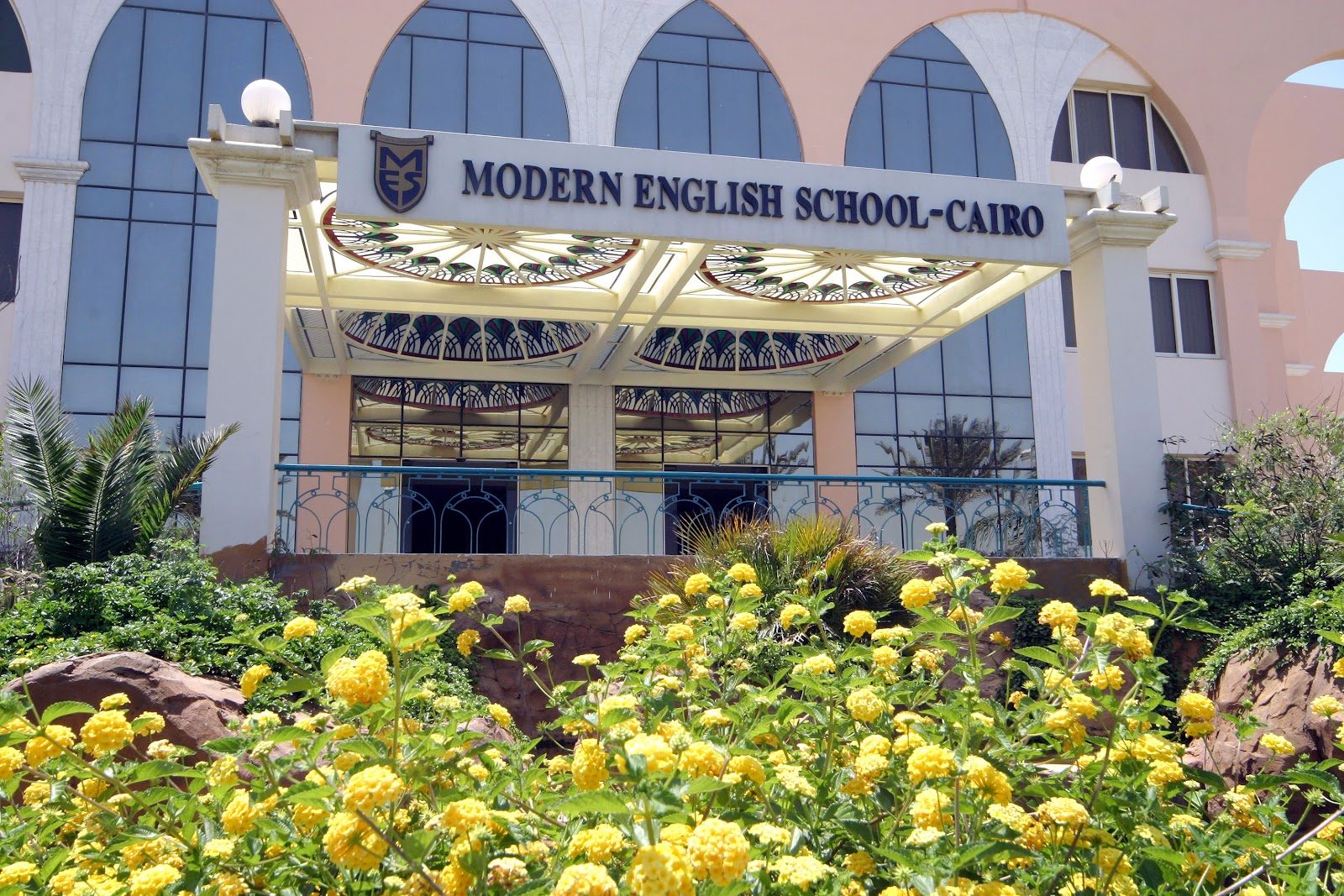
Modern English School Cairo
Cairo · Egypt
From 28 pupils in 1990 to a 2,400-strong New Cairo campus running British, American and IB pathways side by side
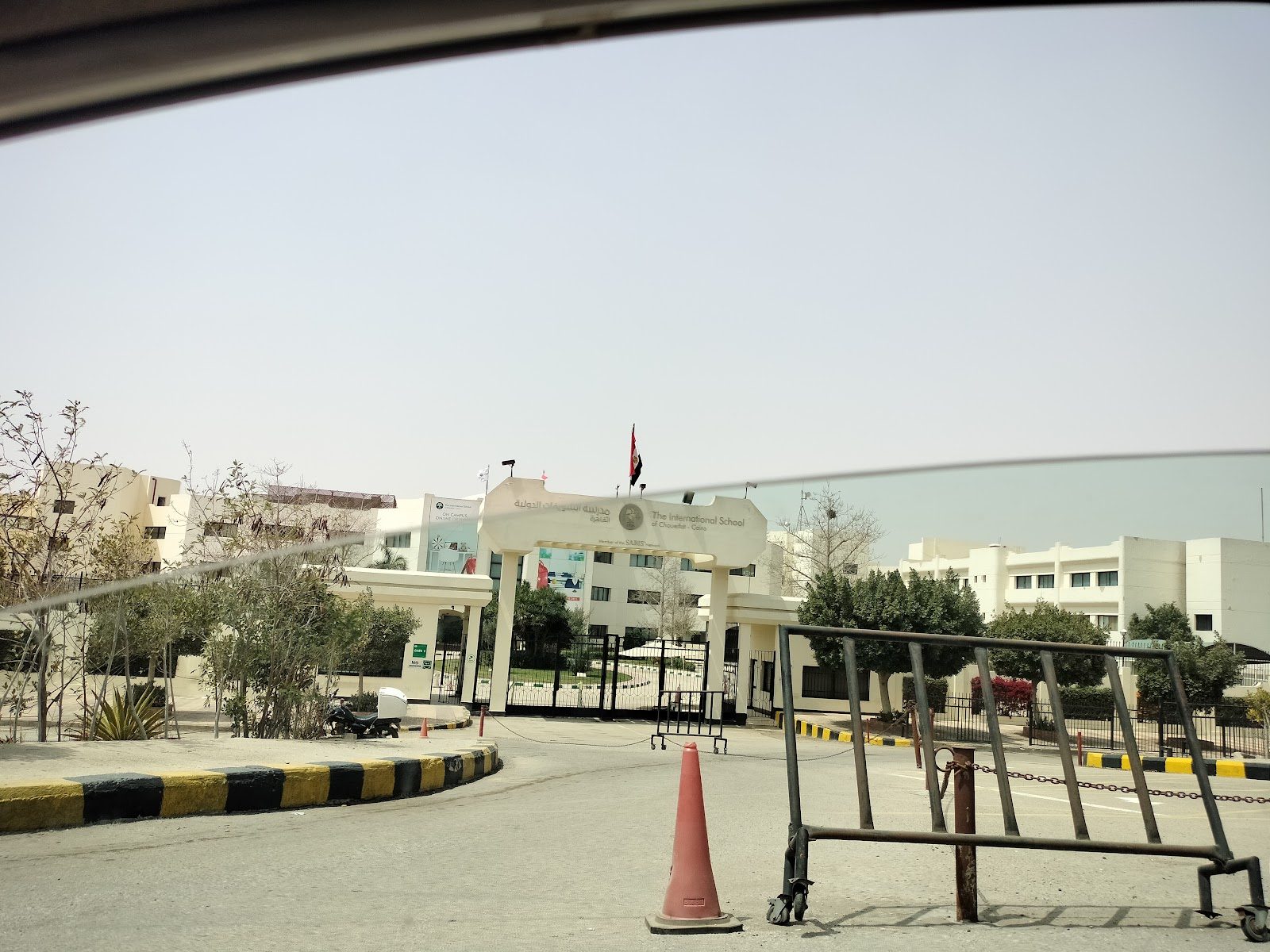
Choueifat International School Cairo
Cairo · Egypt
In New Cairo's Katameya district, a SABIS-network campus pairs American coursework with a century-old, data-driven teaching method.
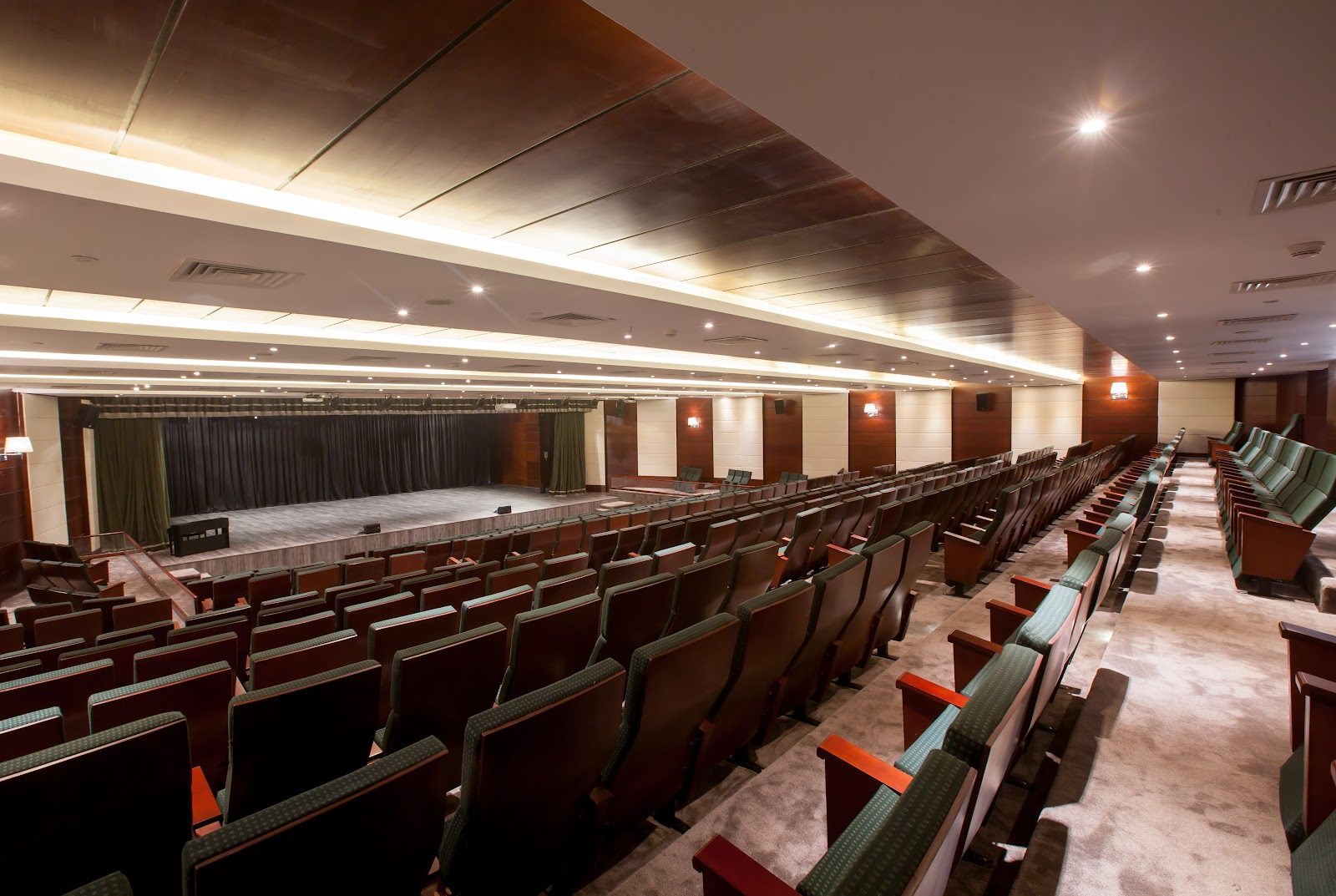
Malvern College Egypt
New Cairo · Egypt
In New Cairo, a house-based day school pairs A-Levels with the IB Diploma, carrying a 150-year Malvern lineage.
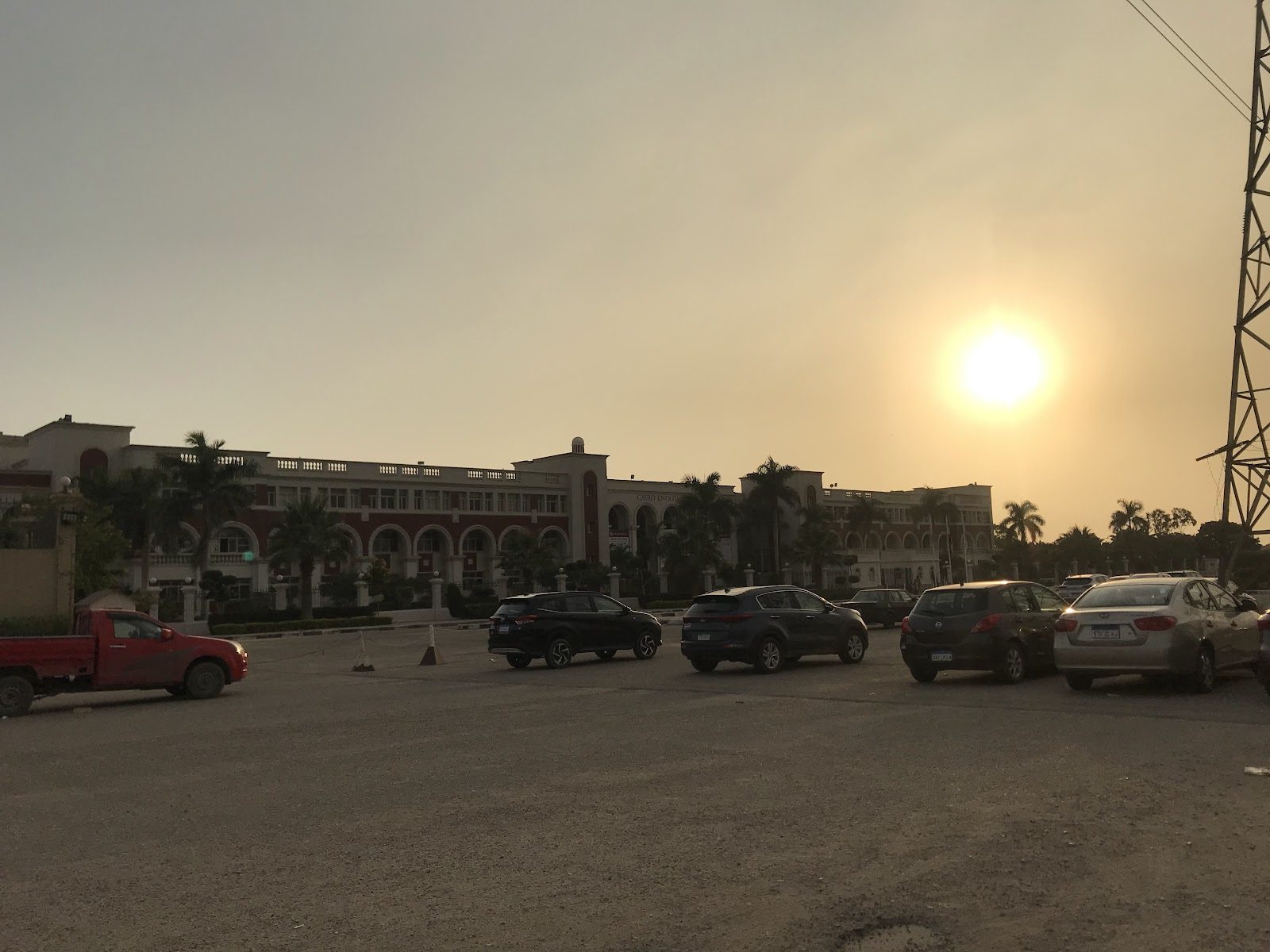
Cairo English School
Cairo · Egypt
A New Cairo campus where English National Curriculum meets Cambridge and IB pathways, anchored by Duke of Edinburgh expeditions and Week Without Walls
Same country and curriculum — closest matches within ±10 points either way