
Victoria
Brighton Grammar School
low confidence· 2/6 cats · 3.25 avg sourcesA bayside Anglican day school where APS sporting pedigree meets a purpose-built 'Positive Masculinity' curriculum for boys.
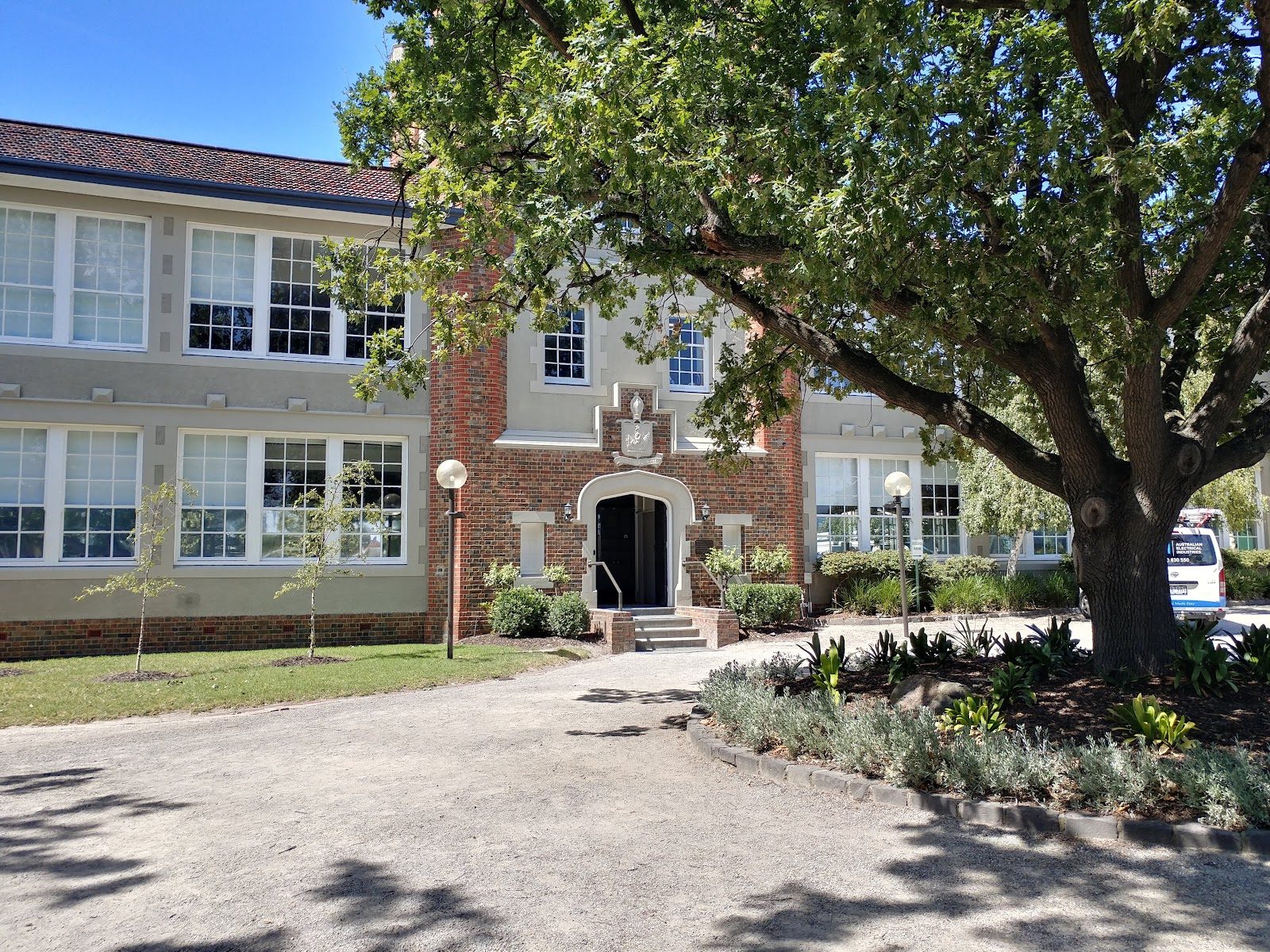
Type
Day
Ages
3–18
Curriculum
Australian
Qualifications
VCE
Ratio
—
The Verdict
Editor's commitment
Right for
Boys aged 3–18 who want an Anglican day school in Brighton with Australian curriculum continuity and APS sporting culture.
Wrong for
Families wanting co-education, boarding, or a secular ethos; this is a boys-only Anglican day school founded in 1882.
Watch out for
The average annual day fee is AUD 37,140, and AHISA membership does not spare families a traditional private-school social orbit.
Ranking breakdown
Brighton Grammar School · #634 of 1591
Composite score 67.2. 8 weighted criteria.
By criterion
Academic Outcomes
Weight 20%
#791
of 1530 scored
University Placement
Weight 16%
#793
of 1529 scored
Prestige & Heritage
Weight 12%
#678
of 1571 scored
Alumni Network
Weight 12%
#389
of 1530 scored
Facilities
Weight 12%
#651
of 1534 scored
Transparency & Communications
Weight 8%
#685
of 1532 scored
Peer & Industry Review
Weight 10%
#791
of 1548 scored
Admissions Selectivity & Demand
Weight 8%
#726
of 1529 scored
Peer & Industry Review
How Brighton Grammar School is regarded in the sector
67
Respected · medium confidence
Among Melbourne's APS fraternity, Brighton Grammar is generally regarded as a well-run, ambitious 'second-tier' school rather than a peer to Scotch, Melbourne Grammar or Geelong Grammar; rival heads and enrolment consultants typically place it alongside schools like Caulfield Grammar or St Kevin's in reputation. Its rowing program earns genuine respect on the Head of the River circuit, a signal that carries real weight within APS culture. University admissions patterns show graduates progressing into Melbourne's mainstream university intake - Monash, Melbourne, Deakin - without the concentrated pipeline into elite faculties that the top-tier schools claim. Victorian VCE league tables published annually in The Age and Herald Sun consistently rank it outside the top academic bracket but inside the state's better-performing independent schools. Independent education commentary tends to note its wellbeing and positive-education emphasis as a point of differentiation, an area where it is sometimes cited favourably relative to more academically pressured rivals, though it rarely features in national 'best schools' features dominated by the historic Melbourne establishment.
Editors' overview
Brighton Grammar trades on two things that matter in Melbourne’s private-school market: old-line APS sporting culture and a deliberate attempt to rethink what a boys’ school is for. This is an Anglican day school for boys in Brighton, founded in 1882, teaching in English from age 3 to 18 on the Australian curriculum. The point of difference is not novelty for its own sake. It is the school’s insistence on a more self-aware version of single-sex education, summed up in that “Positive Masculinity” framing. For families who want a boys’ school without the stale chest-beating that still clings to parts of the sector, that is a serious distinction. For families who dislike the idea of a gender-specific setting full stop, it will not persuade.
The setting and price place it firmly in the upper end of the Melbourne day-school market. The average annual day fee across the full ladder is AUD 37,140. That buys a long-established independent school with Anglican identity, AHISA accreditation and the social capital that comes with a well-known Brighton address. This is not a scrappy upstart and it is not trying to be all things to all families. The appeal is clearest for parents who value structure, tradition, sport and a defined moral vocabulary, but who also want that package updated for modern boys. The risk, as with any institution of this type, is that brand and culture can do too much of the talking if a family wants hard public data on outcomes; the school does not publish that here.
The boy who will thrive at Brighton Grammar is one who wants a clear, bounded culture: all-boys, day-only, Anglican, and rooted in Melbourne’s bayside establishment. A sporty child will find the APS pedigree attractive. A boy who likes routine, belonging and visible community rituals will also fit. So will families who want their son educated from the early years to school-leaving in one institution rather than reset at each stage. It is less convincing for parents seeking a loose, experimental atmosphere, a co-educational social environment, or a school that defines itself first through international curricula and global branding. Brighton Grammar belongs on a shortlist because it offers a distinctive version of boys’ education, not because it tries to flatter every taste.
Academic Performance
Brighton Grammar does not publish the kind of external-exam data that lets parents place it cleanly against Melbourne’s top academic day schools. We have not seen aggregate ATAR outcomes, median study scores, subject-by-subject breakdowns or a public league-table case made by the school itself. That matters. In a market where the strongest academic operators put at least some hard numbers into the public domain, this level of opacity leaves families to infer performance from reputation, cohort profile and destination culture rather than from hard proof. For a school with this degree of standing and fee level, that is a real weakness in the academic story.
That does not put Brighton Grammar in the weak-academic bracket; it puts it in the trust-us category. Selective independent boys’ schools in Melbourne tend to produce solid to strong university-entry outcomes simply by virtue of intake, expectation and parental pressure, and Brighton Grammar sits in that competitive set. The question is not whether boys leave with viable results; the question is how far the school pushes beyond competence into genuinely elite attainment relative to peers whose exam performance is publicly legible. Without disclosed headline figures, Brighton Grammar reads as academically credible but unverified at the top end. Parents who care about sport, culture and community will tolerate that. Parents who want a school to prove its academic firepower in clear numbers will press harder.
Facilities
Brighton Grammar’s facilities strength sits where you would expect for a school of this standing: sport first, then the spaces needed to support a full day-school life from the early years through sixth form. The APS context matters because schools in that orbit are judged hard on pitches, courts, training provision and the quality of their physical-education infrastructure. Brighton Grammar clears that bar. Families choosing it for a boy who wants organised sport, regular competition and a campus built around institutional routine will not feel short-changed. The more interesting point is that the school’s facilities need to carry more than games prestige. An all-boys school selling a self-conscious modern identity also needs credible performing-arts, assembly and pastoral spaces so the place does not reduce boys’ development to sport and tradition. Brighton Grammar has to function as a whole-culture school, not a weekend-fixture machine.
Against Melbourne peers, that puts it in the strong rather than category-defining bracket. The city’s richest independent schools set a punishing benchmark in specialist centres, showpiece arts buildings and headline athletic complexes, and Brighton Grammar competes in that company rather than escaping it. Parents should not expect the shock-and-awe estate of the most expansionist campuses; they should expect a well-resourced, polished environment that supports daily teaching, co-curricular breadth and the social choreography of a high-status boys’ school. The missing piece is detail. The school does not foreground a granular public case for its facilities, so the verdict rests more on market position and peer set than on a published inventory of must-see flagship assets.
For families who dislike the idea of a gender-specific setting full stop, it will not persuade
Prestige
Brighton Grammar carries real social weight in Melbourne because it sits inside one of the city’s most recognisable private-school tribes: the old independent boys’ circuit where sport, family networks and school identity reinforce one another across generations. The APS association matters here. In this market, that badge signals more than weekend fixtures; it signals access, continuity and a place in the established grammar-school hierarchy. Add the Brighton address and an average annual fee of AUD 37,140, and the prestige is unmistakably upper-tier. This is the kind of school families know by name long before they visit, and that alone has value in professional and social circles that still treat school choice as a marker of class and cultural fit.
That prestige is not identical to academic supremacy, and that distinction matters. Brighton Grammar’s standing rests less on publicly evidenced scholarly dominance than on institutional confidence, heritage, polished presentation and the durable cachet of an all-boys Anglican education in the bayside belt. The school’s newer “Positive Masculinity” framing also sharpens the brand: it gives a traditional model a modern defensive argument against criticisms of boys’ schools. That is smart positioning, not empty rhetoric. Our rating is high because the name carries clout, the constituency is affluent, and the school occupies a well-defended place in Melbourne’s pecking order. It does not get the very highest prestige mark because its academic outcomes are not published with the clarity that top-status schools can afford to provide.
Brighton Grammar belongs on a shortlist because it offers a distinctive version of boys’ education, not because it tries to flatter every taste
Communications
Brighton Grammar’s parent communications carry the tone of an established institution that expects families to buy into the school’s culture, not negotiate it line by line. That can work well when the message is clear, regular and rooted in visible leadership. At its best, schools of this type communicate through a tight loop of principal messaging, year-level notices, co-curricular scheduling, pastoral guidance and a steady stream of event-driven contact that keeps parents attached to the life of the place. Brighton Grammar has every incentive to do that well: a long through-school ladder, a strong communal identity and a parent body paying an average of AUD 37,140 a year all create demand for orderly, high-frequency communication. Families who value ritual, fixtures, assemblies and the choreography of school life will read that as reassuring competence rather than noise.
The weaker point is transparency. Brighton Grammar communicates culture more clearly than outcomes. We have not seen the school publish the hard academic data that would give parent communication real evidential weight, and that gap matters because polished newsletters and confident tone are no substitute for disclosed performance. In practice, that leaves the school strong on institutional messaging and weaker on hard accountability. For many loyal families, that is enough; they want to know what is happening, where their son needs to be, and what the school stands for. More exacting parents will ask for sharper proof that communication is not just smooth, but genuinely informative where it counts.
Uniqueness
What sets Brighton Grammar apart is that it does not defend boys’ education on habit or nostalgia alone. It has built a public rationale around “Positive Masculinity”, which is a more pointed claim than the pastoral boilerplate many single-sex schools rely on. That gives the place a distinct centre of gravity: not just educating boys separately, but trying to tell them what responsible male adulthood should look like. For students, that can bring a clear moral frame, sharper language around conduct and relationships, and a school culture that pushes against the blunt old stereotypes of the swaggering boys’ school. It also brings limits. Any institution that defines itself this explicitly risks feeling programmatic to boys or families who dislike being educated inside a strong social thesis.
The second distinguishing feature is the combination of that modernised gender message with the old APS grammar-school machine. Few schools hold both identities at once with this degree of confidence: the inherited rites, competition and tribe of an established boys’ school, alongside an overt attempt to civilise and update them. That mix can be powerful for students. Boys get belonging, ritual and team identity without being left in a dated cultural script. For the right child, the result is highly structured confidence: he knows the rules, knows where he fits, and gets repeated chances to test himself in public. For the wrong child, it can feel too bounded, because the school’s idea of boyhood is still firm, even when it is polished.
Brighton Grammar does not publish the kind of external-exam data that lets parents place it cleanly against Melbourne’s top academic day schools
Student Profile
The boy who fits Brighton Grammar is comfortable inside a defined male culture and does not need a co-ed social mix to feel balanced. He will cope well with visible expectations, school ritual and the public nature of boys’ school life: teams, assemblies, house identity, codes of conduct, being known. Sport carries status here, so athletic boys or boys willing to join in gain an easier route into belonging. That does not mean a student must be a star on the field, but he does need enough social confidence to live in a setting where competition, group identity and peer hierarchy are part of the air. Families paying an average of AUD 37,140 a year also buy into a school community with clear class signals and a strong internal culture. Boys who resist structure, dislike institutional pride or bridle at tradition will feel boxed in.
The pastoral pitch is more self-conscious than at many old-line boys’ schools. That suits students who respond to direct conversation about conduct, relationships and what it means to grow into decent adulthood. A boy who wants firm edges around behaviour, purpose and belonging will do well. So will parents who want school and home pulling in the same direction. The poorer fit is the boy who needs a looser, more anonymous environment, or who finds single-sex settings socially narrowing. Brighton Grammar is for families who want a son shaped, not just taught.
It does not get the very highest prestige mark because its academic outcomes are not published with the clarity that top-status schools can afford to provide
Co-curricular strengths
Arts & sport, on a separate axis
Overall 8.48/10
Scored 0-10 from the school's own published evidence. This axis is editorial-only — it does not feed the main WTS ranking.
Sports
9.3/10
Absolute athletic powerhouse with massive acreage; fields historic, fiercely competitive football, athletics, and aquatic programs within the APS league.
Drama
8.7/10
High-quality seasonal theater tracker staging complex, technically demanding productions inside the modern arts complexes.
Dance
7/10
Treated primarily as an auxiliary component for house arts festivals and theatrical physical training rather than an independent elective.
Music
9/10
Robust private vocal and instrumental infrastructure feeding active jazz big bands and full symphonies.
Visual Arts
8.4/10
Studio-intensive fine arts focus housed within custom studio environments, prioritizing landscape painting and portfolio layout.
Strengths
- +Anglican boys-only setting from ages 3–18
- +Established 1882; long institutional continuity
- +Australian curriculum taught in English
- +AHISA-accredited independent school
Considerations
- −Boys-only model will not suit every family
- −Day school only; no boarding option
- −Anglican character may not suit non-religious families
Availability
Primary entry gate & tests
Academic Record + Interview
Gallery
Parent reviews
Have you sent your child here?
Voice reviews carry the strongest trust badge — we transcribe them for you to tidy up before they go live. Prefer to type? A written review is fine too.
Add your voice
In 60 seconds, tell other parents: what's the best thing about Brighton Grammar School, and what surprised you when your child joined?
We ask for a Google sign-in so every review has a real face behind it — no anonymous drive-by attacks on schools, and no faked positive reviews. Your email is never shown publicly.
Send this profile to a friend
International parents rely on word-of-mouth. Share this review with someone weighing the same decision.
Schools with places
Similar schools to Brighton Grammar School with places available now.
Ivanhoe Grammar School
Melbourne · Australia
- 2026-27
- WAITPOOLVacancy-dependent
- 2027-28
- PLACES OPEN
Wesley College
Melbourne · Australia
- 2026-27
- WAITPOOLVacancy-dependent
- 2027-28
- PLACES OPEN
Methodist Ladies' College
Melbourne · Australia
- 2026-27
- WAITPOOLVacancy-dependent
- 2027-28
- PLACES OPEN
Melbourne Grammar School
Melbourne · Australia
- 2026-27
- WAITPOOLVacancy-dependent
- 2027-28
- PLACES OPENBoarding open; Day waitpool
Availability first, then country, area, curriculum, price, co-curricular
Consider also
Also worth looking at alongside Brighton Grammar School.
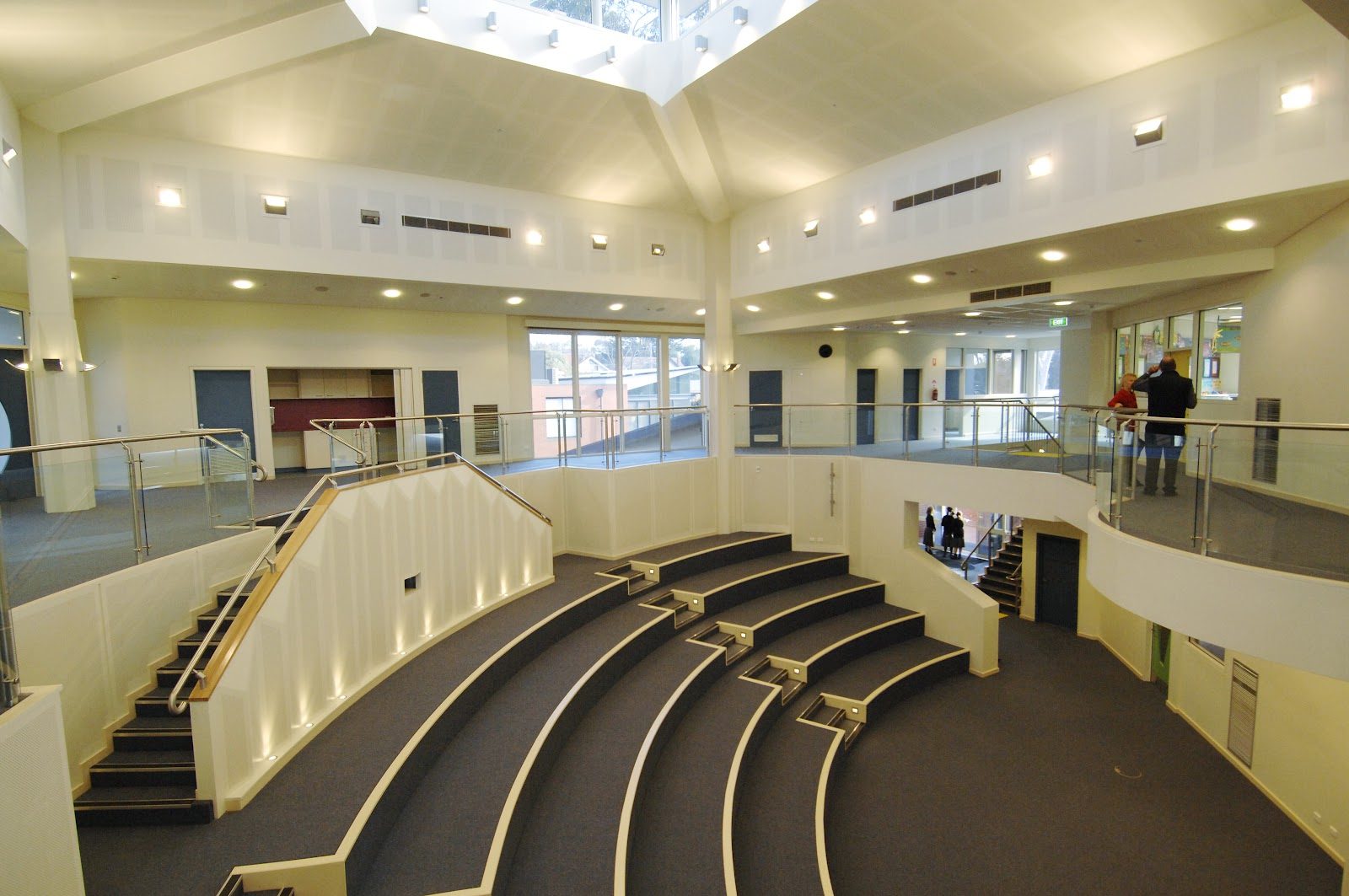
Ivanhoe Grammar School
Melbourne · Australia
A Year 9 campus embedded at La Trobe University anchors a Round Square network across Melbourne's north, offering both VCE and IB pathways.
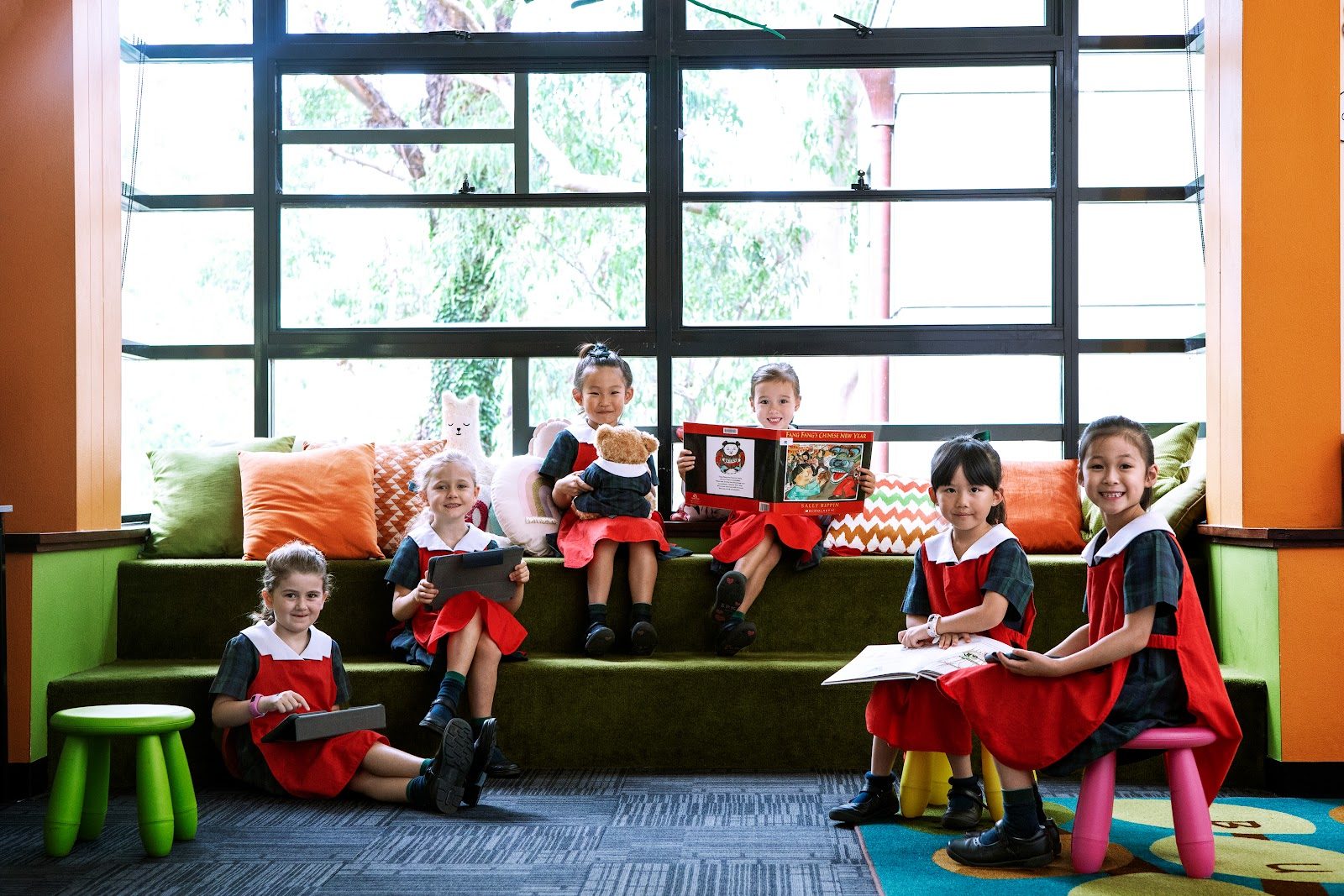
Pymble Ladies' College
Sydney · Australia
On Sydney's Upper North Shore, a non-selective campus of five schools lets girls choose between the IB and HSC pathways.
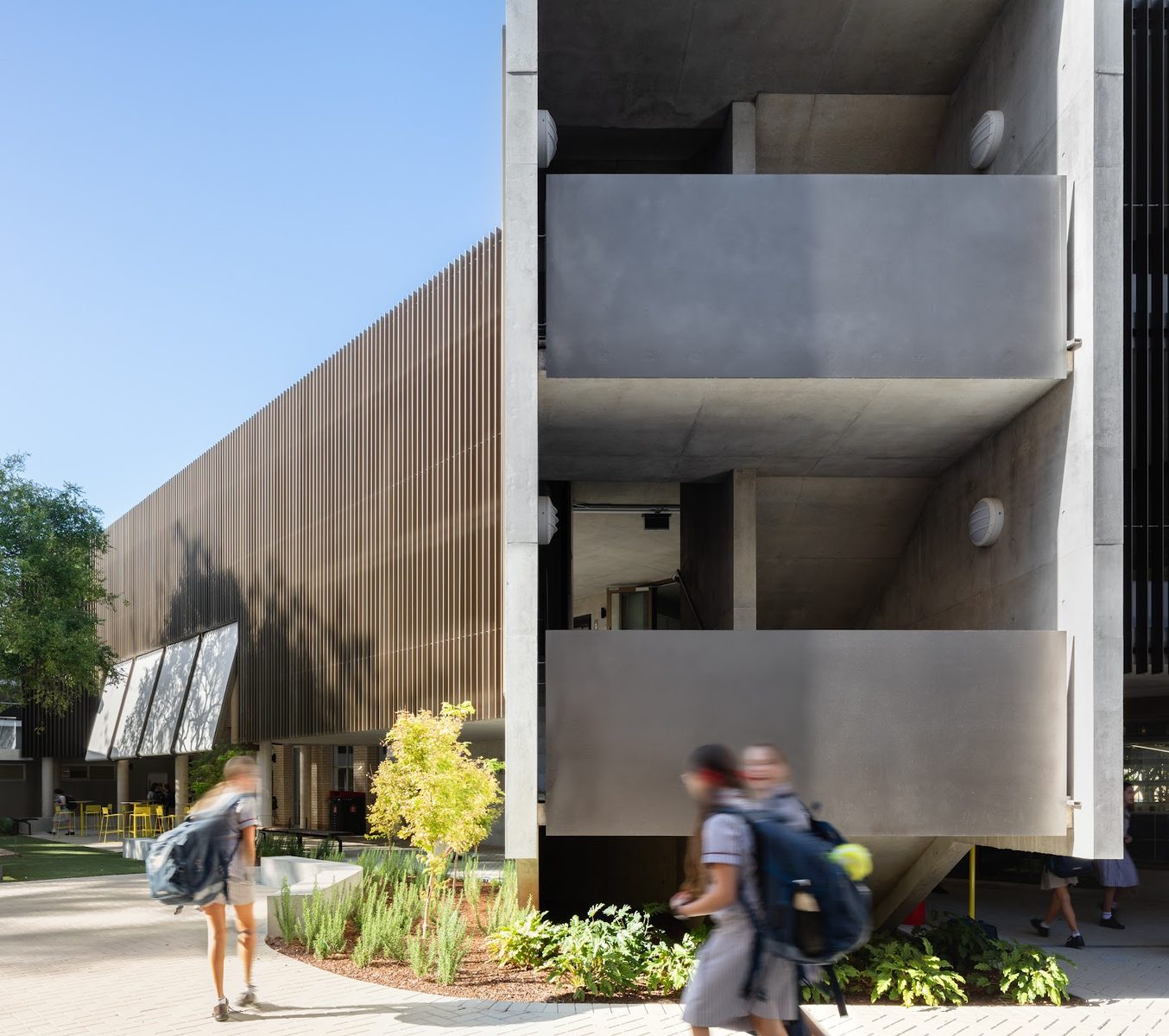
Ascham School
Sydney · Australia
Sydney's storied girls' boarding school, pairing the Dalton Plan with a rigorous HSC pathway.
Cranbrook School
Sydney · Australia
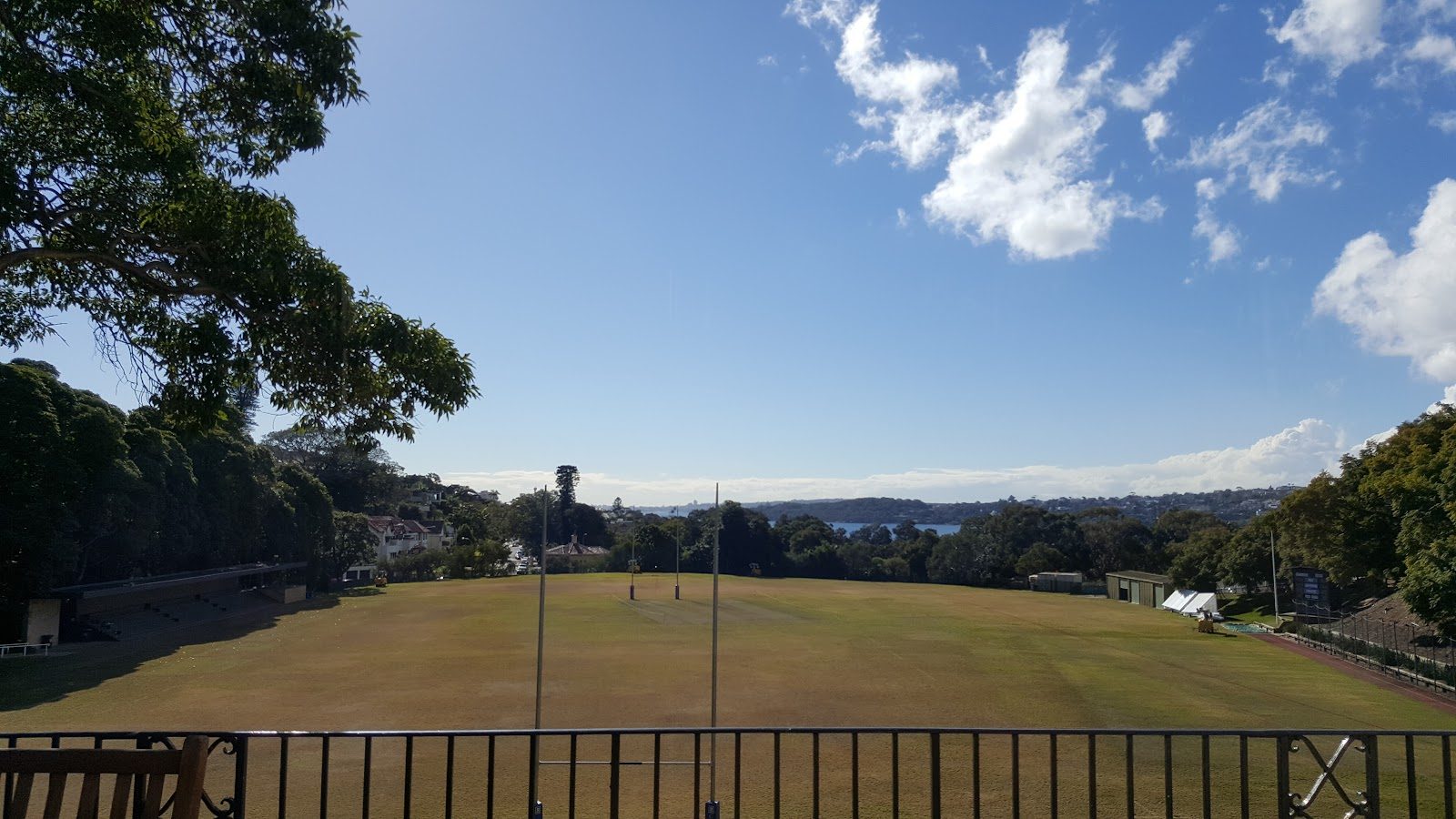
Sydney's first IB Continuum School, pairing Bellevue Hill harbour views with a Blue Mountains bush campus for experiential learning.
Same country and curriculum — closest matches within ±10 points either way