
Muscat Governorate
British School Muscat
high confidence· 5/6 cats · 3.18 avg sourcesA Royal Charter granted by Sultan Qaboos underwrites five decades of not-for-profit British schooling on Muscat's coast.
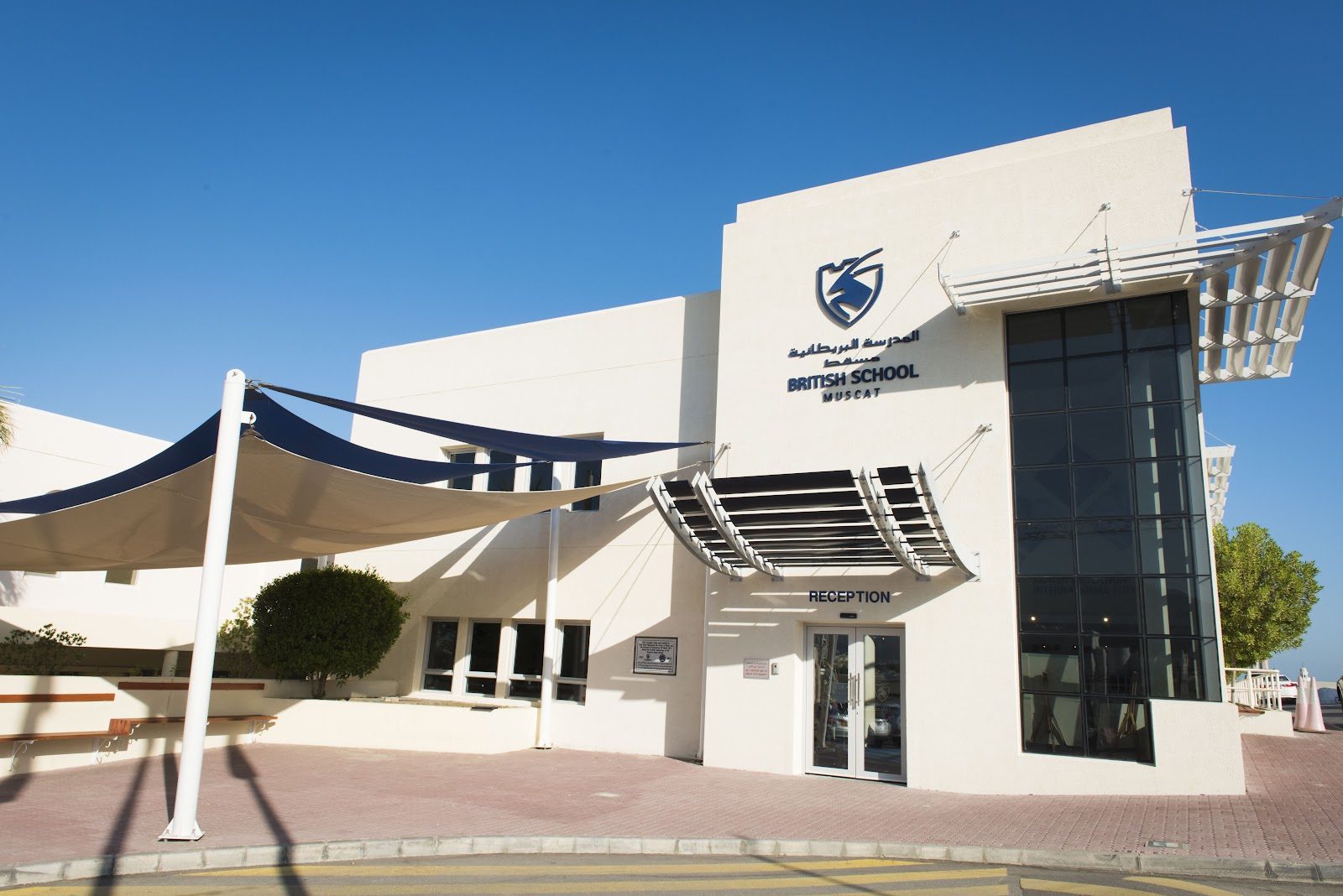
Photo © British School Muscat المدرسة البريطانية via Google Maps
Type
Day
Ages
3–18
Curriculum
British
Ratio
—
The Verdict
Editor's commitment
Right for
Families wanting a 3–18 English National Curriculum school in Muscat with Cambridge accreditation and a rare not-for-profit model since 1971.
Wrong for
Parents chasing boarding, religious ethos or multilingual teaching; British School Muscat is day-only, secular and teaches in English.
Watch out for
At an average $20,000 a year, this is premium Muscat pricing; the school touts Arizona State, Bath and Boston, not a deeper destinations spread.
Ranking breakdown
British School Muscat · #654 of 1591
Composite score 67.2. 8 weighted criteria.
By criterion
Academic Outcomes
Weight 20%
#746
of 1529 scored
University Placement
Weight 16%
#736
of 1529 scored
Prestige & Heritage
Weight 12%
#734
of 1571 scored
Alumni Network
Weight 12%
#481
of 1530 scored
Facilities
Weight 12%
#732
of 1533 scored
Transparency & Communications
Weight 8%
#821
of 1532 scored
Peer & Industry Review
Weight 10%
#793
of 1548 scored
Admissions Selectivity & Demand
Weight 8%
#547
of 1529 scored
Score history
British School Muscat · 2026
Movement across 2024–2026. Peer average overlaid.
Overall — 2024–2026
67.2/ 100
▲ +22.0 vs 2025
year on year
Peer & Industry Review
How British School Muscat is regarded in the sector
65
Respected · low confidence
British School Muscat is one of the longest-established British curriculum schools in Oman and is generally cited in expat parent forums and regional 'best schools in Oman' round-ups as a respected, oversubscribed option, but it lacks coverage in higher-tier specialist press like Tatler or Good Schools Guide. Its reputation appears solid within the Muscat expat community and among peer international schools, but there is limited independent third-party documentation beyond forum discussions and general expat guides to Oman schooling.
Evidence sources
Editors' overview
The distinguishing fact here is structural, not cosmetic: British School Muscat operates under a Royal Charter granted by Sultan Qaboos and says it is the only not-for-profit British school in Muscat. That matters. It gives the school a different market position from the city’s standard premium private operators: older, more institution-like, and less exposed to the churn of ownership changes and brand resets. Founded in 1971, it has the sort of permanence expatriate families value when they want a school with settled governance rather than launch-phase energy. The academic model is straightforward British, with the English National Curriculum taught in English from ages 3 to 18, and Cambridge accreditation adds a useful external marker. At an average annual day fee of $20,000, it sits in the premium bracket, but the not-for-profit status strengthens the value case.
The other clear selling point is physical scale. The school advertises 10 science labs, a 500-seat theatre and 3 pools, plus a dedicated Sixth Form centre. That is not decorative excess; it points to a school built to offer a broad programme without constant compromise over space. Parents looking for serious arts, proper lab provision and strong sport infrastructure will clock that quickly. The school also leans hard into a broad and balanced curriculum, enrichment and outdoor learning tied to Oman’s geography, which gives it more range than a narrow exam factory. The upside is a well-resourced, settled all-through education. The trade-off is that families wanting an alternative pathway — IB, bilingual provision, a religious framework, or a deliberately small, boutique atmosphere — need to look elsewhere.
Why shortlist it? Because British School Muscat offers a clear proposition: established British schooling, not-for-profit governance, strong facilities and a full 3–18 age range under one roof. It also has enough sixth-form credibility to point pupils towards recognised overseas destinations, with recent leavers going to Arizona State University, the University of Bath and Boston University. This is a school for students who thrive in a structured, conventional British environment and want access to academic, sporting and performing opportunities on a large campus. It suits families who prize continuity, breadth and institutional solidity. It suits less well the child who needs a highly progressive educational philosophy, a very small-school feel, or a curriculum outside the British track.
Academic Performance
British School Muscat makes strong academic claims but does not publish the one set of figures parents need in order to test them: aggregate public examination results. The website has an exam-results section in its navigation, yet no results are included in the source extract here, and no cohort-wide IGCSE or A level outcomes are in the public domain we have seen. That leaves a gap. For a school with a long-established reputation, full age range and a premium fee level, opaque attainment data is a real weakness. Parents comparing BSM with British competitors in the Gulf should expect clear headline measures: top-grade rates, pass rates, university destinations by volume, and at least a short run of year-on-year data. Without that, hard benchmarking is blunter than it should be.
What can be said with confidence is narrower. The school has the infrastructure and sixth-form architecture of a serious academic operation, and its recent destinations include recognised overseas universities. The published destinations list here is thin, though: only 3 named universities, with 1 student each. That is too slight to prove consistent elite placement and too narrow to map the range of outcomes across a graduating class. Relative to peers, BSM sits in the group of established British schools that trade on institutional weight and breadth of provision; academically, however, it needs cleaner public disclosure to justify that standing in measurable terms.
Facilities
Facilities are one of British School Muscat’s clearest strengths. The headline assets are substantial and practical: 10 science laboratories, a 500-seat theatre, 3 pools and a dedicated sixth-form centre. That mix matters because it supports actual breadth rather than brochure filler. Plenty of British schools in the Gulf can point to a hall, a few labs and outdoor courts; fewer can offer specialist science capacity at this scale alongside proper performing-arts provision and serious aquatic infrastructure. For families with children who want to combine academic study with drama, music or competitive sport, BSM has the bones of a genuinely full-service campus. The reference to Oman’s beaches, mountains, wadis and desert feeding into the curriculum also points to a school that uses location as an extension of campus rather than treating trips as an afterthought.
Against peers, this is upper-tier physical provision. The theatre and lab count place it above the standard premium day-school template, and the sixth-form centre adds a more mature academic feel than schools that simply carve senior pupils into general-purpose space. The question is not whether BSM has enough facilities; it does. The sharper question is access and utilisation. Great buildings do not guarantee great programmes, and the school gives far more detail on what exists than on how intensively students use it. Still, on raw infrastructure, BSM sits in the serious campus bracket rather than the polished-but-limited one.
Facilities are one of British School Muscat’s clearest strengths
Prestige
British School Muscat carries real local weight. The Royal Charter gives it a form of legitimacy that newer private operators cannot copy, and the not-for-profit structure sharpens that distinction. In a market crowded with schools built around brand, ownership group or expansion story, BSM has the status of an institution. That matters to expatriate families who read prestige not through glossy language but through governance, staying power and who has backed the school over time. The school also trades on practical markers of seriousness: a full age range, a substantial campus and enough specialist provision to support academic study, sport and performance without the patched-together feel common in younger schools. At an average annual fee of $20,000, it occupies the premium tier, and parents will expect that institutional heft.
That said, this is solid prestige, not automatic global prestige. Outside Oman and the Gulf’s British-school circuit, the name does not carry the instant recognition of the top British international brands. Prestige here rests on local standing, continuity and infrastructure, not on published academic dominance or a glittering destinations list. That distinction matters. A BSM education carries credible cachet in Muscat and reassures families who want an established British pathway in a school with serious institutional ballast. It carries less force for parents chasing a school whose prestige is driven by transparent top-end results or an internationally magnetic brand.
British School Muscat communicates like an established institution that expects parents to use the website as the main reference point
Communications
British School Muscat communicates like an established institution that expects parents to use the website as the main reference point. The admissions journey is easy to trace: there are clear entry points for joining, fees, moving to Oman and exit procedures, alongside distinct sections for pastoral care, learning support, universities and careers, safeguarding, enrichment and term dates. That breadth matters. Parents do not need to hunt through a cluttered site to work out the school’s operating model or the range of support around the classroom. The navigation also gives a clean sense of structure, with leadership and governors visible rather than buried, which reinforces the school’s institutional seriousness. News output is active and public-facing, and the school pushes updates through Instagram and YouTube as well as its own site.
The weakness is depth, not presence. BSM talks confidently about education, care and opportunity, but the communication shown here is better at framing than proving. There is a dedicated exam-results area in the navigation, yet no usable attainment data is surfaced in the extracts we have seen; for a premium school charging an average of $20,000 a year, that is a material omission. Parents can learn what the school values, how it organises itself and what facilities it offers. They get less help judging academic delivery in hard numbers. So the verdict is mixed: day-to-day and admissions communication looks orderly, confident and accessible; accountability communication needs to be sharper and more complete.
Uniqueness
What sets British School Muscat apart is governance. In an international-school market dominated by owners, operators and franchise logic, this school sits under a Royal Charter and runs on a not-for-profit basis. That gives it a different institutional character: less like a premium private venture, more like a civic fixture with obligations beyond enrolment growth. For students, that brings something concrete: continuity. Families buy into a school with deep roots, stable identity and less risk of the strategic swerves that follow rebranding, resale or aggressive expansion. The all-through structure also matters. A child can move from the early years to sixth form inside one system, with pastoral and academic expectations built for the long haul rather than stitched together between phases.
The second point of difference is breadth with substance. Many schools promise rounded education; BSM has the physical and organisational depth to make that credible, from specialist science provision to serious performance and sport infrastructure. The result for students is a school life that does not force an early choice between the classroom and everything else. A strong mathematician can stay on stage; a committed swimmer does not need to leave academic ambition at the gate. The surrounding country also feeds the school’s model in a way that feels lived rather than decorative: expeditions, trips and outdoor learning draw on coast, desert and mountain terrain. That gives students a less enclosed, more expansive education than the standard urban compound school.
For families with children who want to combine academic study with drama, music or competitive sport, BSM has the bones of a genuinely full-service campus
Student Profile
The best fit here is the child who likes structure, routine and a school that runs with institutional confidence. This is not a niche, experimental or highly permissive environment. It suits pupils who are comfortable in a conventional British framework, who respond to clear expectations, and who want access to a wide menu of activities without leaving their school for specialist provision elsewhere. Because the school runs all the way through to sixth form, it also works well for families who value continuity and want their child to grow up inside one community rather than face repeated school moves. The not-for-profit setup and chartered status give the place a settled tone that will appeal to parents who prefer substance over churn.
Socially, this fits children who can handle a broad expatriate intake and who benefit from a community that aims to make families feel secure quickly. The strongest match is the motivated all-rounder: a pupil who wants solid academics, but also wants room for sport, performance, trips and leadership. The specialist campus supports that kind of student properly; 10 science labs, 3 pools and a substantial theatre are not there for decoration. This suits less well the child who needs a tiny, intimate school, a radically progressive teaching style, or a more alternative educational culture. For confident, engaged students who want a full-spectrum school life, BSM is a strong fit.
Outside Oman and the Gulf’s British-school circuit, the name does not carry the instant recognition of the top British international brands
Co-curricular strengths
Arts & sport, on a separate axis
Overall 9.1/10
Scored 0-10 from the school's own published evidence. This axis is editorial-only — it does not feed the main WTS ranking.
Sports
9.2/10
Multiple sports—Football, Netball, Basketball, Swimming, Athletics and Cricket—and mentions indoor and outdoor sports areas, indicating a solid multi-sport offering but without named facilities, specialist staff or competitive results.
Drama
9/10
'Drama productions' in extracurriculars and also refers to arts provision while noting uncertainty only about the standard of performing arts space, so the recurring named productions clear the 6 floor.
Dance
9/10
Music
9.3/10
The presence of a 'School orchestra' plus general arts provision supports a structured music programme with visible participation, but there is no named music facility, department, specialist staff or external recognition.
Visual Arts
9/10
Only broad 'arts provision' and creative subjects without dimension-specific detail on visual arts, which is only implicit evidence.
Editor first-pass · editor-reviewable · 7/27/2026
Outcomes & destinations
Where students go next
Class of 2028
Top destinations
28 placements
- Arizona State University· 1
- University of Bath· 1
- Boston University· 1
- University of Cambridge· 1
- Constructor University· 1
- Durham University· 1
- Eindhoven University of Technology· 1
- University of Illinois Urbana-Champaign· 1
- Imperial College London· 1
- University of Leicester· 1
- University of Liverpool· 1
- Loughborough University· 1
- University of Manchester· 1
- Monash University· 1
- University of Nottingham· 1
- University of Oxford· 1
- Özyeğin University· 1
- Queen's University Belfast· 1
- RCSI Bahrain· 1
- University of Sheffield· 1
- Stanford University· 1
- University of Toronto· 1
- UMCH· 1
- University College London· 1
- University of Warwick· 1
- University of Waterloo· 1
- University of Wisconsin–Madison· 1
- University of York· 1
Reported by the school. Confirm with admissions.
Strengths
- +Not-for-profit governance
- +Royal charter granted in 1971
- +British curriculum, ages 3–18
- +10:1 student-teacher ratio
Considerations
- −Annual fees around $20,000
- −Day school only, no boarding
- −English-speaking expatriate focus stated
Availability
Primary entry gate & tests
CAT4 / Assessment
Gallery
Photo © British School Muscat المدرسة البريطانية via Google Maps
Photo © Neha Sharda via Google Maps
Photo © Neha Sharda via Google Maps
Photo © British School Muscat المدرسة البريطانية via Google Maps
Photo © British School Muscat المدرسة البريطانية via Google Maps
Photo © Marion James via Google Maps
Photo © Marion James via Google Maps
Photo © Marion James via Google Maps
Photo © Zia Ulislam via Google Maps
Parent reviews
Have you sent your child here?
Voice reviews carry the strongest trust badge — we transcribe them for you to tidy up before they go live. Prefer to type? A written review is fine too.
Add your voice
In 60 seconds, tell other parents: what's the best thing about British School Muscat, and what surprised you when your child joined?
We ask for a Google sign-in so every review has a real face behind it — no anonymous drive-by attacks on schools, and no faked positive reviews. Your email is never shown publicly.
Send this profile to a friend
International parents rely on word-of-mouth. Share this review with someone weighing the same decision.
Schools with places
Similar schools to British School Muscat with places available now.
The Sultan's School
Muscat · Oman
- 2026-27
- PLACES OPENApps open / space-dependent
- 2027-28
- WAITPOOL2027/28 timetable TBC
Muscat International School
Muscat · Oman
- 2026-27
- PLACES OPENApps open / space-dependent
- 2027-28
- WAITPOOL2027/28 timetable TBC
Availability first, then country, area, curriculum, price, co-curricular
Consider also
Also worth looking at alongside British School Muscat.
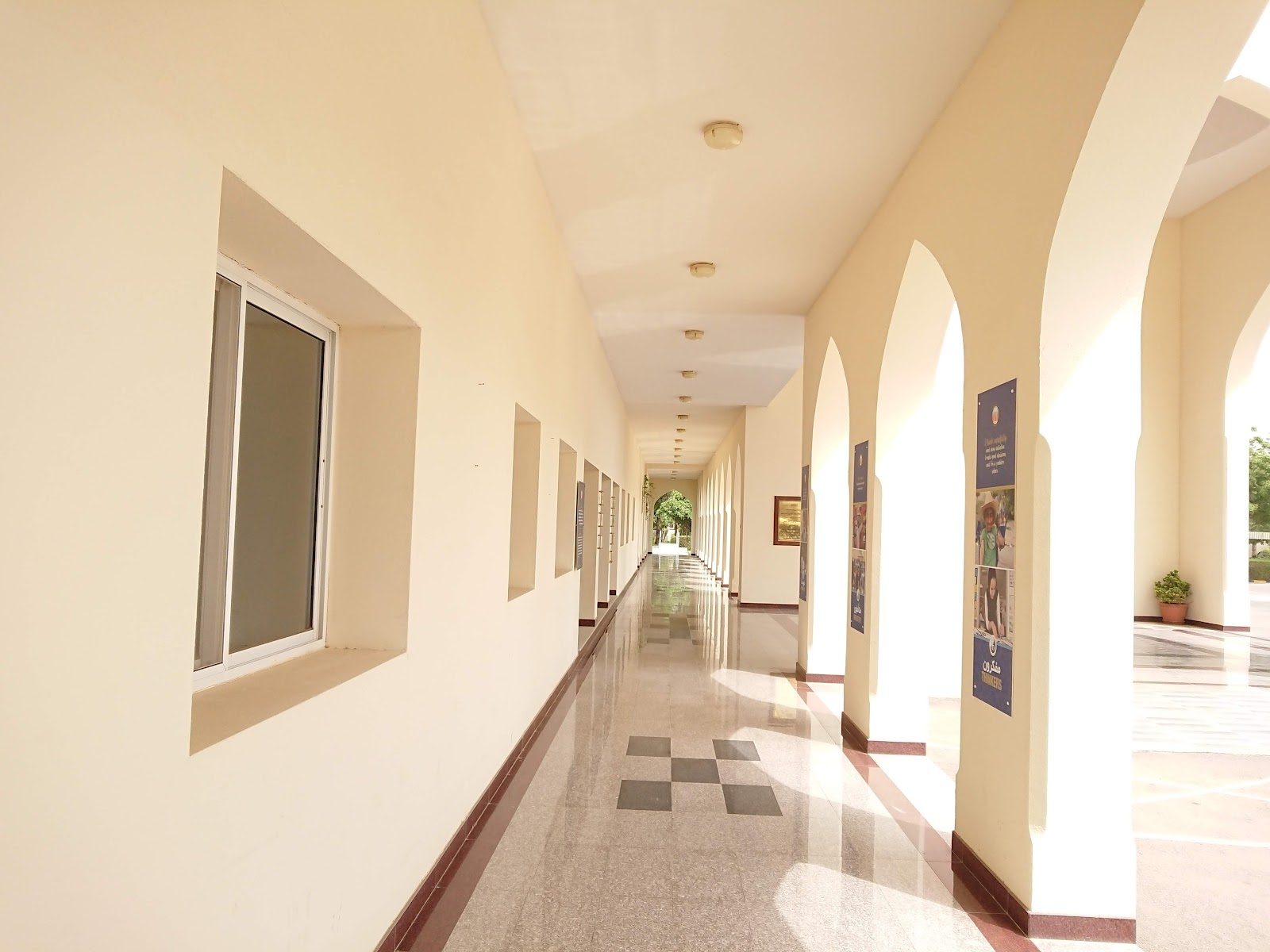
The Sultan's School
Muscat · Oman
Royally chartered in 1977, this Muscat day school fuses British academics with Arabic and Islamic studies to mould future Omani leaders.
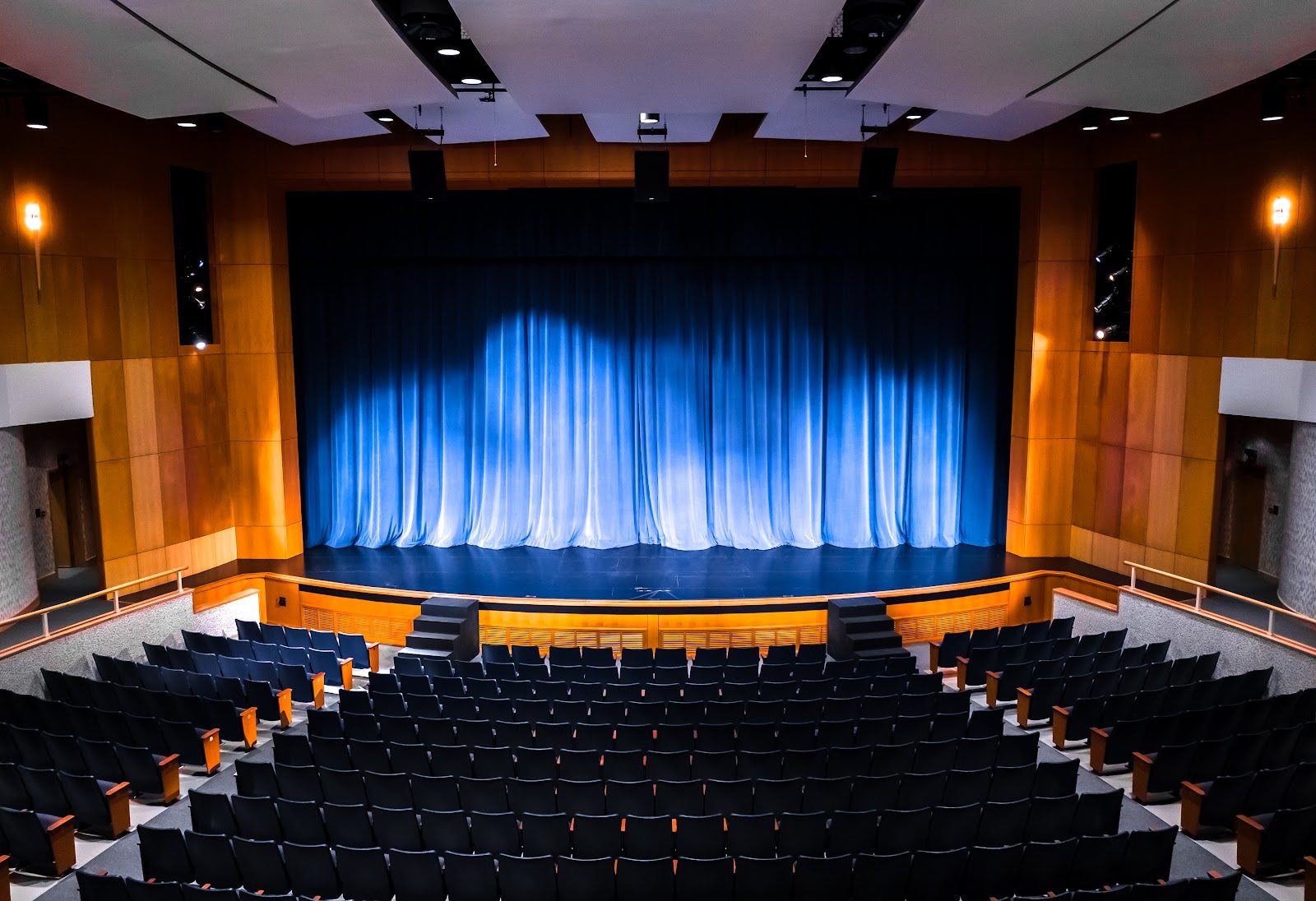
The American International School Muscat
Muscat · Oman
Oman's sole American-curriculum school, pairing AP coursework with a hands-on Discover Oman outdoor learning program.
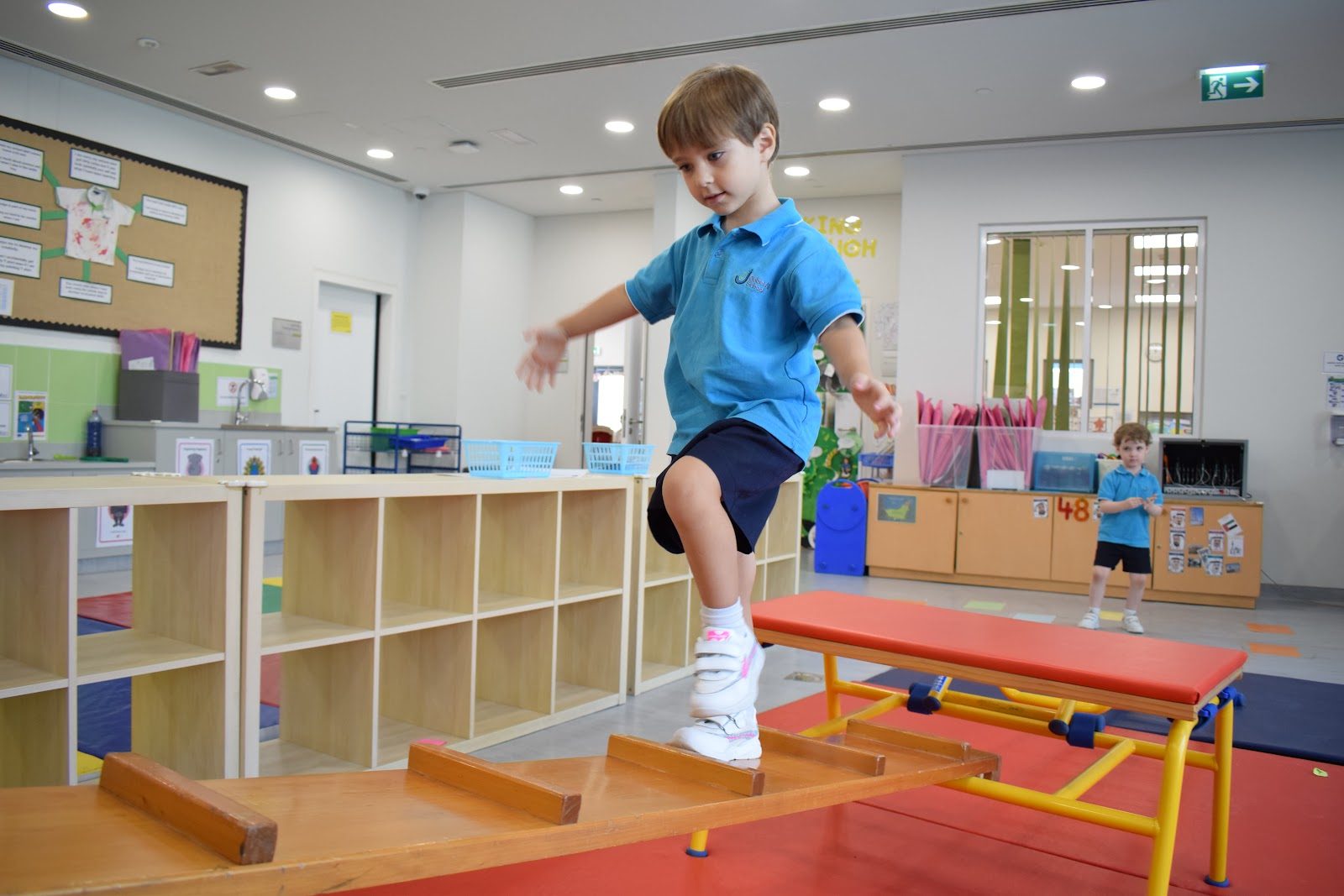
Jebel Ali School
Dubai · United Arab Emirates
Rooted in 1977 as a school for Jebel Ali Port's workers' children, now an all-through Damac Hills campus with a top BSO inspection mark.
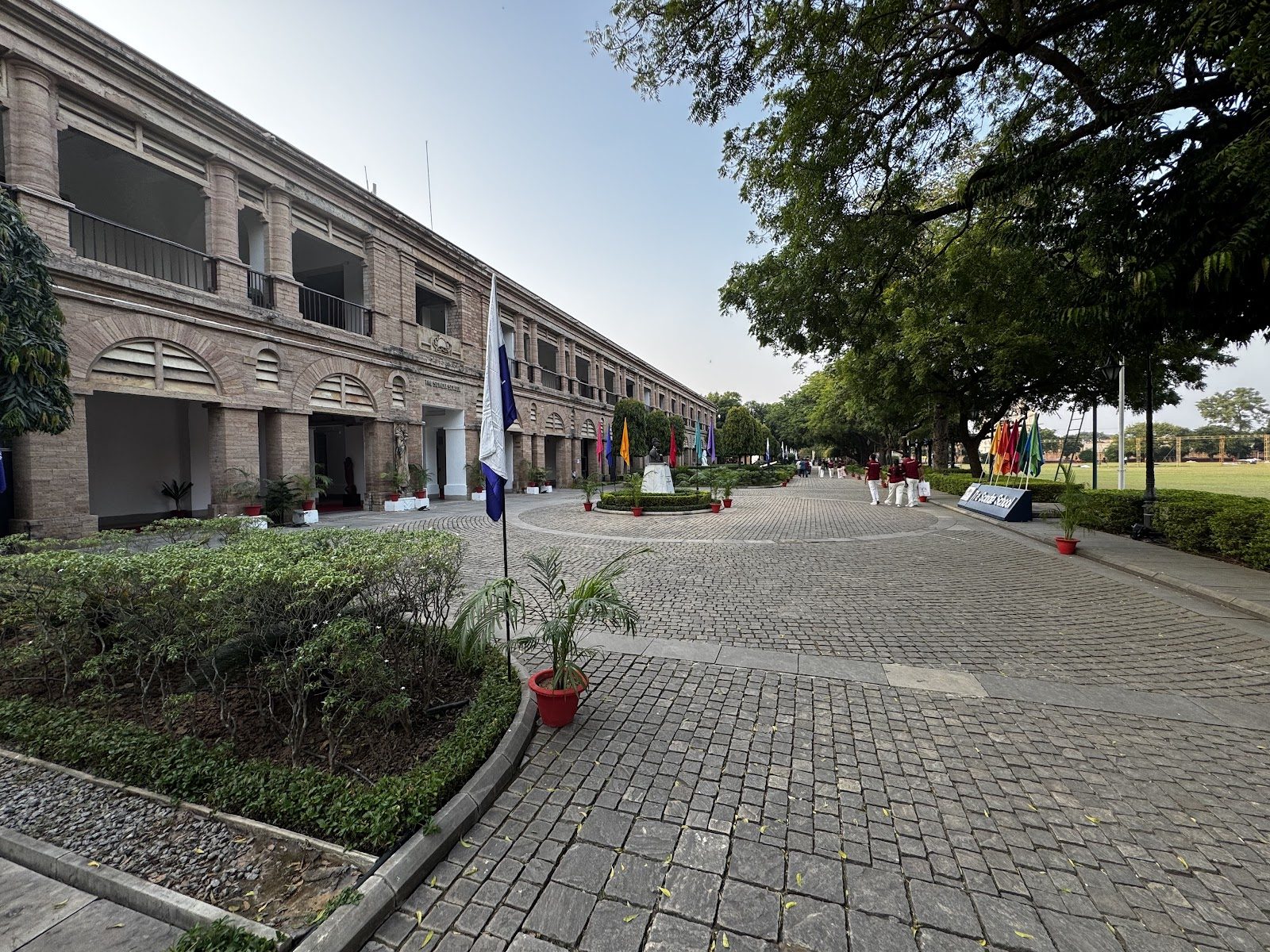
The Scindia School
Gwalior · India
Storied boys' boarding school inside Gwalior Fort, delivering a CBSE curriculum with a British public-school ethos.
Same country and curriculum — closest matches within ±10 points either way