
California
Stevenson School
low confidence· 2/6 cats · 2.6 avg sourcesSet between Pacific surf and pine forest on the Monterey Peninsula, coastline becomes curriculum through kayaking and wilderness study.
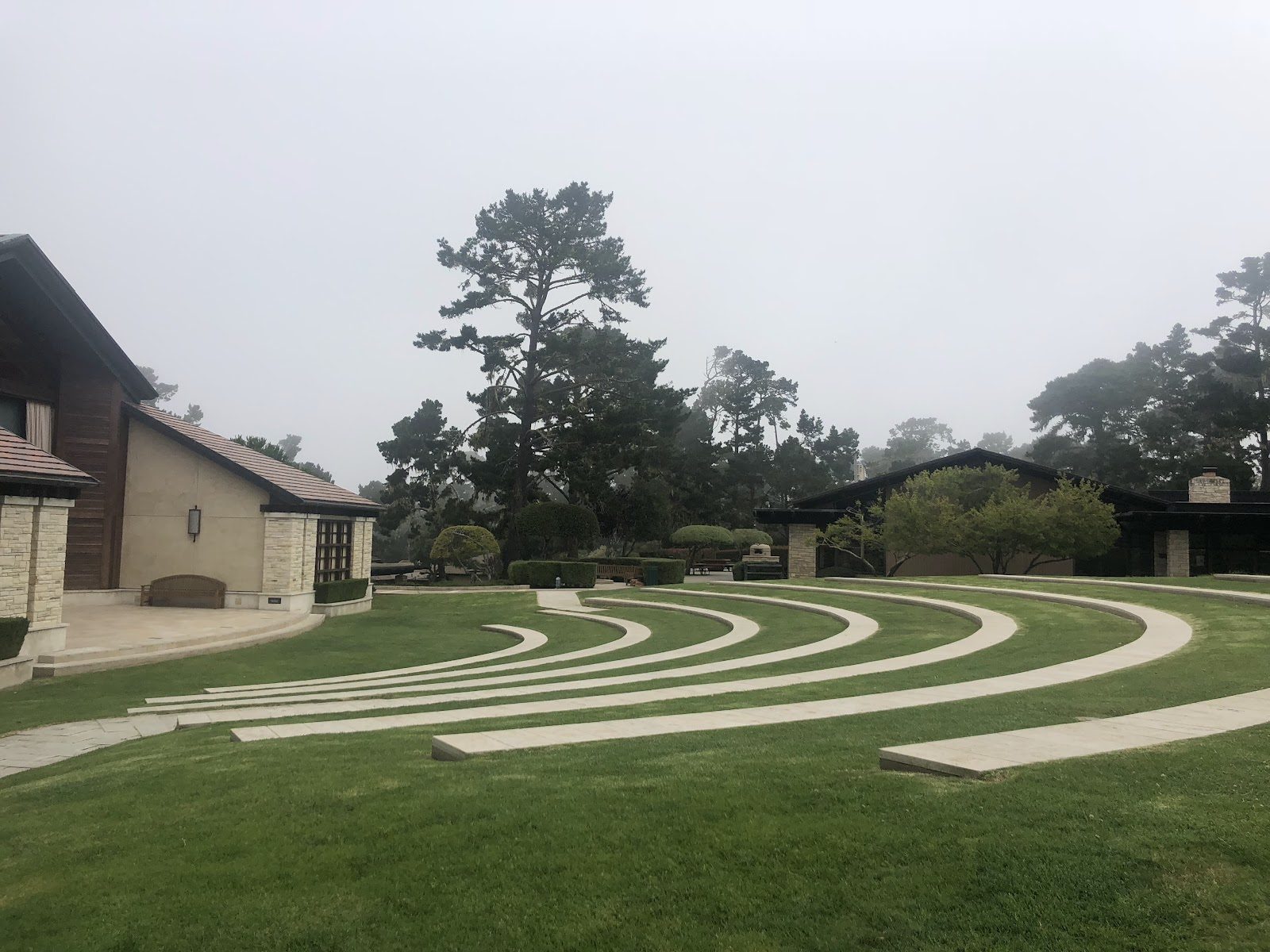
Photo © Charlie Zhao via Google Maps
Type
Both
Ages
14–18
Curriculum
American (US High School Diploma) · AP (Advanced Placement)
Ratio
10:1
The Verdict
Editor's commitment
Right for
Teenagers who want a 14–18 boarding-and-day school with AP options, a 10:1 ratio and classes averaging 13.
Wrong for
Families wanting a through-school, religious ethos or non-American curriculum: Stevenson starts at 14, is non-religious, and offers US diploma plus AP.
Watch out for
This is expensive even by US independent-school standards: average annual fees run to $46,717 day and $85,900 boarding.
Ranking breakdown
Stevenson School · #767 of 1591
Composite score 64.4. 8 weighted criteria.
By criterion
Academic Outcomes
Weight 20%
#585
of 1529 scored
University Placement
Weight 16%
#516
of 1529 scored
Prestige & Heritage
Weight 12%
#438
of 1571 scored
Alumni Network
Weight 12%
#1240
of 1530 scored
Facilities
Weight 12%
#271
of 1534 scored
Transparency & Communications
Weight 8%
#592
of 1532 scored
Peer & Industry Review
Weight 10%
#527
of 1548 scored
Admissions Selectivity & Demand
Weight 8%
#607
of 1529 scored
Peer & Industry Review
How Stevenson School is regarded in the sector
62
Respected · low confidence
Stevenson School is a well-regarded independent day/boarding school on the Monterey Peninsula, frequently mentioned in regional 'best private schools in California' rankings (e.g., Niche.com, Boarding School Review) and known for strong college placement outcomes and a notable alumni network including some public figures. However, it has limited coverage in top-tier international specialist press (Tatler, Good Schools Guide) which typically focus on UK/European institutions, and its reputation appears primarily regional/national rather than globally benchmarked among elite peer institutions.
Evidence sources
- Kim Polese — Entrepreneur/CEO, Technology
- Doug Tompkins — Founder, Business/Environment
Editors' overview
Set between the Pacific and the Del Monte Forest, Stevenson has an asset many Californian boarding schools cannot manufacture: the landscape itself. The school turns the Monterey Peninsula into part of the education, with coastline, wilderness and outdoor study built into the proposition rather than tacked on as enrichment. That matters because Stevenson is not selling a narrow, pressure-cooker version of American independent schooling. It offers a US high school diploma with AP, keeps classes to 13 on average, and runs at a 10:1 student-teacher ratio. For parents who want academic seriousness without a joyless culture, that combination puts it in an unusually balanced part of the market.
The boarding offer is central, not peripheral. Stevenson serves ages 14 to 18 and the school’s own language around residential life stresses connection to the wider community, which fits the structure here: this is an upper-school environment, not an all-through campus where older pupils are one constituency among many. At an average $85,900 a year for boarding and $46,717 for day students, it sits in the expensive end of the US independent-school market, and parents should judge it accordingly. The case for the price rests on intimacy, access and setting: small classes, a contained age range, and a campus that gives real weight to fieldwork, outdoor education and a less urban adolescence.
What puts Stevenson on a shortlist is that it offers a distinctive version of American boarding school life without the East Coast formula. The school is non-religious, teaches in English, and carries NAIS accreditation; none of that is unusual on its own, but together with the Peninsula setting it creates a clear identity. The alumni footprint catalogued in Wikidata — 19 notable alumni across writing, film, art and sport — points to a school that has fed creative and public-facing careers as well as conventional academic routes. Stevenson will suit students who are academically capable, self-directed and energised by serious outdoor life as much as classroom work. It will not suit children who want a huge school, a more anonymous social environment, or the constant spectacle of a major urban campus. This is a high-cost, high-contact school for teenagers who want closeness: to teachers, to peers and to the landscape.
Academic Performance
Stevenson does not publish the kind of hard outcome data that lets parents place it precisely against the top US boarding-school tier. We have not seen aggregate AP results, mean SAT or ACT scores, matriculation tables by institution, or a full university destinations list for recent cohorts. That opacity matters. In a market where stronger schools increasingly disclose at least some external benchmarks, Stevenson asks families to trust the package: small-scale teaching, a broad upper-school course load and substantial investment in maths, science and engineering facilities. That is a real weakness in the academic case, because external results remain the cleanest test of how much value a school adds.
That said, the school’s academic structure points to a serious college-preparatory operation rather than a soft outdoor-school model with classes attached. The upper division advertises a wide course range and diverse electives, and the presence of a dedicated college centre signals organised university guidance rather than improvised counselling. Stevenson therefore sits in the bracket of high-expectation American independents, but without the published exam evidence that would move it into the prove-it-on-paper category. Relative to peers, that puts it below the most transparent and academically data-rich boarding schools, and in the company of institutions whose reputations rest more on educational experience, teaching access and student development than on publicly documented score performance.
Facilities
Stevenson’s facilities case rests on two things: recent capital investment and a site that does work no building can fake. The school has channelled $75 million from 2,547 donors into programme and campus expansion, with new dedicated spaces for maths, science and engineering named on the school’s own site. That puts Stevenson in solid company among well-funded US independents, even if it does not trade in the monumental athletics complexes or research-scale specialist centres found at the richest boarding schools. The advantage here is focus. For an upper school of this scale, targeted academic space matters more than architectural grandstanding, and Stevenson has strengthened the areas parents most expect to see resourced. The arts also read as a serious strand of campus life rather than decorative filler: studios, rehearsal spaces, classrooms and stages all feature in current school communications.
The stronger differentiator is outdoors access. The Pebble Beach campus sits between coastline and old-growth forest, and Stevenson uses that geography as real educational infrastructure, not just scenery for prospectuses. Few peer schools can match that combination of surf, woodland and proximity to wider cultural centres. For students drawn to kayaking, field study and serious outdoor immersion, that is a genuine competitive edge. The trade-off is clear too: families seeking the arms-race facilities of the largest East Coast boarding schools will find a more contained physical plant here. Stevenson’s campus resources are thoughtful and purposeful, not maximalist.
For parents who want academic seriousness without a joyless culture, that combination puts it in an unusually balanced part of the market
Prestige
Stevenson carries real social and educational cachet, but not the kind built on public scoreboards, Ivy-placement bragging or old New England mythology. Its prestige sits in a different register: selective independent-school status on the Monterey Peninsula, a two-campus structure that gives the upper school its own identity, and a residential culture embedded in a setting with genuine scarcity value. The school also benefits from a donor base strong enough to fund major capital work — 2,547 donors raising $75 million — which tells parents something concrete about loyalty, affluence and institutional pull. That matters. Schools with durable prestige attract money, and money buys staffing depth, specialist space and programme breadth.
The rating stops short of the very top rank because Stevenson does not publish the hard outcome data that elite schools use to prove academic dominance. Prestige without disclosure has limits. Still, this is not a marginal or obscure school. Its notable alumni footprint spans film, writing, art and sport, which gives it cultural reach beyond a narrow college-admissions lens. The school’s identity also feels self-assured rather than imitative: west-coast, outdoors-facing, and less trapped by eastern boarding-school codes. For families who value social polish, strong networks and a high-contact, high-cost education in an exceptional landscape, Stevenson has genuine standing. For families who define prestige by published results and institutional name-recognition alone, it sits a tier below the most indisputable heavyweights.
What puts Stevenson on a shortlist is that it offers a distinctive version of American boarding school life without the East Coast formula
Communications
Stevenson communicates with parents in a polished, orderly way, but the public-facing style leans more institutional than granular. The website is clean, easy to navigate and updated with a steady flow of school news, student features, faculty announcements and campaign messaging. That gives families a clear read on priorities: community culture, campus developments, student life and advancement all get sustained attention. The admissions journey also looks well scaffolded, with named routes by division and direct invitations to contact the team. For a school with a residential element and a contained upper-division community, that baseline matters. Parents need confidence that messages will not vanish into a central bureaucracy. Stevenson projects the opposite: structured, well-maintained and operationally serious.
The limitation is substance. Stevenson publishes plenty of narrative, but less of the hard information that matters most to analytical parents. We have not seen the school use its communications channels to disclose aggregate exam data, detailed university outcomes or other external measures that test academic delivery. That weakens trust in the academic message. A school asking families to pay $85,900 for boarding or $46,717 for day places needs more than upbeat storytelling and campus updates; it needs hard-edged clarity about results. So the verdict is mixed but firm: communications are competent, attractive and active, especially on community life, but too controlled where scrutiny counts. Parents will get a good sense of atmosphere and operations. They will get a weaker sense of academic proof.
Uniqueness
What sets Stevenson apart is not a brand story but a usable piece of geography. Many schools advertise outdoor education; Stevenson has a peninsula, forest and shoreline that enter school life as working terrain. That changes the texture of adolescence. Students do not just leave campus for the occasional trip; they study in a place where wilderness, ocean conditions and physical movement sit close to daily routine. The result is a school with a strong sense of place and a version of boarding life that feels less manufactured than the standard American model. Its age range helps too. Because the site serves older pupils, the culture stays trained on teenage independence, university preparation and residential community rather than on the compromises of an all-through campus.
That distinctiveness brings clear benefits. Students get a more grounded, outward-facing education: less insulated, less reliant on campus theatre, and more connected to practical challenge, environmental awareness and self-management. The school’s donor support also gives this identity institutional weight, with 2,547 supporters backing a campaign that raised $75 million for financial aid, people and new academic spaces. That matters because it shows Stevenson is not running on scenery alone. There is money behind the model. The trade-off is just as clear: this is not the school for families chasing the high-gloss status ritual of the classic East Coast boarding circuit. Stevenson’s appeal lies in something narrower and more convincing — a coastal, high-contact education for students who want closeness to adults, peers and the natural world.
Stevenson does not publish the kind of hard outcome data that lets parents place it precisely against the top US boarding-school tier
Student Profile
The Stevenson student is not chasing anonymity, urban buzz or a giant social field. This school suits teenagers who want adults to know them well, who can use a small-class environment properly, and who do not need noise to feel that something important is happening. The best fit is a pupil with intellectual range rather than a single-track grindset: someone happy to move between demanding classes, co-curricular commitments and life outdoors without treating any of those as decorative extras. The residential culture also asks for a measure of social steadiness. In a close community with an average class size of 13 and a staffing ratio of 10:1, withdrawal, performative rebellion and casual disengagement are harder to hide. That can be deeply supportive for the right child and claustrophobic for the wrong one.
More specifically, Stevenson fits students who are energised by place. Teenagers who like coastline, wilderness, athletics, practical challenge and a campus life shaped by the natural world will get more from this school than pupils whose interests are confined to indoor competition and metropolitan culture. The social tone reads polished but not flashy: affluent, high-expectation and community-minded, without the overt old-guard theatre of some boarding schools. Children who are self-directed, outward-facing and comfortable building real relationships with teachers will thrive. Those who want a harder-edged academic pressure cooker, a vast peer pool or the status rituals of traditional eastern boarding culture will find Stevenson a poor fit.
The rating stops short of the very top rank because Stevenson does not publish the hard outcome data that elite schools use to prove academic dominance
Co-curricular strengths
Arts & sport, on a separate axis
Overall 9.22/10
Scored 0-10 from the school's own published evidence. This axis is editorial-only — it does not feed the main WTS ranking.
Sports
9.3/10
Athletics as part of school life and cites distinctive golf opportunities near Pebble Beach, but it provides no named teams, facilities, competitive results, or specialist athletics staff.
Drama
9.2/10
The school says its website covers arts and notable alumni strength across actors/directors, which supports visible drama activity, but there is no named theatre programme, production series, department, or facility.
Dance
9.2/10
Music
9.2/10
Arts within the school's offer and notes one notable music alumnus, but gives no named ensembles, music facilities, specialist faculty, or competition/performance evidence.
Visual Arts
9.2/10
The review explicitly references arts and notes notable alumni strength across artists, indicating an active visual arts presence, but no studios, galleries, departments, or exhibition distinctions are described.
Editor first-pass · editor-reviewable · 8/2/2026
Notable alumni · Wikidata
19notable alumni
0 historic (born pre-1930) · 12 modern (born post-1970)wikidata:2026-08-02 How we source this
Strengths
- +Small-school feel with a favorable student-teacher ratio (around 8:1 to 9:1) and average class sizes near 12 students, per multiple school-profile aggregators.
- +Accredited by the Western Association of Schools and Colleges (WASC) and the California Association of Independent Schools (CAIS), and a member of The Association of Boarding Schools (TABS).
- +Established boarding tradition dating to 1952, with a 60-acre Pebble Beach campus offering access to 20-plus sports including golf, sailing and equestrian programs.
- +Meaningful international cohort (around 18% of the student body) and a financial-aid program that has grown to roughly $5.2 million in need-based grants.
- +Alumni network includes figures across fashion, finance and professional golf, such as designer Alexander Wang and LPGA player Mina Harigae.
Considerations
- −Boarding tuition sits in the mid-$80,000s per year and day tuition in the low-$50,000s, placing it among the costlier US boarding options.
- −Acceptance rate of roughly 40% is markedly less selective than comparable Californian boarding schools (several peer schools cited at 14-17%).
- −Remote, gated Pebble Beach location requires advance arrangement for campus access and is not within easy walking distance of a major city or international airport.
- −The school splits its divisions across two campuses (Carmel for PK-8, Pebble Beach for the 9-12 Upper Division), meaning younger and older siblings are not co-located.
Availability
Primary entry gate & tests
SSAT/ISEE + Interview
Gallery
Photo © Charlie Zhao via Google Maps
Photo © Yilin Cai via Google Maps
Photo © Charlie Zhao via Google Maps
Photo © Charlie Zhao via Google Maps
Photo © Yilin Cai via Google Maps
Photo © Gang Hao via Google Maps
Photo © Martin Liu via Google Maps
Photo © Yilin Cai via Google Maps
Photo © Yilin Cai via Google Maps
Parent reviews
Have you sent your child here?
Voice reviews carry the strongest trust badge — we transcribe them for you to tidy up before they go live. Prefer to type? A written review is fine too.
Add your voice
In 60 seconds, tell other parents: what's the best thing about Stevenson School, and what surprised you when your child joined?
We ask for a Google sign-in so every review has a real face behind it — no anonymous drive-by attacks on schools, and no faked positive reviews. Your email is never shown publicly.
Send this profile to a friend
International parents rely on word-of-mouth. Share this review with someone weighing the same decision.
Schools with places
Similar schools to Stevenson School with places available now.
Head-Royce School
Oakland · United States
- 2026-27
- CLOSEDRegular cycle
- 2027-28
- OPENS SOONOpens Sept '26
The Webb Schools
Claremont · United States
- 2026-27
- CLOSEDRegular cycle closed
- 2027-28
- PLACES OPENPortal live
The Branson School
Ross · United States
- 2026-27
- CLOSEDRegular cycle
- 2027-28
- OPENS SOONOpens Sept '26
Crystal Springs Uplands School
Hillsborough · United States
- 2026-27
- CLOSEDRegular cycle
- 2027-28
- OPENS SOONOpens Sept '26
Availability first, then country, area, curriculum, price, co-curricular
Consider also
Also worth looking at alongside Stevenson School.
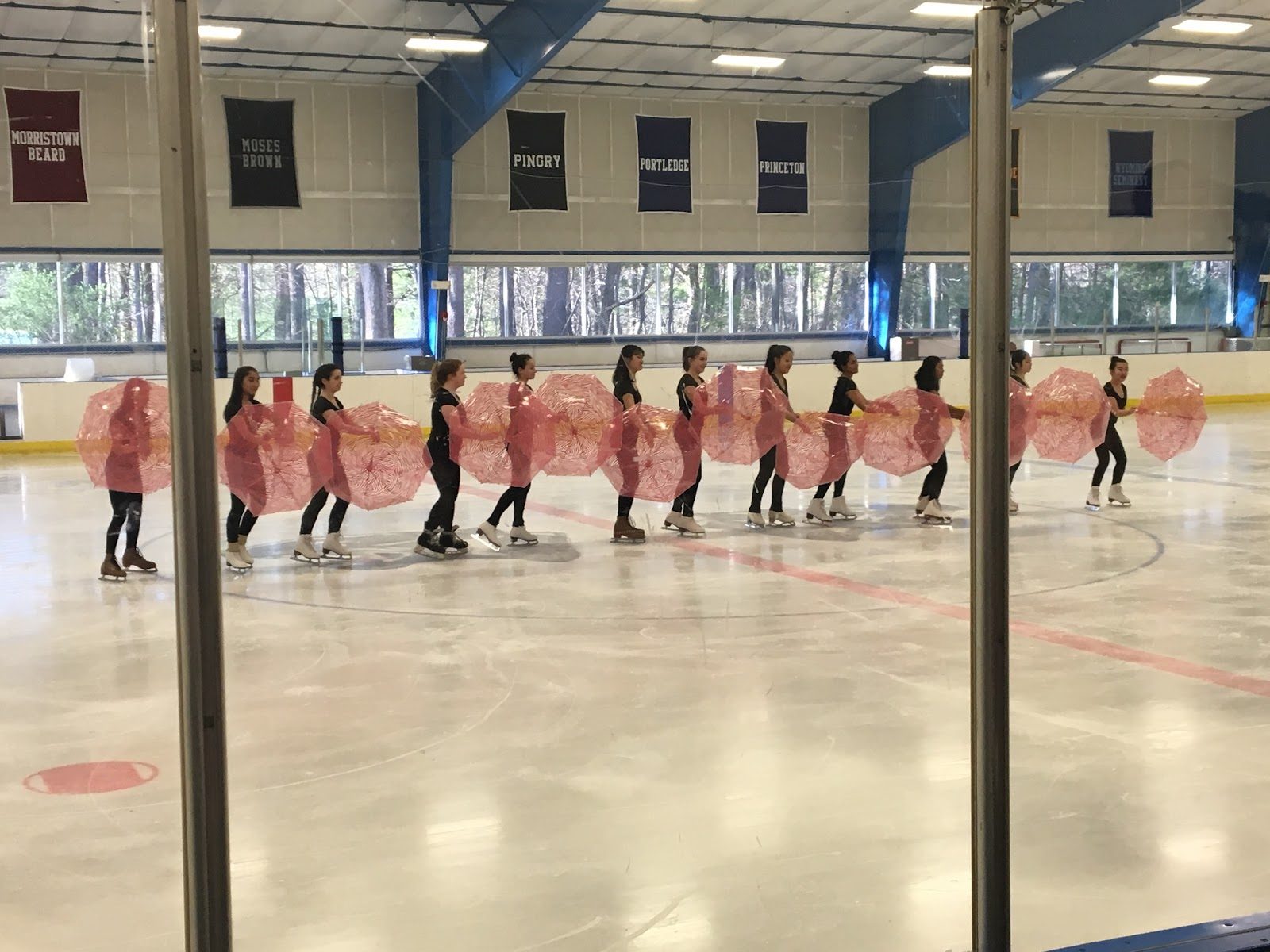
Princeton Day School
Princeton · United States
Formed by a 1965 merger of two century-old Princeton schools, pairing STEAM rigor with a rare four-year architecture program across 106 acres.
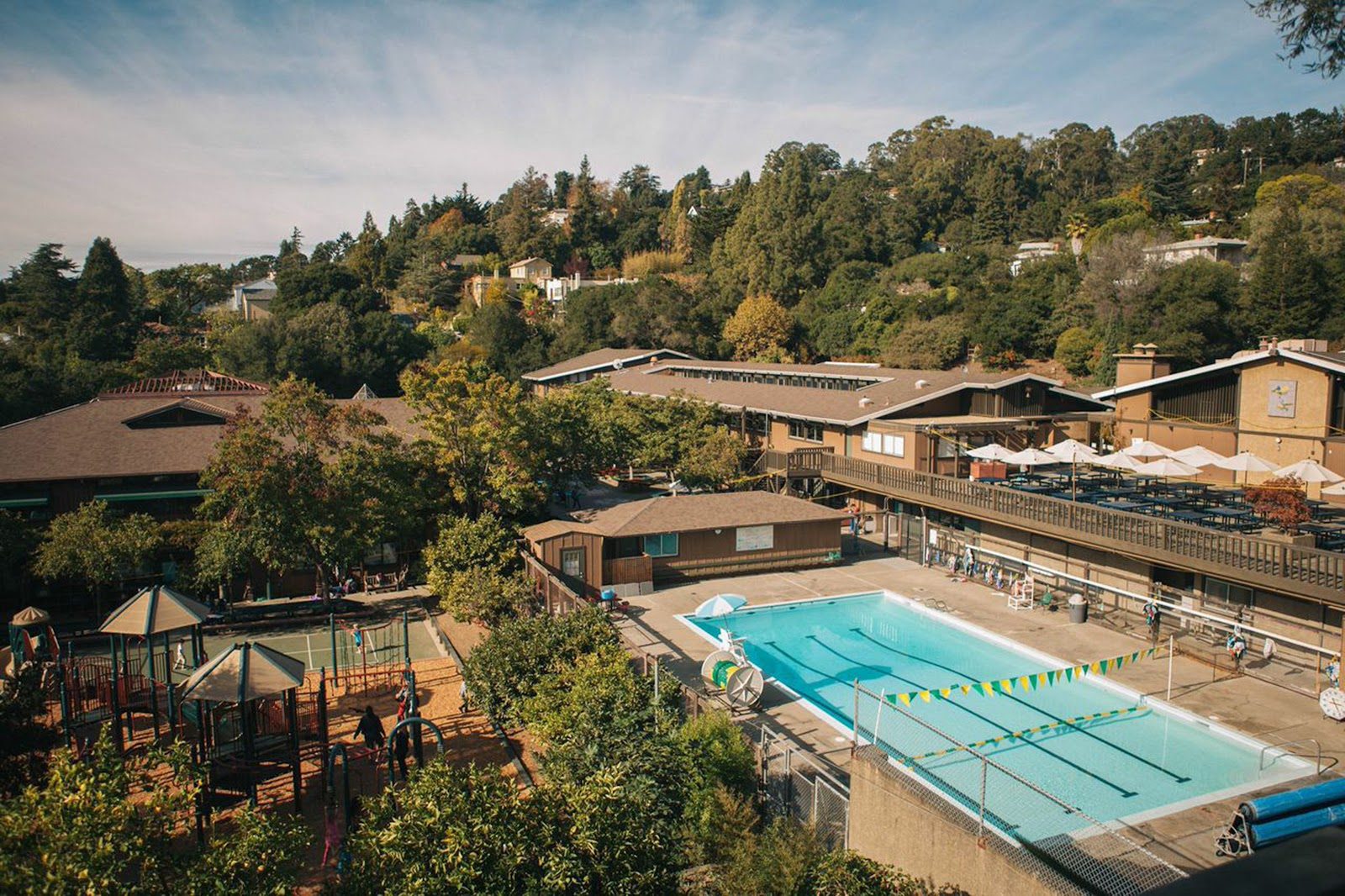
Head-Royce School
Oakland · United States
Since 1887 on a wooded Oakland hills campus, pairing rigorous scholarship with a decades-old public-school partnership that opens college doors for first-generation students
The Buckley School
New York City · United States
On Manhattan's Upper East Side since 1913, a K-9 boys' school pairing classical rigor with mandatory public-speaking training for every student.
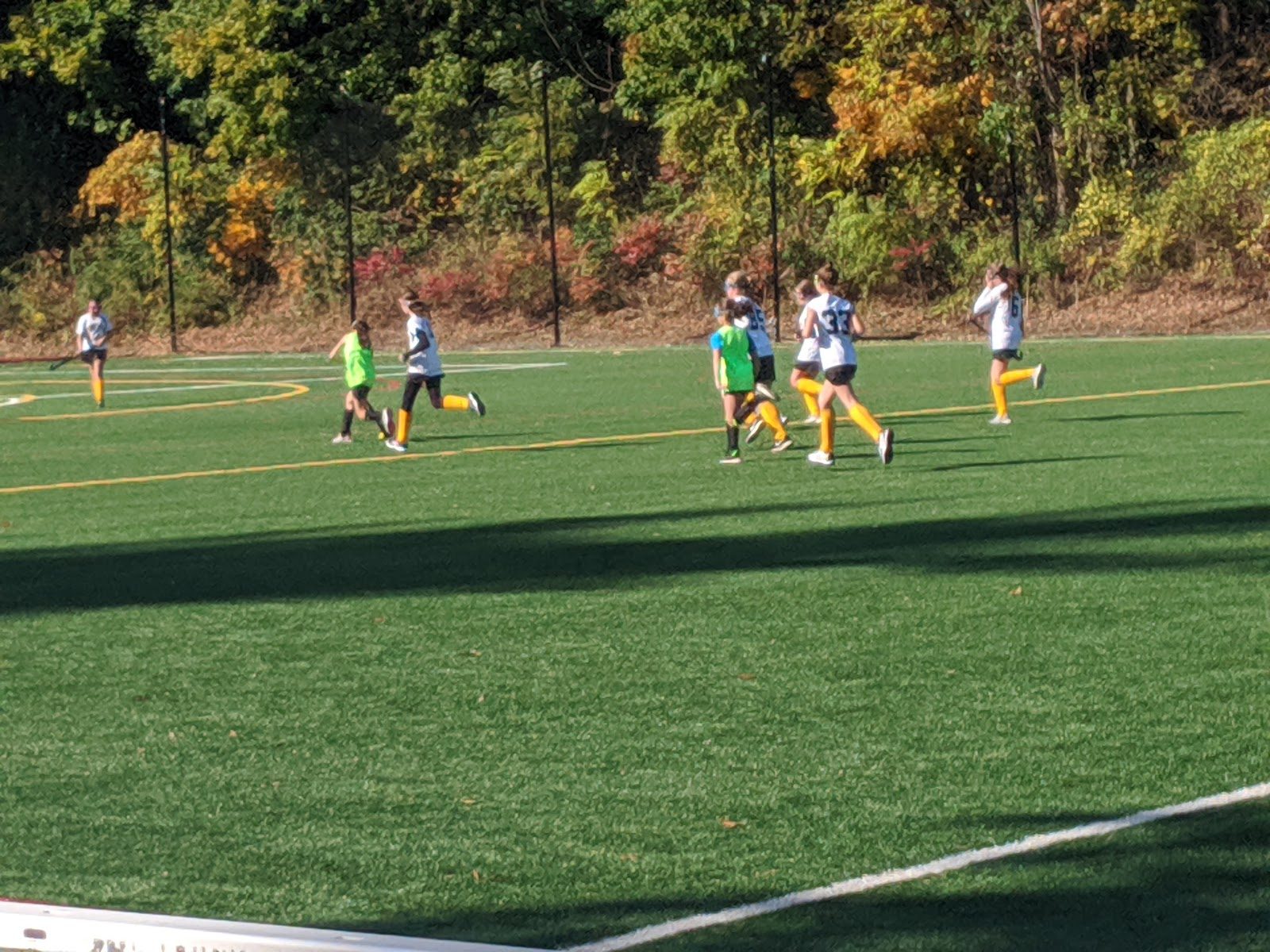
Greenwich Academy
Greenwich · United States
Connecticut's oldest all-girls school pairs single-sex grounding with coeducational upper-school classes shared alongside Brunswick's boys.
Same country and curriculum — closest matches within ±10 points either way