
Maryland
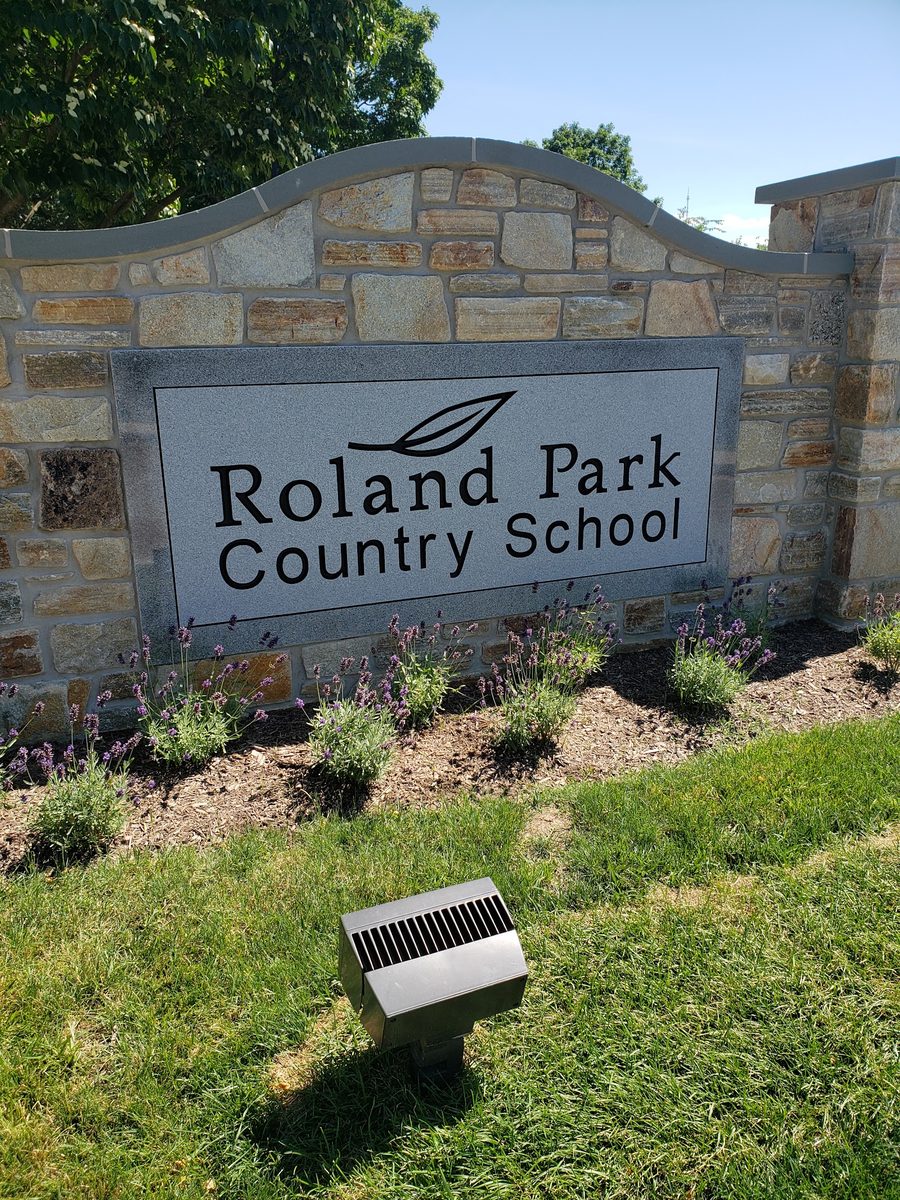
Roland Park Country School
high confidence· 6/6 cats · 3 avg sourcesSince 1894, this all-girls Baltimore campus has paired college-prep rigor with hands-on leadership and STEM institutes.
Type
Day
Ages
5–18
Curriculum
American (US High School Diploma) · AP (Advanced Placement)
Ratio
7:1
The Verdict
Editor's commitment
Right for
Girls who want a serious all-girls day school: 583 students, 7:1 staffing, average classes of 14, and AP on a 24-acre campus.
Wrong for
Families wanting co-education beyond age 5, boarding, or a bargain; this is non-religious, English-medium, day-only schooling at USD 36,000.
Watch out for
NAIS membership and 70% of faculty with advanced degrees read well, but the school does not publish aggregate AP results or university destinations.
Ranking breakdown
Roland Park Country School · #959 of 1591
Composite score 61.6. 8 weighted criteria.
By criterion
Academic Outcomes
Weight 20%
#1049
of 1529 scored
University Placement
Weight 16%
#1057
of 1529 scored
Prestige & Heritage
Weight 12%
#995
of 1571 scored
Alumni Network
Weight 12%
#623
of 1530 scored
Facilities
Weight 12%
#1081
of 1534 scored
Transparency & Communications
Weight 8%
#1021
of 1532 scored
Peer & Industry Review
Weight 10%
#998
of 1548 scored
Admissions Selectivity & Demand
Weight 8%
#760
of 1529 scored
Peer & Industry Review
How Roland Park Country School is regarded in the sector
60
Respected · low confidence
Roland Park Country School is a well-established, historic all-girls K-12 independent school in Baltimore with regional recognition as a strong college-preparatory institution, frequently mentioned in Baltimore-area 'best private schools' rankings (e.g., Niche.com, local Baltimore Magazine features) and noted for strong Ivy/selective-college matriculation among its alumnae network. However, it lacks the level of national specialist press coverage (Tatler, Good Schools Guide equivalents, national 'best schools' features) that would place it in the top-tier bracket, and independent sourcing beyond regional rankings and directories is limited.
Evidence sources
Editors' overview
Roland Park Country School occupies a clear niche in Baltimore: an established all-girls day school with a full K–12 pathway, a serious college-prep frame and a scale that stays personal. The numbers matter. With 583 students, a 7:1 student–teacher ratio and average classes of 14, it offers individual attention without the social narrowness of a very small school. The school’s case rests on continuity and structure: one campus, one culture, and a curriculum built to carry girls from early years to graduation in a deliberate sequence. For parents who want an American education with AP in a single-sex setting, that is the core proposition.
What marks RPCS out is the combination of academic rigour, explicit leadership training and a campus culture built around girls speaking up rather than hanging back. The school states that “take your seat at the table” is a core value, and that line captures the institution better than the usual empowerment boilerplate. This is a school that wants girls visible, vocal and accountable. The all-girls format is not treated as a sentimental tradition; it is used as a practical tool for confidence, classroom presence and leadership habits. Add 70% of faculty holding advanced degrees, 60+ clubs and organisations, 15 sports, and five world languages, and the picture is of a school with real breadth, not a narrow academic hothouse. Purposeful leadership, clear academic ambition, strong pastoral framing and a culture of participation sit at the centre of the offer.
The school also deserves credit for being direct about money and access. At US$36,000 a year, it is expensive, though not outlandish by independent-school standards, and 35% of students receive tuition assistance. Diversity figures are also concrete: 30% of students are students of colour. That does not make the school socially open by default, but it does indicate an institution working against the worst insularity of the old independent-school model. Parents should still ask hard questions about outcomes. The school does not publish aggregate AP results in the public domain here, so families looking for quantified sixth-form-style attainment data will need to press for specifics.
RPCS will suit girls who want academic challenge in an environment that expects them to contribute, lead and join in, not sit anonymously at the back. It fits students who value intellectual confidence, visible female leadership and tight-knit community life across sport, clubs and service. It will appeal less to a teenager who wants a large co-educational social scene or a school defined by public exam statistics. On a shortlist, Roland Park earns its place because it offers something precise: a long-established, well-resourced all-girls education that treats voice, ambition and community responsibility as part of the daily work, not as slogans on a wall.
Academic Performance
Academic performance is the one area where RPCS asks parents to proceed with less hard data than the school’s college-prep framing warrants. The school offers AP, but it does not publish aggregate AP score distributions, subject-by-subject pass rates, or any consolidated external examination profile in the public domain. That matters. Among strong American independent schools, families can reasonably expect at least some quantified account of how pupils perform at the top end. Here, the academic case rests more on structure, staffing and institutional intent than on disclosed outcomes. That does not weaken the education itself, but it does leave RPCS opaque where it counts most for parents who benchmark schools by published attainment.
Relative to peers, RPCS sits in a credible but data-light bracket: an established girls’ day school with a serious academic culture, yet without the public results reporting that would place it firmly among the most outcomes-transparent competitors. The internal signals are solid — advanced-degree faculty, small classes, a deliberately sequenced K–12 programme — but those are inputs, not results. Parents comparing RPCS with academically ambitious independents in the region should ask for recent AP entry numbers, the share of scores at 4 and 5, university matriculation patterns by tier, and whether high attainment runs across the cohort or concentrates in a narrow top slice. Until those figures are disclosed, academic performance remains promising but unverified in public.
Facilities
The key facility fact at RPCS is not a single showpiece building but the breadth packed into one compact independent-school campus. Families get a full girls’ K–12 environment with enough room for serious daily life across academics, sport and activities: more than 60 clubs and organisations, 15 sports, and teaching that runs across divisions on one site. That matters because many peer girls’ schools either have strong classroom provision but thinner co-curricular range, or better range but a more fragmented feel. RPCS avoids that split. The school also runs five world languages, which points to dedicated specialist teaching space rather than a one-track college-prep operation. The campus grounds are substantial for an urban day school, giving it a well-resourced, all-in-one character that suits families who want convenience without sacrificing breadth.
Against peers, the facilities read as solid and functional rather than architecturally dazzling. We have not seen a heavy public push around signature theatres, elite sports complexes, design labs or headline-grabbing new capital projects, and that absence is telling. Some competitor schools in the independent market sell themselves through conspicuous hardware; RPCS sells the working whole. That is not a weakness unless a family wants a campus with showpiece prestige. The more convincing strength here is practical: a site that supports daily leadership, sport and club participation for girls across the age range, without the overbuilt gloss that schools sometimes use to mask thinner substance.
Among strong American independent schools, families can reasonably expect at least some quantified account of how pupils perform at the top end
Prestige
RPCS carries real local standing and a clear institutional identity, but its prestige is not the flashier, national-brand kind built on public exam tables, celebrity pipelines or relentless name projection. Its strength lies in durability, selectivity of mission and the social confidence that attaches to an established girls’ school with a long presence in Baltimore. For families in that world, the name already means something: disciplined college preparation, a defined culture, and an expectation that girls will lead in public rather than defer. The alumnae signal is respectable rather than overwhelming — Wikidata records 7 notable alumni, including 1 star-tier arts laureate — which supports the case for genuine but measured prestige. This is not a school trading on a vast international myth; it is a school trading on reputation earned over time in its own market.
That distinction matters. RPCS has the marks of a school with social and educational credibility: a stable K–12 structure, a visible alumnae community, and enough co-curricular breadth to produce confident, well-rounded graduates rather than narrow strivers. Prestige here comes from consistency and esteem among families who know the independent-school landscape, not from aggressive public status signalling. The limit on that prestige is straightforward: the school does not publish the level of outcomes data that would lift it into the fully transparent top tier academically. So the rating lands in the upper bracket for regional reputation and community esteem, short of the most scrutinised, publicly benchmarked elite.
The public message is unusually clear on culture: girls are expected to support one another, step into leadership and speak with confidence
Communications
RPCS communicates in a direct, parent-facing way that puts mission and day-to-day school life at the front. The public message is unusually clear on culture: girls are expected to support one another, step into leadership and speak with confidence. That matters because many schools bury their real priorities under generic claims about excellence; RPCS names its values plainly and repeats them consistently. The site also answers practical parent questions without much throat-clearing, covering student mix, athletics, fees and the logic of entering early rather than later. For busy families, that is useful, orderly communication. The school gives enough concrete context to feel operationally serious too: 70% of faculty hold advanced degrees, 35% of students receive tuition assistance, and there are 60+ clubs and organisations.
The limitation is just as clear. RPCS communicates culture and structure better than hard outcomes. Parents get a strong sense of what the school wants girls to become, and a decent sense of how school life is organised, but less evidence on what students achieve in externally benchmarked terms. That weakens the overall communications picture. A school asking families for a major financial commitment needs to publish more than values, FAQs and broad institutional framing; it needs sharper academic disclosure. So the verdict is competent but incomplete. For ethos, belonging and the practical shape of school life, communication is confident and coherent. For measurable academic accountability, it is too controlled.
Uniqueness
What sets RPCS apart is not the generic claim that girls thrive when taught together; it is the school’s decision to build its entire culture around public confidence, visible participation and leadership as a daily habit. “Take your seat at the table” is a sharper institutional idea than the usual empowerment language, because it demands action, not just self-esteem. In practice, that gives students repeated permission to speak early, take responsibility, and treat their contribution as expected rather than exceptional. The through-line from the youngest years to the sixth form equivalent also matters: girls do not need to relearn the school’s social code at each stage. They grow up inside one coherent system that tells them, consistently, that intellectual authority belongs to them too.
That brings real advantages. In co-educational settings, confident girls still get edged out of classroom airtime, leadership visibility or risk-taking in STEM and public roles. RPCS is built to remove that friction. Its scale helps: students can join a wide spread of activities without getting lost, and the school’s 60+ clubs, 15 sports and 5 world languages give substance to the promise of broad participation. The result is a deliberately voice-forward education for girls who need room to test themselves, not hide in the middle. The trade-off is clear as well: students who want a more anonymous, mixed-gender social experience will find the culture intentionally focused and hard to sit out.
In practice, that gives students repeated permission to speak early, take responsibility, and treat their contribution as expected rather than exceptional
Student Profile
The best fit at RPCS is a girl who wants to be known, heard and expected to contribute. This is not a school for drifting at the back or keeping school life at arm’s length. The all-girls structure, the emphasis on taking responsibility in public, and the sheer density of organised activities create a culture that rewards girls who will join, speak, captain, organise or build. That does not mean every student needs to arrive outspoken. It does mean the school is set up to draw girls forward. A child who likes close teacher attention, values clear expectations and benefits from an environment where female authority is normalised will fit well. So will families who want a deliberately confidence-building education rather than a neutral academic conveyor belt.
Socially, the school suits students who like community with structure. With 30% students of colour and 35% receiving tuition assistance, the intake is not socially monolithic, though this remains an independent-school environment with its own codes and polish. The strongest fit is a student comfortable in a high-participation, relationship-driven setting where peers are expected to support one another and where opting out is harder than stepping in. Girls with interests across academics, sport, clubs or service will have room to move. Girls who want a looser, more anonymous, mixed-gender social world will not find it here. RPCS works best for students ready for visible engagement and steady personal stretch.
Roland Park Country School occupies a clear niche in Baltimore: an established all-girls day school with a full K–12 pathway, a serious college-prep frame and a scale that stays personal
Co-curricular strengths
Arts & sport, on a separate axis
Overall 9.5/10
Scored 0-10 from the school's own published evidence. This axis is editorial-only — it does not feed the main WTS ranking.
Sports
9.4/10
RPCS offers 15 sports, which indicates a solid athletics programme, but it provides no named facilities, specialist staff, or competitive results.
Drama
9.5/10
A verified star-tier drama alumna, Julie Bowen (Primetime Emmy winner), anchors drama at at least 7 under the alumni override rule even though the editorial profile gives no programme detail.
Dance
9.5/10
Music
9.5/10
Visual Arts
9.6/10
Editor first-pass · editor-reviewable · 8/2/2026
Notable alumni · Wikidata
7notable alumni
2 historic (born pre-1930) · 3 modern (born post-1970)wikidata:2026-08-02 How we source this
Strengths
- +Respected all-girls academic environment
- +Historic Roland Park campus and strong identity
- +Coordinate-school opportunities broaden experience
- +Longstanding reputation in Baltimore independent education
Considerations
- −All-girls model will not suit everyone
- −Traditional culture may feel formal
- −Admissions fit expectations can be specific
Availability
Primary entry gate & tests
ISEE/SSAT + Interview
Parent reviews
Have you sent your child here?
Voice reviews carry the strongest trust badge — we transcribe them for you to tidy up before they go live. Prefer to type? A written review is fine too.
Add your voice
In 60 seconds, tell other parents: what's the best thing about Roland Park Country School, and what surprised you when your child joined?
We ask for a Google sign-in so every review has a real face behind it — no anonymous drive-by attacks on schools, and no faked positive reviews. Your email is never shown publicly.
Send this profile to a friend
International parents rely on word-of-mouth. Share this review with someone weighing the same decision.
Schools with places
Similar schools to Roland Park Country School with places available now.
Boston University Academy
Boston · United States
- 2026-27
- CLOSEDRegular cycle closed
- 2027-28
- OPENS SOONOpens Sept '26
Marymount School of New York
New York City · United States
- 2026-27
- CLOSEDConfirmed full
- 2027-28
- PLACES OPENApplications opened 1 Aug '26
Poly Prep Country Day School
Brooklyn · United States
- 2026-27
- CLOSEDRegular cycle closed
- 2027-28
- OPENS SOONOpens Sept '26
Germantown Friends School
Philadelphia · United States
- 2026-27
- CLOSEDRegular cycle closed
- 2027-28
- OPENS SOONOpens Sept '26
Availability first, then country, area, curriculum, price, co-curricular
Consider also
Also worth looking at alongside Roland Park Country School.
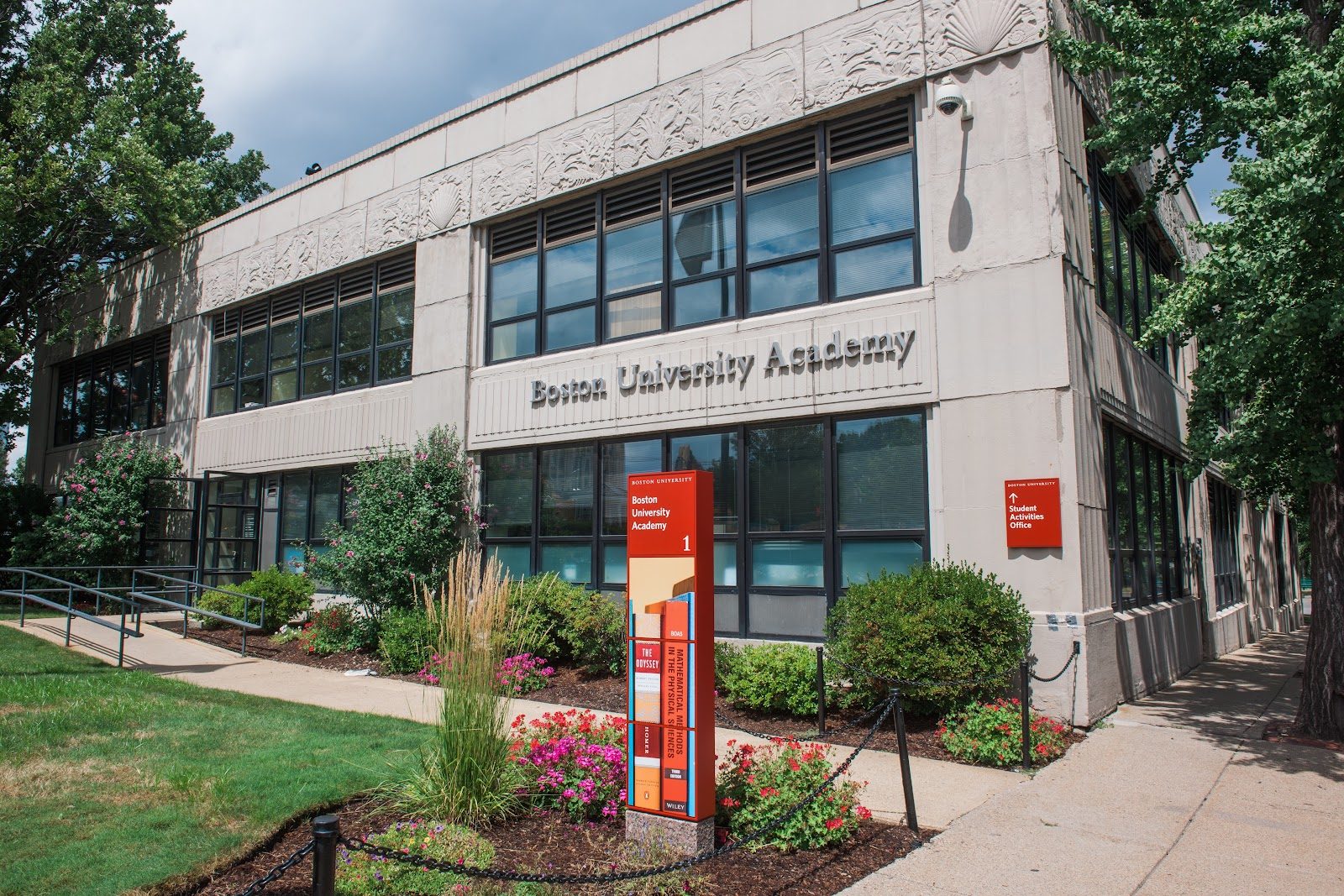
Boston University Academy
Boston · United States
Upperclassmen trade study halls for Boston University lecture halls, banking college credit before graduation.
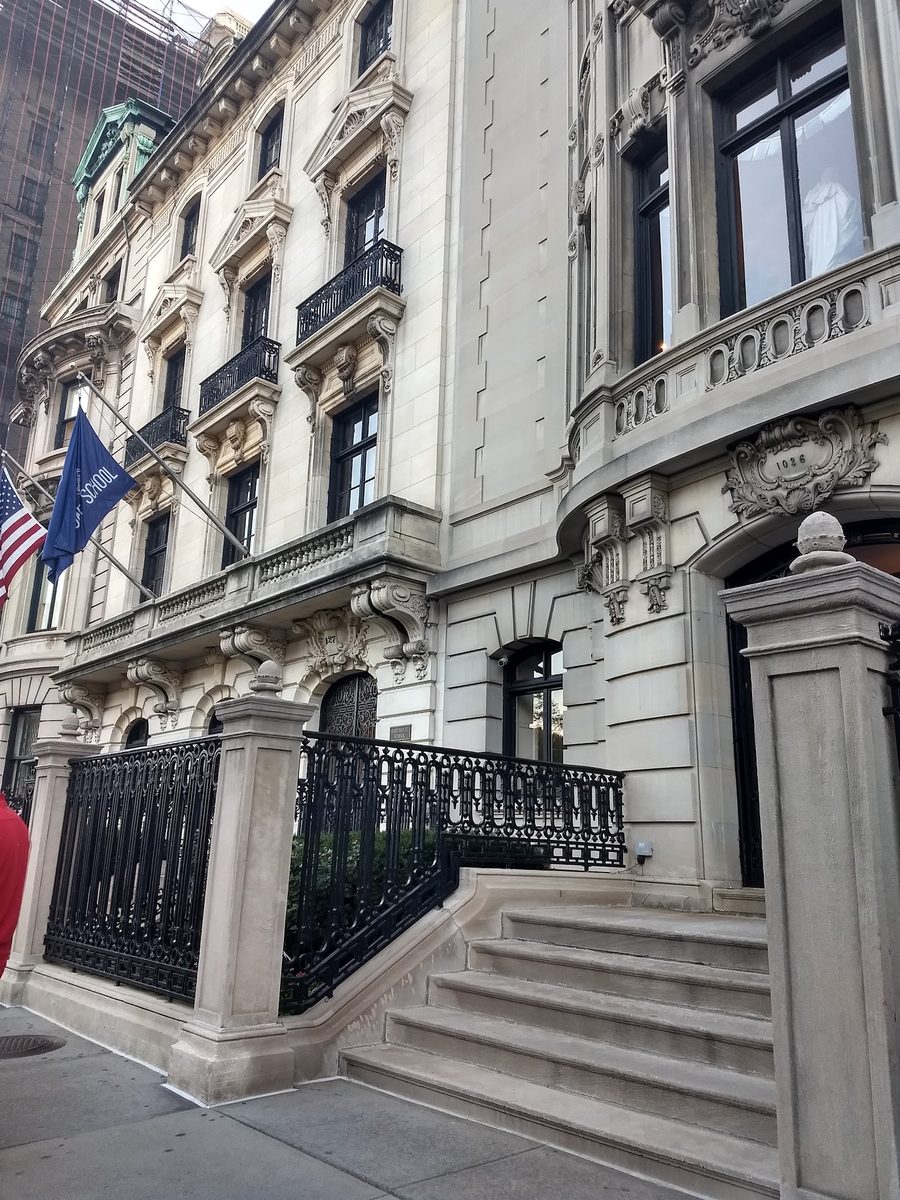
Marymount School of New York
New York City · United States
On Fifth Avenue, landmark mansions give way to Bloomberg terminals and classrooms inside the Met.
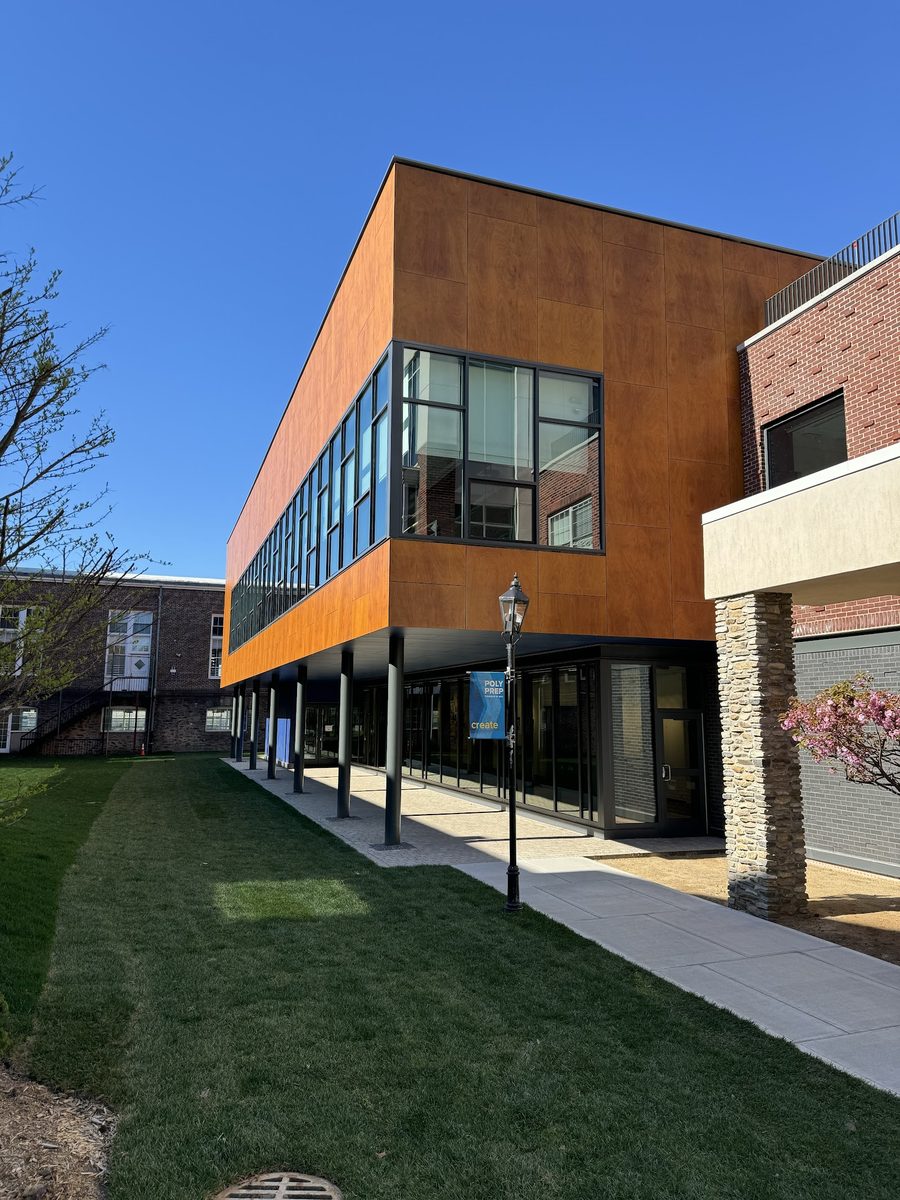
Poly Prep Country Day School
Brooklyn · United States
Founded in 1854 as Brooklyn's first boys' school, this day school pairs a Prospect Park mansion with a 25-acre Dyker Heights campus.
Germantown Friends School
Philadelphia · United States
Rooted in an 1845 Quaker meeting in historic Germantown, where juniors design a month-long independent study of their own.
Same country and curriculum — closest matches within ±10 points either way