
Maryland
The Bryn Mawr School
low confidence· 2/6 cats · 2.25 avg sourcesBorn in 1885 to prepare girls for Bryn Mawr College's tough entrance exams, this Baltimore day school still teaches by that founding rigor.
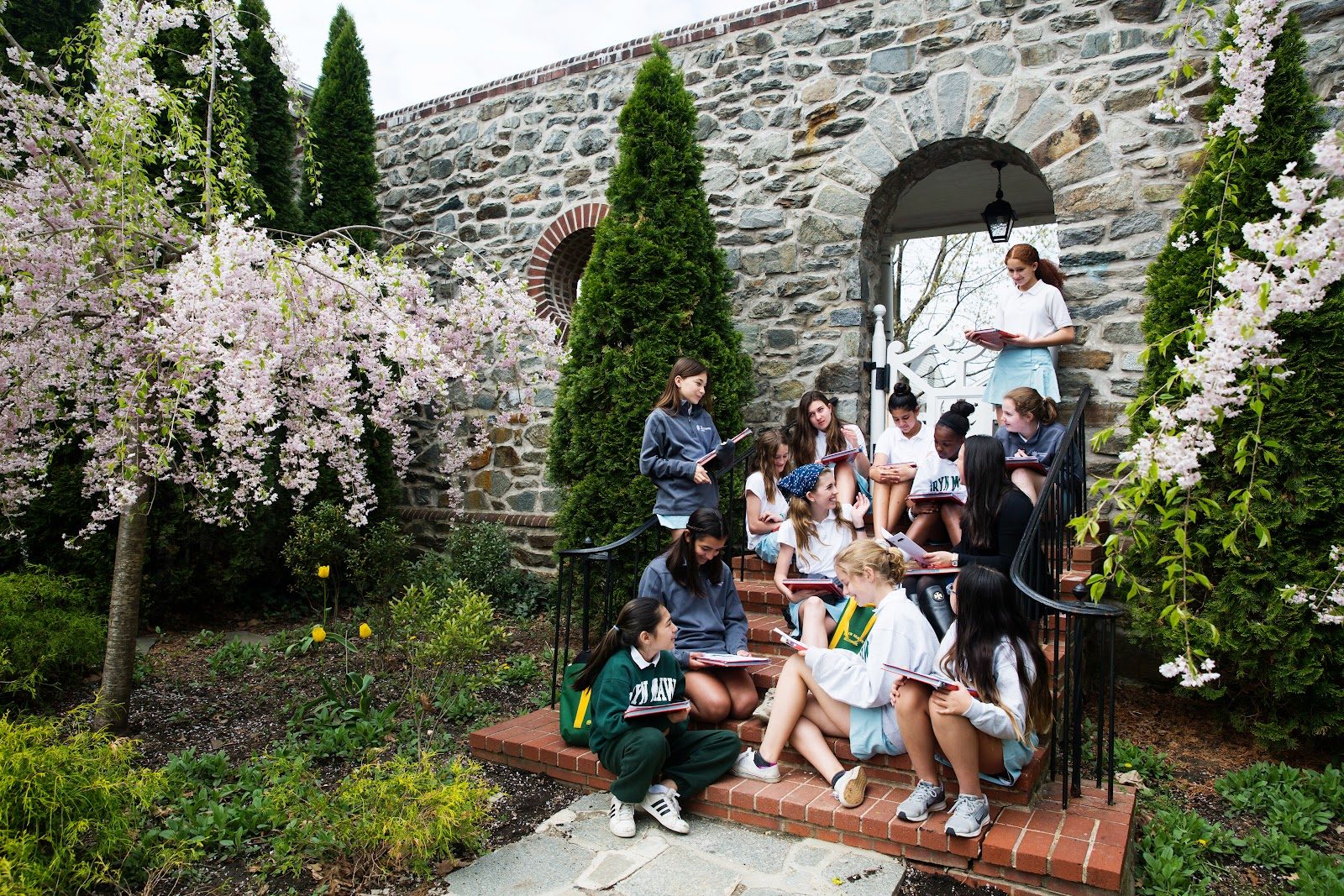
Photo © The Bryn Mawr School via Google Maps
Type
Day
Ages
3–18
Curriculum
American (US High School Diploma) · AP (Advanced Placement)
Ratio
8:1
The Verdict
Editor's commitment
Right for
Girls who want an all-through American school, AP options, 8:1 staffing and classes of 14 on a 26-acre Baltimore campus.
Wrong for
Families wanting boys beyond preschool, boarding, a religious ethos or an IB pathway; Bryn Mawr is a non-religious day school for ages 3–18.
Watch out for
The average annual fee is $41,034, and the school sells academic rigour hard; that suits ambitious pupils, not children needing a softer pace.
Ranking breakdown
The Bryn Mawr School · # of 1591
Composite score 65.4. 8 weighted criteria.
By criterion
Academic Outcomes
Weight 20%
#335
of 1533 scored
University Placement
Weight 16%
#354
of 1529 scored
Prestige & Heritage
Weight 12%
#293
of 1580 scored
Alumni Network
Weight 12%
#1357
of 1530 scored
Facilities
Weight 12%
#391
of 1540 scored
Transparency & Communications
Weight 8%
#358
of 1547 scored
Peer & Industry Review
Weight 10%
#311
of 1564 scored
Admissions Selectivity & Demand
Weight 8%
#400
of 1529 scored
Peer & Industry Review
How The Bryn Mawr School is regarded in the sector
72
Respected · medium confidence
Bryn Mawr School is a well-regarded independent girls' school in Baltimore consistently ranked among top private schools in Maryland by Niche.com and cited in regional 'best schools' coverage; it has a notable alumnae network including figures in politics, business, and academia that receive periodic press mention. However, it lacks the level of national/international specialist press coverage (Tatler, Good Schools Guide UK-style deep dives) seen with globally top-tier institutions, suggesting a strong regional but not unanimous top-tier reputation.
Evidence sources
- Adena Friedman — CEO, Nasdaq - business/finance
- Anne Tyler — Novelist, Pulitzer Prize winner
- Cynthia McFadden — Journalist, ABC/NBC News
Editors' overview
Bryn Mawr’s claim on a parent’s shortlist starts with a fact that still shapes the place: it was founded in 1885 to give girls the academic preparation boys already had, and it has kept that hard-edged academic seriousness. This is a non-religious Baltimore day school for ages 3 to 18, teaching the US High School Diploma with AP courses, and it does not hide behind vague language about “whole child” learning without academic substance. The published basics are strong and concrete: a 1:8 student-teacher ratio, an average class size of 14, and NAIS accreditation. The school also states its commitment to “the delights and demands of learning”, which reads less like branding than a fair summary of a culture where being bright and engaged carries social value rather than apology.
What is special here is the combination of girls’ education with a campus and programme broad enough to avoid insularity. Bryn Mawr is girls-only from pre-kindergarten through 12th grade, with co-educational preschool and infant care, on a 26-acre campus. Its current strategic plan ties academic excellence to wellbeing and belonging, and the language matters: this is not a school retreating from rigour, but one trying to pair rigour with resilience, ethical judgement and confidence. That balance matters in a high-pressure independent-school market. At an average annual day fee of $41,034, Bryn Mawr sits in the expensive end of the US day-school sector, so parents have every right to demand more than pretty mission statements. On the numbers we do have, and on the school’s own articulation of purpose, it clears that bar.
The pupil who will want Bryn Mawr is a girl who likes being stretched, not protected from difficulty; who wants teachers to know her well; and who will use small classes as a platform rather than a cushion. This is a strong fit for intellectually ambitious students who value an all-girls environment and who benefit from a school culture that treats scholarship as normal, expected and worth pursuing. It is less well suited to families who want a loose, progressive atmosphere with minimal pressure or who place sport, spectacle or brand cachet ahead of academic discipline. Bryn Mawr’s attraction is simpler than that: serious teaching, a clear mission, and a long institutional memory of educating girls to compete at the highest level.
Academic Performance
Bryn Mawr has the raw ingredients for strong external results: small classes, close teacher attention and a school culture that treats intellectual effort as a social good rather than a private eccentricity. In a US independent-school context, that combination places it in the serious college-preparatory tier. The school offers AP courses, which gives families a recognised external benchmark, but this is also where the public picture turns frustratingly opaque. We have not seen aggregate AP score distributions, AP participation rates, mean SAT or ACT scores, or university matriculation tables detailed enough to test the school properly against direct competitors.
That absence matters. Peer schools competing for the same families often publish at least some hard outcome data, even if selectively. Bryn Mawr asks parents to trust its long academic reputation and its declared standards of excellence more than it submits itself to public scrutiny on exam metrics. That does not weaken the academic proposition in the classroom; it does weaken any attempt to rank the school precisely within the top slice of US girls’ day schools. The prudent conclusion is clear: this is a high-expectation, academically disciplined school with credible indicators of strong performance, but not a school that publishes enough external-results data to prove a top-of-market claim.
Facilities
The campus gives Bryn Mawr a practical advantage over many urban day schools: room to do more than fit lessons into a tight academic footprint. A 26-acre site inside the city allows for proper separation between age groups, outdoor space that does not feel improvised, and scope for athletics and arts to operate as real programmes rather than timetable add-ons. The school points parents toward athletics, arts and student life as signature areas, and that rings true for a campus of this scale. Against peer girls’ day schools, that matters. Plenty trade on academic reputation while asking families to accept constrained sports provision, patched-together arts space or a campus that feels more like an office complex than a school. Bryn Mawr has the physical capacity to avoid that trap.
The limitation is equally clear: the school does not publish the kind of detailed facilities inventory that would let parents test substance against rhetoric. We have not seen a public breakdown of specialist labs, theatre specifications, music facilities, maker space, pool access or elite-performance sports infrastructure. That leaves the facilities picture strong in broad outline and thin in hard detail. So the benchmark sits in the upper tier for campus scale and general breadth, but not in the fully evidenced top rank occupied by schools that publish precise information about what students can actually use, day to day.
The published basics are strong and concrete: a 1:8 student-teacher ratio, an average class size of 14, and NAIS accreditation
Prestige
Bryn Mawr carries real old-school prestige in the American girls’ school world, and not the flimsy kind built on marketing gloss. Its standing rests on institutional longevity, a clear academic inheritance, and a name that has weight far beyond its immediate market. A school founded to prepare girls for demanding higher study still benefits from that origin story because the underlying proposition remains intact: intellectual seriousness is the point, not an optional extra. The alumnae signal strengthens that picture. Wikidata records 10 notable alumni, including 4 scientists and scholars, which gives the school a verified record of producing women who moved into public, professional and intellectual life. That is not mass-market celebrity prestige; it is educated-establishment prestige, which counts for more in discerning circles.
The limits are just as important. This is not prestige built on published league-table dominance, spectacular athletic branding or an aggressively advertised college-placement machine. The school’s external-results reporting remains thin, and that caps how emphatically one can rank it against the most data-transparent US independents. Even so, the combination of selective social reputation, serious academic culture and a long alumnae legacy places Bryn Mawr in the high-status, high-expectation bracket. At an average annual fee of $41,034, families are paying for a school with genuine institutional stature and a distinctive place in girls’ education, not for a fashionable badge with little beneath it.
What is special here is the combination of girls’ education with a campus and programme broad enough to avoid insularity
Communications
Bryn Mawr communicates with unusual clarity about values and day-to-day school character. The public-facing message is consistent across the site: this is a girls’ school that expects intellectual effort, takes wellbeing seriously, and wants students known as individuals rather than processed through a system. That consistency matters because it gives parents a reliable read on the culture before they enquire. The navigation also does the practical work cleanly. Key parent concerns — mission, academics, arts, athletics, student life, diversity work and strategy — are easy to find, and the school does not bury its priorities under brochure fog. The strategic plan is a useful signal here: publishing one at all, and tying it to belonging and wellbeing without dropping academic standards, shows institutional discipline rather than slogan-writing.
Where the communication weakens is in evidence. Bryn Mawr is strong on ethos, less convincing on hard operational detail. Parents can grasp what the school believes, but they get less help on what that means in measurable terms: we have not seen public aggregate exam data, a detailed facilities inventory, or the kind of outcome reporting that lets families test promises against results. That leaves the communications style polished but incomplete. For a school charging an average annual fee of $41,034, that gap matters. The tone is thoughtful, confident and coherent; the proof base needs more than that.
Uniqueness
What marks Bryn Mawr out is not girls’ schooling on its own, but a version of it that keeps intellectual ambition at the centre without dressing it up as wellness theatre or leadership branding. The school’s own language still carries a bracingly old-fashioned seriousness: learning has “delights and demands”, students are expected to face complexity and ambiguity, and ethical judgement sits alongside academic excellence rather than replacing it. That gives the place a distinct internal logic. Bright girls do not need to mute themselves to fit in; scholarship has status, risk-taking in class is normal, and being articulate, prepared and mentally quick reads as social currency rather than social liability. For the right student, that is liberating.
The second point of difference is structural. Bryn Mawr combines an all-girls core with co-educational early years, which creates a school identity that is deliberately focused without feeling cut off from ordinary social development. Add the unusually intimate teaching conditions — 8:1 and 14 — and the result is a student experience built on being known well, expected to contribute, and given limited room to hide. That brings clear benefits: confidence grounded in competence, strong habits of discussion, and a sturdier sense of self than many co-ed environments produce during adolescence. It also makes Bryn Mawr not for the faint-hearted. A girl who wants anonymity, low demands or a casual classroom culture will find the school exacting. A girl who wants her mind taken seriously will find the point of it.
Bryn Mawr is girls-only from pre-kindergarten through 12th grade, with co-educational preschool and infant care, on a 26-acre campus
Student Profile
The girl who fits Bryn Mawr is not hunting for camouflage. She is comfortable being known by teachers, called on, challenged and expected to do the reading, think on her feet and defend a view in class. In a school with an 8:1 staffing ratio and classes averaging 14, there is little room for drift. That suits students who gain energy from discussion, feedback and intellectual competition rather than those who need a looser pace or the option to disappear into the middle. The all-girls structure from the main school upward also matters: this is a strong fit for girls who want their ambitions treated as ordinary, not exceptional, and who value a peer culture where academic seriousness carries social legitimacy.
Personality counts here as much as raw attainment. Bryn Mawr will reward girls who are mentally brisk, organised and resilient when work gets demanding, but also those willing to contribute to a community built around relationships, ethics and participation. It is a good match for students who want breadth alongside scholarship: classroom ambition, arts, sport and visible involvement in school life. It is a weaker fit for families seeking a hands-off, low-pressure atmosphere or for girls who dislike scrutiny, close adult attention or a culture where expectations are plain. The right student will find the environment affirming, exacting and full of momentum; the wrong one will find it exposed.
That balance matters in a high-pressure independent-school market
Co-curricular strengths
Arts & sport, on a separate axis
Overall 9.14/10
Scored 0-10 from the school's own published evidence. This axis is editorial-only — it does not feed the main WTS ranking.
Sports
9/10
Athletics are clearly a point of emphasis and that the 26-acre campus supports a broad student experience including athletics, but it gives no named teams, fixtures, facilities, or results.
Drama
9/10
Dance
9.5/10
Music
9/10
Visual Arts
9.2/10
The profile explicitly refers to robust arts opportunities, which is enough to evidence an arts offering, but it provides no visual-arts-specific detail, facilities, exhibitions, or staff.
Editor first-pass · editor-reviewable · 8/2/2026
Notable alumni · Wikidata
10notable alumni
5 historic (born pre-1930) · 3 modern (born post-1970)wikidata:2026-08-02 How we source this
Strengths
- +Founded in 1885, Bryn Mawr is one of the oldest college-preparatory schools for girls in the United States, per the National Association of Independent Schools directory.
- +Small-scale teaching model with an average class size of 15 students and a 7:1 student-to-teacher ratio, according to school data reported on Wikipedia.
- +Sits on a 26-acre urban campus in Baltimore's Roland Park neighborhood, unusually large grounds for a city day school.
- +Upper School students can cross-enroll in classes at sister schools Roland Park Country School and Gilman School for Boys, widening the course catalogue available to them.
- +Offers a merit-based Head of School Award plus need-based financial aid, with all on-time applicants automatically considered for the merit award.
Considerations
- −Single-sex structure from kindergarten through grade 12 (coeducational only at the preschool 'Little School' level), which will not suit families wanting a coed environment throughout.
- −Day tuition for grades 9-12 runs in the region of $42,000-$44,000 a year, a significant recurring cost before additional fees.
- −Enrolled students' mid-50% standardized test range (SAT 1240-1490, ACT 27-33, per College Transitions data) points to a competitive academic bar for admission.
- −Financial aid is not available for the Little School preschool program, only from kindergarten onward, which matters for families needing early-years support.
Availability
Primary entry gate & tests
ISEE/SSAT + Interview (Girls)
Gallery
Photo © The Bryn Mawr School via Google Maps
Photo © The Bryn Mawr School via Google Maps
Photo © The Bryn Mawr School via Google Maps
Photo © The Bryn Mawr School via Google Maps
Photo © The Bryn Mawr School via Google Maps
Photo © The Bryn Mawr School via Google Maps
Photo © The Bryn Mawr School via Google Maps
Photo © The Bryn Mawr School via Google Maps
Photo © The Bryn Mawr School via Google Maps
Parent reviews
Have you sent your child here?
Voice reviews carry the strongest trust badge — we transcribe them for you to tidy up before they go live. Prefer to type? A written review is fine too.
Add your voice
In 60 seconds, tell other parents: what's the best thing about The Bryn Mawr School, and what surprised you when your child joined?
We ask for a Google sign-in so every review has a real face behind it — no anonymous drive-by attacks on schools, and no faked positive reviews. Your email is never shown publicly.
Send this profile to a friend
International parents rely on word-of-mouth. Share this review with someone weighing the same decision.
Schools with places
Similar schools to The Bryn Mawr School with places available now.
Friends Seminary
New York City · United States
- 2026-27
- WAITPOOLLate/held pending openings
- 2027-28
- OPENS SOONExpected Sept '26
The Buckley School
New York City · United States
- 2026-27
- CLOSEDConfirmed full
- 2027-28
- OPENS SOONOpens post-Labor Day '26
Head-Royce School
Oakland · United States
- 2026-27
- CLOSEDRegular cycle
- 2027-28
- OPENS SOONOpens Sept '26
The Haverford School
Haverford · United States
- 2026-27
- CLOSEDRegular cycle closed
- 2027-28
- OPENS SOONOpens Sept '26
Availability first, then country, area, curriculum, price, co-curricular
Consider also
Also worth looking at alongside The Bryn Mawr School.
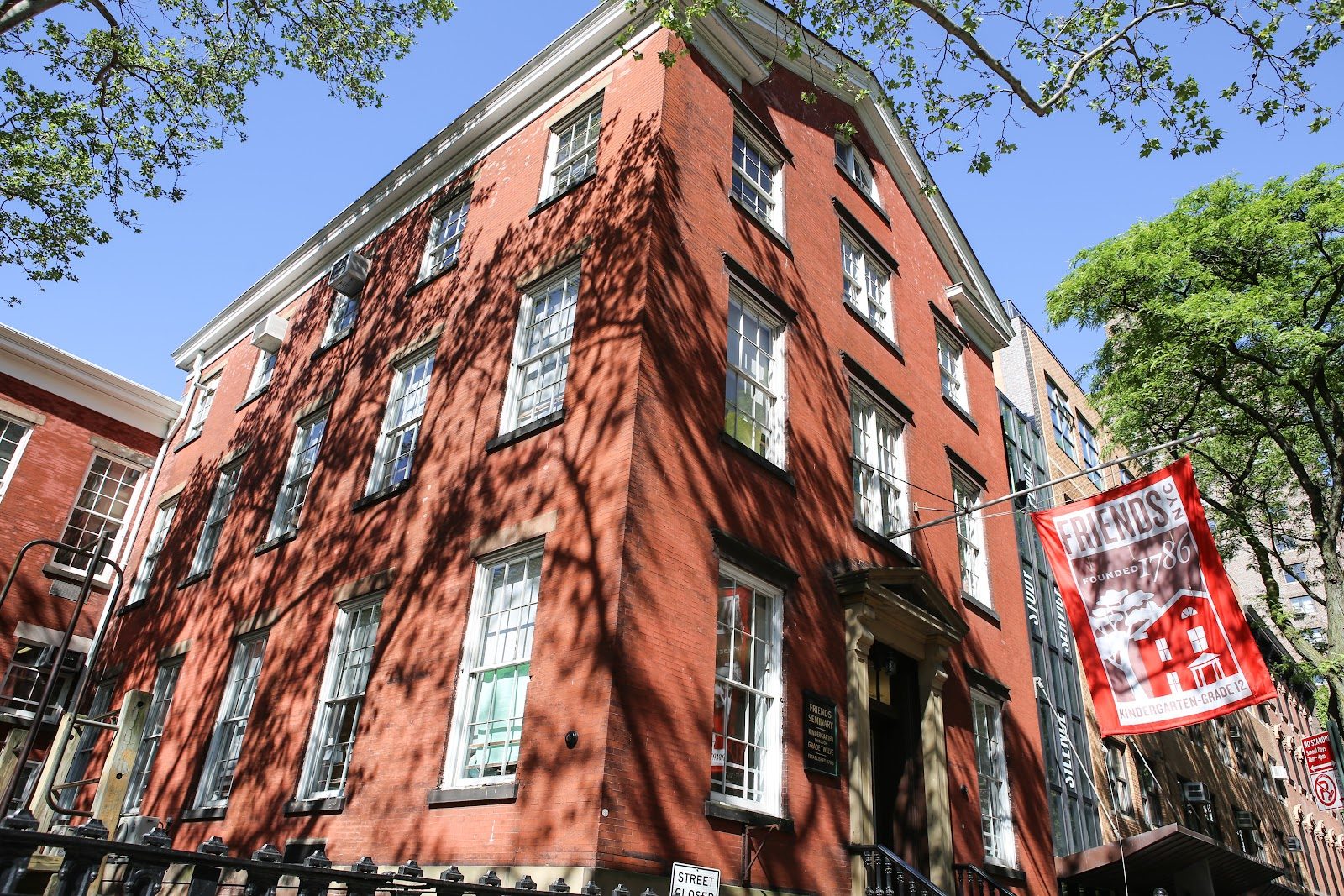
Friends Seminary
New York City · United States
Founded in 1786, the oldest coeducational school in New York City still teaches Quaker simplicity and peace amid Manhattan's bustle
The Buckley School
New York City · United States
On Manhattan's Upper East Side since 1913, a K-9 boys' school pairing classical rigor with mandatory public-speaking training for every student.
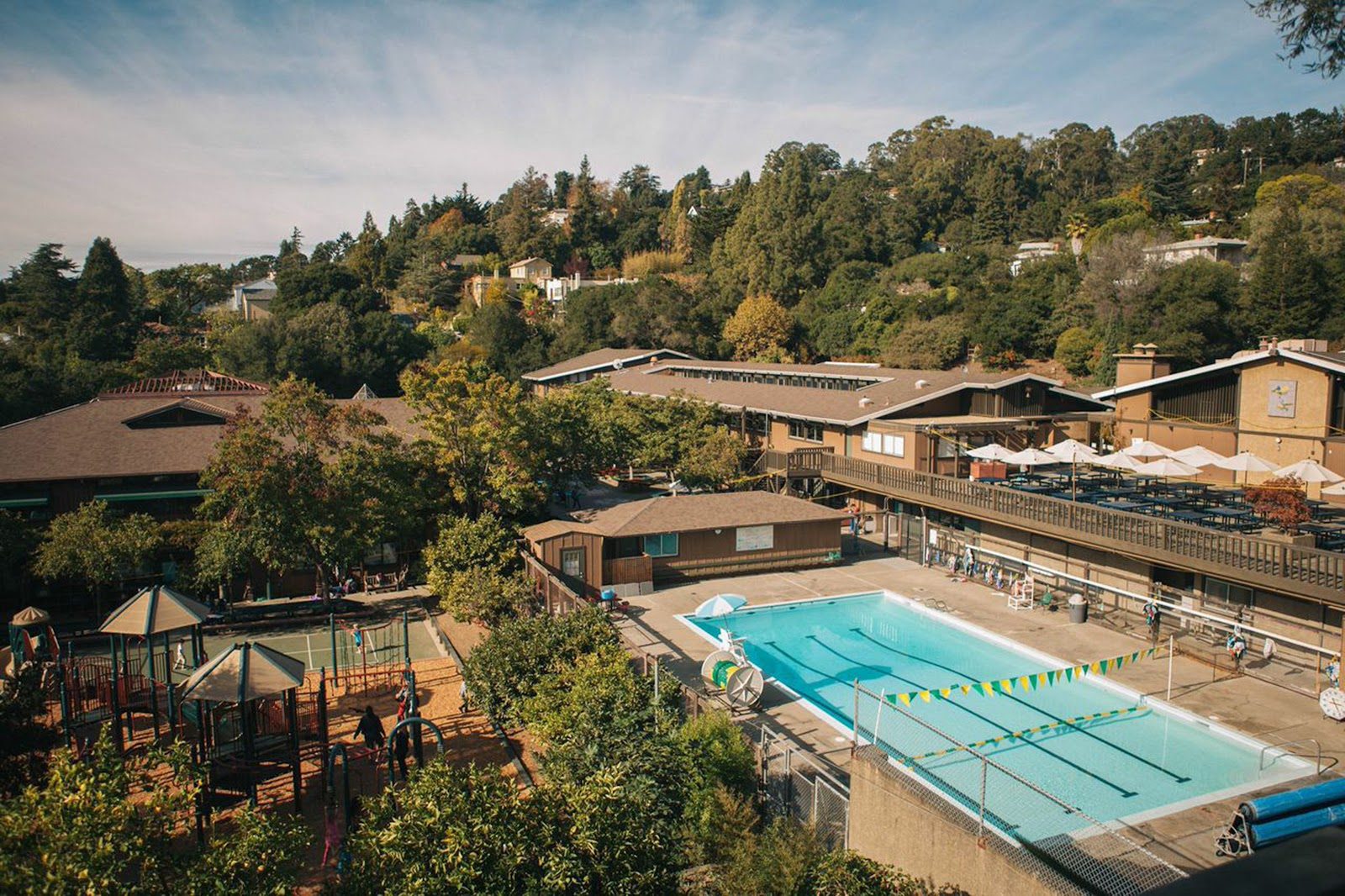
Head-Royce School
Oakland · United States
Since 1887 on a wooded Oakland hills campus, pairing rigorous scholarship with a decades-old public-school partnership that opens college doors for first-generation students
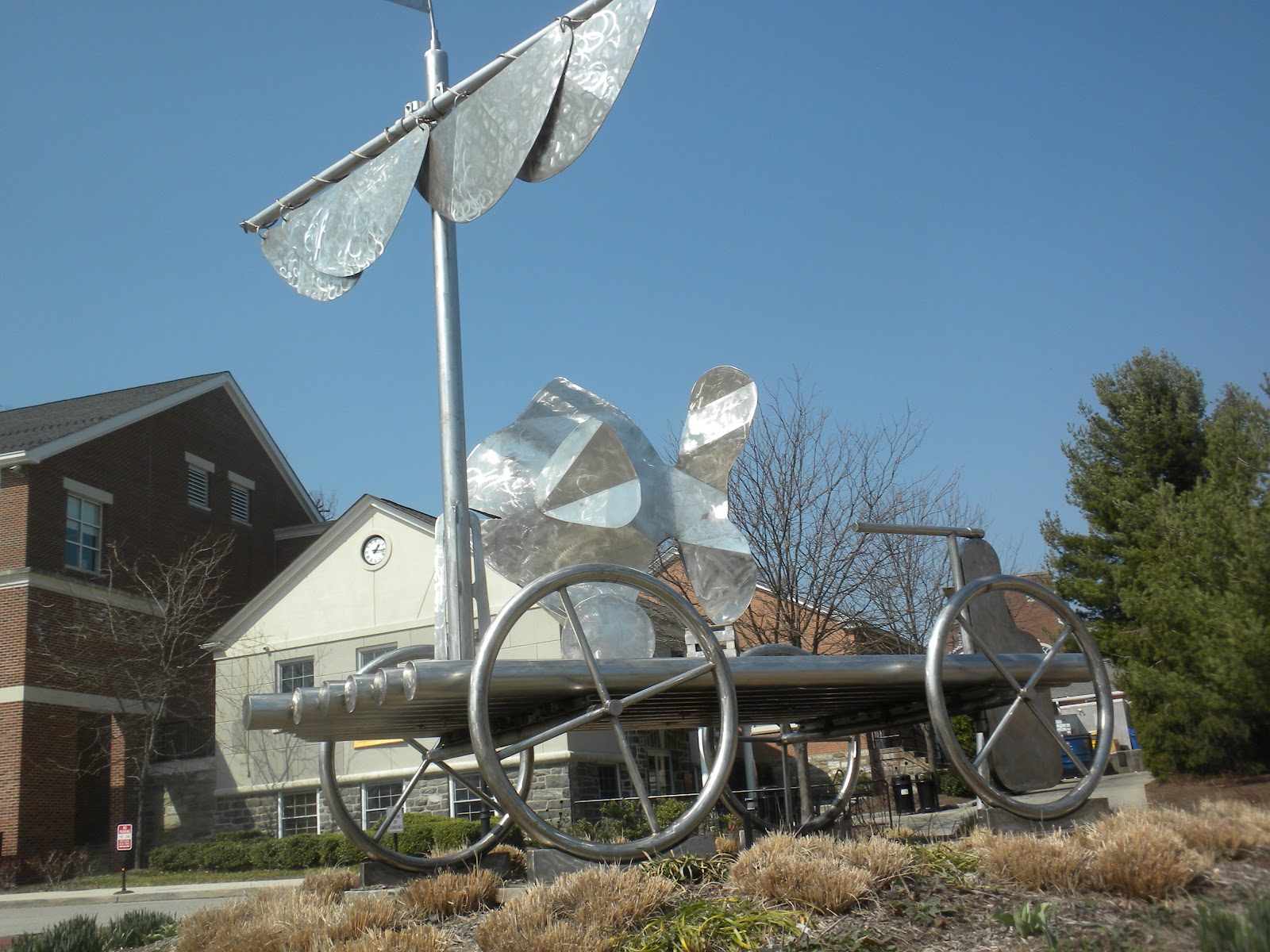
The Haverford School
Haverford · United States
Since 1884 on Philadelphia's storied Main Line, an all-boys campus balances rigorous academics with athletics and the arts.
Same country and curriculum — closest matches within ±10 points either way