
Karen
On the edge of Nairobi National Park, Round Square service ethics and safari-named houses shape this British day-and-boarding school.
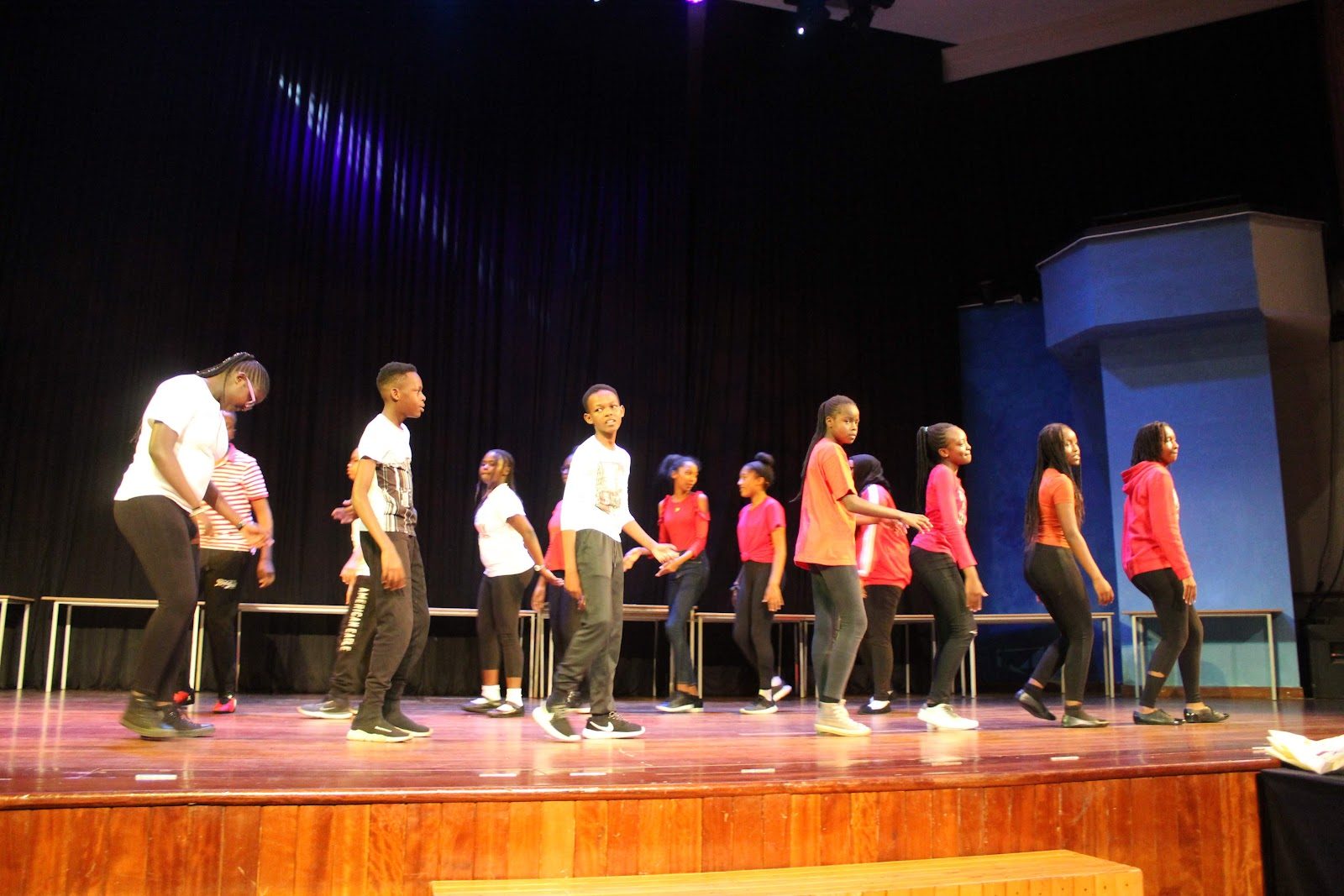
Photo © Nobert Kiria via Google Maps
Type
Both
Ages
3–18
Curriculum
British
Qualifications
IGCSE · A-Level
Ratio
—
The Verdict
Editor's commitment
Right for
Families wanting a British 3–18 school in Nairobi with boarding at Karen, Round Square global citizenship, and CIS, COBIS, BSO badges.
Wrong for
Parents who want a religious ethos, a single compact campus, or tiny classes; Brookhouse averages 24 and operates across Karen and Runda.
Watch out for
The school claims East Africa’s best IGCSE and A-Level results, yet publishes no aggregate public results; fees average KSH 2,046,111 day and KSH 4,081,538 boarding.
Ranking breakdown
Brookhouse School · #762 of 1591
Composite score 65.7. 8 weighted criteria.
By criterion
Academic Outcomes
Weight 20%
#857
of 1529 scored
University Placement
Weight 16%
#848
of 1529 scored
Prestige & Heritage
Weight 12%
#819
of 1571 scored
Alumni Network
Weight 12%
#518
of 1530 scored
Facilities
Weight 12%
#808
of 1533 scored
Transparency & Communications
Weight 8%
#905
of 1532 scored
Peer & Industry Review
Weight 10%
#793
of 1548 scored
Admissions Selectivity & Demand
Weight 8%
#647
of 1529 scored
Peer & Industry Review
How Brookhouse School is regarded in the sector
62
Respected · low confidence
Brookhouse School is consistently named alongside Hillcrest, Peponi, and St. Andrew's Turi in expat-parent forum discussions (e.g., Expat Exchange, InterNations Kenya threads) and general 'best international schools in Nairobi' round-ups, and it holds COBIS (Council of British International Schools) accreditation, which lends some third-party credibility. However, it lacks coverage in higher-tier specialist press such as Good Schools Guide International or Tatler, and there is little evidence of a globally recognised alumni network or peer-institution benchmarking beyond the Nairobi expat community.
Evidence sources
Editors' overview
Brookhouse trades on a setting that few Nairobi schools can match: Karen, on the edge of Nairobi National Park, with boarding on that campus and a second site in Runda. That geography matters. It gives the school a more expansive, outdoors-facing character than many urban competitors, and it sits neatly with Brookhouse’s Round Square affiliation and its stated emphasis on service, leadership and global citizenship. This is a British school founded in 1981, non-religious, teaching in English, and it covers the full 3–18 span. The academic proposition is conventional in structure and ambitious in tone: British curriculum, IGCSE and A Level, with the school staking a public claim to the best IGCSE and A Level results in East Africa for more than a decade. We have not seen aggregate score data in the public domain, so parents need to press for hard outcomes rather than slogans.
What puts Brookhouse on a shortlist is the mix of old-school British framing and a distinctly Kenyan sense of place. This is not a sterile business-district international school. It is a day-and-boarding school with houses named after safari animals, a strong extracurricular and expedition logic, and a values structure that goes beyond assemblies and posters. Brookhouse also carries three accreditations that matter in this market — BSO, COBIS and CIS — which gives parents a useful external check on governance and school standards. Average class size sits at 24, so this is not a tiny tutorial-style school, despite the school’s language about personalised teaching. Families paying an average annual day fee of 2,046,111 KSH or an average annual boarding fee of 4,081,538 KSH are buying a premium, full-service British education, not a bargain.
The right child for Brookhouse is academically capable, socially confident and willing to make use of a broad school life rather than treating school as a grades factory. Boarders, in particular, will get more from it if they want a structured community and a campus identity, not anonymous residence. Children who thrive with clear routines, houses, leadership roles and organised activity will fit well. So will internationally mobile families who want recognised British curriculum continuity in Nairobi. The weaker fit is the child who needs a very small-scale environment or the family that wants forensic public disclosure of academic outcomes before committing. Brookhouse offers status, structure and scale; it does not trade in modesty, and parents should interrogate the substance behind the confidence.
Academic Performance
Brookhouse publishes headline exam claims with more specificity than many regional competitors, and the topline picture is strong. For the latest A Level cohort, 54% of grades landed at A–A and 95% at A–C; at IGCSE, 48% reached A–A and 96% A–C. Those are serious numbers for a broad day-and-boarding school rather than a tiny sixth-form crammer, and they place Brookhouse in the top tier of Nairobi’s British schools on raw public claims alone. The school also pushes a bigger boast — the best IGCSE and A Level results in East Africa over more than a decade. That is a big statement, and one that invites scrutiny.
The caveat is straightforward: Brookhouse does not publish the deeper data that would let parents benchmark it properly against the strongest schools in the market. We have not seen cohort size alongside those headline percentages, subject-by-subject breakdowns, average point scores, value-added analysis, or multi-year trend tables in the public domain. Without that, the school’s academic story rests on selective headline bands rather than forensic transparency. Even so, the disclosed bands are strong enough to mark Brookhouse out as an exam-focused school with real academic muscle. Against local peers, it belongs on a serious shortlist; against the most data-open international schools anywhere, its results reporting is still too thin.
Facilities
The Karen site is the asset that matters most. Brookhouse has boarding there, direct access to a more expansive outdoor setting than most Nairobi competitors, and a school identity built around that physical environment rather than in spite of it. For families comparing premium British schools in the city, that gives Brookhouse a genuine edge: it can do outdoor education, service activity, sport and residential community life with more coherence than schools operating on tighter urban plots. The school also leans into newer teaching kit, with virtual reality and metaverse-based sessions pushed as part of classroom practice. That reads as forward-looking, though parents should still ask the sensible question: how often does that technology shape ordinary teaching, and how often is it a showcase feature? The other clear scale marker is demographic rather than architectural: Brookhouse advertises over 50 nationalities, which matters because facilities in international schools function partly through the breadth of the student body using them.
Against peers, Brookhouse’s estate has more character than the polished but interchangeable campuses that dominate the upper end of the market. The split-site model is a trade-off. It broadens reach across the city, but it also means the school experience is not housed in one single all-through campus. The public case on specialist spaces is also thinner than at the most transparent competitors: we do not get a clear published inventory of theatres, science labs, design rooms or high-performance sports provision. That does not make the facilities weak; it makes them less legible than they should be at this fee level. The setting is memorable; the hard detail needs tightening.
Brookhouse publishes headline exam claims with more specificity than many regional competitors, and the topline picture is strong
Prestige
Brookhouse carries real social and educational cachet in the Nairobi market, but its prestige rests on a specific mix of assets rather than automatic global name recognition. Within Kenya and East Africa, the school has standing because it combines long local establishment, premium pricing, visible campus scale, and a British independent-school grammar of houses, leadership, service and boarding. The Karen setting adds to that pull: parents are not buying a tower-block international school with a polished lobby, but a high-status, country-school version of the category. The school also leans hard on external markers that affluent mobile families notice — over 50 nationalities, Round Square affiliation, and membership of the Inspired group, with its exchange programmes, university counselling and international network. That package gives Brookhouse clubbable prestige: socially legible, outward-facing, and easy for families to explain to universities and to peers.
The limit is clear. Brookhouse does not command the instant worldwide brand recognition of the most famous British names exported abroad, and its public case for elite academic distinction is still lighter than its rhetoric. The published exam bands are strong, but the school asks parents to accept a top-tier reputation without the full tranche of comparative data that the strongest academically self-confident schools publish as routine. That does not sink its status; it defines it. Brookhouse is prestigious because it is expensive, established, selective in tone, and woven into East Africa’s upper-end international-school circuit. It is prestige with local force, not universal myth.
The other distinctive feature is Brookhouse’s confidence in combining old-guard structure with newer educational gloss
Communications
Brookhouse communicates with confidence and volume. The public-facing operation is polished, busy and deliberately high-gloss: enquiry buttons sit front and centre, tours are pushed hard, campus pages are easy to find, and the school gives parents enough top-line information to grasp the shape of school life quickly. It also publishes fresh headline exam data, which many schools in the region still fail to do. The weakness is precision. Brookhouse prefers broad claims — “No.1”, “best results”, “premium” — over the deeper evidence that serious parents want before writing a cheque. We have not seen full comparative outcome tables, detailed subject performance, or much hard operational detail on the website about the nuts and bolts of daily school communication. That leaves the impression of a school that is excellent at projection and less strong on forensic disclosure.
For existing parents, the school’s culture points to a communication style that is structured, active and institution-led. A house-based, leadership-heavy, excursion-rich school has to keep families informed, and Brookhouse has the machinery for that. Its scale, split-campus model and boarding element make clear communication a necessity, not a luxury. The website also signals a multinational parent body of over 50 nationalities, which raises the bar further: clarity matters when families are mobile, time-poor and comparing schools across borders. The verdict: effective at attracting and reassuring, less effective at publishing the hard data and operational transparency that demanding parents expect at this price point.
Uniqueness
What sets Brookhouse apart is not a generic “international” formula but a very specific blend of British school architecture and Kenyan setting. The Karen campus sits against a landscape most schools cannot imitate, and Brookhouse has built a culture that uses it: Round Square, service, expeditions, leadership and an outdoors-facing school life fit the place rather than floating above it. Even the house system, with safari animal names, gives the school a strong local stamp instead of imported theatre. Add a second campus and a student body spanning 50 nationalities, and Brookhouse offers a version of international education that feels rooted rather than placeless. For students, that brings a school life with more texture than the usual polished compound: identity, ritual, movement and a sharper sense of belonging.
The other distinctive feature is Brookhouse’s confidence in combining old-guard structure with newer educational gloss. It pushes hard on global citizenship, student leadership, exchanges across the Inspired network, specialist university counselling, and classroom technology such as virtual reality. That package gives students more than exam preparation. It offers reach: exposure to other schools, chances to lead, and a school culture that rewards participation, not just compliance. The benefit is obvious for children who want a busy, high-expectation environment with visible pathways beyond the classroom. The drawback is obvious too: students who need a quieter, looser, more understated school may find Brookhouse intense by design.
This is a British school founded in 1981, non-religious, teaching in English, and it covers the full 3–18 span
Student Profile
Brookhouse suits children who want school to be full, public and organised. This is a strong fit for students who enjoy houses, leadership posts, service work, trips and a calendar with plenty in it, rather than those who want to keep their heads down and drift through lessons unnoticed. The mix of day pupils and boarders sharpens that communal feel. So does the school’s international intake: with more than 50 nationalities on roll, pupils need to be comfortable meeting people quickly, joining in early and operating in a socially mixed environment. The best fit is the child who is socially switched-on, activity-hungry and able to cope with a school that rewards visibility.
Academically, Brookhouse works for students who are capable and self-managing, but it is not a monastic hothouse for solitary grinders. The public results point to a school where strong attainment matters and where staff expect students to take opportunities beyond the classroom as well. That combination will suit pupils who can handle both expectation and pace. It is a weaker match for children who need a small, quiet, low-stimulus setting, or for families who want a stripped-back academic factory with little institutional theatre around it. With average class sizes of 24, students also need enough confidence to speak up, advocate for themselves and avoid getting lost in a busier mainstream cohort.
We have not seen aggregate score data in the public domain, so parents need to press for hard outcomes rather than slogans
Co-curricular strengths
Arts & sport, on a separate axis
Overall 8.78/10
Scored 0-10 from the school's own published evidence. This axis is editorial-only — it does not feed the main WTS ranking.
Sports
9/10
Drama
8.8/10
Dance
8.5/10
Music
8.8/10
Visual Arts
8.8/10
Editor first-pass · editor-reviewable · 7/30/2026
Strengths
- +Member of the Nord Anglia Education network, giving access to global partnerships such as collaborations with MIT and Juilliard for enrichment programming.
- +Offers a broad curriculum pathway from British National Curriculum through IGCSE to both A Levels and the IB Diploma Programme, allowing exit-route flexibility.
- +Long-established school (founded in 1979), giving it a longer track record in Nairobi than many newer international entrants.
- +Operates two dedicated campuses (Runda for younger years, Karen for secondary), allowing age-appropriate facilities rather than a single shared site.
- +Boarding option available for secondary students, useful for regional and diplomatic families needing residential care.
Considerations
- −Fees are among the higher tier for Nairobi international schools, putting it out of reach for many local and mid-budget expat families.
- −The split-campus structure means families must manage a transition between Runda and Karen sites as children move from primary to secondary.
- −As part of a large multinational network, some parents report a more standardised, corporate feel compared to smaller independent Nairobi schools.
- −Popular entry year groups can have limited places, meaning waiting lists are possible despite the school not being ultra-selective academically.
Availability
Primary entry gate & tests
Academic Record
Gallery
Photo © Hussain Bharmal via Google Maps
Photo © Anat Szekely via Google Maps
Photo © Anat Szekely via Google Maps
Photo © Anat Szekely via Google Maps
Photo © Dan Friday via Google Maps
Parent reviews
Have you sent your child here?
Voice reviews carry the strongest trust badge — we transcribe them for you to tidy up before they go live. Prefer to type? A written review is fine too.
Add your voice
In 60 seconds, tell other parents: what's the best thing about Brookhouse School, and what surprised you when your child joined?
We ask for a Google sign-in so every review has a real face behind it — no anonymous drive-by attacks on schools, and no faked positive reviews. Your email is never shown publicly.
Send this profile to a friend
International parents rely on word-of-mouth. Share this review with someone weighing the same decision.
Schools with places
Similar schools to Brookhouse School with places available now.
Availability first, then country, area, curriculum, price, co-curricular
Consider also
Also worth looking at alongside Brookhouse School.
International School of Kenya
Nairobi · Kenya
Nestled on a former Nairobi coffee plantation, this embassy-backed campus channels a demanding IB pathway into global universities.
Pembroke House School
Gilgil · Kenya
Nearly a century deep in the Great Rift Valley, this British prep drills pupils through Common Entrance into top senior schools abroad.
Lyceum Alpinum Zuoz
Zuoz · Switzerland
At 1,750 metres in the Engadine, IB and Swiss Matura classes share the calendar with cricket on Europe's highest pitch, in play since 1922.
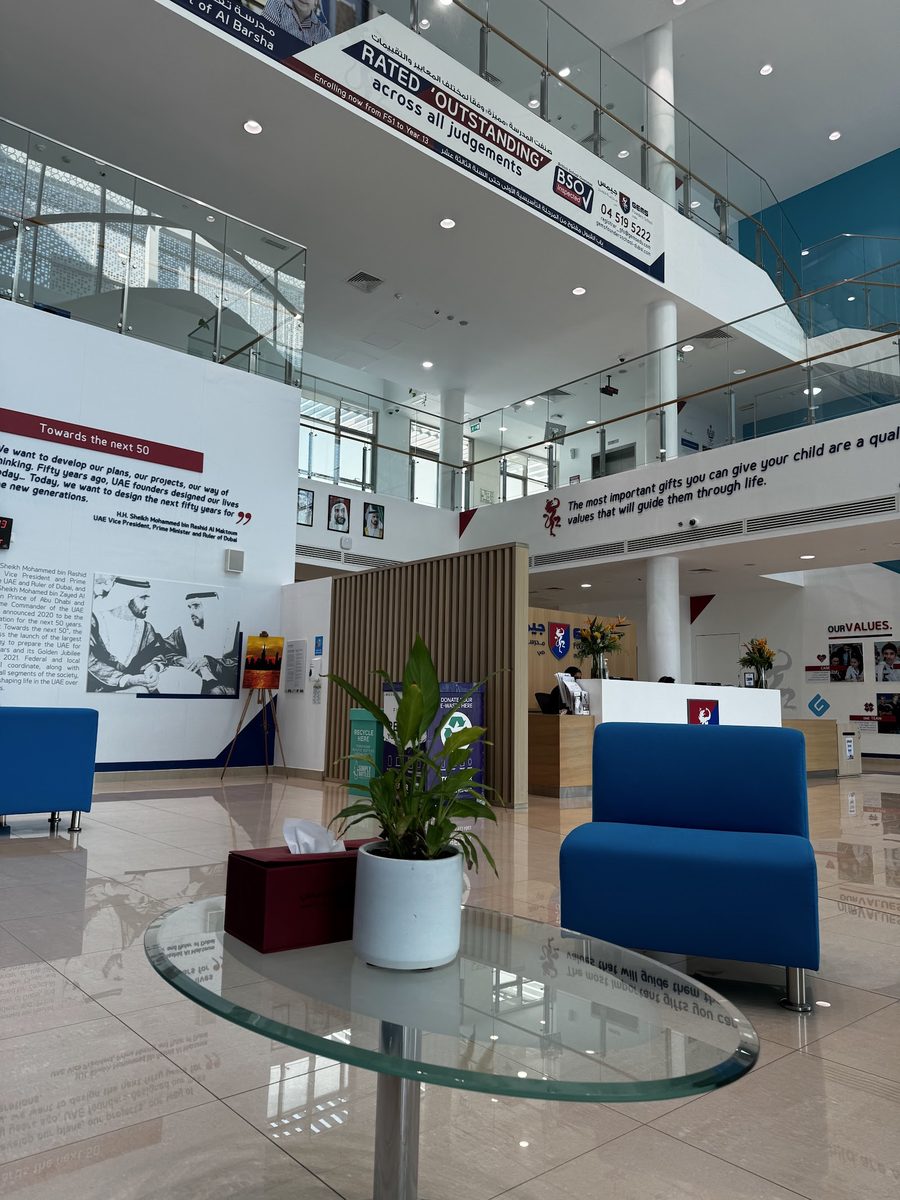
GEMS Founders School Al Barsha
Dubai · United Arab Emirates
Grown from a record-breaking 2016 launch into the UAE's largest National Curriculum for England school, now rated Very Good by the KHDA.
Same country and curriculum — closest matches within ±10 points either way