
Devon
Blundell's School
low confidence· 2/6 cats · 2.75 avg sourcesEndowed in 1604 by a Tiverton wool merchant, this Exe Valley campus was drilling rugby scrums as early as 1868.
Type
Both
Ages
3–18
Curriculum
British
Qualifications
A-Level · GCSE
Ratio
1:9
The Verdict
Editor's commitment
Right for
Families wanting a co-educational British school from age 3 to 18, with boarding from 11 and HMC membership.
Wrong for
Parents after a city campus or religious ethos; Blundell's is non-religious, on Tiverton's edge, and rooted in rural Devon.
Watch out for
Average annual fees run to £24,000 day and £57,000 boarding; the school talks values and opportunity, not published academic outcomes.
Ranking breakdown
Blundell's School · #689 of 1591
Composite score 59.6. 8 weighted criteria.
By criterion
Academic Outcomes
Weight 20%
#857
of 1529 scored
University Placement
Weight 16%
#848
of 1529 scored
Prestige & Heritage
Weight 12%
#608
of 1571 scored
Alumni Network
Weight 12%
#1390
of 1530 scored
Facilities
Weight 12%
#666
of 1533 scored
Transparency & Communications
Weight 8%
#725
of 1532 scored
Peer & Industry Review
Weight 10%
#893
of 1548 scored
Admissions Selectivity & Demand
Weight 8%
#760
of 1529 scored
Peer & Industry Review
How Blundell's School is regarded in the sector
66
Respected · medium confidence
Among West Country independents, Blundell's is regarded as a solid, well-established HMC member rather than a national heavyweight -- mentioned alongside Sherborne, Blundell's rival Sherborne and Exeter's Kings School group, but rarely in the same breath as Winchester or top London day schools. Good Schools Guide reviews consistently praise its pastoral warmth, rugby and outdoor culture while noting academics are respectable rather than exceptional. It appears reliably in ISI inspection reports as compliant and well-run, and features in regional rather than national newspaper league tables commentary. University admissions patterns show steady Russell Group placement with occasional Oxbridge offers, but the school is not cited by admissions tutors as a major feeder. Independent education press coverage is modest, focused on its Lorna Doone heritage and Devon boarding appeal rather than academic disruption or innovation, positioning it as a dependable regional choice rather than a nationally benchmarked elite institution.
- R.D. Blackmore — Novelist, Literature
- Frederick Temple — Archbishop of Canterbury, Religion
- Henry Newbolt — Poet, Literature
Editors' overview
Blundell’s has the kind of inheritance many schools trade on and few still animate properly: a foundation in 1604, a substantial rural campus on the edge of Tiverton, and a boarding tradition that the school states runs from 11 to 18 alongside day schooling from age 3 to 18. What puts it on a shortlist is not heritage alone, but the combination of an all-through structure, a co-educational intake and a boarding offer that includes full, weekly and flexi options. That gives families more flexibility than the standard full-boarding mould. The school also has the advantage of distance without isolation: Devon countryside, yes, but with the school itself stressing road and rail links and a two-hour journey to London. For parents who want a serious British independent education without a commuter-belt setting, that is a useful distinction.
The school’s own language is heavy on “intelligent education” and on education as more than exam results. Strip away the slogan and the substantive point is clear enough: Blundell’s wants breadth, commitment and participation, not a narrow hot-house. The through-line from nursery to sixth form matters here. Schools that span 3–18 can build culture with more consistency than fragmented prep-and-senior arrangements, and Blundell’s makes a direct case for that continuity. It also sits within recognisable independent-school benchmarks, with ISI and HMC listed in the context, which places it squarely in the established UK market rather than on the fringes. Fees reinforce that position: an average annual day fee of £24,000 and an average annual boarding fee of £57,000 put it in the serious-fee bracket, but not at the outer edge of the boarding market.
The pupil who will thrive here is not the child who wants an anonymous city day school or a highly polished metropolitan finish. Blundell’s suits pupils who want space, sport, routine and a school community that still values boarding as part of its identity. The setting and structure will appeal to families after a grounded, full-spectrum school life: younger children can start early, older pupils can board, and students can move through the same institution without repeated transitions. The challenge is also plain. If you want publicly stated academic outcomes, destination data or a tightly quantified performance narrative, the school does not publish that here, and parents will need to ask harder questions at enquiry stage. Even so, for families drawn to a proper country boarding school with co-educational breadth, strong institutional roots and more flexibility than many traditional rivals, Blundell’s earns its place on the list.
Academic Performance
Blundell’s does not publish aggregate GCSE, A level or equivalent headline results in the public domain here, and that matters. In the British independent sector, schools that are confident in their numbers put at least top-line attainment and university destinations front and centre. Blundell’s instead talks about education as more than exam results and about producing “excellent learners”. That is a legitimate educational stance, but it also leaves parents without the basic benchmarks needed to place the school academically against direct competitors. There are no published figures here for A level grades, GCSE profiles, value added, Oxbridge entry or broader destination patterns. For a school charging premium fees, that is a real omission.
That absence does not prove weak results; it proves limited transparency. In market terms, Blundell’s sits behind the strongest data-publishing independents, which now treat outcomes reporting as standard practice. Parents comparing it with academically harder-edged boarding schools will need to ask direct questions: subject-by-subject results, proportions at the top grades, university offers, resit policies and how the sixth form performs relative to intake. Until those numbers are disclosed, Blundell’s fits best in the category of schools selling a broad educational proposition rather than a clearly evidenced exam machine. That will suit families who value character, participation and continuity over league-table theatre. It will not satisfy parents who want hard academic proof before committing.
Facilities
The school’s strongest facilities asset is the campus itself: an all-through site with distinct nursery, pre-prep, prep, senior and sixth-form phases, which matters more than glossy building counts. At schools spanning this age range, the practical question is whether younger children are swallowed by the senior operation or protected by their own space. Blundell’s structure points to the latter. The setting on the edge of town, with substantial grounds and historic buildings, also gives it the kind of room that country boarding schools need if sport, outdoor activity and boarding life are to feel embedded rather than bolted on. Against peer schools, that places Blundell’s in the proper rural-campus bracket, with more physical ease and separation than tighter day schools, but without the architectural spectacle some wealthier rivals use to advertise themselves.
What is missing is the hard detail parents now expect. The school talks up place, atmosphere and access to coast, countryside and moorland, but it does not publish the sort of facilities inventory that sharper operators provide: no clear accounting of science provision, performing arts spaces, design and technology workshops, or standout sports infrastructure. For a school charging premium fees, that is thin disclosure. The boarding offer from 11–18 implies houses and the supporting routines that go with them, and the long-standing sporting culture implied by the school’s reputation still counts. Even so, on published evidence, Blundell’s wins on space, setting and institutional fit rather than on a showpiece facilities arms race.
In the British independent sector, schools that are confident in their numbers put at least top-line attainment and university destinations front and centre
Prestige
Blundell’s carries real prestige, but it is not the glossy, hyper-selective sort built on relentless public scorekeeping or metropolitan social cachet. Its status comes from a different source: deep entrenchment in the English independent-school tradition, a recognisable place in the boarding-school map, and the institutional confidence of a school that has been part of this market for centuries rather than decades. For many families, that still counts heavily. The all-through structure also strengthens the proposition. A school educating children from nursery to sixth form, with boarding introduced later, offers a more rooted identity than stand-alone senior schools that rely on constant intake churn. The average annual fees — £24,045 for day pupils and £56,872 for boarders — place it firmly in the premium bracket, which reinforces its standing in the sector.
That said, prestige here is solid rather than dazzling. Blundell’s has name recognition inside the traditional independent sector, especially among families who value country boarding schools with established rituals and strong co-curricular culture. It does not project the hard-edged elite aura of the most famous top-tier boarding brands, and the lack of published headline academic outcomes limits the force of its prestige with internationally mobile parents who expect proof as well as heritage. My rating is therefore high, but not top-flight: this is a school with serious old-school standing, not a school commanding automatic global cachet on name alone.
That gives families more flexibility than the standard full-boarding mould
Communications
Blundell’s communicates in the register of a traditional independent school that expects parents to buy into a whole way of life, not just a timetable. The public-facing message is coherent: all-through education, co-education, strong relationships, breadth beyond exams, and a rural campus with straightforward access. Parents can see the school’s structure clearly, from nursery through sixth form, and the admissions journey is easy to find. That gives the school a clean front end. The problem sits one layer deeper. The language is heavy with ethos and light on proof. “Intelligent education”, meaning, purpose and engagement all read neatly, but they do not answer the sharper parental questions on outcomes, routines, academic monitoring or what daily communication actually looks like once a child is enrolled.
That matters more here because the fees are high: £24,045 a year on average for day pupils and £56,872 for boarders. At that price, parents need more than atmosphere. They need evidence of how the school reports progress, handles pastoral concerns, manages boarding communication and sets expectations across age groups. None of that is spelled out with much operational clarity. The website does the basics well enough and gives a strong sense of identity, but it does not disclose the nuts and bolts that reassure exacting families. Verdict: effective at selling culture, less convincing on transparency. For parents happy to enquire and interrogate, that is manageable. For parents comparing schools online before making contact, it is a weakness.
Uniqueness
What marks Blundell’s out is not one headline feature but the way several old independent-school traits still hold together in one institution. It runs as a single educational journey from the earliest years through sixth form, while keeping boarding as a live part of the senior identity rather than a ceremonial relic. That matters. Children do not need to re-enter a new culture at each stage, and older pupils still get the charge, routine and communal discipline that boarding can bring when it has real weight inside the school. Add a campus beyond the urban circuit, and the result is a school that offers a continuous, country-based education with genuine institutional memory. Plenty of schools advertise all-through continuity; fewer combine it with a boarding spine and a setting that suits it.
For students, that brings a distinct kind of upbringing. Younger children grow up within sight of an older school world rather than in a sealed prep bubble, and senior pupils inherit a culture with more cross-age coherence than fragmented schools manage. The school’s own emphasis on relationships, engagement and purpose points in the same direction: this is a place built to produce grounded, participating young adults, not polished specialists trained only for exams. The practical upside for families is flexibility across 3–18 and a boarding pathway from 11–18 without a forced school change. The trade-off is equally clear. Pupils wanting an *urban, high-gloss, relentlessly data-driven* education are shopping in the wrong market. Blundell’s offers depth of school life, not performance theatre.
For parents who want a serious British independent education without a commuter-belt setting, that is a useful distinction
Student Profile
The pupil who fits Blundell’s is the one who wants to join in rather than hold the school at arm’s length. This is not a place built for irony, drift or transactional attendance. It suits children who can absorb a strong community code, accept adult direction and make use of a school day that extends well beyond lessons. The all-through structure from 3–18 also favours families who value continuity and do not want repeated educational resets. For younger children, that can mean a steady route through the school without the annual churn of fresh admissions culture. For older pupils, it means living inside an institution with an established pecking order, shared habits and a clear sense of belonging. Children who like open space, organised activity and the social density of a campus school will have more to work with here than those who want anonymity.
In temperament, Blundell’s suits the grounded, sport-ready, community-minded pupil more than the hyper-polished striver or the independent-minded urban sophisticate. Boarders from 11–18 who want structure, routine and a full school life will fit the model well, as will day pupils happy to commit to the same culture rather than dip in and out of it. The school’s own emphasis on relationships is not incidental: pupils who are courteous, resilient and able to get on with peers and adults will do better here than sharp-elbowed individualists. Children who need a hard-driving, results-first atmosphere, or who want a more detached, city-style experience, will find a mismatch.
The school’s own language is heavy on “intelligent education” and on education as more than exam results
Co-curricular strengths
Arts & sport, on a separate axis
Overall 8.48/10
Scored 0-10 from the school's own published evidence. This axis is editorial-only — it does not feed the main WTS ranking.
Sports
9/10
Spanning an enormous Devon countryside estate; fields historically dominant varsity rugby, cricket, and field hockey pipelines.
Drama
8.8/10
High-quality seasonal theater tracker utilizing the comprehensive venues inside their performance complexes.
Dance
7.5/10
Maintained strictly as a minor auxiliary component for theatrical physical movement blocks or musical configurations.
Music
8.8/10
Deeply institutionalized choral and string tracking modules feeding active regional touring groups and seasonal events.
Visual Arts
8.3/10
Studio-intensive fine arts focus housed within custom studio environments, prioritizing landscape painting and portfolio layout.
Strengths
- +Founded in 1604, with over four centuries of institutional continuity.
- +Day education from age 3 and boarding from 11 to 18, all within a house-based pastoral system.
- +Roughly 100-acre rural Devon campus with strong sporting and outdoor provision.
- +World-class sport and elite music and drama according to co-curricular scoring.
- +Ranked among the top UK schools for value-added data (WSA).
- +Genuinely international intake, with around 12% overseas pupils across some 23 nationalities.
Considerations
- −Rural Tiverton location may feel remote to internationally mobile families.
- −Boarding begins at 11, so younger children attend as day pupils only.
- −British curriculum may narrow options for families seeking non-UK pathways.
- −The school markets breadth and ethos over published exam metrics, so grade-focused parents must request results directly.
Availability
Primary entry gate & tests
Written Exams + Interview
Gallery
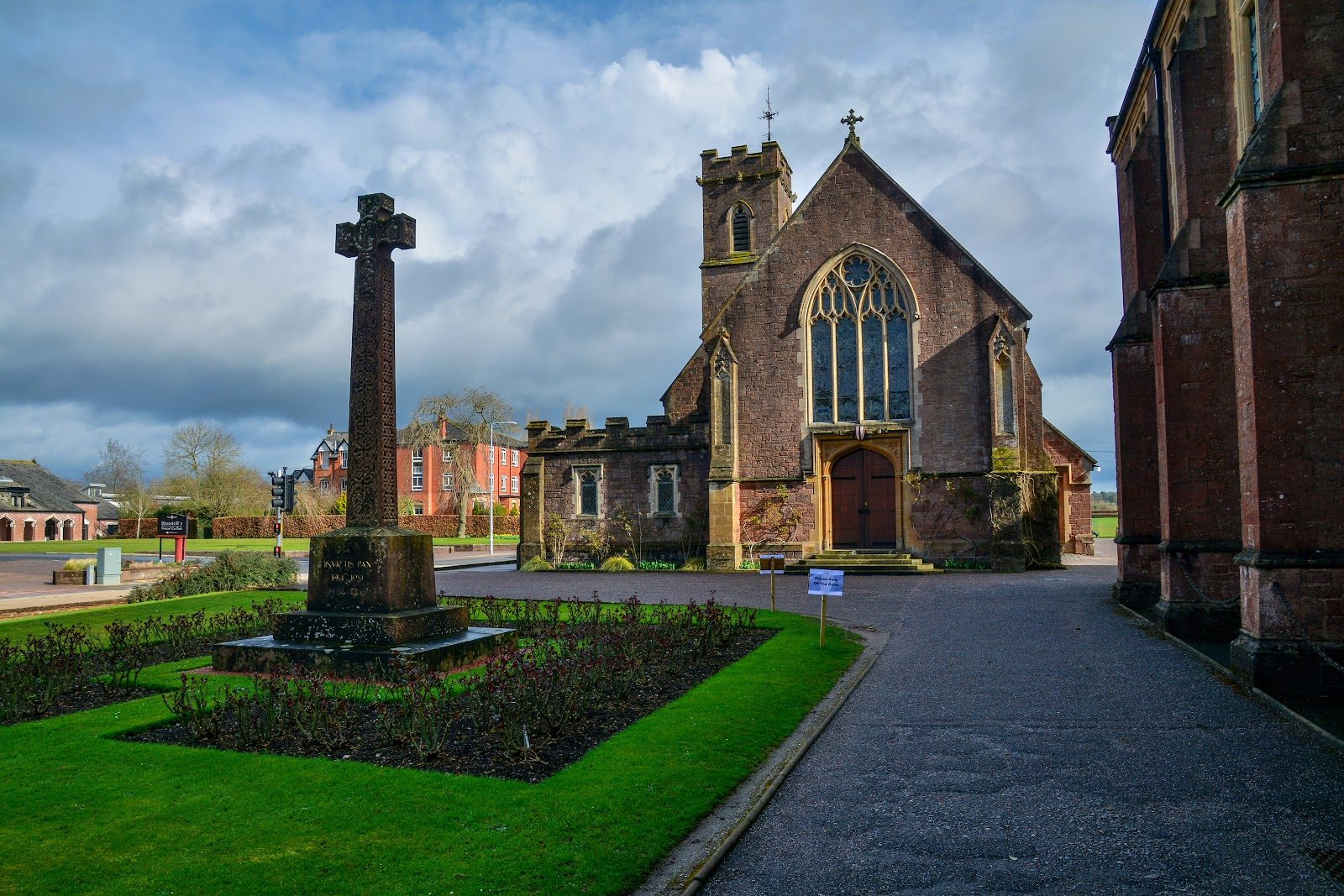
Photo © Martyn Edwards via Google Maps
Photo © Nick Wang via Google Maps
Parent reviews
Have you sent your child here?
Voice reviews carry the strongest trust badge — we transcribe them for you to tidy up before they go live. Prefer to type? A written review is fine too.
Add your voice
In 60 seconds, tell other parents: what's the best thing about Blundell's School, and what surprised you when your child joined?
We ask for a Google sign-in so every review has a real face behind it — no anonymous drive-by attacks on schools, and no faked positive reviews. Your email is never shown publicly.
Send this profile to a friend
International parents rely on word-of-mouth. Share this review with someone weighing the same decision.
Schools with places
Similar schools to Blundell's School with places available now.
Thomas's Battersea
London · United Kingdom
- 2026-27
- CLOSEDStandard route closed
- 2027-28
- PLACES OPENRegistration open for Sept 2027 and beyond
Millfield School
Street · United Kingdom
- 2026-27
- CLOSEDStandard route closed
- 2027-28
- PLACES OPEN11+ / 13+ / 16+ active
Badminton School
Bristol · United Kingdom
- 2026-27
- CLOSEDStandard route closed
- 2027-28
- PLACES OPENCloses Oct/Nov '26
Christ's Hospital
Horsham · United Kingdom
- 2026-27
- CLOSEDStandard route closed
- 2027-28
- PLACES OPEN2027 entry assessment timetable active
Availability first, then country, area, curriculum, price, co-curricular
Consider also
Also worth looking at alongside Blundell's School.
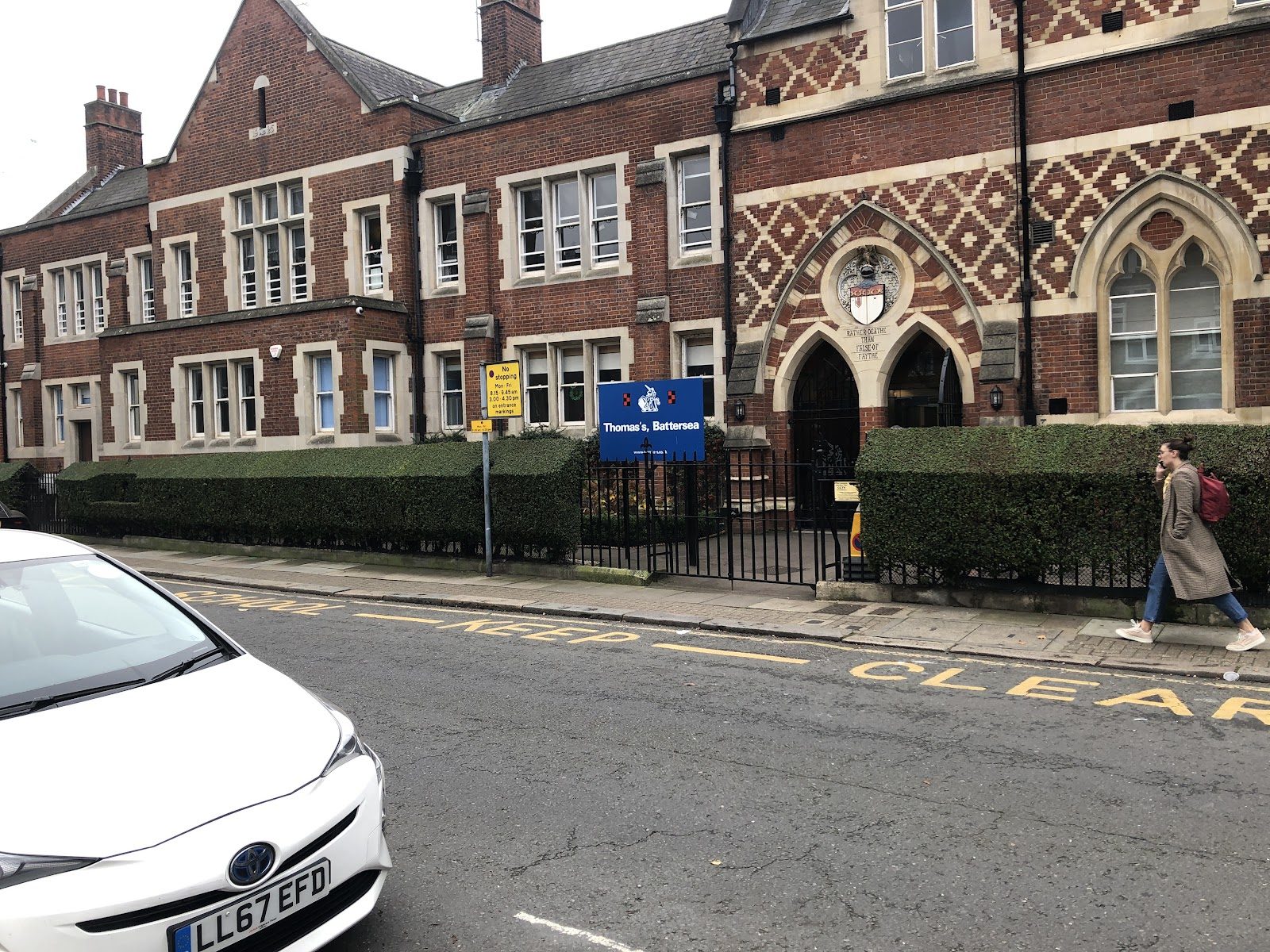
Thomas's Battersea
London · United Kingdom
In a former Victorian art school, an 'enquiry mindset' and a 'Be Kind' ethos feed London's top senior schools.
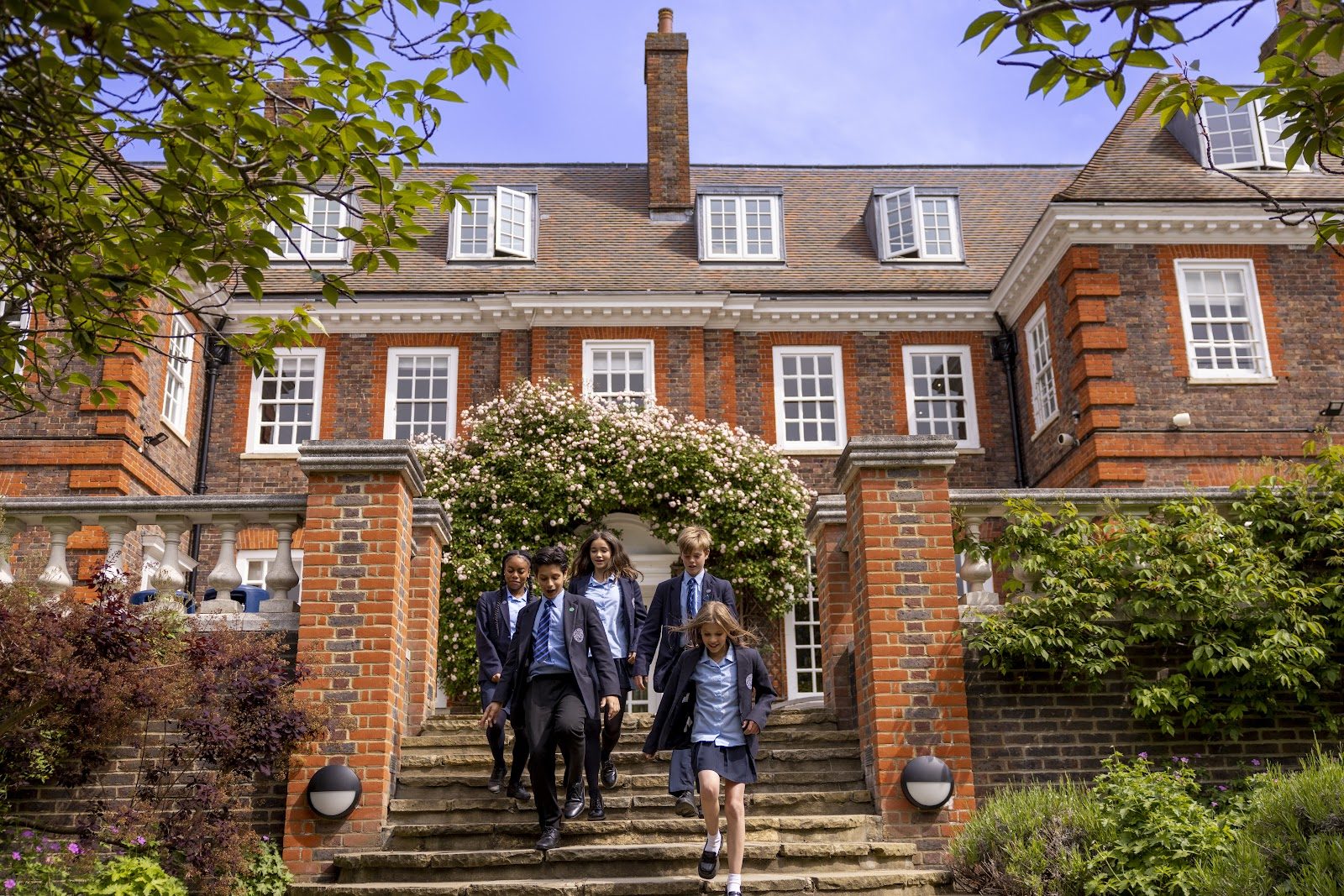
Ibstock Place School
London · United Kingdom
On the fringe of Richmond Park, a Froebel-founded day school has championed co-education since 1894.
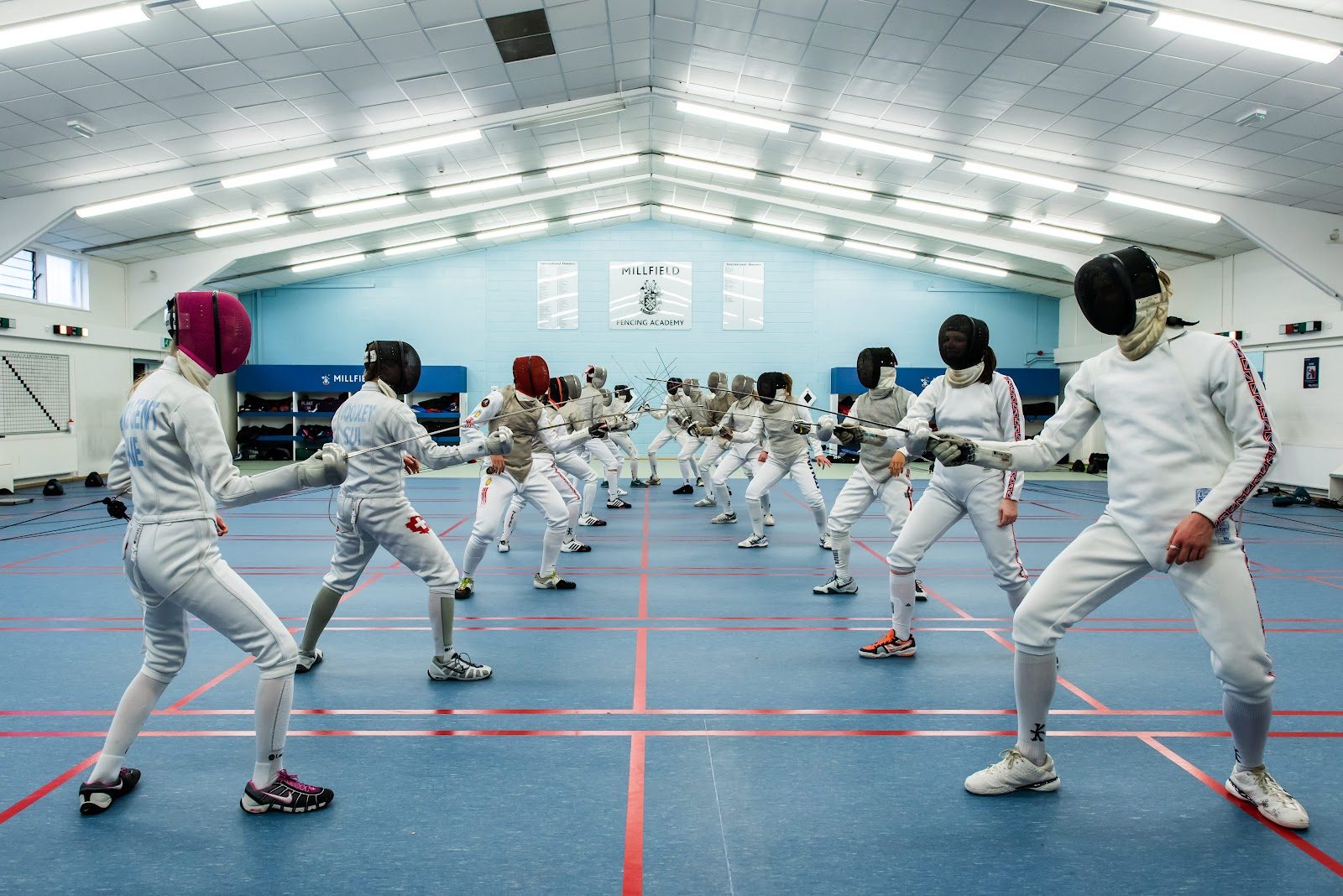
Millfield School
Street · United Kingdom
Sixty-plus sports and an Olympic-length pool anchor a 240-acre Somerset campus built for athletes and scholars alike.
Downe House School
Cold Ash · United Kingdom
Rooted in Charles Darwin's former home, now a 110-acre Berkshire estate where science thrives and Oxbridge ambition runs deep.
Same country and curriculum — closest matches within ±10 points either way