
Singapore
Singapore Sports School
A rare three-year IB track pairs Olympic-calibre training with academic rigor on a Woodlands campus built for both.
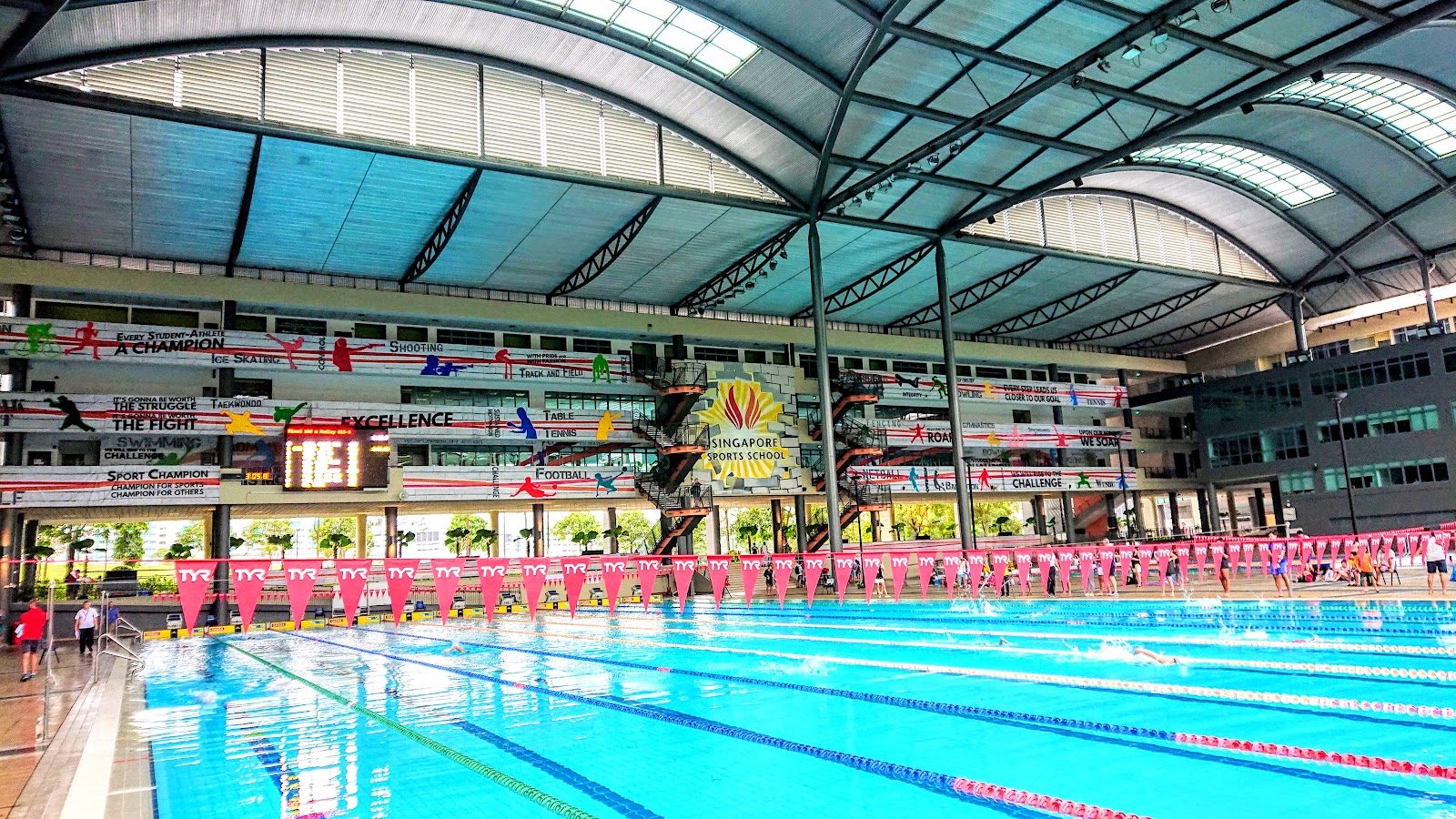
Photo © Babu Hillary via Google Maps
Type
Day + Boarding
Ages
13–18
Curriculum
IB
Ratio
—
The Verdict
Editor's commitment
Right for
Serious 13–18 athletes who need an IB World School in Woodlands with boarding and training built into daily school life.
Wrong for
Families wanting a conventional academic school first: Singapore Sports School is secular, English-medium and organised around sport, not broad extracurricular dabbling.
Watch out for
The school advertises flexible, personalised pathways, but does not publish aggregate IB results; for an IB World School, that opacity matters.
Ranking breakdown
Singapore Sports School · #974 of 1591
Composite score 62.6. 8 weighted criteria.
By criterion
Academic Outcomes
Weight 20%
#1481
of 1529 scored
University Placement
Weight 16%
#1371
of 1529 scored
Prestige & Heritage
Weight 12%
#1054
of 1571 scored
Alumni Network
Weight 12%
#234
of 1530 scored
Facilities
Weight 12%
#5
of 1533 scored
Transparency & Communications
Weight 8%
#1098
of 1532 scored
Peer & Industry Review
Weight 10%
#19
of 1548 scored
Admissions Selectivity & Demand
Weight 8%
#888
of 1529 scored
Peer & Industry Review
How Singapore Sports School is regarded in the sector
85
Strong · medium confidence
Within Singapore's tightly ranked school landscape, Singapore Sports School occupies a distinct niche rather than competing head-on with academic powerhouses like Raffles Institution or Hwa Chong. It is grouped with MOE's other specialized schools (School of the Arts, NUS High) in local press coverage, valued for a dual-pathway model combining the IB Diploma or NYSC with elite sport rather than raw academic league-table position. Its reputation rests heavily on producing Joseph Schooling, Singapore's only Olympic gold medalist, a credential frequently cited by The Straits Times and CNA when profiling the school's national significance. University reception is mixed with local NUS/NTU sports-science and scholarship pathways acknowledging its athletes, though it lacks the deep Oxbridge/Ivy pipeline of top international schools. Independent guides such as WhichSchoolAdvisor rarely rank it against mainstream academic institutions, instead treating it as a specialist outlier. Peer conference presence is mainly through sports-education and MOE specialized-schools forums rather than mainstream academic-excellence circuits, reflecting its focused, athlete-development mandate.
Award
Elite Sport 80
World's Top School · The Global Ranking
Singapore Sports School is featured on our Global Top 80 ranking at #13. This seal is available for the school's marketing team to use on their website, prospectus and social channels.
- Joseph Schooling — Olympic gold medalist, swimming
- Feng Tianwei — Olympic medalist, table tennis
- Loh Kean Yew — World champion, badminton
Editors' overview
Singapore Sports School occupies a niche no mainstream school can match in Singapore: it is a sport-focused secondary and post-secondary school built around long-term athlete development, with boarding on site and an IB pathway at the top end. The draw is not vague “balance” but structural flexibility. The school offers athlete-friendly academic pathways, individualised support, and a sports system organised through named academies in badminton, bowling, fencing, football, netball, shooting, swimming, table tennis, track and field, plus a national basketball programme and an individual programme. For families raising a serious junior athlete, that combination has real competitive weight. The point of difference is plain: this is a school designed for students whose training load is already central to family life, not an academic school that has bolted on sport as enrichment.
What makes it special is the integration. Singapore has many schools with strong teams; Sports School is built around performance sport as an institutional mission. That matters. Timetables, support systems, boarding, nutrition and student development all sit inside the same framework. The school also offers a rare 3-year International Baccalaureate Diploma Programme track, which gives high-level athletes more room than the standard compressed route. Parents who want *serious training without abandoning academics* will find that proposition compelling. Parents who want a broad conventional school experience, with sport as one strand among many, will not. This is a specialist setting with a specialist purpose.
Its market position is clear. Singapore Sports School sits at the intersection of elite youth sport and academically credible post-secondary study. It is for students aged 13–18 who already train with intent, respond to structure, and can live with the discipline that high-performance environments demand. The campus in Woodlands and boarding provision widen access beyond immediate neighbourhood catchment, and the English-medium, secular setting keeps the offer straightforward for both local and internationally minded families. The school’s value lies in clarity of mission, high-performance rhythm and a rare national role in the market.
The student who will want to go here is not the child who merely enjoys PE or weekend fixtures. It is the student-athlete with a defined sporting trajectory, tolerance for routine, and enough academic seriousness to use flexible pathways well. This school belongs on a shortlist when sport is the organising fact of a teenager’s life and the family wants that commitment taken seriously by the school itself. It does not belong on a shortlist for families seeking a conventional all-rounder. This is a focused bet, and for the right student, an unusually coherent one.
An Elite Sport 80 school
Singapore Sports School is Singapore's dedicated state high-performance academy and sits at rank thirteen on the Elite Sport 80 because it produces almost the entire pipeline of Singaporean Olympians. At Paris 2024, eight past or present pupils competed for Singapore across swimming, sailing, table tennis, badminton and athletics, and the school routinely accounts for the great majority of national medals at SEA Games and Asian Games.
The specialisms are institutionally structured: swimming, athletics, football, netball, badminton, bowling, sailing, shooting, table tennis, silat, wushu, esports and fencing all operate as formal academies within the school, each partnered with the relevant national sports association. Facilities include a 50-metre pool, a competition-standard track, sailing access via the Singapore Sailing Federation and full academic accreditation offering IB Career Programme, IGCSE and Singapore's Integrated Programme.
Notable alumni include Yip Pin Xiu (multi-time Paralympic gold medallist), Christopher Cheong, Amita Berthier in fencing, Loh Kean Yew (2021 BWF World Champion in badminton), a rolling roster of SEA Games gold medallists and Singapore's core Olympic swimming and sailing squads.
International openness is limited by design. The Sports School admits primarily Singapore citizens and permanent residents through a national talent-identification programme; a small number of ASEAN-region international pupils are accepted each year on a formal federation nomination or bilateral government scholarship basis. There is no direct fee-paying overseas application route for casual applicants, and there is no boarding for non-selected pupils. Language of instruction is English. For families already resident in Singapore whose child is inside a national development track this is one of the most efficient sport-plus-academic institutions in Asia; for overseas families arriving without federation backing it is realistically closed, and one of Singapore's mainstream international schools with a strong sport programme is a more practical route. Sport-oriented immersion in this school without federation sponsorship is realistically not on offer, but the alternative of a strong Singapore international school with a serious co-curricular sport programme remains an excellent second-best fit.
Academic Performance
Singapore Sports School’s academic performance is hard to benchmark cleanly because the school does not publish aggregate IB results in the public domain in the source set here. That opacity matters. For a specialist school asking families to trust a high-stakes dual-track model, headline attainment data should be easy to find. In the absence of cohort averages, pass rates or score distributions, the school cannot claim the same academic transparency as Singapore schools that publish hard outcomes. Parents therefore need to judge the offer less by league-table optics and more by fit: this is a school built to keep serious athletes in formal education without forcing them into a standard academic timetable that ignores training loads.
Relative to peers, that places Sports School in a distinctive but narrow lane. It is not competing with Singapore’s pure academic pace-setters on published exam metrics, and it does not need to. Its academic case rests on pathway design, flexibility and support for students whose days are shaped by training, travel and recovery. The presence of post-secondary routes beyond the IB strengthens that case. For the right student, that is a serious institutional advantage. For families who want hard numerical proof of academic outcomes before committing, the school leaves a gap. In editorial terms, the proposition is credible but under-evidenced on published examination performance.
Facilities
Facilities are the core of the school’s case, not a supporting extra. The campus is built around sport first: named academies in 10 disciplines, a national basketball programme, an individual route, boarding, meals and nutrition, and performance support all sit inside one operating system. That is rare institutional coherence. At many schools, serious athletes patch together coaching, travel and academic concessions across separate organisations. Here, the school concentrates those functions on one site. For parents, that matters more than glossy architecture. The practical gain is time, rhythm and supervision across training, recovery and daily life. The school also offers facility rental and camp packages, which indicates a campus with enough scale and operational maturity to function beyond ordinary school hours. This is purpose-built infrastructure for student-athletes, not a conventional campus with a strong sports department.
Against peer schools, the benchmark is not the usual Singapore independent or international school with good pitches and a respectable pool. Those schools serve broad cohorts; Sports School serves a narrow high-performance brief. In that comparison set, its facilities are stronger because they are tied to specialist programmes rather than casual participation. The trade-off is plain. Families seeking theatres, design labs or the expansive arts footprint of a conventional all-rounder will find a deliberately unbalanced environment. Families seeking an integrated sport-and-study base will find one of the most operationally serious set-ups in the market, with boarding reinforcing that structure rather than sitting off to the side.
Singapore Sports School is unique because sport is not an adjunct to school life; it is the organising principle
Prestige
Singapore Sports School carries real institutional prestige in a narrow field and only a narrow field: youth high-performance sport. In Singapore, few schools have a national role this explicit, and fewer still organise sport through dedicated academies rather than after-school teams. That matters. The school’s standing comes from specialisation, selection and infrastructure, not from old-school academic cachet or social polish. Its offer is built around 10 named sports academies, plus a national basketball programme and an individual route. That gives it serious sporting credibility with families who measure status by coaching environment, performance support and athlete development rather than by university admission gossip or alumni mythology. In that lane, the school is genuinely distinctive.
Outside that lane, the prestige is more complicated. This is not the kind of Singapore school that confers instant broad-brush status in every room. Its reputation depends on whether the audience values elite sport as a central educational purpose. Among coaches, committed student-athletes and families already living by training schedules, the badge carries clear weight. Among parents chasing conventional academic prestige, it carries less. The absence of publicly available aggregate exam outcomes keeps the academic side of the reputation less secure than the sporting side. That does not weaken the school’s identity; it defines it. The prestige here is earned through focus, discipline and a model few institutions can deliver, not through mass-market brand glamour.
Singapore Sports School sits at the intersection of elite youth sport and academically credible post-secondary study
Communications
Parent communication sits inside a school structure that already acknowledges families as part of the operating model. The navigation alone tells you where the emphasis falls: “Communications with Parents”, a Sporting Parents Network, school calendar access, admissions FAQs, boarding information, meals and nutrition, insurance, financial assistance and policy pages all sit in plain view. That is good institutional hygiene. For a school serving serious young athletes, parents need logistics, not mood music, and Singapore Sports School gives them a usable map of the moving parts. The same applies to its news and publications architecture, which is broad and active enough to show a school that updates, archives and segments information rather than dumping everything into a single feed. The presence of 10 sports academies also raises the communication burden; families need programme-specific clarity, and the site structure recognises that.
Effectiveness is strong on operations and weaker on hard accountability. The school communicates clearly about pathways, student life and support systems, and it does not hide the fact that this is a tightly managed environment. That candour matters. But strong parent communication also requires clean publication of outcomes, and here the school falls short. Academic results are not disclosed in aggregate in the public domain, which leaves a material gap in the parent information chain. So the verdict is mixed but firm: for day-to-day understanding of how the school works, communication is disciplined and practical; for outcome transparency, it is too controlled.
Uniqueness
Singapore Sports School is unique because sport is not an adjunct to school life; it is the organising principle. That distinction changes everything. Training, academics, student development, nutrition and boarding operate in one system built for teenagers whose competitive calendar drives the week. The school’s structure is also unusually explicit: named pathways across 10 sports academies, a national basketball route, and an individual programme for athletes outside the main academy list. That gives families a clearer contract than they get at conventional schools, where “support for athletes” often means ad hoc timetable concessions and goodwill from staff. Here, the commitment is institutional, not ornamental.
For students, that brings gains that are practical as much as aspirational. Time lost to travel between school, training venue and support services shrinks. Adult oversight is tighter. The daily rhythm has more discipline, more continuity and less improvisation. The school’s athlete-friendly pathways also widen the range of students it can serve: not only the polished early standout, but the serious young athlete whose development needs flexibility rather than a standard academic conveyor belt. The trade-off is just as clear. This is a specialist environment with a narrow centre of gravity. Students who want broad campus life with sport as one interest among many will find the model constraining. Students who want school built around performance sport will find a setting that does exactly that.
Singapore Sports School carries real institutional prestige in a narrow field and only a narrow field: youth high-performance sport
Student Profile
The right student for Singapore Sports School is not a child who likes games after class. It is a young athlete whose week already revolves around training blocks, competition cycles, recovery and coach feedback, and who does not resent structure. The school runs through named pathways in 10 sports academies, alongside a national basketball route and an individual programme, so it suits students with a serious competitive identity rather than dabblers still testing casual interests. Self-discipline matters more here than polish. Students need stamina for routine, tolerance for scrutiny and enough maturity to handle a timetable where sport carries institutional priority. The fit is strongest for teenagers who draw energy from clear goals, direct standards and a high-pressure peer group.
The social profile is narrower than at a conventional all-round school. Students who want broad menu-choice adolescence, loose rhythms and multiple equal passions will find the environment constraining. Students who like being around others who understand early mornings, selection pressure and incremental gains will settle faster. This is also a good setting for families who need a school to take sport seriously in operational terms, not merely applaud it from the sidelines. The pupils who thrive here are purposeful, coachable and resilient, with enough academic steadiness to use flexible pathways well. The ones who struggle are those who need constant variety, external motivation, or a softer culture around performance. This is a specialist tribe, and fit matters more than prestige.
For a school serving serious young athletes, parents need logistics, not mood music, and Singapore Sports School gives them a usable map of the moving parts
Co-curricular strengths
Arts & sport, on a separate axis
Overall 5.48/10
Scored 0-10 from the school's own published evidence. This axis is editorial-only — it does not feed the main WTS ranking.
Strengths
- +Singapore's first specialised independent school combining a full academic curriculum with elite sports training, opened in 2004 in Woodlands.
- +Offers the IB Diploma Programme alongside GCE O-Level pathways, giving student-athletes recognised academic exit qualifications.
- +On-site boarding and training facilities allow serious young athletes to combine schooling with structured, high-performance coaching.
- +Notable alumni include Olympic gold medallist swimmer Joseph Schooling and sprinter Shanti Pereira, demonstrating a track record in producing competitive athletes.
- +Backed by the Ministry of Education and Sport Singapore, giving it institutional stability unusual for a niche sports-focused school.
Considerations
- −Admission is talent-based and highly selective, built around sporting potential rather than pure academic merit, which narrows the applicant pool.
- −Curriculum breadth is limited compared to mainstream international schools, given the split time between training and academics.
- −Located in Woodlands, in the north of Singapore near the Malaysian border, a considerable distance from central expat residential areas.
- −Small total enrolment and cohort sizes mean fewer subject and IB option choices than larger international schools.
Gallery
Photo © Nathaniel Heng via Google Maps
Photo © Uldarico Olaguir Jr. via Google Maps
Photo © H 2 via Google Maps
Photo © H 2 via Google Maps
Photo © H 2 via Google Maps
Photo © Madubani Ratnayaka via Google Maps
Photo © H2 O via Google Maps
Parent reviews
Have you sent your child here?
Voice reviews carry the strongest trust badge — we transcribe them for you to tidy up before they go live. Prefer to type? A written review is fine too.
Add your voice
In 60 seconds, tell other parents: what's the best thing about Singapore Sports School, and what surprised you when your child joined?
We ask for a Google sign-in so every review has a real face behind it — no anonymous drive-by attacks on schools, and no faked positive reviews. Your email is never shown publicly.
Send this profile to a friend
International parents rely on word-of-mouth. Share this review with someone weighing the same decision.
Schools with places
Similar schools to Singapore Sports School with places available now.
Overseas Family School
Singapore · Singapore
- 2026-27
- WAITPOOLSpace-dependent
- 2027-28
- PLACES OPENRolling
Singapore American School
Singapore · Singapore
- 2026-27
- WAITPOOLGrade-specific / Waitpools
- 2027-28
- PLACES OPENRolling
Tanglin Trust School
Singapore · Singapore
- 2026-27
- CLOSEDNo late apps
- 2027-28
- PLACES OPEN
United World College of South East Asia
Singapore · Singapore
- 2026-27
- CLOSEDStandard route
- 2027-28
- OPENS SOONOpens 1 Sept '26 (Closes 2 Nov)
Availability first, then country, area, curriculum, price, co-curricular
Consider also
Also worth looking at alongside Singapore Sports School.
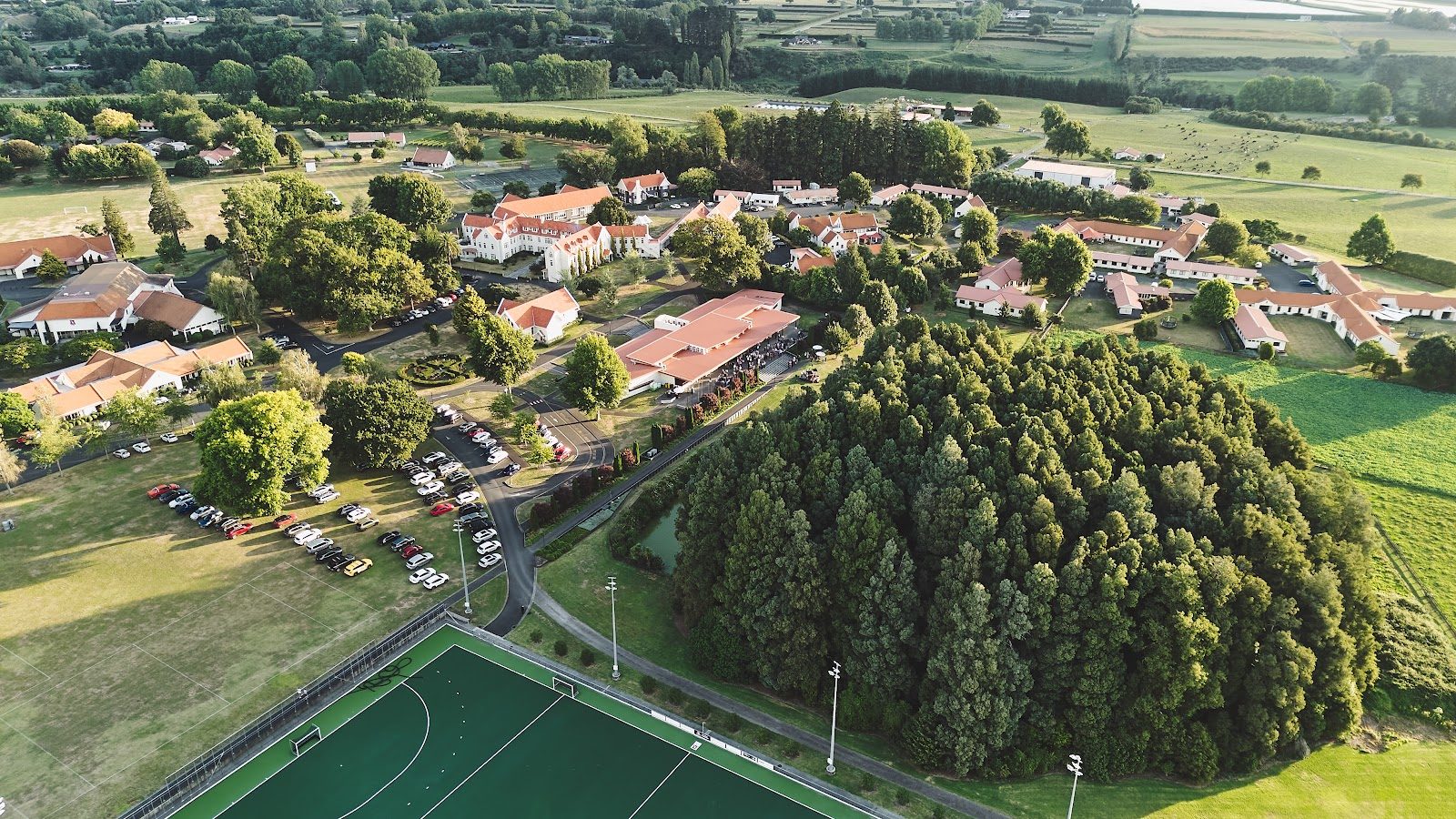
St Peter's School Cambridge
Cambridge · New Zealand
Home of Champions' Cambridge campus: the only Central North Island school offering the IB Diploma, complete with its own dairy farm.
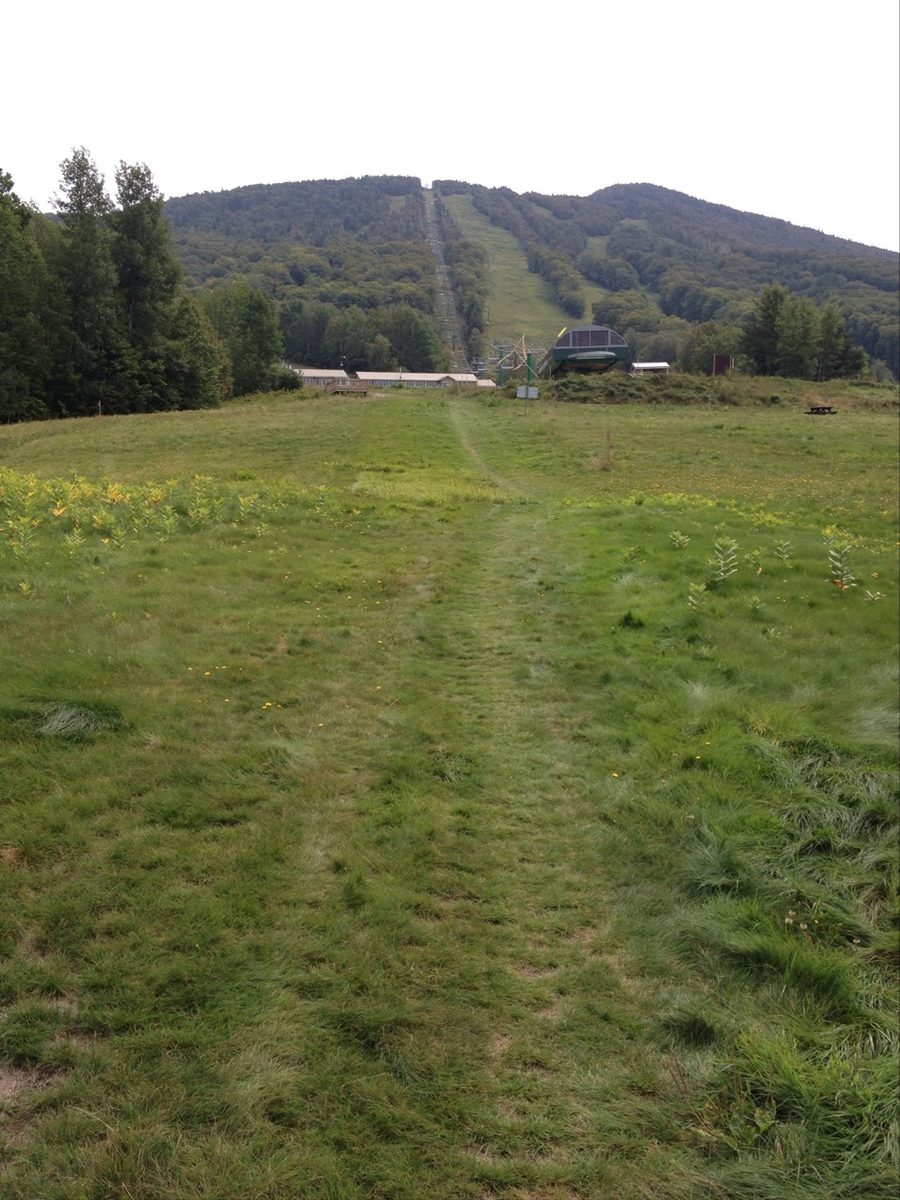
Burke Mountain Academy
East Burke, VT · United States
America's first ski-racing academy, tucked at the base of a Northeast Kingdom peak, has sent dozens of graduates to the Winter Olympics since 1970.
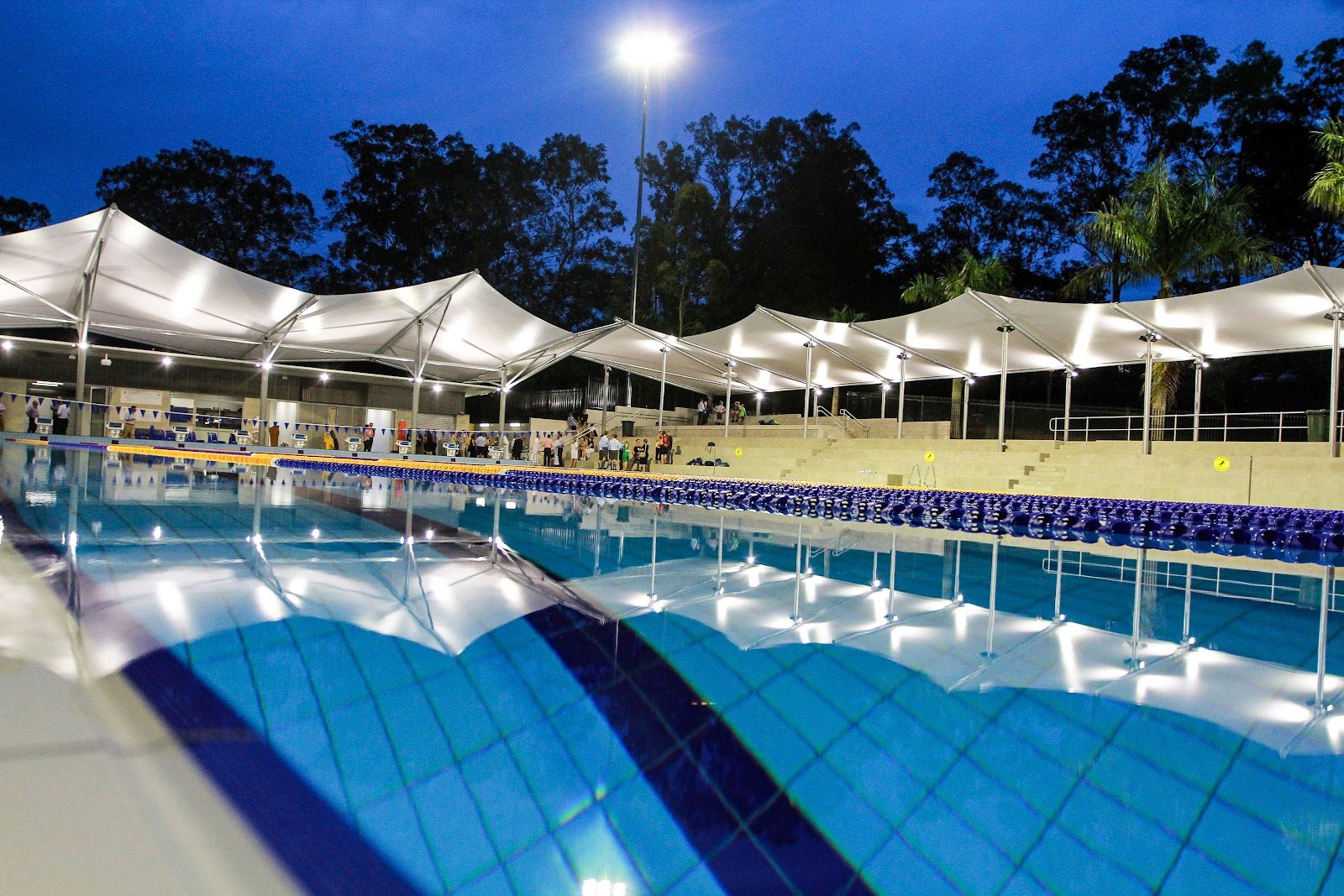
Marist College Ashgrove
Ashgrove, QLD · Australia
Brisbane's only Marist day-and-boarding school for boys, where rugby pedigree and faith-led character rise beneath the landmark Tower Block.
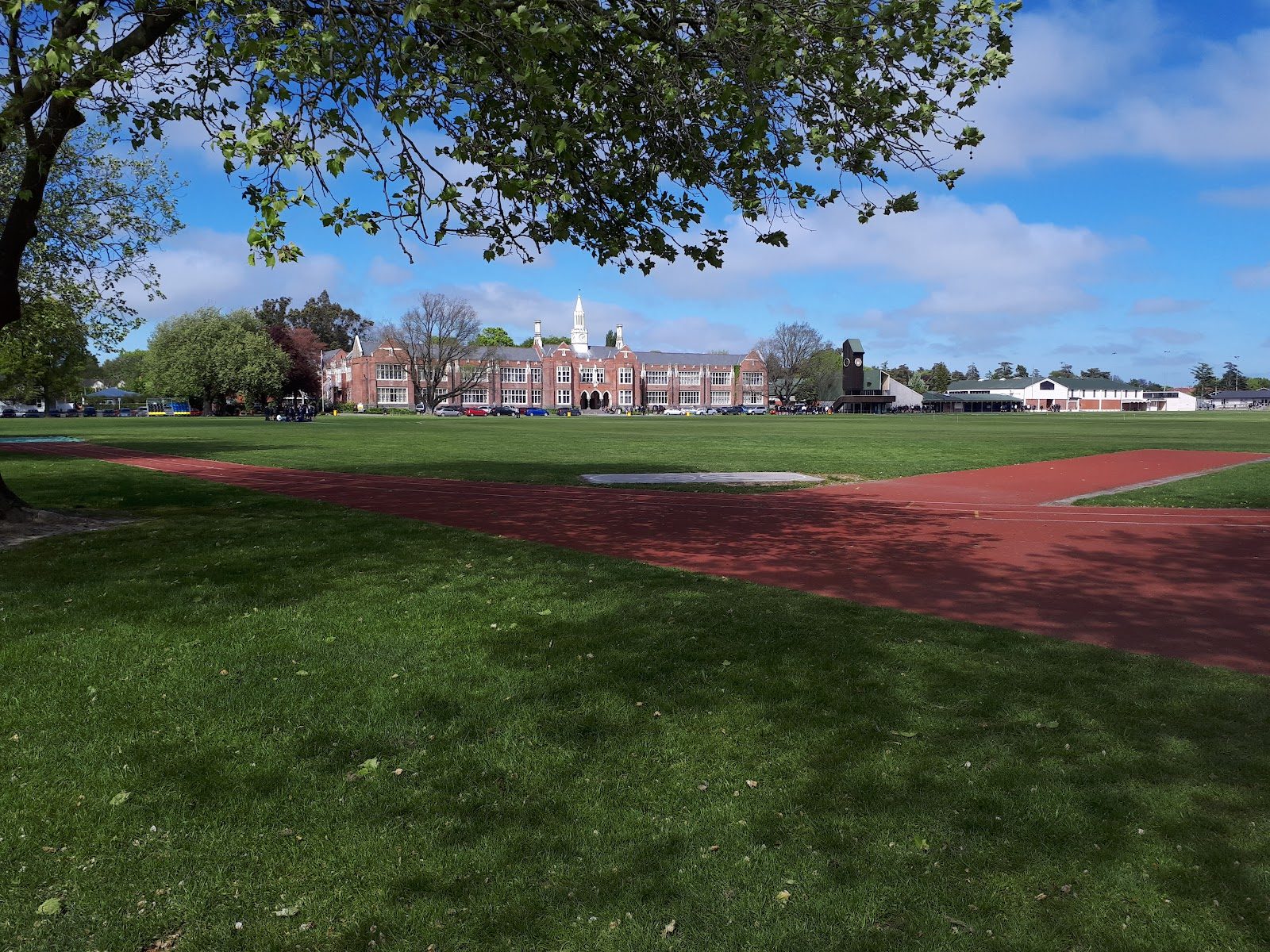
Christchurch Boys' High School
Christchurch · New Zealand
Founded in 1881 to feed Canterbury College, this Riccarton school trails only Auckland Grammar in All Blacks produced.
Same specialism, country and curriculum — closest matches within ±10 points either way