
Rhode Island
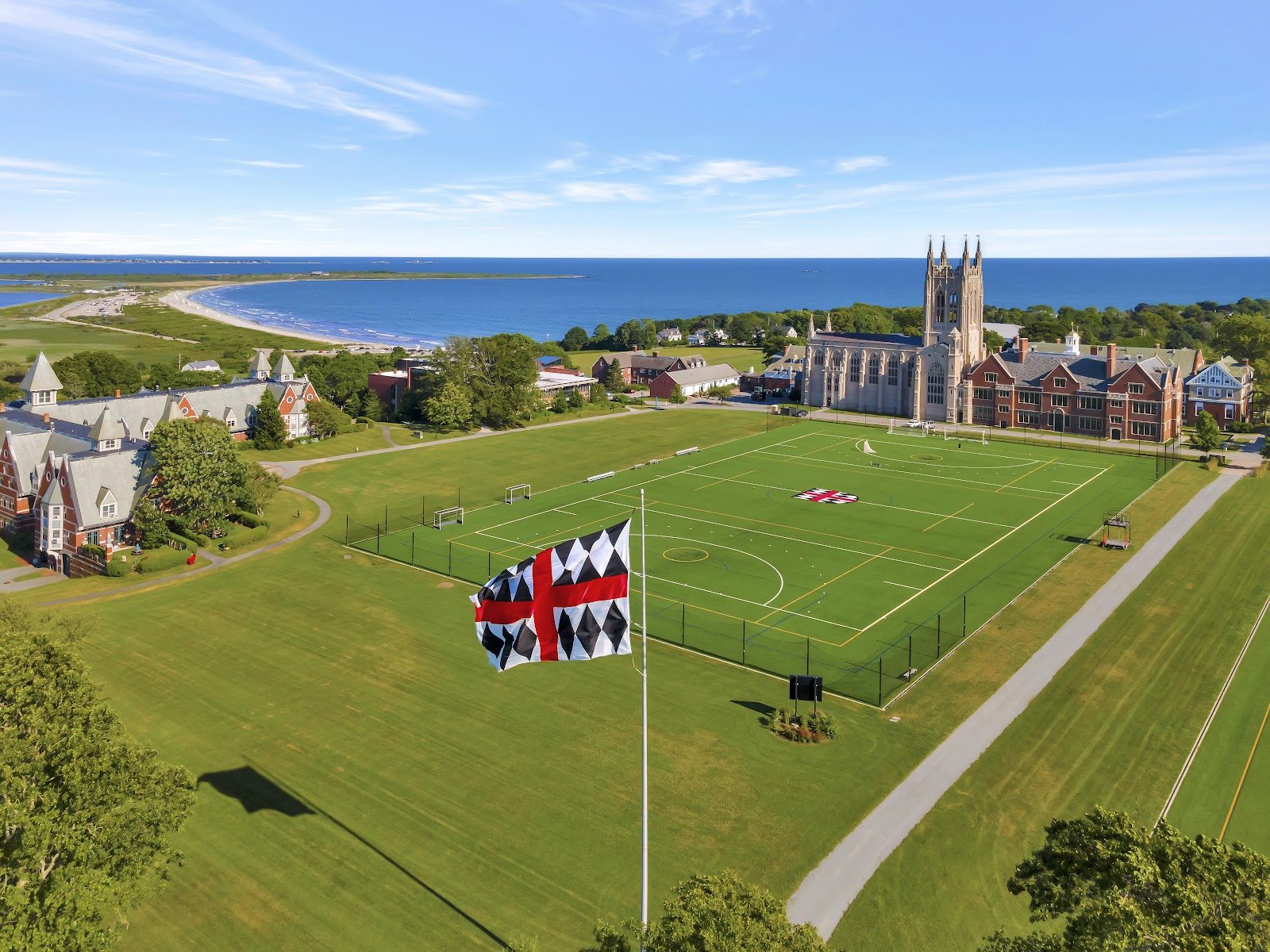
On a hilltop above Newport, students trade desks for the deck of Geronimo, studying oceanography under sail.
Type
Both
Ages
14–18
Curriculum
American
Qualifications
US High School Diploma
Ratio
7:1
The Verdict
Editor's commitment
Right for
Boarders and day pupils aged 14–18 who want an American college-prep school with a 7:1 ratio and ocean study aboard Geronimo.
Wrong for
Families wanting a huge sixth form or broad subject sprawl: St. George’s has 400 students, 126 courses and 36 advanced classes.
Watch out for
At $79,900 boarding and $55,470 day, this 1896 Episcopal school is expensive; AISNE and Rhode Island approval do not answer value.
Ranking breakdown
St. George's School · #630 of 1591
Composite score 61.1. 8 weighted criteria.
By criterion
Academic Outcomes
Weight 20%
#857
of 1529 scored
University Placement
Weight 16%
#793
of 1529 scored
Prestige & Heritage
Weight 12%
#537
of 1571 scored
Alumni Network
Weight 12%
#1319
of 1530 scored
Facilities
Weight 12%
#489
of 1533 scored
Transparency & Communications
Weight 8%
#725
of 1532 scored
Peer & Industry Review
Weight 10%
#793
of 1548 scored
Admissions Selectivity & Demand
Weight 8%
#760
of 1529 scored
Peer & Industry Review
How St. George's School is regarded in the sector
67
Respected · medium confidence
Among New England boarding schools, St. George's is treated as a solid, established Episcopal peer rather than a top-tier household name alongside Andover, Exeter or Groton. Its standing is most visible through NEPSAC athletic and admissions circuits, where it competes regularly against similarly sized schools such as Middlesex, Portsmouth Abbey and Pomfret, and through its coastal Narragansett Bay sailing program, which gives it a distinct niche reputation. It does not feature prominently in UK-oriented independent review outlets like Good Schools Guide or WhichSchoolAdvisor, since those focus mainly on British and international schools, so third-party press coverage is thin compared with peer US boarding schools. College counseling outcomes place graduates at a broad range of respected liberal arts colleges and universities, but St. George's is rarely singled out by admissions officers in the way the most elite New England schools are. Overall, industry regard positions it as a steady, well-run, mid-tier boarding school with a loyal alumni base and regional credibility, rather than one carrying outsized national prestige or frequent citation in league tables or education-press rankings.
- John Kerry — U.S. Secretary of State, politics
- George Herbert Walker III — Investment banker/CEO, finance
- Prescott Bush Jr. — Businessman, finance
Editors' overview
St. George’s School occupies a strong niche in the US boarding market: an old New England Episcopal school with real character, a compact student body and a serious residential culture. With 400 pupils, 80% of them boarders, and a 7:1 student-teacher ratio, it offers scale without sprawl. The hilltop setting above Newport gives it a distinct physical identity, but the sharper point is educational: this is a college-preparatory American school that still puts weight on lived experience, not only classroom performance. The headline example is Geronimo, the school’s sailing vessel, which turns marine and environmental study into something salt-air real rather than decorative.
What distinguishes St. George’s is that blend of tradition and application. Founded in 1896, it keeps the language and habits of an Episcopal boarding school, including form years and a strong residential emphasis, yet it avoids feeling trapped in ceremony. The school offers 126 courses, with 36 advanced classes, across arts, humanities, languages and STEM. It also pushes beyond campus through Connected Learning programmes in places such as Los Angeles and Washington, D.C. That matters. Plenty of boarding schools talk about experiential learning; St. George’s has built visible structures for it. For parents, the attraction is clear: a school with backbone, a campus with purpose, and academic life that extends beyond the timetable.
It also earns a place on a shortlist because it is selective without being opaque about its shape. The acceptance rate sits at 19%. The student body draws from 29 US states and 11 countries; 33% are students of colour and 15% are international students. Those figures point to a school with breadth of intake and a genuine residential mix. Fees are expensive at $79,900 for boarding and $55,470 for day pupils, so families are buying into a premium US boarding proposition. They need to want the full package: boarding life, organised sport, faculty access, and a campus culture where community expectations are not optional.
The right student for St. George’s is bright, energetic and happy living close to adults and peers in a structured environment. This is not the place for a teenager who wants anonymity, a loose day-school rhythm or a narrowly transactional route to university admission. It suits students who will use the arts centre, the playing fields, the dormitories and the water; students who enjoy the discipline of boarding, the pull of the sea, and a close-knit hilltop community. For the right child, St. George’s offers more than polish. It offers immersion.
Academic Performance
St. George’s does not publish the exam data that serious comparison requires. We have not seen aggregate SAT or ACT results, no AP score profile, no IB outcomes, and no college matriculation pattern in the public domain here. That matters. In the US boarding market, the strongest academic operators either release enough external data to prove the point or publish university destinations in a form that lets families judge consistency at the top end. St. George’s asks parents to trust the general proposition of a demanding college-preparatory education, a menu of advanced classes and close faculty attention. That is not the same thing as publishing hard outcomes.
Where does that leave it relative to peers? As an academic proposition, St. George’s sits in the credible but opaque camp. A 19% acceptance rate and 36 advanced classes indicate a school that recruits able students and offers real stretch, but selectivity and course access are inputs, not results. The school’s scale also cuts both ways: close supervision, high adult contact and a residential culture that can support strong attainment, but no public score set to verify how far that converts into elite exam performance. Parents comparing it with academically sharper New England rivals need to press for evidence: AP distributions, testing medians and destination lists over multiple years. Without that, St. George’s academic standing rests on reputation more than proof.
Facilities
Facilities at St. George’s are strongest where the school’s identity is strongest: residential life, sport, science and the water. The campus combines academic and athletic buildings with advanced science labs and an arts centre, which puts it in line with well-resourced New England boarding peers rather than a cut-price day-school operation. The standout asset is not a glossy theatre or an indoor athletics complex. It is Geronimo, the school’s sailing vessel, which gives marine and environmental study a rare operational edge. Plenty of schools near the coast make symbolic use of their setting; St. George’s has built a programme around it. That is a serious differentiator. Add 43 interscholastic teams and a student body where boarders dominate daily life, and the physical plant reads as purpose-built for full-campus living, not an academic block with dorms attached.
Against competitors, the verdict is clear. St. George’s does not advertise the arms-race facilities that some wealthier boarding schools use to impress visiting parents: no published parade of elite theatres, research centres, rowing tanks or showpiece maker spaces. Families who want infrastructure theatre will find bigger statements elsewhere. But many peers would struggle to match the coherence here. The labs support real science, the arts centre gives breadth, the playing fields back a broad sports offer, and the sailing programme adds something genuinely distinctive rather than decorative. For the right student, that mix matters more than marble foyers.
The Episcopal heritage, formal use of form years and hilltop setting above Newport all reinforce that identity
Prestige
St. George’s carries real prestige in the American boarding-school market, though not the blunt, brand-dominating prestige of the handful of names that define the category on sight. Its standing rests on three things: longevity, selectivity and social recognisability within the New England independent-school world. A school with a 19% acceptance rate, membership of the Independent School League, and a student body drawn from across the US and overseas sits in serious company. The Episcopal heritage, formal use of form years and hilltop setting above Newport all reinforce that identity. This is old-school capital: not mass-market fame, but the kind of reputation that carries weight with families, counsellors and peer schools who know the sector.
Why stop short of the very top tier? Because prestige at this level needs public proof of academic conversion, not only ambience, history and admissions pressure. St. George’s has the social polish, the residential seriousness and the expensive scarcity that elite boarding schools trade on, but it does not publish the outcome data that would justify a stronger claim. That matters. Among informed parents, prestige now splits in two: inherited status and demonstrated performance. St. George’s has the first in abundance. The second stays less securely evidenced. The result is a school with high standing, strong name recognition in its lane, and a distinct identity built around tradition, boarding culture and programmes such as Geronimo — but not an institution that closes the case with hard numbers.
With 400 pupils, 80% of them boarders, and a 7:1 student-teacher ratio, it offers scale without sprawl
Communications
St. George’s communicates like a school that expects parents to buy into a full institutional life, not just monitor grades and term dates. The public-facing message is coherent: heritage, pastoral structure, academic ambition, service, the arts, sport and the sailing programme all sit in one recognisable frame. That matters, because many boarding schools flood families with activity while failing to explain what holds the place together. St. George’s does explain it. The site gives concrete facts parents care about — 126 courses, 43 teams, financial-aid reach, student mix — and it does so without too much verbal fog. The school’s use of form-year language and Episcopal identity also tells parents, plainly, that this is a tradition-conscious environment with clear internal codes. Families who want a looser, more casual tone will read that quickly.
The limit is depth. For all the confidence of the messaging, St. George’s does not publish the academic outcome data that would make its communication fully persuasive. That weakens trust at the point where serious parents make comparisons. A school can celebrate Connected Learning, Geronimo and an immersive residential culture; it still needs to show where students land academically. On parent communications, then, the verdict is competent and purposeful, but not fully transparent. It tells families what the school values, what students do and what kind of community it runs. It tells them less clearly how those ideals convert into measurable academic results.
Uniqueness
What sets St. George’s apart is not old New England boarding-school theatre. It is the way the school makes place do real academic work. The hilltop campus above the water is not backdrop; it feeds directly into study through Geronimo and the school’s use of open-ocean navigation as part of learning. That gives St. George’s a rare operational identity. Other schools talk about experiential learning in soft-focus terms. Here, students get something more exacting: exposure to seamanship, environmental observation and the discipline that comes with doing serious work beyond the classroom. The Connected Learning programmes extend that same instinct off campus. St. George’s does not confine education to timetabled lessons and internal routines; it pushes students into settings where knowledge has to function in the world.
Its size also matters to its distinctiveness. With 80% of pupils in boarding and 43 interscholastic teams, the school runs as a fully inhabited community, not a day school with dormitories on the side. The result for students is intensity: close adult oversight, a strong expectation of participation and little room for detachment. That will suit teenagers who want structured immersion and a school culture with real internal gravity. Add the Episcopal inheritance and a student body drawn from across the US and overseas, and St. George’s offers a blend that few peers match: maritime seriousness, residential depth and a community life that asks students to show up fully.
The headline example is Geronimo, the school’s sailing vessel, which turns marine and environmental study into something salt-air real rather than decorative
Student Profile
The student who fits St. George’s is not looking for distance, anonymity or a light-touch sixth-form experience. This is a school for adolescents who can live closely with peers and adults, absorb house rules without endless friction, and participate across the day rather than retreat from it. With 80% of pupils in boarding and an acceptance rate of 19%, the social climate is selective, busy and closely supervised. Students need enough confidence to join in, enough resilience to handle constant company, and enough curiosity to make use of a campus culture that extends well beyond lessons. The school’s Episcopal roots also matter: families do not need to share the faith, but they do need to be comfortable with a community shaped by clear moral expectations, service and personal accountability.
The strongest fit is a teenager who wants breadth as well as challenge. St. George’s draws students from 29 states and overseas, so it suits young people who can handle difference without making a performance of it. It will work well for sporty students, committed artists and scientifically minded pupils who want structure around their ambitions, not only freedom. It also suits those drawn to the sea, field-based learning and programmes that ask students to do real things, not just talk about them. It is not a haven for dabblers. The best candidates are energetic, socially durable and ready for a school that expects full buy-in from its students.
The school offers 126 courses, with 36 advanced classes, across arts, humanities, languages and STEM
Co-curricular strengths
Arts & sport, on a separate axis
Overall 8.46/10
Scored 0-10 from the school's own published evidence. This axis is editorial-only — it does not feed the main WTS ranking.
Sports
9/10
Capitalizes on its breathtaking coastal Newport site to field elite competitive sailing and ocean-racing tracks, alongside premier traditional ISL field sports.
Drama
8.8/10
The school's theater complexes operate at an exceptionally high standard, cultivating creative and performance tech tracks.
Dance
7.4/10
Kept primarily as an ensemble component to support physical performance blocks inside their large-scale theater tracks.
Music
8.5/10
Excellent chamber orchestras, wind ensembles, and vocal troupes that anchor major seasonal campus showcase events.
Visual Arts
8.6/10
Studio-intensive fine arts focus housed within custom studio environments, prioritizing landscape painting and portfolio layout.
Strengths
- +Historic 1896 school with established Episcopal traditions.
- +Boarding and day options for ages 14–18.
- +125-acre Middletown campus near the Rhode Island coast.
- +Distinctive open-ocean navigation aboard sailboat Geronimo.
Considerations
- −Episcopal heritage may not suit every family.
- −American curriculum only; no IB or A Levels.
- −Located in Middletown, not a major city.
Availability
Primary entry gate & tests
ISEE/SSAT + Interview
Gallery
Parent reviews
Have you sent your child here?
Voice reviews carry the strongest trust badge — we transcribe them for you to tidy up before they go live. Prefer to type? A written review is fine too.
Add your voice
In 60 seconds, tell other parents: what's the best thing about St. George's School, and what surprised you when your child joined?
We ask for a Google sign-in so every review has a real face behind it — no anonymous drive-by attacks on schools, and no faked positive reviews. Your email is never shown publicly.
Send this profile to a friend
International parents rely on word-of-mouth. Share this review with someone weighing the same decision.
Schools with places
Similar schools to St. George's School with places available now.
Marymount School of New York
New York City · United States
- 2026-27
- CLOSEDConfirmed full
- 2027-28
- PLACES OPENApplications opened 1 Aug '26
Poly Prep Country Day School
Brooklyn · United States
- 2026-27
- CLOSEDRegular cycle closed
- 2027-28
- OPENS SOONOpens Sept '26
Boston University Academy
Boston · United States
- 2026-27
- CLOSEDRegular cycle closed
- 2027-28
- OPENS SOONOpens Sept '26
Germantown Friends School
Philadelphia · United States
- 2026-27
- CLOSEDRegular cycle closed
- 2027-28
- OPENS SOONOpens Sept '26
Availability first, then country, area, curriculum, price, co-curricular
Consider also
Also worth looking at alongside St. George's School.
Marymount School of New York
New York City · United States
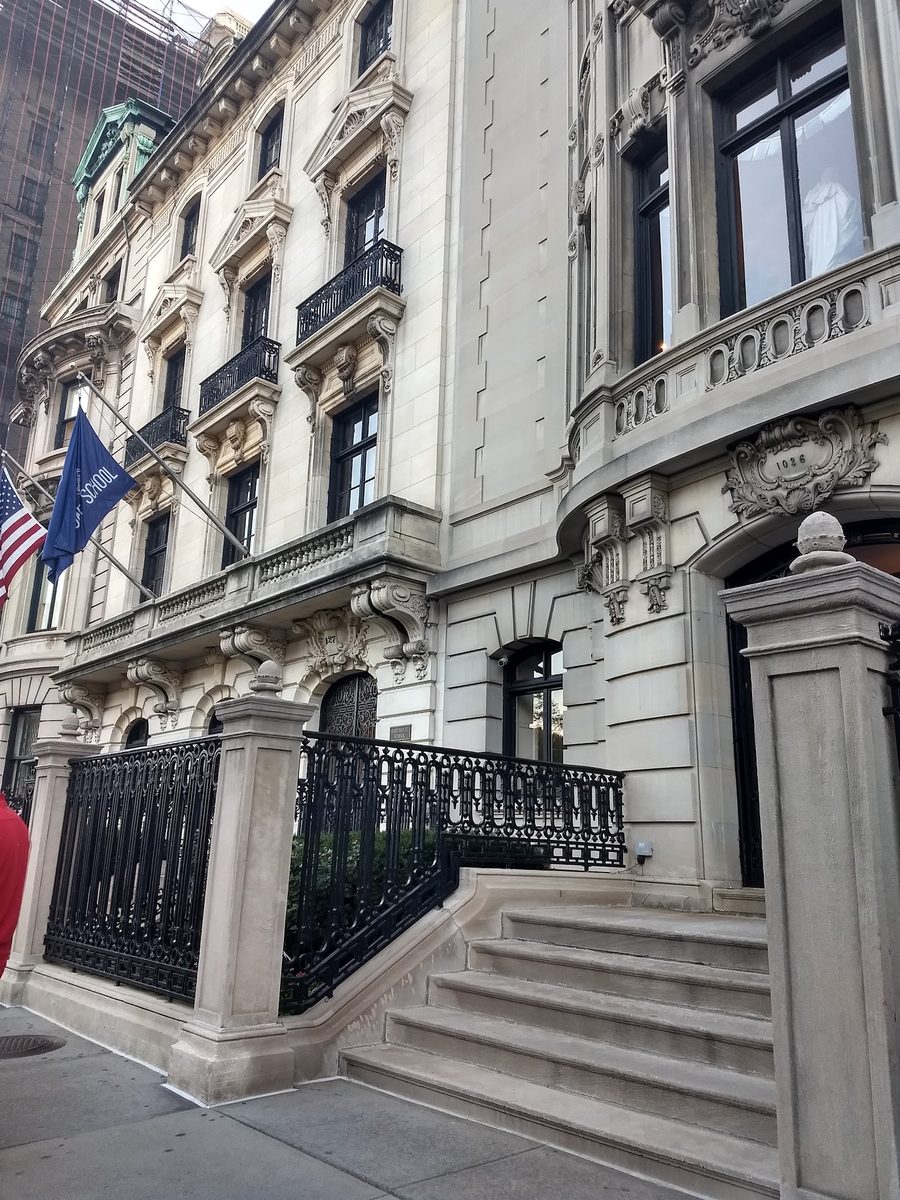
On Fifth Avenue, landmark mansions give way to Bloomberg terminals and classrooms inside the Met.
Poly Prep Country Day School
Brooklyn · United States
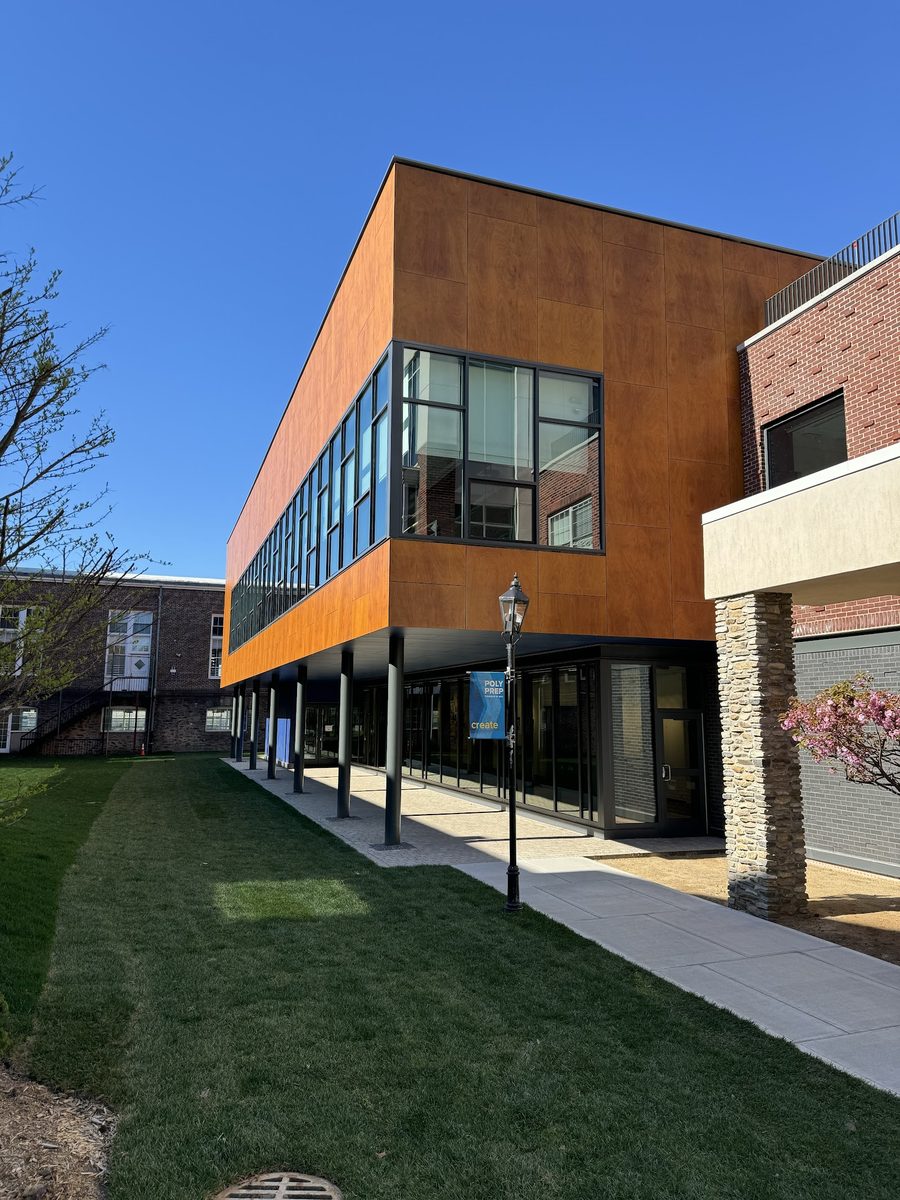
Founded in 1854 as Brooklyn's first boys' school, this day school pairs a Prospect Park mansion with a 25-acre Dyker Heights campus.
Boston University Academy
Boston · United States
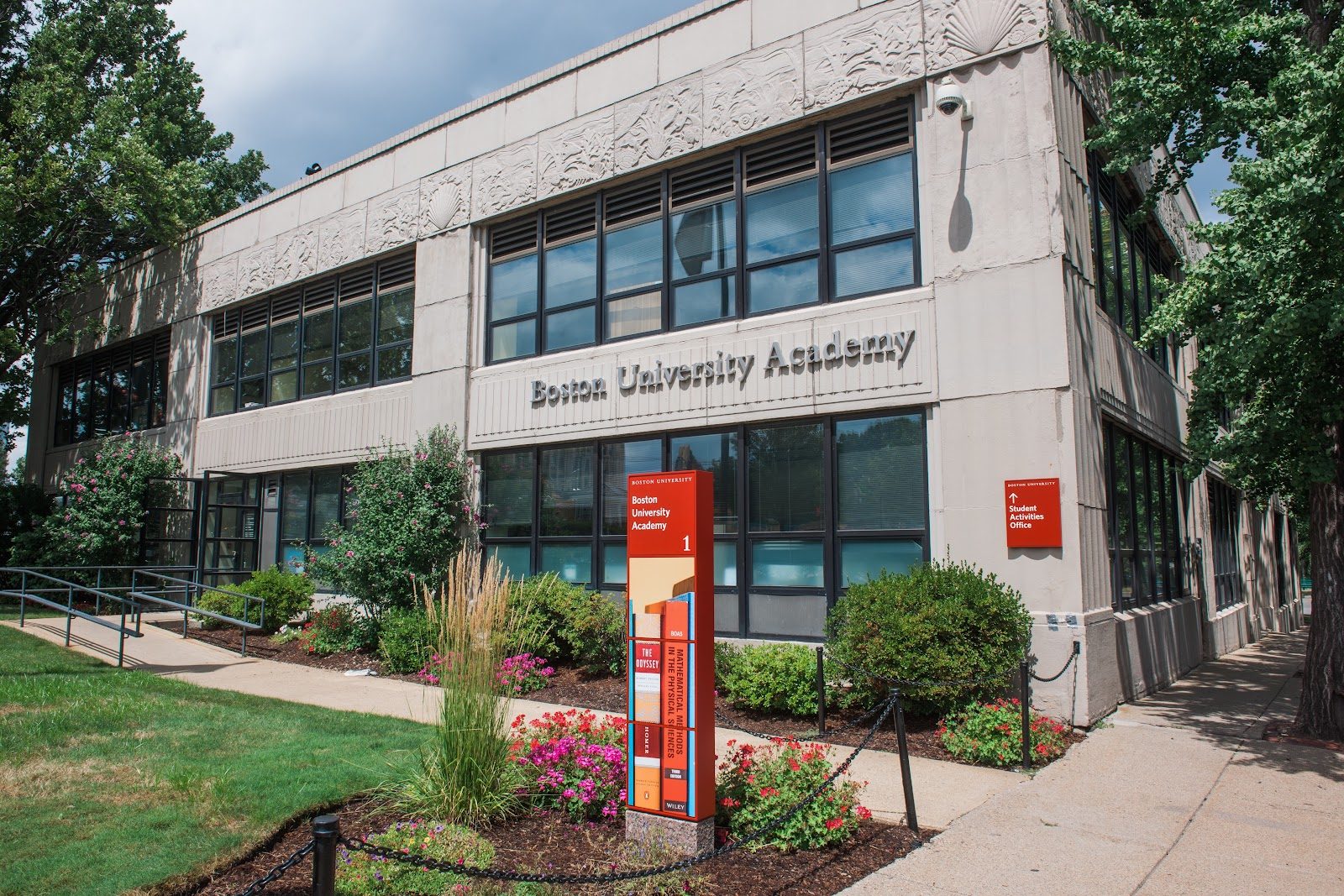
Upperclassmen trade study halls for Boston University lecture halls, banking college credit before graduation.

Germantown Friends School
Philadelphia · United States
Rooted in an 1845 Quaker meeting in historic Germantown, where juniors design a month-long independent study of their own.
Same country and curriculum — closest matches within ±10 points either way