
Greater Poland
International School of Poznań
low confidence· 4/6 cats · 1.2 avg sourcesPoznan's original IB Diploma authorization, now closing in on a full PYP-MYP-DP continuum via its own induction year for newcomers.
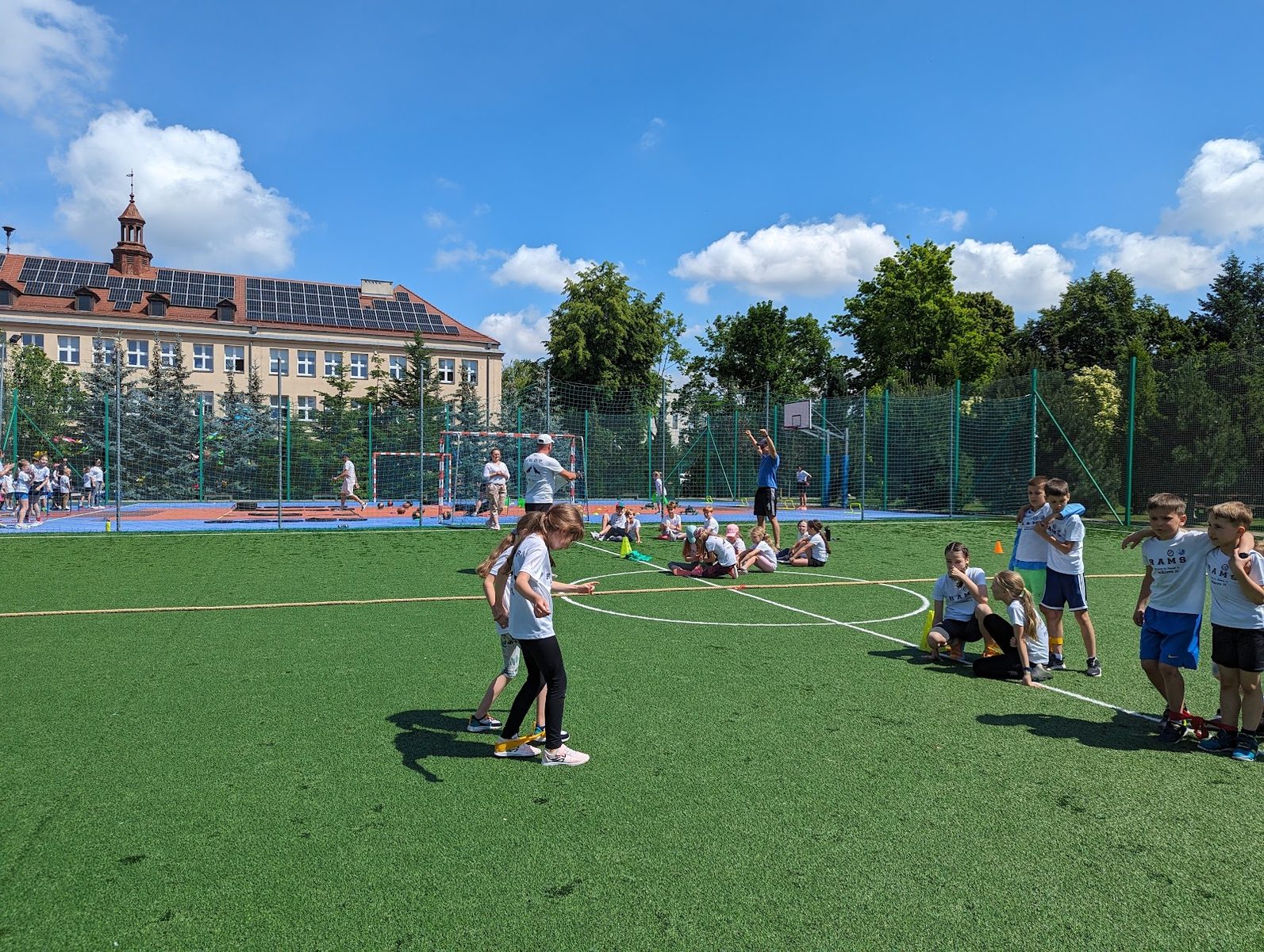
Photo © International School of Poznan via Google Maps
Type
Day
Ages
3–18
Curriculum
IB
Qualifications
IB Diploma · IB MYP · IB PYP
Ratio
—
The Verdict
Editor's commitment
Right for
Families wanting English-medium schooling from age 3 to 18 with IB World School status and Poznań's original IB Diploma authorisation.
Wrong for
Parents who want a fully authorised PYP-MYP-DP continuum today; ISOP has PYP and DP, while the MYP remains absent from its accreditations.
Watch out for
The average annual day fee is 30,175 PLN, but the bigger question is substance: the school publishes mission and growth, not outcomes.
Ranking breakdown
International School of Poznań · # of 1591
Composite score 50.8. 8 weighted criteria.
By criterion
Academic Outcomes
Weight 20%
#1376
of 1533 scored
University Placement
Weight 16%
#1371
of 1529 scored
Prestige & Heritage
Weight 12%
#1424
of 1580 scored
Alumni Network
Weight 12%
#1037
of 1530 scored
Facilities
Weight 12%
#1423
of 1540 scored
Transparency & Communications
Weight 8%
#1432
of 1547 scored
Peer & Industry Review
Weight 10%
#1227
of 1564 scored
Admissions Selectivity & Demand
Weight 8%
#1326
of 1529 scored
Peer & Industry Review
How International School of Poznań is regarded in the sector
63
Respected · medium confidence
I could not identify at least two independent third-party sources (e.g., Tatler, Good Schools Guide, specialist education press, government inspectorate reports, or established expat-parent forum discussions) that substantively assess the International School of Poznań's reputation. Without verifiable independent coverage, I cannot responsibly populate this axis.
Editors' overview
International School of Poznań trades on a simple advantage: it has been in the city’s international market for a long time, and it secured IB Diploma authorisation early. The school was founded in 1993, teaches in English, and now runs from ages 3 to 18 as a non-religious day school. Its clearest point of distinction is the shape of the academic journey. It already holds IB World School status, with the Diploma Programme authorised in 2008 and the Primary Years Programme in 2010, while the middle and high school structure points towards a near-complete IB continuum rather than a loose collection of stages. For parents in Poznań who want an English-medium route with an established IB identity, that matters. This is not a new entrant trying to manufacture credibility.
The school’s own framing leans hard on belonging, safety and community, and in this case the message fits the scale. ISOP describes a campus of over 600 students with close to 100 teachers. That is big enough to sustain a real international school environment, yet still small enough to avoid the anonymous sprawl of larger metropolitan campuses. The average annual day fee across the full age range is 30,175 PLN, which places it in an accessible bracket by international-school standards and strengthens its case for families who want English-medium IB education without paying top-tier capital-city prices. What the school does not publish here is the harder performance data parents also need: no aggregate Diploma results, no university destination profile, no breakdown of class sizes. That opacity does not sink the case for ISOP, but it does keep the school out of the show-me-the-numbers category.
Why shortlist it? Because it offers a credible long-haul option in Poznań: English-medium, non-religious, day-only, IB-rooted, and old enough to have institutional memory. It suits internationally minded families who value stability over flash, and students who do well in a close-knit setting where pastoral confidence and academic ambition need to develop together. It will appeal most to children who benefit from continuity, newcomers who need an induction into an English-speaking school culture, and older students targeting the IB Diploma in a community that is established rather than oversized. It will appeal less to families who want a huge campus, a densely publicised results culture, or a school that leads with elite outcomes data. ISOP’s case rests on continuity, accessibility and a clear educational spine; for the right child, that is enough to put it firmly on the shortlist.
Academic Performance
Academic performance is where ISOP leaves parents with an incomplete picture. The school has a long-standing route to the Diploma and a clear upper-school pathway into externally examined study, but it does not publish the figures that let families judge outcomes against rivals: no average Diploma score, no pass-rate trend, no subject spread at higher level, no university destinations list. That absence matters. In a market where many international schools use hard data to prove academic strength, ISOP asks families to trust the school’s structure and longevity rather than inspect a results record. For some parents that is acceptable; for anyone making a comparison on cold academic evidence, it is a real weakness.
Relative to peers, that puts ISOP in the opaque middle ground: established enough to command attention, but not transparent enough to join the results-led group. The school’s own account stresses community, confidence and balanced growth, and that framing points to a model that values student development beyond examination statistics. There is nothing wrong with that. The issue is comparability. Without published Diploma outcomes or destination data, there is no basis for placing ISOP among Poland’s stronger academic performers, nor for dismissing it as weak. The verdict is straightforward: this is a school with an established senior academic route, but with public performance reporting that falls short of what serious parents deserve.
Facilities
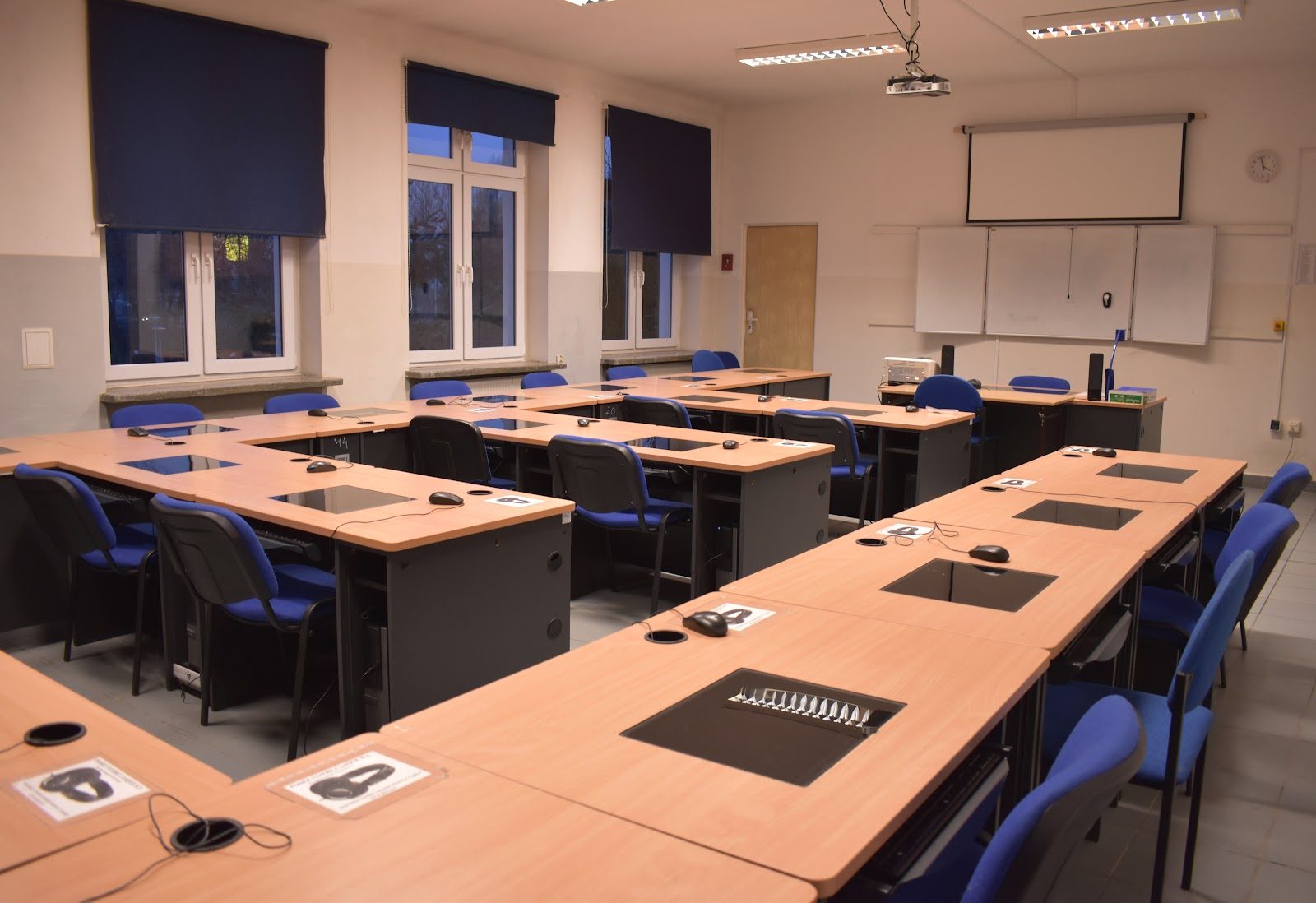
Facilities are not where ISOP makes its strongest public case. The school says it continues to invest in its campus, but it does not publish the detail parents need to judge that claim: no specialist-facility inventory, no theatre or black-box provision, no science-lab count, no sports specification, no library profile, no campus map. That leaves the physical offer under-described and harder to benchmark than it should be. What is clear is the organisational structure: separate stages from kindergarten through the diploma years, all on one school campus, with a teaching body of close to 100 and a student roll of over 600. In practical terms, that points to a school with enough scale to support dedicated age-group spaces and subject teaching, not a shoestring operation running out of converted rooms.
Against peers, that puts ISOP in a credible but unglamorous bracket. It has the breadth and maturity to function as a full-service international school, yet it does not advertise the kind of arms-race facilities that now dominate the top end of the market: flagship performing-arts centres, competition-level aquatic provision, or lavish sports complexes. For many families, that is not a problem. In a city where some schools remain small or pedagogically narrow, a campus that supports the full age range cleanly matters more than architectural theatre. Still, the lack of hard facility detail is a weakness. Parents who care about labs, arts space or indoor sport need direct answers from the school rather than glossy assumptions.
A school that has built for that reality, rather than treating newcomers as an administrative inconvenience, offers something genuinely useful
Prestige
ISOP’s prestige sits in the solid local tier, not the rarefied international one. In Poznań, long market presence and early access to the Diploma route carry weight; they mark the school out as an established operator rather than a newcomer. That matters in a smaller international-school market, where continuity and institutional memory count for more than branding theatre. The school also benefits from scale: a community of over 600 students with close to 100 teachers gives it more substance than the tiny boutique outfits that struggle to build breadth, while still retaining a contained, personal feel. For many families, that combination of maturity, recognisable IB credentials and manageable size is exactly what prestige looks like in this city.
That said, prestige here is earned locally, not imported from a famous global name or reinforced by a public record of standout results. ISOP does not publish the hard outcome data that turns a respected school into an academically high-status one in the eyes of exacting parents. Nor does it project the social cachet that attaches to ultra-expensive campuses or heavily publicised university pipelines. Its standing rests instead on durability, a coherent academic structure, and a reputation built through long service to the city’s international and internationally minded families. That is real prestige, but it is grounded prestige: credible, useful and respectable, without the aura of an elite export school.
International School of Poznań trades on a simple advantage: it has been in the city’s international market for a long time, and it secured IB Diploma authorisation early
Communications
ISOP communicates in a tone that is warm, deliberate and tightly values-led. The clearest signal sits on its own about page: the school talks less about trophies and more about belonging, safety, courage, diversity and personal growth. That tells parents a lot about institutional priorities. The structure of the website also helps. It breaks the school into distinct stages, including an induction route for younger entrants and a separate diploma phase, which gives families a clear map of where their child fits. Scale matters here too: a school community of over 600 students supported by close to 100 teachers can sustain regular parent contact without collapsing into faceless bureaucracy. For families weighing a move, that matters more than polished slogans.
The weakness is precision. ISOP communicates ethos more effectively than evidence. Parents get a strong sense of culture and a serviceable explanation of the school journey, but not the hard operational detail that sharp communication requires: no published outcomes profile, no serious facilities breakdown, no deep bank of practical information that answers the next layer of parental questions before they are asked. That leaves the school sounding clear on intention and thin on proof. In communications terms, ISOP does the first job well: it tells families what kind of place it is. It does the second job less well: it does not publish enough to let exacting parents test those claims.
Uniqueness
What sets ISOP apart in Poznań is not spectacle, scale or brand theatre. It is the school’s shape. Few schools in the city can point to an academic journey that starts in the early years, runs cleanly through the primary phase, and then carries students into a senior programme with an established IB endpoint, while also building a defined induction route for children entering from elsewhere. That matters more than glossy slogans. International families move mid-stream; local families switch systems; children arrive without the habits, vocabulary or classroom confidence an English-medium international school expects. A school that has built for that reality, rather than treating newcomers as an administrative inconvenience, offers something genuinely useful. The benefit to students is practical: less academic whiplash, a clearer social landing, and a better chance of joining the life of the school without spending the first term in survival mode.
There is also a second point of difference in the culture the school is trying to engineer. Plenty of schools talk about community; fewer organise their story around it so explicitly, from the youngest pupils to the oldest. In ISOP’s case, that focus makes sense because the school sits in the middle ground between tiny expatriate outposts and factory-scale international campuses. With over 600 students and close to 100 teachers, it has enough breadth to avoid isolation and enough containment to keep relationships legible. For students, that brings a rarely discussed advantage: they can grow up in one institution without being swallowed by it.
The school was founded in 1993, teaches in English, and now runs from ages 3 to 18 as a non-religious day school
Student Profile
The best fit at ISOP is a child who values belonging without coddling. The school’s own language centres on courage, risk-taking and growth inside a supportive community, which points to students who thrive when adults know them well and expect them to participate, not just comply. New arrivals to international education also fit this model well. ISOP has built an explicit entry route for children who need to settle into a new school culture before moving fully through the main stages, and that is a practical advantage for families arriving from local systems or from abroad. In a school of over 600 pupils, students get a social world large enough to find their people without the sink-or-swim anonymity of a giant campus.
This is also a good school for families who want a steady, human-scale environment rather than a hothouse. Children who are curious, socially aware and able to work across age stages tend to do well here. So do students who need consistency across the years, instead of a jarring handover from one school division to the next. The weaker fit is easy to define. ISOP will frustrate families chasing a status performance culture, constant public celebration of top academic outcomes, or the social theatre that comes with very expensive schools. It suits grounded children, internationally minded local families, and mobile families who want a school that can absorb change without turning every transition into a crisis.
Its clearest point of distinction is the shape of the academic journey
Co-curricular strengths
Arts & sport, on a separate axis
Overall 6.84/10
Scored 0-10 from the school's own published evidence. This axis is editorial-only — it does not feed the main WTS ranking.
Sports
7.2/10
Drama
7/10
Dance
5.5/10
Music
7/10
Visual Arts
7.5/10
Editor first-pass · editor-reviewable · 7/30/2026
Strengths
- +Delivers the International Baccalaureate curriculum, a globally recognised framework that eases academic transitions for internationally mobile families.
- +Based in Poznan, one of Poland's larger business and university cities, giving access to a growing corporate and academic community rather than a purely touristic expat bubble.
- +Operates as a day school, keeping students embedded in family life and avoiding the additional cost structure of a boarding programme.
- +As a smaller, newer IB entrant, class sizes are likely modest compared with the large flagship international schools in Warsaw, allowing closer staff attention.
Considerations
- −As a candidate-tier, comparatively low-ranked school, it lacks the long track record, alumni network and university placement history of established international schools in Poland.
- −Poznan's international and expatriate community is smaller than Warsaw's or Krakow's, which may narrow peer diversity and the scale of extracurricular offerings.
- −Publicly available detail on fees, IB programme authorisation stage (PYP/MYP/DP), and staffing is limited, making it harder for relocating families to benchmark against peer schools before enrolling.
- −Single-campus day-only operation means no boarding or extended-care options for families needing that flexibility.
Availability
Primary entry gate & tests
Academic Record
Gallery
Photo © Michał Cynkier via Google Maps
Photo © International School of Poznan via Google Maps
Photo © International School of Poznan via Google Maps
Photo © International School of Poznan via Google Maps
Photo © International School of Poznan via Google Maps
Parent reviews
Have you sent your child here?
Voice reviews carry the strongest trust badge — we transcribe them for you to tidy up before they go live. Prefer to type? A written review is fine too.
Add your voice
In 60 seconds, tell other parents: what's the best thing about International School of Poznań, and what surprised you when your child joined?
We ask for a Google sign-in so every review has a real face behind it — no anonymous drive-by attacks on schools, and no faked positive reviews. Your email is never shown publicly.
Send this profile to a friend
International parents rely on word-of-mouth. Share this review with someone weighing the same decision.
Schools with places
Similar schools to International School of Poznań with places available now.
Availability first, then country, area, curriculum, price, co-curricular
Consider also
Also worth looking at alongside International School of Poznań.
International School of Kraków
Kraków · Poland
A forested Lusina campus outside Krakow pairs an American diploma with the IB, drawing more than 35 nationalities since 1993.
Wrocław International School
Wrocław · Poland
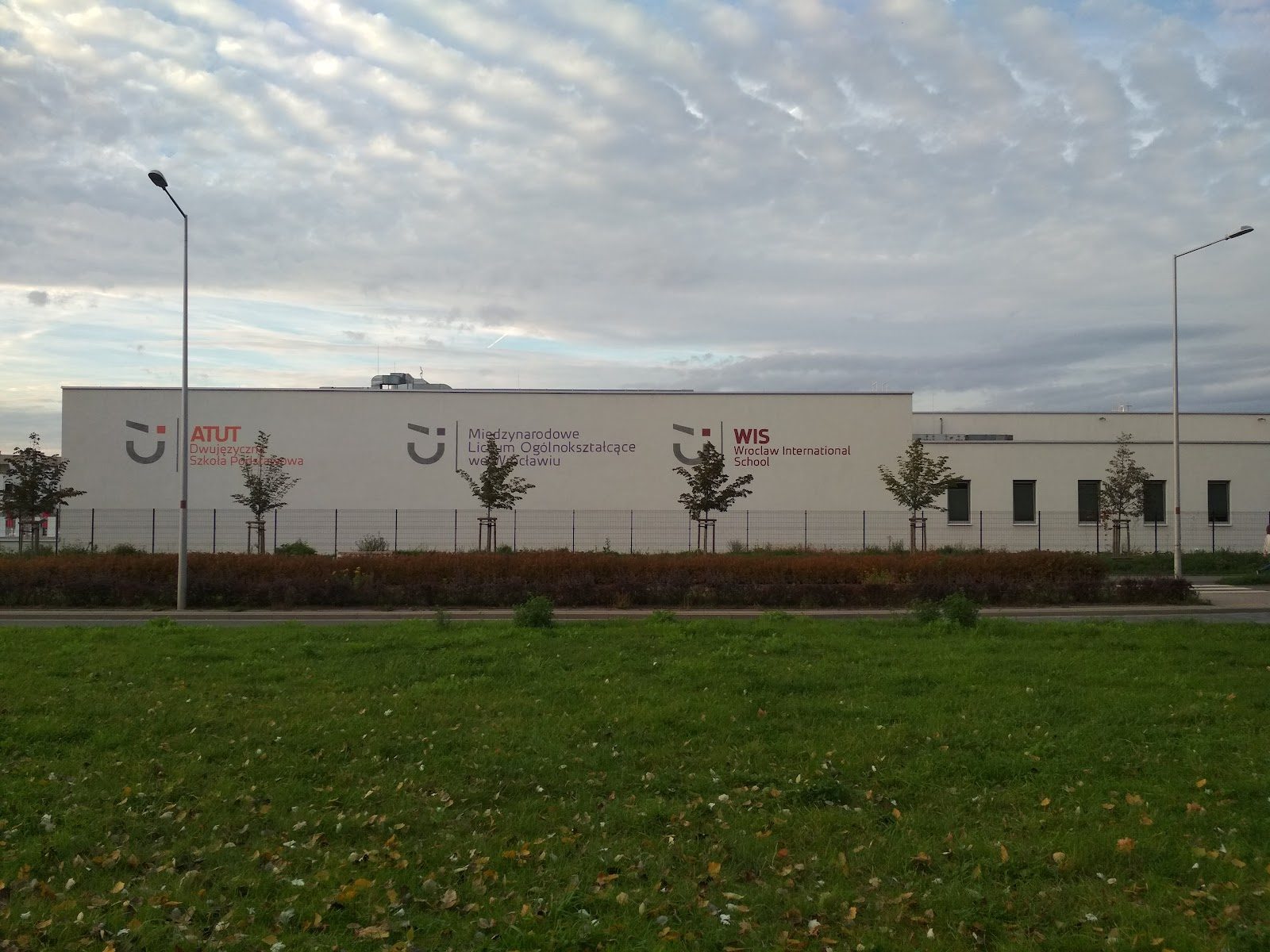
Lower Silesia's inquiry-led IB pioneer, the first in Poland authorised for both the Primary and Middle Years Programmes.
British International School of Cracow
Kraków · Poland
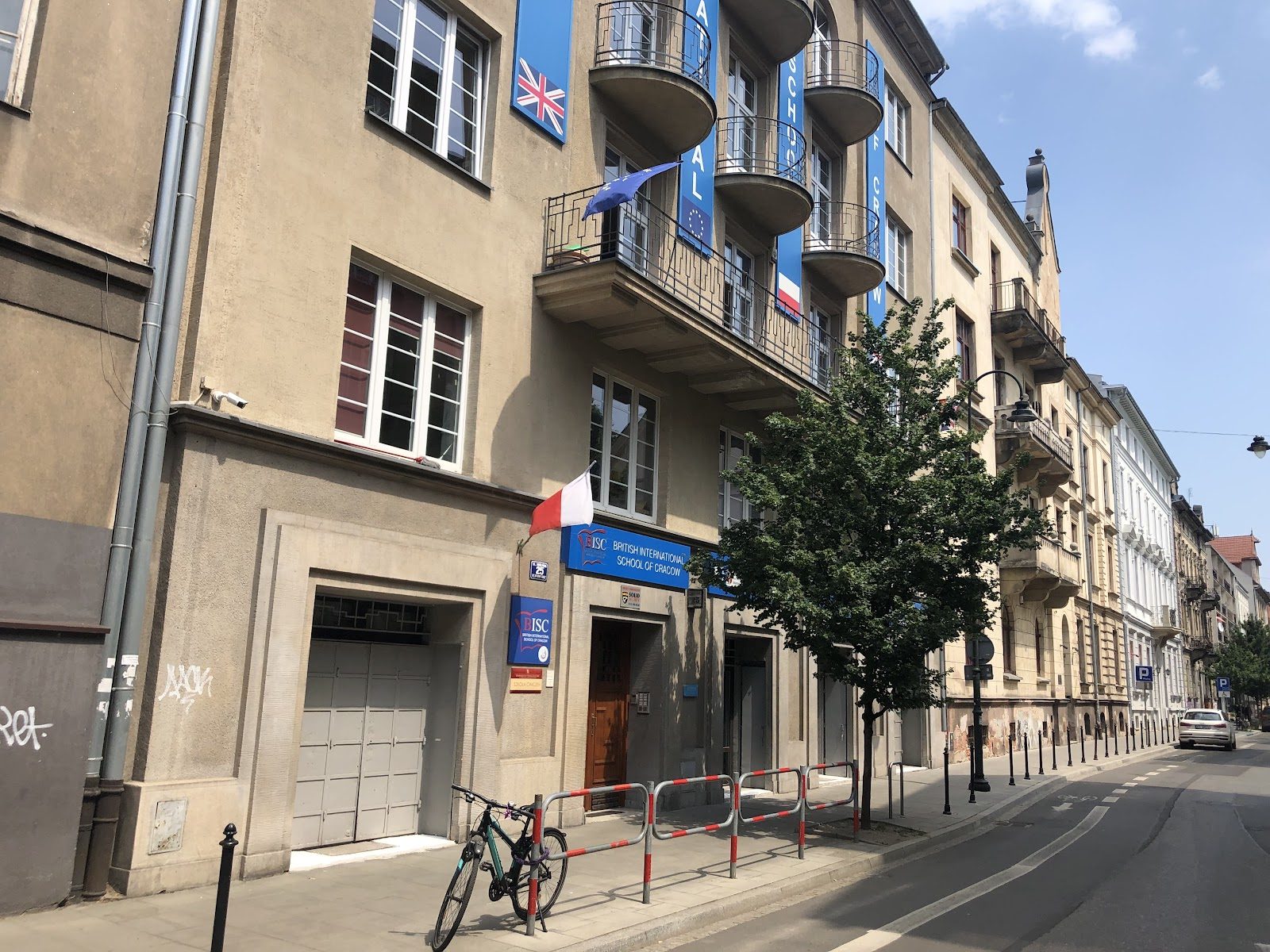
In Krakow's Old Town, three decades of British schooling meet the IB Diploma, small classes, and Tatra ski-week traditions.
Lycée Français de Varsovie
Warsaw · Poland
Founded in 1919 as a diplomatic bridge between Paris and a newly independent Poland, its Baccalaureate classrooms still run on trilingual rigor.
Same country and curriculum — closest matches within ±10 points either way