
Glamorgan
UWC Atlantic
high confidence· 6/6 cats · 3.28 avg sourcesIn a seafront medieval castle in Wales, the founding United World College still teaches the IB curriculum it helped invent.
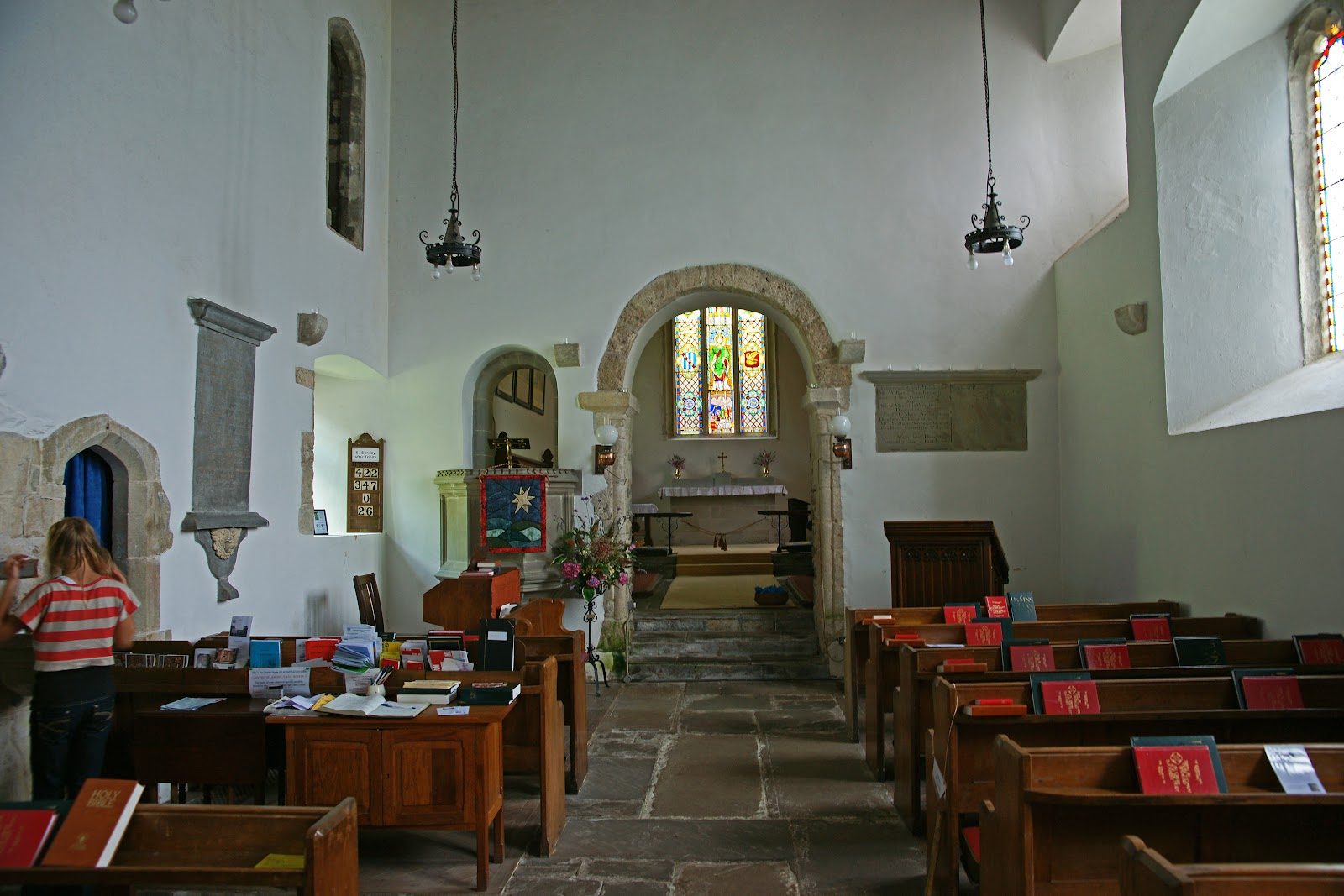
Photo © Simon Jenkins via Google Maps
Type
Boarding
Ages
16–19
Curriculum
IB
Qualifications
IB PYP · IB MYP · IB Diploma
Ratio
9:1
The Verdict
Editor's commitment
Right for
Sixth-form boarders who want the IB at its source: UWC Atlantic co-created the Diploma Programme and sends 88% of 175 leavers to top-100 universities.
Wrong for
Families wanting younger entry, day schooling or a conventional sixth form; this is a boarding college for ages 16–19 only.
Watch out for
The setting is intoxicating — St Donat's Castle, 122 acres and seafront — but the average annual boarding fee is £39,000 and the mission runs hard.
Ranking breakdown
UWC Atlantic · #940 of 1591
Composite score 64.0. 8 weighted criteria.
By criterion
Academic Outcomes
Weight 20%
#959
of 1529 scored
University Placement
Weight 16%
#965
of 1529 scored
Prestige & Heritage
Weight 12%
#750
of 1529 scored
Alumni Network
Weight 12%
#579
of 1529 scored
Facilities
Weight 12%
#1063
of 1529 scored
Transparency & Communications
Weight 8%
#1016
of 1529 scored
Peer & Industry Review
Weight 10%
#988
of 1529 scored
Admissions Selectivity & Demand
Weight 8%
#686
of 1529 scored
Score history
UWC Atlantic · 2026
Movement across 2024–2026. Peer average overlaid.
Overall — 2024–2026
64.0/ 100
▲ +6.7 vs 2025
year on year
Peer & Industry Review
How UWC Atlantic is regarded in the sector
82
Strong · high confidence
UWC Atlantic has carved out a distinctive niche as the sixth-form college of choice for European royalty and internationally minded families, with Tatler noting its nickname among insiders as "Hippie Hogwarts" while recording it as the most expensive entry in its 2026 Schools Guide. The Good Schools Guide's independent verdict calls it "the most \u2013 if not the most \u2013 outward-looking school we've come across," praising its transformative ethos while flagging that "it won't suit most and there's plenty of room for improvement." Its founding role in the 18-school United World Colleges movement, and an alumni roster including Spain's Princess Leonor, Belgium's Crown Princess Elisabeth and King Willem-Alexander of the Netherlands, gives it an international profile few UK sixth-form colleges can match. WhichSchoolAdvisor's listing confirms the "deliberate diversity" model drawing students from 90 countries, though its coverage remains largely descriptive rather than data-driven, tempering an otherwise formidable peer reputation.
Evidence sources
Editors' overview
St Donat’s Castle on the Welsh coast is not a gimmick here; it is the frame for a sixth-form boarding college that has done something few schools can claim. UWC Atlantic, founded in 1962, is the founding college of the UWC movement and one of the institutions that co-created the IB Diploma Programme. It takes only ages 16 to 19, runs a two-year IB course, and draws students from over 150 countries into a fully boarding environment on 122 acres of woodland, farmland and seafront. That matters because this is not a conventional British boarding school with an international stream attached. It is a deliberately intense global residential college for older teenagers, built around the idea that education extends well beyond the timetable.
What puts it on a shortlist is the combination of pedigree, scale of international mix and seriousness of purpose. The school’s average annual boarding fee is £39,000, which places it below the top end of the UK full-boarding market while still squarely in premium territory. The outcomes are strong and concrete: from 175 leavers in 2024, 88% went to top-100 universities, with 11 to Oxbridge, 27 to Russell Group institutions and 11 to the Ivy League. The alumni footprint is also substantial, with over 9,100 alumni cited by the school and at least 113 notable alumni catalogued in Wikidata across politics, business, science, journalism and the arts. That record gives the college real institutional weight rather than just romantic scenery and idealistic language.
The catch is clear. This is not a school for families who want tight academic shepherding, a conventional house competition culture or a broad age-range campus with younger siblings in tow. UWC Atlantic is small in age span, specialised in mission and not for the faint-hearted. Students live with peers from radically different national, political and economic backgrounds, and the school leans hard into experiential education alongside the IB. The right student is intellectually ambitious, emotionally sturdy and willing to be challenged by other people’s convictions every day. For the teenager who wants a high-conviction international boarding experience before university, few schools in Britain offer a setting this distinctive or a model this unusually idealistic without tipping into soft academics.
Academic Performance
UWC Atlantic’s academic performance sits in a distinctive bracket: strong university destinations, serious intellectual ambition, and far less public score detail than some benchmark-driven British boarding schools. The school’s case rests on where students go next rather than on a barrage of published aggregate exam statistics. That is not the same as weak outcomes; it is a different institutional emphasis. The destination data are convincing, with 88% of leavers progressing to top-100 universities and credible traction at Oxbridge, the Russell Group and the Ivy League. In a sixth-form-only college serving an internationally selected cohort, that places UWC Atlantic in the company of high-performing global boarding schools rather than in the middle of the pack.
Where it falls short against the most data-transparent peers is public disclosure. We have not seen published average IB point scores, subject-by-subject breakdowns, or multi-year score tables that would let parents compare it cleanly with specialist IB rivals. That matters, because the strongest pure-IB schools now treat aggregate results as a core accountability measure. UWC Atlantic instead asks families to trust the combination of selective intake, an intellectually serious culture and strong onward destinations. For the right student, that is enough. For parents who want a school to publish hard exam metrics in the open, this is a conspicuous gap.
Facilities
The headline facility here is the campus itself: a medieval castle estate with 122 acres of woodland and farmland, its own valley and direct seafront access. That gives UWC Atlantic something most sixth-form colleges and even many elite British boarding schools do not have: room for education to spill out of classrooms into land, coast and service activity. The grounds are not ornamental. They support the school’s outdoor and experiential model in a way an urban international school or a compact day-school campus cannot match. The historic setting also has practical force. Living and studying in one residential site creates the all-in atmosphere parents expect from a serious boarding college, and the sea-facing location adds a hard-edged dimension that feels closer to an outward-bound centre than a manicured traditional campus.
Against peers, that makes UWC Atlantic genuinely distinctive in landscape and use of place, but less obviously dominant in specialist academic infrastructure. The school’s own public information puts far more weight on the estate, residential life and outdoor education than on laboratories, theatres, design suites or sports complexes. That does not mean those facilities are weak; it means the college does not market itself through hardware in the way top-fee competitors do. Families comparing it with big-name UK boarding schools need to understand the trade-off. If you want glossy lists of high-spec centres and flagship buildings, other schools give you more to inspect. If you want a campus with real physical character and facilities that serve a mission rather than a prospectus, UWC Atlantic has rare force.
UWC Atlantic, founded in 1962, is the founding college of the UWC movement and one of the institutions that co-created the IB Diploma Programme
Prestige
UWC Atlantic carries rare institutional prestige because its reputation rests on contribution, not branding. This is the founding college of a movement with global reach, and one of the schools that helped build the diploma it still teaches. That gives it a status few sixth-form colleges can match: not just an adopter of an international model, but one of its architects. Add a student body drawn from 150 countries, and the result is a place with genuine global credibility rather than a decorative international label. Among universities, NGOs, public-service employers and transnational families, the UWC name has real force; within that world, Atlantic sits at the centre of the story.
The prestige is also distinctive in character. This is not the old British pattern of prestige built on dynastic polish, sporting mythology or social gatekeeping. Its standing comes from moral seriousness, intellectual range and an admissions profile shaped by mission as much as money. The alumni record reinforces that weight: the school cites more than 9,100 former students, and Wikidata already captures 113 notable alumni across politics, science, business, journalism and the arts. That breadth matters. It points to a college that sends people into public life and ideas, not just into finance or family succession. The limitation is plain: this prestige travels best with families who value internationalism and public purpose. Parents seeking the cachet of an Eton-style British network are shopping in the wrong market.
UWC Atlantic is small in age span, specialised in mission and not for the faint-hearted
Communications
Communication with parents has a built-in challenge here: this is a residential college for older teenagers whose lives are intentionally lived at high intensity and with a degree of independence. That means families do not need minute-by-minute hand-holding; they need clear lines on welfare, safeguarding, logistics and the rhythm of termly life. UWC Atlantic’s public-facing communication does the broad institutional job well. The website gives a clear sense of mission, explains the age range and residential model without fluff, and anchors the school in a concrete place and history. It also signals scale with students drawn from over 150 countries and an alumni base above 9,100, which matters because globally dispersed families need reassurance that the college knows how to speak to an international parent body, not just a local one.
Where the picture is less complete is operational transparency. The school talks fluently about ethos, purpose and educational philosophy; it is less forthcoming in public about the nuts and bolts many fee-paying parents look for, such as routine academic reporting, published performance dashboards, and the practical cadence of parent-school communication once a student is on site. That does not make communication weak. It makes it mission-first rather than parent-service-first. For families who buy fully into the model, that will feel coherent and adult. For parents who want a tighter informational grip on day-to-day academic progress, the school leaves more unanswered than the most systems-driven boarding competitors.
Uniqueness
What makes UWC Atlantic different is not the castle, however memorable that setting is. It is the fact that the school was built for older teenagers from all over the world to live together under one roof and test ideas against each other every day. Students arrive from 150 countries into a college that ties academic study to service, outdoor challenge and shared residential life with unusual intensity. That produces a social education many international schools talk about and few deliver. At UWC Atlantic, difference is not an optional theme week or a diversity slogan; it is the daily operating condition. For the right student, that is formative in the strongest sense: harder conversations, broader loyalties, and a sharper understanding of how power, privilege and conflict work across borders.
The other point of difference is historical and intellectual. This college did not join an established system; it helped build one, and it still treats education as an active experiment rather than a settled formula. The school’s history includes work on the development of the IB Diploma Programme and a long commitment to experiential learning, including sea-rescue activity and outdoor education. That gives students more than a qualification. It gives them a culture that expects self-command, public purpose and stamina. The upside is rare seriousness and a peer group that prizes conviction over polish. The downside is plain: teenagers who want a comfortable, conventional sixth form with clear social scripts will find the place demanding.
UWC Atlantic instead asks families to trust the combination of selective intake, an intellectually serious culture and strong onward destinations
Student Profile
The student who fits here is not chasing a polished version of British sixth form life. UWC Atlantic suits a teenager who wants to live in a peer group drawn from 150 countries and does not need cultural sameness, social ease or familiar assumptions to feel secure. The best fit is intellectually restless, emotionally robust and willing to have convictions tested in class, in residence and out on activities. This is a college for students who can handle disagreement without retreating into defensiveness, and who gain energy from living with people whose politics, faiths, languages and life histories do not mirror their own. A strong sense of personal purpose matters here, but so does humility; students who need to dominate the room or protect a fixed identity will have a harder time.
It also suits young people who want education to extend past academic lessons into service, outdoor challenge and communal responsibility. That does not require saintliness. It requires stamina, curiosity and a readiness to contribute when life gets demanding, messy or deeply unfamiliar. The school’s recent university outcomes, with 88% progressing to top-100 institutions, show that this is not a retreat from ambition. It is a different form of ambition: less choreographed, more high-conviction. Students who want tight supervision, a conventional social hierarchy or a gentle runway to university will struggle. Students who want to grow up fast, in a setting that is serious about ideas and people, will fit.
If you want a campus with real physical character and facilities that serve a mission rather than a prospectus, UWC Atlantic has rare force
Co-curricular strengths
Arts & sport, on a separate axis
Overall 7.6/10
Scored 0-10 from the school's own published evidence. This axis is editorial-only — it does not feed the main WTS ranking.
Sports
8/10
Extensive dedicated sports facilities including indoor and outdoor swimming pools, tennis courts, climbing wall, sports hall, football pitch, gym equipment and playing fields, plus the football team competes in the South Wales Youth League, which supports a notable-strength sports programme.
Drama
8/10
The 12th-century tithe barn is described as being used by the college as a theatre, arts centre and cinema, and verified alumnus Henry Bromell's Primetime Emmy provides star-tier pedigree, together supporting a 7.
Dance
6.5/10
A dedicated dance studio, which alone clears the 6 floor for dance.
Music
8/10
Visual Arts
7.5/10
Visual arts are only indirectly evidenced through the tithe barn being used as an arts centre, with no explicit visual-arts programme, specialist staff, department or dedicated studio named.
Editor first-pass · editor-reviewable · 7/28/2026
Outcomes & destinations
Where students go next
Editorial estimateClass of 2024
175 graduates
IB distribution
97% covered
- A*30%
- A40%
- B22%
- C5%
Top destinations
59 placements
- Cambridge· 6
- Oxford· 5
- Harvard· 4
- Yale· 3
- Princeton· 2
- Brown· 2
- Edinburgh· 8
- UCL· 8
- St Andrews· 6
- Durham· 5
- ETH Zürich· 4
- Sciences Po· 6
IB-only co-ed boarding drawing from 90+ countries; strong US and European placement.
Editor-approximated from the school's own leavers report. Awaiting school-attested figures.
Notable alumni · Wikidata
113notable alumni
1 historic (born pre-1930) · 26 modern (born post-1970)wikidata:2026-07-28 How we source this
Strengths
- +Founding UWC college, established in 1962
- +12th-century castle campus set in 122 acres with seafront
- +Students from over 150 countries
- +IB with outdoor experiential education
- +88% of the 2024 class progressed to top-100 universities
Considerations
- −Boarding-focused, post-16 entry only
- −Narrow age range: 16–19 only
- −Annual boarding fee: £39,000
- −Mission-led, self-directed model that will not suit every teenager
Availability
Primary entry gate & tests
Written Exams + Interview
Gallery
Photo © Simon Jenkins via Google Maps
Photo © Neil Poulsom via Google Maps
Photo © Paul Bobo via Google Maps
Photo © Paul Bobo via Google Maps
Photo © Paul Bettinson via Google Maps
Photo © John Harries via Google Maps
Photo © Jonbvn via Google Maps
Photo © Jonbvn via Google Maps
Photo © Khunvuth Thul via Google Maps
Recommended reading
Independent write-ups of this school from editorial outlets we trust.
- Atlantic College, Vale of Glamorgan, WalesGood Schools Guide
Parent reviews
Have you sent your child here?
Voice reviews carry the strongest trust badge — we transcribe them for you to tidy up before they go live. Prefer to type? A written review is fine too.
Add your voice
In 60 seconds, tell other parents: what's the best thing about UWC Atlantic, and what surprised you when your child joined?
We ask for a Google sign-in so every review has a real face behind it — no anonymous drive-by attacks on schools, and no faked positive reviews. Your email is never shown publicly.
Send this profile to a friend
International parents rely on word-of-mouth. Share this review with someone weighing the same decision.
Schools with places
Similar schools to UWC Atlantic with places available now.
Availability first, then country, area, curriculum, price, co-curricular
Consider also
Also worth looking at alongside UWC Atlantic.
International School of London
London · United Kingdom
A Chiswick IB pioneer since 1972, where mother-tongue teaching in 24 languages predates UNESCO's own push for linguistic diversity

Southbank International School
London · United Kingdom
A 'school without walls' spanning three London postcodes, first in the UK cleared to teach all three IB programmes.

Marymount International School London
Kingston upon Thames · United Kingdom
A Catholic girls' day-and-boarding school in Kingston upon Thames that became Britain's first to adopt the IB from Middle Years through Diploma.
Fettes College
Edinburgh · United Kingdom
Gothic turrets said to have inspired Hogwarts frame Scotland's only sixth form pairing A Levels with a full IB Diploma pathway.
Same country and curriculum — closest matches within ±10 points either way