
Greater London
A slice of American education rooted in St John's Wood, pairing AP rigor with WorkX internships across London.
Type
Day
Ages
4–18
Curriculum
American
Qualifications
AP · IB Diploma
Ratio
1:8
The Verdict
Editor's commitment
Right for
International families wanting a 4–18 American day school in St John's Wood, with AP-style college preparation and a 1:8 ratio.
Wrong for
Parents set on boarding, a British curriculum or religious schooling; ASL is non-religious, day-only, and school-declared American.
Watch out for
At £46,000 average annual day fees, this 1951-founded London school charges top-tier money; NEASC and CIS accreditation do not make outcomes transparent.
Ranking breakdown
American School in London · #209 of 1591
Composite score 75.2. 8 weighted criteria.
By criterion
Academic Outcomes
Weight 20%
#293
of 1529 scored
University Placement
Weight 16%
#219
of 1529 scored
Prestige & Heritage
Weight 12%
#199
of 1529 scored
Alumni Network
Weight 12%
#207
of 1529 scored
Facilities
Weight 12%
#126
of 1529 scored
Transparency & Communications
Weight 8%
#92
of 1529 scored
Peer & Industry Review
Weight 10%
#175
of 1529 scored
Admissions Selectivity & Demand
Weight 8%
#991
of 1529 scored
Peer & Industry Review
How American School in London is regarded in the sector
78
Strong · medium confidence
Among London's American-curriculum schools, ASL is generally regarded as the most established and best-resourced, ahead of smaller rivals in facilities and college counseling depth. Independent education guides such as the Good Schools Guide have praised its pastoral care and community feel while noting its high fees and narrow curricular offer, since it is not IB and does not sit UK examinations, which keeps it outside mainstream British league tables. Its standing with universities rests on the strength of its AP program and counseling office, which has a long track record of placements into selective US institutions, giving it credibility with American admissions offices that recognize the school's name from repeat applicant history. UK Russell Group universities also accept its diploma and AP results, though ASL's orientation remains primarily toward the US system. Within the London international schools sector it is frequently mentioned alongside ACS and TASIS as a benchmark for the American track, valued for consistency and campus investment rather than academic selectivity, since its intake is defined more by expatriate need than competitive entrance testing.
Editors' overview
In St John’s Wood, the American School in London offers a full American education from age 4 to 18 in a city where most premium schools run on British lines. That matters. For families moving in and out of the US system, ASL removes the friction of curriculum translation and keeps the academic track coherent through to graduation. It is a day school, founded in 1951, with a 1:8 student-teacher ratio, and it carries both NEASC and CIS accreditation. The average annual day fee across the full age range is £46,387, which places it firmly in London’s expensive international tier.
What sets ASL apart is not novelty but fit. This is a college-preparatory school built around an American framework, in English, for an international student body, and that combination is still unusually useful in London. Parents who want AP-style rigour, US university alignment and a school community that understands mobile expatriate lives will put it high on the list. Families who want the rituals and exam architecture of an English independent school will not. ASL’s appeal rests on clarity: American curriculum, non-religious setting, central London location, and a structure that runs cleanly from the early years to the end of school without a forced switch into GCSEs or A-levels.
The right student for ASL is academically ambitious, comfortable in an international crowd and ready for high expectations. A child who benefits from close adult attention will also find that 1:8 ratio compelling. The school states that it prizes innovation, individuality and “authentic learning experiences”; the important point for parents is that ASL has the scale and continuity to support students who want a US-style academic identity without leaving London. It will suit children targeting American higher education, internationally minded families who relocate between global cities, and students who want a clearer transatlantic pathway than most British schools provide. It will suit them less if they want deep immersion in the British system or a lower-fee option.
Academic Performance
ASL occupies a distinctive academic niche in London because its external benchmark sits on the American side of the fence. For families targeting US universities, that matters more than local league-table theatre. The school describes itself as college-preparatory, and the key question is simple: does it publish hard exam data to back that up? Publicly, the answer is not in any useful depth. We have not seen aggregate AP score profiles, pass rates, subject-by-subject distributions or a multi-year results picture in the public domain. That weakens outside scrutiny. Against London peers that publish IB averages, A-level grade spreads or detailed matriculation patterns, ASL is less transparent on measurable outcomes.
That opacity does not place it in a weak academic bracket; it places it in a harder-to-verify one. A school with a serious university-preparatory mission, a low staffing ratio and a full through-school structure has the ingredients for strong performance, but ingredients are not results. Relative to other top international schools in London, ASL fits the group that serves a mobile, university-bound intake well, but it does not give parents the clean public scoreboard that the most data-confident schools provide. If your benchmark is a published exam haul, ASL asks for trust. If your benchmark is continuity into the US admissions system, its model is sharply aligned with that end.
Facilities
ASL’s core facility advantage is location married to daily usability. A school in St John’s Wood does not have the acreage of a country campus, so parents should not expect the sprawling grounds, boating lakes or vast all-weather complexes that the big British independents trade on. The gain is different: a city-embedded campus that keeps students close to London’s museums, galleries, universities and employers. For an American college-preparatory school, that matters more than ornamental land. The school’s own emphasis on “authentic learning experiences” carries more force in this setting than it would on an isolated edge-of-town site. Against London peers, that places ASL in the urban premium bracket: less space, more access.
What matters on that kind of campus is whether the buildings support serious day-to-day teaching rather than brochure theatre. The low 1:8 staffing ratio points to classrooms and learning spaces built for close contact, discussion and individual attention, not mass lecturing. That suits a through-school with a high-expectation academic brief. The trade-off remains plain. If your benchmark is the grand sports infrastructure of a major boarding school, ASL loses. If your benchmark is a well-sited academic campus that can use London itself as an extension of the classroom, it holds up well. In facility terms, this is a practical, expensive, central school rather than a landed estate, and parents need to decide which matters more.
In St John’s Wood, the American School in London offers a full American education from age 4 to 18 in a city where most premium schools run on British lines
Prestige
ASL carries real cachet in a narrow but important lane: affluent international families who want an American education without giving up London. In that market, it sits near the top. The school’s prestige rests less on inherited British status markers and more on function, access and scarcity. There are many expensive schools in London; there are far fewer that deliver a full US-style through-school experience with this level of visibility among globally mobile families. The average annual fee of £46,387 reinforces that position. So does the low 1:8 staffing ratio. This is a school for parents who can pay for continuity, small classes and a peer group drawn from internationally minded, university-focused households.
Its prestige has limits, and they matter. In British independent-school terms, ASL does not command the same old-network aura as the great boarding names, nor does it trade on centuries of domestic institutional mythology. Its reputation is international rather than establishment, practical rather than romantic. For US-bound families, that is a strength, not a deficit: the school offers a clean transatlantic fit and a social milieu that understands relocation, diplomacy, finance and multinational careers. For parents chasing public exam glory or British social pedigree, the shine fades. Add the school’s thin public disclosure on outcomes, and the prestige lands as strong but conditional: high within its niche, less dominant outside it.
ASL occupies a distinctive academic niche in London because its external benchmark sits on the American side of the fence
Communications
ASL’s parent-facing communication is clean, professional and disciplined. The public site does the core jobs well: it states what the school is, who it serves and what kind of education it offers without drowning the reader in slogans. Navigation around leadership, news, publications and contact is straightforward, which matters at this price point. Parents paying an average of £46,387 a year do not need a maze; they need answers. The school’s language is polished and confident, and the message stays consistent: academic seriousness, international outlook, and a strong sense of student identity. That gives families a coherent picture of the school’s priorities.
The weakness is not style but disclosure. We have not seen the kind of hard-edged transparency that turns polished communication into fully effective communication: detailed public academic data, richer operational detail, or a fuller picture of how the school measures success beyond aspiration. For a school with a premium, exacting market position, that gap matters. Good communications do more than reassure; they inform, pre-empt doubt and give parents evidence. ASL handles tone and clarity well. It is less strong on public proof. That makes its communications effective for brand definition and first impressions, but less satisfying for analytical parents who want substance before committing to a fee level in this bracket.
Uniqueness
ASL’s real distinction is structural. In London, plenty of schools market themselves to international families; far fewer give children one uninterrupted American track from the first school years to graduation. That continuity cuts out the academic gear-change that catches families moving between systems. Students do not need to pivot into GCSEs, decode British sixth-form subject narrowing or retrofit a US application profile on top of a British exam route. For families tied to US higher education, that is a serious practical advantage. Add the school’s 1:8 staffing ratio and you get a model built for close academic handling, regular teacher contact and a more personalised progression than large urban schools manage.
Its second point of difference is cultural, not decorative. This is not an English independent school with an international admissions office attached; it is a school built around the expectations of mobile, globally minded families. That brings a peer group used to arrivals, departures and cross-border ambition, which can make social integration easier for new students and sharpen classroom discussion. The school also talks about “authentic learning experiences” and “creating courageous global citizens”. In a city packed with institutions, employers and cultural infrastructure, that phrase carries more than brochure gloss. Students get an education with a clear transatlantic purpose: academically directed, internationally fluent and less tradition-bound than many London rivals.
Students do not need to pivot into GCSEs, decode British sixth-form subject narrowing or retrofit a US application profile on top of a British exam route
Student Profile
The students who fit best here are internationally mobile, academically purposeful and socially at ease with constant turnover. This is a school for children who can handle a high-expectation classroom without needing the scaffolding of British school tradition to keep them motivated. New arrivals from US or other international systems will settle more easily than pupils who want a deeply local English school identity. The social mix suits families in diplomacy, finance, multinational business and other globally transferable careers; children used to crossing borders, adjusting fast and making friends in a fluid international crowd will read the room quickly. The low 1:8 ratio also makes it a strong fit for students who benefit from close adult oversight, frequent feedback and teachers who know them well.
In personality terms, ASL suits students with clear academic intent and enough confidence to make use of London beyond the classroom. It will reward independence, curiosity and a willingness to engage across difference, which the school itself places at the centre of its mission. Children who like debate, varied viewpoints and a peer group that is more cosmopolitan than rooted will do well. Those who want house rituals, British sporting mythology or the social codes of an old domestic independent school will feel the mismatch. Families paying an average of £46,387 a year are not buying pastoral nostalgia; they are buying continuity, international fit and a sharply practical route through school.
For families moving in and out of the US system, ASL removes the friction of curriculum translation and keeps the academic track coherent through to graduation
Co-curricular strengths
Arts & sport, on a separate axis
Overall 8.88/10
Scored 0-10 from the school's own published evidence. This axis is editorial-only — it does not feed the main WTS ranking.
Sports
8.8/10
Preeminent American curriculum sports track in the UK; fields highly competitive basketball, baseball, and soccer programs inside top-tier facilities.
Drama
9/10
The modern on-campus theater center operates as a professional-grade creative hub for staging high-production mainstage plays and musicals.
Dance
8.8/10
Popular choreographic asset utilized to build movement and synchronization ensembles for major annual performance showcases.
Music
9/10
Outstanding instrumental breadth supporting multiple symphonies, jazz big bands, and choral troupes.
Visual Arts
8.8/10
Sun-drenched, state-of-the-art studio workshops specialized for fine art, digital photography, and high-end ceramics.

WTS 300 badge
American School in London is one of the World's Top 300 Schools. Claim your listing to add it to your site →
Strengths
- +Reported as rated Outstanding by OFSTED, the highest grade available under the UK inspection framework
- +Accredited by the US-based Middle States Association of Colleges and Schools and a member of the Council of International Schools.
- +A genuinely international community of roughly 1,400 students drawn from around 70 nationalities, despite the American curriculum focus.
- +Single, well-located St John's Wood campus in central London with strong specialist facilities described on the school's own website.
- +Strong arts provision, with drama and music rated world-class and dance, sport and visual arts rated elite on our co-curricular scoring.
- +Established college-preparatory track record, with an enviable reputation for progression to US universities including the Ivy League
Considerations
- −Among the most expensive day schools in London, at a premium fee level well above most local independents.
- −Offers only the American curriculum and AP track; ASL does not provide the IB Diploma or UK GCSE/A-level examinations, which can limit optionality for families uncertain of long-term country of study.
- −Popular entry points (K1, Grade 4, Grade 6) are heavily oversubscribed, with a substantial wait pool rather than a simple waitlist and no guaranteed movement.
- −A relatively transient community reflecting the mobile, largely expatriate family base, which can mean shifting peer groups year to year.
Availability
Primary entry gate & tests
Academic Record + Priority Lanes
Gallery
Parent reviews
Have you sent your child here?
Voice reviews carry the strongest trust badge — we transcribe them for you to tidy up before they go live. Prefer to type? A written review is fine too.
Add your voice
In 60 seconds, tell other parents: what's the best thing about American School in London, and what surprised you when your child joined?
We ask for a Google sign-in so every review has a real face behind it — no anonymous drive-by attacks on schools, and no faked positive reviews. Your email is never shown publicly.
Send this profile to a friend
International parents rely on word-of-mouth. Share this review with someone weighing the same decision.
Schools with places
Similar schools to American School in London with places available now.
Availability first, then country, area, curriculum, price, co-curricular
Consider also
Also worth looking at alongside American School in London.

ACS International School Cobham
Cobham · United Kingdom
On a 128-acre Surrey campus that hosted 2012 Olympic and 2015 Rugby World Cup training, IB and AP curricula have coexisted since 1986.
James Allen's Girls' School
London · United Kingdom
Founded in 1741 in Dulwich, this all-through day school built one of Britain's first school science labs and still leads in STEM.
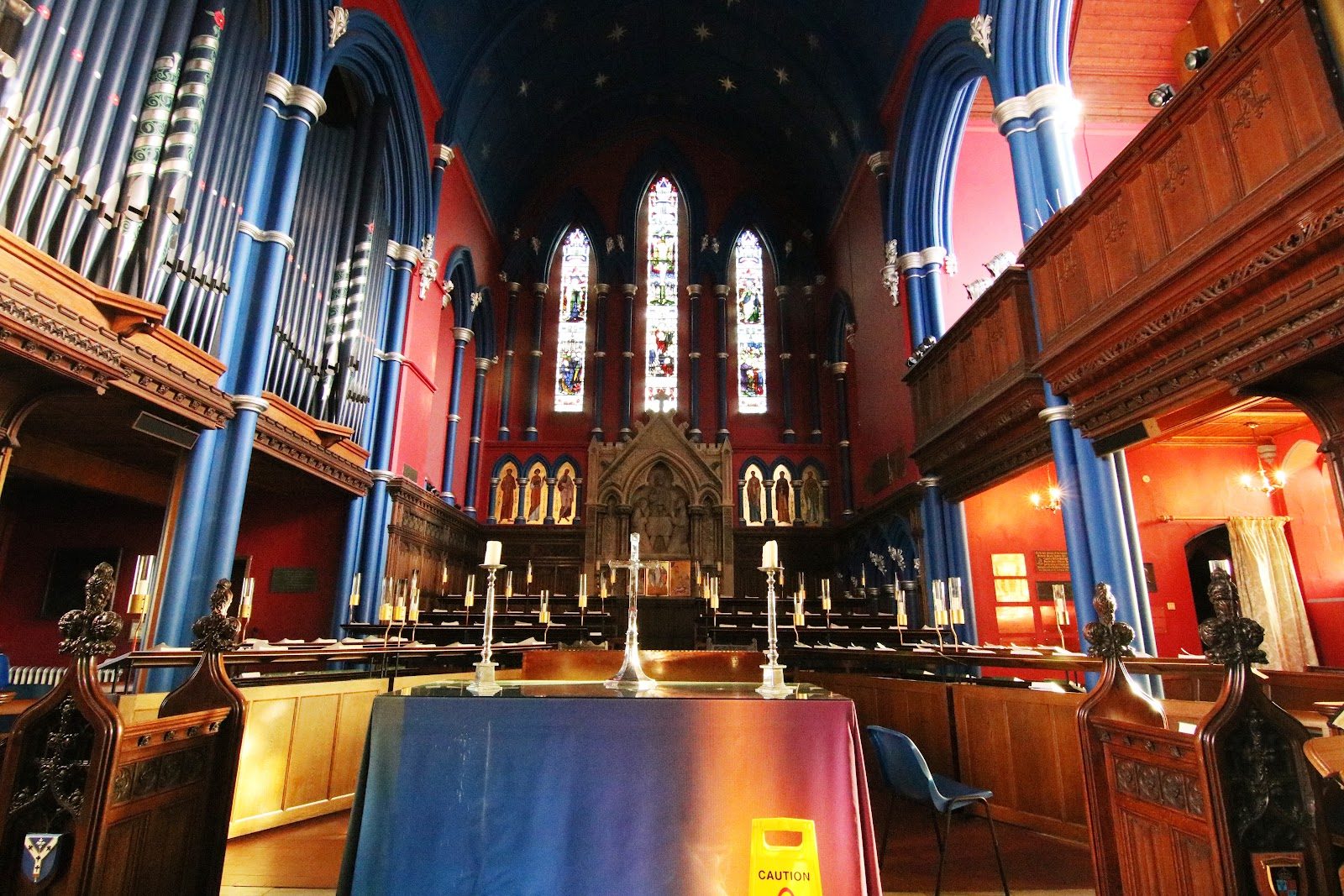
Shrewsbury School
Shrewsbury · United Kingdom
Curled inside a loop of the River Severn, twelve boarding houses keep alive a rowing tradition dating to 1866.
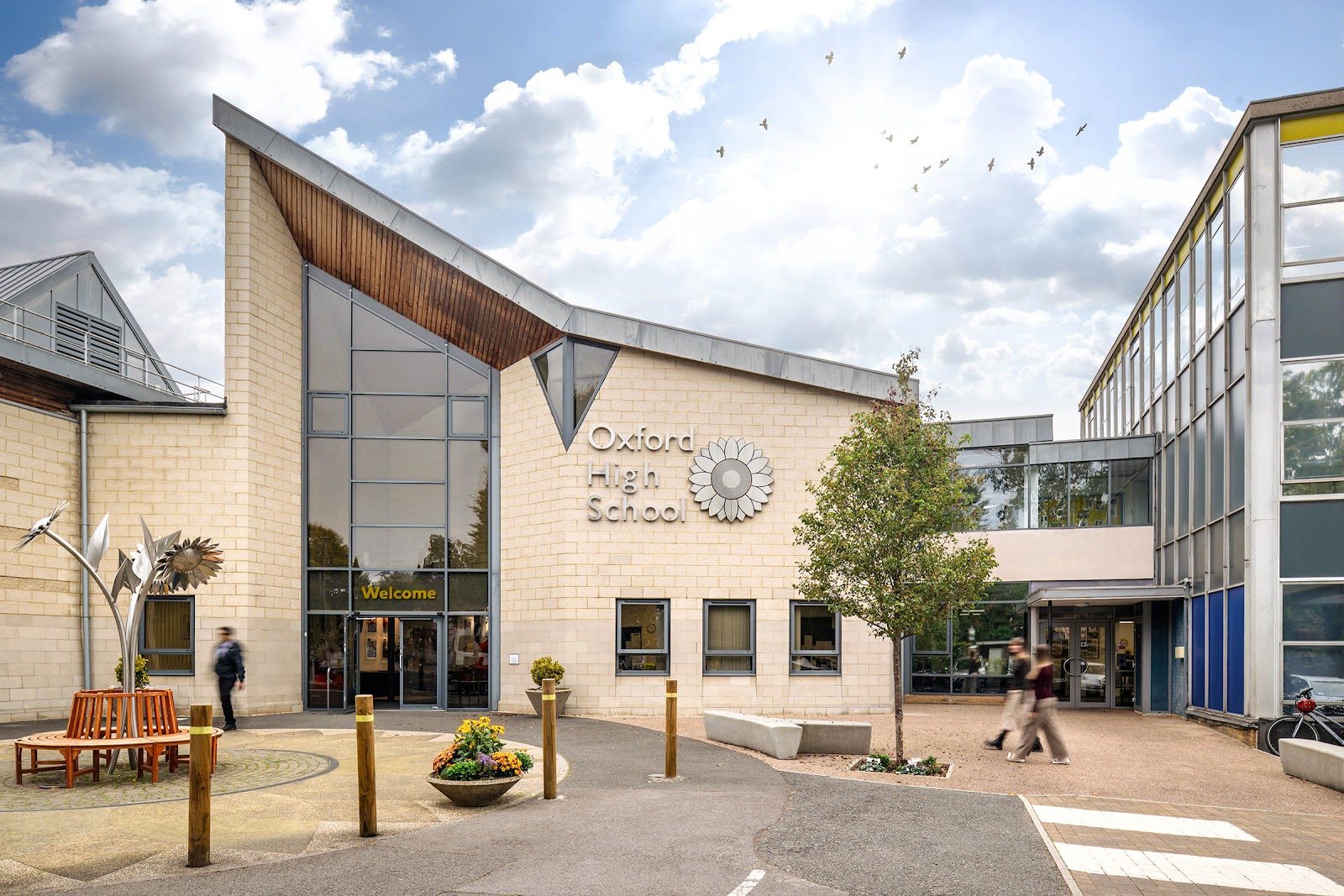
Oxford High School
Oxford · United Kingdom
One of England's earliest girls' day schools, founded in 1875, pairs Oxford scholarship with a culture of fearless inquiry.
Same country and curriculum — closest matches within ±10 points either way