
Tokyo
Tucked in Koto-ku's Kiyosumi-Shirakawa district, a full IB continuum school whose diploma scores have topped Japan's rankings since 2015.
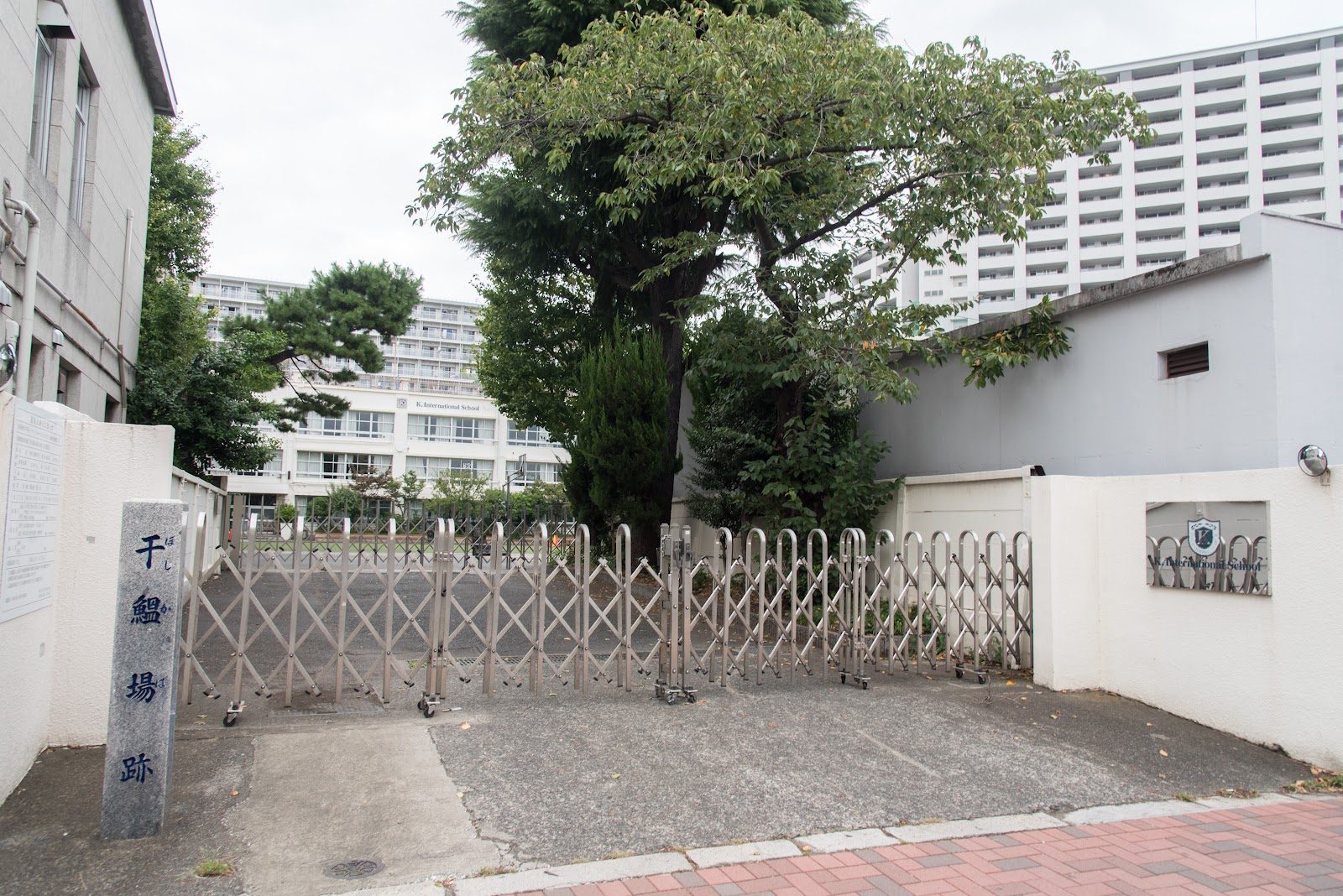
Photo © Masahiko Motono via Google Maps
Type
Day
Ages
3–18
Curriculum
IB
Ratio
—
The Verdict
Editor's commitment
Right for
Families who want a full IB school, CIS accreditation and Tokyo access 30 seconds from the station, with a 42.7 IB average.
Wrong for
Anyone chasing breadth over intensity: KIST is a 600-pupil day school with English only and destinations listed in ones, not battalions.
Watch out for
The average annual fee is JPY 2,946,666; the school shouts its 2025 IB score but publishes thin destination data beyond CUHK, HKUST and NTU.
Ranking breakdown
K. International School Tokyo · # of 1591
Composite score 72.6. 8 weighted criteria.
By criterion
Academic Outcomes
Weight 20%
#66
of 1529 scored
University Placement
Weight 16%
#24
of 1529 scored
Prestige & Heritage
Weight 12%
#1037
of 1571 scored
Alumni Network
Weight 12%
#856
of 1530 scored
Facilities
Weight 12%
#721
of 1534 scored
Transparency & Communications
Weight 8%
#93
of 1532 scored
Peer & Industry Review
Weight 10%
#234
of 1548 scored
Admissions Selectivity & Demand
Weight 8%
#489
of 1529 scored
Score history
K. International School Tokyo · 2026
Movement across 2024–2026. Peer average overlaid.
Overall — 2024–2026
72.6/ 100
▲ +38.3 vs 2025
year on year
Peer & Industry Review
How K. International School Tokyo is regarded in the sector
55
Credible · low confidence
K. International School Tokyo is known within the Tokyo expat community as a small, established IB World School with continuous membership in bodies like the International Baccalaureate Organization and CIS/NEASC-style accreditation networks, and appears occasionally in expat forums (e.g., GaijinPot, InterNations discussions) as a solid option for families in the Minato/Kanto area. However, it lacks the level of coverage seen in Tatler-style rankings or the Good Schools Guide International, and there is minimal specialist press or alumni-network visibility beyond local parent recommendations.
Evidence sources
Editors' overview
The headline fact is the IB score: 42.7 in 2025 against a world average of 30.9. That is not a marginal lead; it puts K. International School Tokyo in the hard-driving academic bracket and explains why it stays on serious parents’ lists in Tokyo. This is a full IB continuum school for ages 3 to 18, founded in 1997, with English as the language of instruction and CIS as well as IB World School accreditation. In a market full of schools that promise global-mindedness in vague terms, KIST offers a cleaner proposition: one curriculum line, delivered all the way through, with diploma outcomes that have topped Japan’s IB tables since 2015.
The school’s appeal rests on precision and consistency rather than scale or grandeur. It sits in Kiyosumi-Shirakawa in Koto-ku, a practical Tokyo location with station access measured by the school in seconds rather than minutes. Wikipedia puts enrolment at over 600 students, which makes KIST substantial enough to offer range without losing the discipline of a smaller operation. The school also claims to have been the first in Tokyo and the Kanto region, and the second in Japan, authorised to offer the three inquiry-based IB programmes for grades 9 and 10; whether or not that matters to every parent, it signals long institutional familiarity with the IB rather than a recent bolt-on. The average annual day fee across the full age range is JPY 2,946,666, which places it in Tokyo’s expensive international bracket, but not at the level where parents are paying for acreage, heritage architecture or lavish excess.
What is special here is the combination of elite academic output and a more grounded urban footprint. KIST pushes extracurricular life hard in its own messaging, citing clubs led by outside specialists, including a musical programme directed by a former Shiki Theatre Company member and a cricket programme led by the Japan national team head coach. That reads less as decorative enrichment and more as an attempt to stop a results-first school from narrowing into an exam factory. University destinations listed here — Chinese University of Hong Kong, Hong Kong University of Science and Technology and Nanyang Technological University — are credible, but thinly disclosed. Parents who want a full destinations map, cohort-wide placement data or a polished account of university strategy will find the published picture too opaque.
KIST suits the student who is bright, organised and comfortable in a school where academic expectations are explicit. It will also suit internationally minded families who want English-medium education, the IB from start to finish, and a secular setting in central Tokyo rather than a sprawling campus on the edge of the city. It is less compelling for families who prioritise broad subject optionality outside the IB framework, heavy published data on leavers, or a softer, more pastorally indulgent atmosphere. Put plainly: this is for children who want intellectual pace, clear structure and peers who take school seriously.
Academic Performance
Academic performance is the school’s strongest card, and the numbers put it in rare air. The latest diploma average sits at 42.7 against a global mean of 30.9, while the school also advertises a world ranking of 4th for that cohort. Rankings can be noisy, but a score at that level is not. It places KIST in the top slice of IB schools anywhere, not just in Japan, and confirms a pattern of sustained academic force rather than a one-off spike. In practical terms, parents can read this as a school that converts able students into very high diploma outcomes with unusual consistency.
The caveat is breadth of published data. The school foregrounds the diploma result but does not publish a fuller public results set across other external examinations on the same level of detail, nor does it offer the kind of cohort-wide breakdown that would let parents test depth as well as headline performance. That matters because top-end averages can conceal as much as they reveal. Even so, the central conclusion holds: KIST sits among Japan’s most exacting academically oriented international schools, and for families choosing on examination strength first, it belongs on the serious shortlist.
Facilities
KIST’s facilities read as urban and efficient rather than expansive. The school leans hard on specialist co-curricular provision, and the clearest clues are the programmes it chooses to highlight: music with input from a former Shiki Theatre Company performer, cricket under the Japan national team head coach, and a school location 30 seconds from the station. That combination tells you a lot. This is not a campus selling acreage, stadium spectacle or country-house grounds. It is a compact city school that uses professional expertise and transport access to widen the student experience. For families who value convenience and serious programming over lawns and grand sports infrastructure, that is a credible trade-off.
Against Tokyo peers, that puts KIST in the bracket of schools where facilities matter less for visual impact than for how tightly they are used. Parents looking for Olympic-scale sports provision, sprawling outdoor space or a long list of headline architectural assets will find the published picture thin. The school does not make a virtue of bricks and mortar, and that restraint is telling. By peer-school standards, the offer looks functional, not lavish: good enough to support a demanding academic day and selected enrichment at a high level, but not the sort of estate that drives choice on its own. In this market, that is a clear limitation for sports-led children and a non-issue for families buying academic performance first.
That reads less as decorative enrichment and more as an attempt to stop a results-first school from narrowing into an exam factory
Prestige
KIST carries real prestige in the circles that matter for international-school parents: university admissions, academic benchmarking and peer comparison among Tokyo’s serious operators. That prestige rests on hard output, not brand theatre. A diploma average of 42.7 and a published world placing of 4th give the school a formidable academic stamp. In Japan, that confers immediate status. Among globally mobile families who know the IB market, it does more than that: it marks KIST as a school that competes above its physical scale. This is not prestige built on a grand campus, old-boy mythology or diplomatic cachet. It is earned prestige, tied to results, discipline and the confidence that able students will be pushed.
That distinction matters. Some schools trade on history, acreage or social networking value; KIST trades on intellectual seriousness. For the right family, that is the higher form of prestige because it travels. A strong diploma score means something in Hong Kong, Singapore, London and North America; a polished local reputation does not. The limit is clear too. Publicly available university destinations are thin, and the school does not disclose the richer leavers’ picture that top-tier families increasingly expect. That weakens the aura at the ultra-luxury end of the market, where prestige also depends on visible placement breadth and institutional sheen. Even so, KIST holds a high-status academic position: selective parents know the name, and they know why.
It places KIST in the top slice of IB schools anywhere, not just in Japan, and confirms a pattern of sustained academic force rather than a one-off spike
Communications
Parent communication looks clean, current and practical. The website is active, with dated news posts and staff-authored blog entries that put named adults in front of families rather than hiding behind institutional blur. That matters. Schools with a strong academic culture need to explain daily life, not just outcomes, and KIST does that through regular updates on classroom activity, school news and programme-level commentary. The site navigation also covers the basics parents use most — news, FAQ, access and employment — which points to a school that treats communication as an operational function, not a decorative extra. The bilingual interface adds another layer of usability for families managing school life across languages.
The limits are just as clear. Communication is stronger on immediacy than on depth. The school publishes headline academic triumphs and lively snapshots of student experience, but the public-facing picture thins out when parents want harder institutional detail: fuller leavers’ data, richer explanation of academic pathways beyond the top-line result, or a more developed account of student support. That leaves KIST persuasive at the front end and less transparent in the fine print. Still, for day-to-day parent confidence, the signals are good: fresh timestamps, visible staff voices, and a site that feels tended rather than neglected. In a city where some school websites drift into dead pages and vague slogans, that counts.
Uniqueness
What sets KIST apart is not novelty for its own sake but single-minded execution. In a city where many international schools split their identity between pastoral warmth, social cachet and academic ambition, KIST keeps the proposition tight: a coherent programme from the early years to graduation, with outcomes that place it in the uppermost academic tier. The school’s own headline claim of 4th in the world matters less than the culture behind it. Schools do not produce that level of result by accident. They do it through pace, expectation and a staff body that knows exactly what kind of student experience it is building. For pupils, that brings intellectual continuity, less drift between phases, and a peer group that treats achievement as normal rather than exceptional.
The other distinctive feature is the contrast between elite output and a grounded, city-school reality. KIST does not trade on grand grounds or institutional pomp; it trades on access, structure and specialist input. The examples the school chooses to foreground — performing arts led by a former Shiki Theatre Company member, cricket under a national head coach, and a station walk measured at 30 seconds — point to a school that uses outside expertise with hard-headed efficiency. Students get a more adult rhythm than on insulated suburban campuses: fast commutes, dense timetables, serious expectations and enrichment with real professional contact. For the right child, that combination is unusually effective: high standards without the theatre of luxury.
That matters because top-end averages can conceal as much as they reveal
Student Profile
The pupils who fit best here are self-propelled, high-tolerance for pressure and comfortable in a peer group where strong attainment is normal. This is not the school for a child who needs constant coaxing, loose structure or a forgiving academic tempo. It suits students who like clear expectations, can organise themselves, and do not crumble when surrounded by other able children. The social mix also matters: with over 600 students drawn from many nationalities, KIST offers an international environment without the sprawl or anonymity of a much larger campus. That will suit children who want diversity and seriousness in the same room, not a soft-focus version of either.
There is also a good fit for pupils whose interests extend beyond the classroom but who still want a results-driven culture. The school makes a point of bringing in outside specialists for clubs and enrichment, which tells you something about the student experience: busy, structured and geared towards purposeful activity rather than idle campus life. Children who enjoy that rhythm — lessons, clubs, movement, momentum — will thrive. Children who want vast space, a laid-back social scene or an overtly pastorally cushioned atmosphere will not. KIST works best for ambitious, resilient students and for families who value intellectual discipline over gloss.
Publicly available university destinations are thin, and the school does not disclose the richer leavers’ picture that top-tier families increasingly expect
Co-curricular strengths
Arts & sport, on a separate axis
Overall 7.7/10
Scored 0-10 from the school's own published evidence. This axis is editorial-only — it does not feed the main WTS ranking.
Sports
7.5/10
Basketball, Soccer, Volleyball, Tennis and Swimming, and additionally cites cricket led by the Japan national team head coach, which indicates structured sports provision with specialist coaching.
Drama
7.5/10
Drama Club appears explicitly in the extracurriculars list.
Dance
8/10
Music
7.5/10
Choir and specifically mentions a Musical Club led by a former Shiki Theatre Company member, showing named music-related provision with specialist leadership.
Visual Arts
8/10
Editor first-pass · editor-reviewable · 7/27/2026
Outcomes & destinations
Where students go next
Top destinations
71 placements
- Chinese University of Hong Kong· 1
- Hong Kong University of Science and Technology· 1
- Nanyang Technological University· 1
- National University of Singapore· 1
- Singapore Management University· 1
- University of Hong Kong· 1
- Weill Cornell Medical College Qatar· 1
- Yonsei University· 1
- James Cook University· 1
- University of Melbourne· 1
- Simon Fraser University· 1
- University of British Columbia· 1
- University of Calgary· 1
- University of Toronto· 1
- University of Victoria· 1
- University of Waterloo· 1
- Western University· 1
- Audencia Business School· 1
- KU Leuven· 1
- Leiden University· 1
- Trinity College Dublin (Medicine)· 1
- University of Amsterdam· 1
- Utrecht University· 1
- Vrije Universiteit Amsterdam· 1
- Hokkaido University· 1
- International Christian University· 1
- Juntendo University (Medicine)· 1
- Keio University, Mita Campus· 1
- Kyoto University of Advanced Science· 1
- Sophia University· 1
- Temple University, Japan Campus· 1
- Tokyo Medical and Dental University (Medicine)· 1
- University of Tokyo· 1
- University of Tsukuba· 1
- Waseda University· 1
- Imperial College London· 1
- London School of Economics and Political Science· 1
- University of the Arts London· 1
- University College London· 1
- University of Bath· 1
- University of Cambridge· 1
- University of Edinburgh· 1
- University of Exeter· 1
- University of Manchester· 1
- University of Manchester (Medicine)· 1
- University of Nottingham· 1
- University of Nottingham (Medicine)· 1
- University of Oxford· 1
- University of Warwick· 1
- Arizona State University· 1
- Brown University· 1
- Carnegie Mellon University· 1
- Chapman University· 1
- Emory University· 1
- Georgia Institute of Technology· 1
- Grinnell College· 1
- Johns Hopkins University· 1
- Northeastern University· 1
- Oregon State University· 1
- Purdue University· 1
- Rochester Institute of Technology· 1
- Stanford University· 1
- University of California, Los Angeles· 1
- University of California, San Diego· 1
- University of California, Santa Cruz· 1
- University of Florida· 1
- University of Illinois, Urbana-Champaign· 1
- University of Maryland, College Park· 1
- University of Michigan, Ann Arbor· 1
- University of Southern California· 1
- University of Washington· 1
Reported by the school. Confirm with admissions.
WTS 300 badge
2026/27 editionK. International School Tokyo is one of the World's Top 300 Schools for 2026/27. Claim your listing to add it to your site →
Strengths
- +The school's Class of 2026 average IB Diploma Score was 42.7 out of 45, against a world average of 30.9, and IGCSE/DP results have consistently placed KIST among the top-scoring IB schools globally.
- +KIST has attained the top IB DP average score in Japan since 2015, and has been ranked among the highest performing DP schools in the world by IB-Schools.com.
- +KIST was the first school in Tokyo and the second school in Japan fully authorized to offer the full IB continuum: PYP, MYP and DP, and the school is accredited by the Council of International Schools.
- +Compared with schools like ASIJ and the British School in Tokyo, which have annual fees exceeding JPY 3 to 4 million, KIST's cost relative to its IB results is competitive within Tokyo's international-school market.
- +The Koto-ku campus sits close to public transport, with the school itself describing its location as minutes from central Tokyo, making a day-school commute realistic for families across the city.
Considerations
- −Discipline is significantly stricter than at comparable international schools, with mandatory blazers and strict enforcement of correct uniform wear, plus bans on hair dyeing and piercings.
- −A parent reviewer described the school as offering limited value beyond academics, noting there are no facilities for sports, drama or any activities other than studying, despite fees comparable to peer schools.
- −KIST is not eligible to receive funding from the Japanese government and relies almost entirely on annual school fees to cover operating expenses, and families must budget separately for items such as personal laptops, uniforms, and bus fees.
- −Entry is increasingly competitive: the admissions process is often described as wanting to get in but not being able to, with difficulty increasing year by year, and English support (LEAP) is generally not available to students joining from Grade 8 onwards.
Availability
Primary entry gate & tests
Academic Record
Gallery
Photo © 運転太郎 via Google Maps
Photo © Nathan Gildart via Google Maps
Photo © Nathan Gildart via Google Maps
Photo © MARC PARIS via Google Maps
Photo © 山口勝志(ぐっさん) via Google Maps
Photo © 최재훈 via Google Maps
Photo © Sula W via Google Maps
Photo © K. International School Tokyo via Google Maps
Photo © K. International School Tokyo via Google Maps
Parent reviews
Have you sent your child here?
Voice reviews carry the strongest trust badge — we transcribe them for you to tidy up before they go live. Prefer to type? A written review is fine too.
Add your voice
In 60 seconds, tell other parents: what's the best thing about K. International School Tokyo, and what surprised you when your child joined?
We ask for a Google sign-in so every review has a real face behind it — no anonymous drive-by attacks on schools, and no faked positive reviews. Your email is never shown publicly.
Send this profile to a friend
International parents rely on word-of-mouth. Share this review with someone weighing the same decision.
Schools with places
Similar schools to K. International School Tokyo with places available now.
Kaisei Academy
Tokyo · Japan
- 2026-27
- CLOSEDStandard route
- 2027-28
- OPENS SOONOpens Late '26
Seisen International School
Tokyo · Japan
- 2026-27
- WAITPOOLSpace-dependent
- 2027-28
- PLACES OPENRolling
Aoba-Japan International School
Tokyo · Japan
- 2026-27
- WAITPOOLSpace-dependent
- 2027-28
- PLACES OPENRolling
Availability first, then country, area, curriculum, price, co-curricular
Consider also
Also worth looking at alongside K. International School Tokyo.
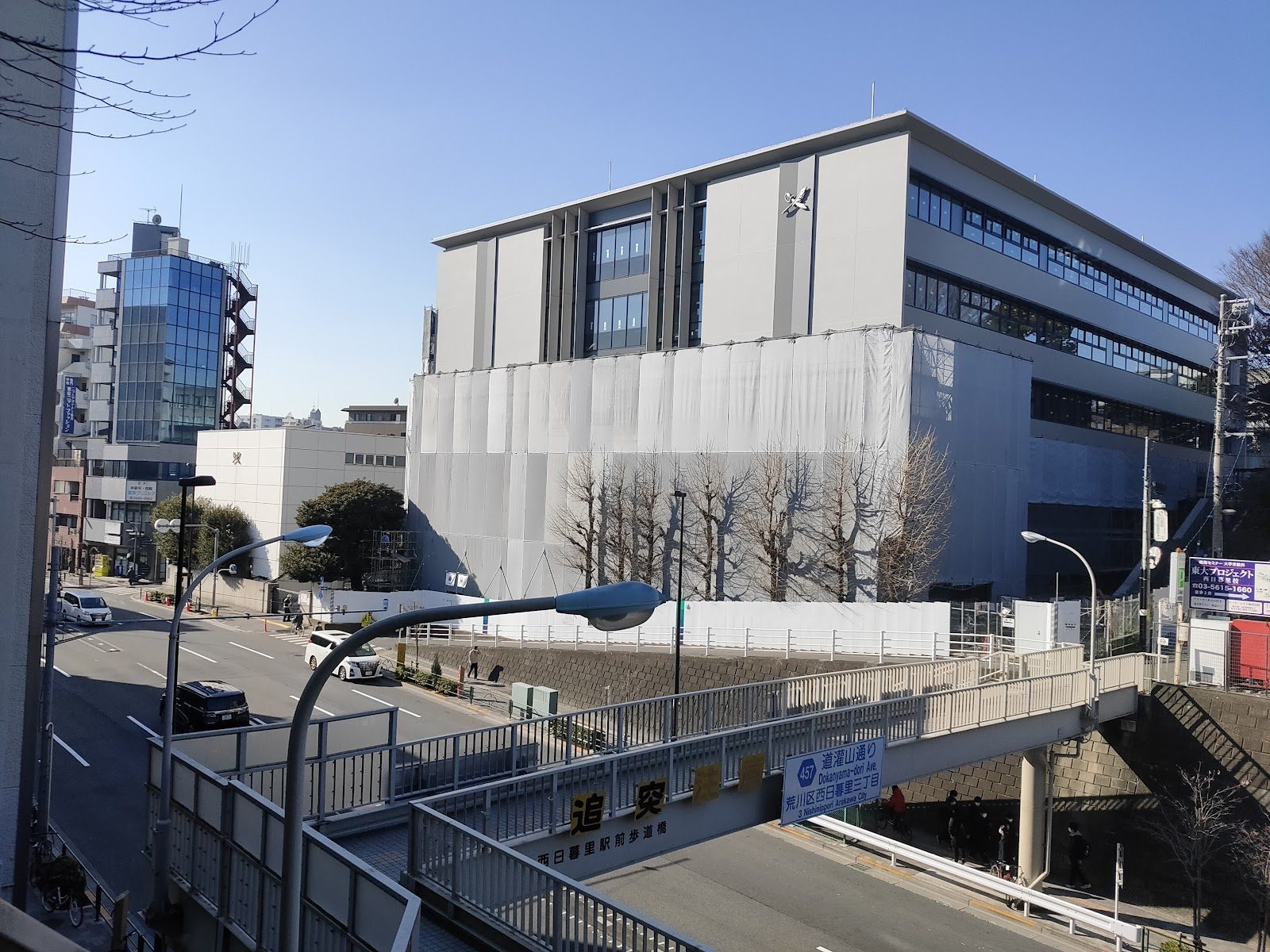
Kaisei Academy
Tokyo · Japan
An 1871 all-boys day school in one of Tokyo's densest wards, a perennial University of Tokyo feeder now adding IB and AP tracks abroad.
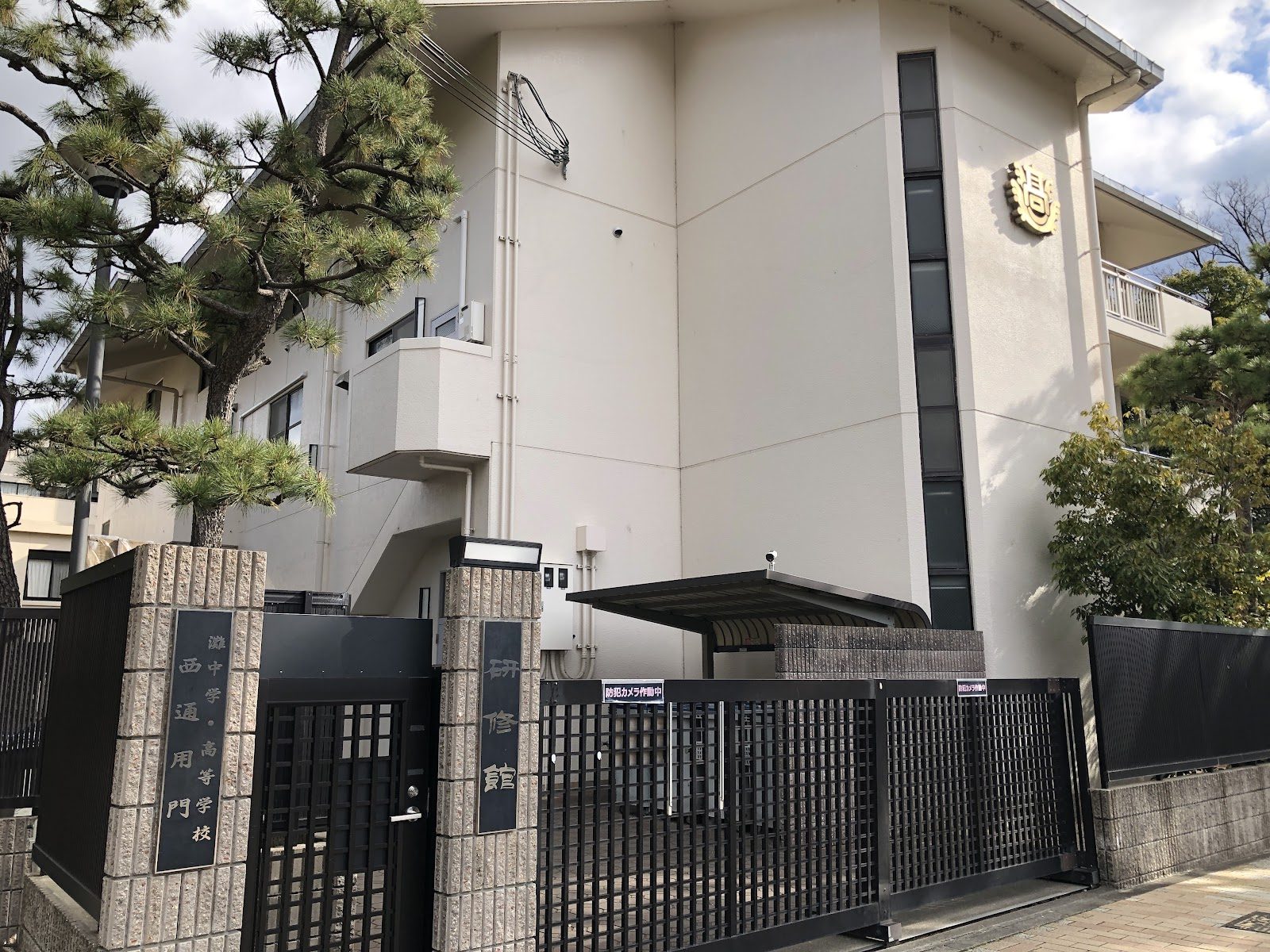
Nada High School
Kobe · Japan
Founded by Kobe sake brewers with judo's creator as an advisor, this uniform-free campus channels students straight into Tokyo and Kyoto University.
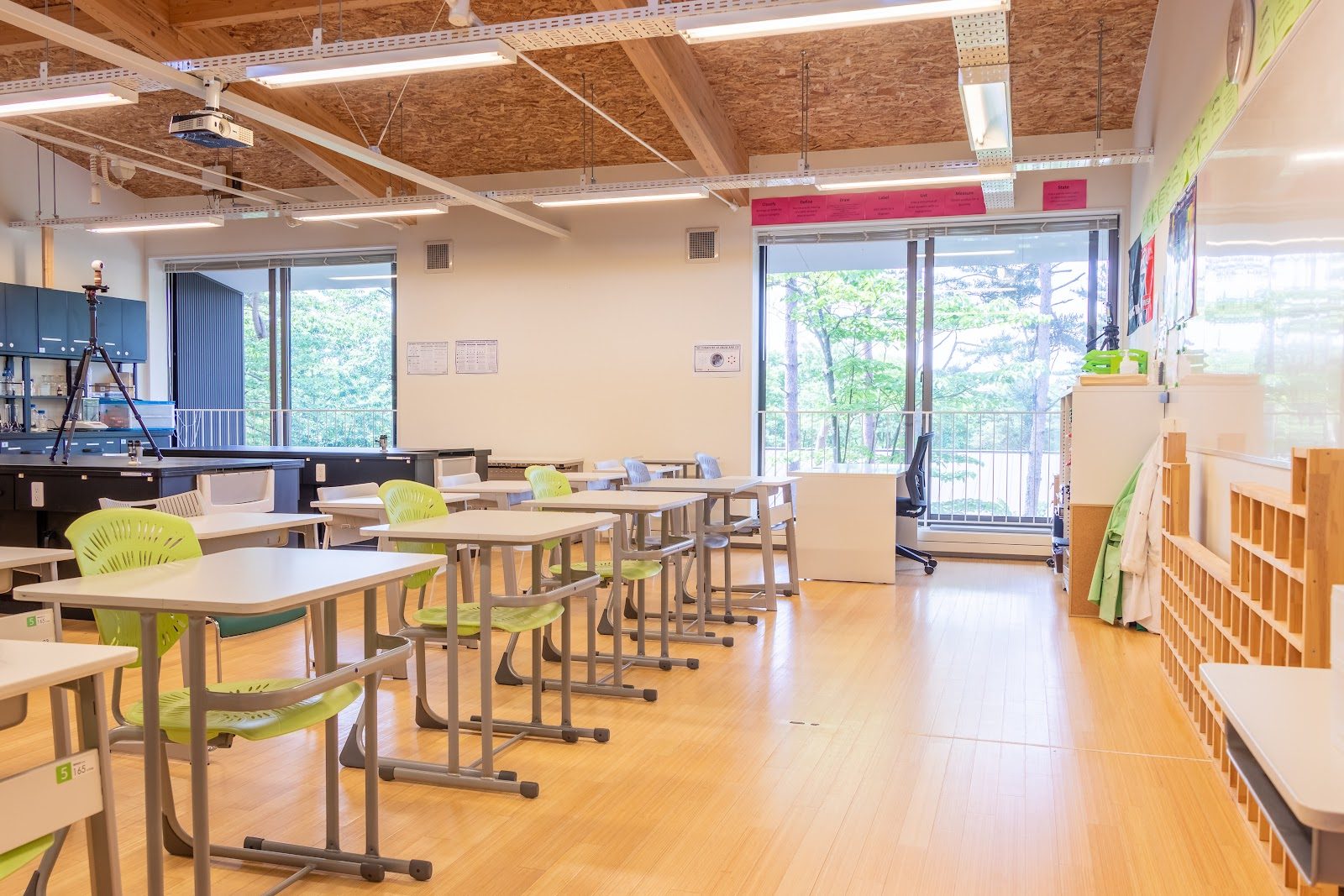
UWC ISAK Japan
Karuizawa · Japan
Japan's only UWC campus, tucked on Mount Asama, where seven in ten students study on need-based scholarship.
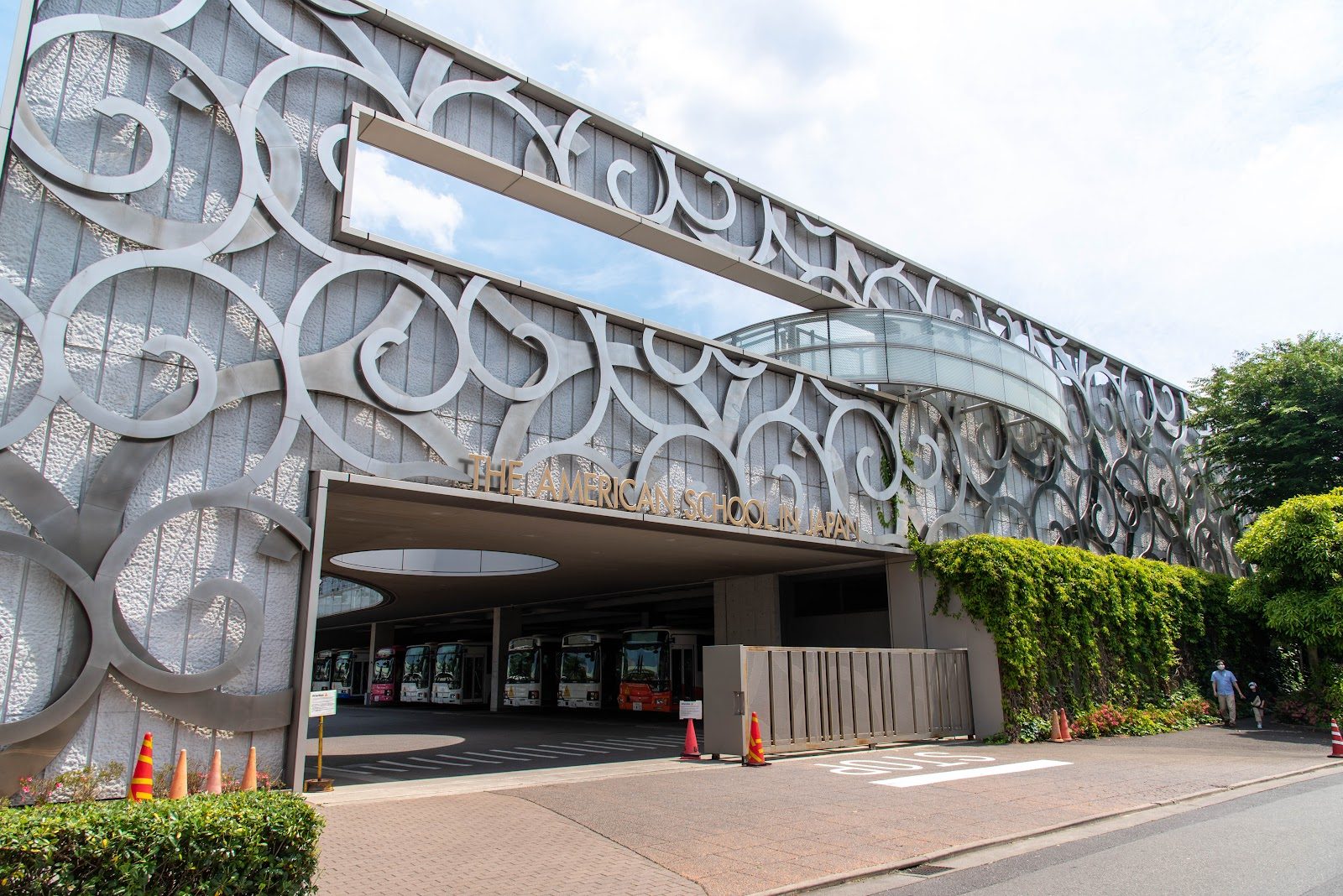
The American School in Japan
Tokyo · Japan
Rooted in Chofu since 1902, its early campus plans once drew sketches from Frank Lloyd Wright himself.
Same country and curriculum — closest matches within ±10 points either way