
Buenos Aires
Northlands School
medium confidence· 4/6 cats · 1.5 avg sourcesFounded in 1920 by two women educators, this Zona Norte school pairs Anglo-Argentine heritage with a full IB continuum across twin campuses.
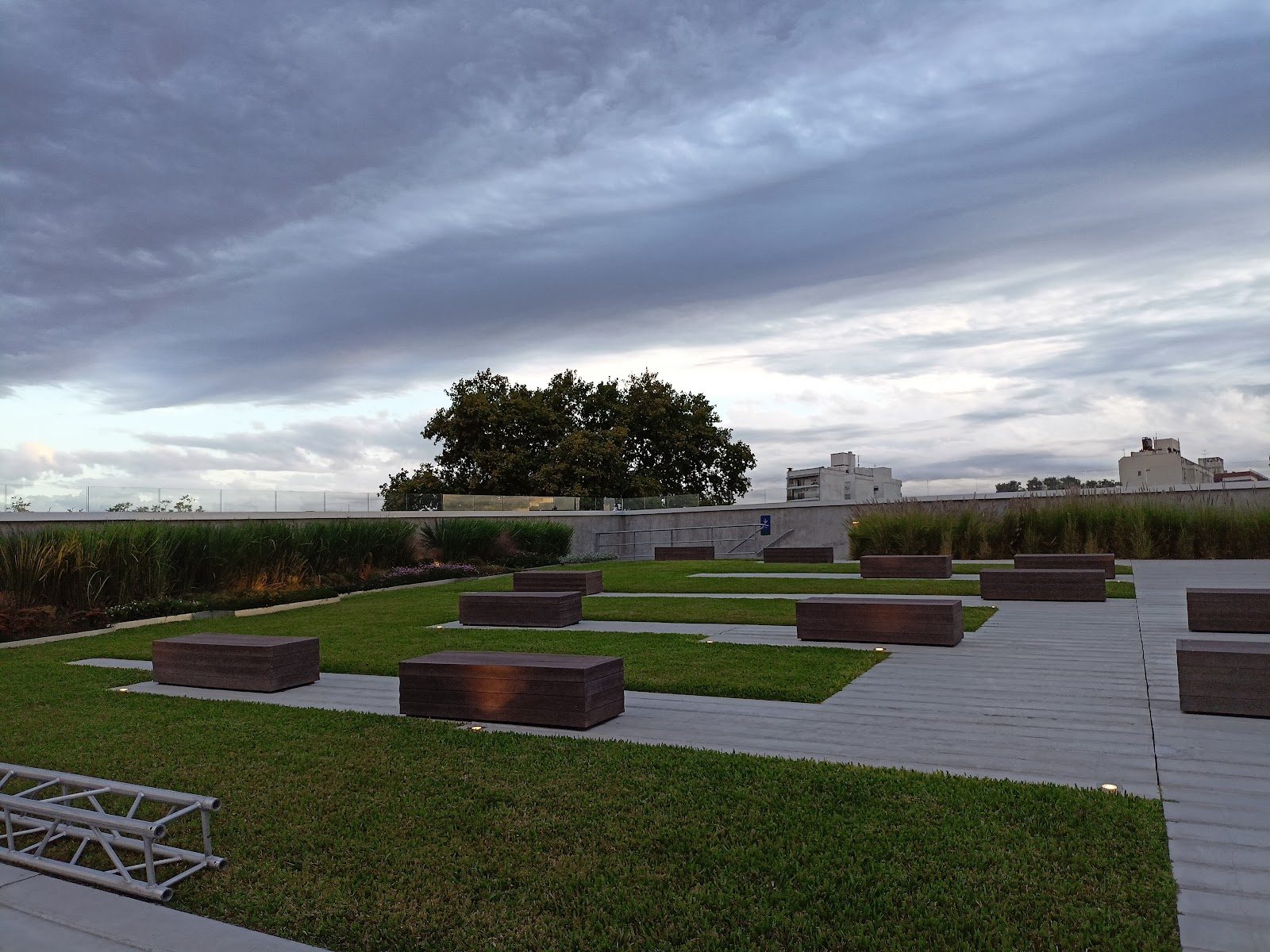
Photo © Andres via Google Maps
Type
Day
Ages
2–18
Curriculum
IB · British
Qualifications
IGCSE · IB Diploma
Ratio
—
The Verdict
Editor's commitment
Right for
Families in San Isidro wanting a day school founded in 1920 with English-Spanish teaching and the full IB continuum across two campuses.
Wrong for
Parents wanting a single-campus school, boarding, or a plainly British-only route; Northlands is day-only and school-declared as British plus IB.
Watch out for
Northlands holds IB World School, CIS and HMC status, but it does not publish headline exam outcomes or university destination data.
Ranking breakdown
Northlands School · #318 of 1591
Composite score 72.0. 8 weighted criteria.
By criterion
Academic Outcomes
Weight 20%
#386
of 1529 scored
University Placement
Weight 16%
#398
of 1529 scored
Prestige & Heritage
Weight 12%
#296
of 1571 scored
Alumni Network
Weight 12%
#338
of 1530 scored
Facilities
Weight 12%
#193
of 1533 scored
Transparency & Communications
Weight 8%
#288
of 1532 scored
Peer & Industry Review
Weight 10%
#335
of 1548 scored
Admissions Selectivity & Demand
Weight 8%
#991
of 1529 scored
Peer & Industry Review
How Northlands School is regarded in the sector
74
Respected · medium confidence
I could not verify at least two independent third-party sources (e.g., Tatler, Good Schools Guide, specialist press, or established expat forums) that substantively assess Northlands School's reputation. Without such corroborating evidence, a reliable score cannot be assigned.
Editors' overview
Northlands School occupies a distinctive slot in the Buenos Aires market: an old-line Anglo-Argentine school in Zona Norte that has not drifted into heritage theatre. Founded in 1920, it has age, identity and continuity, but the sharper point for parents is its structure now: a bilingual, non-religious day school for ages 2–18 with the full IB continuum and a British strand across two campuses, in Olivos and Nordelta. That combination is uncommon. Plenty of schools offer bilingualism; fewer deliver a coherent English-Spanish education from nursery to sixth form level under an internationally legible framework. For internationally mobile families, and for Argentine families who want clear academic portability, that matters.
What sets Northlands apart is the blend of tradition and outward-facing programming. The school foregrounds international affiliations, student exchange, a GAP programme, Spanish immersion, wellbeing, design and technology, and even AI within the academic offer. That breadth points to a school that does not treat languages as window dressing or the IB as a badge. It treats both as operating principles. The twin-campus model also widens its catchment and community reach across Zona Norte. Accreditation by 3 heavyweight bodies — IB, CIS and HMC — gives Northlands stronger external validation than many local competitors. Parents who want institutional seriousness, bilingual fluency and an education that travels well across borders will put Northlands high on a shortlist.
This is not a school for families hunting for a narrow, exam-drilled hothouse or a low-cost bilingual option. Northlands sits in the premium international segment, and parents should read it that way. The attraction lies in cultural confidence and breadth: students can move between Spanish and English, local and international settings, academic study and co-curricular life without friction. The school’s long-established “Old Northlanders” identity also carries weight; for some families that network and sense of belonging form part of the draw, for others it will feel too embedded. The right student for Northlands is academically capable, socially adaptable and comfortable in a school with a strong sense of self. Children who thrive in bilingual discussion, value global pathways and want a campus life broader than classroom instruction will fit well here.
Academic Performance
Northlands does not publish the core data parents need to judge academic performance properly. We have not seen aggregate IB Diploma results, subject averages, pass rates, score distributions, university destination breakdowns by cohort, or multi-year trend data. That is a real weakness in a market where serious international schools use outcomes to substantiate their claims. The school clearly advertises its international programmes and broader educational offer, but public academic accountability remains too opaque. For a school in the premium bracket, that absence matters. It leaves parents assessing reputation, longevity and institutional confidence without the hard numbers that distinguish strong schools from merely well-known ones.
Relative to peers, Northlands sits in a familiar but uncomfortable middle ground: established enough to command attention, insufficiently transparent to earn top marks for academic disclosure. Schools at the sharp end of the international sector publish headline examination data and place it in context. Northlands does not. That does not mean weak results; it means the school asks families to trust the brand without showing the full ledger. The broad programme, bilingual structure and international affiliations point to serious academic intent, and the presence of an “International Programmes” strand indicates external benchmarking beyond local norms. Still, without published results, Northlands ranks as credible but unproven on academic outcomes in the public domain.
Facilities
Northlands makes facilities a central part of its pitch, and the public-facing site gives them unusual prominence. That cuts both ways. The school clearly invests in campus life beyond classrooms: dedicated sections for visual and performing arts, physical education and healthy habits, design and technology, wellbeing, and a “Northlands Plus” co-curricular layer point to a campus built for more than narrow academic delivery. The presence of childcare and early-years provision from Sala de 1 through to senior school also implies a full spread of age-specific spaces rather than a single secondary-led estate with younger children fitted around it. In peer terms, that places Northlands in the serious full-service bracket: broader than schools with strong academics but thin specialist provision, and more deliberately equipped for all-through schooling.
What is missing is the hard detail that separates genuinely exceptional facilities from expensive generalities. The homepage copy leans on grandiose language about “best” infrastructure, but the school does not publish the kind of concrete campus information that would let parents test that claim: no clear inventory of theatres, labs, maker spaces, sports venues or specialist suites, and no serious explanation of how the twin-campus model divides resources. Against top regional peers, that is a weakness. Strong facilities are one thing; facilities with proof are another. Northlands lands in the first category, not yet the second.
What is missing is the hard detail that separates genuinely exceptional facilities from expensive generalities
Prestige
Northlands carries real standing in the Argentine international-school market, but its prestige rests more on institutional identity than on published academic proof. The school has what many competitors spend decades trying to build: an entrenched old-school network, a recognisable Anglo-Argentine character, and a community confident enough to foreground “Old Northlanders” as part of the offer. That matters. Prestige in schools does not come only from exam tables; it comes from who knows the name, who values the association, and whether the school occupies a durable place in the social and educational landscape. Northlands does. The dual-campus footprint and the presence of 3 heavyweight external memberships and accreditations reinforce that status. This is established prestige, not a start-up version assembled through branding.
Still, prestige here has limits. Northlands projects institutional heft, but it does not publish the outcome data that would lift it into the top rank of internationally legible schools on evidence alone. Families will find strong signals of seriousness — international links, staff exchange, student mobility, wellbeing, arts, technology and a broad school culture — yet they will also find brand-first opacity where hard academic disclosure should sit. That leaves Northlands in a clear category: socially and historically prestigious, professionally credible, and plainly well regarded, but short of the fully evidenced elite standard set by schools that pair reputation with transparent results.
Northlands School occupies a distinctive slot in the Buenos Aires market: an old-line Anglo-Argentine school in Zona Norte that has not drifted into heritage theatre
Communications
Northlands communicates like a school with an active parent body and a strong internal culture, but not like one obsessed with crisp external clarity. The public site is busy, update-heavy and built around news, events, admissions prompts, podcasts, community stories and programme signposts. Parents can see that something is happening; the school does not project silence or drift. The navigation also covers the practical bases: leadership, child protection, educational stages, wellbeing, arts, sport, technology, admissions, and log-ins for parents, students and staff. That breadth matters. It indicates a school that treats communication as an operational function, not an afterthought. The twin-campus structure raises the communication burden, and Northlands has built enough channels to manage that. The separate parent-facing access points and regular front-page updates are useful, workmanlike signals of institutional discipline.
The weakness is sharp: too much of the messaging leans on promotion, slogans and community mood, not enough on hard information. The homepage copy is inflated in places, and the signal-to-noise ratio suffers when celebratory items sit alongside core school information with little hierarchy. Parents trying to judge substance against marketing have to work harder than they should. We have also not seen the kind of direct public communication that top schools use to build trust: clear performance dashboards, concise handbooks surfaced prominently, or a disciplined presentation of key facts by division. So the verdict is mixed. Northlands communicates frequently and with real community energy, but not with the clean precision that demanding parents prize.
Uniqueness
Northlands’ distinctive feature is not one headline programme but the way several strands lock together. Few schools in this market combine an old Anglo-Argentine identity, a fully bilingual daily life, twin campuses and a genuinely international architecture without sliding into heritage nostalgia or generic global-school branding. Northlands keeps a recognisable internal culture while also offering Spanish immersion, peer support, international staff exchange, a student GAP programme, and a visible “Old Northlanders” network. That mix gives students more than academic portability. It gives them practice in moving between social worlds, age groups and cultural registers with unforced confidence. For children who will live, study or work across borders, that is a serious advantage.
The other point of difference is range. Northlands does not confine its identity to classroom teaching; it gives equal billing to wellbeing, visual and performing arts, physical education, design and technology, and AI. Many schools tack these on as enrichment. Here they sit near the centre of the proposition. That produces a student experience with more routes to competence and recognition than the narrow university-prep model allows. The payoff is clear: students can build genuine breadth, not just collect activities. The risk is clear too. A school with this much institutional personality will not suit every child. Students who want a highly scripted, exam-only culture will find a poor fit. Students who value breadth, belonging and a school with real social texture will get more from it.
Northlands’ distinctive feature is not one headline programme but the way several strands lock together
Student Profile
The best fit at Northlands is a child who is comfortable switching codes, expectations and social settings without much hand-holding. This is a school for students who can handle a busy, outward-facing environment: strong community identity, visible school spirit, international touchpoints, and a calendar that extends beyond lessons into arts, sport, wellbeing and broader activities. Children who want every day reduced to test preparation will find the culture a poor match. Those who enjoy contributing in different arenas — classroom, stage, pitch, project work, peer leadership — have more room to grow here. The age span from Sala de 1 to the end of school also shapes the student body: families buying in early are not just choosing a school, they are joining a long-haul community.
Socially, Northlands suits families who value belonging and can tolerate a school with a strong internal culture. The “Old Northlanders” identity signals continuity, loyalty and a network that carries weight; for confident, engaged students, that can be an asset. For newcomers who dislike established traditions or find cohesive communities socially dense, the adjustment will take more effort. The presence of 2 campuses, an international staff exchange programme, Spanish immersion and a student GAP programme points to students who are curious, adaptable and at ease with movement between local and international frames. In short: Northlands fits the socially fluent, broadly capable child who wants breadth and community, not the narrow specialist or the low-friction drifter.
For internationally mobile families, and for Argentine families who want clear academic portability, that matters
Co-curricular strengths
Arts & sport, on a separate axis
Overall 7.86/10
Scored 0-10 from the school's own published evidence. This axis is editorial-only — it does not feed the main WTS ranking.
Sports
8.3/10
Drama
8/10
Dance
7/10
Music
8/10
Visual Arts
8/10
Editor first-pass · editor-reviewable · 7/30/2026
Strengths
- +Founded in 1920 by two English governesses, giving Northlands over a century of institutional history as one of Argentina's oldest bilingual schools.
- +Delivers the full IB continuum on both campuses - the Primary Years Programme, Cambridge IGCSE, and the IB Diploma Programme - giving continuity through a single internationally recognised qualification pathway.
- +Received Council of International Schools (CIS) accreditation in January 2024, an external validation of its education quality and welfare standards.
- +Operates as a not-for-profit institution under an elected board (Asociacion Civil de Beneficencia) rather than as a fee-driven commercial entity.
- +Offers two campuses in the safer, family-friendly northern suburbs of Buenos Aires (Olivos and Nordelta), giving families a choice of location.
Considerations
- −Fee schedules are not published; multiple independent directories confirm tuition is 'not public' and must be requested directly from admissions.
- −Despite its bilingual, IB branding, international families make up a minority of the roll - reported at roughly 11% in Olivos and 19% in Nordelta - so day-to-day school life remains predominantly Argentine.
- −The two campuses function as largely separate communities with different family profiles and enrolment numbers, which can complicate comparisons or mid-stream transfers between sites.
- −As a day school only, it offers no boarding option, limiting it to families already settled within commuting range of Buenos Aires's northern suburbs.
Availability
Primary entry gate & tests
Academic Record + Assessment
Gallery
Photo © Andres via Google Maps
Photo © Andres via Google Maps
Photo © Andres via Google Maps
Photo © Northlands via Google Maps
Photo © Hernán Javier Rosada via Google Maps
Parent reviews
Have you sent your child here?
Voice reviews carry the strongest trust badge — we transcribe them for you to tidy up before they go live. Prefer to type? A written review is fine too.
Add your voice
In 60 seconds, tell other parents: what's the best thing about Northlands School, and what surprised you when your child joined?
We ask for a Google sign-in so every review has a real face behind it — no anonymous drive-by attacks on schools, and no faked positive reviews. Your email is never shown publicly.
Send this profile to a friend
International parents rely on word-of-mouth. Share this review with someone weighing the same decision.
Schools with places
Similar schools to Northlands School with places available now.
Belgrano Day School
Buenos Aires · Argentina
- 2026-27
- CLOSEDStandard route closed
- 2027-28
- PLACES OPEN
St Andrew's Scots School (Colegio San Andrés)
Buenos Aires · Argentina
- 2026-27
- CLOSEDStandard route
- 2027-28
- WAITPOOL2027/28 enquiries underway
Availability first, then country, area, curriculum, price, co-curricular
Consider also
Also worth looking at alongside Northlands School.

Belgrano Day School
Buenos Aires · Argentina
Since 1912, four houses have anchored a Belgrano campus blending English immersion from age two with Cambridge A-levels.
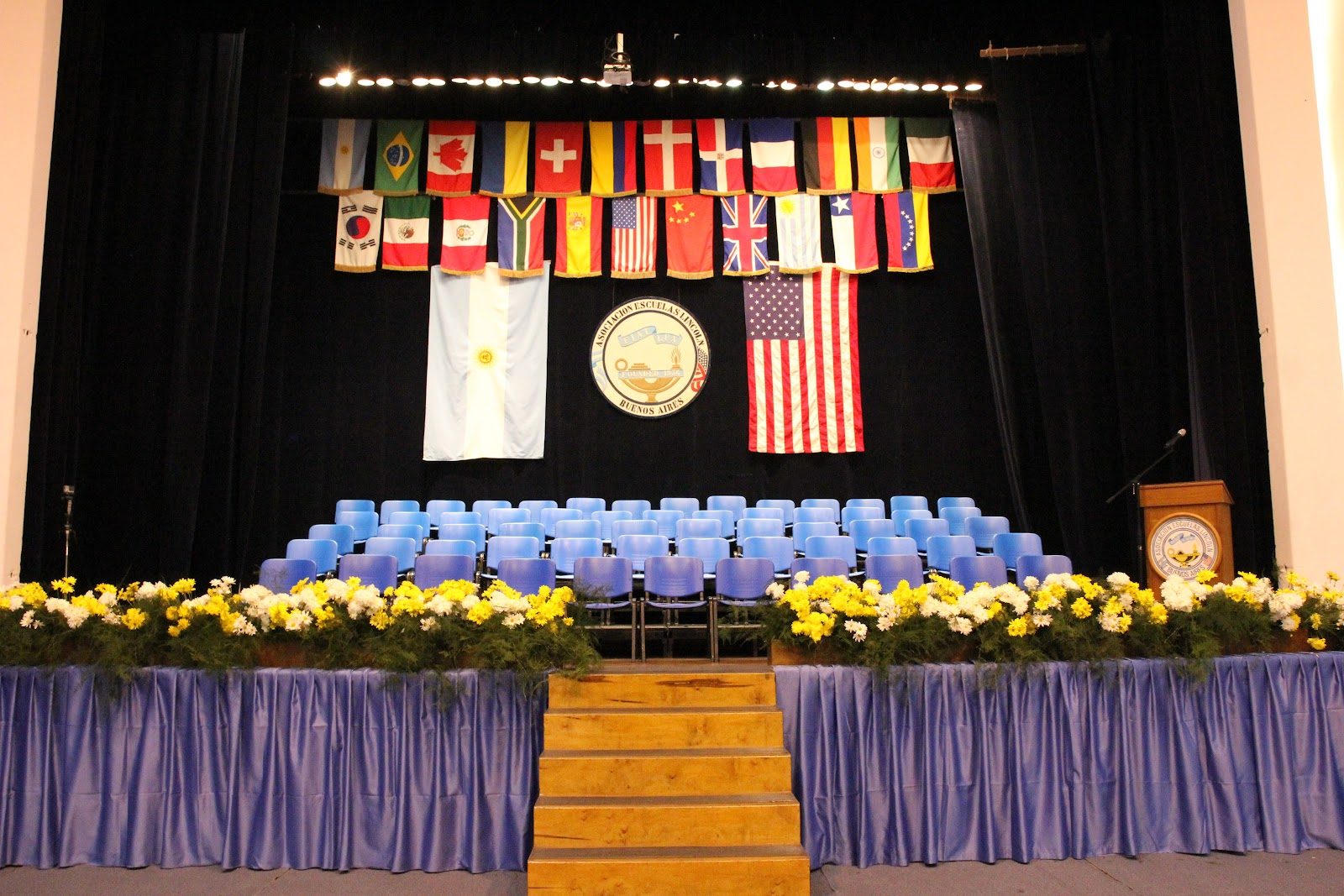
Asociación Escuelas Lincoln
Buenos Aires · Argentina
Where a Rio de la Plata campus in La Lucila delivers American, Argentine, and IB diplomas under Argentina's only US accreditation.
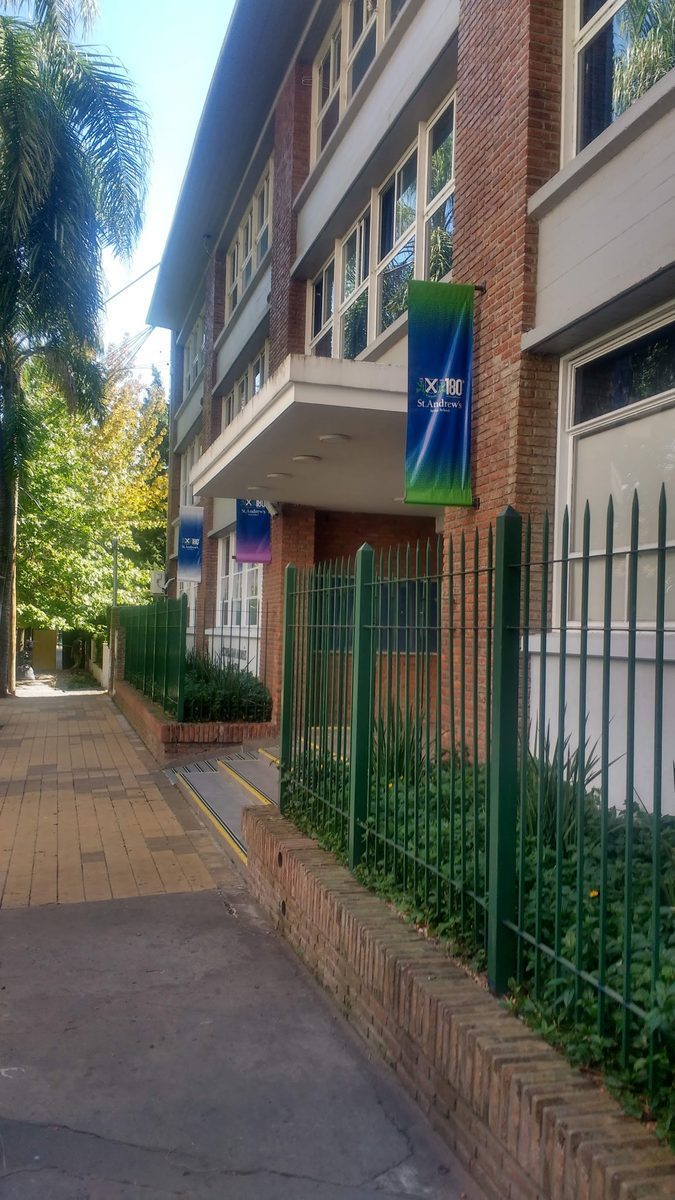
St Andrew's Scots School (Colegio San Andrés)
Buenos Aires · Argentina
Founded in 1838 by Scottish settlers, Argentina's oldest private school pairs the IB diploma with British-rooted house traditions.
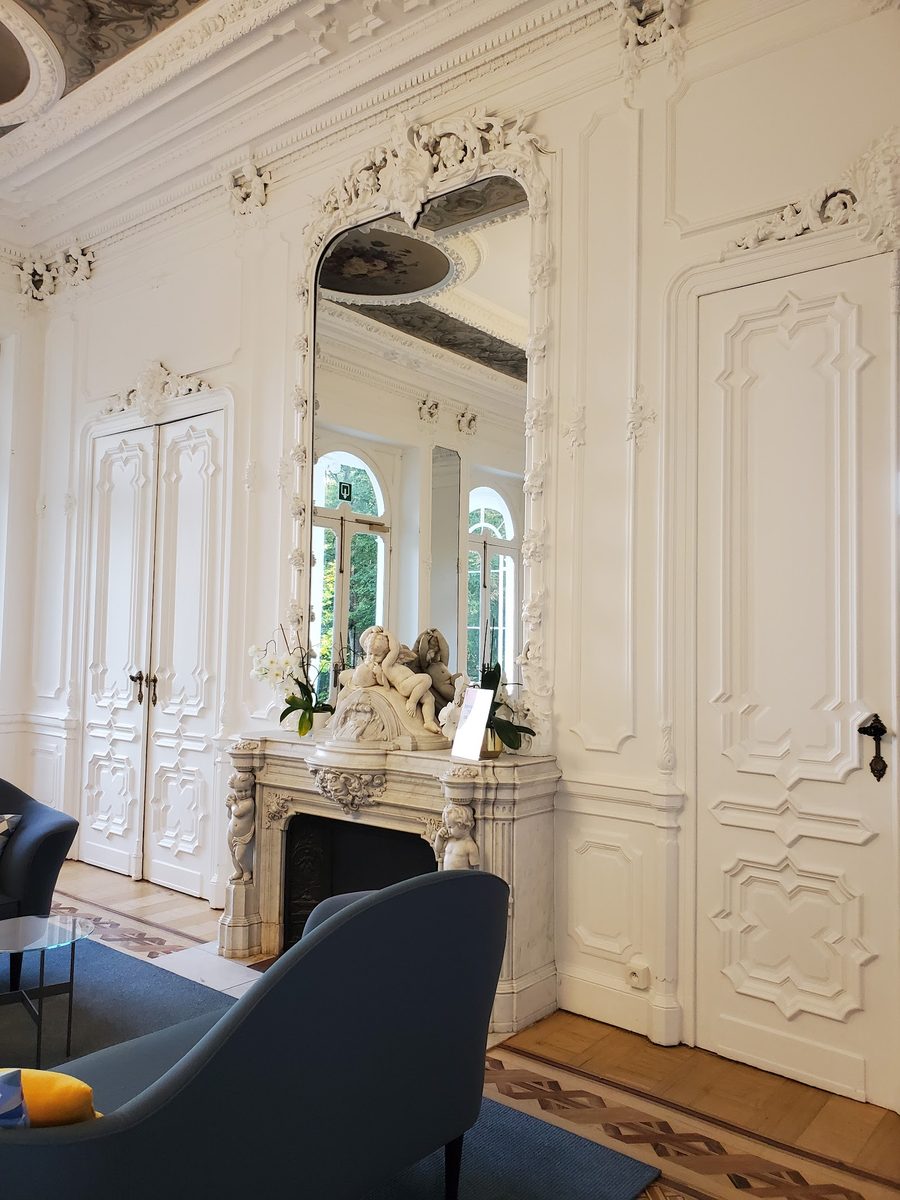
International School of Brussels
Brussels · Belgium
A 40-acre campus tucked into the Foret de Soignes beside a UNESCO site, pairing British roots with one of the world's earliest IB programmes.
Same country and curriculum — closest matches within ±10 points either way