
California
Notre Dame High School
low confidence· 2/6 cats · 3.25 avg sourcesHoly Cross brothers built this San Fernando Valley campus in 1947, pairing Blue Ribbon academics with a storied multi-sport tradition.
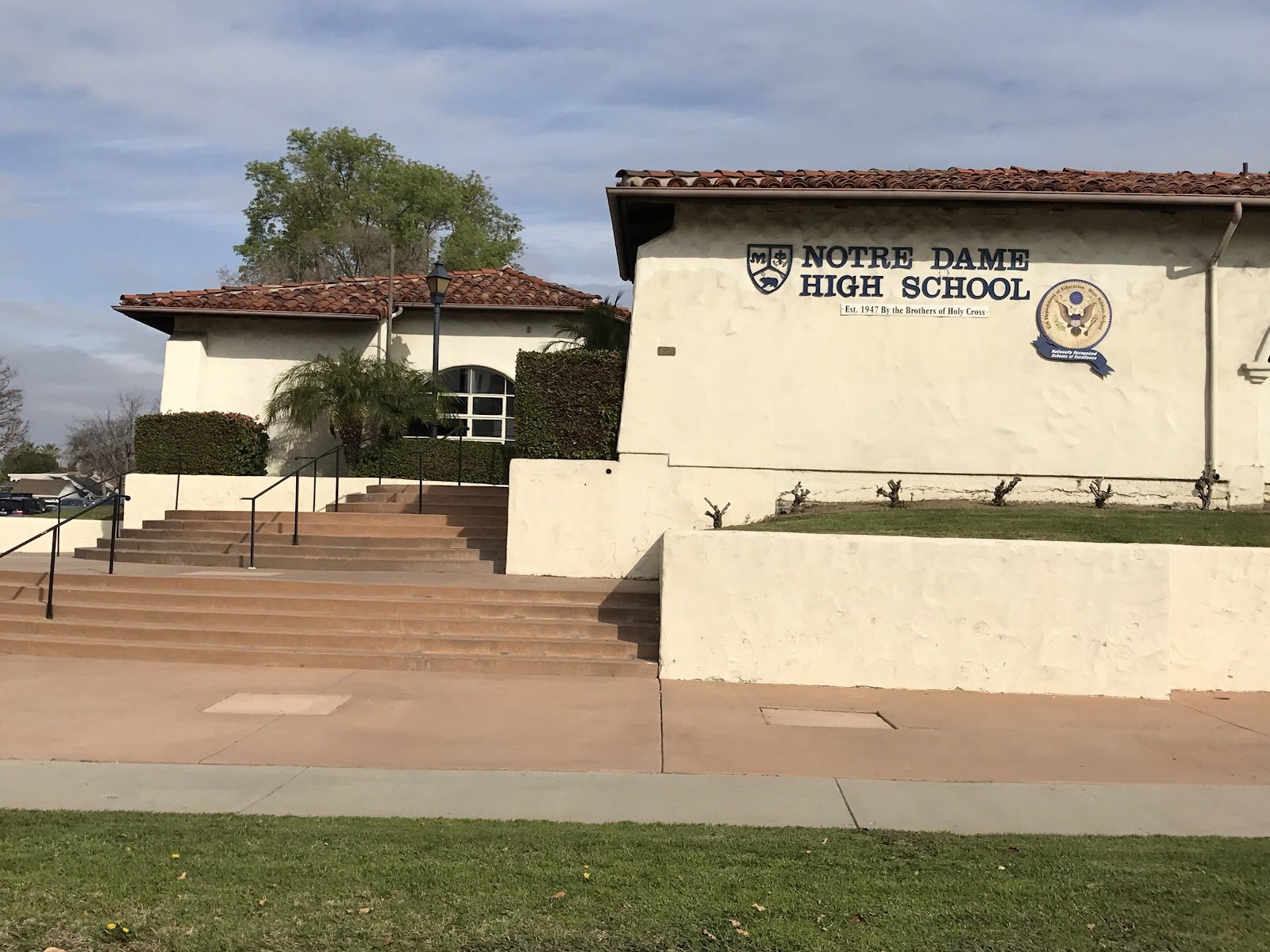
Photo © Jeffrey Branover via Google Maps
Type
Day
Ages
13–18
Curriculum
American
Qualifications
AP
Ratio
1:15
The Verdict
Editor's commitment
Right for
Families wanting a Catholic, college-preparatory day school founded in 1947, with English instruction and a 1:15 student-teacher ratio.
Wrong for
Anyone seeking boarding, a secular ethos, or a non-American curriculum; this Sherman Oaks school is day-only, Catholic and American.
Watch out for
WCEA accreditation gives baseline assurance, not deep transparency; the school does not publish headline exam outcomes in the public domain.
Ranking breakdown
Notre Dame High School · #1083 of 1591
Composite score 61.1. 8 weighted criteria.
By criterion
Academic Outcomes
Weight 20%
#1050
of 1529 scored
University Placement
Weight 16%
#1057
of 1529 scored
Prestige & Heritage
Weight 12%
#1054
of 1571 scored
Alumni Network
Weight 12%
#646
of 1530 scored
Facilities
Weight 12%
#1054
of 1533 scored
Transparency & Communications
Weight 8%
#938
of 1532 scored
Peer & Industry Review
Weight 10%
#1353
of 1548 scored
Admissions Selectivity & Demand
Weight 8%
#991
of 1529 scored
Peer & Industry Review
How Notre Dame High School is regarded in the sector
61
Respected · medium confidence
Within Los Angeles Catholic education, Notre Dame is generally discussed in the same breath as Loyola, Harvard-Westlake's Catholic-adjacent peers, and Crespi, largely on the strength of its athletics rather than academic league-table position; CIF Southern Section results and college baseball/football recruiting boards are the clearest independent signal of standing among rival schools. It does not feature prominently in national broadsheet independent-school rankings or in international press coverage such as Good Schools Guide or WhichSchoolAdvisor, whose focus skews toward boarding and elite day schools with global applicant pools. University-facing reputation is regional: graduates matriculate reliably to UC and CSU campuses and a scattering of private colleges, but admissions officers do not single the school out in the way they do for nationally ranked feeder schools. Its strongest external validation remains athletic recruiting networks and Catholic school association recognition rather than academic press or peer-head commentary.
Editors' overview
Notre Dame High School occupies a distinctive niche in Los Angeles: a Catholic, college-preparatory day school in Sherman Oaks with deep Holy Cross roots and a campus history that runs back to 1947. That matters. In a market crowded with newer independents, faith schools and branded college-prep operators, Notre Dame offers institutional memory, a clear religious identity and a more settled sense of purpose. The school states its mission plainly: formation of the heart and mind, in a community attentive to faith, dignity and service. Parents who want a school with moral seriousness, institutional backbone and a visible Catholic framework will find a cleaner proposition here than at schools that dilute ethos into vague values language.
Its appeal rests on balance. This is an American-curriculum secondary school for ages 13–18, taught in English, with a 1:15 student-teacher ratio and WCEA accreditation. Academics sit alongside a broad co-curricular structure: computer science and engineering, visual and performing arts, robotics, debate, television and film, student publications, campus ministry and a full athletics operation. That breadth is important. Notre Dame is not built for one narrow tribe of academic purists or arts specialists; it is built for students who want a complete school life and who thrive in a busy, organised environment. The editorial tagline’s reference to Blue Ribbon academics and a storied multi-sport tradition captures the market position well: this is a school for families who want standards, structure and school spirit in one place. The result is serious co-curricular range, strong sporting culture and a campus identity that extends beyond the classroom.
Why shortlist it? Because Notre Dame offers something many schools promise and fewer deliver: a recognisable community with real internal architecture. Departments are extensive, student life is populated, faith and service are not decorative add-ons, and the school has the scale to support varied interests without losing coherence. It will suit students who want to be known inside a structured Catholic setting, who can handle expectations across academics and conduct, and who want access to sport, arts, leadership and service without choosing one at the expense of the others. It will not suit families seeking a secular environment, a progressive anything-goes culture, or a tiny boutique school with highly individualised freedom. It will suit the student drawn to purposeful discipline, lively school spirit, clear adult expectations and a community that takes formation seriously from 13–18.
Academic Performance
Academic performance is the one area where Notre Dame’s public case needs more hard data. The school clearly runs a serious college-preparatory programme, with a full departmental structure across mathematics, science, English, theology, languages, computer science and engineering, plus counselling and a published school profile in admissions navigation. That points to an established pathway into university applications and academic advising. It does not, however, publish the exam metrics that allow clean comparison with direct peers: no aggregate SAT or ACT profile in the public domain, no AP participation or score breakdown, no IB data, and no headline university placement table attached to the excerpts here. For a school that trades on academic credibility, that is a real omission.
Against the Los Angeles independent and Catholic college-prep market, that leaves Notre Dame in an opaque middle ground. It has the institutional machinery of a serious secondary school and the breadth parents expect from a properly resourced college-prep campus, but not the published outcomes that top-tier academic competitors use to prove the point. That does not make results weak; it makes them harder to verify. Parents comparing Notre Dame with academically selective local rivals should ask for the school profile, recent matriculation lists, AP results and standardised testing ranges. Until those figures are disclosed, Notre Dame reads as a school with credible academic intent and limited public proof rather than one leading the field on transparent results.
Facilities
The campus reads as a full-service secondary school rather than a stripped-back academic block. The clearest facility signal is STEM: the school is fundraising around “Advancing STEM Excellence” tied to the Hampton Science Center, which tells parents where capital attention sits. Add dedicated provision for visual and performing arts, theatre, band, music and dance, plus specialist homes for robotics, television and film, student publications and debate, and Notre Dame looks better equipped than many mid-market Catholic peers whose co-curricular offer outpaces the rooms assigned to it. The athletics operation also carries its own infrastructure — calendars, live streams and a separate giving channel do not exist without serious operational weight behind sport. This is a campus built for high-traffic student life, not a school asking pupils to make do with a few multi-purpose rooms.
Against Los Angeles competitors, the picture is strong but incomplete. Notre Dame has the departmental and activity architecture of a properly built college-prep school, and the dedicated STEM push strengthens that case. What it does not publish is the hard estate data that top peer schools use to clinch the argument: no campus acreage, no lab count, no theatre specifications, no arts studio inventory, no library metrics, no athletic venue list. That weakens external comparison. Parents can conclude that facilities are broad in scope and aligned with the school’s all-round identity; they cannot conclude that the plant ranks with the city’s most lavish independent campuses. The low staffing ratio of 1:15 helps daily access, but the estate itself remains less transparent than it should be.
Notre Dame High School occupies a distinctive niche in Los Angeles: a Catholic, college-preparatory day school in Sherman Oaks with deep Holy Cross roots and a campus history that runs back to 1947
Prestige
Notre Dame carries solid local prestige, not rarefied prestige. In Los Angeles terms, that distinction matters. The school has the markers that parents recognise: a long-established Catholic identity under the Congregation of Holy Cross, a full college-preparatory structure, a visible athletics machine, and enough student-life architecture to produce a real institutional presence rather than a thin academic shopfront. The breadth of departments and activities — from computer science and engineering to robotics, television and film, debate, publications, theatre, band, dance and campus ministry — gives it the stature of a fully built secondary school. The staffing ratio of 1:15 supports that impression. So does the school’s Blue Ribbon claim in the editorial framing. This is a campus with name recognition, internal confidence and a constituency that extends through alumni, parents and sport.
What it does not command is the elite aura of Los Angeles schools whose prestige rests on brutally selective admissions, published academic outcomes and national cachet. Notre Dame’s standing is stronger in community reputation, school spirit and all-round formation than in publicly documented academic distinction. That places it in the upper-middle tier of prestige: respected, established and desirable to the right family, but not the automatic first-choice badge school for every ambitious applicant. For Catholic families, sport-oriented families and parents who want serious structure without social theatre, that is a strong position. For families buying pure academic status, the case is less conclusive.
For prospective families comparing schools at the top end of the market, it is a real weakness
Communications
Notre Dame’s parent communication has the shape of a properly run school. The website is not elegant, but it is functional and dense with the things parents need: a parent portal, parent newsletter, handbook, attendance reporting instructions, transport information, admissions events, multiple calendars and direct faculty or office contact routes. That matters more than design polish. The school also sets out practical boundaries with unusual clarity: office hours are published, attendance has its own channel, and families are told not to phone for absences but to use the designated system. That is brisk, administratively serious communication, and it tends to serve busy parents well because expectations are explicit rather than guessed at.
Effectiveness looks strongest at the operational level and weaker at the strategic one. Day-to-day logistics — schedules, events, reporting lines, parent involvement — are well signposted and easy to locate. The separate parent structures, including the Mothers Guild and newsletter, reinforce that this is a school that expects families to stay engaged rather than hover at the margins. Where communication falls short is in academic transparency. The school publishes plenty of navigation around school life, but not the performance data that discerning parents use to judge outcomes. That leaves communication strong on process, thinner on proof. For current families, that still makes for a serviceable, orderly experience. For prospective families comparing schools at the top end of the market, it is a real weakness.
Uniqueness
What sets Notre Dame apart is not novelty but institutional coherence. Many secondary schools offer sport, arts, service and college preparation; fewer bind them into one legible culture. Here, the Holy Cross framework is not an ornamental chapel-and-values layer pasted onto a busy timetable. It organises the school’s sense of duty, conduct and community. Students move through a campus where theology sits alongside computer science and engineering, where robotics, debate, publications, television and film all have a place, and where campus ministry, liturgy, retreats and Christian service carry formal weight. That creates a full-spectrum adolescence rather than a narrow academic grind. The school’s long alumni tail, board structure, parent bodies and memorial scholarship funds also point to a community with memory, not a school assembled around transient demand.
For students, that brings two things. First, it offers structured belonging: there are many entry points into school life, but they sit inside clear adult expectations rather than a loose marketplace of activities. Secondly, it gives breadth without drift. A pupil can be serious about engineering, theatre, athletics or faith and still remain inside the same institutional story. The low staffing ratio — 1:15 — strengthens that model because visibility matters in a school built on formation, not simple classroom delivery. Notre Dame’s distinctiveness lies in that blend of moral seriousness, operational breadth and old-fashioned school identity. For the right student, that produces confidence, loyalty and a stronger sense of purpose than a more atomised campus.
Notre Dame’s distinctiveness lies in that blend of moral seriousness, operational breadth and old-fashioned school identity
Student Profile
The best fit is a student who wants a full week and can carry multiple commitments without fraying. Notre Dame suits teenagers who are comfortable inside clear adult authority, a visible Catholic framework and a campus culture that values participation, conduct and follow-through. This is not a haven for the detached observer or the adolescent who wants maximum personal latitude with minimum institutional demands. Pupils who thrive here tend to like organised activity, team identity and a school day with shape: sport, arts, service, leadership, publications, robotics, ministry and mentoring all sit within reach. The published 1:15 staffing ratio strengthens that environment. Students are harder to hide, and that is the point.
Socially, the school will work well for young people who want to belong to something larger than their own niche. There is room here for the athlete, the performer, the aspiring engineer, the debater and the student who takes faith seriously, but the culture asks each of them to join a shared institutional life rather than operate as a silo. That creates a high-participation, community-minded, tradition-conscious student body. It will suit families who want structure with warmth and peers who are busy rather than blasé. It will not suit students looking for a secular ethos, a laissez-faire atmosphere or a sharply intellectual enclave defined above all by published academic competition.
The school states its mission plainly: formation of the heart and mind, in a community attentive to faith, dignity and service
Co-curricular strengths
Arts & sport, on a separate axis
Overall 8.7/10
Scored 0-10 from the school's own published evidence. This axis is editorial-only — it does not feed the main WTS ranking.
Sports
8.6/10
Drama
9/10
Dance
8.8/10
Music
8.8/10
Visual Arts
8.3/10
Strengths
- +Co-educational Catholic day school for ages 13–18
- +American curriculum taught in English
- +Broad departments: engineering, theology, performing arts
- +Notable football and basketball programmes
Considerations
- −Day school only; no boarding option
- −Catholic setting may not suit all families
- −NAIS listed; no other accreditations provided
Availability
Primary entry gate & tests
HSPT + records / interview
Gallery
Photo © Glenn A via Google Maps
Photo © Glenn A via Google Maps
Photo © ALEX LANSKY via Google Maps
Photo © Kevin Mulvey via Google Maps
Photo © kevin macduff via Google Maps
Parent reviews
Have you sent your child here?
Voice reviews carry the strongest trust badge — we transcribe them for you to tidy up before they go live. Prefer to type? A written review is fine too.
Add your voice
In 60 seconds, tell other parents: what's the best thing about Notre Dame High School, and what surprised you when your child joined?
We ask for a Google sign-in so every review has a real face behind it — no anonymous drive-by attacks on schools, and no faked positive reviews. Your email is never shown publicly.
Send this profile to a friend
International parents rely on word-of-mouth. Share this review with someone weighing the same decision.
Schools with places
Similar schools to Notre Dame High School with places available now.
Head-Royce School
Oakland · United States
- 2026-27
- CLOSEDRegular cycle
- 2027-28
- OPENS SOONOpens Sept '26
The Webb Schools
Claremont · United States
- 2026-27
- CLOSEDRegular cycle closed
- 2027-28
- PLACES OPENPortal live
The Branson School
Ross · United States
- 2026-27
- CLOSEDRegular cycle
- 2027-28
- OPENS SOONOpens Sept '26
Crystal Springs Uplands School
Hillsborough · United States
- 2026-27
- CLOSEDRegular cycle
- 2027-28
- OPENS SOONOpens Sept '26
Availability first, then country, area, curriculum, price, co-curricular
Consider also
Also worth looking at alongside Notre Dame High School.
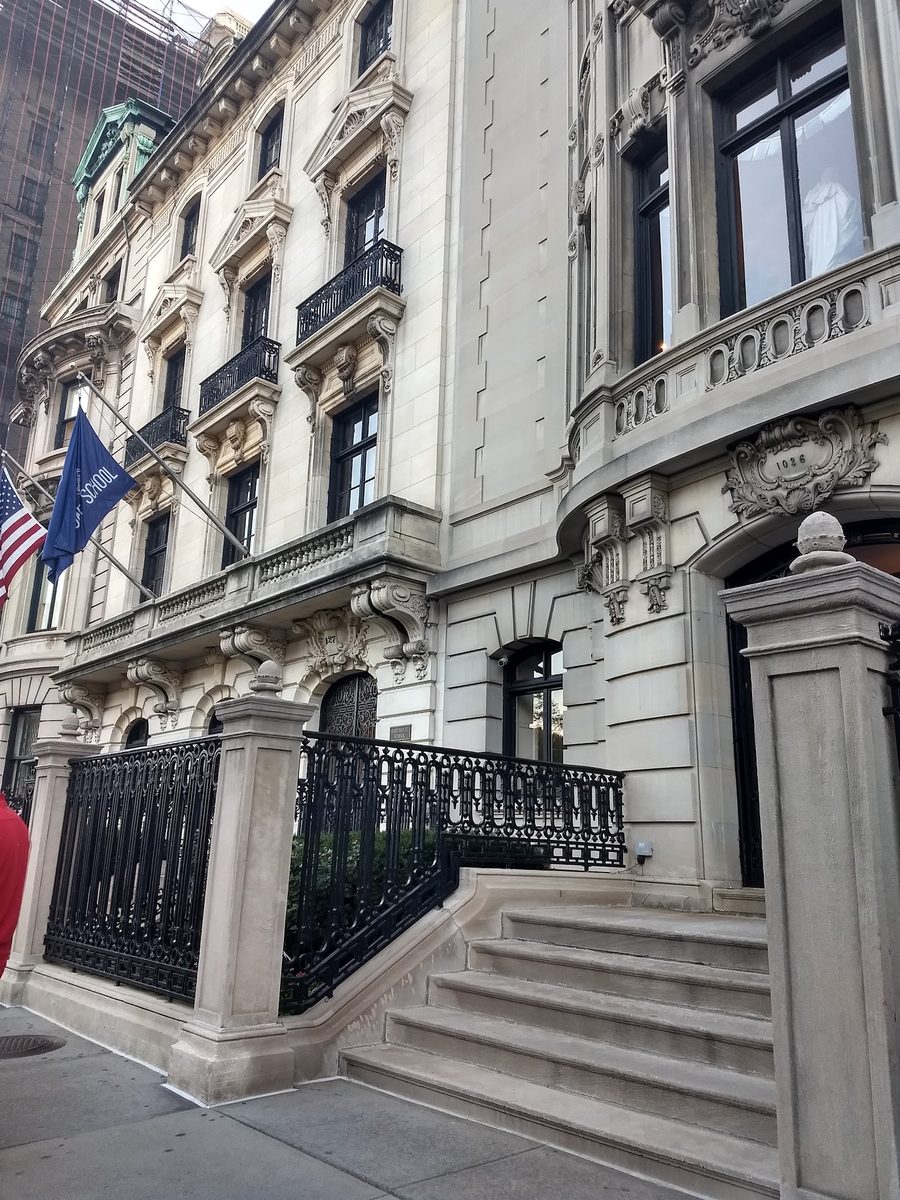
Marymount School of New York
New York City · United States
On Fifth Avenue, landmark mansions give way to Bloomberg terminals and classrooms inside the Met.
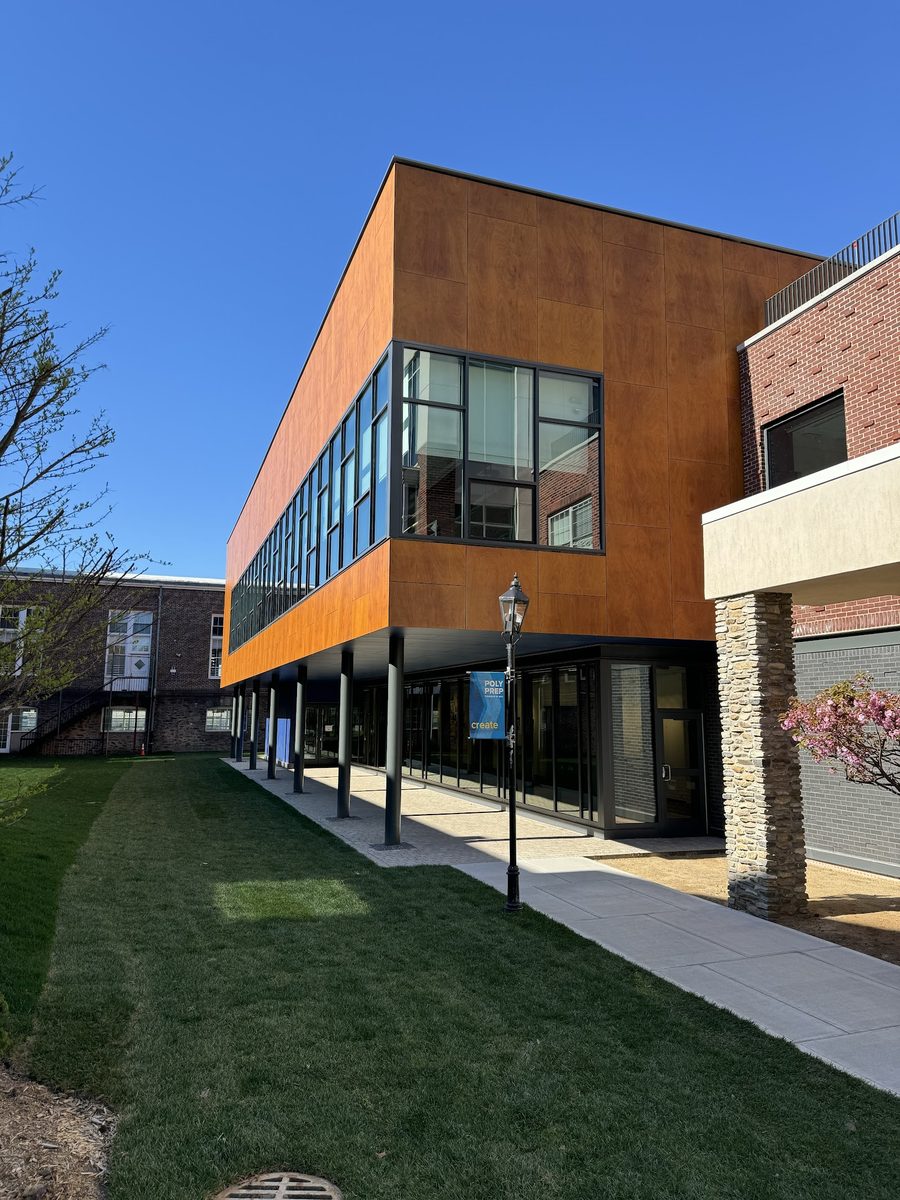
Poly Prep Country Day School
Brooklyn · United States
Founded in 1854 as Brooklyn's first boys' school, this day school pairs a Prospect Park mansion with a 25-acre Dyker Heights campus.
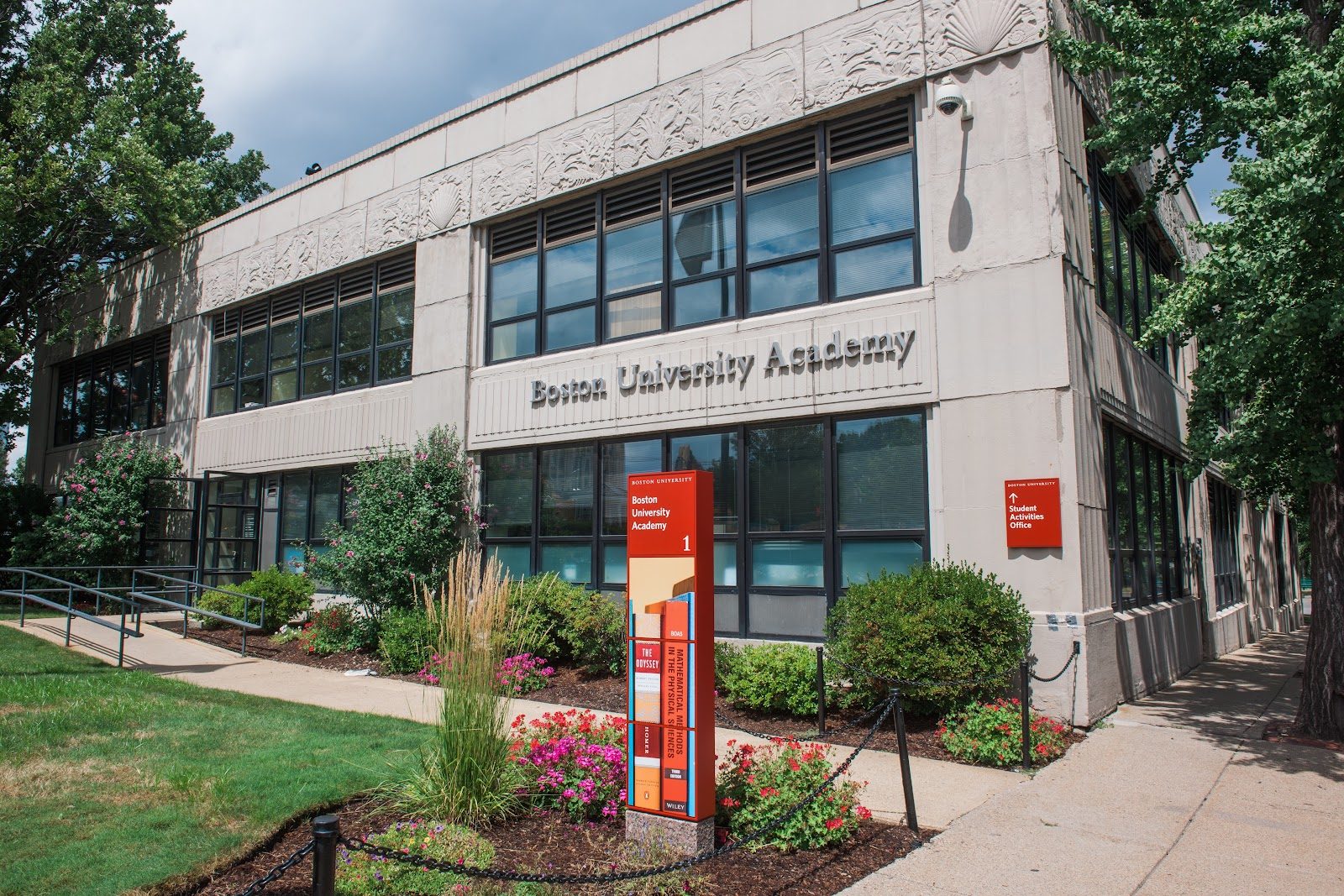
Boston University Academy
Boston · United States
Upperclassmen trade study halls for Boston University lecture halls, banking college credit before graduation.

Germantown Friends School
Philadelphia · United States
Rooted in an 1845 Quaker meeting in historic Germantown, where juniors design a month-long independent study of their own.
Same country and curriculum — closest matches within ±10 points either way