
Virginia
The Potomac School
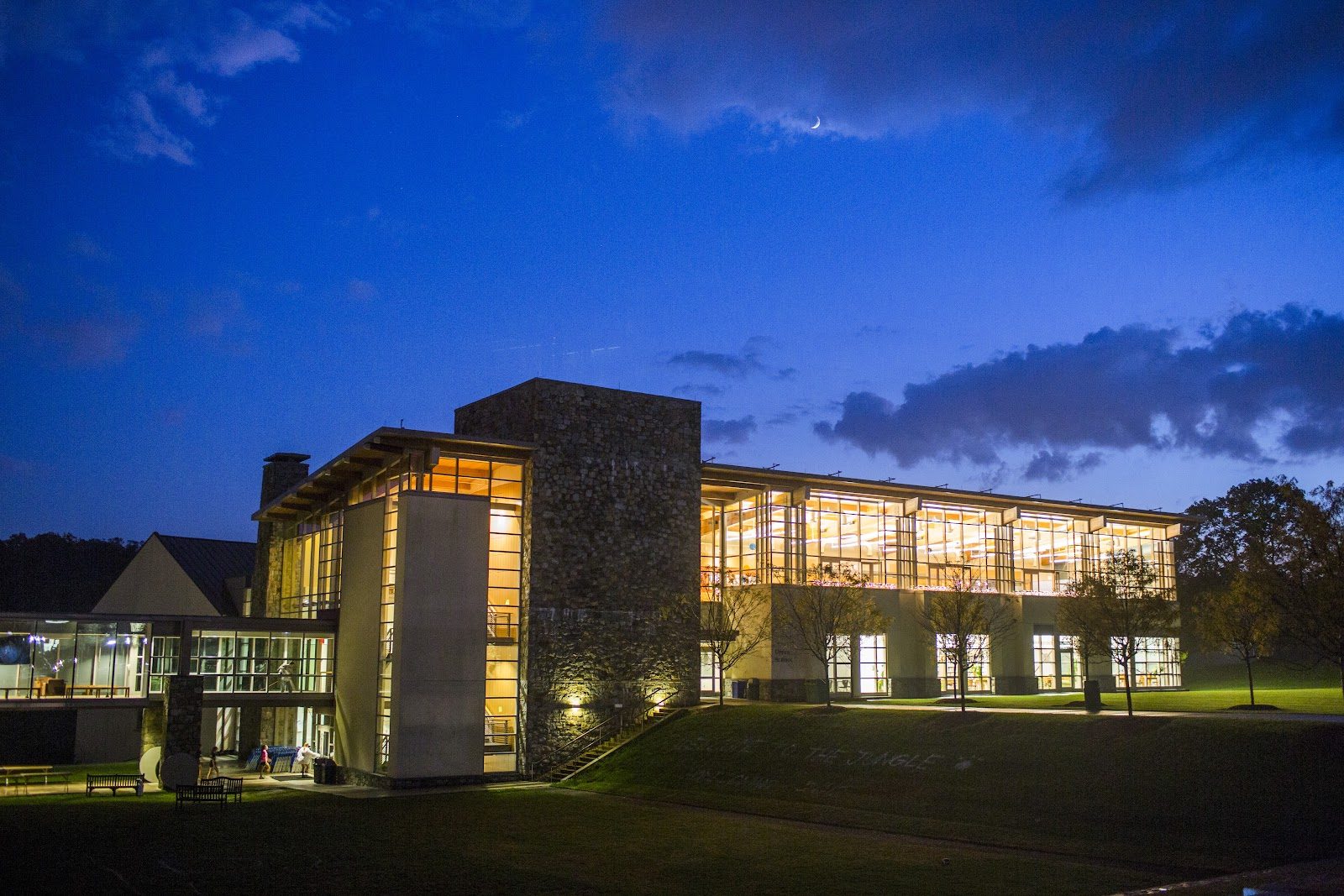
low confidence· 2/6 cats · 2 avg sourcesFounded in 1904 by three women who studied John Dewey, its 90-acre wooded campus outside Washington spans four distinct school divisions.
Type
Day
Ages
3–18
Curriculum
American
Qualifications
AP
Ratio
1:8
The Verdict
Editor's commitment
Right for
Families wanting a non-religious American K-12 on one 90-acre McLean campus, with all four divisions under one roof.
Wrong for
Parents who want boarding, a faith framework, or anything cheap: this day school averages $52,142 a year across ages 3–18.
Watch out for
Founded in 1904 and accredited by NAIS, Potomac sells character and community hard; the school does not publish outcomes here.
Ranking breakdown
The Potomac School · #517 of 1591
Composite score 68.8. 8 weighted criteria.
By criterion
Academic Outcomes
Weight 20%
#261
of 1529 scored
University Placement
Weight 16%
#263
of 1529 scored
Prestige & Heritage
Weight 12%
#262
of 1571 scored
Alumni Network
Weight 12%
#1294
of 1530 scored
Facilities
Weight 12%
#193
of 1533 scored
Transparency & Communications
Weight 8%
#354
of 1532 scored
Peer & Industry Review
Weight 10%
#335
of 1548 scored
Admissions Selectivity & Demand
Weight 8%
#334
of 1529 scored
Peer & Industry Review
How The Potomac School is regarded in the sector
74
Respected · medium confidence
Potomac is consistently grouped with Sidwell Friends, Georgetown Day, National Cathedral, St. Albans, and Landon in Washingtonian and local media roundups of the region's most competitive independent schools, reflecting a peer reputation built on rigorous academics and strong athletics/arts rather than marketing. Niche.com has repeatedly ranked Potomac among the top-two or three private K-12 schools in Virginia, a metric frequently cited by DC-area admissions consultants when benchmarking Northern Virginia families against Beltway alternatives. Its NAIS accreditation situates it within the same national quality framework used by peer institutions for governance and curriculum review. College counselors and independent guides note a matriculation profile heavy with Ivy League, Stanford, and other highly selective universities, reinforcing its standing among admissions officers who see it as a reliable feeder alongside other Washington-area independents. Coverage in outlets like Washingtonian and Northern Virginia Magazine treats Potomac as a fixture in 'best private schools' features, though it draws less international press attention than boarding-heavy peers, keeping its industry profile strong regionally but more modest globally.
- Katharine Weymouth — Former CEO and Publisher, The Washington Post
- Sally Quinn — Journalist, Media
Editors' overview
Set on a 90-acre wooded campus in McLean, The Potomac School offers something many Washington-area day schools cannot: a full K–12 education on one site, with four distinct divisions and the continuity that brings. Founded in 1904 by three women influenced by John Dewey, it has an old-school independent pedigree without a religious frame, and that matters. This is an American-curriculum, English-medium, non-religious day school with NAIS accreditation, serving ages 3 to 18. The scale of the campus and the all-through structure give it a rare institutional coherence: older pupils are visible to younger ones, traditions can carry real weight, and families avoid the repeated churn of reapplying at key transition points.
What marks Potomac out is not novelty but serious breadth. The school’s own emphasis falls on curiosity, challenge, support, character and life skills, alongside a connected K–12 community and strong use of the Washington region itself. That combination places it in the top tier of the local market for families who want a conventional American independent education done with substance rather than flash. At an average annual fee of $52,142, it sits firmly in the expensive bracket, and parents are paying for campus, continuity and opportunity as much as for classroom teaching. The direct access to the national capital area — from the National Mall to the Chesapeake Bay, plus music festivals, robotics competitions and speech and debate tournaments — gives the school a practical, outward-facing dimension that many suburban campuses promise and fewer can deliver.
This is not the right fit for every child. Potomac suits students who will use a big campus, a broad co-curricular menu and a cross-age community well: children who like to be busy, who respond to structure, and who can thrive in a school that talks openly about courage, humility, integrity, respect and perseverance. It will also appeal to parents who want an education with clear social expectations rather than a laissez-faire culture. Children who need a very small, niche or radically progressive environment may find it too established in its habits. For families seeking a high-functioning, academically grounded, all-through day school near Washington, with genuine room to grow from early childhood to graduation, Potomac belongs on the shortlist.
Academic Performance
Potomac does publicise individual distinctions at the top end of the senior cohort. The school has produced nine National Merit semifinalists in one recent cycle, and two seniors reached the Regeneron Science Talent Search Top 300. Those are credible indicators of serious academic strength in a competitive Washington-area market. They place Potomac in the bracket of schools that generate high-level outcomes in selective national competitions, especially in maths, science and standardised testing. The school also signals an academic culture that extends beyond the classroom through robotics, speech and debate, and music festivals, which matters because strong day schools in this tier are judged on intellectual range as much as raw exam preparation.
What Potomac does not publish is the fuller performance data that would let parents benchmark it with precision against its closest independent-school rivals. We have not seen aggregate SAT or ACT averages, AP score distributions, matriculation breakdowns, or subject-by-subject outcomes. That limits scrutiny. In editorial terms, the picture is impressive but incomplete: clear evidence of high-achieving pupils, less clarity on whole-cohort attainment. Relative to peers, Potomac sits in the serious academic camp, but without the transparent results reporting that would push it into the most publicly accountable group. For families comfortable reading signal rather than spreadsheet, the signs are strong. For families who want hard comparative data, the school leaves work undone.
Facilities
Facilities are a real strength here, and not in the token “good gym, decent theatre” sense. The campus gives Potomac room to separate younger and older pupils without fragmenting the school, which is hard to pull off well. The standout asset is the Spangler Center for Athletics and Community at 76,000 square feet, backed by an indoor track, seven squash courts, fitness and weights spaces, and a full spread of outdoor fields for baseball, softball, football, tennis, football, soccer and lacrosse. That puts Potomac above many peer day schools whose sports provision relies on tighter urban sites, shared venues or a single flagship field. For active children, this is serious sporting infrastructure, not decorative acreage.
The academic and arts estate also has depth. There is a dedicated robotics centre, multiple libraries and commons, ceramics and painting studios, band practice rooms, theatres and an outdoor science and art pavilion. What counts most, though, is the wooded setting itself: trails, ponds, gardens, outdoor classrooms and play areas woven into daily school life rather than parked at the edge for occasional use. That gives the lower and middle years a proper sense of space and makes experiential learning more than a slogan. Against peer independents, Potomac’s facilities are broad, coherent and well integrated. The only caveat is one of style, not substance: families who prefer a compact, urban, high-rise campus with more visible gloss may find this setup traditional rather than showy.
Potomac does publicise individual distinctions at the top end of the senior cohort
Prestige
Potomac carries real Washington-area standing. A long-established all-through independent school on one campus, it draws prestige from continuity, land, institutional memory and the kind of family loyalty that selective day schools prize. The school’s public identity is disciplined rather than flashy: character, community, service and intellectual stretch sit at the centre, not branding gimmicks. That matters. In this market, prestige does not rest on glossy innovation claims; it rests on whether a school can produce confident, capable graduates year after year while keeping parents, staff and alumni bought in. Potomac does that. The breadth of its co-curricular life, its use of the capital region, and partnerships with 50 local non-profits add substance to the name rather than just polish.
The prestige level also holds up because there is evidence of senior-end distinction. Nine National Merit semifinalists in a recent cycle and two Regeneron Top 300 scholars put Potomac in serious company. Those are not token wins. They indicate a school with able students, strong teaching and enough ambition to compete beyond its own campus. The limitation is plain: Potomac does not publish the full suite of outcome data that the most forensically transparent schools put into the public domain. So the prestige here is earned and durable, but not fully documented in the way a hard-nosed parent might want. That still leaves it as a high-status name in the local independent sector, with social and academic credibility that carries weight.
The school has produced nine National Merit semifinalists in one recent cycle, and two seniors reached the Regeneron Science Talent Search Top 300
Communications
Potomac communicates like a school that expects parents to stay engaged. The public-facing site is busy but informative: there is a steady stream of school news, named staff awards, student distinctions and concrete examples of programmes beyond the classroom. That gives parents a live sense of what the school values, and it does more than push generic community talk. The school also spells out parts of its civic and service life with useful specificity, including partnerships with more than 50 local non-profits. For a K–12 school on one campus, that matters. Families need regular visibility across divisions, and Potomac has built a communications structure around continuity, shared events and cross-school identity. The tone is institutionally confident, orderly and community-minded.
The weakness is volume and selectivity. Potomac publishes plenty of celebratory items, but far less hard operational or academic data than a forensically transparent school would. Parents can track honours, assemblies and headline opportunities; they get less help on whole-cohort outcomes, comparative performance or the nuts and bolts that matter when confidence dips. That does not make communication poor. It makes it carefully curated. The school is strong at reinforcing culture, recognition and belonging across a large age range. It is weaker at disclosing the fuller evidence that allows parents to test claims against results. In practice, communication looks effective for reassurance and community cohesion, less effective for families who want hard numbers before they buy into the narrative.
Uniqueness
What distinguishes Potomac is the way it combines an all-through structure with real physical and programmatic separation between stages. Many schools promise continuity; Potomac gives children a single institutional home while still marking clear developmental steps through four divisions. That matters in practice. Younger pupils grow up with visible models of older students, and older students carry real responsibility inside the same community rather than disappearing into a detached senior campus. The result is a more coherent social world than families get from stitched-together junior and senior schools, and a stronger sense of belonging than many large independents manage. The wooded site deepens that identity: this is not a school that treats outdoor space as scenery. Woods, ponds, gardens and outdoor classrooms shape daily life and give the place a grounded, unforced character.
The other point of difference is Potomac’s use of its wider setting. Plenty of schools near Washington trade on location; Potomac ties that access to actual student experience, from field-based learning to service work with more than 50 local non-profits and trips that extend beyond campus routine. Add a dedicated robotics centre, national-level academic competitions and an athletics complex with seven squash courts, and the school’s version of breadth looks substantial rather than decorative. Students benefit from range without fragmentation: strong academics, serious sport, arts, service and outdoor learning all sit inside one well-drilled K–12 ecosystem. For the right child, that produces confidence, competence and a durable sense of place.
That puts Potomac above many peer day schools whose sports provision relies on tighter urban sites, shared venues or a single flagship field
Student Profile
The students who fit best here are the ones who want to do a lot, and can cope with being held to account while doing it. Potomac suits children with good internal drive: pupils who will move between lessons, teams, performances, service work and clubs without needing constant external prodding. The school gives repeated opportunities to step forward, try new roles and work across age groups, so it rewards students who are socially confident or at least willing to join in. The emphasis on courage, humility, integrity, respect and perseverance points to a culture with clear behavioural expectations. Children who bridle at structure, resist participation or want a deliberately loose atmosphere will find that constraining.
This is also a strong match for families raising energetic, outward-facing children. Pupils who like being outdoors, who enjoy practical learning beyond the classroom, or who want access to sport, arts, robotics, debate and service in one place will use the school well. The service programme’s links with more than 50 local non-profits tell you something important about the student profile the school values: not just high achievers, but students prepared to contribute. At the top end, distinctions such as 9 National Merit semifinalists and 2 Regeneron Top 300 scholars confirm room for serious academic ambition. The weaker fit is the child who needs a very quiet, niche environment, intense anonymity, or a school that asks little of them beyond turning up.
Nine National Merit semifinalists in a recent cycle and two Regeneron Top 300 scholars put Potomac in serious company
Co-curricular strengths
Arts & sport, on a separate axis
Overall 8.44/10
Scored 0-10 from the school's own published evidence. This axis is editorial-only — it does not feed the main WTS ranking.
Sports
9/10
Highly competitive independent league performer, fielding dominant varsity tennis, soccer, and track programs on an expansive Virginia campus.
Drama
9/10
Exceptional theatrical training centered around world-class campus stages, running a pre-professional training model for acting and tech.
Dance
6/10
Strong afternoon performance track offering technical modern jazz and synchronization choreography modules.
Music
9/10
Deeply institutionalized choral and string tracking modules feeding active regional touring groups and seasonal events.
Visual Arts
9.2/10
Breathtaking visual studios producing top-tier design portfolios, fine art pieces, and darkroom photography.
Strengths
- +Founded in 1904 by three Washington, D.C. women who researched John Dewey's teaching model, making Potomac one of the older independent day schools in the capital region.
- +The school sits on a wooded 90-acre campus in McLean, Virginia, three miles from Washington, D.C., giving a suburban setting with easy access to the city.
- +Potomac has four divisions - Lower School (K-3), Middle School (4-6), Intermediate School (7-8), and Upper School (9-12) - each providing a balanced educational experience.
- +Average class size is 15-17 students, supporting close faculty attention across the K-12 span.
- +In the past four years, Potomac graduates have enrolled at more than 120 colleges and universities across the United States and internationally.
Considerations
- −Tuition is steep even by regional independent-school standards: tuition ranges from Grades K-3 $44,970, Grades 4-6: $48,250, Grades 7-8: $51,550, Grades 9-12: $52,800.
- −Admissions require an interview at every level and, for older applicants, standardized testing: an interview for each applicant is required, and the PSAT or SAT is also accepted for applicants to grades 10 and 11, alongside SSAT or ISEE scores.
- −Financial aid, while available, is structured on the assumption that the primary obligation for financing a student's education will rest with the family, and families are expected to draw on discretionary income and outside resources before assistance is calculated.
- −As a single-campus day school in an affluent Northern Virginia suburb, Potomac draws heavily from the McLean/Tysons corridor, meaning geographic and socioeconomic reach is narrower than at schools with broader catchments or boarding options.
Availability
Primary entry gate & tests
SSAT/ISEE + Interview
Gallery
Parent reviews
Have you sent your child here?
Voice reviews carry the strongest trust badge — we transcribe them for you to tidy up before they go live. Prefer to type? A written review is fine too.
Add your voice
In 60 seconds, tell other parents: what's the best thing about The Potomac School, and what surprised you when your child joined?
We ask for a Google sign-in so every review has a real face behind it — no anonymous drive-by attacks on schools, and no faked positive reviews. Your email is never shown publicly.
Send this profile to a friend
International parents rely on word-of-mouth. Share this review with someone weighing the same decision.
Schools with places
Similar schools to The Potomac School with places available now.
Episcopal High School
Alexandria · United States
- 2026-27
- CLOSEDRegular cycle closed
- 2027-28
- OPENS SOONOpens Sept '26
Thomas Jefferson High School for Science and Technology
Alexandria · United States
- 2026-27
- CLOSEDStandard route
- 2027-28
- OPENS SOONOpens 5 Oct '26
Availability first, then country, area, curriculum, price, co-curricular
Consider also
Also worth looking at alongside The Potomac School.
Belmont Hill School
Belmont · United States
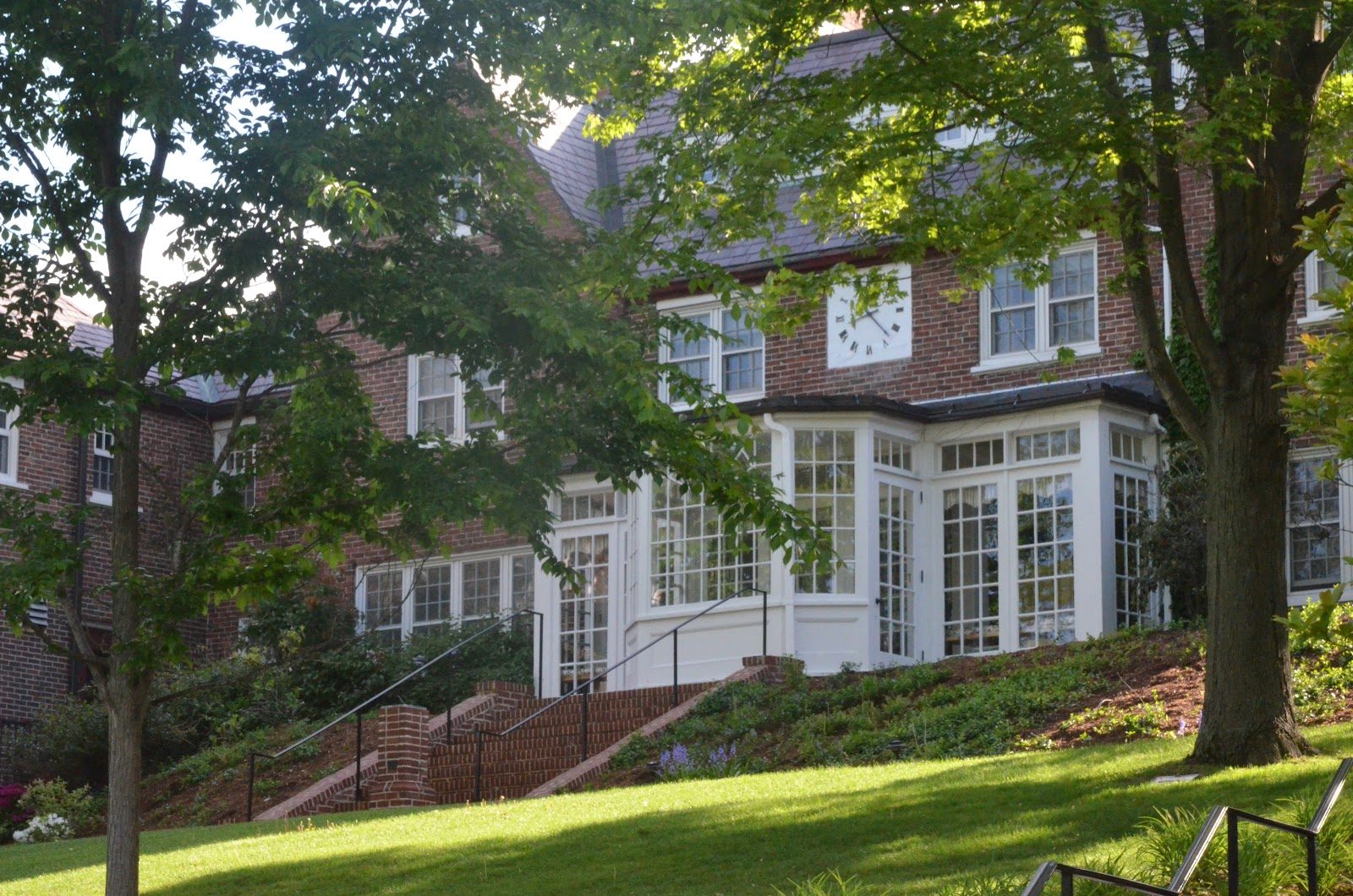
A hilltop day school outside Boston, where jacket-and-tie ritual and family-style lunch anchor a century-old all-boys formation.
Pine Crest School
Fort Lauderdale · United States
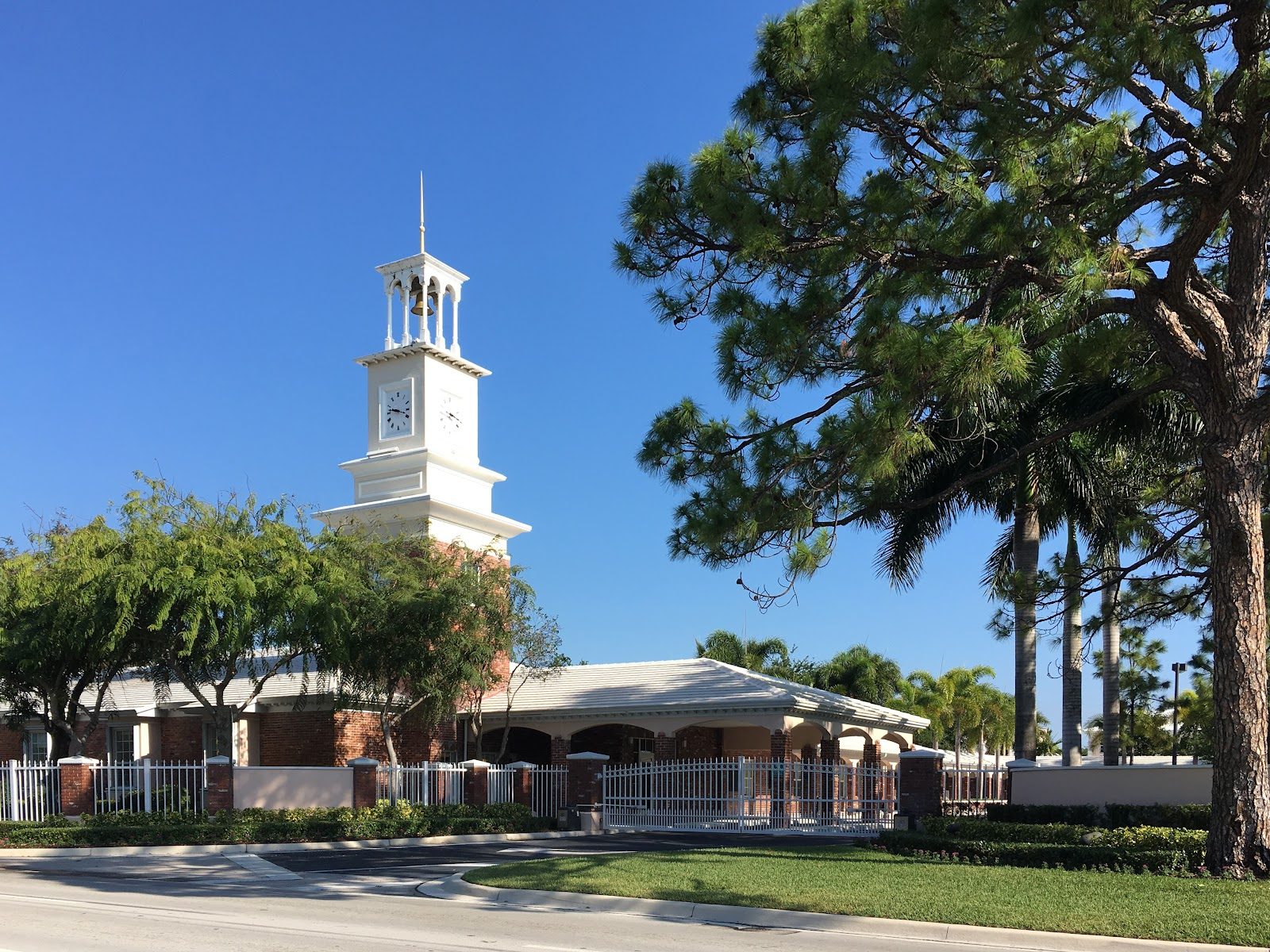
Born as a 1930s tutoring practice for winter visitors, this Fort Lauderdale day school now tops the nation's Challenge Index rankings.
Rye Country Day School
Rye · United States
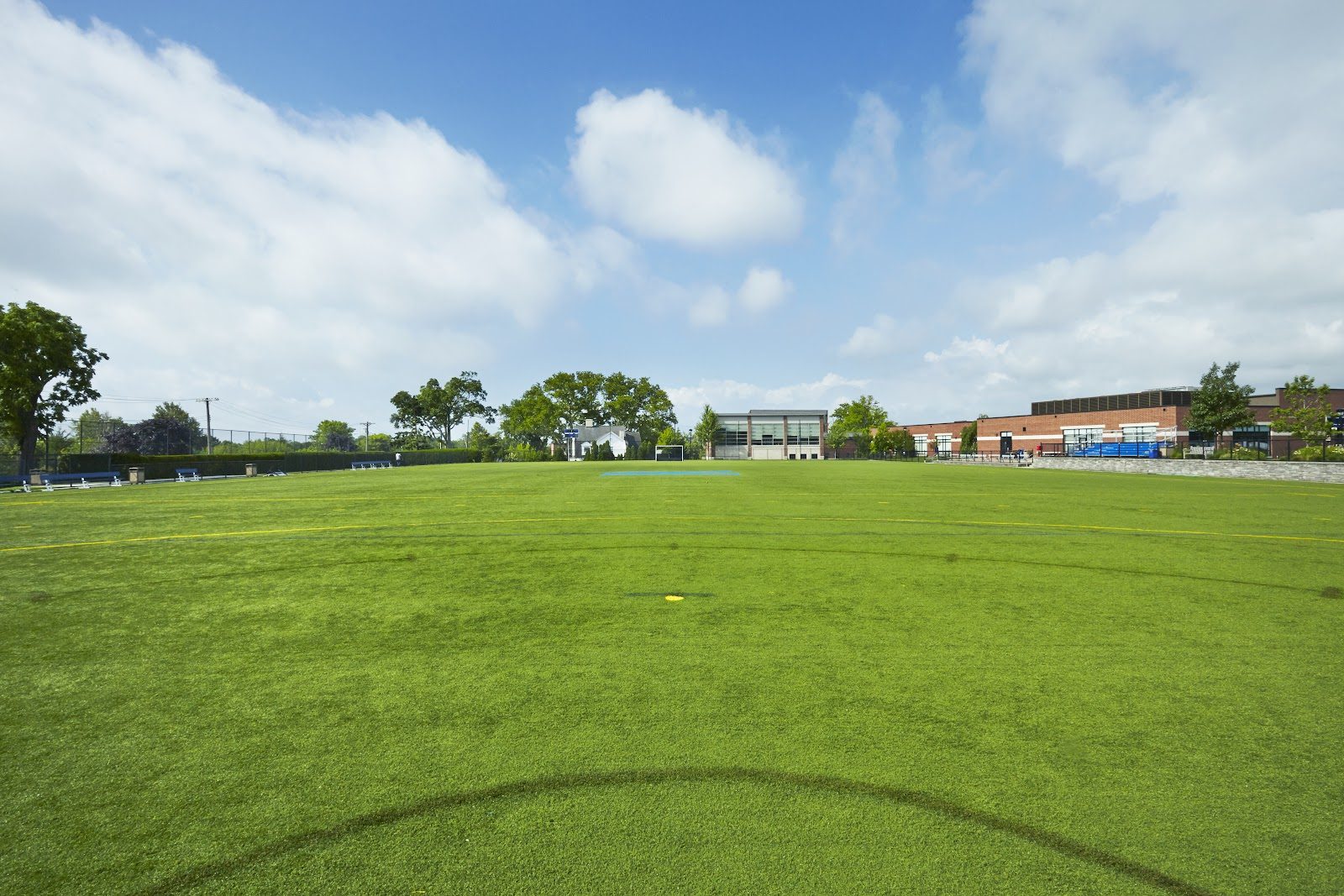
Founded in 1869 as a girls' seminary in Westchester, this campus still measures success by its motto: not for self, but for service.
Ethical Culture Fieldston School
New York City · United States
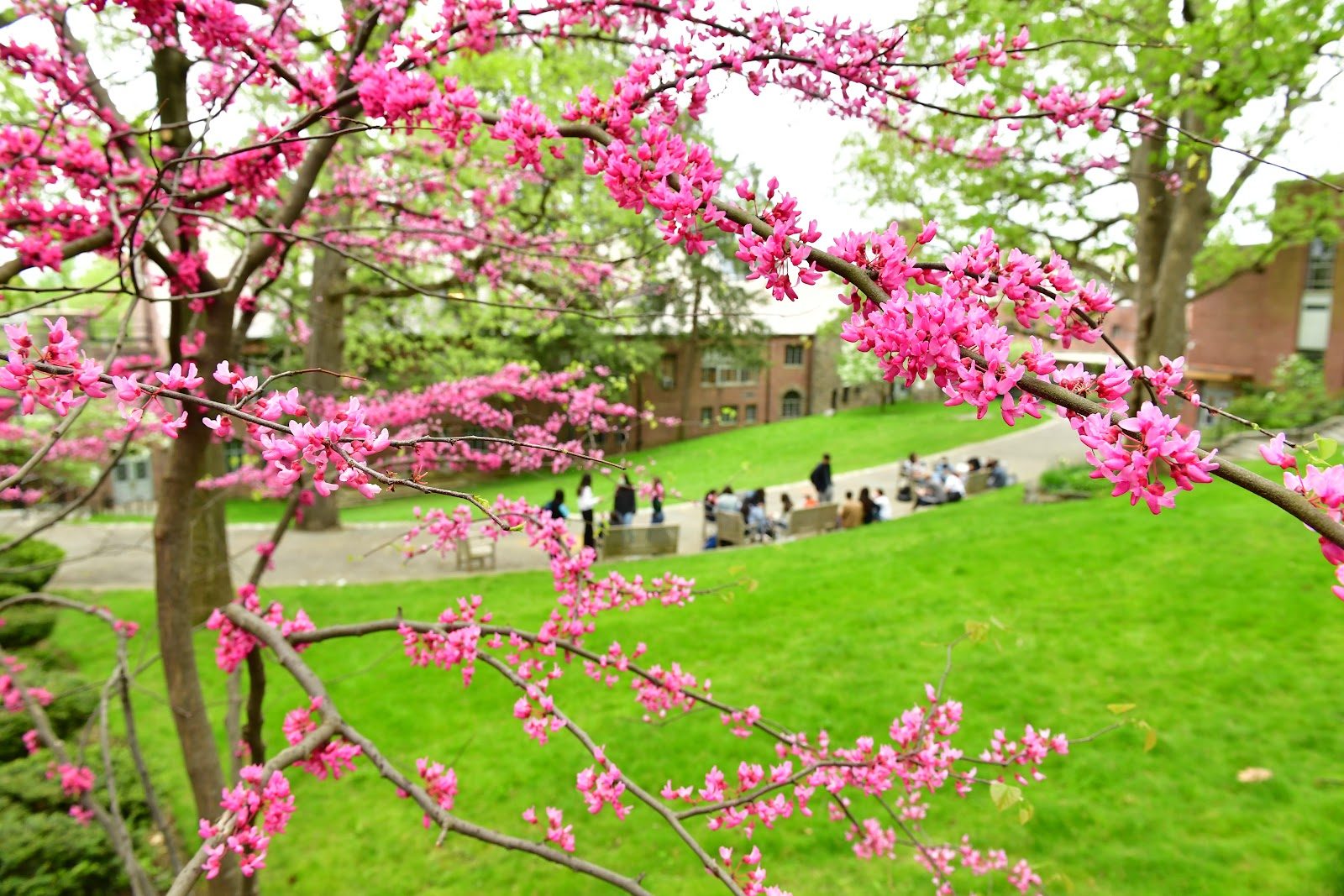
Rooted in Felix Adler's 1878 Ethical Culture movement, its wooded Riverdale hilltop campus still anchors progressive American pedagogy.
Same country and curriculum — closest matches within ±10 points either way