
Brussels
European School of Brussels I
medium confidence· 4/6 cats · 1.5 avg sourcesEurope's second European School, founded in 1958 in Uccle, where thirteen language sections funnel nearly all leavers to university.
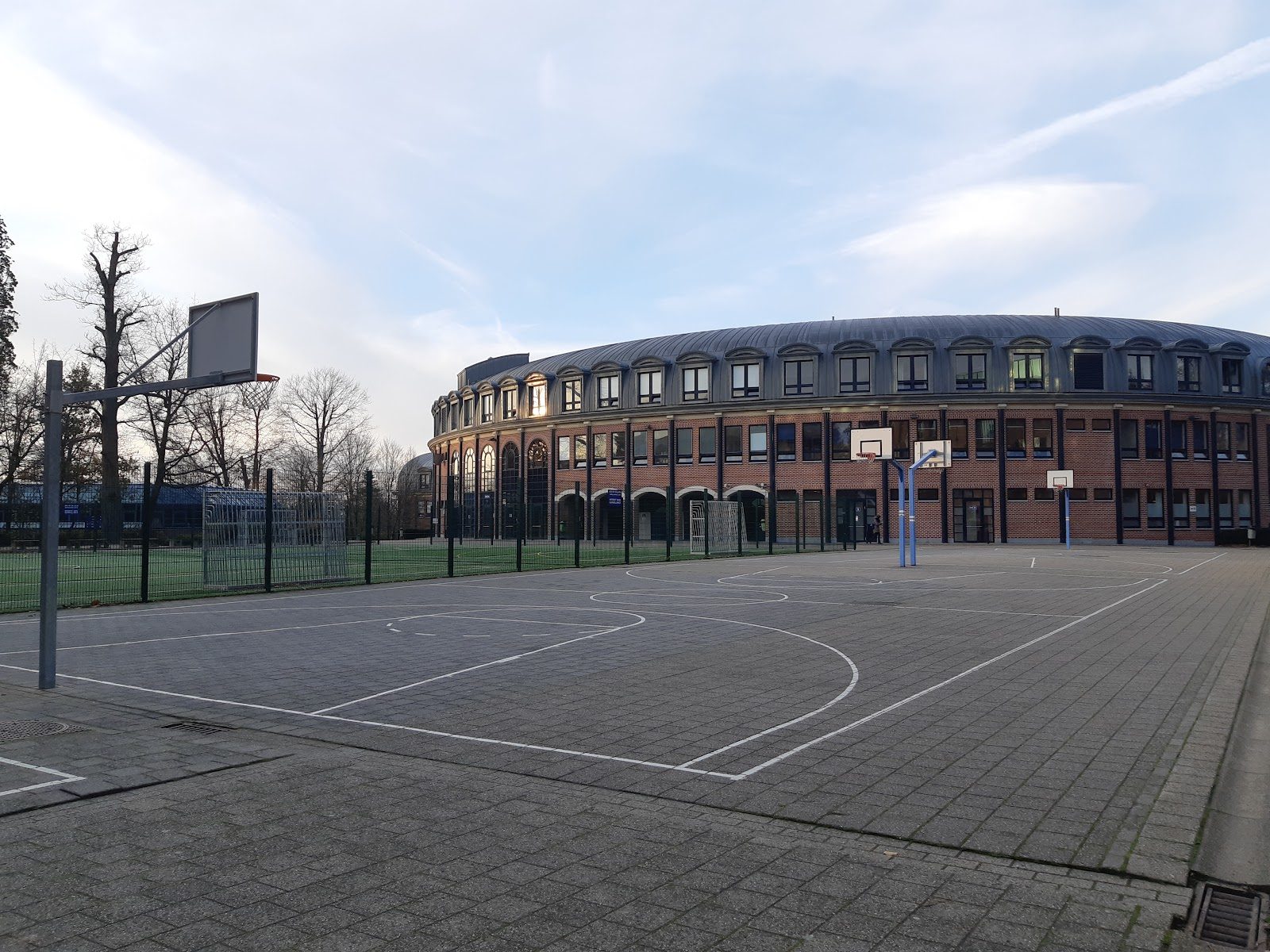
Photo © Noemi via Google Maps
Type
Day
Ages
4–18
Curriculum
European Baccalaureate
Ratio
—
The Verdict
Editor's commitment
Right for
Families tied to Brussels' EU institutions who want a 1958-founded, day European School leading cleanly to the European Baccalaureate.
Wrong for
Parents wanting boarding, a religious ethos, or anything outside ages 4–18 in Uccle under the European Schools Board.
Watch out for
Teaching runs across English, French, German and Dutch, but the school does not publish aggregate university destination or exam score data.
Ranking breakdown
European School of Brussels I · #1180 of 1591
Composite score 57.1. 8 weighted criteria.
By criterion
Academic Outcomes
Weight 20%
#1192
of 1533 scored
University Placement
Weight 16%
#1201
of 1529 scored
Prestige & Heritage
Weight 12%
#1250
of 1580 scored
Alumni Network
Weight 12%
#805
of 1530 scored
Facilities
Weight 12%
#1245
of 1540 scored
Transparency & Communications
Weight 8%
#1244
of 1547 scored
Peer & Industry Review
Weight 10%
#1111
of 1564 scored
Admissions Selectivity & Demand
Weight 8%
#991
of 1529 scored
Peer & Industry Review
How European School of Brussels I is regarded in the sector
65
Respected · low confidence
The European School of Brussels I (Uccle) is well known within the expat and EU-official community as one of the original European Schools serving Commission and institution staff, frequently discussed on expat parent forums (e.g., Expat.com, BrusselsLife, Reddit r/Belgium threads) as a solid, established option for EU families. However, it receives little coverage in mainstream specialist education press like Tatler or Good Schools Guide, which focus more on UK/international private school rankings, limiting broader peer-benchmarking evidence.
Editors' overview
European School of Brussels I occupies a rare niche: a public-purpose international school built for the children of EU staff, not a private school borrowing the language of internationalism. Founded in 1958, it is the second European School and one of four in Brussels. That matters. This is not an add-on bilingual stream or an international wing bolted onto a national system. It is a full European School running to the European Baccalaureate, with the institutional habits, multilingual structure and cross-border student body that route demands. For families who want daily life to reflect the administrative and political reality of Brussels, few schools match it. The attraction is clear: a serious multilingual education, a distinctly European peer group and a school culture shaped by public institutions rather than private branding.
What sets Brussels I apart is scale and linguistic breadth. The school spans Uccle and Forest and serves ages 4 to 18, with 13 language sections feeding one leaving qualification. That gives it a reach most international schools cannot offer. Students do not sit in a token multilingual environment; they move through one. For the right child, that is intellectually stretching and socially formative. It also gives the school a clear market position: this is a strong shortlist option for families tied to the EU ecosystem, for internationally mobile households that expect university progression, and for children who thrive in academically structured, language-rich settings. The school’s alumni list includes Ursula von der Leyen and Boris Johnson, which tells you less about prestige than about orbit: this school sits close to the European project and educates the children who grow up inside it.
The trade-off is just as clear. Brussels I suits students who are adaptable, linguistically confident and comfortable in a system that serves a defined constituency first. It will suit the child who enjoys navigating different nationalities, different mother tongues and a curriculum with a clear academic endpoint. It will not suit families looking for a boutique pastoral environment, a conventional Belgian school experience or a softer, more personalised private-school model. Its appeal rests elsewhere: institutional depth, a cosmopolitan daily routine, *an unusually direct route into European-minded higher education and a sense of belonging to something larger than one campus*. For the right family, that is not a decorative extra. It is the whole point.
Academic Performance
Academic results are the one area where public transparency is thinner than many international families will want. The school leads to the European Baccalaureate, but we have not seen school-level aggregate outcomes for pass rates, subject averages or distinction rates in the public domain. That matters, because European Schools attract a self-selecting cohort and feed a demanding final qualification; without published school-by-school data, any claim of exceptional performance over peer schools in Brussels turns into institutional fog. What can be said with confidence is narrower: this is a school built around a university-preparatory endpoint, and its own orbit points firmly in that direction. The school states that 97.7% of students who pass the Baccalaureate continue into higher education. That is a strong progression signal, even if it is not the same thing as a published exam profile.
Relative to peers, Brussels I sits in a distinctive category. It is not competing on IB averages, A-level tallies or AP score distributions, and parents cannot benchmark it in the familiar private-school way. The relevant comparison is other European Schools, where the value lies in a multilingual academic track tied to EU institutions and recognised university entry. For families who want clean league-table style disclosure, this will feel frustratingly opaque. For families who value the European School route itself, the school’s academic standing rests less on glossy score marketing and more on the credibility of that system and the near-universal onward progression attached to it.
Facilities
The defining facility advantage is structural rather than flashy: Brussels I operates across 2 sites, with provision split between Uccle and Forest. For parents, that matters more than a trophy theatre or an indoor golf simulator. A school serving children from the early years to the end of secondary education needs room to separate younger pupils from older ones, and a dual-campus setup gives it that. Add the school’s 13 language sections and the operational picture becomes clear: this is a campus estate built to handle scale, circulation and parallel teaching strands, not to sell a luxury image. Against private international-school peers, that reads as institutionally serious rather than designed for brochure appeal.
What we have not seen is a detailed public inventory of specialist spaces: no published headline list of performing arts venues, sports complexes, design labs or standout maker facilities. That absence does not prove weakness, but it does leave families without the kind of hard-edged comparability many fee-paying schools now provide as standard. In this peer group, the strongest competitors publish floorplans, studio lists and sports provision in exhausting detail. Brussels I does not. The practical conclusion is blunt: the school’s facilities case rests on capacity for multilingual all-through education across a large public-purpose operation, not on flashy capital showpieces or amenity-led one-upmanship. For families who prize function over spectacle, that is enough. For families shopping by facilities arms race, it is a thinner pitch.
Relative to peers, Brussels I sits in a distinctive category
Prestige
Prestige here comes from institutional standing, not private-school gloss. Brussels I sits inside the European Schools system itself, and that gives it a level of recognition that many international schools spend heavily trying to imitate. Its core constituency matters: this is a school built for the children of EU staff and officials, not a local school with an international stream attached. That creates a peer group with unusual cross-border fluency and a social environment tied closely to Brussels’ administrative class. The school’s spread across 13 language sections adds another layer of distinction. In practical terms, that is rare institutional heft, not boutique cachet. Among families who move within EU institutions, that carries real status.
Outside that world, the prestige is more specific than universal. This is not the kind of school that trades on elite branding, manicured exclusivity or headline-grabbing university placements. Its standing rests on seriousness, select constituency and proximity to European power. The alumni list reinforces that point: not as a marketing bauble, but as evidence that the school educates children growing up near the centre of public life. The progression figure of 97.7% into higher education strengthens the case further. We rate its prestige as high within its sphere and *less performative than private-school prestige*. For internationally minded families with EU ties, that is a substantial advantage. For families chasing old-boy-network glamour, it is a different proposition.
What makes Brussels I distinctive is not glamour but mandate
Communications
Parent communication reads as functional, institutional and geared to a community that already understands how large public-purpose schools work. The school’s split operation and 13 language sections create a communication burden that many smaller international schools never face. That makes clarity, consistency and routing more important than charm. Brussels I does not trade in polished admissions theatre or lifestyle storytelling. Its public face is more bureaucratic than seductive, which will suit families who want notices, structures and practical information without marketing varnish. The upside is institutional seriousness. The downside is that parents used to the hyper-responsive tone of expensive private schools may find it dry, dense and less personalised than they expect.
Effectiveness depends on what a family wants from communication. For routine school operations, the model is credible: a school serving a large, multilingual parent body needs systems, not whim. For reassurance, warmth and easy comparison, it is weaker. We have not seen the kind of expansive public communication that now defines the best parent-facing international schools: detailed pastoral explanation, rich insight into daily classroom life, or a strong habit of translating complexity into plain language. That does not make Brussels I poorly run; it makes it administratively minded. Parents who value efficiency and are comfortable navigating formal structures will cope well. Parents who want hand-holding, glossy transparency or a white-glove parent experience will find the communications culture less accommodating.
Uniqueness
What makes Brussels I distinctive is not glamour but mandate. This is a school built to serve a transnational public institution, and that changes the daily experience. The student body is not merely international; it is tied to the workings of the European Union, with children growing up around diplomacy, regulation, public administration and constant movement between countries. That produces a politically literate atmosphere and a peer group for whom crossing borders, switching registers and handling difference are normal parts of school life. The breadth of its 13 language sections sharpens that identity further. In most international schools, multilingualism sits at the edge of school life; here it sits at the centre. Students learn early that language is not an enrichment extra but a working fact.
That brings clear benefits for the right child. Students gain *daily exposure to genuine European plurality*, not a staged internationalism assembled for marketing copy. They meet classmates whose homes, assumptions and reference points span the continent, and that can build agility, tolerance for complexity and confidence in mixed-nationality settings. The school’s spread across 2 sites also reinforces the sense of a large civic institution rather than a boutique campus. The downside is just as clear: this model rewards independence, resilience and social adaptability. Children who want a cosier, more hand-held environment will find the culture less accommodating. For students who thrive in scale, structure and multilingual intensity, Brussels I offers a formation few schools can match.
That produces a student body that is unusually cosmopolitan, high-functioning and used to navigating difference without fuss
Student Profile
The student who fits best here is academically purposeful, socially adaptable and comfortable in a community shaped by public institutions rather than private-school theatre. This is a strong match for children of internationally mobile families, civil servants and households that treat multilingualism as a normal part of daily life, not an enrichment extra. With 13 language sections under one school umbrella, pupils live alongside peers whose home cultures, reference points and future destinations differ sharply. That produces a student body that is unusually cosmopolitan, high-functioning and used to navigating difference without fuss. Children who enjoy intellectual structure, clear expectations and a peer group with strong university ambitions will find plenty of traction.
It is a weaker fit for students who need a cosier, more intimate school culture or constant adult hand-holding. The scale, the institutional character and the social mix all reward independence. New pupils need enough confidence to enter established friendship circles, cope with administrative formality and manage a setting where many families already understand the system from the inside. The school’s higher-education progression figure — 97.7% of successful leavers moving on — tells you something important about the student profile: this is a community oriented towards academic continuation, not a broad church of loosely defined outcomes. For the right child, that creates a serious, outward-looking environment. For the wrong one, it can feel impersonal and demanding.
European School of Brussels I occupies a rare niche: a public-purpose international school built for the children of EU staff, not a private school borrowing the language of internationalism
Co-curricular strengths
Arts & sport, on a separate axis
Overall 6.4/10
Scored 0-10 from the school's own published evidence. This axis is editorial-only — it does not feed the main WTS ranking.
Sports
6.5/10
Drama
5.5/10
Dance
6/10
Music
7.5/10
Visual Arts
6.5/10
Editor first-pass · editor-reviewable · 7/30/2026
Strengths
- +Offers the European Baccalaureate, a qualification recognised for university entry across all EU member states without conversion.
- +One of the original European Schools, founded in 1958 to serve EU institution staff, giving it a long institutional history.
- +Multilingual model teaches core subjects in a student's mother-tongue language section alongside compulsory second and third languages.
- +Located in Uccle, a leafy southern Brussels commune close to EU institutions and international communities.
- +Curriculum and inspection are overseen jointly by the Belgian authorities and the Office of the Secretary-General of the European Schools.
Considerations
- −Admission is tiered, with priority given to children of European Union institution staff (Category I), limiting places for other applicants.
- −Large, bureaucratic system-wide governance can mean slower responsiveness to individual family concerns than a standalone international school.
- −Language-section model means class sizes and course choices depend heavily on which national section a child is placed in.
- −Campus and facilities are shared across a very large pupil population, which can feel impersonal compared to smaller international schools.
Availability
Primary entry gate & tests
Academic Record
Gallery
Photo © Noemi via Google Maps
Photo © Noemi via Google Maps
Photo © Raphael Cambas via Google Maps
Photo © Raphael Cambas via Google Maps
Photo © Soso 8 via Google Maps
Parent reviews
Have you sent your child here?
Voice reviews carry the strongest trust badge — we transcribe them for you to tidy up before they go live. Prefer to type? A written review is fine too.
Add your voice
In 60 seconds, tell other parents: what's the best thing about European School of Brussels I, and what surprised you when your child joined?
We ask for a Google sign-in so every review has a real face behind it — no anonymous drive-by attacks on schools, and no faked positive reviews. Your email is never shown publicly.
Send this profile to a friend
International parents rely on word-of-mouth. Share this review with someone weighing the same decision.
Schools with places
Similar schools to European School of Brussels I with places available now.
St. John's International School
Waterloo · Belgium
- 2026-27
- WAITPOOLSpace-dependent
- 2027-28
- PLACES OPENRolling
International School of Brussels
Brussels · Belgium
- 2026-27
- WAITPOOLSpace-dependent
- 2027-28
- PLACES OPENRolling
The British School of Brussels
Brussels · Belgium
- 2026-27
- WAITPOOLSpace-dependent
- 2027-28
- PLACES OPENRolling
Availability first, then country, area, curriculum, price, co-curricular
Consider also
Also worth looking at alongside European School of Brussels I.
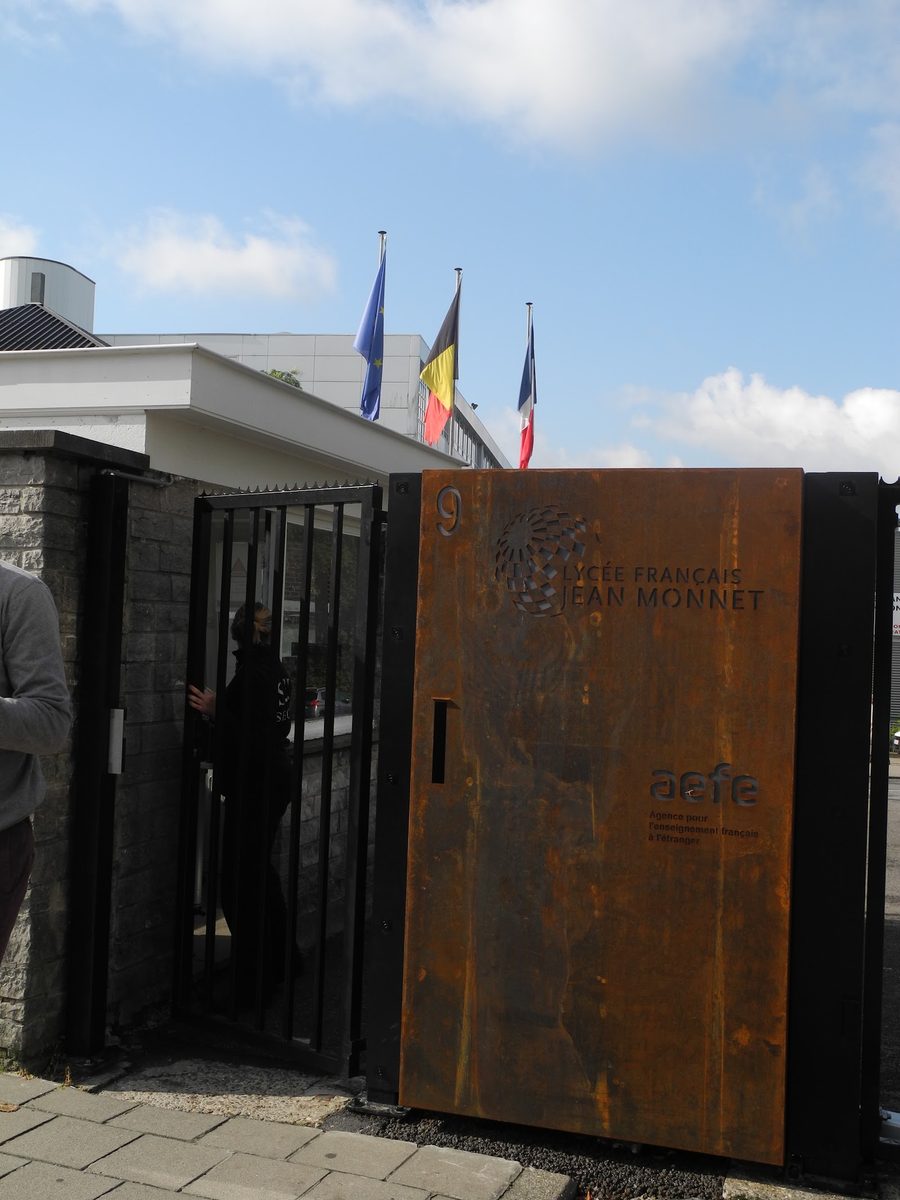
Lycée Français Jean Monnet
Uccle · Belgium
Brussels' last AEFE lycee standing, pairing the French Bac with Bachibac and English or German international diplomas in Uccle.

St. George's British International School Belgium
Brussels · Belgium
A British day school rooted in the EU capital, blending house-system tradition with a truly diplomatic postcode
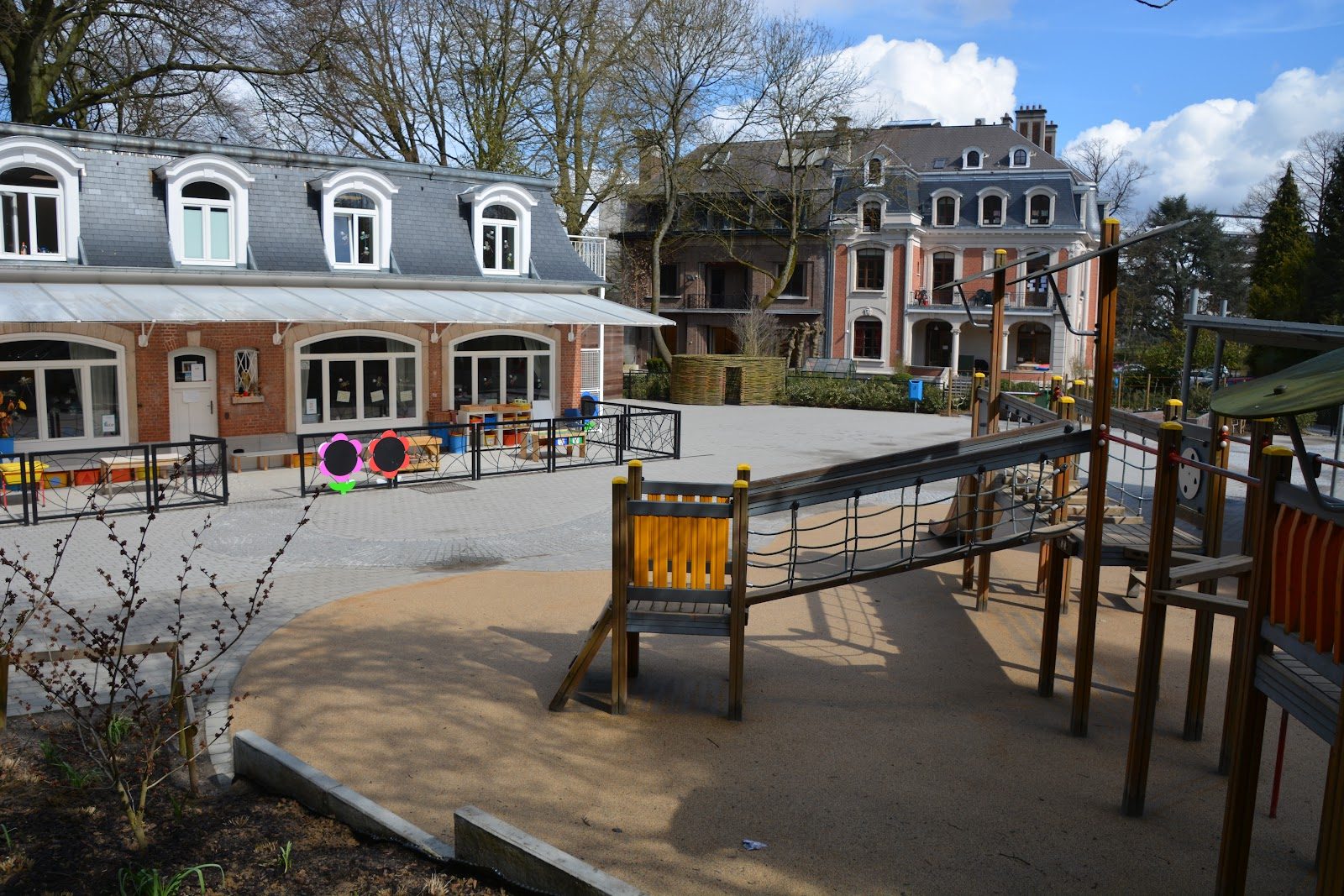
BEPS International School
Brussels · Belgium
A close-knit Bois de la Cambre campus guiding students from IB Early Years through Diploma and Career pathways since 1972.
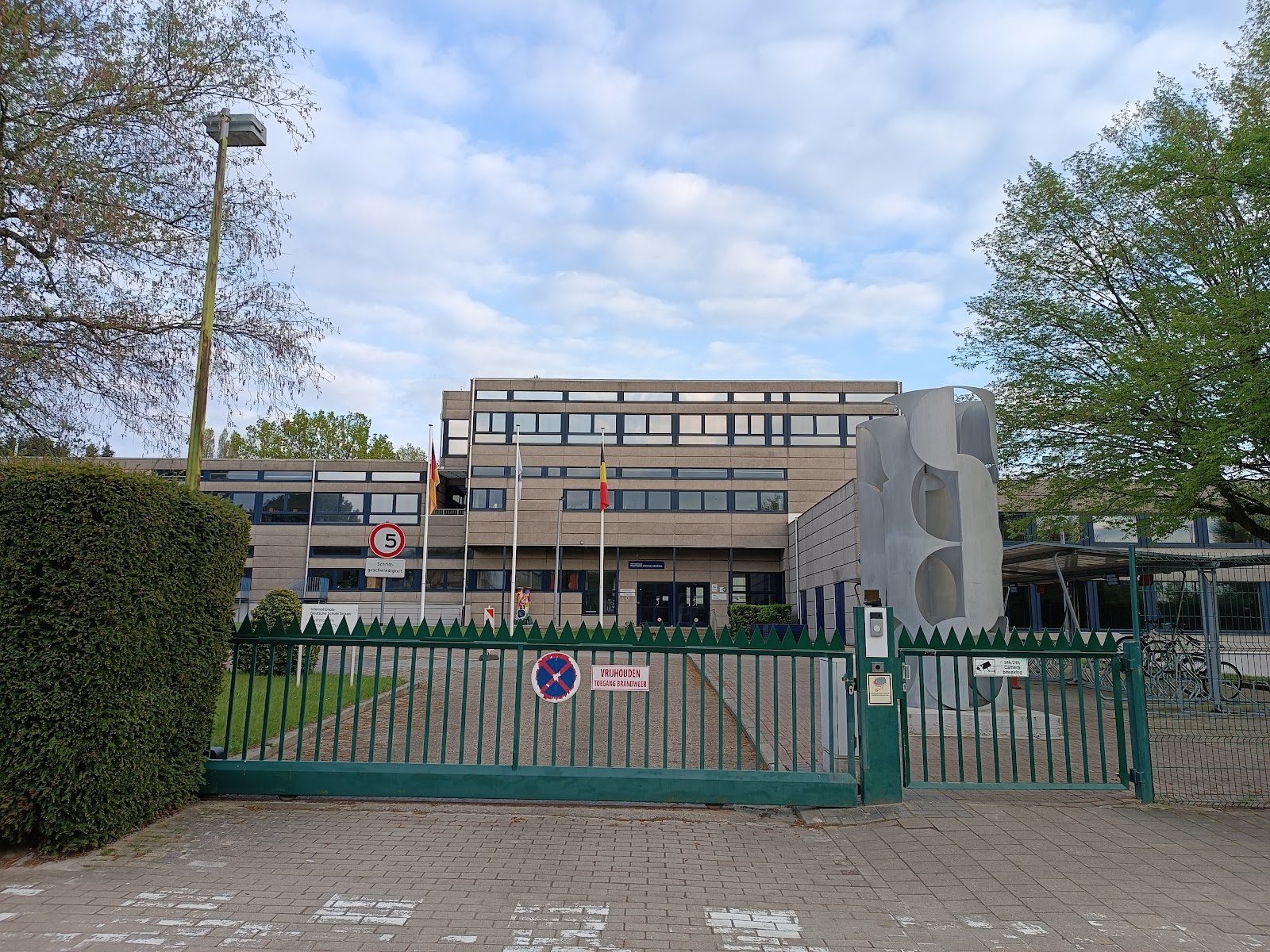
Deutsche Schule Brüssel
Wezembeek-Oppem · Belgium
Predating Belgium itself, this 1803-founded German campus east of Brussels still leads to the Abitur amid quiet green grounds.
Same country and curriculum — closest matches within ±10 points either way