
Bogotá D.C
Colegio San Jorge de Inglaterra
A Cambridge curriculum campus tucked inside a Suba nature reserve, where music is taught as a fourth language alongside French.
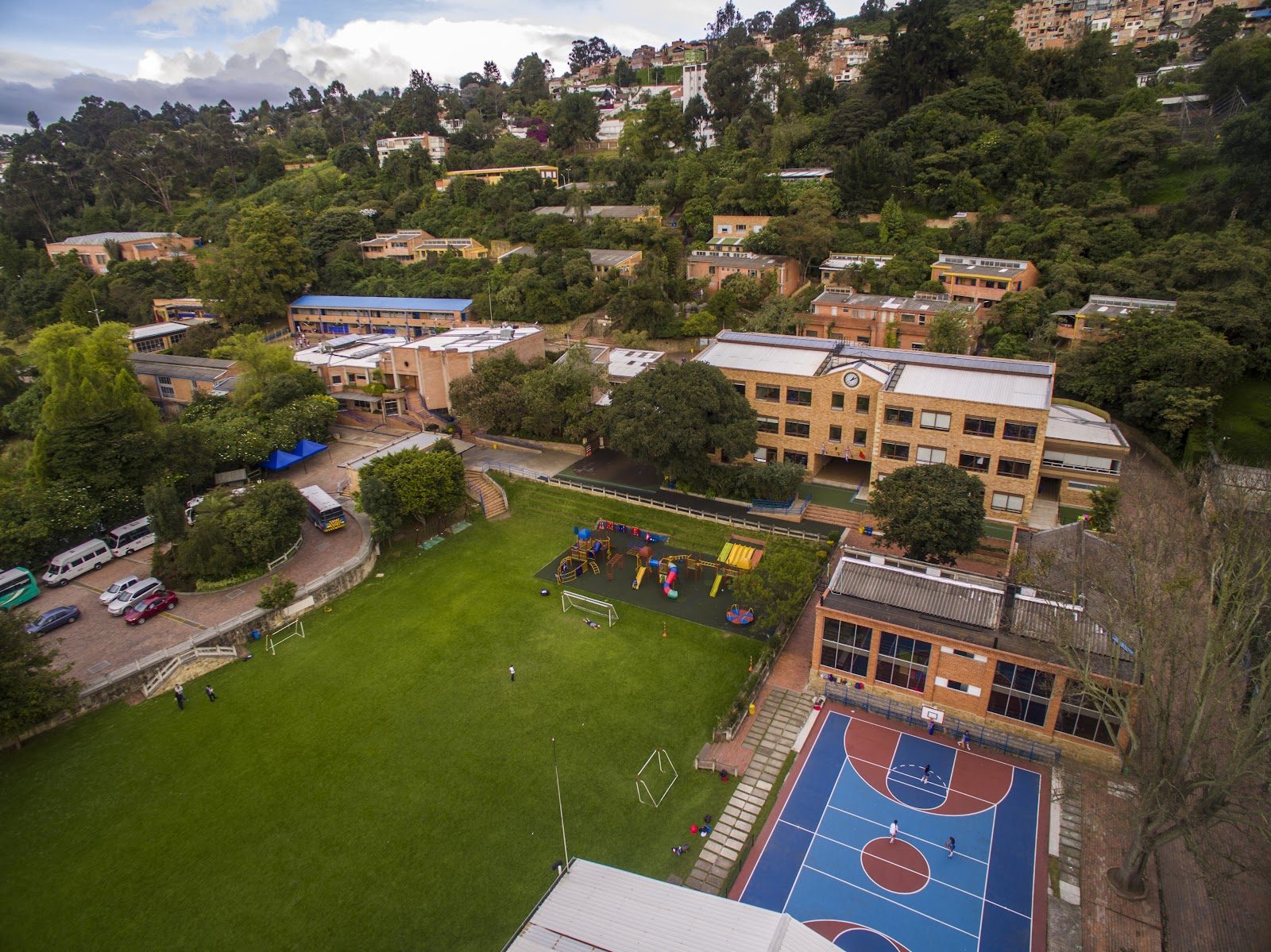
Photo © Colegio San Jorge de Inglaterra via Google Maps
Type
Day
Ages
4–18
Curriculum
British
Qualifications
IGCSE · A-Levels
Ratio
—
The Verdict
Editor's commitment
Right for
Bogotá families who want a 1958 Anglican day school, ages 4–18, with English-medium British curriculum in Suba’s reserve.
Wrong for
Families wanting boarding, Spanish-medium teaching, or a secular ethos; Colegio San Jorge de Inglaterra is day-only, English-medium and Anglican.
Watch out for
The headline is setting, not proof: the school trades on a Suba nature reserve campus and music as a fourth language, but publishes no outcomes here.
Ranking breakdown
Colegio San Jorge de Inglaterra · #1427 of 1591
Composite score 51.1. 8 weighted criteria.
By criterion
Academic Outcomes
Weight 20%
#1220
of 1529 scored
University Placement
Weight 16%
#1332
of 1529 scored
Prestige & Heritage
Weight 12%
#1437
of 1571 scored
Alumni Network
Weight 12%
#1240
of 1530 scored
Facilities
Weight 12%
#1193
of 1533 scored
Transparency & Communications
Weight 8%
#1326
of 1532 scored
Peer & Industry Review
Weight 10%
#1515
of 1548 scored
Admissions Selectivity & Demand
Weight 8%
#1232
of 1529 scored
Peer & Industry Review
How Colegio San Jorge de Inglaterra is regarded in the sector
48
Credible · medium confidence
Colegio San Jorge de Inglaterra holds a modest, largely domestic profile within Colombia's competitive bilingual-school landscape. Unlike Bogota's most internationally visible British-curriculum institutions (Colegio Anglo Colombiano, The English School, Gimnasio Campestre), it does not feature in independent review platforms such as WhichSchoolAdvisor or the Good Schools Guide, nor in Cambridge or IB global league tables referenced by international education press. Its peer standing appears tied mainly to formal accreditation bodies -- Cambridge Assessment International Education and CIS -- rather than public rankings or quoted assessments from rival heads. No independently verifiable university placement data or admissions-officer commentary is publicly available; graduates are generally understood to progress to leading Colombian universities such as Los Andes and Javeriana, with occasional entries abroad, but this cannot be confirmed from published sources. Colombian education press (El Tiempo, Semana Educacion) references it, when at all, as an established, credible bilingual option rather than a flagship elite institution. Overall, the school's reputation is that of a solid, locally respected second-tier bilingual school with minimal international peer-conference presence and negligible visibility in independent global education journalism or comparative rankings.
Editors' overview
Colegio San Jorge de Inglaterra occupies a niche that few Bogotá schools can match: a British-curriculum day school set inside a Suba nature reserve, with English as the language of instruction and an Anglican foundation dating back to 1958. That combination gives it a distinct market position. This is not the standard high-rise urban campus with a token patch of grass. Parents looking for a school with a real sense of place, daily contact with green space and a more self-contained environment will put San Jorge on the shortlist fast. The school’s most unusual calling card is cultural, not cosmetic: music sits alongside English, Spanish and French in the school’s identity, which gives the offer an unusually civilised shape for families who want the arts treated as part of an educated life, not an extracurricular add-on.
Its appeal rests on breadth with structure. The British curriculum gives international parents a familiar academic frame, and the age range of 4–18 offers continuity across the whole school journey. The Anglican character adds moral and ceremonial texture without changing the core academic proposition. San Jorge’s best selling point is that it does not force a choice between academic seriousness and a rounded education. It offers a more textured education than schools that define excellence only through examination pressure. That matters in Bogotá, where many premium schools talk about holistic education but organise school life around narrow attainment metrics. San Jorge stands out for families who want strong academics, language fluency and sustained exposure to music within one coherent setting.
The school will suit children who thrive in ordered environments, value languages, and want the arts embedded into the week rather than pushed to the margins. It will also fit families who want an English-medium education without giving up local rootedness. Students drawn to a campus with breathing room, to choirs, ensembles and performance, or to the steady discipline of a British-style framework will find San Jorge compelling. Children who need constant metropolitan buzz, a hard-driving corporate feel or an overtly transactional approach to results will find the school a less natural fit. For the right student, this is a serious school with soul: grounded, distinctive and easier to remember than many of its competitors.
Academic Performance
San Jorge publishes a striking headline: in 2024, its average IGCSE mark was 89/100, with 100% of students passing. That places the school in strong company by any reasonable benchmark. A clean pass rate on its own tells only part of the story, since many fee-paying schools clear that bar; the average mark matters more, and 89/100 points to a cohort performing well above simple pass territory. For parents comparing Bogotá schools, that reads as genuinely strong examination execution, not inflated rhetoric. The school also states that graduates have entered universities in Colombia, the United States, Canada, England, Spain and Australia, which gives the results practical weight beyond internal celebration.
What San Jorge does not publish is the fuller performance picture that serious scrutiny requires. We have not seen subject-by-subject breakdowns, top-grade distributions, multi-year trend data, sixth-form outcomes or any comparative data against regional and international Cambridge peers. That leaves the school in a familiar middle category: clearly capable, with one persuasive headline metric, but without the depth of disclosure offered by the most transparent schools in the market. The published result is strong enough to reassure parents that academic standards are real. It is not enough to rank San Jorge with precision against the city’s hardest-driving academic operators.
Facilities
The campus itself is the headline facility. In a market crowded with vertical schools and hard-surfaced urban sites, San Jorge offers something materially different: real green space, room to move, and a setting that changes the tone of the school day. That matters for younger children, and it still matters for older ones who spend long hours on site. The nature-reserve location gives the school a quietly privileged asset that many Bogotá peers cannot match, even when they have newer buildings or more polished sports infrastructure. For families who care about fresh air, outdoor circulation and a campus that does not feel boxed in, this is a serious competitive advantage. What we have not seen is a detailed public account of specialist science, design or technology facilities, so parents comparing high-end schools on laboratories, innovation suites or elite athletics provision need to ask sharper questions.
The other facility that counts here is musical infrastructure, because the school treats music as part of the core educational offer rather than decorative enrichment. That raises the stakes: dedicated rehearsal, teaching and performance spaces need to be good, not token. San Jorge’s identity points to a campus built to sustain choirs, ensembles and regular practice, which sets it apart from schools where music lives in one multipurpose room. Against peer schools, the balance is clear. San Jorge wins on atmosphere and setting and on the cultural seriousness of its arts provision. It does not yet publish enough about indoor sports, labs or specialist senior-school spaces to claim an all-round facilities lead.
For the right student, this is a serious school with soul: grounded, distinctive and easier to remember than many of its competitors
Prestige
San Jorge has real standing, but it sits in the city’s second prestige tier rather than at the very top. The reason is clear. It offers a distinctive identity, a campus setting that parents remember, and an education with more cultural shape than many competitors. The music emphasis matters here: it gives the school social and intellectual texture that affluent families often want but do not always find in schools built around raw score production. The Anglican foundation also carries weight with a certain constituency. This is recognisable old-guard prestige: traditional, mannered and grounded in continuity rather than flash. For families who value taste, ritual and a school culture with restraint, that has genuine pull.
Its prestige stops short of the city’s most dominant names because the public proof remains too narrow. One strong examination headline — 100% passing with an average of 89/100 — helps, but prestige at the highest level rests on thicker evidence: sustained disclosure, broader outcome data, and a reputation that extends beyond a defined niche. San Jorge has clear cachet among families drawn to British schooling, languages and the arts. It does not have the market-commanding aura of a school that sets the terms of comparison across the whole city. In practical terms, this is selective social prestige, not blanket dominance: admired, distinctive and credible, but not the school that ends every conversation.
For parents comparing Bogotá schools, that reads as genuinely strong examination execution, not inflated rhetoric
Communications
San Jorge communicates with parents in a way that matches its institutional character: formal, orderly and more traditional than slick. The school’s public-facing communication puts the essentials in place — admissions information, academic headlines, values, campus identity and points of contact — but it does not flood parents with data. That has strengths and limits. On the positive side, the tone is measured, adult and free of the breathless self-congratulation that clutters many school websites. Parents get a coherent sense of what the school values. On the negative side, the school does not publish the deeper operating detail that sharp parent scrutiny now expects: fuller academic breakdowns, richer day-to-day visibility into teaching, or a more granular account of how different parts of school life run in practice. Communication is clear at the top line, but selective in the detail.
That matters because strong parent communication is not just about tone; it is about disclosure. San Jorge already puts forward one memorable academic marker — 100% passing, with an average of 89/100 — and that gives its messaging credibility. But the wider pattern still feels curated rather than open-book. Families who are happy with a school that communicates with restraint, assumes a degree of trust and prefers substance to chatter will find that acceptable. Families who want constant updates, dashboard-style transparency and a heavy stream of published evidence will find the school less forthcoming than the strongest communicators in the premium market.
Uniqueness
San Jorge’s distinctiveness lies in combination, not gimmick. Plenty of schools offer green space; plenty offer strong academics; plenty talk about the arts. Very few build a whole school identity around all three, and fewer still treat music with the same status as the main languages of school life. That gives San Jorge a rarer educational shape than the usual premium-school formula of exam preparation plus extracurricular garnish. For students, the benefit is concrete: music is not left to the keen minority who stay late. It sits inside the weekly rhythm, which builds discipline, listening, ensemble habits and confidence in performance. In a school market full of results-first utilitarianism, that is a serious point of difference.
The campus setting sharpens that identity. A school inside a protected natural environment gives children a daily experience that feels *less compressed, less urban and more self-possessed* than the standard Bogotá model. That does not just make the place prettier. It changes pace, circulation, noise levels and the texture of breaks between lessons. Combined with the school’s Anglican inheritance, San Jorge offers a form of education with ceremony, order and cultural depth that many rivals do not match. The published examination headline — 100% passes with an average of 89/100 — also matters here, because it confirms that this broader model does not dilute academic standards. The result is a school with real internal coherence: students get structure, aesthetic formation and academic seriousness in one place.
San Jorge has real standing, but it sits in the city’s second prestige tier rather than at the very top
Student Profile
The students who fit San Jorge best are the ones who do not need a school to perform itself loudly. This is a place for children who can work within structure, tolerate ritual and take adults seriously. The school will suit pupils who like clear expectations, steady routines and a culture that still values manners, presentation and collective standards. Musically committed children have an obvious advantage, not because every student must be a specialist, but because the school treats music as a real discipline rather than polite window dressing. Linguistically alert students will also thrive: the school’s identity gives unusual weight to communication, listening and performance. Children who enjoy being busy in a civilised, ordered environment will settle faster than those who need constant novelty or a looser social code.
Socially, this is not the natural home for students chasing status display, edge or friction. It will suit families who want their children educated in a community with old-school restraint and a strong sense of belonging, rather than a campus culture built around swagger. Creative children who also accept discipline are a strong fit. So are thoughtful pupils who like ensembles, collaboration and the quiet pressure of shared standards. The less comfortable match is the child who wants anonymity, resists institutional formality or only engages when everything is personalised around them. San Jorge asks students to join a common culture. For the right child, that is *grounding, distinctive and deeply formative*.
It offers a distinctive identity, a campus setting that parents remember, and an education with more cultural shape than many competitors
Co-curricular strengths
Arts & sport, on a separate axis
Overall 7.62/10
Scored 0-10 from the school's own published evidence. This axis is editorial-only — it does not feed the main WTS ranking.
Sports
7.8/10
Drama
7.5/10
Dance
6.8/10
Music
8/10
Visual Arts
8/10
Strengths
- +Founded in 1958, it is a private, traditional British school in Bogota, Colombia.
- +The seven-hectare campus hosts 22 buildings located on a designated nature reserve in Suba, northwest Bogota.
- +The Cambridge International curriculum is delivered in English and French with Spanish as the mother tongue, and French begins in grade 3, with the school joining Cambridge International in 2012.
- +In the Sapiens Research Col-Sapiens 2025-2026 national ranking the school placed third in the country, behind only Colombo Americano CAS and Boston International.
- +It holds EFQM 'Committed to Excellence' four-star accreditation and ISO 9001:2015 certification through ICONTEC and IQNET.
Considerations
- −The school carries a Catholic orientation, which may not suit every secular or non-Christian expat family.
- −It operates strictly as a day school and does not list a boarding program, so relocating families must arrange local housing themselves.
- −Published fee figures for application, enrollment and monthly tuition vary noticeably across third-party listings, making it hard to budget precisely before direct contact with admissions.
- −Language delivery is built around English, Spanish and French only, offering less linguistic breadth than schools running multiple foreign-language tracks.
Availability
Primary entry gate & tests
Academic Record + Interview
Gallery
Photo © Colegio San Jorge de Inglaterra via Google Maps
Photo © Colegio San Jorge de Inglaterra via Google Maps
Photo © Colegio San Jorge de Inglaterra via Google Maps
Photo © Colegio San Jorge de Inglaterra via Google Maps
Photo © Colegio San Jorge de Inglaterra via Google Maps
Photo © Colegio San Jorge de Inglaterra via Google Maps
Photo © Papa Mogs via Google Maps
Parent reviews
Have you sent your child here?
Voice reviews carry the strongest trust badge — we transcribe them for you to tidy up before they go live. Prefer to type? A written review is fine too.
Add your voice
In 60 seconds, tell other parents: what's the best thing about Colegio San Jorge de Inglaterra, and what surprised you when your child joined?
We ask for a Google sign-in so every review has a real face behind it — no anonymous drive-by attacks on schools, and no faked positive reviews. Your email is never shown publicly.
Send this profile to a friend
International parents rely on word-of-mouth. Share this review with someone weighing the same decision.
Schools with places
Similar schools to Colegio San Jorge de Inglaterra with places available now.
Availability first, then country, area, curriculum, price, co-curricular
Consider also
Also worth looking at alongside Colegio San Jorge de Inglaterra.
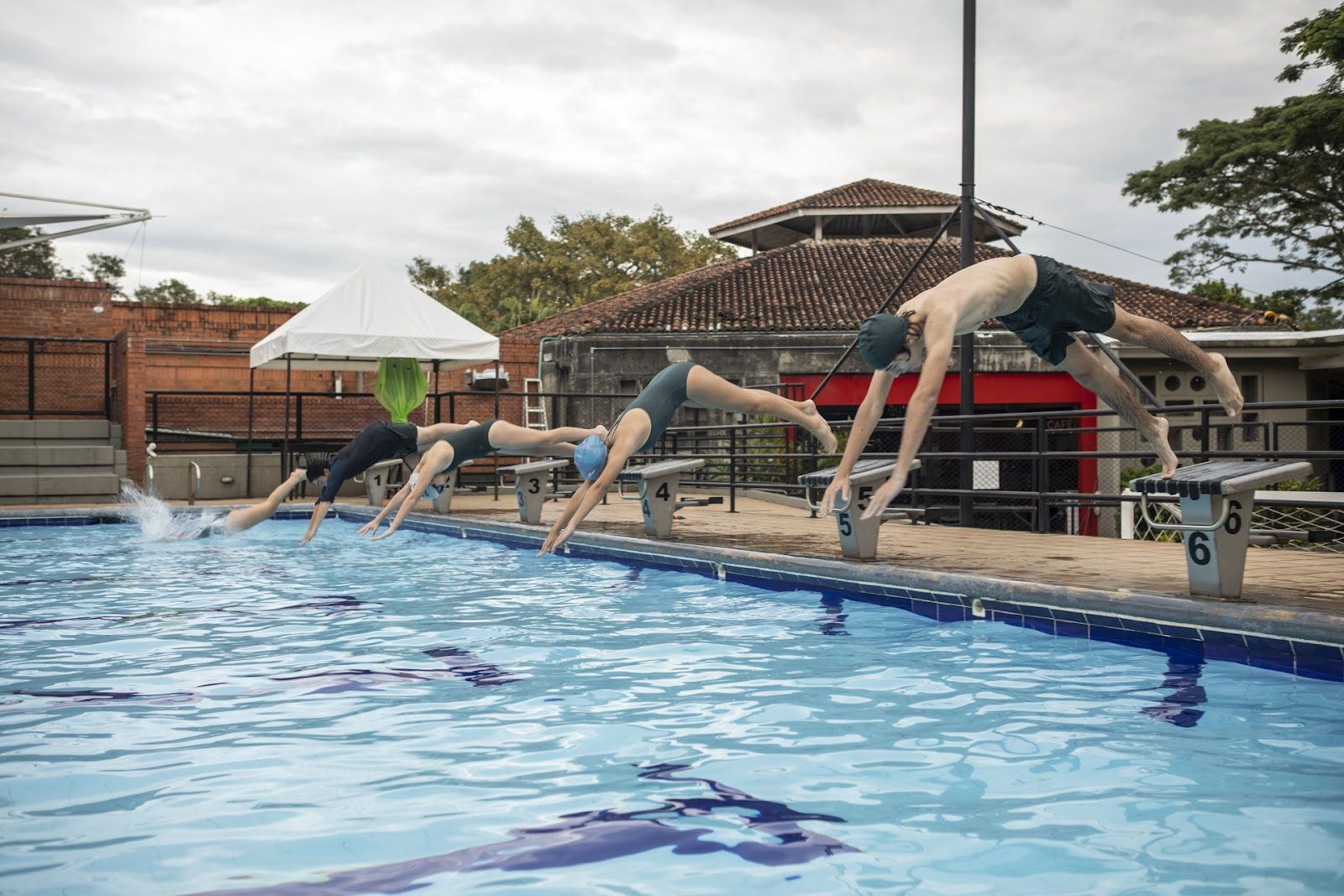
Colegio Colombo Británico Cali
Cali · Colombia
Founded in 1956 on English pedagogy, Cali's only CIS-accredited school runs the full IB continuum with a Round Square ethos of service and exchange.
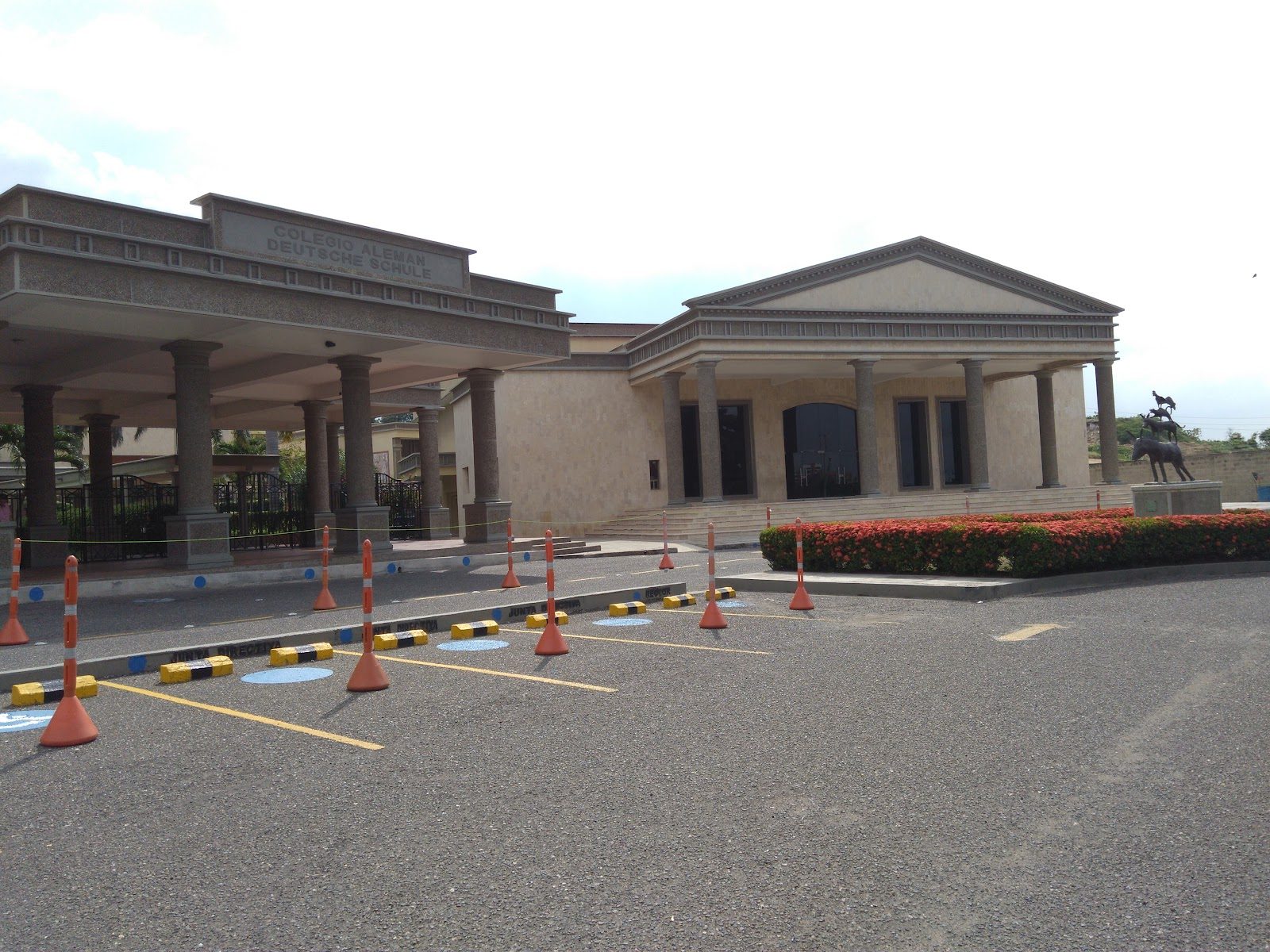
Colegio Alemán de Barranquilla
Barranquilla · Colombia
On Colombia's Caribbean coast, a century-old German school pairs Abitur rigor with the IB diploma in three languages.

St. Christopher's School
Manama · Bahrain
Founded in a church hall in 1961, this Isa Town school remains among the Gulf's longest-established international institutions.
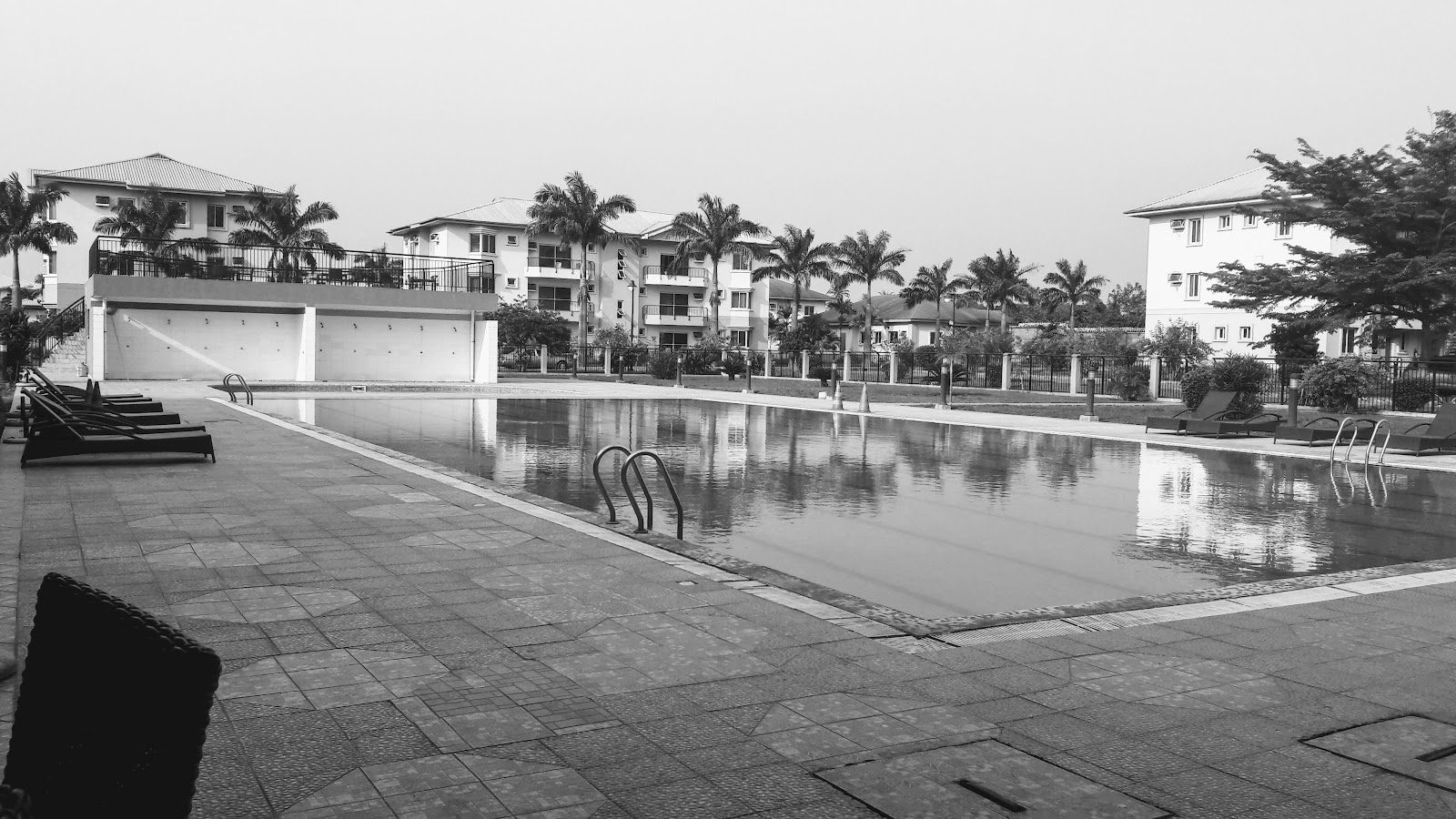
Day Waterman College
Abeokuta · Nigeria
On 35 hectares outside Abeokuta, British-curriculum boarders swap city noise for golf greens and a FIFA-sized pitch.
Same country and curriculum — closest matches within ±10 points either way