
Abu Dhabi
The Sheikh Zayed Private Academy for Boys
medium confidence· 6/6 cats · 2 avg sourcesMassachusetts Common Core meets a UAE Armed Forces leadership programme, forging Emirati identity into an American diploma.
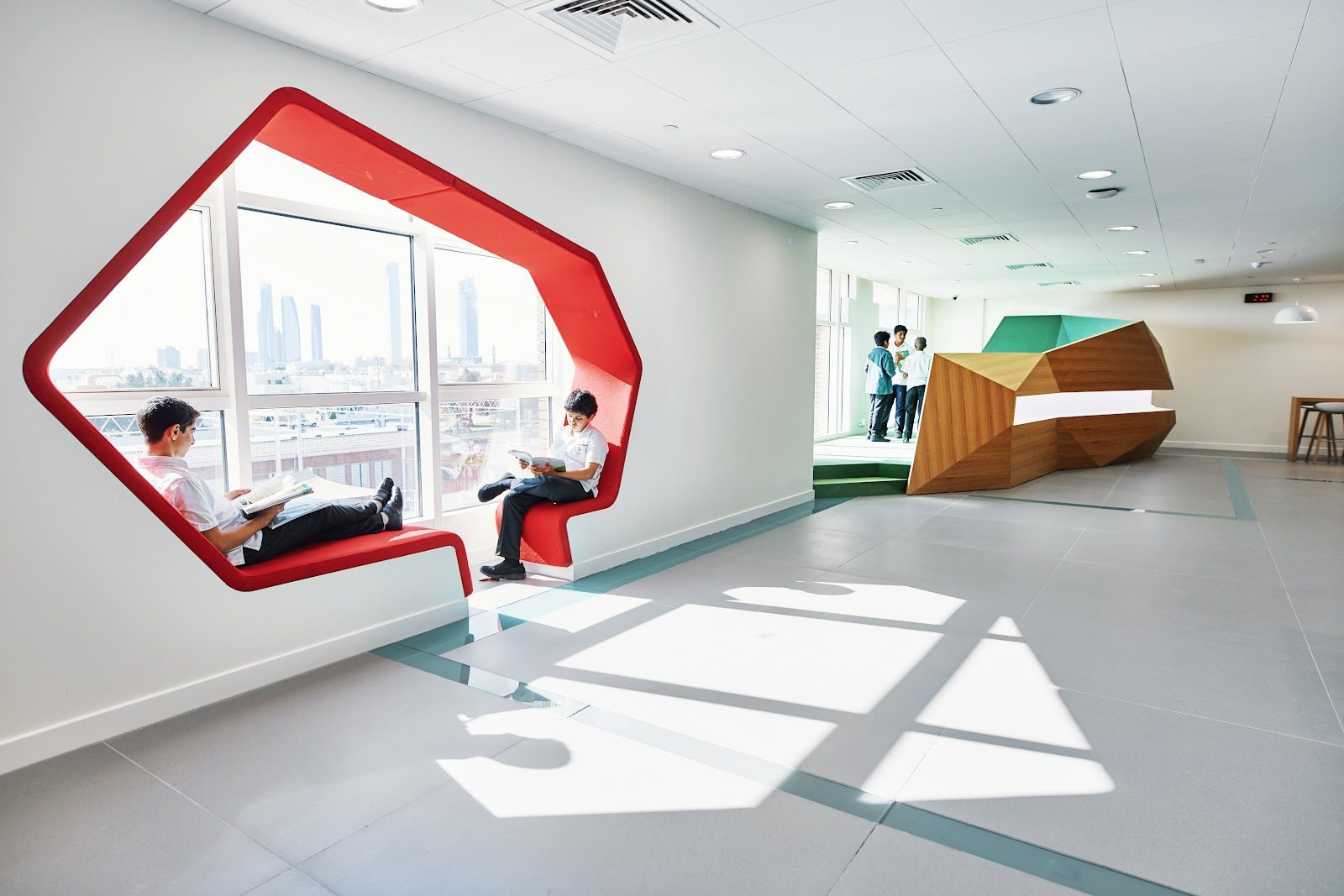
Photo © The Sheikh Zayed Private Academy for Boys via Google Maps
Type
Day
Ages
3–18
Curriculum
American
Qualifications
US High School Diploma
Ratio
—
The Verdict
Editor's commitment
Right for
Emirati families who want an American curriculum, English and Arabic teaching, and ADEK’s Outstanding 2023/24 verdict without sacrificing national identity.
Wrong for
Families who want boarding, a softer pastoral culture, or distance from a UAE Armed Forces leadership frame at a 2015-founded boys’ school.
Watch out for
The average annual day fee is AED 63,322; that buys a 3–18 American day school in Abu Dhabi with a sharply defined mission.
Ranking breakdown
The Sheikh Zayed Private Academy for Boys · #1046 of 1591
Composite score 61.6. 8 weighted criteria.
By criterion
Academic Outcomes
Weight 20%
#857
of 1529 scored
University Placement
Weight 16%
#965
of 1529 scored
Prestige & Heritage
Weight 12%
#1219
of 1571 scored
Alumni Network
Weight 12%
#995
of 1530 scored
Facilities
Weight 12%
#569
of 1533 scored
Transparency & Communications
Weight 8%
#515
of 1532 scored
Peer & Industry Review
Weight 10%
#1373
of 1548 scored
Admissions Selectivity & Demand
Weight 8%
#1419
of 1529 scored
Peer & Industry Review
How The Sheikh Zayed Private Academy for Boys is regarded in the sector
68
Respected · medium confidence
The Sheikh Zayed Private Academy for Boys has built a solid, decade-long reputation in Abu Dhabi's blended-curriculum sector, most recently confirmed by an Outstanding ADEK rating in its 2024 Irtiqa'a inspection, a step up from "Very Good" in 2021 and "Good" at its 2015 launch, with WhichSchoolAdvisor highlighting inspectors' praise for an "exceptionally effective principal" and "outstanding capacity to continue to innovate." SchoolsCompared frames it as "a well established Abu Dhabi school, with a reputation shaped not only by its founding narrative but also by inspection outcomes and parent voice," a standing reinforced by the site's Top Schools Awards recognition as a leading blended Arabic-curriculum school. Coverage remains narrower than for Dubai's flagship British day schools, and the school's identity is closely tied to its predominantly Emirati intake and sister-school legacy rather than broad international name recognition. Consistent inspection improvement and repeated sector-press attention nonetheless mark it out as a credible, well-regarded regional player.
Editors' overview
This is not a generic American school in Abu Dhabi. The Sheikh Zayed Private Academy for Boys combines an American curriculum, attested by ADEK, with a leadership programme tied to the UAE Armed Forces and an explicit Emirati frame. That combination gives it a clear identity in a market full of schools that promise global citizenship in interchangeable language. Founded in 2015, it is still a young school, but the proposition is already distinct: English and Arabic matter, national culture is not treated as an add-on, and the school is built for boys from ages 3 to 18 rather than retrofitting a co-educational model. ADEK’s Outstanding rating for 2023/24 matters here. In Abu Dhabi, that places the school in the top regulatory bracket and gives parents firmer ground than brand rhetoric ever does.
The market position is straightforward. At an average annual day fee of AED 63,322 across the full age range, this sits in the premium segment of the Abu Dhabi day-school market without straying into the most stratospheric pricing. Parents are paying for a tightly defined mission, not for imported heritage or sprawling corporate-school gloss. The school’s specialism is not breadth for its own sake; it is the deliberate fusion of Massachusetts Common Core-style American academics with discipline, leadership and service. For the right family, that is a serious draw. For families who want a looser, more liberal, less structured school culture, it is a poor fit.
The boy who will want to be here is one who responds to structure, clear expectations and a school culture that treats leadership as a daily practice rather than a slogan. Families who want strong English-medium academics but do not want Emirati identity diluted by an aggressively internationalised ethos will find this school unusually coherent. Families looking for a relaxed atmosphere, a broad church of educational philosophies or a cosmopolitan social scene detached from national purpose will not. In a crowded American-curriculum market, The Sheikh Zayed Private Academy for Boys makes the shortlist because it knows exactly what it is: a boys’ day school in Abu Dhabi, for ages 3–18, with an assertive civic and cultural brief and a regulator’s top rating to back it.
Academic Performance
Academic performance is the weak point in the public picture. The school does not publish aggregate SAT averages, AP score distributions, IB data, university matriculation lists, or any year-by-year destination breakdown that would let parents benchmark outcomes against Abu Dhabi’s stronger American-school competitors. For a school with a top regulatory rating, that gap matters. ADEK’s judgement carries weight on teaching, leadership and school quality, but it does not replace hard external results. Parents can infer that standards are strong from the inspection grade; they cannot verify how strong exam outcomes are in comparison with other premium American schools because the school leaves that evidence unpublished. In editorial terms, that makes the results story opaque.
Relative to peers, this places the academy in an awkward middle ground: credible, clearly serious, but not data-rich. The strongest schools in this segment put public numbers behind their claims, whether through AP cohorts, SAT means, scholarship lists or destination detail. This school does not. That does not mark it down as weak; it marks it down as undemonstrated. Families who prioritise structure, conduct and regulator-approved quality will accept that trade. Families choosing on sixth-form outcomes and university traction will want more than an inspection grade and institutional confidence. Until the school publishes a fuller attainment record, its academic standing remains hard to rank precisely beside the city’s more transparent rivals.
Facilities
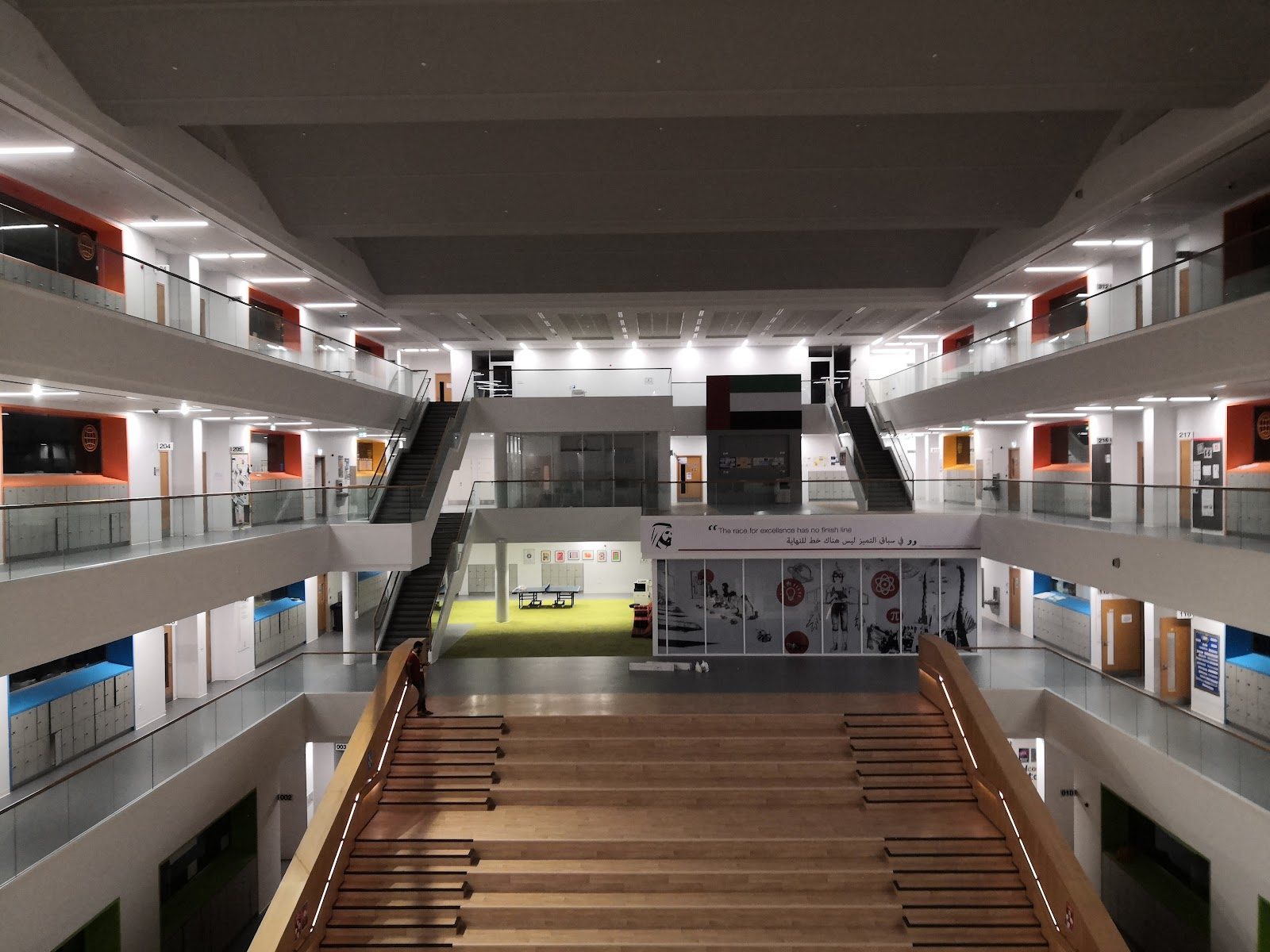
Facilities are strong where they need to be for this school’s core brief: sport, physical development and orderly all-through schooling. The campus gives boys a purpose-built, high-control environment rather than the showpiece excess some premium schools chase. Parents should expect the important staples of this tier — specialist teaching spaces, age-appropriate play and sports provision, and the infrastructure to run a full day-school programme from the early years to sixth form — but not a facilities story built around spectacle. That matters in context. Some Abu Dhabi competitors sell themselves on theatres, Olympic-scale aquatics or sprawling mixed-use campuses that function as status symbols. This school’s estate reads as mission-led instead: disciplined, practical and aligned with a culture that values routine, movement and supervision over lifestyle gloss.
Against peers, that is a respectable position, but not a category-defining one. The school sits comfortably above the functional mid-market standard, yet it does not occupy the city’s arms-race end of the premium facilities market. Families choosing it for sport, structure and a tightly managed daily environment will find enough. Families who want a vast arts complex, a conspicuous innovation centre or the kind of campus that doubles as a social statement will find stronger physical plant elsewhere. The key judgment is simple: these facilities are fit for purpose and credible for a top-tier boys’ school, but they are not the main reason the school commands attention.
In Abu Dhabi, that places the school in the top regulatory bracket and gives parents firmer ground than brand rhetoric ever does
Prestige
Prestige here is institutional before it is social. This school carries weight because it has a sharply defined national brief, a regulator’s top judgement and a fee point of AED 63,322 that places it in Abu Dhabi’s premium bracket without buying old-brand cachet. That matters. In the Emirates, prestige does not rest on imported names alone; it also rests on proximity to state priorities, seriousness of discipline and the confidence of families who want a school to reinforce identity rather than dissolve it into generic internationalism. On that measure, this academy has real standing. It is not the school parents choose for inherited Anglo prestige, celebrity alumni or a glossy expatriate network. They choose it for a purpose-built elite proposition with a clear civic frame.
That distinction sets the ceiling as well as the strength. The school’s prestige is high, but specialised. It commands respect among families who value leadership, order and national service-mindedness. It has less traction with parents who define status through public examination data, Oxbridge-style mythology or the social theatre of older overseas-linked schools. The unanswered question is academic renown: without published aggregate results or destination detail, the school cannot claim the kind of outcomes-based prestige that closes the argument on its own. So the verdict is straightforward. This is a prestigious school within its lane: *serious, selective in ethos, and culturally confident* — but its reputation rests more on mission and official quality than on publicly proven academic glamour.
The Sheikh Zayed Private Academy for Boys combines an American curriculum, attested by ADEK, with a leadership programme tied to the UAE Armed Forces and an explicit Emirati frame
Communications
Parent communication is more disciplined than expansive. The school’s public-facing channels do the core job cleanly: contact routes are clear, the identity of the school is unmistakable, and the parent is never left guessing what kind of institution he is dealing with. That matters in a school with a high-control culture. Families do not need chatter; they need prompt notices, clear expectations and a reliable line into daily school life. The academy gives that impression. The standard information a parent looks for — admissions routes, calendar structure, leadership visibility and points of contact — is organised with institutional clarity rather than sales polish. The tone is formal, confident and deliberately unsentimental, which fits the school better than a warmer, lifestyle-led style would.
Where the communication falls short is depth. The school does not publish the kind of hard outcome data, detailed destination reporting or richer performance narrative that would strengthen trust with analytically minded parents. That gap matters because communication is not only about logistics; it is also about disclosure. A school asking families to buy into a demanding ethos needs to show, in plain numbers, what that ethos produces at the far end. Here, the academy communicates its mission better than it communicates its measurable results. So the verdict is straightforward: operationally competent and culturally coherent, but still too guarded where scrutiny matters most. For day-to-day parent communication, that is enough. For full transparency, it is not.
Uniqueness
What marks this school out is not the American diploma on its own, but the way it is fused with a formal leadership and character model tied to the national sphere. Plenty of schools in the emirate promise confidence, resilience and citizenship. This one builds those ideas into the daily architecture of school life for boys from the nursery years to graduation. The single-sex setting matters here. It allows the school to run a tightly drawn culture of conduct, hierarchy, service and responsibility without diluting the message to accommodate a broader, more mixed identity. That gives the academy a rare clarity of purpose. It knows which families it serves, and it does not waste energy pretending to be all things to all parents.
For students, the gain is coherence. Boys get an education where academic study, physical discipline and national identity pull in the same direction rather than competing for space. In practice, that can produce self-possession, stronger habits of leadership and a clearer sense of duty than the softer pastoral culture found elsewhere. It also gives Emirati families something many international schools struggle to provide: a school life that treats local identity as the centre, not the decoration. The trade-off is obvious. This is a high-definition model, not a flexible one. Boys who thrive on firm boundaries and collective purpose will flourish. Boys who want latitude, informality and a looser definition of self will feel constrained. That sharpness is the point, and it is the school’s real distinction.
That combination gives it a clear identity in a market full of schools that promise global citizenship in interchangeable language
Student Profile
The boy who fits here is not one who needs endless choice or a permissive culture. He needs clear rules, adult authority and a strong sense that school life has a purpose beyond personal preference. This is a good match for families who value discipline, duty and visible standards of conduct, and who want those expectations reinforced every day rather than negotiated. The single-sex setting sharpens that effect. Boys who respond well to routine, correction and collective identity will settle faster here than they would in a more relaxed co-educational environment. Boys who resist structure, question every boundary or need a softer pastoral tone will chafe.
Socially and culturally, this school suits families who want ambition anchored to national identity rather than detached from it. It will appeal strongly to parents who want sons to grow into self-commanding, service-minded young men, not just competent exam candidates. The average annual fee of AED 63,322 also places the intake in a plainly affluent bracket, though not the city’s most rarified one, so expectations around presentation, behaviour and parental buy-in run high. In practice, the strongest fit is a boy who is energetic, coachable and comfortable in a school where leadership is earned through conduct, reliability and contribution. The wrong fit is a boy who wants informality, expressive freedom and low adult oversight.
Parents are paying for a tightly defined mission, not for imported heritage or sprawling corporate-school gloss
Co-curricular strengths
Arts & sport, on a separate axis
Overall 6.26/10
Scored 0-10 from the school's own published evidence. This axis is editorial-only — it does not feed the main WTS ranking.
Sports
8.5/10
Multiple sports—Football, Basketball, Swimming, Athletics, Volleyball and Table Tennis—showing a solid multi-activity offering, but gives no named facilities, specialist staff or competitive results.
Drama
5.5/10
Dance
4.5/10
Music
6.8/10
Visual Arts
6/10
Editor first-pass · editor-reviewable · 7/27/2026
Official inspection · Abu Dhabi
ADEK report · 2023/24
Official · ADEKInspectorate
Department of Education & Knowledge
Abu Dhabi's mandatory education regulator; Irtiqa'a six-standard framework.
Curriculum
American
Improved vs previous cycle
Full report
ADEK private-school directoryRating history
Strengths
- +ADEK-rated Outstanding for 2023/24
- +American curriculum, regulator-attested
- +English and Arabic instruction
- +Covers ages 3–18 on one campus
- +Elite-band strength in sport
Considerations
- −Day school only; no boarding option
- −No alternative curriculum beyond American
- −Drama and dance provision remains developing
Availability
Primary entry gate & tests
CAT4 / Assessment
Gallery
Photo © The Sheikh Zayed Private Academy for Boys via Google Maps
Photo © The Sheikh Zayed Private Academy for Boys via Google Maps
Parent reviews
Have you sent your child here?
Voice reviews carry the strongest trust badge — we transcribe them for you to tidy up before they go live. Prefer to type? A written review is fine too.
Add your voice
In 60 seconds, tell other parents: what's the best thing about The Sheikh Zayed Private Academy for Boys, and what surprised you when your child joined?
We ask for a Google sign-in so every review has a real face behind it — no anonymous drive-by attacks on schools, and no faked positive reviews. Your email is never shown publicly.
Send this profile to a friend
International parents rely on word-of-mouth. Share this review with someone weighing the same decision.
Schools with places
Similar schools to The Sheikh Zayed Private Academy for Boys with places available now.
Emirates National Schools - Abu Dhabi Campus
Abu Dhabi · United Arab Emirates
- 2026-27
- PLACES OPENApps open / space-dependent
- 2027-28
- WAITPOOL2027/28 timetable TBC
The Sheikh Zayed Private Academy for Girls
Abu Dhabi · United Arab Emirates
- 2026-27
- WAITPOOLSpace-dependent
- 2027-28
- OPENS SOONOpens early Nov '26
American International School in Abu Dhabi
Abu Dhabi · United Arab Emirates
- 2026-27
- WAITPOOLSpace-dependent
- 2027-28
- WAITPOOL2027/28 timetable TBC
Availability first, then country, area, curriculum, price, co-curricular
Consider also
Also worth looking at alongside The Sheikh Zayed Private Academy for Boys.
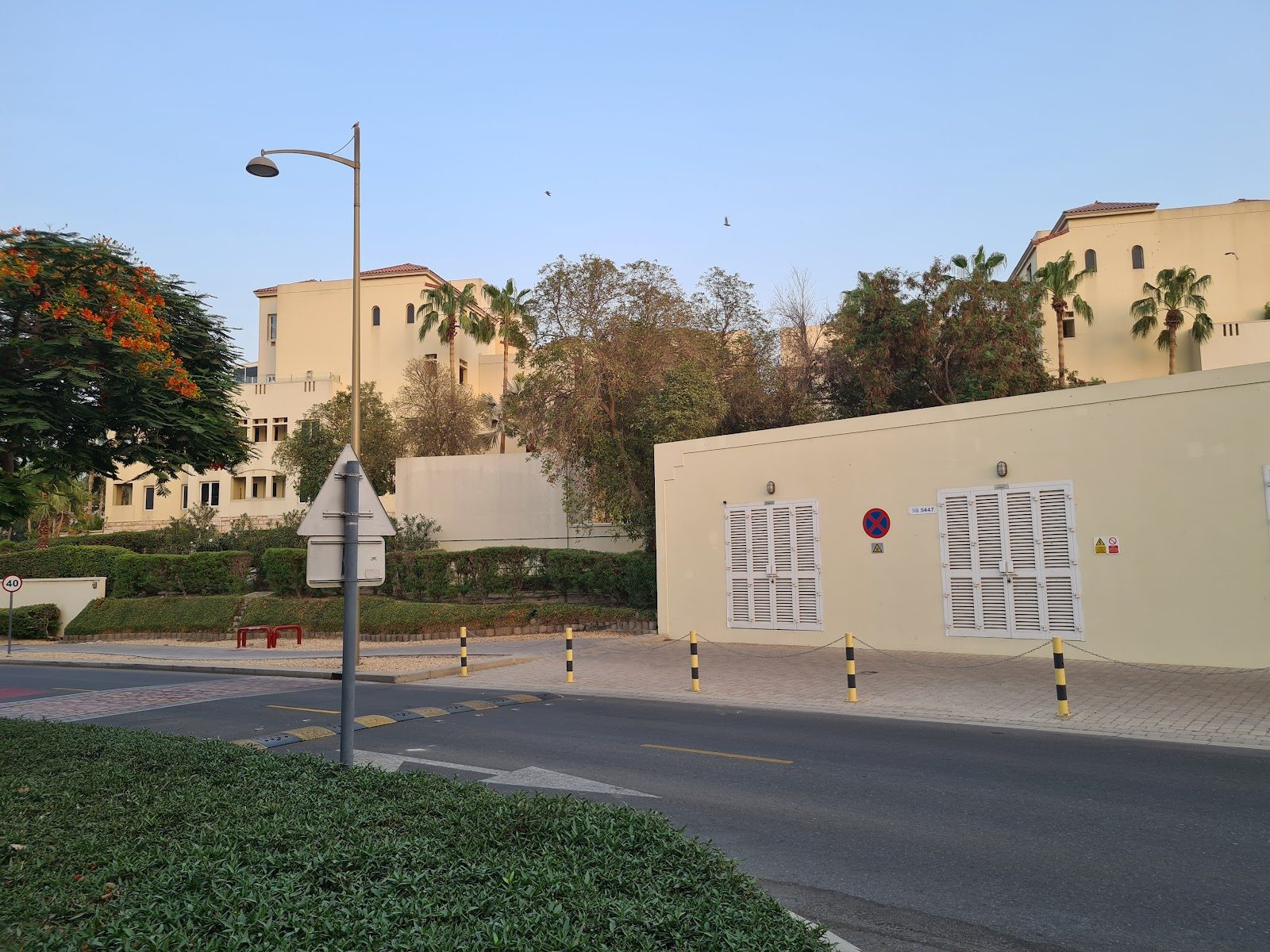
Universal American School
Dubai · United Arab Emirates
A not-for-profit Festival City campus where Grade 11 students choose between the IB Diploma and an AP-enriched US track
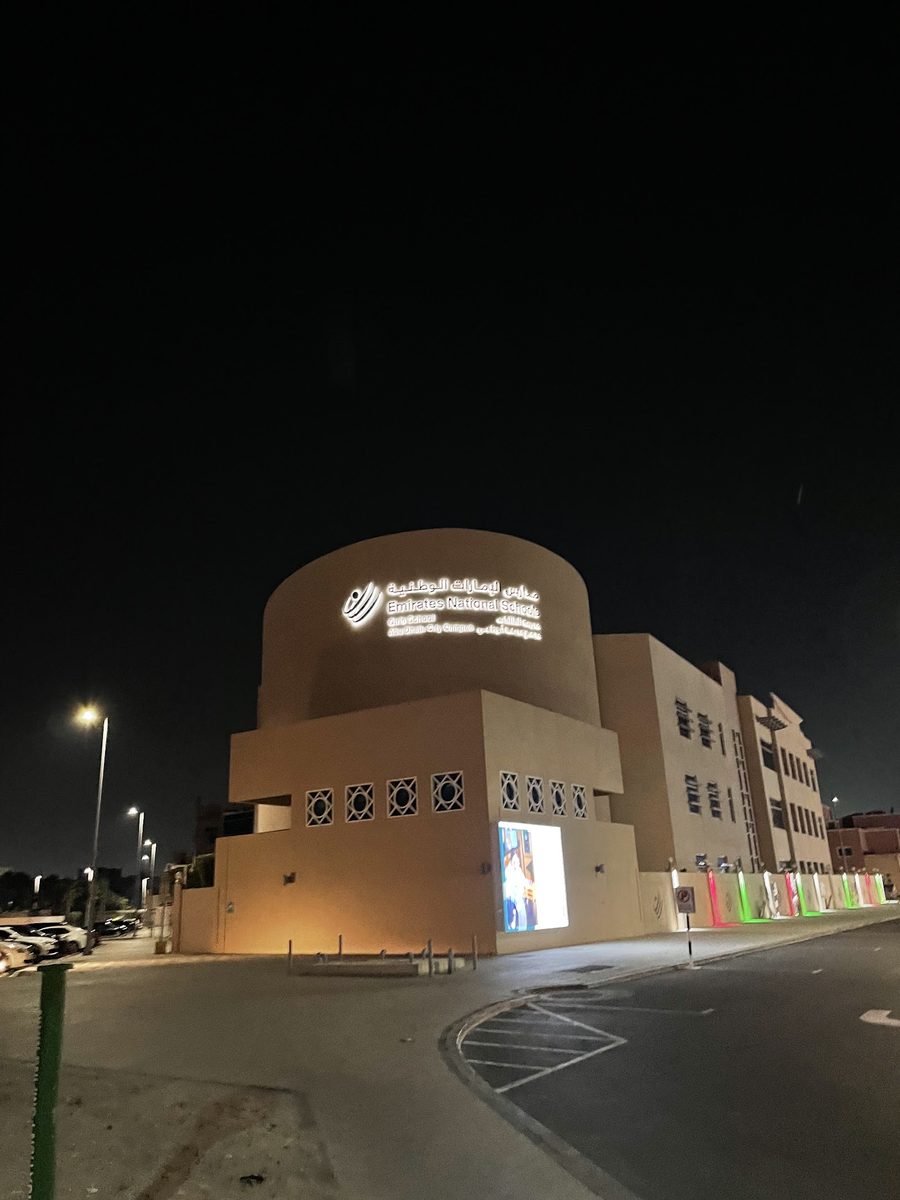
Emirates National Schools - Abu Dhabi Campus
Abu Dhabi · United Arab Emirates
American Common Core curriculum meets the IB Diploma and AP pathways, framed by mandatory Arabic and Islamic studies.
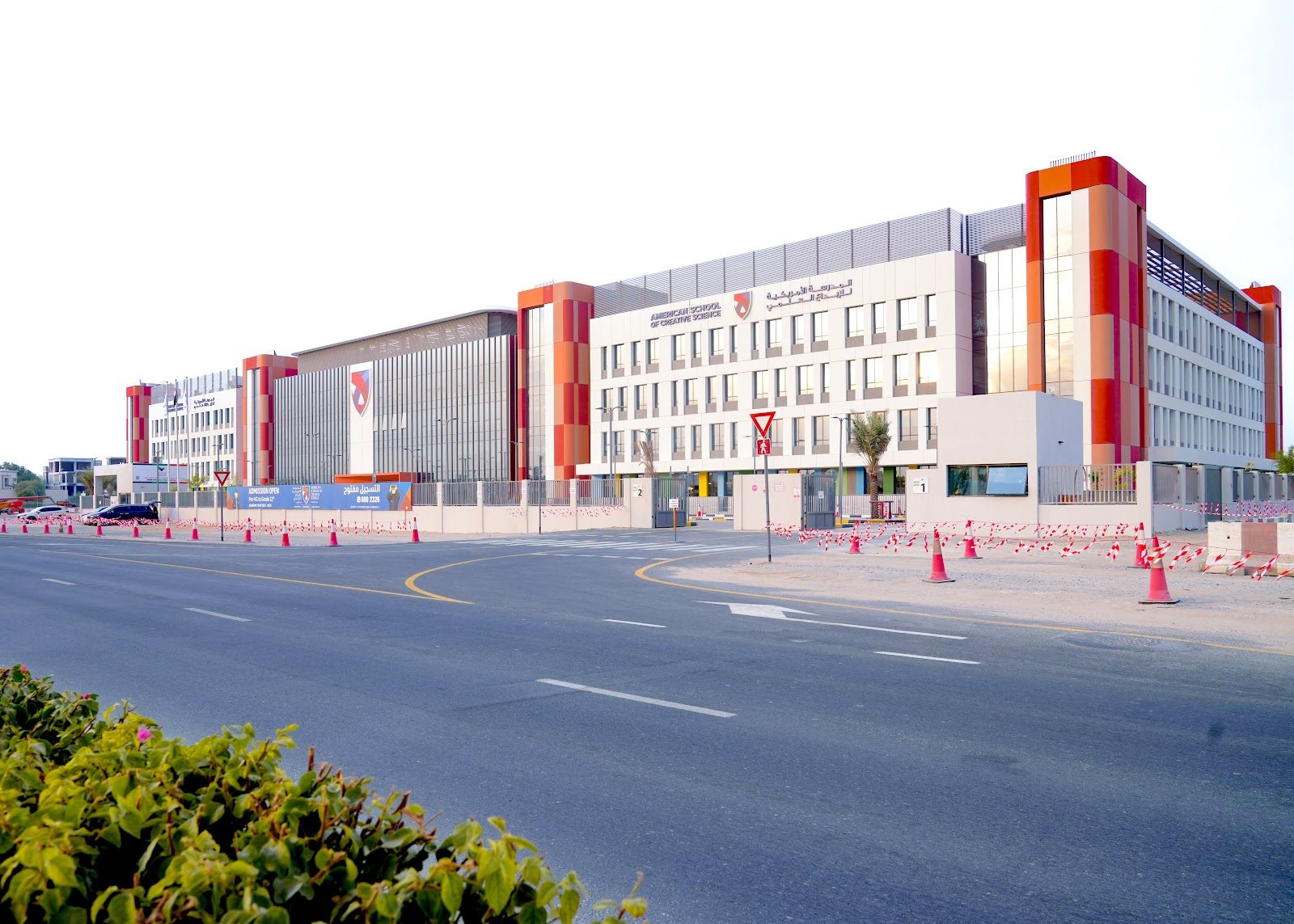
American School of Creative Science
Dubai · United Arab Emirates
Pairing California Common Core rigor with a dedicated Quran programme, this Nad Al Sheba campus is on a steady KHDA upswing
Swiss International Scientific School Dubai
Dubai · United Arab Emirates
The largest Swiss school outside Switzerland, running a bilingual IB continuum along Dubai Creek in French or German.
Same country and curriculum — closest matches within ±10 points either way