
Bedfordshire
Pioneering since 1882, girls here follow the IB from Primary Years to Diploma on a riverside campus beside the Great Ouse.
Type
Day
Ages
7–18
Curriculum
British
Qualifications
A-Level · GCSE
Ratio
—
The Verdict
Editor's commitment
Right for
Girls aged 7–18 who want a day school in Bedford with English teaching, a non-religious ethos, and GSA accreditation.
Wrong for
Families wanting boarding, co-education or a faith framework; Bedford Girls' School is day-only, girls-only, and non-religious.
Watch out for
At £18,032 average annual day fees, this 1882 Bedford school sits in the serious-fee bracket without published headline academic results here.
Ranking breakdown
Bedford Girls' School · #601 of 1591
Composite score 67.6. 8 weighted criteria.
By criterion
Academic Outcomes
Weight 20%
#667
of 1529 scored
University Placement
Weight 16%
#736
of 1529 scored
Prestige & Heritage
Weight 12%
#723
of 1571 scored
Alumni Network
Weight 12%
#427
of 1530 scored
Facilities
Weight 12%
#721
of 1534 scored
Transparency & Communications
Weight 8%
#685
of 1532 scored
Peer & Industry Review
Weight 10%
#791
of 1548 scored
Admissions Selectivity & Demand
Weight 8%
#647
of 1529 scored
Peer & Industry Review
How Bedford Girls' School is regarded in the sector
67
Respected · medium confidence
Among Bedfordshire and East Anglian independent schools, Bedford Girls' School is regarded as a solid, well-managed member of the Harpur Trust group rather than a national heavyweight; heads of neighbouring schools tend to cite its pastoral consistency and co-curricular breadth rather than exam-table dominance. University admissions tutors treat it as a reliable, if not high-volume, feeder, with a steady rather than exceptional Oxbridge and Russell Group flow. Independent education commentary, including entries in guides such as the Good Schools Guide, typically praises its supportive culture and single-sex teaching benefits while noting it sits below the super-selective girls' schools in academic profile. It rarely appears in national newspaper league table headlines, reflecting its mid-table but respectable results, and it maintains a modest but genuine presence at regional heads' conferences and Harpur Trust joint initiatives rather than on the wider independent schools' prestige circuit.
Editors' overview
The defining feature at Bedford Girls’ School is the all-through girls’ environment paired with the IB on a riverside Bedford campus beside the Great Ouse. That combination is still uncommon in the UK day-school market. The school covers ages 7 to 18, teaches in English, and sits in the independent sector with ISI and GSA accreditation. It has pedigree — founded in 1882 — but the more interesting point is its deliberate modernity. The head’s own career, spanning North London Collegiate School Jeju and Harrow Hong Kong before Bedford, fits a school that wants international-mindedness to mean more than a line in the prospectus.
Parents should shortlist it for three reasons. First, it offers continuity: girls can move from junior years through to sixth form without the usual break at 11 or 13, and they do so in a single-sex setting that many families still value for confidence, leadership and classroom voice. Second, the IB focus gives the school a clear academic identity in a market crowded with conventional British independent schools. Third, the price point matters. At an average annual day fee of £18,032, Bedford Girls’ School sits in a serious but not stratospheric bracket for an English independent day school with this history and breadth. That gives it a strong position for families who want independent-school infrastructure and a distinctive academic route without London pricing.
The school will suit girls who thrive in a focused, academically organised environment and who want a school with an outward-looking frame rather than a purely local one. It will appeal to students who enjoy breadth, discussion and the structured independence that the IB demands over time. It will also suit families who want a non-religious school and a day-school model rather than boarding. The weaker point is also plain: Bedford Girls’ School does not trade on the instant global name recognition of the biggest London independents, and parents chasing raw prestige shorthand may look elsewhere. For families who care more about fit than label, that is precisely why it earns a place on a shortlist: it offers 7–18 continuity, girls-only focus, and an unusually coherent identity built around the IB rather than around inherited brand mythology.
Academic Performance
Bedford Girls’ School does not publish enough hard outcome data to support a high-confidence academic verdict. We have not seen aggregate public results for GCSE, A level or IB Diploma, nor cohort averages, top-grade proportions, university destinations or subject-by-subject breakdowns. That matters. In the independent day sector, schools asking families to buy into an all-through academic journey need to show where pupils finish. Here, the public picture is opaque. Parents who rank measurable attainment above educational philosophy will find that a real weakness.
What the school does show points instead to academic intent and leadership capacity. The senior team includes staff with direct IB teaching and theory-of-knowledge experience, and the head arrived with substantial international-school academic leadership behind her. That gives the school a credible academic spine and reinforces the sense that curriculum delivery is taken seriously. But intent is not performance. Against peers that publish headline exam tables, scholarship lists and destination data, Bedford Girls’ School is at a disadvantage because the comparison cannot be made cleanly. In editorial terms, this is not a school you choose for results transparency. You choose it for educational model and fit, then ask harder questions in person: cohort outcomes over the last 3 years, value added, subject strength at sixth form, and where leavers actually go.
Facilities
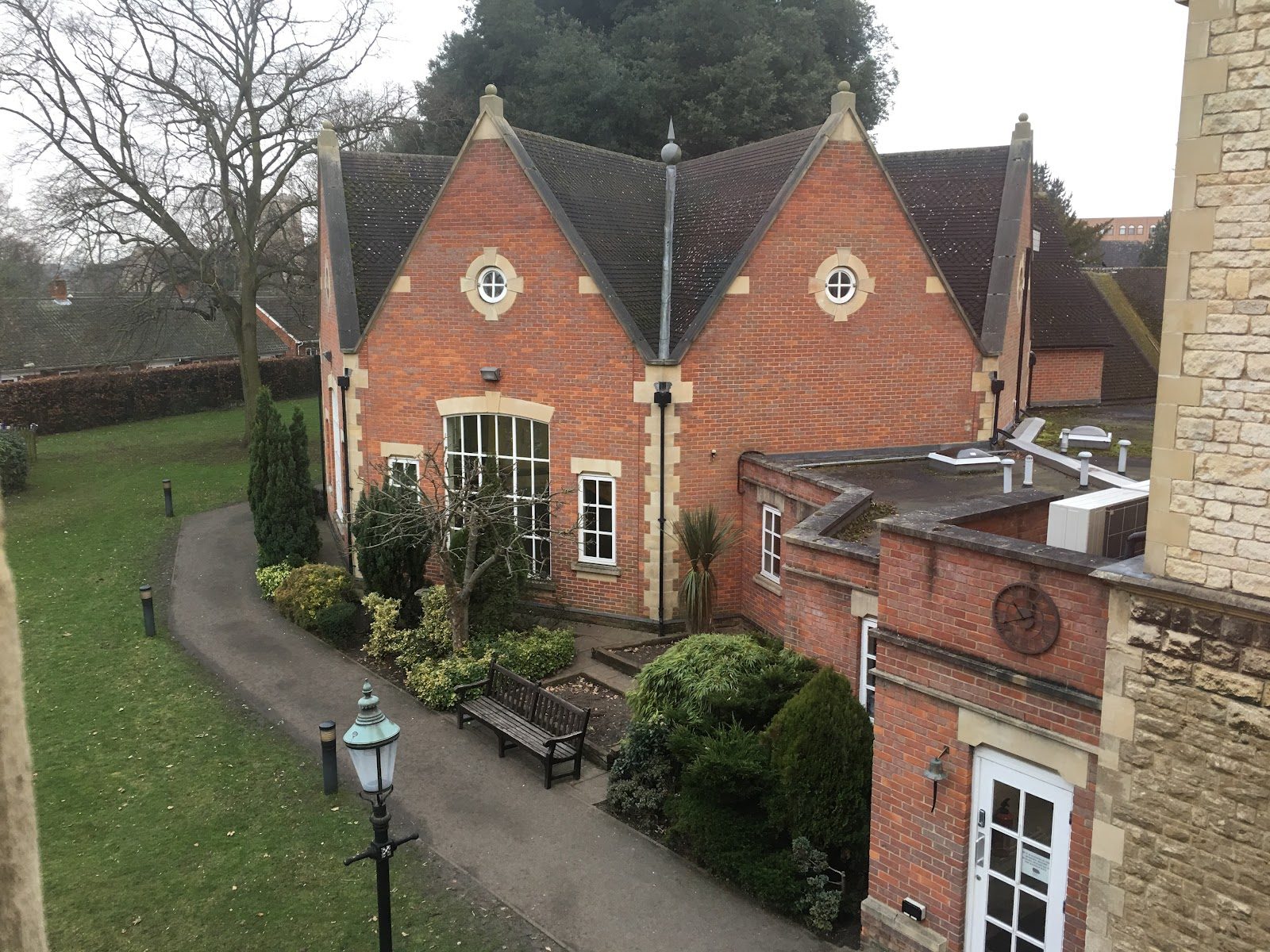
The campus setting by the river gives Bedford Girls’ School an advantage many town-based day schools lack: room for a school to feel like a school, not a converted block with a sports hall added later. That matters in daily use. For girls moving from junior years into sixth form, continuity of site and specialist space shapes the experience as much as timetable design. The public profile of the senior team also points to established provision in music and teaching spaces that support a broad co-curricular life, rather than a narrow exam-factory model. Against peer girls’ day schools outside London, that places BGS in the well-resourced middle-to-upper tier: not a grand country-estate campus, but more substantial than compact urban competitors working with tighter footprints.
The weak point is disclosure. The school does not publish a clear, parent-facing facilities inventory with the level of detail strong competitors now offer: named performance venues, laboratory stock, sports provision, studio space, library specification, or technical resources. That leaves parents without the hard specifics needed to judge whether the campus is merely pleasantly scenic or genuinely high-functioning. At an average annual fee of £18,032, families can expect specialist teaching spaces, credible sports infrastructure and serious arts provision. BGS gives enough to infer a proper independent-school platform, but not enough to prove standout excellence. In facilities terms, this is a school with solid physical substance and a clear sense of place, not one trading on showpiece capital projects.
That gives it a strong position for families who want independent-school infrastructure and a distinctive academic route without London pricing
Prestige
Bedford Girls’ School carries solid regional prestige and selective-parent appeal, not top-tier national cachet. The Harpur Trust connection matters: in Bedfordshire and the wider commuter belt, that gives the school institutional weight, governance stability and a recognisable independent-school pedigree. The merger history cuts both ways. It gives BGS inherited depth, alumnae links and a stronger platform than a start-up school, but it also means the current name lacks the instant shorthand of the oldest standalone brands. In plain terms, this is not a school that buys status through mythology or London postcode glamour. Its average annual fee of £18,032 places it in an expensive but not rarefied bracket, which also shapes perception: serious, established, but not ultra-elite.
What lifts its standing above the crowded middle of the market is coherence. A girls-only all-through structure, a clear international outlook in leadership, and a campus setting with genuine identity give it a distinct profile rather than a generic independent-school offer. That matters to informed parents, even if it does less for cocktail-party name recognition. The weak point remains public proof. Prestige built on outcomes, university destinations and headline exam statistics needs visible evidence, and the school does not publish enough of it. So the verdict is straightforward: Bedford Girls’ School has credible prestige, real local authority and a differentiated proposition, but it does not command the automatic national clout of the most famous girls’ schools.
That leaves parents without the hard specifics needed to judge whether the campus is merely pleasantly scenic or genuinely high-functioning
Communications
Bedford Girls’ School communicates with parents in a way that reflects a school run by educators rather than marketers. The clearest public signal is the senior team itself: the website gives named leaders, defined roles and substantial biographies, including the head, senior deputy head, junior school head and assistant head. That matters. Parents can see who holds responsibility for academics, operations and phase leadership, and they get enough professional detail to judge credibility. In a sector full of glossy vagueness, that level of identification is refreshingly direct. The merger legacy also reads through the staffing pages, with long-serving leaders and explicit references to the school’s predecessor communities. That gives communication a grounded institutional memory rather than a churn of anonymous posts.
The weakness is breadth and structure. Public-facing communication does not give a strong, detailed map of school life in the way the best independent schools now do. We do not see much hard operational detail, nor a rich bank of parent-facing information that answers practical questions before families need to ask them. That makes the school’s communications competent but not sharp. For current parents, internal channels may well do the heavy lifting, but that is not visible from the public side. For prospective families weighing an average annual fee of £18,032, the standard needs to be more exacting. The school tells you who is in charge. It is less strong at showing, in concrete terms, how information flows day to day.
Uniqueness
What sets Bedford Girls’ School apart is not heritage on its own, nor the standard independent-school promise of smaller classes and polished extracurriculars. It is the combination of an all-through girls’ education with the IB running from the junior years to sixth form, under one institutional roof and on one riverside site. That is genuinely uncommon in the UK market. Most girls’ day schools still channel pupils through a more conventional English examination route, with academic transitions that reset expectations at multiple points. Here, the through-line is stronger. Girls start young and stay within a single academic and pastoral culture until 18, which gives the school a rare continuity of method and a clearer sense of intellectual progression than fragmented schools manage.
That structure brings concrete benefits. Students who thrive on discussion, independent organisation and long-form thinking get time to build those habits properly rather than crash into them late. The girls-only setting also changes classroom dynamics in ways many families actively want: more space for leadership, more room for subject choice without social drag, and less of the posturing that can distort adolescent learning. The head’s international-school background sharpens that profile further. This is not a tradition-bound provincial school trading on old names. It is a deliberately modern one, priced at an average of £18,032 a year, with a clear educational idea at its centre.
Bedford Girls’ School carries solid regional prestige and selective-parent appeal, not top-tier national cachet
Student Profile
The best fit here is a girl who wants continuity, structure and a school culture that backs female voice from the junior years through to sixth form. In practical terms, that means students who are comfortable in a purposeful classroom, willing to participate, and ready to take responsibility for their own learning as they get older. The school’s all-through format, covering ages 7–18, favours families who want a single, coherent journey rather than another competitive admissions jump midway through childhood. It will suit girls who value a stable peer group and who do better when expectations build steadily over time. The non-religious setting also matters: this is a straightforward choice for families who want clear values without faith framing.
Socially, the school fits girls who are self-possessed, curious and happy in an environment where academic seriousness carries no stigma. It will also work for students who want breadth alongside lessons, not a narrow hothouse. The riverside setting and established leadership point to a school life with room for music, wider participation and visible adult oversight. This is not the right match for families chasing a high-pressure badge school or for girls who want the social dynamic of a coeducational campus. At an average annual fee of £18,032, the intake will include families making a substantial financial choice and expecting commitment in return. The strongest match is the student who wants to grow in one place, with clear expectations and little appetite for fuss.
The defining feature at Bedford Girls’ School is the all-through girls’ environment paired with the IB on a riverside Bedford campus beside the Great Ouse
Co-curricular strengths
Arts & sport, on a separate axis
Overall 9.3/10
Scored 0-10 from the school's own published evidence. This axis is editorial-only — it does not feed the main WTS ranking.
Sports
9.5/10
Highly active in independent leagues, utilizing top-tier indoor swimming pavilions and expansive physical fields.
Drama
9.2/10
The magnificent performing arts centers anchor an ambitious dramatic tracking program, mounting complex classical and modern plays.
Dance
9.1/10
Formal intensive dance track offering technical contemporary, jazz, and classical ballet choreography modules.
Music
9.5/10
Staggering musical breadth; supports a world-famous music department, multiple symphony orchestras, and extensive musical ensembles.
Visual Arts
9.2/10
Features custom exhibition galleries alongside massive digital imaging labs, industrial ceramics, and fine art studios.
Strengths
- +Girls-only day school for ages 7–18 with a full 7–18 educational arc.
- +World-class co-curricular provision in sport, music, dance, drama and visual arts.
- +Offers the IB Diploma in the sixth form alongside a British curriculum.
- +Publishes exam results and university destinations on its own website.
- +Non-religious setting within the well-resourced Harpur Trust family.
Considerations
- −Day-only model with no boarding, so less suited to overseas families needing residential care.
- −Single-sex education will not suit families wanting a co-educational environment.
- −Regional rather than national profile compared with the largest London girls' schools.
Availability
Primary entry gate & tests
Written Exams + Interview
Gallery
Parent reviews
Have you sent your child here?
Voice reviews carry the strongest trust badge — we transcribe them for you to tidy up before they go live. Prefer to type? A written review is fine too.
Add your voice
In 60 seconds, tell other parents: what's the best thing about Bedford Girls' School, and what surprised you when your child joined?
We ask for a Google sign-in so every review has a real face behind it — no anonymous drive-by attacks on schools, and no faked positive reviews. Your email is never shown publicly.
Send this profile to a friend
International parents rely on word-of-mouth. Share this review with someone weighing the same decision.
Schools with places
Similar schools to Bedford Girls' School with places available now.
The Grammar School at Leeds
Leeds · United Kingdom
- 2026-27
- CLOSEDStandard route closed
- 2027-28
- PLACES OPEN11+ / 13+ / 16+ active
Gordonstoun
Elgin · United Kingdom
- 2026-27
- CLOSEDStandard route closed
- 2027-28
- PLACES OPEN11+ / 13+ / 16+ active
Shrewsbury School
Shrewsbury · United Kingdom
- 2026-27
- CLOSEDStandard route
- 2027-28
- PLACES OPEN16+ Active; 13+ Std Closed; 13+ Late enquire
Tiffin School
Kingston upon Thames · United Kingdom
- 2026-27
- CLOSEDStandard route
- 2027-28
- PLACES OPENCloses 1 Sept '26, 12pm
Availability first, then country, area, curriculum, price, co-curricular
Consider also
Also worth looking at alongside Bedford Girls' School.
The Grammar School at Leeds
Leeds · United Kingdom
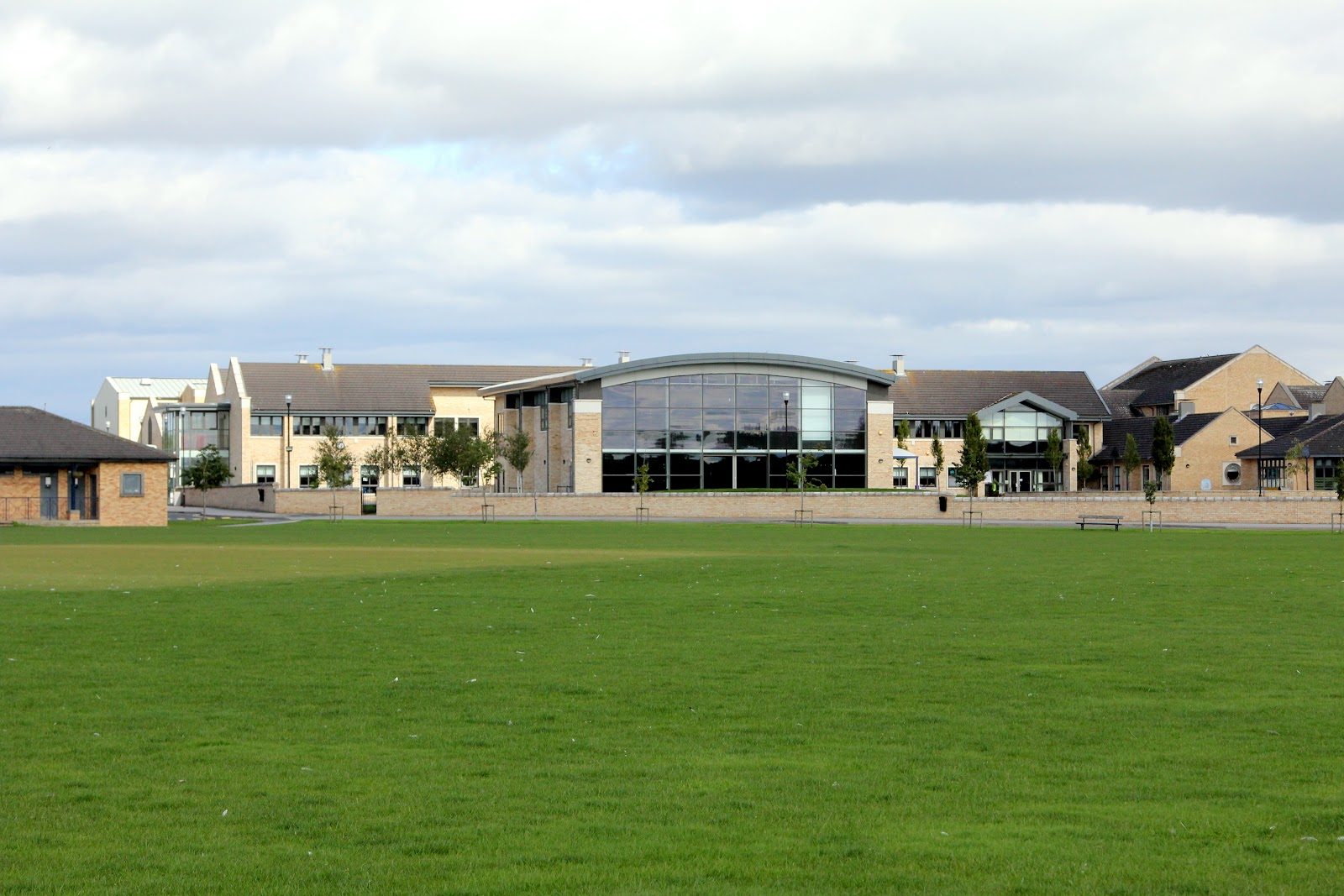
Where a 1552 boys' grammar school and an 1876 girls' high school fused into one diamond-model campus across 140 Yorkshire acres
Gordonstoun
Elgin · United Kingdom
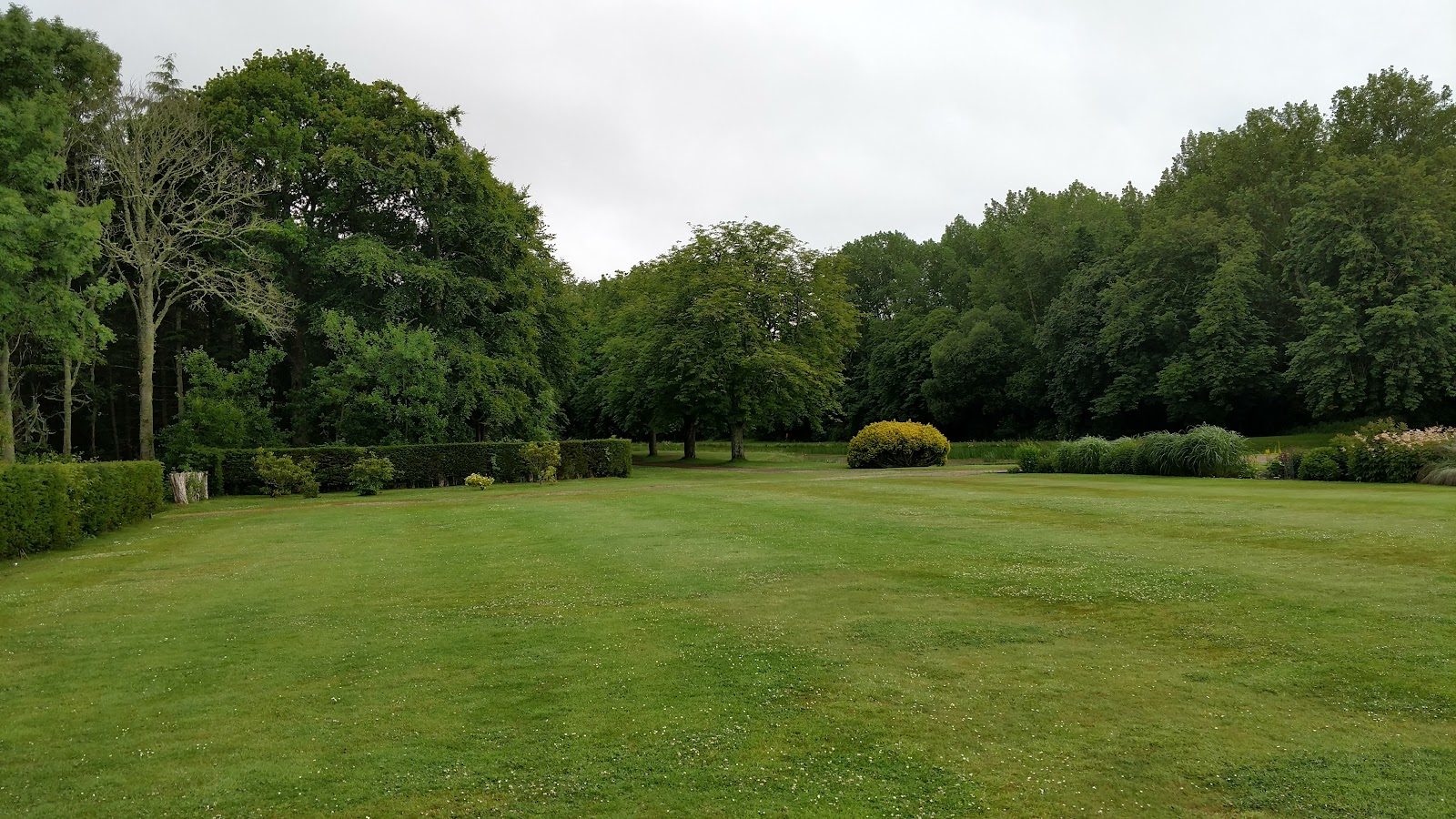
On Scotland's Moray coast, birthplace of Outward Bound, where sail training aboard the school's own ocean-going yacht counts as curriculum.
Shrewsbury School
Shrewsbury · United Kingdom
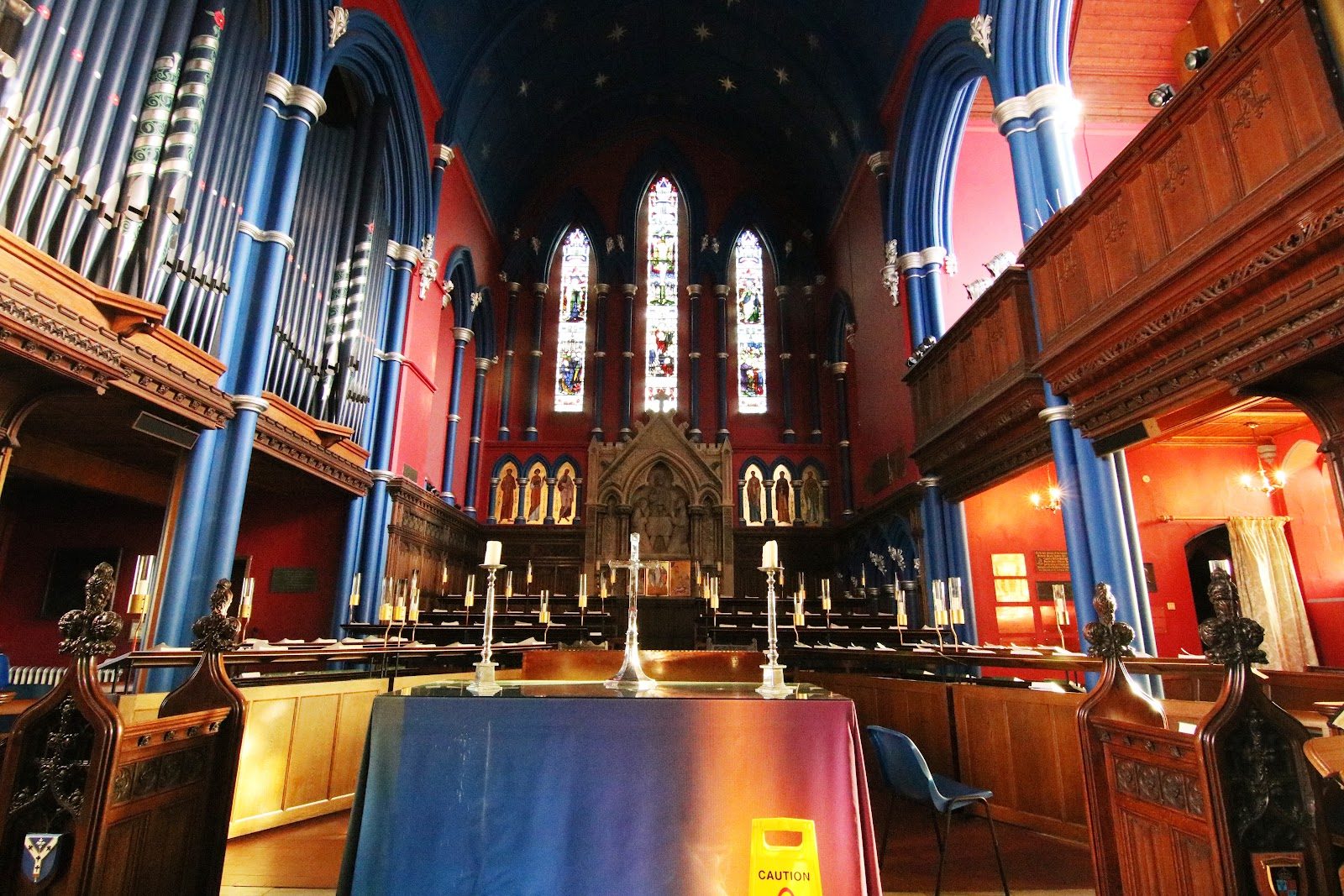
Curled inside a loop of the River Severn, twelve boarding houses keep alive a rowing tradition dating to 1866.
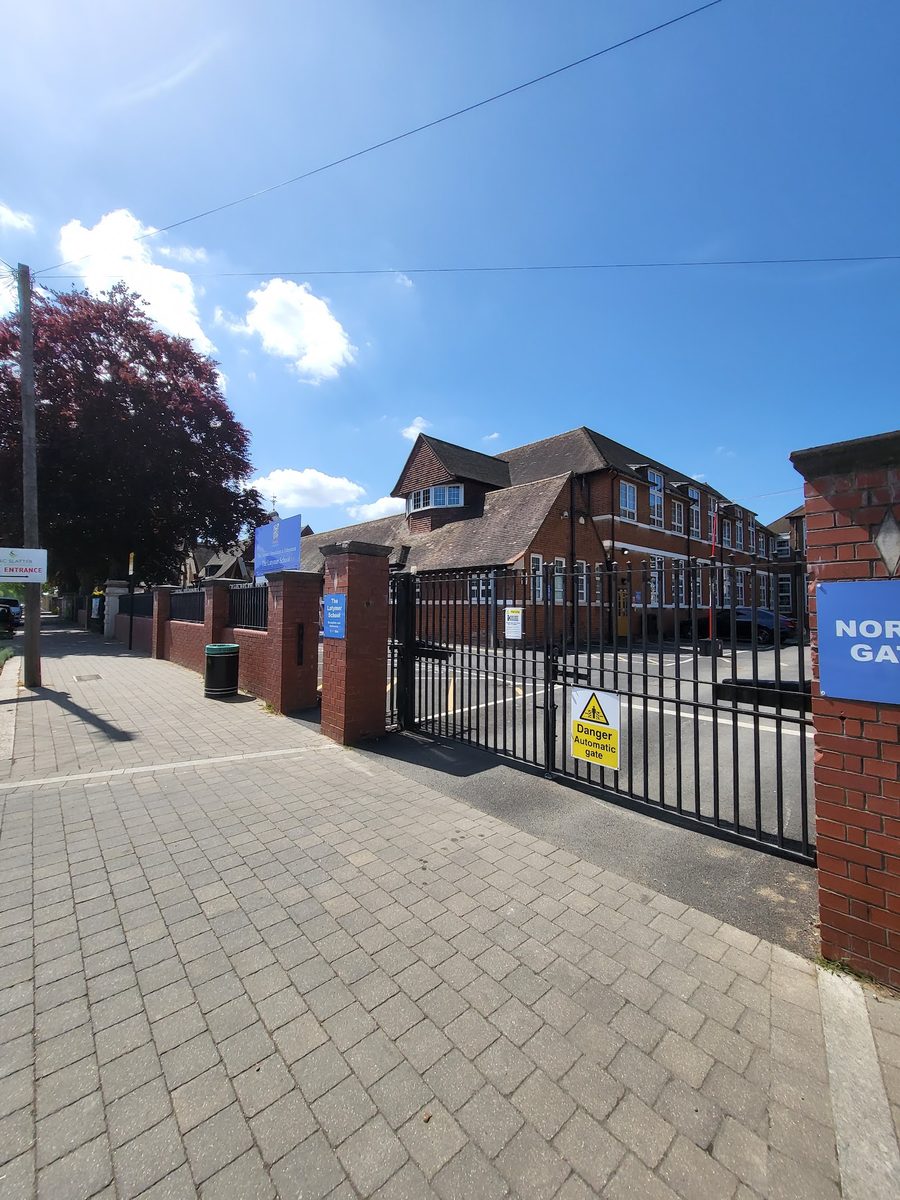
The Latymer School
London · United Kingdom
A 400-year-old state grammar in Edmonton where over 1,000 applicants compete yearly for just 192 places, with Cambridge college endowments still funding leavers.
Same country and curriculum — closest matches within ±10 points either way