
Leicestershire
Loughborough Grammar School
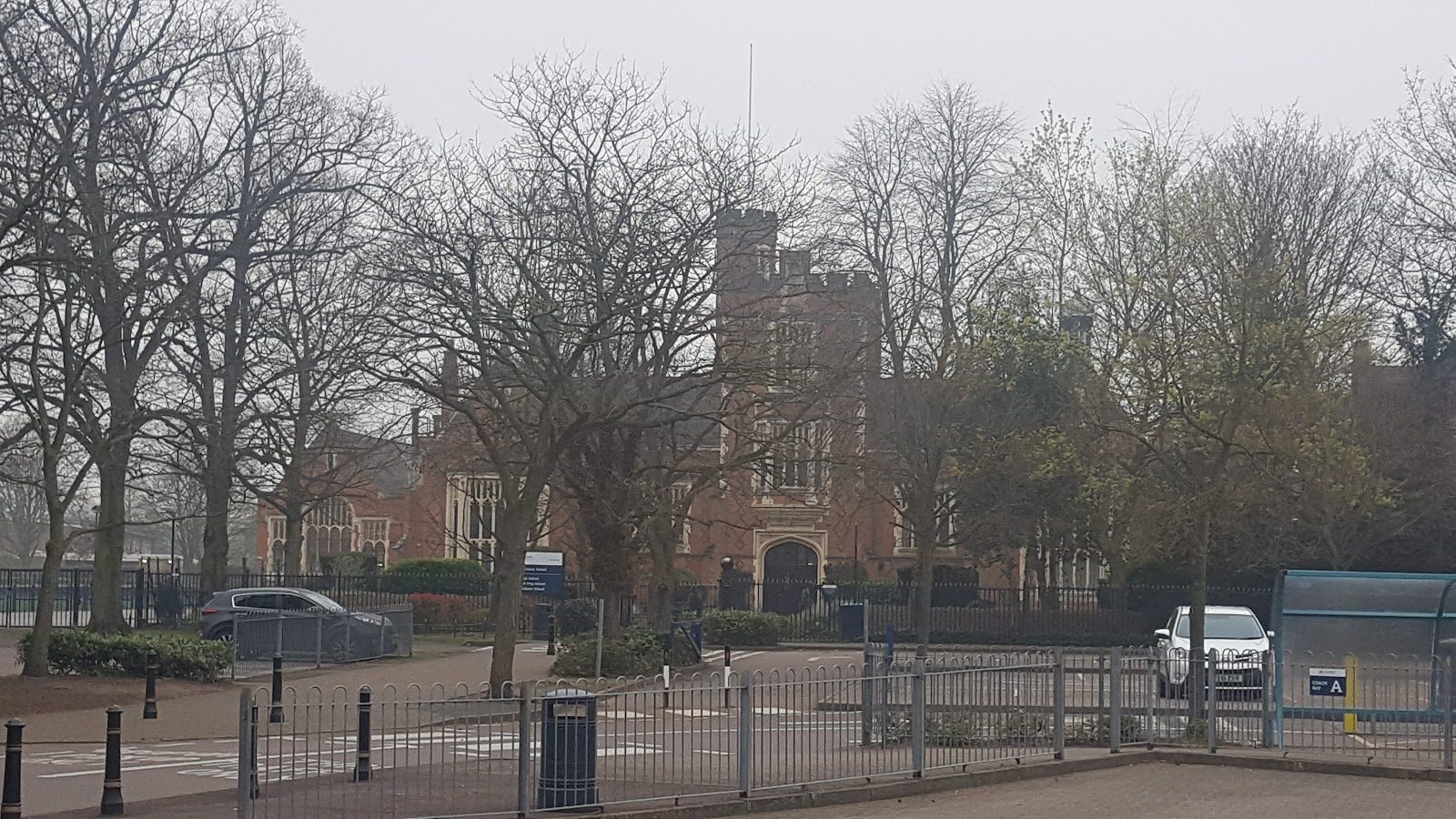
low confidence· 1/6 cats · 2 avg sourcesFounded in 1495, an unbadged-suit ethos and quad-grass privilege reserved for sixth-formers alone.
Type
Both
Ages
3–18
Curriculum
British
Qualifications
A-Level · GCSE
Ratio
—
The Verdict
Editor's commitment
Right for
Families wanting a 1495-founded, English-medium HMC school inside Loughborough Schools Foundation, with British schooling from age 3 to 18.
Wrong for
Parents seeking a single standalone school, a religious ethos, or a curriculum outside the British route for ages 3–18.
Watch out for
The foundation trumpets 43% grade 9–8 at GCSE in 2026, but publishes no equivalent whole-school A-level outcomes here.
Ranking breakdown
Loughborough Grammar School · #894 of 1591
Composite score 64.9. 8 weighted criteria.
By criterion
Academic Outcomes
Weight 20%
#901
of 1529 scored
University Placement
Weight 16%
#911
of 1529 scored
Prestige & Heritage
Weight 12%
#839
of 1571 scored
Alumni Network
Weight 12%
#615
of 1530 scored
Facilities
Weight 12%
#869
of 1533 scored
Transparency & Communications
Weight 8%
#777
of 1532 scored
Peer & Industry Review
Weight 10%
#1109
of 1548 scored
Admissions Selectivity & Demand
Weight 8%
#837
of 1529 scored
Peer & Industry Review
How Loughborough Grammar School is regarded in the sector
64
Respected · medium confidence
Among East Midlands independents, Loughborough Grammar is generally regarded as a strong second tier alongside schools like Oakham and Repton, respected for sport but not typically placed in the same academic bracket as Uppingham or the major London day schools. Its HMC membership signals recognised peer standing, and its Foundation structure (shared with Loughborough High School) is often cited approvingly in regional press coverage as a model of coordinated single-sex provision. University destinations lean towards Russell Group institutions, with a steady but not exceptional Oxbridge flow, reflecting solid rather than top-tier selectivity. Good Schools Guide-style commentary typically praises its sporting infrastructure and Loughborough University links as a genuine differentiator, while noting its academic profile is respectable rather than exceptional. It rarely features prominently in national newspaper league tables' upper reaches, reinforcing its positioning as a well-regarded regional rather than nationally dominant player.
- Rory Underwood — Rugby player, Sport
- Tony Underwood — Rugby player, Sport
- Nick Owen — TV presenter, Media
Editors' overview
Loughborough Grammar School trades on substance that many newer independents cannot manufacture: history, scale and a settled sense of itself. Founded in 1495, it sits inside the wider Loughborough Schools Foundation and occupies a large estate for a town-centre school: about 110 acres across the main campus and sports ground, with a 39-acre central campus and a further 70 acres in Quorn. The editorial tagline gets to the heart of it: unbadged-suit confidence, old-school manners, and a clear social code. This is not a school for families who want a progressive experiment or a glossy reinvention of British independent education. It is for those who value institutional weight, routine, and the advantages that flow from a long-established boys’ school with serious facilities.
What puts it on a shortlist is the combination of academic ambition, breadth and physical resource. The Foundation’s latest published GCSE figure gives Loughborough Grammar School 43% of grades at 9–8, up from 39% the year before. That does not tell the whole story of academic performance, and the school does not publish a fuller public statistical breakdown here, but it does confirm a strong top end. The Foundation also highlights a rise in Oxbridge places across its senior schools. Add to that the campus footprint, the public-school tradition, and the reach of a foundation serving children from nursery to sixth form, and parents get a school with deep-rooted continuity rather than a loose collection of departments. The atmosphere, by design, favours ordered ambition over performative warmth.
The boy who thrives here is academically capable, comfortable with structure, and willing to lean into the grammar-school identity rather than fight it. He will enjoy clear expectations, strong sport, and the social energy of an all-boys senior environment within a larger foundation. He does not need to be narrowly bookish; the school itself pushes the scholarly, musical and sporting lanes. He does need to tolerate tradition, hierarchy and a culture that carries quad-grass privilege and inherited rituals without apology. Families looking for a co-educational senior school, a softer pastoral idiom, or radical informality should look elsewhere. Families who want serious schooling, strong grounds, and a boyhood education with historic backbone should keep Loughborough Grammar School in view.
An Elite Sport 80 school
Sport is the clearest point of difference at Loughborough Grammar School, and it is substantiated rather than merely asserted. The Loughborough Schools Foundation, of which the Grammar School is the boys' senior school, describes sport as a key part of its culture, backed by exceptional facilities and expert coaching led by current and former professional athletes. This is not the incidental games provision of a typical regional independent; it is a structured performance ecosystem. Dedicated Sport Scholarships and a Student Athlete Programme are designed specifically to support talented athletes ready to take their sport to the next level, giving able boys a clear pathway from school-level participation towards elite competition. The shared campus scale means facilities and coaching depth exceed what a stand-alone boys' senior school could sustain alone. For a boy with genuine sporting ambition, the combination of professional-calibre coaching, purpose-designed programmes and a wide catchment that draws talent from across Leicestershire and the East Midlands makes this a school where sport is treated as a serious specialism rather than an afterthought.
A Global Elite 50 Music school
Music is a signature strength at Loughborough Grammar School, delivered through the wider Loughborough Schools Foundation. At the heart of the offer is a purpose-built Music School, a facility that signals genuine institutional investment rather than shared, repurposed space. Musical life extends beyond the practice room into shared Foundation events, most notably the annual Spring Concert at De Montfort Hall in Leicester, which brings the whole community together in a major public venue and gives pupils experience of performing at scale. The Foundation frames musical ambition alongside academic and sporting excellence, so able musicians are neither isolated nor treated as a niche. For a talented young musician, the attraction is a well-resourced, performance-focused environment with real stages and dedicated teaching space, set within a large campus community that sustains ensembles and regular concert opportunities. Families with a musically committed son should ask about scholarship provision and instrumental tuition, but the underlying facilities and public-performance culture point to a serious, world-class music programme.
Academic Performance
The public academic picture is strong at the top end, but incomplete. The latest GCSE figure published by the Foundation gives the school 43% of grades at 9–8, up from 39% the previous cycle. That places Loughborough Grammar in solid independent-school territory and marks it as a school with a serious top set rather than one coasting on heritage. The Foundation also states that 27 pupils secured only top GCSE grades, which points to a genuinely high-performing academic core. At A level, the school has chosen publicity over full disclosure: the Foundation celebrates strong results and a rise in Oxbridge places across its senior schools, but it does not publish Loughborough Grammar School’s aggregate A-level profile here.
That gap matters. Among direct fee-paying peers, the strongest schools now publish a clean annual statistical breakdown: A*/A rates, subject performance, university destinations by institution, and enough context for parents to judge consistency. Loughborough Grammar does not do that in the source here, which leaves its academic case strong but not transparent. The available evidence still supports a clear conclusion: this is an academically ambitious boys’ school with a credible high-attainment culture, and it sits above the broad middle of the independent market. It does not, on the published numbers here, make an unanswerable claim to the very top tier.
Facilities
Facilities are one of Loughborough Grammar’s strongest practical advantages. The school sits within a foundation campus with the kind of physical resource that many town-based independents cannot match: serious playing provision, room to spread out, and the institutional infrastructure that comes with a multi-school site. The standout asset is sport. A central campus paired with a separate sports ground gives boys access to a scale of outdoor provision that beats many urban day schools and holds its own against a good number of regional boarders. The headline landholding — 110 acres in total, including a 70-acre sports field — puts it in properly heavyweight territory for a school in this market. For families who care about rugby, cricket, athletics and the daily usefulness of open space, that matters more than any polished atrium.
What we do not get in the public domain is a clean, school-specific account of specialist facilities for science, design, music or drama. The Foundation talks in broad strokes about scholarly, musical and sporting ambition, but it does not set out a detailed inventory here. That leaves the facilities picture *strong in sport, thinner on published detail elsewhere*. Against peers, the verdict is clear: Loughborough Grammar has a clear competitive edge on grounds and outdoor space, especially for a day school, but it does not advertise its indoor academic and arts provision with the same precision. Parents who care as much about laboratories, theatres and rehearsal rooms as pitches should ask direct questions on a visit.
Loughborough Grammar School trades on substance that many newer independents cannot manufacture: history, scale and a settled sense of itself
Prestige
Loughborough Grammar carries real domestic prestige, though not the stratospheric glamour of the small group of national-name boarding schools that dominate the English independent imagination. Its standing rests on older and sturdier assets: long institutional memory, membership of the HMC, a clearly defined place in the public-school tradition, and the confidence of a boys’ school that has not scrambled to rebrand itself into something softer or trendier. The large estate matters here too. A school spread across about 110 acres, with a substantial town-centre campus and separate sports ground, signals scale, permanence and money behind the operation. In the Midlands, that counts. So does the Foundation structure around it, which gives the school more weight than a stand-alone local independent.
The prestige is strongest with families who value established English schooling over metropolitan cachet. This is old-guard prestige: blazers, hierarchy, sport, alumni loyalty and a social code that rewards boys who fit the institutional grain. The school’s published academic signals support that standing, but the prestige case is broader than raw results. It comes from continuity, physical resource and the social authority that attaches to a school of this type. The limit is clear: without fuller public academic disclosure and without the rarefied profile of the most famous southern schools, Loughborough Grammar sits in the serious second tier of prestige rather than the absolute summit. For many families, that is a strength, not a compromise.
The Foundation’s latest published GCSE figure gives Loughborough Grammar School 43% of grades at 9–8, up from 39% the year before
Communications
Parent communication sits at foundation level first and school level second, and that has strengths and drawbacks. The website is clean enough to navigate, admissions events are easy to find, and the Foundation publishes timely headline news on results and university destinations. Contact routes are plain too: a central switchboard, a bursary email and standard office hours of 8:00am–5:00pm. That gives families the basics without fuss. It also tells you something about the culture: communication here is orderly, institutional and geared to families who are happy working within a formal structure. This is not a school that courts parents with chatty tone, intimate head’s blogs or a flood of classroom storytelling. The public voice is controlled and corporate.
Effectiveness depends on what a parent wants. For logistics, first contact and a broad sense of the Foundation, the system works well enough. For scrutiny, it is less satisfying. Public communications favour uplift and headline claims over school-specific detail, and the grammar school’s own identity gets diluted by the wider Foundation wrapper. Parents can find celebratory GCSE news and references to Oxbridge success, but not the fuller academic tables, departmental depth or pastoral detail that a hard-headed family will ask for before committing serious money. In short: communication is competent but selective. It does the job for outreach; it does not yet meet the standard of full public candour that the best-run independents now treat as routine.
Uniqueness
What distinguishes Loughborough Grammar is not novelty but institutional shape. This is a boys’ school inside a larger foundation, with its own identity intact rather than diluted into a generic all-through brand. That matters. Boys get the clear social grammar of a traditional senior school, but they do so within a broader educational community that starts in the nursery and runs through sixth form. The result is a school with more internal ballast than a stand-alone boys’ day school and more day-to-day contact with a wider foundation world than the old caricature of an isolated male enclave. The public-school tradition here is not decorative. It governs dress, conduct, hierarchy and the pace of school life, and boys who respond well to that structure gain confidence from it rather than feeling constrained.
The other point of difference is the combination of scale and tone. A lot of independent schools sell “all-round education”; fewer have the physical resource and long-settled culture to make that claim credible. At Loughborough Grammar, the substantial estate, the sporting emphasis and the academic seriousness combine into a high-functioning, old-guard model of boys’ education. For students, that brings room to compete, room to specialise and room to grow up without constant reinvention by adults chasing fashion. The benefit is real: ordered ambition, strong peer energy and a school day that still treats sport, music and scholarship as central rather than optional extras. The cost is real too. Boys who dislike visible hierarchy or want a more relaxed, conversational culture can find it hard going.
Families who want serious schooling, strong grounds, and a boyhood education with historic backbone should keep Loughborough Grammar School in view
Student Profile
The boy who fits here does not need to be a caricature of the polished public-school all-rounder, but he does need to be comfortable in a male, competitive, tradition-led environment. This is a school for pupils who respond well to clear rules, visible standards and the social pecking order that comes with an old boys’ institution. Academic seriousness matters, but so does a willingness to join in beyond the classroom. The Foundation’s own language leans on scholarly, musical and sporting ambition, and the campus scale reinforces that expectation: boys are meant to do things, not drift anonymously through the week. The strongest fit is a student with self-discipline, decent social resilience and enough confidence to handle banter, selection and comparison without wilting.
The sixth-form edge matters too. On a campus where status and seniority carry weight, older pupils get tangible privileges, and younger boys live in a culture where advancement is visible rather than abstract. That suits students who like targets, structure and earned recognition. It does not suit every child. A boy who needs constant emotional hand-holding, dislikes hierarchy, or wants a softer, more conversational relationship with authority can find the atmosphere hard-edged. Nor is this the right place for a family seeking a low-pressure education. The published GCSE pattern — with 43% of grades at the top end and 27 pupils taking only the highest marks — points to a peer group where achievement is public and excellence carries social capital.
The Foundation also states that 27 pupils secured only top GCSE grades, which points to a genuinely high-performing academic core
Co-curricular strengths
Arts & sport, on a separate axis
Overall 8.38/10
Scored 0-10 from the school's own published evidence. This axis is editorial-only — it does not feed the main WTS ranking.
Sports
9.5/10
Competes honorably in regional independent tournaments across rugby, hockey, and cricket on a historic UK campus.
Drama
8.8/10
Active classical drama societies and Shakespeare showcases focused on building rigorous public speaking and confidence traits.
Dance
5.5/10
Popular choreographic asset utilized to build movement and synchronization ensembles for large-scale performance showcases.
Music
9.6/10
Highly elite music wing backing top-tier youth orchestras and symphonies with deep performance traditions.
Visual Arts
8.5/10
Highly structured fine art layout leaning heavily toward technical drawing, fine oils, and advanced portfolio mastery.
Strengths
- +Founded 1495; unusually long institutional continuity.
- +World-class sporting ecosystem with professional-athlete coaching and scholarship pathways.
- +World-class music provision anchored by a purpose-built Music School.
- +Shares a large Foundation campus with broad facilities and a sizeable peer group.
- +English-medium British schooling suits UK-bound families.
Considerations
- −Boys-only school narrows fit for some families.
- −Non-religious ethos may not suit faith-based preferences.
- −Recent GCSE and A-level results are not published in the material we reviewed.
- −Predominantly regional East Midlands catchment rather than national or international.
Availability
Primary entry gate & tests
Written Exams + Interview
Gallery
Parent reviews
Have you sent your child here?
Voice reviews carry the strongest trust badge — we transcribe them for you to tidy up before they go live. Prefer to type? A written review is fine too.
Add your voice
In 60 seconds, tell other parents: what's the best thing about Loughborough Grammar School, and what surprised you when your child joined?
We ask for a Google sign-in so every review has a real face behind it — no anonymous drive-by attacks on schools, and no faked positive reviews. Your email is never shown publicly.
Send this profile to a friend
International parents rely on word-of-mouth. Share this review with someone weighing the same decision.
Schools with places
Similar schools to Loughborough Grammar School with places available now.
Royal Grammar School, Guildford
Guildford · United Kingdom
- 2026-27
- CLOSEDStandard route closed
- 2027-28
- PLACES OPEN11+ / 13+ / 16+ active
Oxford High School
Oxford · United Kingdom
- 2026-27
- CLOSEDStandard route
- 2027-28
- PLACES OPENCloses Oct/Nov
St Swithun's School
Winchester · United Kingdom
- 2026-27
- CLOSEDStandard route closed
- 2027-28
- PLACES OPENCloses Nov '26
Millfield School
Street · United Kingdom
- 2026-27
- CLOSEDStandard route closed
- 2027-28
- PLACES OPEN11+ / 13+ / 16+ active
Availability first, then country, area, curriculum, price, co-curricular
Consider also
Also worth looking at alongside Loughborough Grammar School.

Royal Grammar School, Guildford
Guildford · United Kingdom
A working chained library inside a Grade I Tudor schoolroom anchors a 1509 foundation's steady march toward Oxbridge offers.

Oxford High School
Oxford · United Kingdom
One of England's earliest girls' day schools, founded in 1875, pairs Oxford scholarship with a culture of fearless inquiry.
St Swithun's School
Winchester · United Kingdom
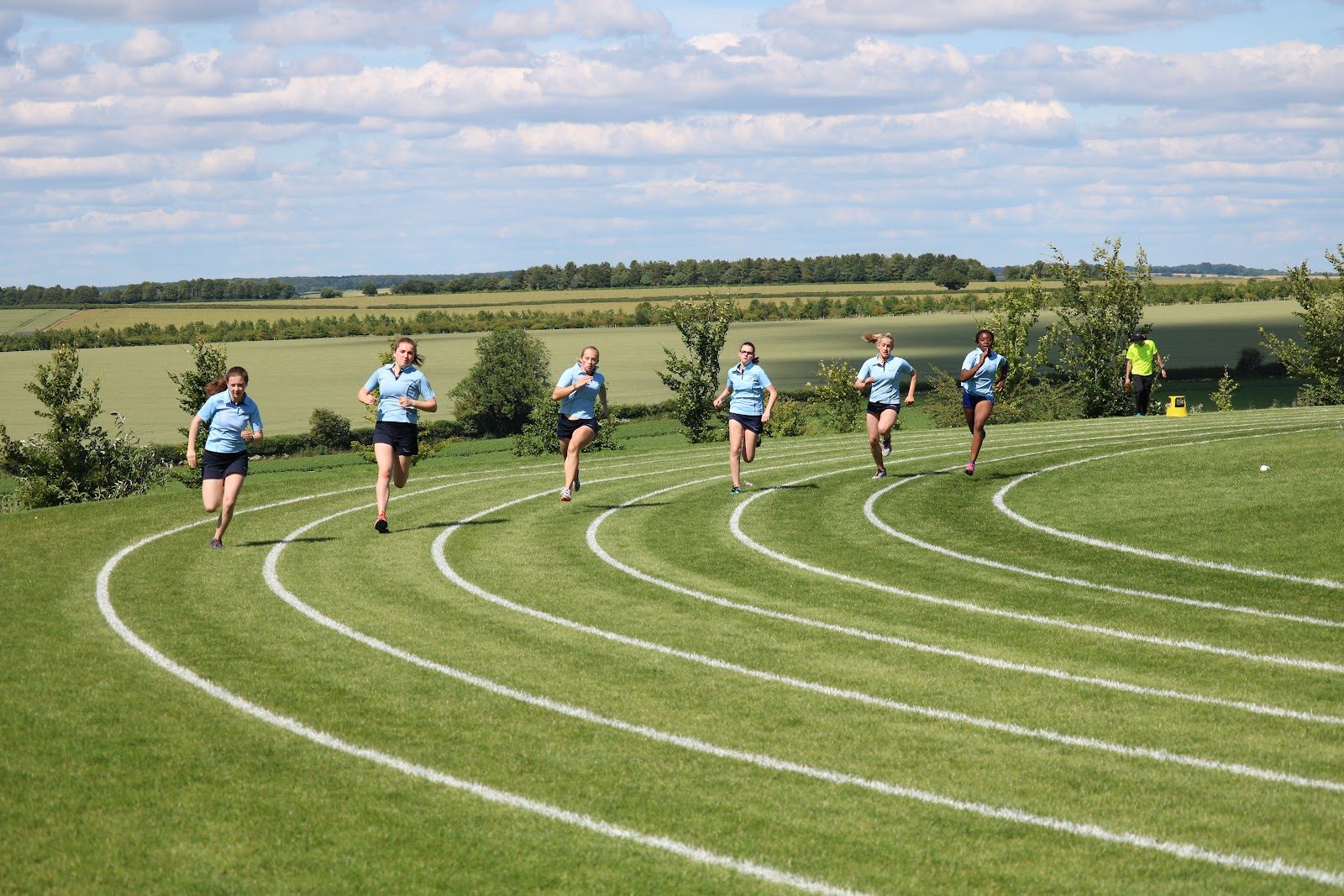
Perched above Winchester's chalk downs, this girls' school pairs cathedral choir tradition with a serious grounding in the sciences.

Millfield School
Street · United Kingdom
Sixty-plus sports and an Olympic-length pool anchor a 240-acre Somerset campus built for athletes and scholars alike.
Same country and curriculum — closest matches within ±10 points either way