
Illinois
Francis W. Parker School
low confidence· 1/6 cats · 3 avg sourcesIn Lincoln Park, the 1901 birthplace of Colonel Francis Parker's progressive philosophy still shapes citizenship-driven learning today
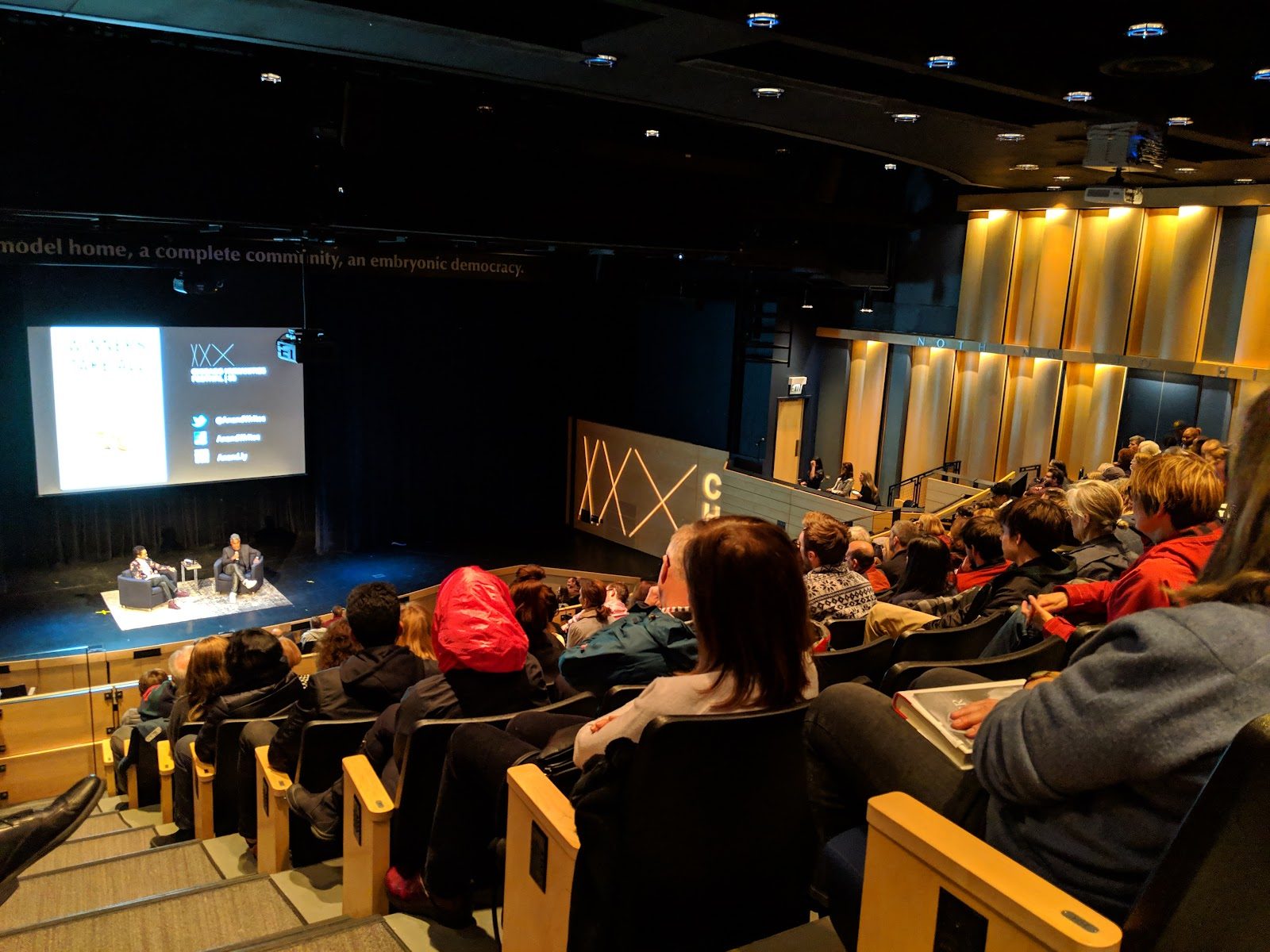
Photo © Belle Lopez via Google Maps
Type
Day
Ages
3–18
Curriculum
American
Qualifications
AP
Ratio
6:1
The Verdict
Editor's commitment
Right for
Families buying into progressive American education at a 6:1 ratio, with citizenship and civic engagement baked into day-school life.
Wrong for
Parents who want a traditional, exam-bright American school: Parker, founded in 1901, puts progressive philosophy ahead of conventional academic posturing.
Watch out for
The average annual fee is $47,735 for ages 3–18, and Parker publishes mission, philosophy and NAIS accreditation more readily than hard outcomes.
Ranking breakdown
Francis W. Parker School · #708 of 1591
Composite score 66.4. 8 weighted criteria.
By criterion
Academic Outcomes
Weight 20%
#334
of 1529 scored
University Placement
Weight 16%
#305
of 1529 scored
Prestige & Heritage
Weight 12%
#262
of 1571 scored
Alumni Network
Weight 12%
#1358
of 1530 scored
Facilities
Weight 12%
#339
of 1533 scored
Transparency & Communications
Weight 8%
#288
of 1532 scored
Peer & Industry Review
Weight 10%
#335
of 1548 scored
Admissions Selectivity & Demand
Weight 8%
#400
of 1529 scored
Peer & Industry Review
How Francis W. Parker School is regarded in the sector
74
Respected · medium confidence
Within Chicago's independent school landscape, Parker is consistently discussed alongside the University of Chicago Laboratory Schools and the Latin School of Chicago, though heads of rival institutions and local press typically position it as the more explicitly progressive of the three, tracing its lineage directly to Dewey-era educational theory rather than to a college-prep template. Independent education commentary and NAIS-affiliated discussion tend to cite Parker as a reference point for experiential and student-governance models rather than for standardized outcome metrics, meaning it appears more often in pedagogy-focused conferences and case studies than in ranking-driven league tables. University admissions perception in the region generally treats Parker graduates as well-prepared but less numerous at the most selective Ivy-tier institutions compared with Latin or Lab, reflecting its smaller class sizes and different institutional priorities rather than weaker individual outcomes.
- John W. Rogers Jr. — Founder/CEO, Ariel Investments - finance
- Newton Minow — FCC Chairman, lawyer
- Melissa Mathison — Screenwriter, E.T. the Extra-Terrestrial
Editors' overview
Francis W. Parker School occupies a distinct place in Chicago’s independent-school market: a progressive day school founded in 1901, in Lincoln Park, with a clear civic purpose rather than a finishing-school gloss. The school still leans hard into Colonel Francis Parker’s original premise that education should serve society, and that focus on citizenship, discussion, collaboration and public voice runs through its self-definition. For parents comparing elite urban day schools, that matters. Parker is not built around old-fashioned hierarchy, brute competition or a narrow exam-drill culture. It sells an education for thoughtful citizenship, intellectual seriousness and real-world collaboration. With 940 students and a 1:8 student–teacher ratio, it also has enough scale to feel substantial without losing the intimacy that progressive schools need in order to work.
What is special here is not novelty; it is consistency. Plenty of schools borrow the language of student agency and community. Parker has had more than a century to make that philosophy operational. The school’s own account stresses teachers knowing students well, mentoring them closely, and giving them repeated practice in speaking publicly, listening carefully, working in groups and applying learning beyond the classroom. That makes Parker attractive for families who want more than academic coverage from an American curriculum in English. It also gives the school a sharper identity than many peers. The strongest case for Parker is not that it does everything; it is that it does one thing with unusual conviction: it educates for civic confidence, serious inquiry and humane ambition.
There is, though, a trade-off, and parents should face it directly. A school this invested in progressive practice demands buy-in. Students who want rigid structures, constant ranking, or a culture driven by external validation may find Parker frustrating. The public messaging leans heavily on values, belonging, democracy and empathy; families who prefer a more traditional, explicitly high-pressure academic model will read that as diffuse. Parker does not market itself as a machine for credential accumulation. It markets itself as a place where intellectual, social and emotional development are inseparable. For the right child, that is a rare sense of purpose. For the wrong one, it is a mismatch.
The student who will thrive here is bright, verbal, reflective and willing to participate. Parker suits children who enjoy discussion, can tolerate ambiguity, and want school to connect with the wider world rather than sit apart from it. It will reward the student who likes ideas, values relationships with teachers, and wants room for creativity alongside analysis. It is also a strong shortlist school for parents who want an academically serious education without surrendering childhood to a conveyor belt of pressure. In a crowded market, Parker stands out because its mission is not cosmetic. It is the organising principle.
Academic Performance
Parker gives parents a philosophical case for education in abundance. It does not give them much by way of hard public performance data. We have not seen published aggregate SAT or ACT figures, no school-wide AP results, and no university destination list in the sources here. That matters. In a competitive US independent-school market, schools with genuinely strong external outcomes usually publish at least a headline set of numbers. Parker’s public emphasis falls elsewhere: teaching, civic engagement, student growth, collaboration and democratic habits. That does not amount to weak academics. It does mean the school asks families to trust its internal account more than its external scorecard.
Relative to peers, that places Parker in a distinctive but opaque category. It is not selling itself as an exam factory, a ranking machine or a college-admissions brand. For some families, that restraint will read as intellectually confident. For others, it will read as insufficiently transparent. The low staffing ratio at 1:8 points to conditions that support close teaching and individual attention, and the school’s scale of 940 students gives it substance without becoming anonymous. But without published examination data, Parker cannot be judged on the same evidential basis as schools that disclose score distributions, AP volume or matriculation patterns. The academic proposition rests on trust in the school’s progressive model, not on a clean, public ledger of external results.
Facilities
The school’s public presentation points less to spectacle than to the facilities that support a full urban day-school life: a library and technology function sits inside academics, while after-school enrichment, athletics, clubs, activities, food service and summer programmes all have dedicated operational space in school life. That matters because Parker’s model depends on students moving between classrooms, advisory, co-curricular work and public events without the campus feeling thin. The school also hosts academic conferences and public events, which implies assembly and gathering spaces that do real work for the institution rather than serving as decorative brochure pieces. For a school serving 940 students, that breadth of use matters more than grand architecture. Parents hunting for showpiece excess or sprawling suburban acreage will not find the same proposition here.
Against peer schools, Parker reads as well-equipped for purpose rather than facilities-first. The strongest asset is fit: spaces for discussion, collaboration, enrichment and school-wide gathering align with its civic and progressive identity. Elite urban day-school competitors often face the same constraint of compact sites, and the best of them compensate with dense programming and efficient use of specialist rooms. Parker sits in that camp. What we have not seen is a detailed public accounting of standout labs, theatres, athletic complexes or maker spaces, and that limits how far one can credit it against rivals with heavily publicised specialist infrastructure. The facilities case is credible, functional and integrated into student life, but not marketed as a headline-grabbing arms race.
In a competitive US independent-school market, schools with genuinely strong external outcomes usually publish at least a headline set of numbers
Prestige
Parker carries real prestige, though not the blunt, scoreboard-heavy prestige some parents chase. Its status rests on pedigree, intellectual identity and market position inside the US independent-school world. This is a school with a clear educational doctrine, a long institutional memory and enough confidence to organise its public case around citizenship, discourse and teacher-student relationships rather than around trophy metrics. That gives it serious old-guard credibility among families who know progressive education and want the original article, not a diluted imitation. The NAIS accreditation and the scale implied by 940 students reinforce that this is an established institution, not a niche experiment.
The prestige here is also selective in flavour. Parker does not trade on polish, social climbing or a hard-edged culture of elite production; its cachet is cultural and intellectual rather than flashy. For the right family, that is more persuasive than relentless talk of placements and scores. For others, it leaves a gap. Prestige without public outcomes data has limits, and Parker does not close that gap in the way more results-forward rivals do. So the rating sits high, but not at the very top of the market: distinctive, historically weighty and deeply respected in progressive circles, yet less universally legible than schools that publish a cleaner external record. The 1:8 ratio strengthens the premium feel. The opacity keeps it from unquestioned dominance.
Relative to peers, that places Parker in a distinctive but opaque category
Communications
Parker communicates with parents through a full institutional apparatus, not a skeletal admissions front end. The navigation alone tells the story: dedicated areas for the principal, trustees, leadership, calendars, public events, conferences, publications, food service, athletics, counselling, advisory-adjacent support and an internal “myParker” portal. That breadth matters. It signals a school that expects parent engagement across the life of the institution, not just around fees, forms and performances. The principal’s letters are extensive, value-heavy and unmistakably written to shape parental understanding of the school’s purpose. Families get a clear ideological signal: this is a school that wants adults aligned with its view of education, citizenship and community. For parents who welcome that, the tone is serious, coherent and adult.
The effectiveness is strong on ethos and weaker on hard operational transparency. Parker publishes news, calendars, public events and multiple issues of its magazine, which gives parents regular windows into school life. It also serves a community of 940 students, so that communication infrastructure has to carry real weight. But the public-facing voice leans heavily towards mission, belonging and philosophy. That creates excellent cultural clarity and a thin evidential record on outcomes. Parents will understand what Parker believes in very quickly. They will not get the same crisp public reporting on measurable performance that some rival schools provide. In communications terms, Parker is confident, deliberate and internally cohesive; it is less transparent where numbers, comparison points and external proof are concerned.
Uniqueness
What marks Parker out is not progressive branding but institutional authorship. Many schools borrow the language of student voice, collaboration and real-world learning. Parker inherits that language from its own founder and still organises school life around it. The school’s stated aim is the production of “creative citizens” who can think for themselves, listen to people they disagree with and act collaboratively on public problems. That gives the place a rare ideological coherence. Citizenship here is not an add-on week of service or a glossy values statement; it is the spine of the enterprise. The emphasis on public speaking, attentive listening, group work, advisory, civic engagement and mentorship points to a school that treats intellectual formation and social responsibility as one job, not two.
For students, that brings a distinctive kind of confidence. Not swagger, not rank-chasing, but fluency: speaking clearly, defending an idea, revising a view, working through disagreement, and understanding that knowledge carries obligations beyond the classroom. The school also serves a sizeable community of 940 students without abandoning close adult attention, and the 1:8 ratio strengthens that claim. The gain is serious personal formation as much as academic instruction. The cost is clear too: children who want blunt competition, rigid hierarchy or constant external measurement will find Parker ideologically demanding. For students who are curious, articulate and willing to participate, that same demand is the school’s sharpest strength.
Parker is not built around old-fashioned hierarchy, brute competition or a narrow exam-drill culture
Student Profile
The Parker student is not a passive consumer of schooling. This place suits children who want to speak, listen, question and take part. The school’s own language keeps returning to public voice, collaboration, reflection and problem-solving in community, so the best fit is a student who can tolerate discussion without instant closure and disagreement without retreat. That does not require extroversion. Quiet students can do well here if they are intellectually awake, willing to contribute when it matters, and open to close relationships with teachers. The low 1:8 staffing ratio strengthens that expectation: adults will know the child in front of them, and disengagement will not hide easily. Students who like making links between ideas, people and public life will find real traction.
The misfit is just as clear. Children who want heavy ranking, constant external validation or a more impersonal, transaction-driven school culture will chafe. Parker asks for active buy-in from students and families alike. Its rhetoric of dignity, belonging and democracy points to a community that values empathy, self-knowledge and responsibility alongside academic skill. That can be formative for thoughtful, verbally agile children who are still growing into confidence. It will irritate students who prefer blunt hierarchy, narrow competition or a school identity built around prestige display. In social terms, Parker fits the student who wants school to feel engaged, humane and demanding rather than slick or performative.
It sells an education for thoughtful citizenship, intellectual seriousness and real-world collaboration
Co-curricular strengths
Arts & sport, on a separate axis
Overall 8.66/10
Scored 0-10 from the school's own published evidence. This axis is editorial-only — it does not feed the main WTS ranking.
Sports
9/10
Drama
8.5/10
Dance
8.5/10
Music
8.8/10
Visual Arts
8.5/10
Strengths
- +Colonel Francis Wayland Parker founded the school in Lincoln Park in 1901 with the support of benefactor Anita McCormick Blaine, giving it over a century of continuous operation.
- +The school is based on the progressive education philosophies of John Dewey and Colonel Francis Wayland Parker, emphasizing community and citizenship, producing an integrated, inquiry-based curriculum rather than siloed subjects.
- +Student to teacher ratio: 6:1 across a compact PK-12 campus, allowing close faculty-student contact throughout a child's schooling.
- +Parker awards in excess of $6 million in need-based financial assistance every year, and approximately 25 percent of its students receive some sort of financial assistance from the school.
- +Notable alumni include Jonathan Alter, Ayanna Pressley and David Mamet, reflecting a track record in journalism, politics and the arts.
Considerations
- −Tuition: $45,570 (Pre-kindergarten-5th) $49,900 (6th-12th) plus additional school fees, placing it among Chicago's costlier independent day schools.
- −Families are encouraged to apply during the primary entry points-Junior Kindergarten, Grade 6, and Grade 9-where more seats are available, but even in these grades admission remains competitive due to the school's strong reputation and high demand, and either the Independent School Entrance Exam (ISEE) or Secondary School Admissions Test (SSAT) is required for students applying to 6th-12th grades.
- −Campus size: 6 acres in an urban Lincoln Park setting, meaning less on-site outdoor and athletic space than suburban or boarding-school competitors.
- −As a single-campus day school built around an explicitly progressive, Dewey-influenced pedagogy, it may not suit families seeking a strictly traditional, grade-and-exam-driven academic model.
Availability
Primary entry gate & tests
ISEE/SSAT + Interview
Gallery
Photo © Belle Lopez via Google Maps
Photo © Juan L via Google Maps
Photo © Travis Johnson (thefoodjunky) via Google Maps
Photo © Ven Surath via Google Maps
Parent reviews
Have you sent your child here?
Voice reviews carry the strongest trust badge — we transcribe them for you to tidy up before they go live. Prefer to type? A written review is fine too.
Add your voice
In 60 seconds, tell other parents: what's the best thing about Francis W. Parker School, and what surprised you when your child joined?
We ask for a Google sign-in so every review has a real face behind it — no anonymous drive-by attacks on schools, and no faked positive reviews. Your email is never shown publicly.
Send this profile to a friend
International parents rely on word-of-mouth. Share this review with someone weighing the same decision.
Schools with places
Similar schools to Francis W. Parker School with places available now.
Availability first, then country, area, curriculum, price, co-curricular
Consider also
Also worth looking at alongside Francis W. Parker School.
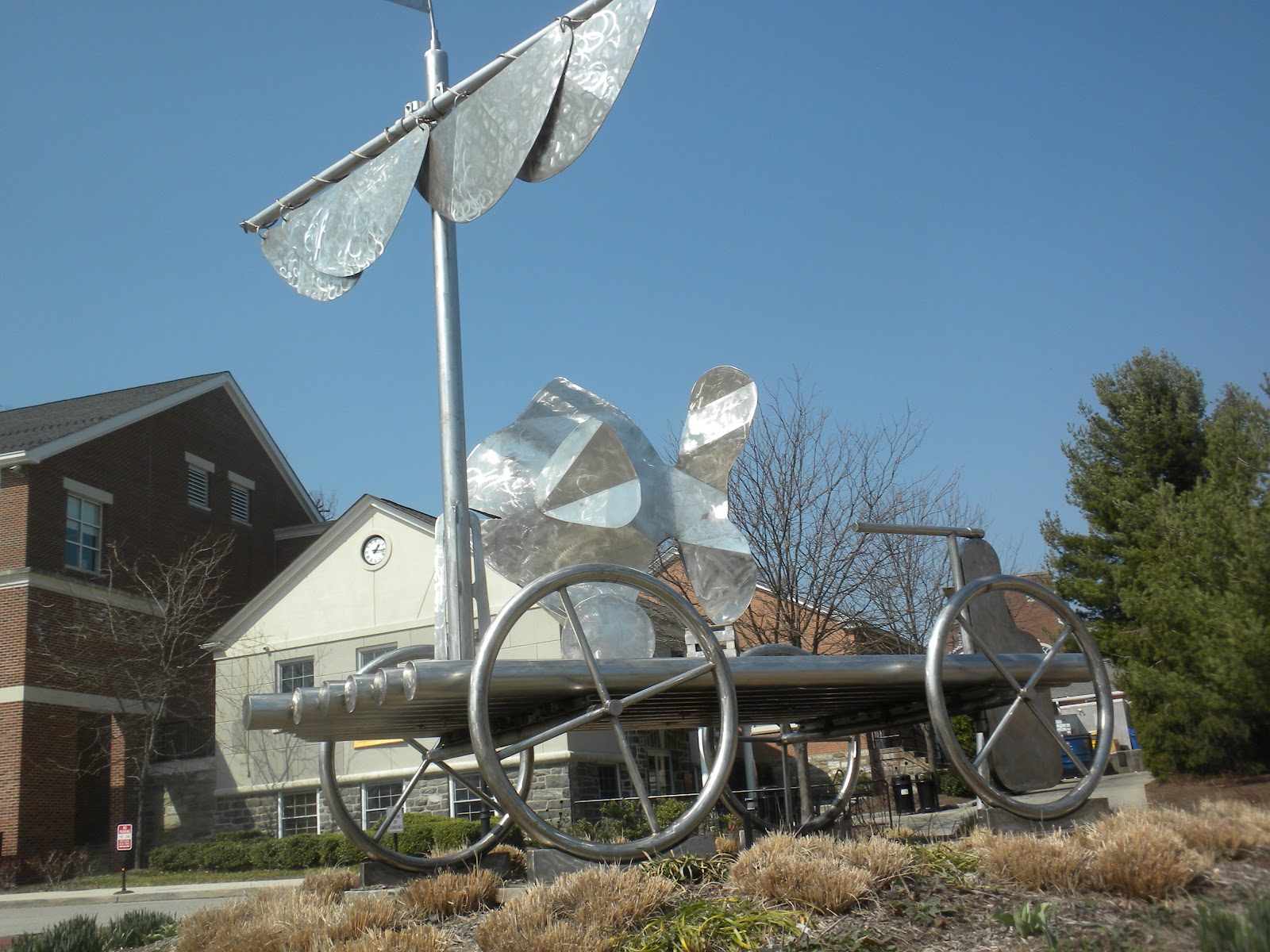
The Haverford School
Haverford · United States
Since 1884 on Philadelphia's storied Main Line, an all-boys campus balances rigorous academics with athletics and the arts.
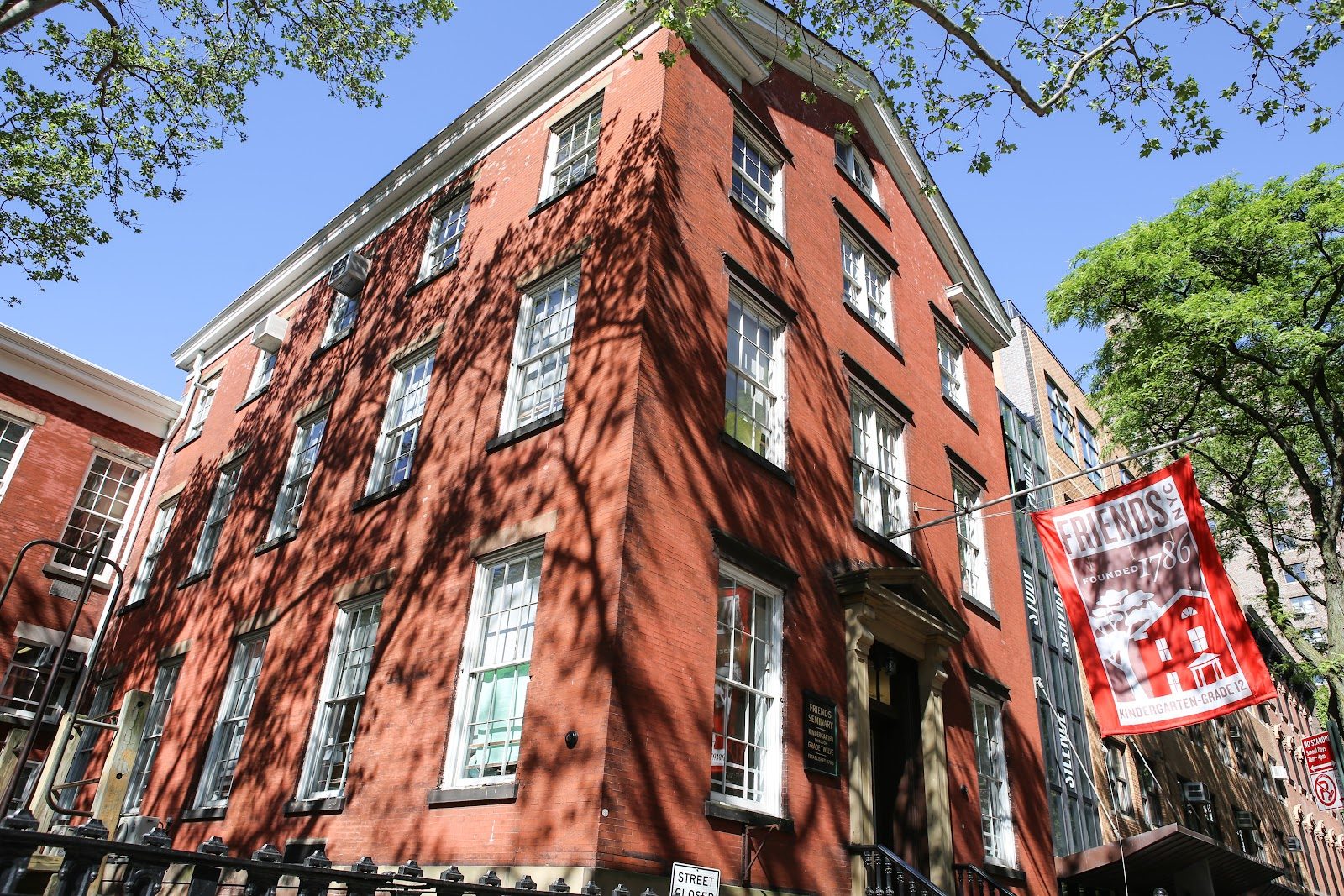
Friends Seminary
New York City · United States
Founded in 1786, the oldest coeducational school in New York City still teaches Quaker simplicity and peace amid Manhattan's bustle
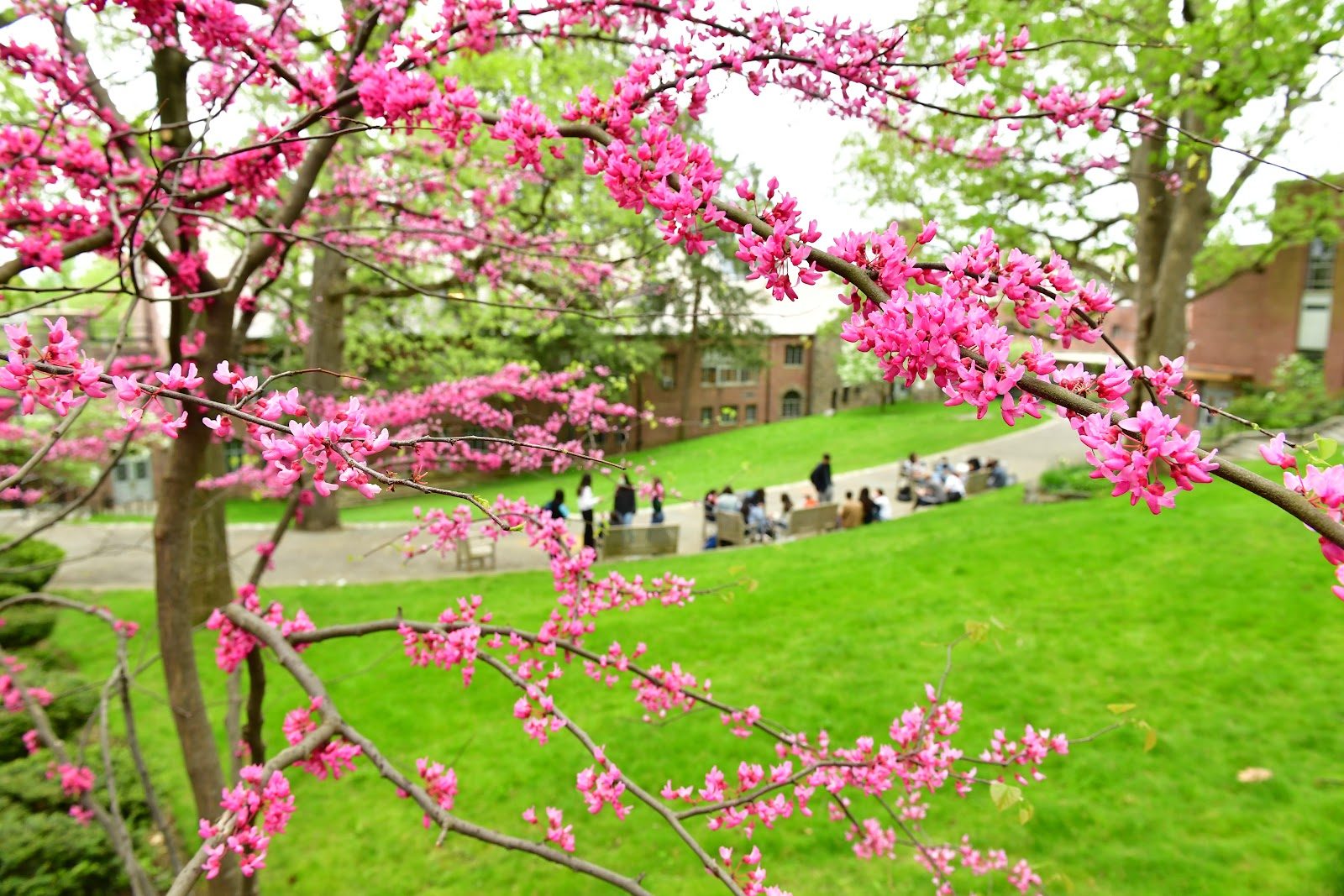
Ethical Culture Fieldston School
New York City · United States
Rooted in Felix Adler's 1878 Ethical Culture movement, its wooded Riverdale hilltop campus still anchors progressive American pedagogy.
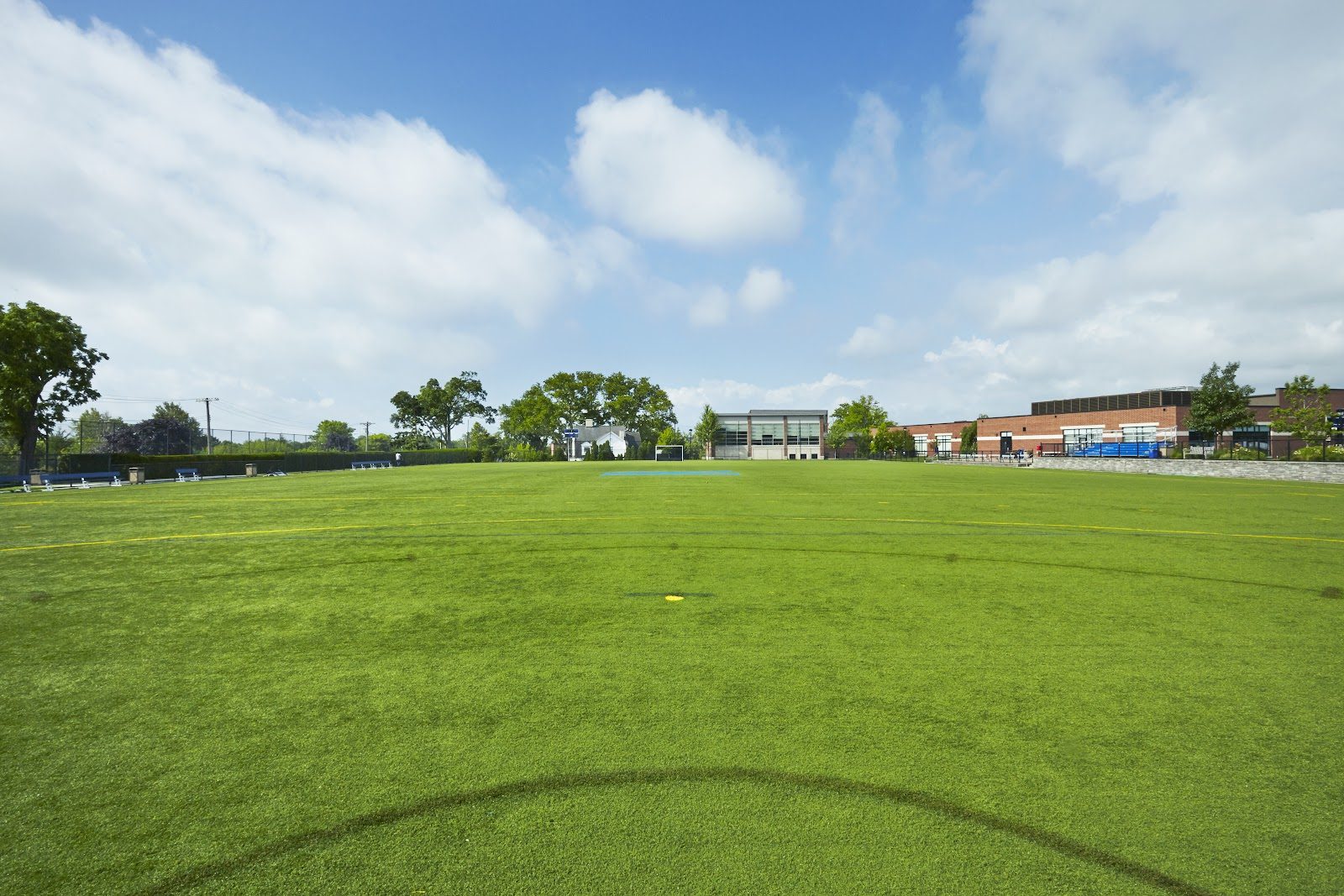
Rye Country Day School
Rye · United States
Founded in 1869 as a girls' seminary in Westchester, this campus still measures success by its motto: not for self, but for service.
Same country and curriculum — closest matches within ±10 points either way