
Quebec
Selwyn House School
low confidence· 6/6 cats · 0 avg sourcesOne of only two all-boys schools left in Quebec, its name and ethos borrowed from a Cambridge college back in 1908.

Photo © Yoann Lussier via Google Maps
Type
Day
Ages
5–18
Curriculum
Quebec Diploma of Secondary Studies
Ratio
9:1
The Verdict
Editor's commitment
Right for
Montreal families wanting an English-language day school for boys aged 5–18, with a 9:1 ratio and average classes of 18.
Wrong for
Parents who want co-education, boarding, religion, or a non-Quebec pathway; Selwyn House is non-religious, day-only, and teaches the Quebec Diploma.
Watch out for
At 1908-founded Selwyn House, the all-boys model is the point; the school also pushes Advanced Placement, but does not publish aggregate results.
Ranking breakdown
Selwyn House School · #466 of 1591
Composite score 69.4. 8 weighted criteria.
By criterion
Academic Outcomes
Weight 20%
#586
of 1529 scored
University Placement
Weight 16%
#584
of 1529 scored
Prestige & Heritage
Weight 12%
#537
of 1571 scored
Alumni Network
Weight 12%
#338
of 1530 scored
Facilities
Weight 12%
#666
of 1533 scored
Transparency & Communications
Weight 8%
#652
of 1532 scored
Peer & Industry Review
Weight 10%
#645
of 1548 scored
Admissions Selectivity & Demand
Weight 8%
#438
of 1529 scored
Peer & Industry Review
How Selwyn House School is regarded in the sector
62
Respected · medium confidence
Selwyn House is consistently ranked among the top-performing Quebec secondary schools in the Fraser Institute's annual school report cards, and is profiled as one of Montreal's leading independent boys' schools by the Our Kids private school directory. It has a solid regional reputation among Montreal's established independent schools (alongside Lower Canada College) and a long-standing alumni network, but it receives little coverage in international 'best schools' press (Tatler, Good Schools Guide) which focus on UK/US markets.
Evidence sources
Editors' overview
Selwyn House occupies a narrow and durable niche in Montreal: an English-language, non-religious boys’ day school with real history and a clear sense of itself. Founded in 1908 and named after Selwyn College, Cambridge, it trades on old-school confidence without relying on piety or faux tradition. The distinctive point is not the all-boys label on its own. It is the combination of that model with a declared CEGEP and university preparatory mission, a strong co-curricular spine, and a scale that keeps the place personal. With a 9:1 student–teacher ratio and average classes of 18, boys do not vanish into the crowd. For parents in Quebec who want an English-medium education but also want a school grounded in both English and French language and culture, Selwyn has a sharper proposition than many generic independent schools.
What lifts it onto a shortlist is the coherence of the offer. The school is explicit that academics are “non-negotiable”, but it does not stop at classroom performance. Athletics sit near the centre of school life, not at the decorative edge, and the same applies to the arts, outdoor education, student leadership and community engagement. The menu is broad: Advanced Placement, a Veritas Diploma, a wood workshop, wellness provision, a student success centre, Duke of Edinburgh, and a substantial athletics programme. That breadth matters for boys who need purposeful structure, a close-knit community and serious adult attention to do their best work. The “Old Boys” culture also tells you something important: this is a school that values continuity, belonging and loyalty. Some families will find that deeply reassuring. Others will find it too steeped in tradition. Both readings are fair.
The ideal Selwyn pupil is a boy who benefits from clear expectations, visible school spirit and a relational style of teaching. He does not need to be a star athlete, but he will thrive if he wants to join in rather than sit outside the life of the school. He will value competitive energy, high-contact teaching and a setting that expects boys to be respectful, resilient and hard-working. This is not the right fit for every child. Parents looking for a fully co-educational environment, a progressive free-form culture, or a school that publishes a hard data-rich account of outcomes may look elsewhere; Selwyn does not disclose aggregate public exam figures in the public domain. But for families who want one of only two remaining all-boys schools in Quebec, with more than a century of identity behind it and a K–12 structure that keeps boys on one campus journey from age 5–18, Selwyn House has a strong, singular case.
Academic Performance
Selwyn House offers Advanced Placement in the senior years and frames itself as a CEGEP and university preparatory school, but the public academic record is less transparent than the rhetoric around excellence. The school does not publish aggregate AP results, pass rates, score distributions, matriculation tables, or province-wide comparative data in the public domain. That matters. Among independent schools competing for academically ambitious families, hard outcome data separates confident institutions from opaque ones. Here, parents must infer academic strength from structure and programme design rather than inspect a clean set of external benchmarks. The presence of a student success centre, pre-university advising and a named AP track points to serious academic organisation; it does not substitute for published results.
Relative to peers, Selwyn sits in a credible but unverified position: clearly academic, clearly university-facing, and still short of the disclosure standards set by schools that release exam statistics year after year. In Quebec, the benchmark is not only whether boys progress successfully through the Diploma of Secondary Studies, but how clearly a school demonstrates stretch at the top end. Selwyn has built the architecture for that stretch. What it has not done is show parents the scoreboard. For some families, the school’s long-standing reputation and low staffing ratio will carry weight. For others, the absence of public performance data is a material weakness in the academic case.
Facilities
Selwyn’s facilities read as those of a school that has invested in the programmes it treats as central, rather than chasing headline architecture. The clearest strengths sit in sport, practical making and student support. Athletics occupy a large share of school life, with named team infrastructure, intramurals, athletic therapy and even a dedicated hockey stream through CSSHL Hockey. That places Selwyn above many urban day-school peers whose sporting offer is energetic but constrained by patchy support services. The wood workshop also matters. It is not a decorative add-on; it reinforces the school’s stated commitment to hands-on learning for boys and gives the campus a more purpose-built, serious-minded feel than schools where practical design amounts to a generic makerspace. The Wanstall Library, technology provision and a Student Success Centre add academic ballast.
There are limits. We have not seen the kind of facilities inventory that would let parents compare lab stock, performing arts venues, studio depth or specialist science provision line by line against top-tier independent competitors. The arts are clearly part of the offer, with visual arts, music, digital arts and drama all named, but the public picture is less fully evidenced than the one for sport. That leaves Selwyn in a strong middle position among peer schools: not a flashy campus brand, not a stripped-back academic shopfront either. It looks best for families who want a well-tooled day school with real athletic muscle, practical spaces and support structures that match the school’s disciplined, high-participation culture.
The school is explicit that academics are “non-negotiable”, but it does not stop at classroom performance
Prestige
Selwyn carries real local prestige, but it is a specific kind of prestige rather than the global badge value attached to a handful of export-brand schools. In Montreal’s independent sector, its status rests on scarcity, continuity and social recognition: an all-boys format now rare in Quebec, a durable Old Boys network, and a school culture that has kept its identity intact instead of flattening into generic college-prep language. The calendar of reunions, alumni sport and donor activity points to an institution with genuine loyalty behind it, not a school trying to invent tradition on the spot. The low staffing ratio of 9:1 also reinforces the premium feel. This is a school families know, and in its own market that counts.
The limit to Selwyn’s prestige is equally clear. It has strong domestic standing and a recognisable place in anglophone Montreal, but not the kind of publicly evidenced academic dominance that lifts a school into the top rank on outcomes alone. The school talks a great deal about excellence, Veritas and character formation; it publishes far less hard comparative data than the most confidence-inspiring academic institutions. That keeps Selwyn in the bracket of schools valued for community, tradition, sport and social capital as much as for measurable scholarly distinction. For families who want an established boys’ school with institutional gravitas and a tight alumni culture, that is enough. For families who equate prestige with transparent results and broad international name recognition, it is not.
What makes Selwyn distinctive is not one feature in isolation, but a rare institutional combination
Communications
Selwyn communicates with parents through a dense, practical digital spine rather than polished storytelling. The website maps school life in granular detail: separate weekly update channels for elementary, middle and senior sections; dedicated pages for admissions, tuition and bursaries, transport, food services, calendars, athletics, arts, counselling, the after-school programme and complaint procedures; and a password-gated mySelwyn portal sitting behind the public site. That structure matters. It tells parents where operational information lives and signals a school that expects families to keep up with a busy rhythm of fixtures, events, deadlines and programme details. Open-house dates, sports schedules, reunion activity and shop logistics are all easy to find. The school also states plainly that staff communicate openly and regularly with parents. Taken together, that points to a high-frequency, hands-on model of parent communication.
The weakness is not access to day-to-day information; it is institutional transparency. Selwyn publishes plenty about school life and community activity, but far less about academic outcomes than exacting parents deserve. Communications are strong on logistics, culture and belonging, and strong too on the internal architecture of the school. They are weaker on the hard evidence that lets families test claims of excellence. So the verdict is clear: for current parents managing the week, communication looks efficient and well organised; for prospective parents interrogating performance, it is selective and less candid than the best schools in the sector. The ratio of operational detail to outcome data stays the defining issue.
Uniqueness
What makes Selwyn distinctive is not one feature in isolation, but a rare institutional combination. It is one of only two all-boys schools left in Quebec, and it has kept that identity tied to a coherent philosophy rather than a nostalgic sales pitch. The school’s language about boys is unusually explicit: relationships matter, physical challenge matters, building and making matter, and belonging matters. That gives the place a clear operating logic. The wood workshop, outdoor education, strong team culture, student leadership structure and Old Boys network all fit the same frame. Many schools bolt activities onto an academic core. Selwyn organises school life around a view of how boys learn and mature.
For students, that brings strengths and constraints. Boys who need visible structure, adult attention and a high-participation culture get a school built for exactly that. The mission is not vague character talk; it is aimed at producing respectful, resilient, hard-working young men in a tight, relational community. The emphasis on both English and French language and culture also gives the school a more grounded Quebec identity than anglophone institutions that float above their setting. The trade-off is plain. This is a tradition-conscious, deliberately single-sex environment with a strong internal culture. Boys who dislike collective expectations, alumni ritual or sport-heavy school spirit will feel constrained by it. Boys who want clarity, camaraderie and purpose will get a sharply defined education few local rivals match.
The school’s language about boys is unusually explicit: relationships matter, physical challenge matters, building and making matter, and belonging matters
Student Profile
The boy who fits Selwyn best is one who responds to clear structure, close adult oversight and a school day packed with expectations beyond lessons. This is not a place for drifting anonymously or opting out of the communal life of the school. The public face of Selwyn points to boys who are asked to join teams, activities, leadership roles and service, and to carry themselves with visible self-discipline. The school’s own language centres on respect, resilience, hard work and integrity; families need to want that moral vocabulary, not merely tolerate it. A boy who likes routine, competition, practical activity and being known well by staff will do well here. The average class size of 18 reinforces that point: there is limited room to hide, and that is part of the attraction.
The stronger fit is a boy who enjoys high-participation school culture rather than ironic detachment. Sport matters, but so do making, outdoor education, the arts and community engagement, so the ideal pupil is not only sporty; he is energetic, join-in, and comfortable in a tradition-conscious environment with an active Old Boys presence. Boys who benefit from relationships, purpose and steady external boundaries will gain a great deal. Boys who want a loose, highly individual, low-demand atmosphere will not. Nor will boys who dislike single-sex schooling on principle. Selwyn suits families who want their son shaped by a tight-knit culture, not merely taught in one.
Selwyn House occupies a narrow and durable niche in Montreal: an English-language, non-religious boys’ day school with real history and a clear sense of itself
Co-curricular strengths
Arts & sport, on a separate axis
Overall 7.3/10
Scored 0-10 from the school's own published evidence. This axis is editorial-only — it does not feed the main WTS ranking.
Sports
8.7/10
Drama
8/10
Dance
4.5/10
Music
7.8/10
Visual Arts
7.5/10
Strengths
- +Founded in 1908 as one of Montreal's oldest English-language independent schools, giving it more than a century of institutional continuity.
- +Average class sizes of 15 to 20 students across a K-12 boys' program, smaller than many large day schools in the region.
- +Offers needs-based bursaries of up to 50 percent or greater for new students entering Grades 7 through 12, assessed separately from admissions.
- +Introduced a Pre-University (Grade 12) year starting September 2023, giving families an alternative to Quebec's standard two-year CEGEP route.
- +Counts prominent Montreal business and public figures among alumni, including members of the Bronfman family and NBA player Joel Anthony.
Considerations
- −Single-sex boys-only school, so it is not an option for families wanting a coeducational environment.
- −Published tuition runs from roughly CAD 27,749 to CAD 35,889 depending on grade, with extra charges for lunch supervision, activities and international-student fees.
- −No dedicated specialist staff for children with learning disabilities; per independent review findings, if difficulties are found the school aims to help boys learn but will not alter its academic expectations for them.
- −As a Quebec day school teaching to the provincial curriculum, non-French-speaking newcomers may need outside tutoring in French beyond the earliest grades.
Availability
Primary entry gate & tests
Academic Record + Interview (No SSAT; Boys)
Gallery
Photo © I A via Google Maps
Photo © Abigail Gu via Google Maps
Photo © Alex Cournoyer via Google Maps
Photo © Pablo Baratta Matheus via Google Maps
Photo © Ethan Kimmel via Google Maps
Photo © I A via Google Maps
Photo © Jim Sandilands via Google Maps
Photo © Sylvain Decelles via Google Maps
Photo © Selwyn House School via Google Maps
Parent reviews
Have you sent your child here?
Voice reviews carry the strongest trust badge — we transcribe them for you to tidy up before they go live. Prefer to type? A written review is fine too.
Add your voice
In 60 seconds, tell other parents: what's the best thing about Selwyn House School, and what surprised you when your child joined?
We ask for a Google sign-in so every review has a real face behind it — no anonymous drive-by attacks on schools, and no faked positive reviews. Your email is never shown publicly.
Send this profile to a friend
International parents rely on word-of-mouth. Share this review with someone weighing the same decision.
Schools with places
Similar schools to Selwyn House School with places available now.
Lower Canada College
Montreal · Canada
- 2026-27
- CLOSEDRegular cycle closed
- 2027-28
- PLACES OPENActive now — opened 6 July '26
Collège Jean-de-Brébeuf
Montreal · Canada
- 2026-27
- CLOSEDStandard route closed
- 2027-28
- OPENS SOONOpens Sept '26 (exam Oct)
Availability first, then country, area, curriculum, price, co-curricular
Consider also
Also worth looking at alongside Selwyn House School.
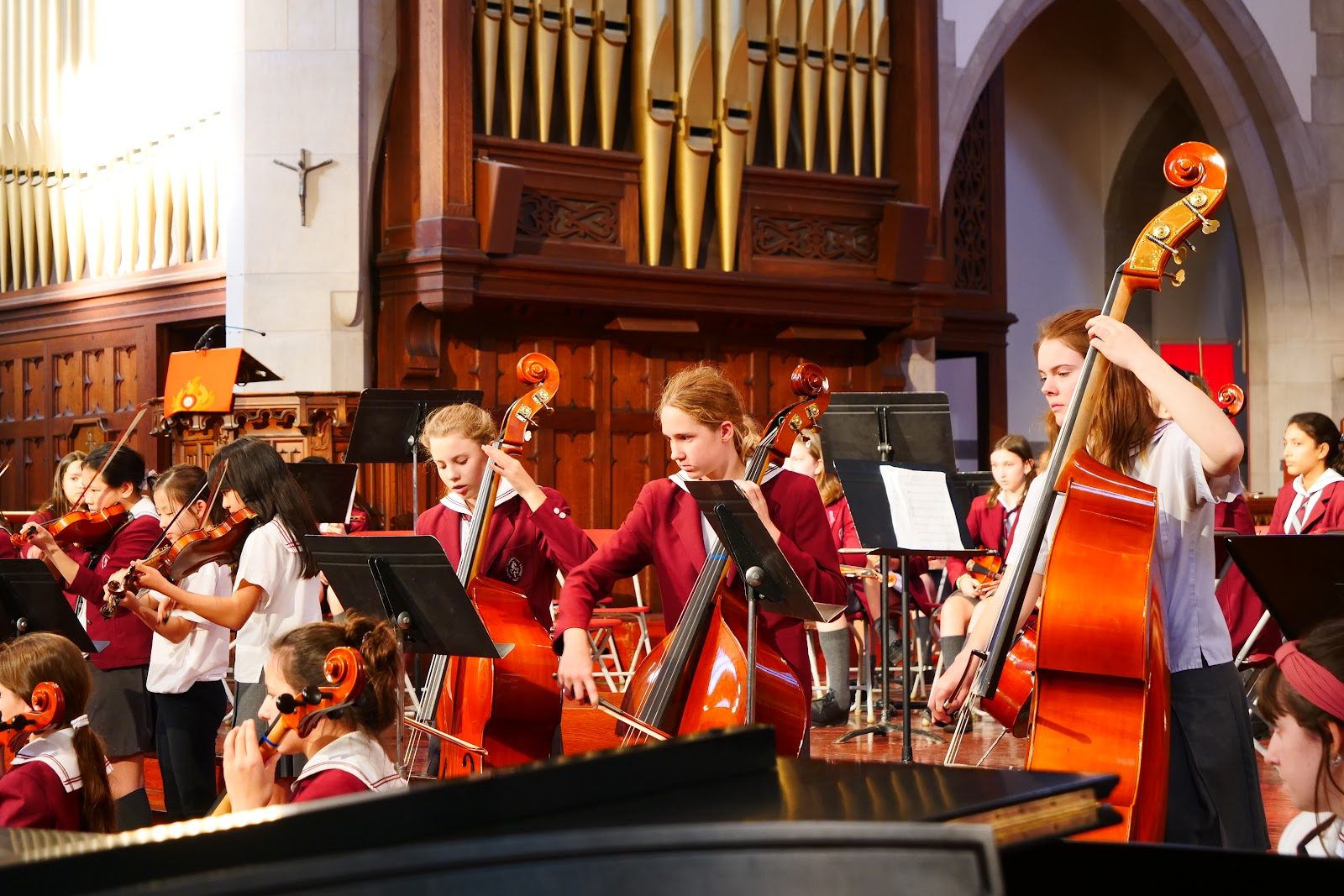
The Bishop Strachan School
Toronto · Canada
Founded in 1867 in Forest Hill, this Anglican school remains Canada's oldest continuously operating girls' day and boarding institution.
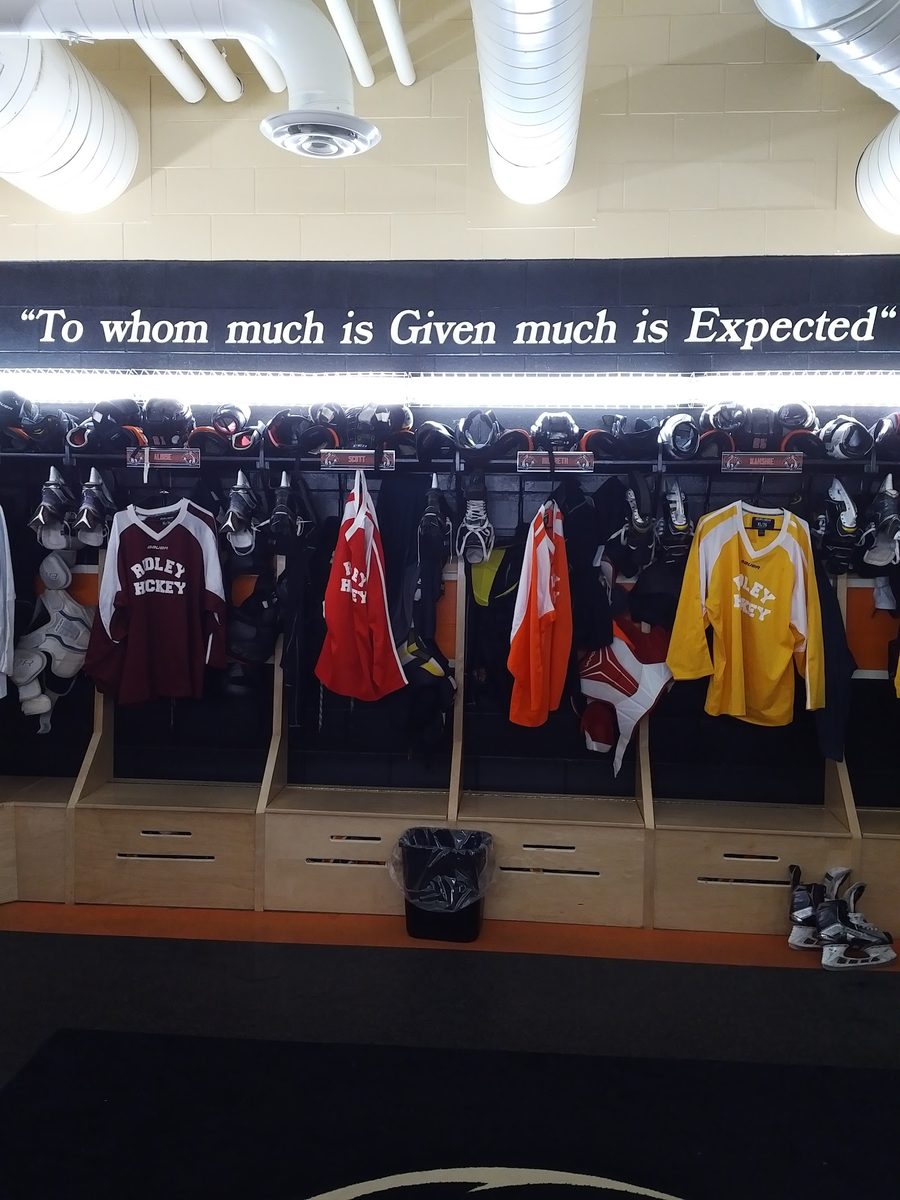
Ridley College
St Catharines · Canada
St Catharines day-and-boarding school blending Ontario's OSSD with the full IB continuum
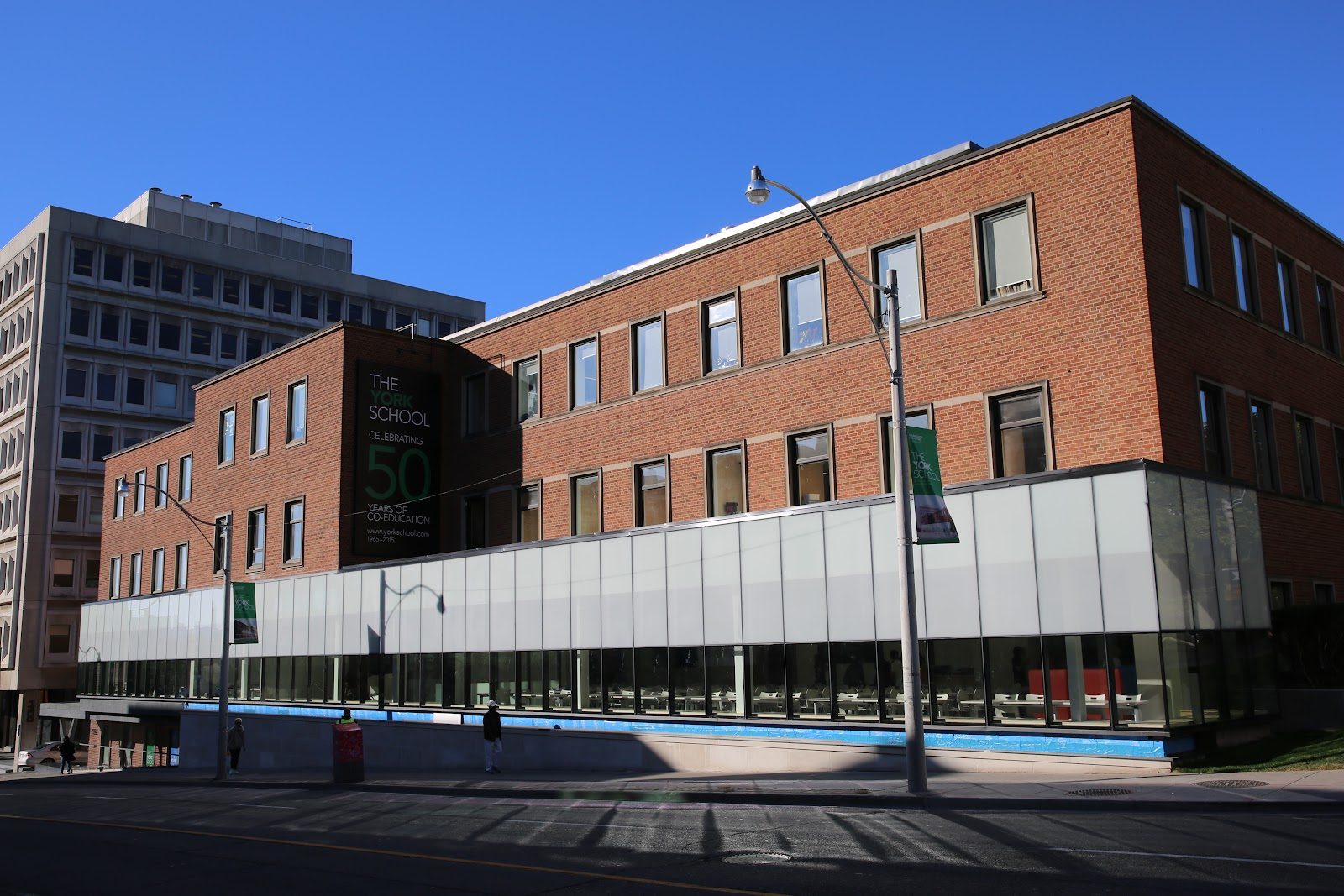
The York School
Toronto · Canada
First English-speaking school in Canada certified for the full IB continuum, JK to Grade 12, on midtown Toronto's Yonge Street corridor.
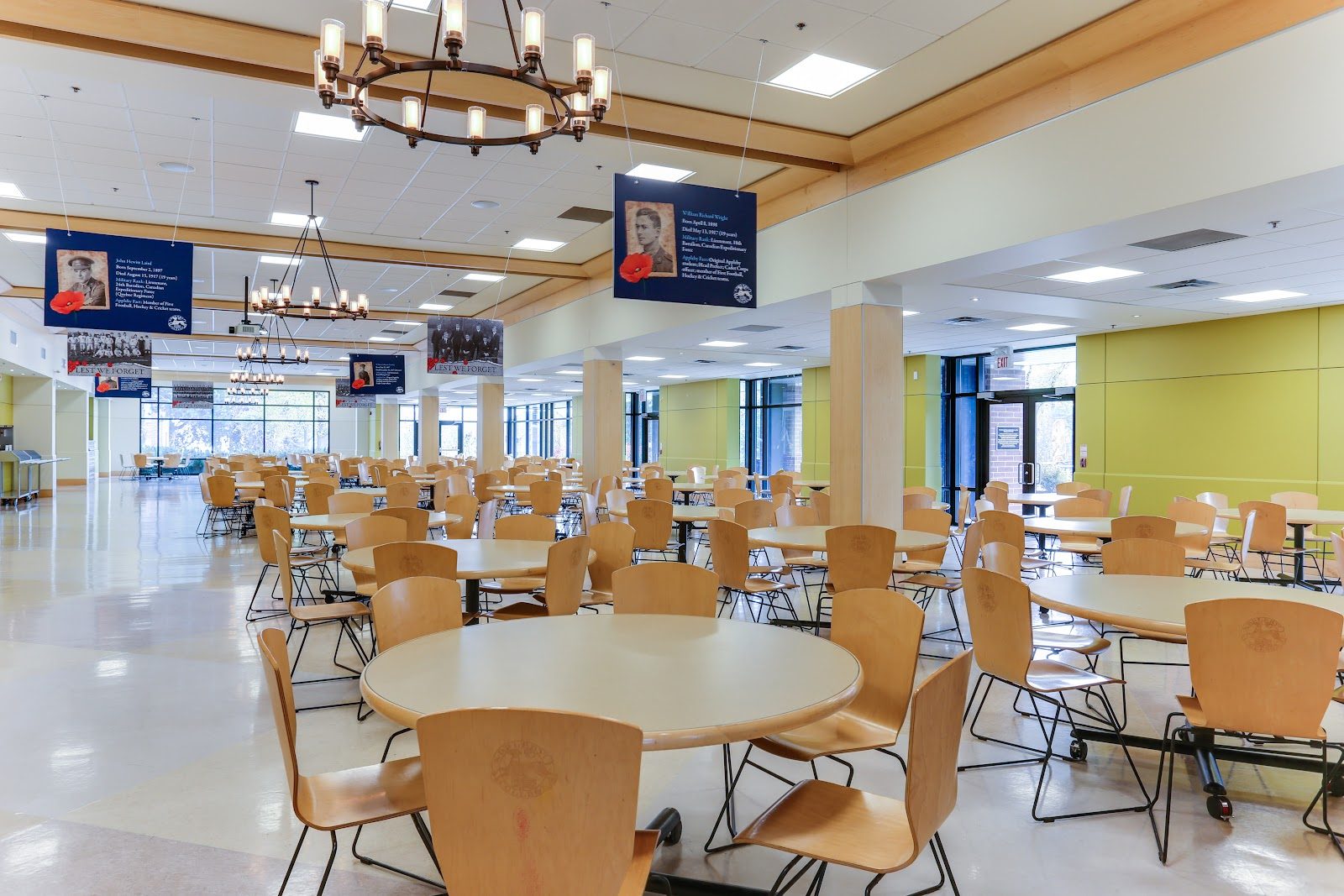
Appleby College
Oakville · Canada
A lakeside Oakville campus where every senior boards by tradition, and leadership training unfolds on a private island in Temagami.
Same country and curriculum — closest matches within ±10 points either way