
Europe
Ecole Jeannine Manuel London
French-English bilingual day school in London for ages 3–18
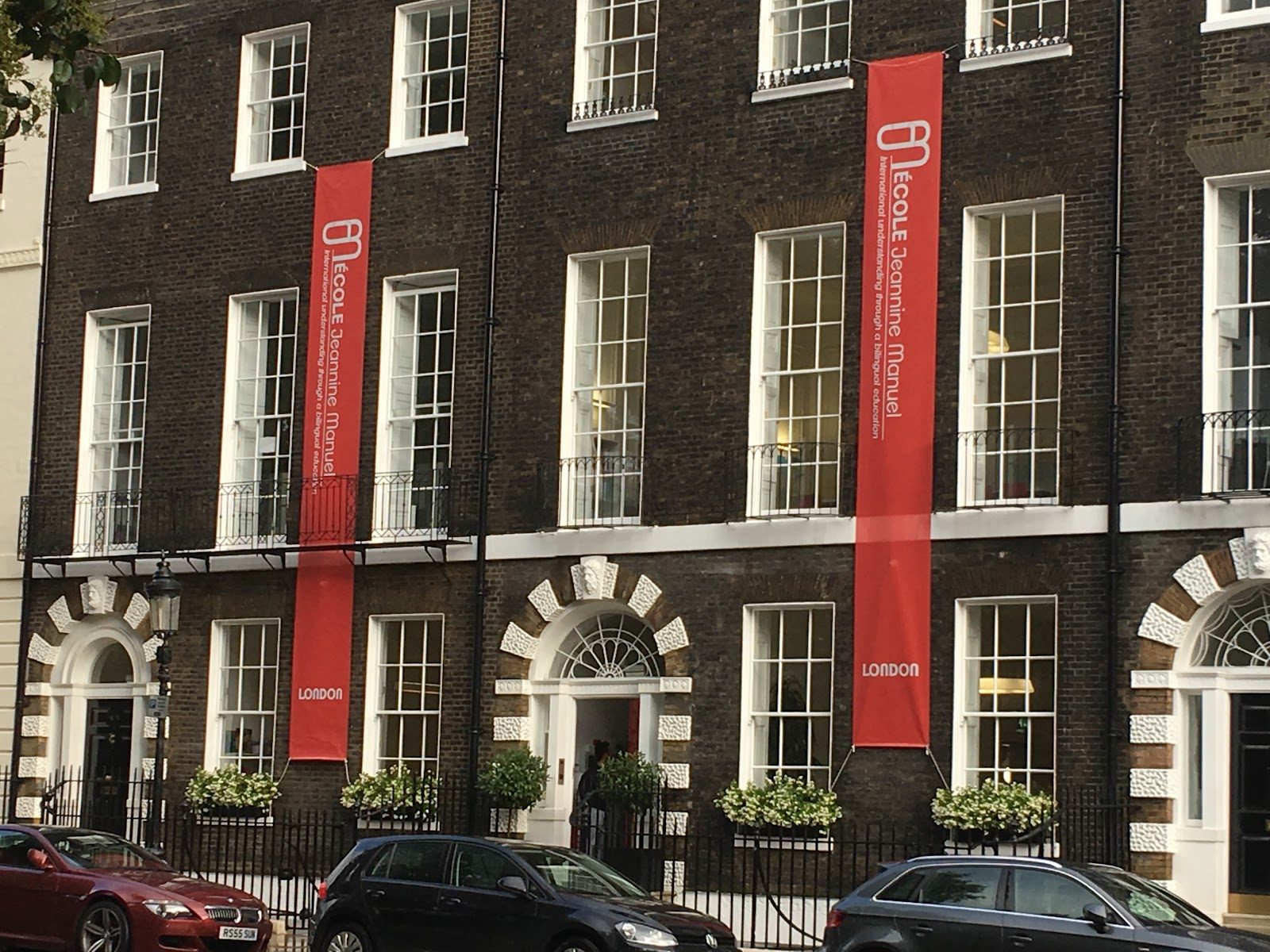
Photo © Charles Moncassin 25 via Google Maps
Type
Day
Ages
3–18
Curriculum
French · IB
Ratio
8:1
The Verdict
Editor's commitment
Right for
Families wanting a non-religious London day school, founded in 2015, with French and English instruction from ages 3–18.
Wrong for
Parents after a British-only education, boarding, or a bargain: this day school runs French plus IB and averages £26,933.
Watch out for
An 8:1 student-teacher ratio signals close attention, but the school does not publish public outcome data in the facts given.
Ranking breakdown
Ecole Jeannine Manuel London · #947 of 1591
Composite score 63.9. 8 weighted criteria.
By criterion
Academic Outcomes
Weight 20%
#260
of 1529 scored
University Placement
Weight 16%
#459
of 1529 scored
Prestige & Heritage
Weight 12%
#1287
of 1529 scored
Alumni Network
Weight 12%
#1484
of 1529 scored
Facilities
Weight 12%
#1336
of 1529 scored
Transparency & Communications
Weight 8%
#1
of 1529 scored
Peer & Industry Review
Weight 10%
#883
of 1529 scored
Admissions Selectivity & Demand
Weight 8%
#991
of 1529 scored
Peer & Industry Review
How Ecole Jeannine Manuel London is regarded in the sector
Insufficient peer signal
We couldn't find enough independent third-party evidence to score this school's peer & industry standing with confidence. It doesn't mean the school isn't well regarded — only that public reputation sources we trust don't yet cover it. This axis is left blank for now and the composite score is median-imputed from the other six categories.
Editors' overview
Ecole Jeannine Manuel London occupies a narrow and valuable niche in the capital: a genuinely French-English bilingual day school for ages 3 to 18, with French and IB named as its curricular frame and both French and English used as languages of instruction. That combination gives it a clear identity in a crowded London market. This is not a generic “international” school with a few language options bolted on. It is built around bilingualism from the nursery years onwards, in line with the Jeannine Manuel mission of developing international understanding through language. For families who want serious bilingual education rather than occasional exposure, that distinction matters.
Its market position rests on coherence and scale. Founded in London in 2015, it is a young school, but it belongs to a longer educational tradition that began in Paris in 1954. The attraction here is not heritage for its own sake; it is the transfer of an established bilingual philosophy into a London day-school setting. The 8:1 student-teacher ratio signals high adult attention, and the average annual day fee of £26,933 places it in the expensive end of the bilingual day-school bracket without drifting into the uppermost tier of London’s traditional independent giants. Parents paying for this school are buying linguistic immersion, cross-cultural fluency and a peer group shaped by an explicitly international brief.
Why shortlist it? Because very few London schools offer this level of intellectual double literacy across French and English from age 3 to 18 under one roof. It suits internationally mobile families, francophone households who want strong English without giving up French, and anglophone families prepared to commit to a demanding bilingual education. It also suits children who are academically comfortable, verbally agile and energised by moving between two languages every day. It does not suit families looking for a conventional English independent-school experience with French as a subject on the timetable. This is a school for students who thrive on daily cultural switching, who enjoy language as a tool for thought, and who want an education with an international centre of gravity rather than a purely British one.
Academic Performance
Academic transparency is the issue here. The school does not publish aggregate IB results, diploma averages, top scores, university destinations or any comparable external benchmarking on its public site. That leaves parents without the hard data that serious academic scrutiny requires. In a London market where strong independents and international schools routinely publish headline outcomes, that silence matters. It makes peer comparison harder than it should be and shifts the burden onto admissions conversations, school visits and direct questions. Any family considering a sixth-form entry point should ask for recent IB cohort size, average diploma score, subject-level performance and destination patterns.
That does not mean weak outcomes; it means opaque outcomes. The school’s bilingual model, low staffing ratio and all-through structure point to a demanding academic proposition, especially for pupils managing serious work across two languages. But without published result sets, it does not earn the same academic visibility as London peers that put their numbers in plain view. For parents comfortable judging a school through ethos, classroom quality and linguistic ambition, that may be enough. For parents who want a school’s examination record set out in black and white, this is a clear limitation. In performance terms, Ecole Jeannine Manuel London sits in the category of academically ambitious schools with under-disclosed results, not in the group that proves its standing through public data.
Facilities
The school does not publish a detailed public inventory of specialist spaces, so parents cannot inspect the estate on paper before they visit. That lack of detail matters in London, where bilingual and international competitors often set out laboratories, libraries, sports provision, performance spaces and outdoor areas with precision. Here, the clearest facility clue sits in the low 8:1 staffing ratio: teaching and pastoral support have room to work at close range, and that matters in a school built around constant movement between two languages. The practical question is not whether the campus has a grand façade; it is whether classrooms, reading spaces and specialist rooms support serious bilingual work across the age range. The school does not answer that publicly with enough rigour.
Against peer schools, that leaves Ecole Jeannine Manuel London at a disadvantage on facilities transparency rather than on proven physical quality. In this bracket, parents expect to know whether science, arts and sport are merely adequate or genuinely competitive. They also expect clear information on play space for younger children and independent study space for older pupils. Without that, the facilities picture stays frustratingly opaque. Any visit needs to test the basics directly: classroom size, library provision, science rooms, indoor sport, outdoor break space, and whether the site feels purpose-built for concentration rather than adapted piecemeal. On facilities, this is a school that requires first-hand scrutiny, not faith.
Against peer schools, that leaves Ecole Jeannine Manuel London at a disadvantage on facilities transparency rather than on proven physical quality
Prestige
Ecole Jeannine Manuel London has real prestige, but it is specialist prestige, not the inherited social capital of London’s old-line independents. Its name carries weight with internationally minded families who know the Paris original and want the same educational philosophy in Britain. In that circle, the school offers something distinctive and hard to copy: an all-through bilingual education built around a clear intellectual mission rather than a generic international-school brief. The low 8:1 staffing ratio and the average annual fee of £26,933 place it firmly in the serious independent sector. This is not a budget bilingual option and it does not trade on mass-market accessibility.
The limit on prestige is also clear. Public academic outcomes are not published, so the school does not enjoy the same provable clout as institutions that pair strong brand recognition with visible examination data and destination lists. Prestige in schools rests on scarcity, results, selectivity and social recognition; Ecole Jeannine Manuel London has the first and part of the last, but not the full public proof of the second. That leaves it with a cultivated, internationally fluent reputation rather than a universally acknowledged one. For families in the French-speaking and globally mobile professional world, that reputation is strong. Outside that orbit, it has less automatic cachet than the capital’s old-money heavyweights.
Ecole Jeannine Manuel London has real prestige, but it is specialist prestige, not the inherited social capital of London’s old-line independents
Communications
Parent communication has to do heavy lifting in a school with this kind of educational model. Families need timetables, assessment language, pastoral messages and event information delivered with real clarity, because the school is asking parents to navigate more than a standard monolingual routine. The public-facing website gives a mixed signal. The school states its mission clearly and ties the London campus to a wider Jeannine Manuel educational tradition, so the big picture is coherent. Day-to-day communication is less visible. There is little public detail on reporting rhythms, parent portals, sample newsletters, calendar depth or how academic progress is explained across phases. That is a conspicuous gap for fee-paying parents, especially at an average annual cost of £26,933.
So the verdict is straightforward: the strategic message is strong; the operational picture is under-explained. Schools with an 8:1 ratio and an all-through age range need communication that is precise, prompt and hard to misread. This one does not publish enough evidence of that standard. Parents can infer a close relationship between staff and families from the staffing model and the school’s tightly defined mission, but inference is not the same as proof. Ask direct questions at visit stage: how reports are structured, how quickly staff reply, how behaviour or pastoral concerns are escalated, and how bilingual expectations are explained to new families. On communications, this is a school that gives a clear sense of purpose and a thin sense of process.
Uniqueness
What marks Ecole Jeannine Manuel London out is not international branding or a token bilingual stream, but a school built from the ground up around daily dual literacy. In London, many schools offer strong languages teaching; far fewer ask children to think, read, write and discuss across two linguistic worlds as a matter of routine. That changes the intellectual texture of the school. Pupils are not just learning another language for utility or polish. They are learning to shift register, perspective and cultural reference point all day long. For the right child, that is formidably enriching. It builds mental flexibility, precision in expression and a habit of seeing that ideas do not land identically in every language or culture.
The other distinctive feature is the network lineage behind the London campus. This school inherits a mission first articulated in Paris: international understanding through bilingual education from the earliest years. That gives the London branch a clear ideological spine that many newer international schools lack. Students benefit from more than fluency. They gain a serious intercultural education in which language operates as a way into other habits of thought. The low 8:1 ratio reinforces that model by giving staff the room to correct, stretch and support pupils closely. This is not a casual bilingual option. It suits children who enjoy intellectual switching and families who want identity, language and schooling to work together rather than sit in separate compartments.
In this bracket, parents expect to know whether science, arts and sport are merely adequate or genuinely competitive
Student Profile
The best fit here is a child who enjoys living in two systems at once: two linguistic registers, two sets of cultural references, two ways of framing an idea. That does not require extroversion or polish, but it does require mental agility, strong verbal confidence and a high tolerance for correction. Pupils who flourish here will not resent precision; they will feed on it. Francophone families who want children anchored in French while moving fluently through an English-speaking environment fit naturally. So do internationally mobile households who want schooling that reflects a mixed identity rather than forcing a single national mould. With a student-teacher ratio of 8:1, the setting suits pupils who benefit from close adult attention and who are ready to be known well by staff.
The weaker fit is just as clear. This is not a natural home for children who want a loose, low-pressure school day or who struggle with sustained literacy demands. It also does not suit families treating bilingualism as a decorative extra. The school’s core offer asks for commitment, stamina and serious academic buy-in from both child and parent. Students who are curious about other people, comfortable crossing social and cultural boundaries, and willing to have their thinking stretched daily will gain the most. Students who want a standard British independent-school experience, with everything organised around one dominant cultural centre, will find this model too exacting and too deliberately international in outlook.
The other distinctive feature is the network lineage behind the London campus
Co-curricular strengths
We haven't scored this school on the arts & sport axis yet. Our editorial team is working through the fleet — the school's public evidence will earn its own score, not a guess.
Gallery
Photo © Jeannine Manuel School via Google Maps
Parent reviews
Have you sent your child here?
Voice reviews carry the strongest trust badge — we transcribe them for you to tidy up before they go live. Prefer to type? A written review is fine too.
Add your voice
In 60 seconds, tell other parents: what's the best thing about Ecole Jeannine Manuel London, and what surprised you when your child joined?
We ask for a Google sign-in so every review has a real face behind it — no anonymous drive-by attacks on schools, and no faked positive reviews. Your email is never shown publicly.
Send this profile to a friend
International parents rely on word-of-mouth. Share this review with someone weighing the same decision.
Schools with places
Similar schools to Ecole Jeannine Manuel London with places available now.
Availability first, then country, area, curriculum, price, co-curricular
Consider also
Also worth looking at alongside Ecole Jeannine Manuel London.
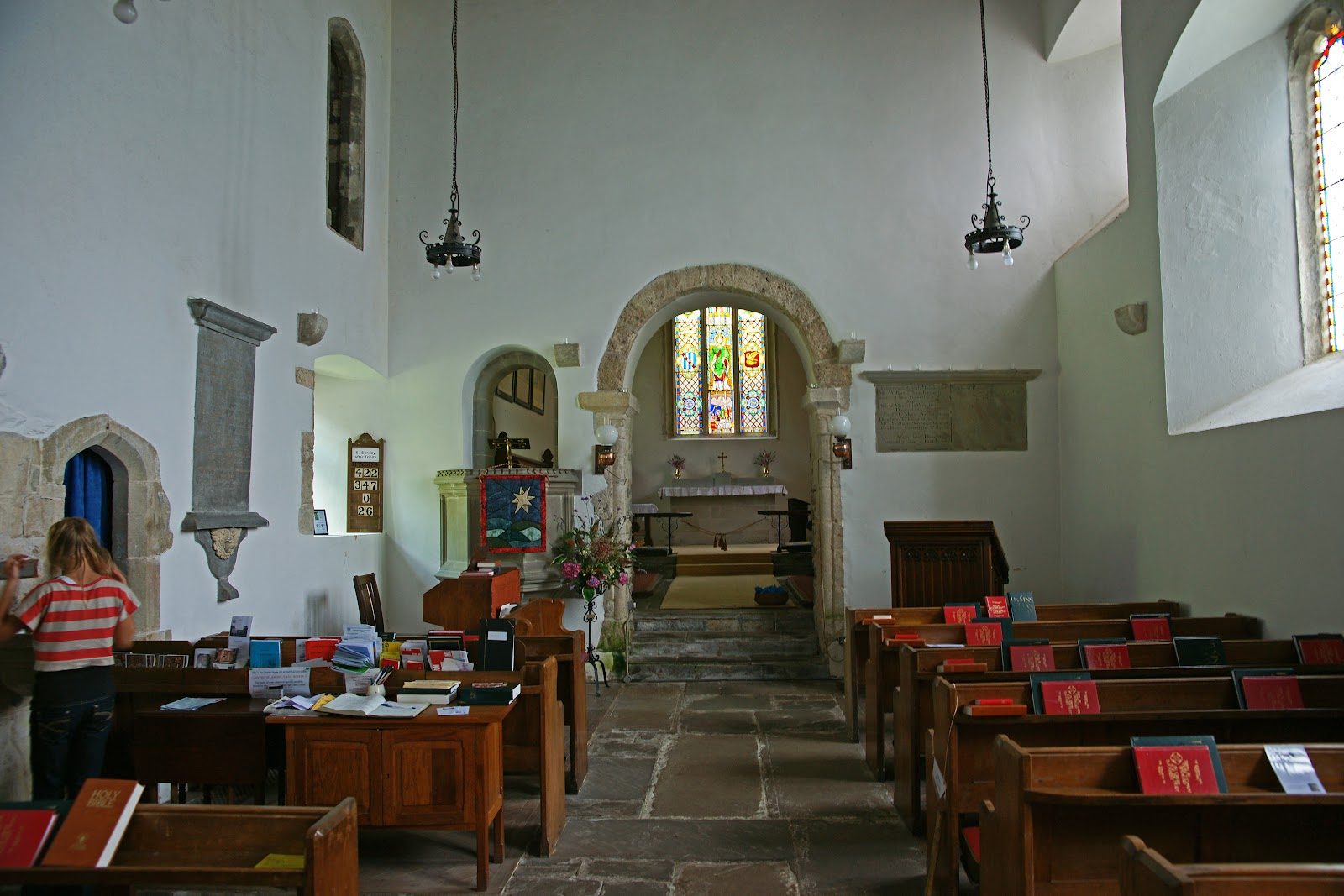
UWC Atlantic
Llantwit Major · United Kingdom
In a seafront medieval castle in Wales, the founding United World College still teaches the IB curriculum it helped invent.
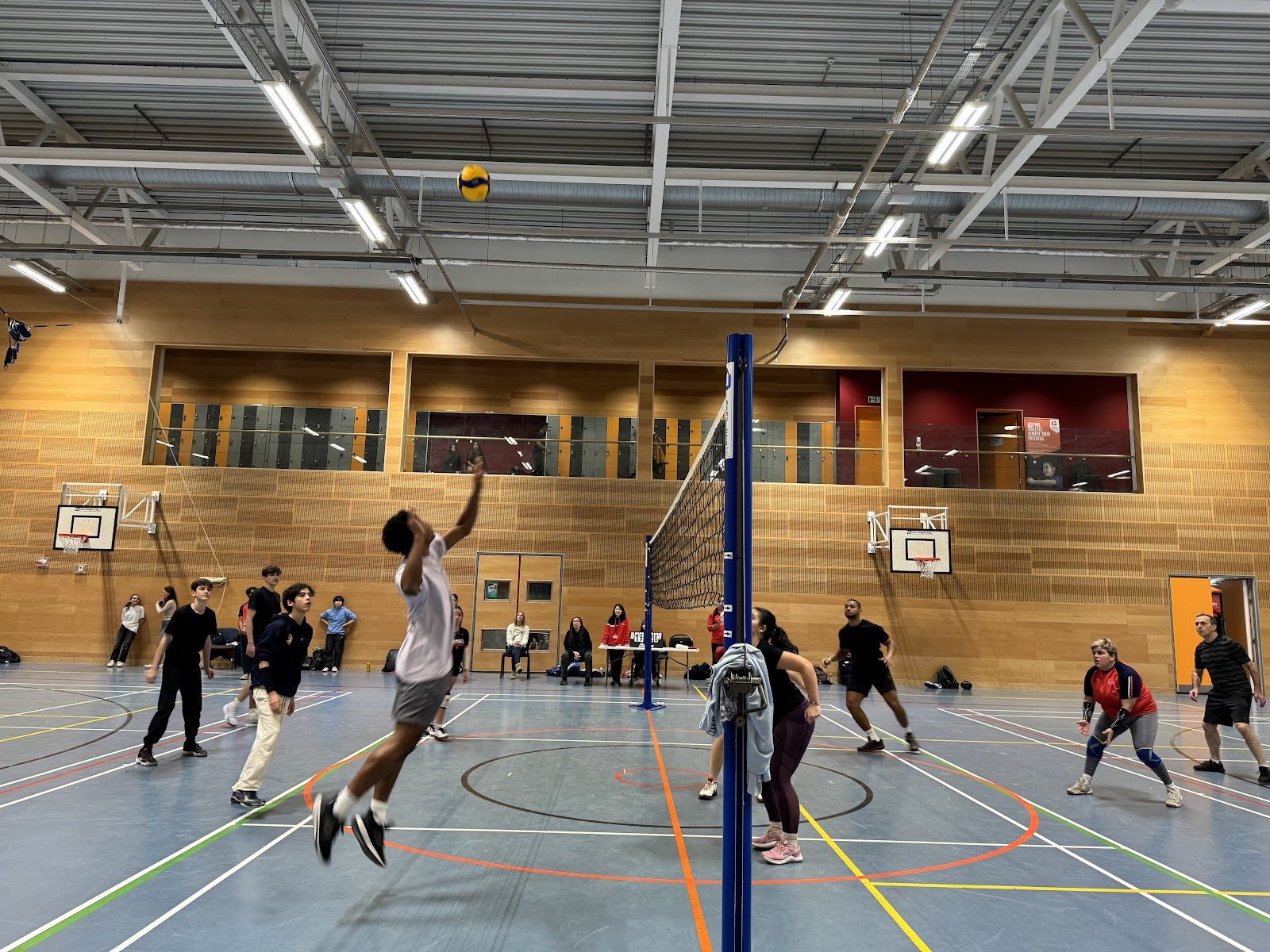
International School of London
London · United Kingdom
A Chiswick IB pioneer since 1972, where mother-tongue teaching in 24 languages predates UNESCO's own push for linguistic diversity
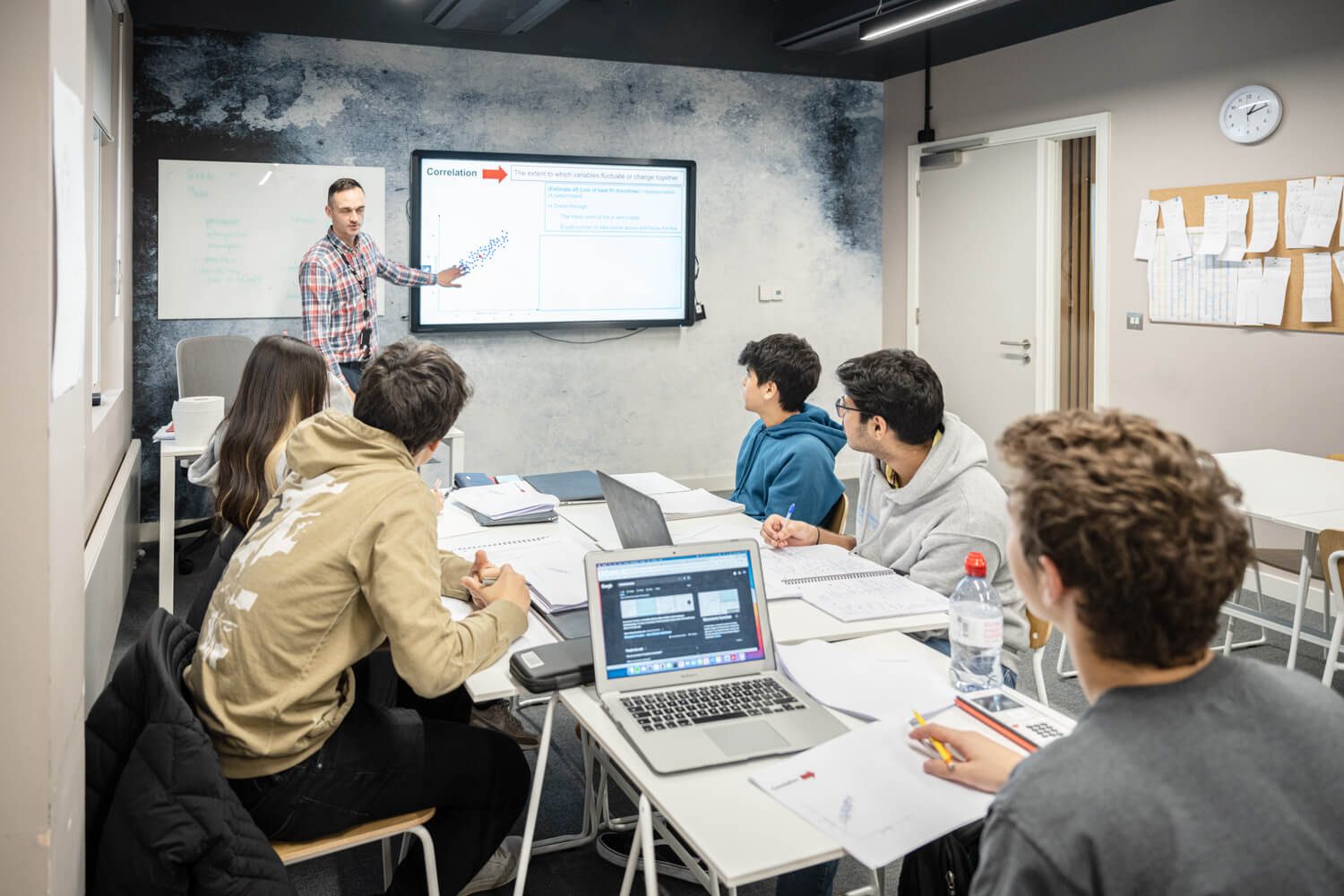
Southbank International School
London · United Kingdom
A 'school without walls' spanning three London postcodes, first in the UK cleared to teach all three IB programmes.
Marymount International School London
Kingston upon Thames · United Kingdom
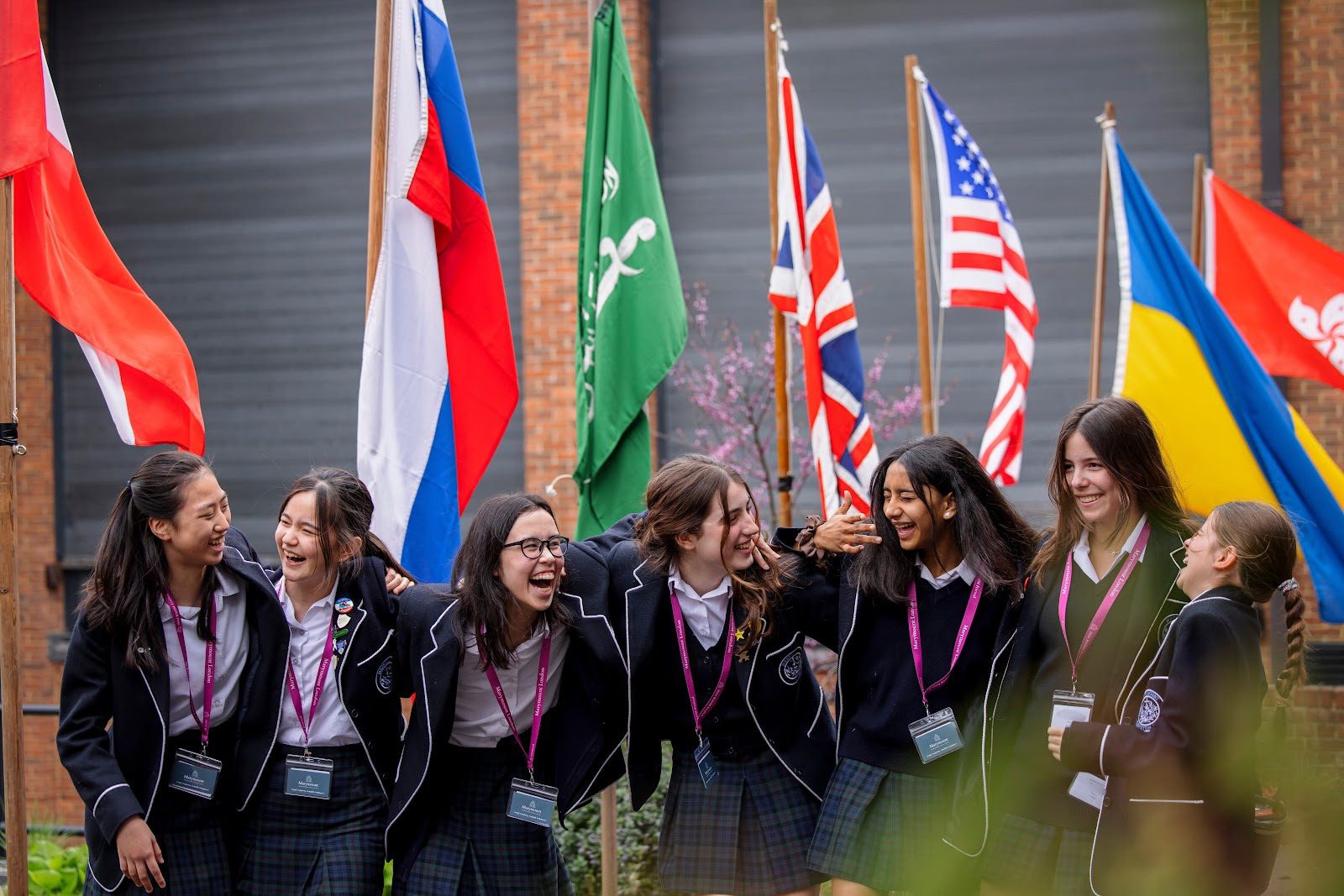
A Catholic girls' day-and-boarding school in Kingston upon Thames that became Britain's first to adopt the IB from Middle Years through Diploma.
Same country and curriculum — closest matches within ±10 points either way