
Rogaland
British International School of Stavanger
low confidence· 4/6 cats · 1 avg sourcesBorn in 1977 to educate North Sea oil families, this Stavanger day school still turns fjords and woodland into open-air classrooms.
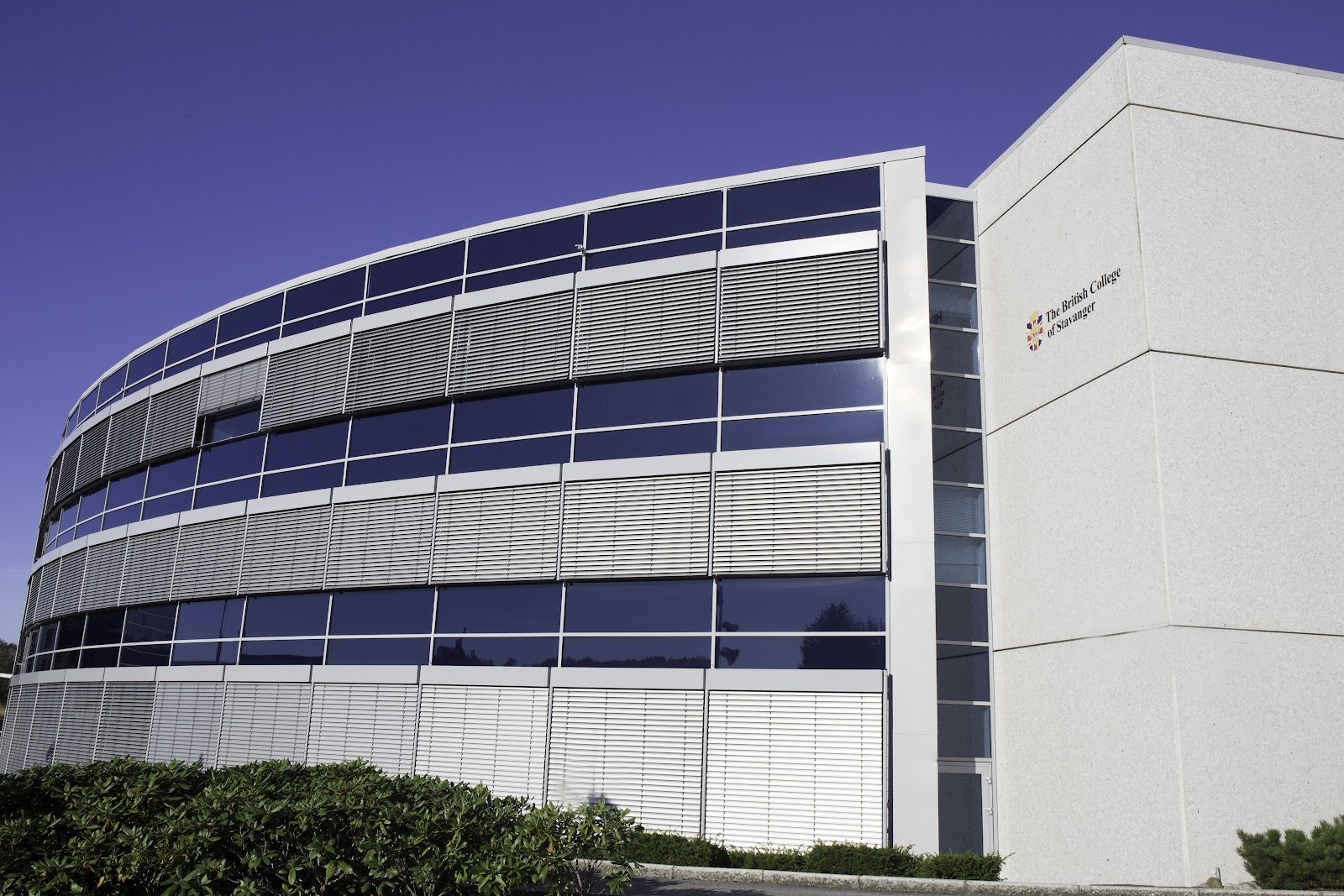
Photo © BISS Gausel via Google Maps
Type
Day
Ages
3–18
Curriculum
British
Qualifications
IGCSE · A-Level
Ratio
—
The Verdict
Editor's commitment
Right for
Families in Stavanger who want English-medium education from ages 3–18, under a British curriculum with Cambridge International accreditation.
Wrong for
Parents wanting boarding, religious formation, or Norwegian-language teaching; this is a non-religious day school in Stavanger, not a hybrid.
Watch out for
Founded in 1977 for North Sea oil families, it carries BSO and COBIS badges, but the school does not publish much else.
Ranking breakdown
British International School of Stavanger · #1383 of 1591
Composite score 51.7. 8 weighted criteria.
By criterion
Academic Outcomes
Weight 20%
#1366
of 1529 scored
University Placement
Weight 16%
#1359
of 1529 scored
Prestige & Heritage
Weight 12%
#1410
of 1571 scored
Alumni Network
Weight 12%
#1029
of 1530 scored
Facilities
Weight 12%
#1403
of 1534 scored
Transparency & Communications
Weight 8%
#1380
of 1532 scored
Peer & Industry Review
Weight 10%
#1216
of 1548 scored
Admissions Selectivity & Demand
Weight 8%
#1308
of 1529 scored
Peer & Industry Review
How British International School of Stavanger is regarded in the sector
45
Credible · low confidence
British International School of Stavanger is known locally within Stavanger's oil-and-gas expat community as one of the main English-medium options alongside the International School of Stavanger, but it lacks coverage in major independent rankings such as Tatler, Good Schools Guide, or Sunday Times School of the Year lists, and there is minimal specialist press or alumni network visibility. Expat parent forums (e.g., InterNations, Reddit expat threads) mention it occasionally as a practical option, but discussion is thin and largely anecdotal rather than reputational benchmarking.
Editors' overview
British International School of Stavanger owes its existence to the North Sea oil economy, and that origin still explains its place in the market. Founded in 1977, it serves ages 3 to 18 in English in a city where international families need continuity, portability and a curriculum that travels well. The school declares a British curriculum and carries three accreditations that matter in this segment — BSO, COBIS and Cambridge International. That is solid external validation for a day school in a small market, and it puts BIS Stavanger in the category of schools parents choose for dependable international transfer rather than for grand campus theatre or prestige signalling.
What distinguishes it is not scale or brand glamour but setting and use of place. The editorial brief gets to the point: this is a school where fjords and woodland are part of the working school environment, not decorative backdrop. In Stavanger, that counts. A child who learns well outdoors, copes happily with Norwegian weather and does not need the intensity or social sprawl of a giant expatriate campus will find this model refreshingly grounded. The school’s non-religious character also gives it a straightforward appeal for internationally mixed families who want an English-language education without a confessional frame.
Its market position is clear-cut. This is a specialist international day school in Norway, not a full-service boarding institution and not a local Norwegian school with a thin international stream. The age span of 3–18 matters: families can enter early and stay through the full school journey without a forced move at 11 or 16. The founding date of 1977 matters too, because longevity in a transient expatriate market signals institutional durability. The three accreditations — BSO, COBIS and Cambridge International — give the school more credibility than many small international schools can claim. Parents should shortlist it if they value continuity, an English-medium education and a school culture that is less polished, more practical.
The right student for BIS Stavanger is easy to picture. This is a strong fit for internationally mobile children, oil-and-energy families, and pupils who want a British education in a contained, outdoors-facing setting. It suits children who thrive in a community that is smaller and steadier than the high-gloss hubs in Dubai, Singapore or London. It is a weaker fit for families chasing a large-city social scene, extensive boarding provision or the status cachet of a famous old name. BIS Stavanger’s strength lies elsewhere: credible accreditation, long service to expatriate families, and a setting that gives daily school life a distinct Norwegian edge.
Academic Performance
External-results disclosure is thin. The school does not publish a clear run of aggregate examination outcomes for its senior cohort: no headline IGCSE profile, no full A level distribution, no three-year trendline, and no public benchmark against peer schools in Norway or the wider COBIS market. That matters. In the international-schools sector, serious academic operators publish enough data for parents to judge consistency, selectivity and sixth-form strength. BIS Stavanger does not give that level of visibility, which leaves its academic picture harder to audit than it should be. The one firm conclusion is structural rather than statistical: as a through-school serving a transient expatriate community, it trades on continuity and portability more than on a results-first public identity.
Relative to peers, that places it in the middle of the market rather than among the data-heavy academic flagships. Top-tier British international schools make exam performance central to their case and release granular numbers. BIS Stavanger does not. That does not prove weak outcomes; it signals limited transparency. Parents with academically ambitious teenagers should ask for the last 3 years of external exam results, subject-by-subject entry numbers, top-grade proportions and destination lists before treating the senior school as a proven sixth-form option. For families prioritising continuity, stability and a smaller school environment, that gap carries less weight. For families shopping on academic outcomes, it is a material reservation.
Facilities
The decisive facility here is not a grand sports complex or a trophy theatre. It is access to landscape. BIS Stavanger uses the surrounding fjords and woodland as working school space, and that gives it an advantage that many urban British international schools cannot match. For younger children in particular, outdoor learning is not an add-on but part of the school day’s practical texture. That is a serious asset in a market where many schools talk about wellbeing and hands-on learning while keeping pupils indoors for most of the week. Families after glossy specialist infrastructure — Olympic-scale pools, major performing-arts centres, vast sixth-form common rooms — need to recognise that this school trades those things for a more grounded, place-led offer.
Against peer schools, that puts BIS Stavanger in an unusual bracket. It is stronger on natural environment than on spectacle. Parents choosing between international schools in the region will find a campus experience that is less showy, more usable for daily school life, especially for children who thrive outside and do not need constant institutional entertainment. The limitation is clear. Older pupils with high-level sporting ambitions or families who equate quality with large indoor provision may find the facilities plain rather than expansive. In premium international-school terms, this is not a facilities arms race. It is a practical school environment with 3 schools in the Stavanger cluster and a clearer outdoor identity than many direct competitors.
The name sits inside a small local cluster, not atop a singular, dominant flagship
Prestige
BIS Stavanger carries real but limited prestige. In its own market, the school has standing because it has endured, serves the full age range and holds inspection and membership badges that parents in the international sector recognise. That gives it institutional credibility. It does not give it cachet. This is not one of the British-brand schools that turns a name alone into social capital, nor is it a destination school that draws families across borders for status. Its prestige is practical: parents choose it because it solves a relocation problem cleanly and gives children continuity in a place where internationally mobile families need it. The fact that there are 3 British international schools in Stavanger also matters. The name sits inside a small local cluster, not atop a singular, dominant flagship.
That distinction shapes the rating. A BIS Stavanger education carries solid expatriate respectability, not elite shine. Among employers moving staff into the region, that counts for something; among globally status-conscious families comparing Geneva, Singapore or top London-linked names, it does not travel far. The weak point is public academic visibility. Schools with serious prestige publish results that let parents and universities read the standard at a glance. BIS Stavanger does not, and that caps its reputation. Add the outdoors-facing, community-scale character and the picture sharpens: this is a credible working school with niche local esteem, not a school people invoke to impress at dinner.
British International School of Stavanger owes its existence to the North Sea oil economy, and that origin still explains its place in the market
Communications
Parent communication reads as serviceable rather than polished. The school’s public identity is clear on the essentials — who it serves, where it sits, and the broad shape of school life — but it does not offer the depth or precision that demanding parents now expect from a mature international school. The weak point is academic communication. A school asking families to commit across the full age range needs to publish hard information on senior outcomes, post-school destinations and the practical details of progression. BIS Stavanger does not do that in public, and that leaves parents to ask basic questions that stronger operators answer upfront. For prospective families, that creates avoidable friction. For current parents, it raises a sharper issue: when a school is light on published performance data, trust depends more heavily on direct, timely and candid day-to-day communication.
Where the school communicates best is around ethos and lived experience. The outdoors-facing character is easy to grasp, and the school’s role inside a local group of 3 British international schools gives parents a straightforward sense of institutional context. That clarity helps families decide fit. What is missing is hard-edged transparency: published leadership priorities, richer academic reporting, and a more forensic account of what older pupils achieve. Without that, communications do the orientation job but fall short on scrutiny. In editorial terms, this is competent but not exacting communication — enough to interest parents, not enough to satisfy the data-conscious ones.
Uniqueness
What sets BIS Stavanger apart is the way it binds an international school model to a distinctly local physical life. Many schools use nature as branding; this one uses it as routine. The surrounding coastline and woodland are part of how children spend time, learn to move, and build confidence outside a classroom-heavy day. That gives the school a cleaner educational identity than many small expatriate schools, which can drift into being generic service providers for mobile families. Here, the setting does real work. The result for students is a school life that feels less synthetic, more physically engaged, and better suited to children who need space, weather and movement rather than constant indoor polish.
Its other point of difference is market function. In a cluster of 3 British international schools under the Stavanger banner, this school serves families who want continuity without the machinery of a giant international campus. That creates a tighter social fabric and a more workmanlike culture. Students get a daily environment that is less anonymous, less status-driven and more anchored in the realities of expatriate family life in western Norway. That does not suit everyone. Teenagers who want a large peer scene, heavy inter-school spectacle or the buzz of a flagship institution will find it narrower in scale. For the right child, that narrowness is the strength: fewer distractions, more steadiness, and a school experience with a strong sense of place.
Relative to peers, that places it in the middle of the market rather than among the data-heavy academic flagships
Student Profile
The pupils who fit best here are children of internationally mobile families who need a school that handles movement without drama and who do not need a giant social machine to feel at home. This suits the child who is happy in a contained community, copes well with change, and values steady routines over spectacle. New arrivals from corporate relocations, including energy-sector families, sit naturally in that profile. So do children who have already moved between countries and need peers who understand that pattern of life. The weaker fit is clear: status-driven families, teenagers chasing a huge sixth-form crowd, or students who want the social breadth and institutional theatre of a major metropolitan international school.
Temperament matters here as much as academic ambition. Pupils who thrive are outdoors-inclined, physically game, and unbothered by wet weather, rough ground and a school life that uses its setting rather than hiding from it. Younger children who learn through movement and exploration will do well. Older students who are self-directed and socially low-maintenance will also settle more easily than those who need constant buzz, endless choice or heavy hand-holding. This is a good school for families who want their child known as an individual inside a smaller network of 3 related schools. It is a weaker one for children who equate school quality with scale, gloss or a high-pressure prestige culture.
Top-tier British international schools make exam performance central to their case and release granular numbers
Co-curricular strengths
Arts & sport, on a separate axis
Overall 6.38/10
Scored 0-10 from the school's own published evidence. This axis is editorial-only — it does not feed the main WTS ranking.
Sports
6.7/10
Drama
6.5/10
Dance
5.5/10
Music
6.7/10
Visual Arts
6.5/10
Editor first-pass · editor-reviewable · 7/30/2026
Strengths
- +Delivers the English National Curriculum, giving continuity for expatriate families relocating from UK-curriculum systems elsewhere
- +Based in Stavanger, Norway's main hub for international oil and energy sector employment, so serves an established expatriate community
- +Small overall scale typical of niche international schools, which generally allows closer staff attention to individual pupils
- +Norway's broader safety, healthcare and quality-of-life standards benefit expatriate families relocating with young children
Considerations
- −Publicly available data on exam results, inspection outcomes or academic performance benchmarks is limited compared with larger international schools
- −Small cohort size likely restricts breadth of subject options, extracurricular activities and sports facilities relative to bigger city schools
- −Norway's high cost of living adds to the overall expense of international schooling beyond tuition fees alone
- −It is unclear from public sources whether the school provides a full pathway through to A-Level or equivalent school-leaving qualifications, which may require families to plan a further school move
Availability
Primary entry gate & tests
Academic Record
Gallery
Photo © BISS Gausel via Google Maps
Photo © BISS Gausel via Google Maps
Photo © BISS Gausel via Google Maps
Photo © M H B via Google Maps
Photo © M H B via Google Maps
Parent reviews
Have you sent your child here?
Voice reviews carry the strongest trust badge — we transcribe them for you to tidy up before they go live. Prefer to type? A written review is fine too.
Add your voice
In 60 seconds, tell other parents: what's the best thing about British International School of Stavanger, and what surprised you when your child joined?
We ask for a Google sign-in so every review has a real face behind it — no anonymous drive-by attacks on schools, and no faked positive reviews. Your email is never shown publicly.
Send this profile to a friend
International parents rely on word-of-mouth. Share this review with someone weighing the same decision.
Schools with places
Similar schools to British International School of Stavanger with places available now.
Availability first, then country, area, curriculum, price, co-curricular
Consider also
Also worth looking at alongside British International School of Stavanger.
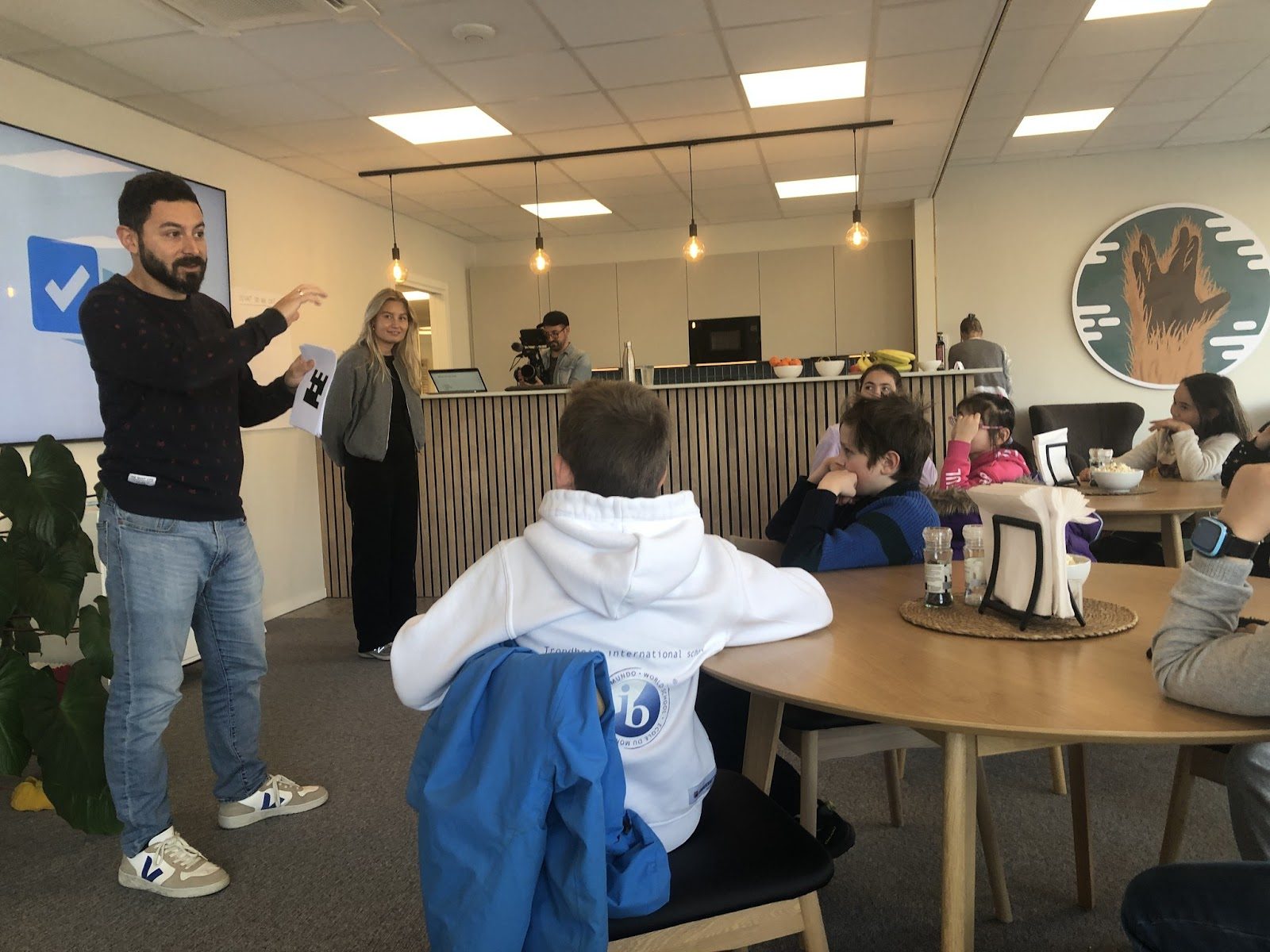
Trondheim International School
Trondheim · Norway
Inquiry-driven IB learning unfolds beside a hilltop fortress in Norway's tech capital, drawing families from over 40 nations
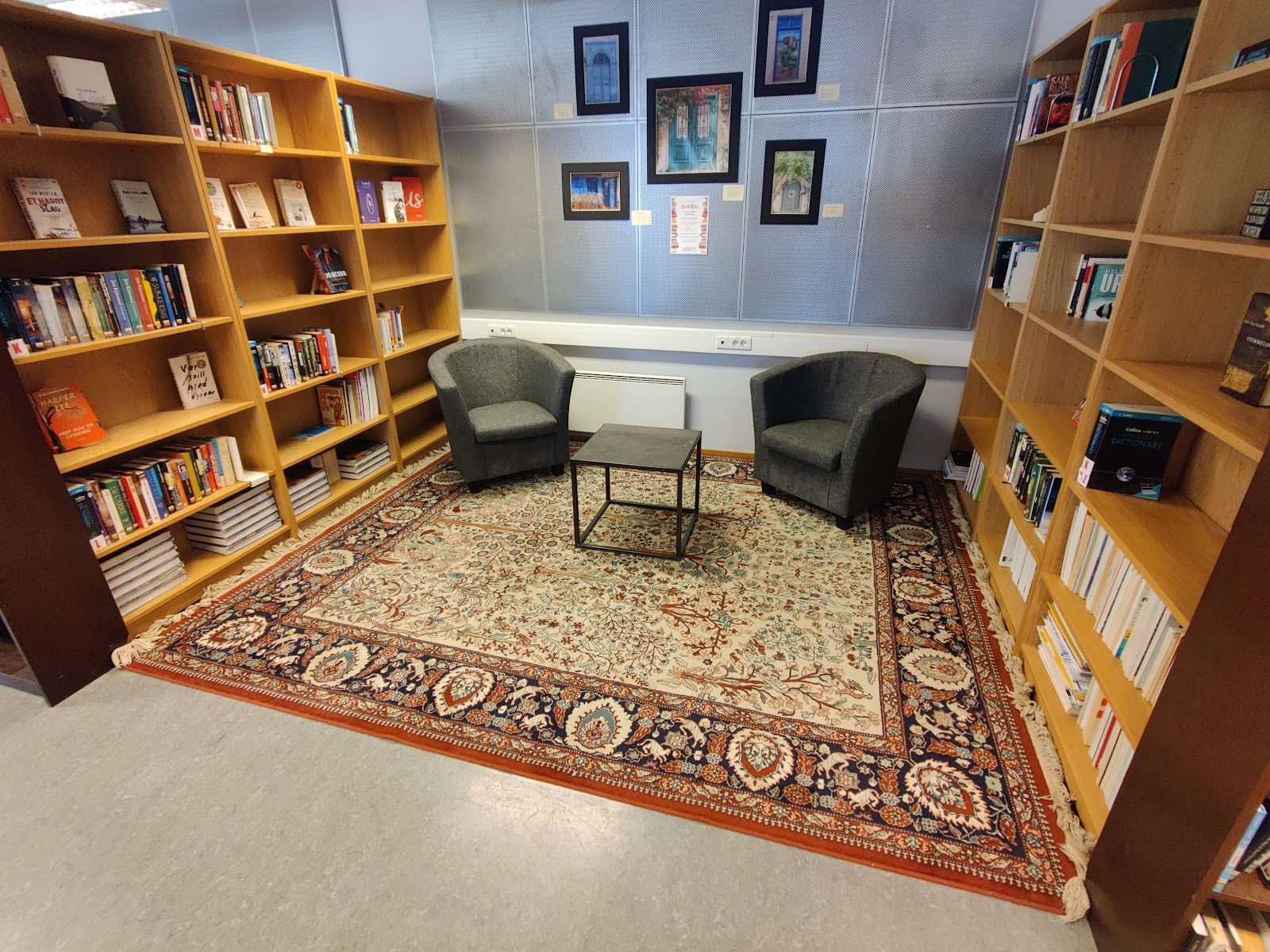
Skagerak International School
Sandefjord · Norway
Norway's only full-continuum IB school, run from a restored shipyard office on the Sandefjord waterfront.

International School of Bergen
Bergen · Norway
Fifty years on from its American School roots, PYP and MYP learners trade classrooms for Bergen's fjord-side countryside.
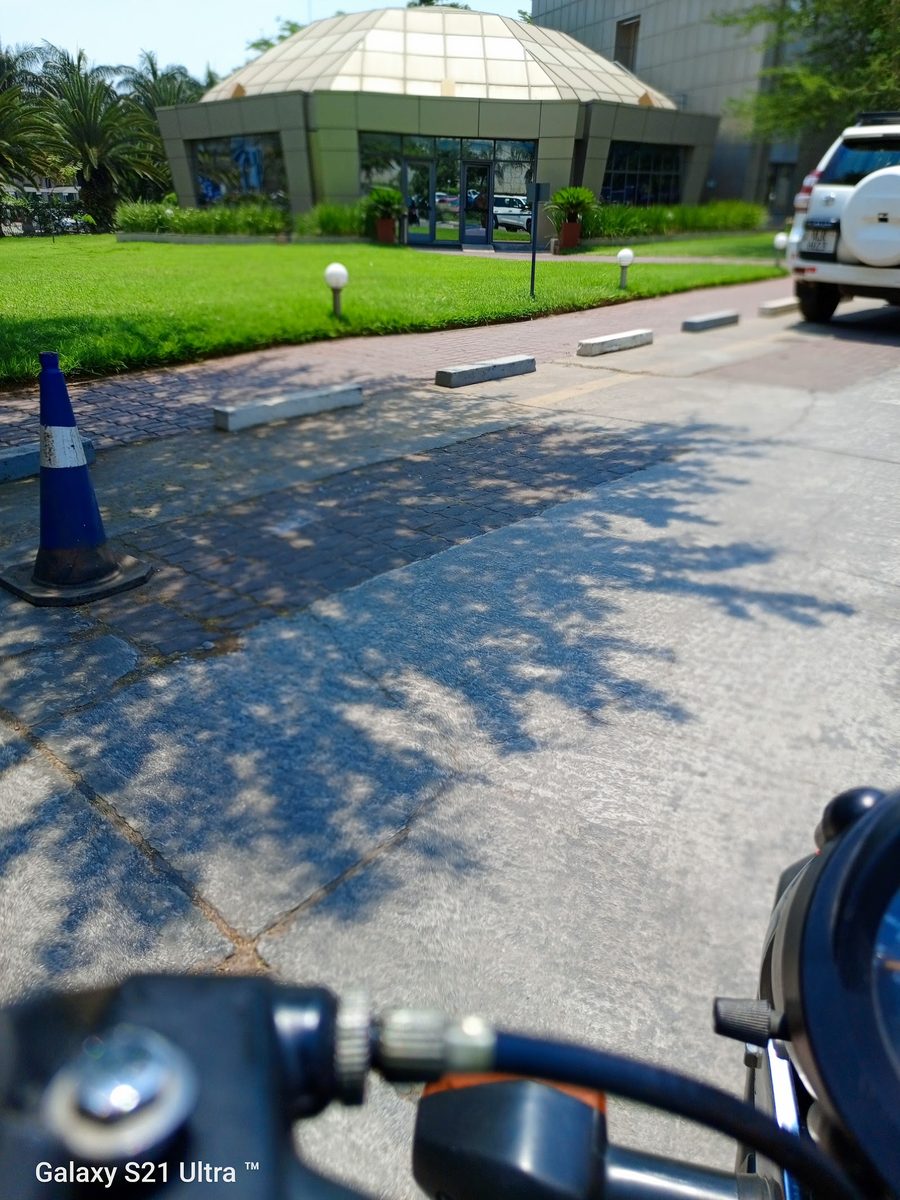
Baobab College
Lusaka · Zambia
South of Lusaka's green campus, an eight-lane pool hosted the Sub Saharan short course championships back in 2006.
Same country and curriculum — closest matches within ±10 points either way