
Vestland
International School of Bergen
medium confidence· 4/6 cats · 2.86 avg sourcesFifty years on from its American School roots, PYP and MYP learners trade classrooms for Bergen's fjord-side countryside.

Photo © International School of Bergen via Google Maps
Type
Day
Ages
3–16
Curriculum
IB
Qualifications
IB MYP · IB PYP
Ratio
—
The Verdict
Editor's commitment
Right for
Families in Bergen who want an English-language day school, ages 3–16, with the IB framing the whole offer.
Wrong for
Anyone needing sixth form, boarding, or a Norwegian-medium route; this Bergen school stops at 16 and is day-only.
Watch out for
Founded in 1975, it trades on longevity, but the public picture is thin beyond IB, English, Bergen and ages 3–16.
Ranking breakdown
International School of Bergen · # of 1591
Composite score 57.1. 8 weighted criteria.
By criterion
Academic Outcomes
Weight 20%
#1219
of 1529 scored
University Placement
Weight 16%
#1227
of 1529 scored
Prestige & Heritage
Weight 12%
#1242
of 1571 scored
Alumni Network
Weight 12%
#816
of 1530 scored
Facilities
Weight 12%
#1153
of 1534 scored
Transparency & Communications
Weight 8%
#1194
of 1532 scored
Peer & Industry Review
Weight 10%
#1108
of 1548 scored
Admissions Selectivity & Demand
Weight 8%
#1077
of 1529 scored
Score history
International School of Bergen · 2026
Movement across 2024–2026. Peer average overlaid.
Overall — 2024–2026
57.1/ 100
▲ +36.3 vs 2025
year on year
Peer & Industry Review
How International School of Bergen is regarded in the sector
64
Respected · medium confidence
I could not verify at least two independent third-party sources (e.g., Tatler, Good Schools Guide, expat forums with substantive discussion, or specialist education press) discussing International School of Bergen's reputation. Without such corroborating evidence beyond general directory listings, a reliable score cannot be assigned.
Editors' overview
International School of Bergen occupies a narrow but distinct place in Norway’s international market: a small, English-medium day school for ages 3–16, with the IB in place and no boarding overlay to dilute its focus. The school’s history matters. Founded in 1975, it carries long institutional memory and a practical understanding of transient international families, but it does not try to compete with the giant all-through schools that run to age 18. That cuts both ways. Parents who want a full K–12 route in one institution need to plan the post-16 transition early. Parents who value a tighter age range, a more contained social environment and a school that does not sprawl across multiple divisions will find real appeal here.
What sets it apart is the combination of Bergen location and school format. This is not a city-centre prestige play; it is a school whose character sits closer to outdoor-minded international education than to polished cosmopolitan grandstanding. The editorial tagline gets to the point: PYP and MYP learners trade classrooms for Bergen’s fjord-side countryside. That gives the school a clear sense of place and a persuasive answer for families who want children outside, active and tied to the local landscape rather than sealed into an expat bubble. In a market where many schools sell “global mindedness” in abstract terms, Bergen has a more concrete offer: nature at the edge of the timetable, English-language learning, and an IB structure that suits mobile families.
It belongs on a shortlist for parents seeking a grounded, unshowy school with an international intake and a strong fit for younger children through the middle years. It will suit students who thrive in smaller communities, adapt well to mixed international peer groups and enjoy learning that extends beyond four walls. It will also suit families staying in Norway for a defined period and wanting continuity in English without sacrificing local context. It is less compelling for families who want the social scale, subject breadth and university-exit infrastructure of an 18-age all-through school. In short: serious without being grand, distinctive for its setting, and best for internationally mobile children who want an IB education with fresh air, restraint and a fjord-side frame.
Academic Performance
Academic performance is hard to judge with confidence because the school does not publish the one set of figures parents need: external examination outcomes at the end of the secondary phase. There are no aggregate MYP eAssessment results in the public domain, no school-wide pass data, no grade distributions, and no destination pattern that would let families benchmark attainment against other IB schools. That leaves a marked gap in accountability. For a school that stops at age 16, that omission matters more, not less, because parents need a clear read on how well students are prepared for the next step elsewhere. Without published results, Bergen sits in the category of schools where families must ask direct questions and expect direct answers.
Relative to peers, that places it at a disadvantage against international schools that release even basic outcome data. Strong schools do not always produce glossy scoreboards, but they do disclose enough to show whether students leave with solid academic traction. Here, the public picture is opaque. That does not prove weak outcomes; it does mean parents cannot verify claims of academic strength independently. The school’s size and age range also narrow the comparison set: this is not a results-driven sixth-form institution with university-entry data to inspect. It is a contained, lower-profile school whose academic case rests less on published performance and more on trust, conversation and the quality of transition planning at 16.
Facilities
Facilities are not the school’s selling point in the way they are at larger international campuses, and parents should calibrate expectations accordingly. This is not a place of theatres, aquatics complexes or specialist blocks lined up across a grand estate. The draw sits elsewhere. The school’s most important asset is its access to the landscape around it: the fjord-side setting, open air and the practical use of nearby countryside as an extension of school life. For younger children and middle-years students, that matters. Outdoor learning gains texture when a school can step beyond asphalt and fenced play areas. Against urban international peers that rely on compact indoor provision, Bergen has a more rooted physical environment, even if it lacks the high-gloss facilities race that many fee-paying schools now pursue.
That trade-off cuts both ways. Families who prize specialist performance spaces, extensive indoor sports provision or a broad suite of senior-school laboratories will find a plain-vanilla campus proposition. We have not seen published detail on libraries, maker spaces, dedicated arts venues or sports infrastructure, which leaves the physical offer less transparent than it should be. Among peer schools serving a similar age range, that places Bergen in the functional rather than lavish bracket: enough for day-to-day schooling, with real value in outdoor access, but not a facilities-led destination in its own right.
What marks International School of Bergen out is not rarity on paper but clarity of shape
Prestige
International School of Bergen carries modest prestige. It has longevity, a defined place in Norway’s international market and the organisational seriousness that comes with an established school. That counts for something with mobile families who want reliability over theatre. But prestige in the stronger sense rests on public proof: selective admissions pressure, headline exam outcomes, high-profile university destinations, deep facilities, influential alumni networks, or brand power beyond the immediate region. This school does not publish the kind of evidence that lifts a school into that bracket. It also stops at 16, which narrows its public profile. Schools that carry the most status with international parents tend to control the final school-leaving years and the university launch; Bergen hands students on before that stage.
So the rating here sits in the credible but low-glamour tier. Among families who value an unshowy, internationally minded education in a contained community, that has real weight. Among status-conscious parents scanning for elite cachet, it does not. The school’s reputation rests on fit, continuity and trust rather than on prestige signalling. That is not a flaw; it is a limit. In practical terms, this is a school whose standing comes from serving its constituency steadily over time, not from commanding top-table recognition in the wider international-school circuit.
Parents who want a full K–12 route in one institution need to plan the post-16 transition early
Communications
The school’s parent communications do not carry the polish or depth that strong international schools now treat as basic. Public-facing information is thin, and that matters because families at a school ending at 16 need clear guidance on day-to-day operations, student progress and the onward move after the final year. We have not seen much published detail on reporting cycles, parent portals, leadership updates, handbooks, governance papers or routine academic data. That leaves parents with too much to clarify one-to-one. For current families, direct contact in a smaller school can compensate for that; for prospective families, the external picture is underpowered and harder to interrogate than it should be.
Effectiveness, then, rests less on systems in public view and more on the advantages of a close-knit community. In a contained school, parents usually get faster access to staff, fewer layers of bureaucracy and a more personal line into pastoral or classroom concerns. That is a real strength when it exists. But schools still need disciplined communication habits: timely notices, clear escalation routes, published policies and hard information on outcomes. Here, the school does not give enough public evidence of that discipline. The result is a communications profile that feels serviceable rather than strong: workable for families already inside the community, less convincing for parents comparing schools from the outside, and too opaque for a market that expects precision.
Uniqueness
What marks International School of Bergen out is not rarity on paper but clarity of shape. It serves a tight age band, stays day-only, and sits in a setting that gives the school a more outdoor-led identity than most international schools can claim with a straight face. Bergen’s landscape is not decorative backdrop; it changes the rhythm of school life and the texture of childhood. For students, that brings a version of international education that feels less sealed off and less synthetic than the expat norm. Children grow up with weather, terrain and movement built into the week, not bolted on as enrichment. That matters for confidence, resilience and social ease, especially for families whose children do not flourish in large, performative school environments.
Its other distinguishing feature is restraint. This is a small-scale school without the machinery of a prestige campus and without the noise that goes with one. That creates a more contained social world for younger pupils and early adolescents: fewer layers, fewer transition points, and less risk of students disappearing into the crowd before the final years of school. The trade-off is plain. Families do not get the breadth, senior-phase specialisation or university-launch infrastructure of an all-through institution. What they do get is a school with a specific, grounded character and a student experience that is more personal, more local and less manufactured than the international-school standard model.
What sets it apart is the combination of Bergen location and school format
Student Profile
The student profile here is narrower than at a large all-through international school, and that is the point. This school suits children who do well in a small-scale, close-knit environment where adults know them and peer groups do not fragment into dozens of subcultures. It will fit internationally mobile families who want continuity in English through the middle years without putting children into a high-pressure prestige machine. Students who enjoy being outdoors, cope well with weather, and like learning that moves beyond desks and corridors will have the easier run here. So will younger pupils and early teenagers who need a contained social setting rather than the churn and hierarchy of a much bigger campus. Families targeting a school route to age 18 need a different proposition.
The less suitable profile is just as clear. Teenagers who want the social scale, specialist options and status theatre of a major senior school will find the offer too contained. Children who need a huge friendship pool, extensive competitive sport, or a heavy calendar of elite extracurricular provision have stronger matches elsewhere. This is also not the right fit for families who expect public proof of top academic outcomes before committing; the school asks for a degree of trust that more data-rich schools do not. For the right child, though, that trade can work well: thoughtful, adaptable students, children who prefer grounded communities to glossy ones, and families who value fresh-air childhoods over institutional showmanship.
The editorial tagline gets to the point: PYP and MYP learners trade classrooms for Bergen’s fjord-side countryside
Co-curricular strengths
Arts & sport, on a separate axis
Overall 6/10
Scored 0-10 from the school's own published evidence. This axis is editorial-only — it does not feed the main WTS ranking.
Sports
6.5/10
The extracurriculars explicitly list Football, Basketball, Volleyball, Swimming, Ski trips, and Hiking club, showing multiple sports offerings and visible participation.
Drama
6.5/10
Drama club is explicitly named in the extracurriculars, but there is no further detail on productions, facilities, or specialist staff.
Dance
4/10
Music
6/10
Choir is offered, but there is.
Visual Arts
7/10
Art club is explicitly named in the extracurriculars.
Editor first-pass · editor-reviewable · 7/27/2026
Strengths
- +English-medium teaching suits expatriate families.
- +IB curriculum offers international continuity.
- +Day school avoids boarding-related disruption.
- +Serves ages 3–16 in one school.
Considerations
- −No provision beyond age 16.
- −Day-only model limits boarding options.
- −Few published specifics beyond basic school profile.
Availability
Primary entry gate & tests
Academic Record
Gallery
Photo © Rahul Babbar via Google Maps
Photo © Rahul Babbar via Google Maps
Photo © Jørgen Nødset via Google Maps
Photo © Aesera Anipics via Google Maps
Photo © Verdens Kart via Google Maps
Parent reviews
Have you sent your child here?
Voice reviews carry the strongest trust badge — we transcribe them for you to tidy up before they go live. Prefer to type? A written review is fine too.
Add your voice
In 60 seconds, tell other parents: what's the best thing about International School of Bergen, and what surprised you when your child joined?
We ask for a Google sign-in so every review has a real face behind it — no anonymous drive-by attacks on schools, and no faked positive reviews. Your email is never shown publicly.
Send this profile to a friend
International parents rely on word-of-mouth. Share this review with someone weighing the same decision.
Schools with places
Similar schools to International School of Bergen with places available now.
Availability first, then country, area, curriculum, price, co-curricular
Consider also
Also worth looking at alongside International School of Bergen.
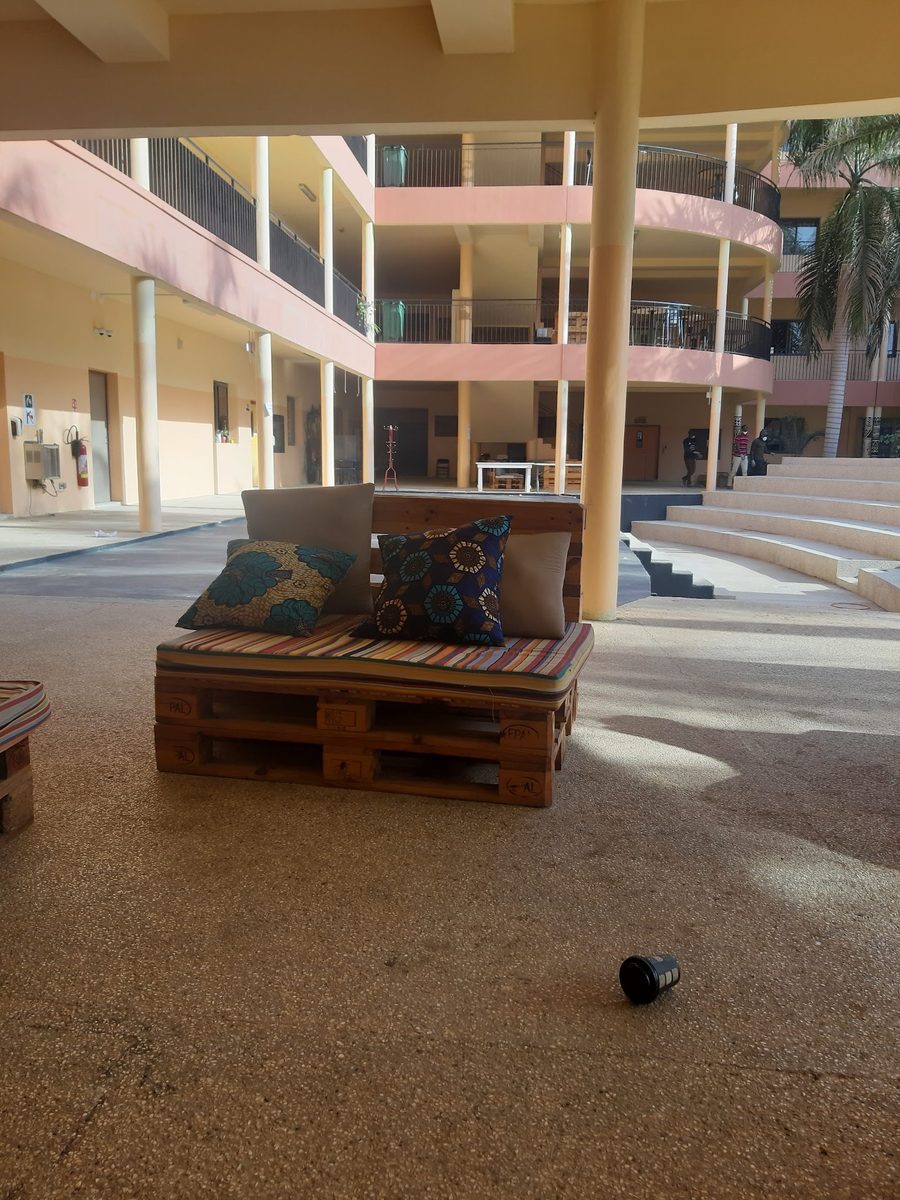
International School of Dakar
Dakar · Senegal
An Atlantic-facing campus in Dakar's Mermoz district blends an American core with the full IB continuum, PYP through Diploma.
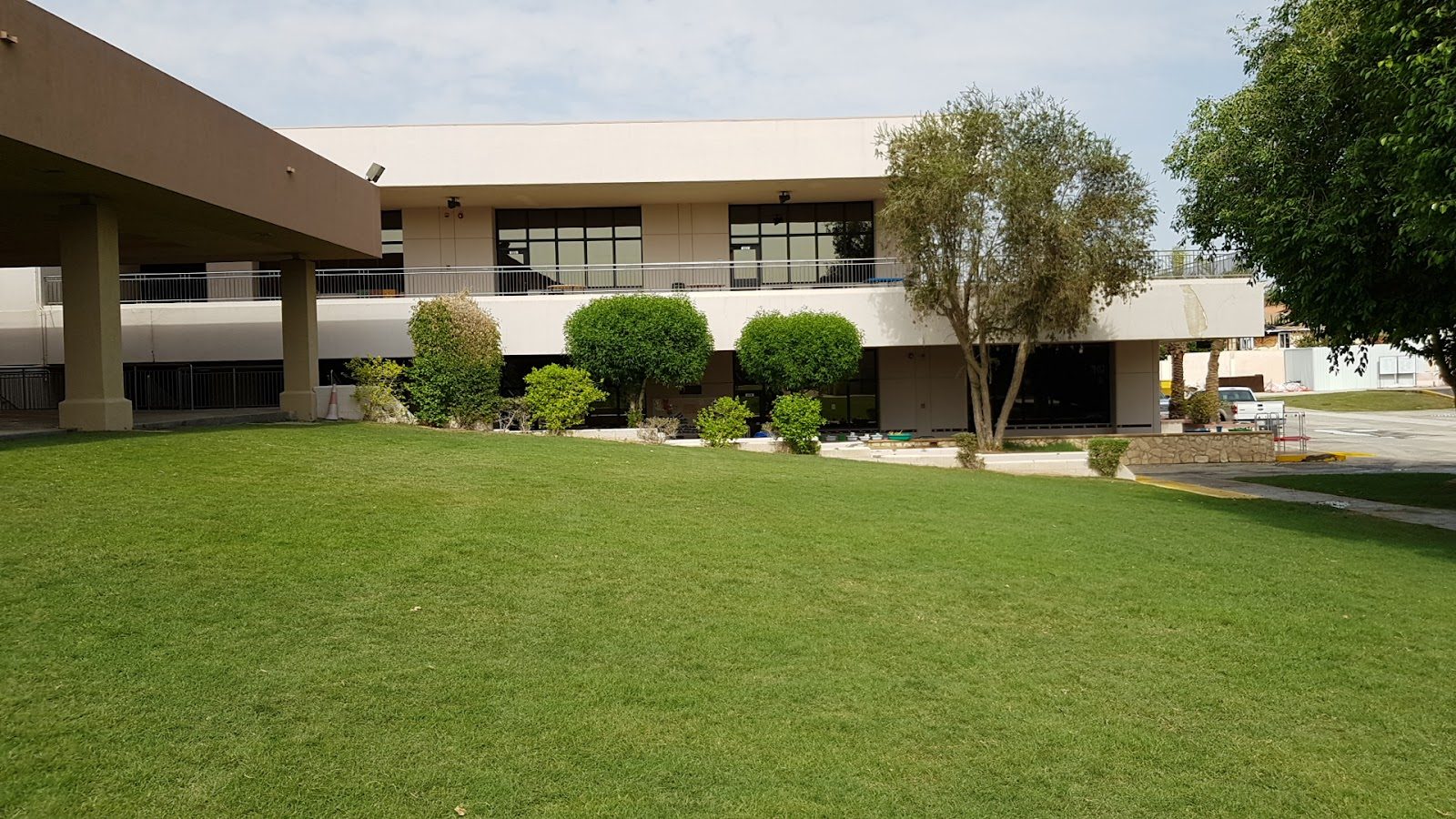
Dhahran Academy
Dhahran · Saudi Arabia
Founded in 1962 for US Consulate families, this Eastern Province campus now pairs AP Capstone rigor with a full IB Diploma pathway.
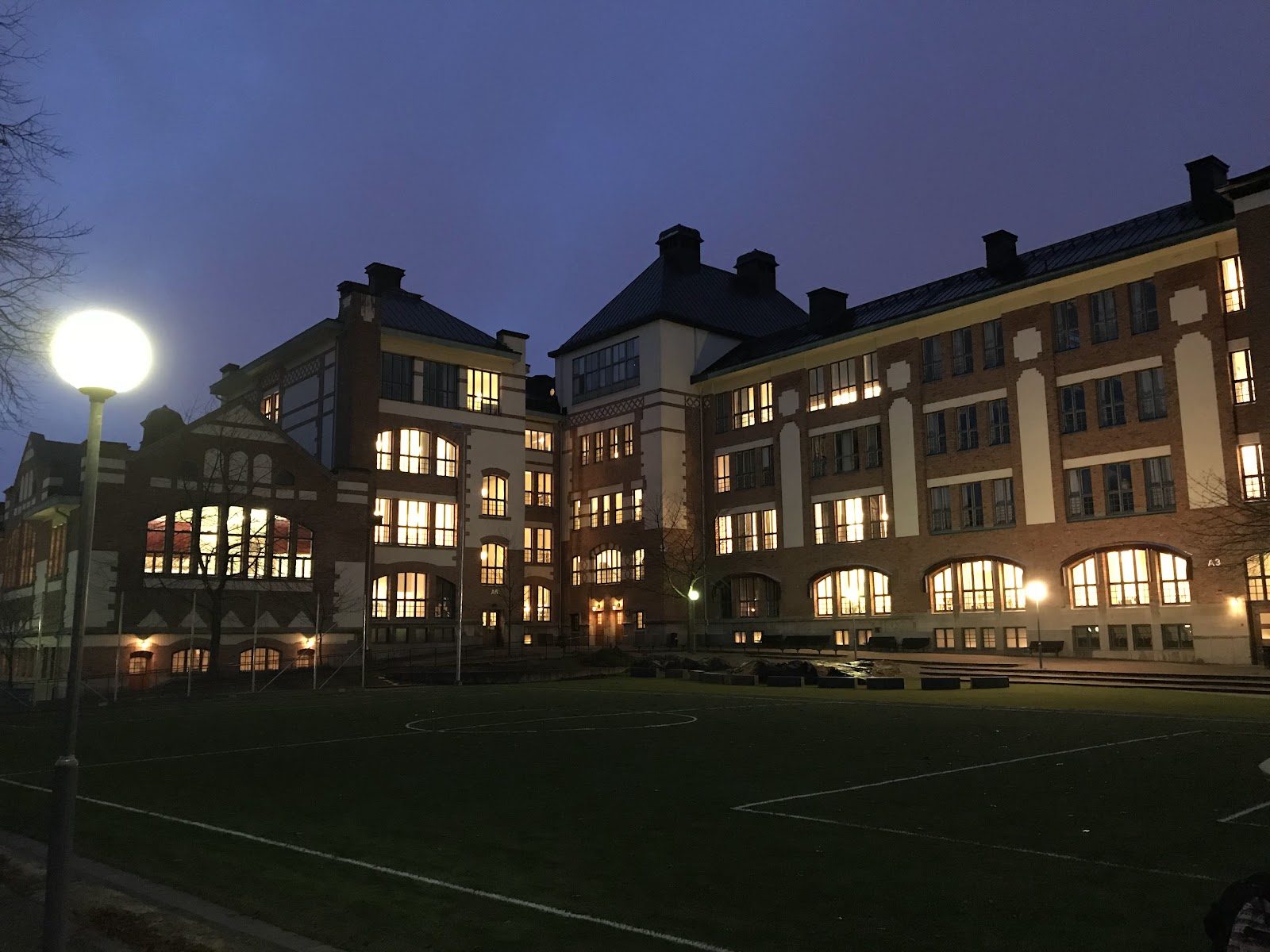
Kungsholmens gymnasium
Stockholm · Sweden
A 1902-founded Stockholm gymnasium pairing tough entry scores with a choral-music track shared with Stockholms Musikgymnasium.
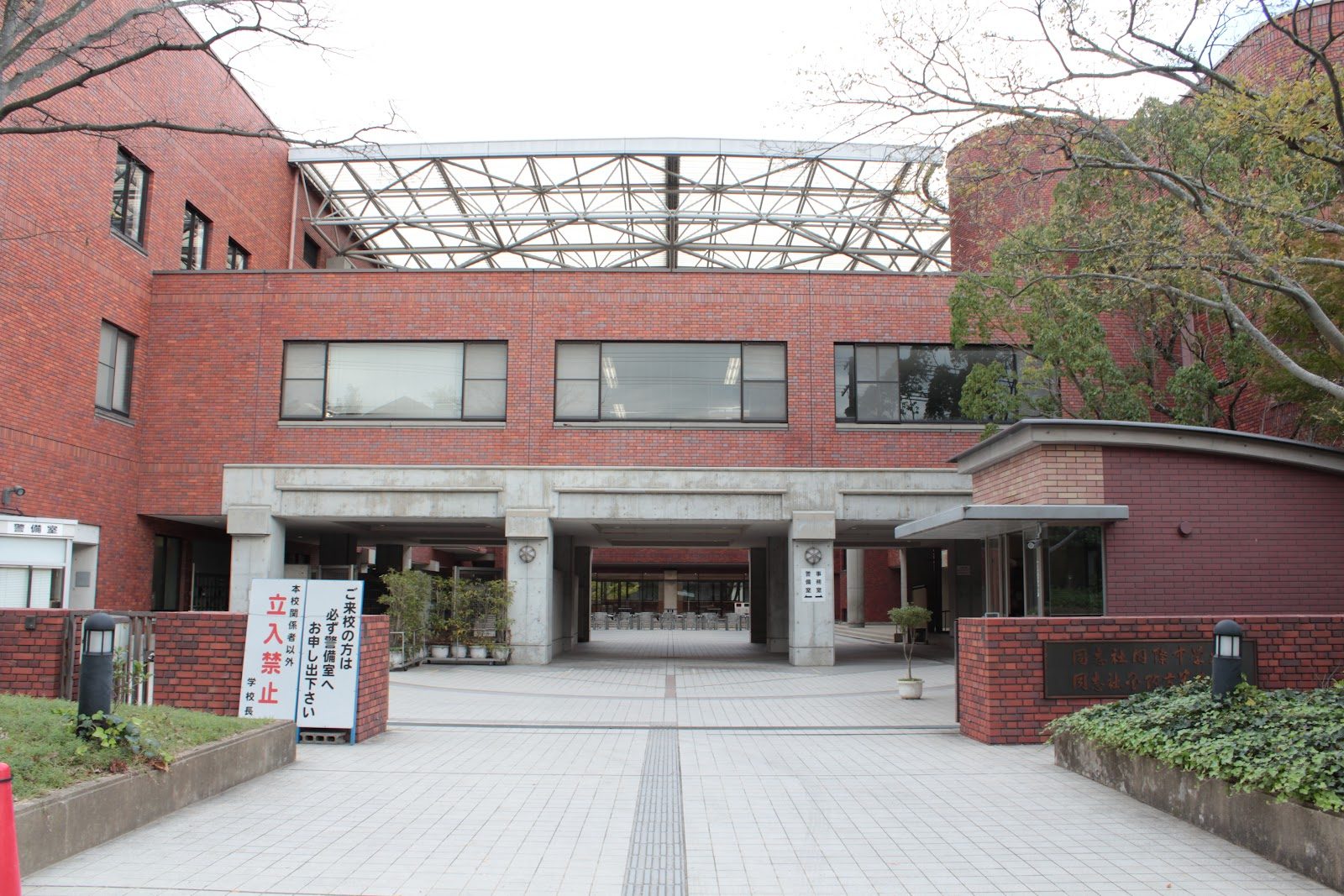
Doshisha International School Kyoto
Kyotanabe · Japan
Small IB classes inside a research-park campus, carrying the 1875 Christian-liberal ethos of the Doshisha network into Kansai Science City.
Same country and curriculum — closest matches within ±10 points either way