
Al Rawdah
American International School - Jeddah
low confidence· 4/6 cats · 1 avg sourcesBorn in 1952 as a parents' cooperative for Saudia's expat families, now Jeddah's oldest American school pairing AP depth with a new IB track.
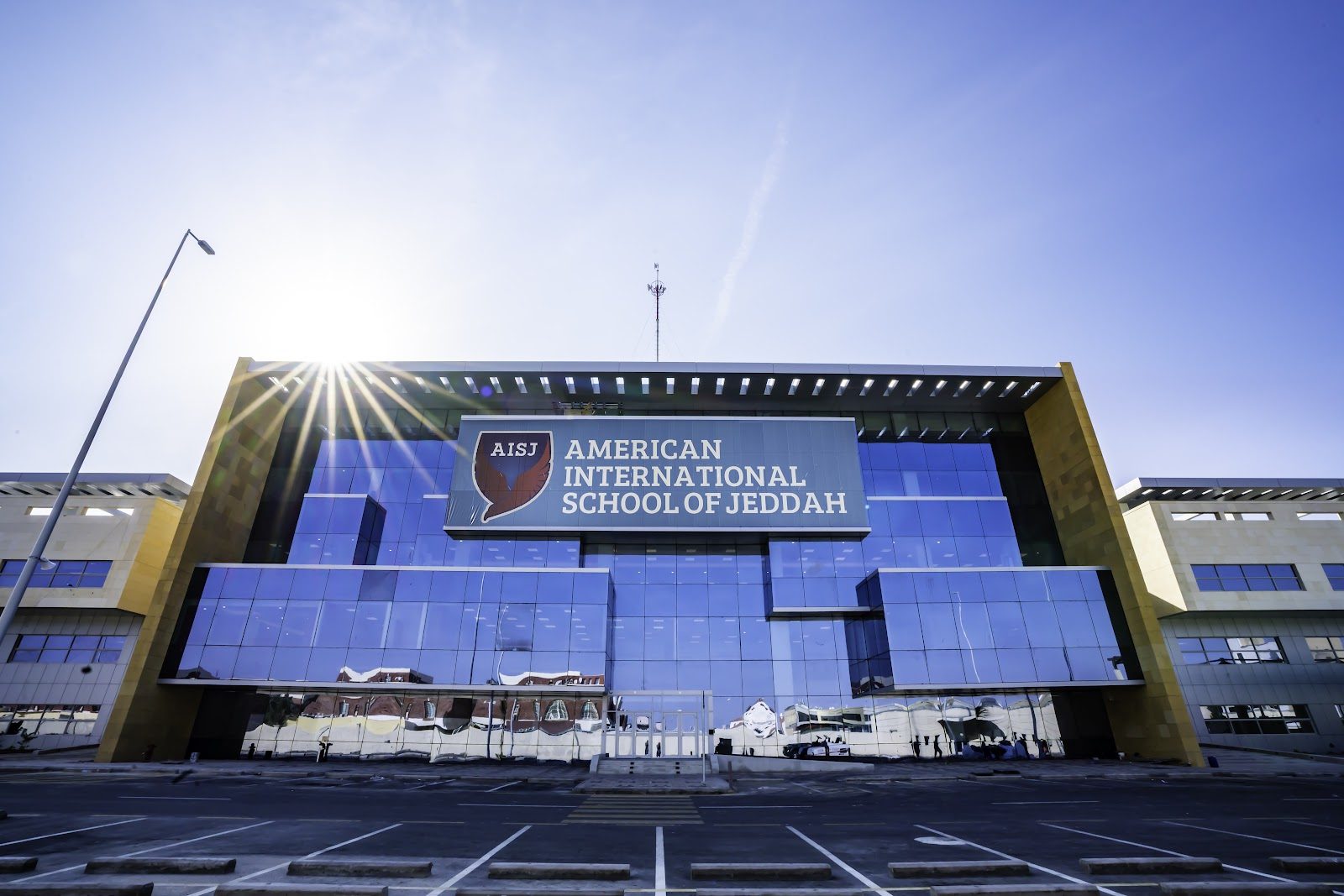
Photo © American International School of Jeddah - AISJ via Google Maps
Type
Day
Ages
3–18
Curriculum
American · IB
Qualifications
AP · IB Diploma · US High School Diploma
Ratio
—
The Verdict
Editor's commitment
Right for
Families in Jeddah who want a day school founded in 1952, taught in English, with American courses plus an IB track.
Wrong for
Parents wanting boarding, religious formation, or a single-curriculum school; AISJ is non-religious, day-only, and runs American and IB.
Watch out for
Middle States, IB World School, US State Dept OSA and NESA add credibility, but accreditations do not replace hard published outcomes.
Ranking breakdown
American International School - Jeddah · #537 of 1591
Composite score 68.5. 8 weighted criteria.
By criterion
Academic Outcomes
Weight 20%
#667
of 1529 scored
University Placement
Weight 16%
#584
of 1529 scored
Prestige & Heritage
Weight 12%
#526
of 1571 scored
Alumni Network
Weight 12%
#334
of 1530 scored
Facilities
Weight 12%
#654
of 1534 scored
Transparency & Communications
Weight 8%
#455
of 1532 scored
Peer & Industry Review
Weight 10%
#640
of 1548 scored
Admissions Selectivity & Demand
Weight 8%
#991
of 1529 scored
Peer & Industry Review
How American International School - Jeddah is regarded in the sector
50
Credible · medium confidence
American International School Jeddah trades chiefly on longevity rather than headline peer buzz, and WhichSchoolAdvisor's review leans into exactly that, noting that "now celebrating its 70th year of operation, there can be no doubt that AISJ is an established and successful school." Its Middle States accreditation and membership of the Council of International Schools and NESA give it credible institutional standing, and the Good Schools Guide maintains a profile citing the same accreditation trail, though without a scored verdict or exit-results data. Parent sentiment is more divided than the trade press suggests: expat reviewers describe a school that has, in their words, "reversed 180 degrees" after a weaker administrative period, while other recent accounts raise unresolved concerns about leadership responsiveness and bullying. The overall picture is of a long-standing, properly accredited option in Jeddah's American-curriculum market rather than a school with a distinguished sector-wide reputation.
Editors' overview
American International School - Jeddah has one advantage that no newer rival can copy: history. Founded in 1952, it is the oldest American school in Jeddah, and that matters in a market where many schools still feel assembled around a business plan rather than a settled educational culture. AISJ started as a parents’ cooperative for Saudia’s expatriate families; that origin still gives it a more grounded identity than schools built around branding first and schooling second. The offer is clear: an English-medium American education with AP, now paired with an IB track, for children aged 3–18. For families who want a school that covers the full age range without forcing a mid-course change of system, that continuity carries real weight. Institutional memory, earned credibility, and a settled sense of purpose are the school’s strongest assets.
What puts AISJ on a shortlist is not novelty. It is breadth with ballast. The school combines the familiarity of an American curriculum with the added reach of IB, which gives older students more than one serious academic route. That dual structure suits internationally mobile families, students targeting different university systems, and parents who do not want to lock in a single pathway too early. Accreditation and network ties are also strong: Middle States, IB World School status, US State Department OSA, and NESA. Those labels do not guarantee brilliance, but they do signal external scrutiny and a school that sits inside established international-school infrastructure rather than on its fringes. In a city with no shortage of ambitious claims, that kind of solidity counts.
The school will suit students who value range, routine, and a genuinely international peer group over boutique intimacy or exam-factory intensity. Children who thrive in a structured, English-speaking environment and want access to both American and IB-style academic options will find AISJ a serious proposition. It is also a good fit for families who plan ahead: the day-school model, the long track record, and the broad age span make it easier to think in terms of a full school career, not just the next 2 or 3 years. Students who need a tiny school with a highly specialised ethos may find the model too broad. Students who want stability, academic choice, and a school with roots rather than spin will find the case for AISJ straightforward.
Academic Performance
AISJ offers two external pathways, but public performance data remain thin. The school does not publish aggregate AP outcomes, average scores, score distributions, or subject-by-subject results. For the IB route, we have not seen a full Diploma cohort profile, average point score, pass rate, or university destinations tied to exam outcomes. That opacity matters. In this market, schools with strong results publish them. When a school keeps the numbers private, parents lose the easiest way to judge academic ceiling, consistency across subjects, and how far top-end attainment extends beyond a handful of strong students. The academic offer has real breadth; the published evidence on results does not match it.
Relative to peers, that places AISJ in a mixed position. It has the scale, history and programme range of an established international school, but it does not give families the hard data that leading exam-driven competitors use to prove value. That does not mean weak outcomes; it means unproven outcomes in public. For parents comparing AP and IB options across Jeddah, this is the central point: AISJ gives students multiple routes, yet asks families to trust the school without the usual scoreboard. For some, that is acceptable. For others, especially families paying close attention to selective university entry, it is a material handicap in the comparison.
Facilities
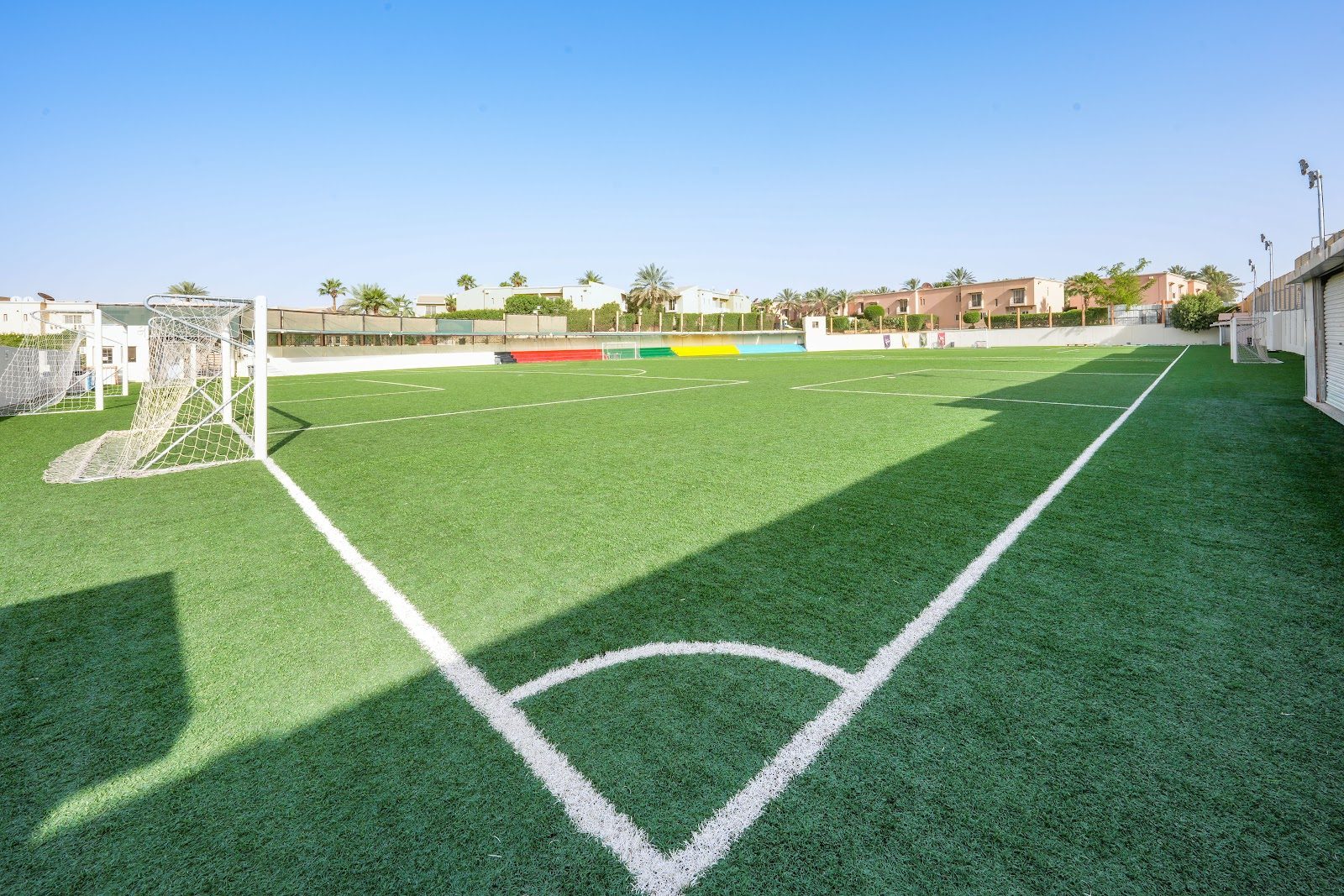
AISJ’s campus provision covers the core international-school brief without the arms-race extravagance now common at newer Gulf competitors. The school publishes a 25-acre campus with dedicated areas for early years, libraries, science labs, art and music rooms, indoor and outdoor sports spaces, and a theatre/auditorium. For day-to-day schooling, that is the right base: enough specialist room to support a full-through school and enough separation by age to avoid the cramped, shared-space feel that weak all-through campuses struggle with. The standout here is breadth rather than spectacle. Families hunting for a flashy architectural showpiece or resort-style sports complex will find stronger visual statements elsewhere. Families who care more about whether the campus can actually carry academic, arts and PE provision across the whole age range will find AISJ on firm ground.
Against peers, this puts AISJ in the competent upper middle of the market on facilities. It has more substance than budget American schools operating from adapted buildings, but it does not set the city benchmark for sheer scale, newest fit-out or luxury finish. The theatre, labs and sports provision matter because they support the school’s broad programme rather than serving as brochure filler. That distinction counts. Still, the school does not publish the kind of granular facilities detail — pool specifications, specialist performance spaces, design labs, elite athletics infrastructure — that marks out the best-equipped campuses. The result is a campus that reads as practical, established and fully usable, not facility-led prestige theatre.
American International School - Jeddah has one advantage that no newer rival can copy: history
Prestige
AISJ carries solid local standing and modest wider cachet. In Jeddah, longevity matters: older schools build trust through parent networks, employer familiarity and a track record of sending graduates on to universities without drama. AISJ benefits from that. It also occupies a recognisable niche for expatriate and internationally minded families who want an American-style education without the fly-by-night feel that attaches to newer operators. That said, prestige here rests more on permanence and community reputation than on elite academic lustre. The school does not publish the kind of headline results data that turn a respected school into a status school. Nor does it project the social exclusivity, hyper-selectivity or university-outcomes transparency that define the top tier in the Gulf’s most competitive markets.
That is why the prestige rating sits in the middle of the upper range rather than at the top. AISJ has earned credibility: a broad age span, established name recognition, and enough institutional depth to reassure families planning a full school career. For many parents, that counts for more than glossy branding. But prestige has a hard edge. The strongest schools convert reputation into proof — published results, distinctive destinations, and a clear academic pecking order. AISJ stops short of that. Its name carries weight inside its own community; it does not command the rarefied pull of a school whose outcomes settle the argument on their own.
The school will suit students who value range, routine, and a genuinely international peer group over boutique intimacy or exam-factory intensity
Communications
AISJ communicates with more discipline than many long-established schools. The public-facing essentials are easy to find: admissions steps, fee structures, school calendar, leadership contacts, transport, uniform, food service and parent-association information are all surfaced without much digging. That matters because parent communication starts before enrolment. A school that forces families through vague enquiry forms or polished slogans is already telling you something about its habits. AISJ does not play that game. The website is functional, direct and built for use, not brand theatre. Parents can piece together how the school runs, who is responsible for what, and where practical questions go. For a through-school serving families who need reliable day-to-day coordination, that is a serious strength.
The limit is depth. AISJ gives parents operational clarity, but less of the hard-edged transparency that the best communicators now provide. We have not seen published aggregate exam data, and that gap weakens trust because communications are strongest when routine information and performance accountability sit side by side. News and community content help keep families connected, but polished updates are not the same thing as disclosure. The impression is of a school that communicates capably on logistics and community life, yet stops short of full academic openness. That makes its parent communication competent rather than exemplary: good on process, less convincing on proof, and short of the standard set by schools that publish the numbers parents actually use to judge outcomes.
Uniqueness
What makes AISJ distinct is not novelty or branded theatre. It is the rare combination of deep local roots and a genuinely international social mix. Many schools in the Gulf import a model and then spend years trying to build a real community around it. AISJ already has one. Its origin as a parent-built school still matters because it tends to produce a different institutional temperament: less corporate polish, more lived-in continuity, and a stronger sense that the school exists to serve families rather than investors. For students, that brings something valuable and hard to manufacture — a campus culture with memory, habits and expectations that have had time to settle.
The other differentiator is choice without an enforced handover to another school at a key stage. Students can stay in one place from the earliest years to graduation while keeping more than one serious senior-pathway option open. That reduces disruption and gives families room to adjust plans as a child’s strengths sharpen. In practice, that benefits internationally mobile households, students aiming at different university systems, and children who need time before committing to a single academic identity. The gain is flexibility with stability: not a boutique experience, not an exam-cram machine, but a school built for the messier reality of expatriate family life over 3 continents, changing postings, and ambitions that do not fit one mould.
That is why the prestige rating sits in the middle of the upper range rather than at the top
Student Profile
AISJ suits children who are comfortable in a mixed, mobile, internationally minded community and do not need the social intensity of a tiny boutique school. The student body spans the full age range, so pupils who settle best with continuity — the same broad culture, familiar routines, and a stable peer environment over many school years — fit well here. This is also a good home for students with more than one future in view: families moving between countries, children whose university plans are still forming, and pupils who want room to develop before locking themselves into a narrow academic identity. The social profile is cosmopolitan rather than clubby, structured rather than free-form, and grounded rather than glossy.
The best fit is a student who values breadth, can manage a campus that serves everyone from nursery to sixth form, and does not need a school built around hyper-selective status signalling. Confident, adaptable children will benefit most, especially those happy to work within clear expectations and a broad co-curricular environment instead of a niche specialist culture. AISJ is less well matched to families chasing a pressure-cooker academic tribe, a highly rarefied social scene, or a school that telegraphs elite outcomes at every turn. It will also suit parents planning beyond the next 2 or 3 years, because the model favours long-term enrolment and students who grow steadily inside one institution rather than treating school as a short tactical stop.
The strongest schools convert reputation into proof — published results, distinctive destinations, and a clear academic pecking order
Co-curricular strengths
Arts & sport, on a separate axis
Overall 7.78/10
Scored 0-10 from the school's own published evidence. This axis is editorial-only — it does not feed the main WTS ranking.
Sports
8.5/10
Drama
7.8/10
Dance
6.5/10
Music
8.3/10
Visual Arts
7.8/10
Editor first-pass · editor-reviewable · 7/30/2026
Strengths
- +Offers both an American high school diploma and the IB Diploma Programme, giving students two recognised university entry routes.
- +Accredited by the Middle States Association (MSA/Cognia) and holds membership in organisations such as CIS, supporting curriculum consistency and transfer credibility for relocating families.
- +Long-established presence in Jeddah's expatriate community, giving it institutional continuity compared with newer schools in the market.
- +Single campus structure covering early years through to Grade 12, reducing the need for families to switch schools as children age up.
- +English-medium instruction with an international staff base, aligned with expectations of Western and international corporate assignees.
Considerations
- −As with most international schools in Saudi Arabia, enrolment of Saudi national students is restricted by Ministry of Education rules, limiting the pool of eligible applicants.
- −Jeddah's international school fees, including AISJ's, sit at the higher end of the local market, a material cost for families on standard local packages.
- −Class and cohort sizes at each grade level are not published in detail, making it harder for families to judge specialist subject depth at senior levels.
- −The school's day-only format means no boarding option, which matters for families seeking flexibility with postings elsewhere in the Kingdom or region.
Availability
Primary entry gate & tests
Academic Record
Gallery
Photo © mahmoud taha via Google Maps
Photo © Adnan Salem via Google Maps
Parent reviews
Have you sent your child here?
Voice reviews carry the strongest trust badge — we transcribe them for you to tidy up before they go live. Prefer to type? A written review is fine too.
Add your voice
In 60 seconds, tell other parents: what's the best thing about American International School - Jeddah, and what surprised you when your child joined?
We ask for a Google sign-in so every review has a real face behind it — no anonymous drive-by attacks on schools, and no faked positive reviews. Your email is never shown publicly.
Send this profile to a friend
International parents rely on word-of-mouth. Share this review with someone weighing the same decision.
Schools with places
Similar schools to American International School - Jeddah with places available now.
Jeddah Prep and Grammar School
Jeddah · Saudi Arabia
- 2026-27
- WAITPOOLAdmissions open / availability-dependent
- 2027-28
- PLACES OPENMarketed as open for 2027
The British International School of Jeddah
Jeddah · Saudi Arabia
- 2026-27
- PLACES OPENApps open / space-dependent
- 2027-28
- WAITPOOL2027/28 timetable TBC
Availability first, then country, area, curriculum, price, co-curricular
Consider also
Also worth looking at alongside American International School - Jeddah.
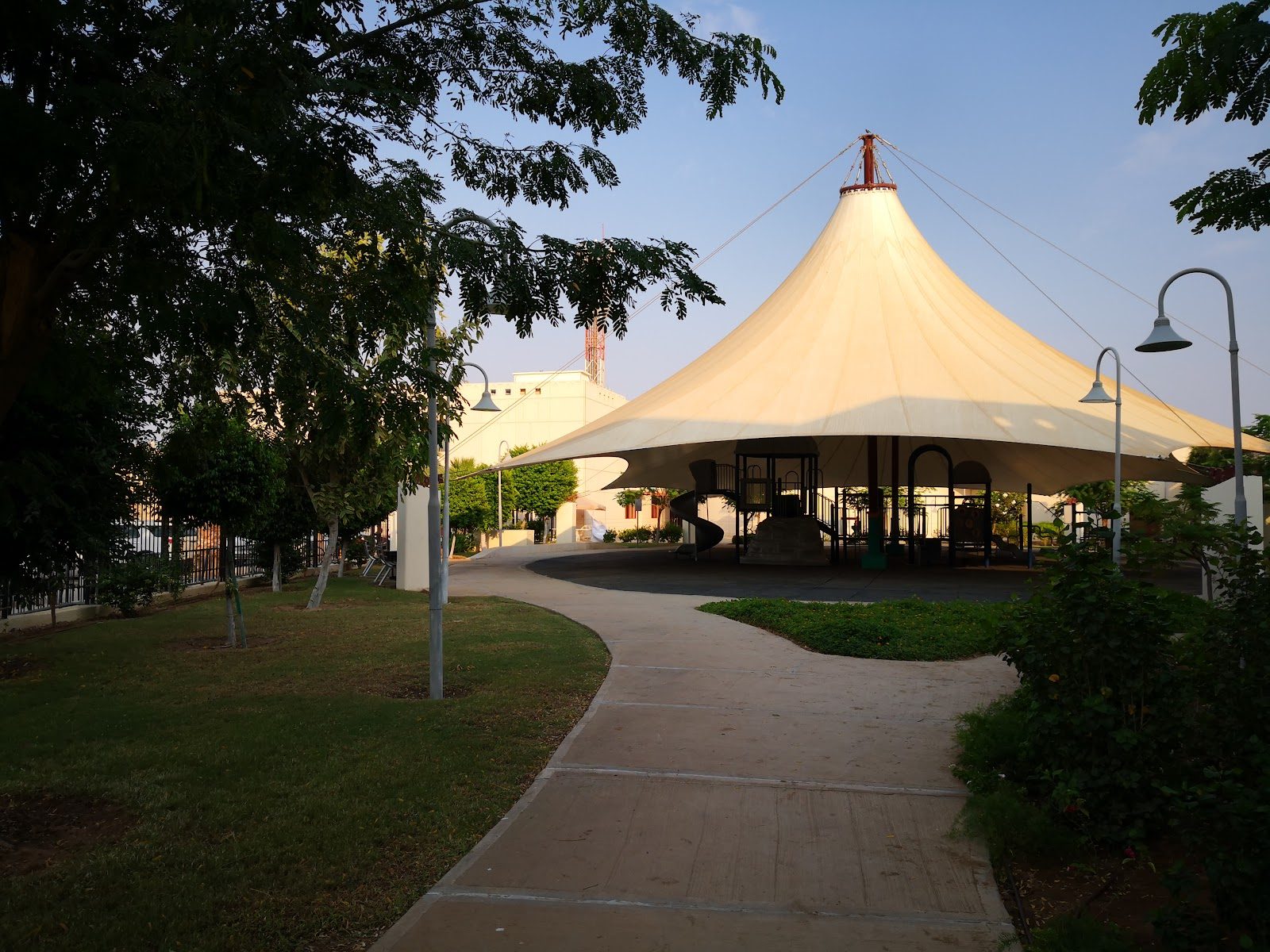
KAUST School
Thuwal · Saudi Arabia
Set inside a Red Sea research university campus, this IB continuum school pairs inquiry-based learning with a working scientific community.
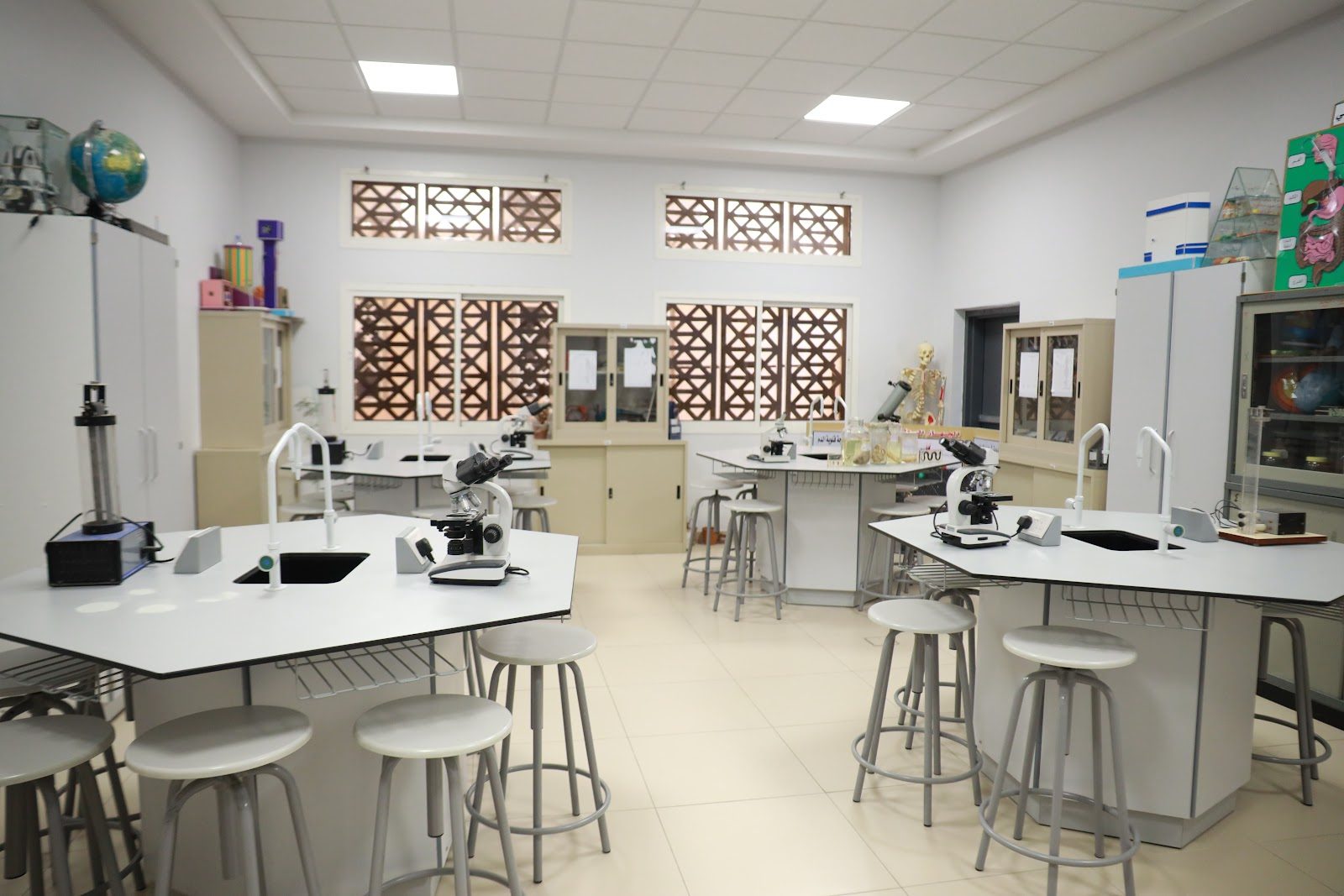
Manarat Al Riyadh Schools
Riyadh · Saudi Arabia
A Maarif-network day school where American diploma and British A-level tracks run alongside Riyadh's only inter-school Quran competition.
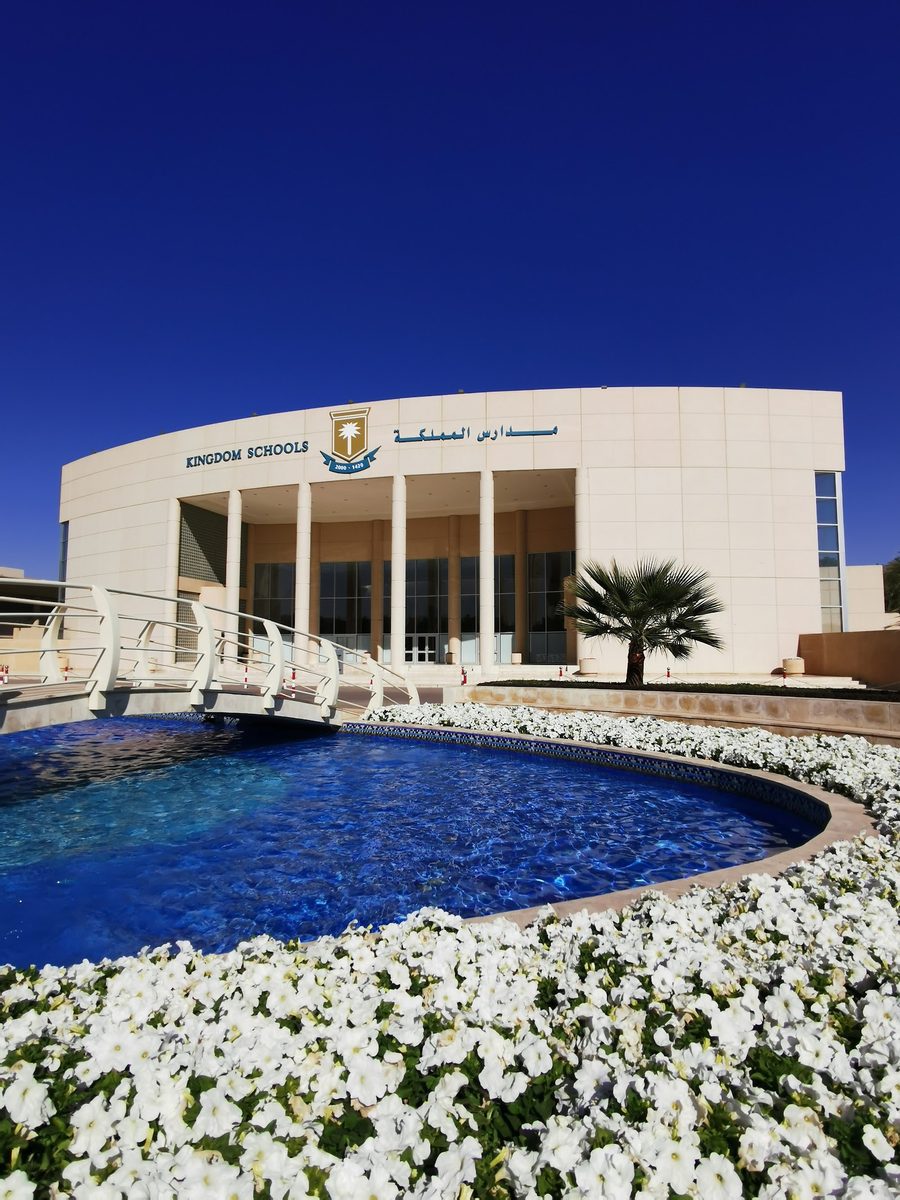
Kingdom Schools
Riyadh · Saudi Arabia
Twin single-sex campuses in Riyadh pair American Common Core rigor with Arabic and Islamic studies, plus a bid for IB Primary Years status.
British International School Riyadh
Riyadh · Saudi Arabia
Founded in 1979 amid Riyadh's diplomatic and oil community, this multi-campus day school pairs A-Levels with the IB Diploma.
Same country and curriculum — closest matches within ±10 points either way