
Makkah Province
KAUST School
high confidence· 5/6 cats · 3 avg sourcesSet inside a Red Sea research university campus, this IB continuum school pairs inquiry-based learning with a working scientific community.
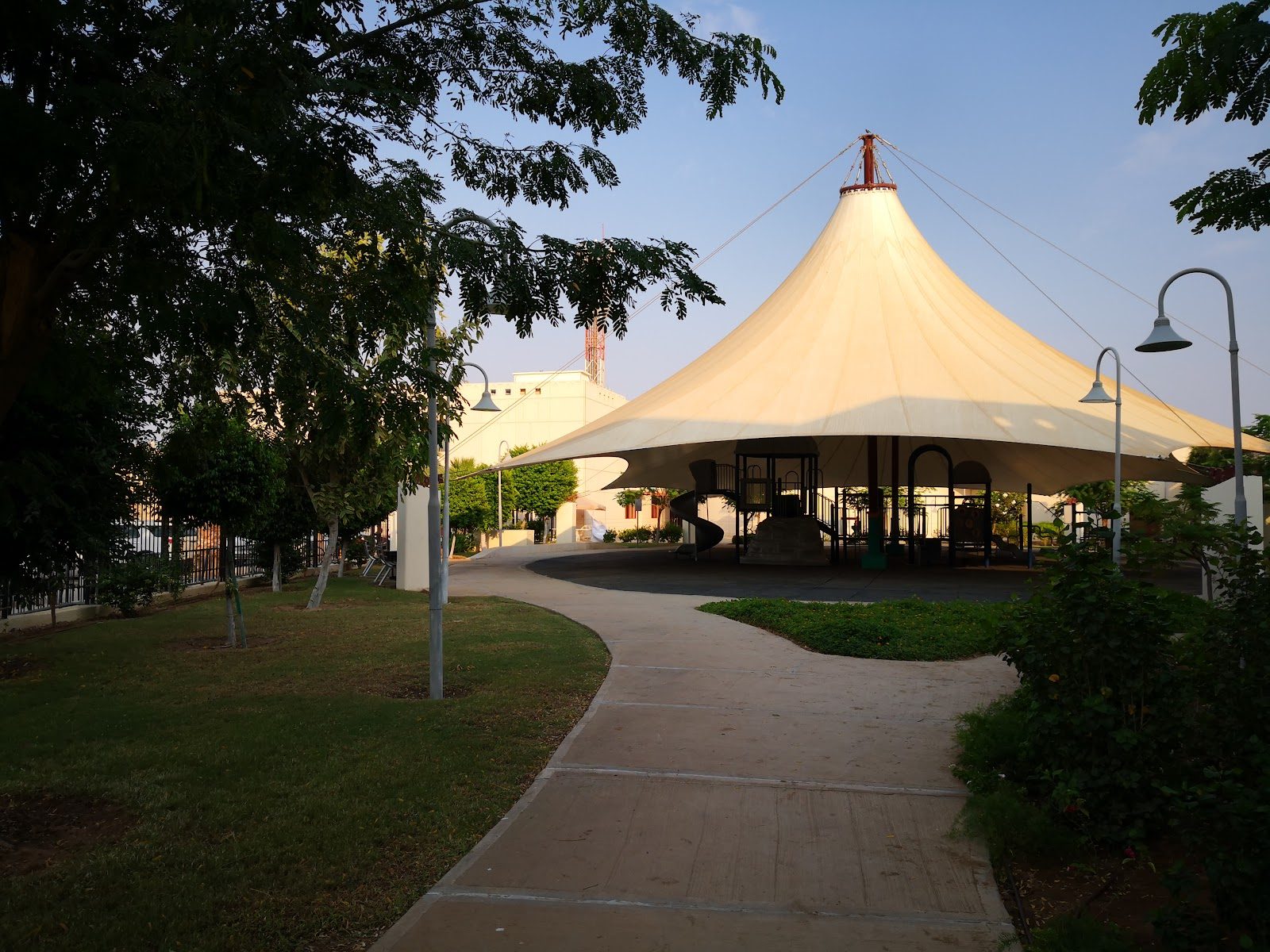
Photo © H M Waseem Shahid via Google Maps
Type
Day
Ages
3–18
Curriculum
IB
Qualifications
IB Diploma · IB MYP · IB PYP
Ratio
—
The Verdict
Editor's commitment
Right for
Families in Thuwal who value an IB continuum from ages 3–18 inside KAUST’s research campus, with CIS and NEASC scrutiny.
Wrong for
Parents wanting scale, breadth of destinations or boarding: this is a day school founded in 2009, and 2024 leavers numbered 67.
Watch out for
The university setting is the draw and the limit: English-medium, non-religious, IB-only, with 2024 destinations led by Al-Faisal, Dar Al-Hekma and Effat.
Ranking breakdown
KAUST School · #525 of 1591
Composite score 68.6. 8 weighted criteria.
By criterion
Academic Outcomes
Weight 20%
#450
of 1529 scored
University Placement
Weight 16%
#516
of 1529 scored
Prestige & Heritage
Weight 12%
#1054
of 1571 scored
Alumni Network
Weight 12%
#900
of 1530 scored
Facilities
Weight 12%
#27
of 1533 scored
Transparency & Communications
Weight 8%
#288
of 1532 scored
Peer & Industry Review
Weight 10%
#250
of 1548 scored
Admissions Selectivity & Demand
Weight 8%
#1326
of 1529 scored
Score history
KAUST School · 2026
Movement across 2024–2026. Peer average overlaid.
Overall — 2024–2026
68.6/ 100
▲ +22.2 vs 2025
year on year
Peer & Industry Review
How KAUST School is regarded in the sector
52
Credible · low confidence
The KAUST School occupies a distinctive niche as the dedicated day school for the King Abdullah University of Science and Technology community, and WhichSchoolAdvisor's review is broadly favourable, noting the campus is "clearly impressive in terms of its current delivery and its future plans" and praising the detail behind its strategic expansion. That same review flags a notable gap in transparency, expressing surprise that the school does not publish its IB Diploma results, calling this omission "somewhat disappointing" for a school positioning itself as a leading international provider. Beyond this single dedicated review, third-party coverage is largely limited to directory listings and recruitment-platform profiles rather than independent editorial scrutiny, so its footprint in specialist Gulf schools press remains modest relative to established Jeddah and Riyadh rivals. Reputation locally is solid, underpinned by university backing and ultra-premium fee positioning, but peer and industry visibility beyond its own community is still developing.
Evidence sources
Editors' overview
KAUST School occupies a niche that few schools can match: an IB continuum school founded in 2009 inside a live research university on the Red Sea. That setting matters. This is not a school that borrows the language of inquiry from the IB and leaves it at that; it sits beside scientists, laboratories and a global academic community, and the intellectual atmosphere shapes the student experience. English is the language of instruction, the school is non-religious, and the accreditations are serious: IB World School, CIS and NEASC. For internationally mobile families who want an education anchored in the IB but not in the churn of a large commercial school group, that is a rare advantage.
What puts KAUST School on a shortlist is the combination of scale, context and coherence. It serves ages 3 to 18, so families can secure a full through-school route without changing systems midway. The university-campus environment gives the school a distinct academic identity: students grow up around research, advanced study and adult intellectual work, not just school-branded aspiration. That will appeal to parents who value substance over show. The trade-off is clear too. This is not a legacy British boarding school, not a religious school, and not a vast metropolitan campus with every conceivable social scene. It is a day school in Thuwal, tied to a specific community and place. Families need to want that contained, high-trust environment.
The right student for KAUST School is academically curious, comfortable in an international English-speaking setting, and responsive to inquiry rather than rote instruction. Children who like asking difficult questions, making links across subjects and working in a community shaped by science and research will get the most from it. So will families who want a school with a clear intellectual centre of gravity rather than one built around status performance or examination theatre. With 67 leavers in the Class of 2024, this is not a mass-market operation; it is a more focused proposition. For the right family, that is the point. KAUST School offers a serious, research-adjacent education in a setting that few schools in the region can replicate.
Academic Performance
KAUST School does not publish the exam data that would let parents judge academic performance with confidence. We have not seen aggregate IB Diploma averages, subject scores, pass rates, bilingual diploma figures, or the share of candidates taking the full diploma rather than courses. That gap matters. In an IB school, external outcomes are the cleanest check on whether the rhetoric of inquiry translates into hard attainment. Without them, the school sits in an opaque category: parents must rely more on university destinations, student fit and the quality of teaching than on any hard-edged public results record.
The published destinations list offers only a thin guide. The recent leavers’ cohort is modest, and the named university destinations are narrow rather than globally expansive. That does not prove weak attainment; it does show that KAUST School does not yet present the kind of destination profile that places it in the top flight of internationally recognised IB schools in the Gulf. At present, the academic picture is serious but under-evidenced. Relative to peers, this is a school with a credible intellectual setting and no published results spine. For families who want external proof in the form of IB outcomes and broad admissions reach, that is a material limitation.
Facilities
The standout asset here is not a single showpiece building but the wider campus ecosystem around the school. A school set within a major university gains access to a deeper scientific and academic environment than most standalone international schools can offer, and that matters more than another glossy atrium or oversized reception. For families who care about substance, this is a serious institutional advantage. Students are not confined to an isolated school bubble; they grow up in a setting shaped by laboratories, research activity and adult scholarly work. Against peer schools in the Gulf, that gives KAUST School a sharper intellectual backdrop than the polished but interchangeable campuses common in the premium tier. What the school does not publish, however, is the kind of hard facilities inventory parents need: no clear public accounting of specialist labs, performing arts spaces, sports provision or seat counts.
That lack of detail limits a full benchmark. Top regional competitors now spell out exactly what sits on site — pools, theatres, black box studios, design suites, elite sports amenities, makerspaces and dedicated early years zones — because those things influence daily life. KAUST School relies more on the strength of its setting than on a forensic public case about physical plant. That does not make the facilities weak; it makes them under-explained. The school’s environment reads as academically rich and unusually integrated into a bigger institutional world, but parents comparing campuses at this level will want a more concrete picture of what children can actually use, how often, and whether access matches the promise of the location.
KAUST School occupies a niche that few schools can match: an IB continuum school founded in 2009 inside a live research university on the Red Sea
Prestige
KAUST School has real niche prestige, not broad-market glamour. Its status comes from context and parent body, not from old-school cachet, mass recognition or a public trophy cabinet of exam data. Being embedded in a major research university gives it a high-status intellectual halo that most schools cannot imitate. For families in academic, scientific and internationally mobile circles, that carries weight. Outside that world, the name has less pull. This is not the sort of school that wins prestige through centuries of institutional mythology, a famous alumni roll-call or a dominant regional university admissions record. It wins it through proximity to serious work and a rarefied community.
That makes the school prestigious in a selective, insider way. It signals educated parentage, a research-adjacent environment and a cohort shaped by a specific professional ecosystem. That is valuable, but it is also narrow. The recent leavers’ picture — 67 students, with a very limited published destinations list — does not support claims of elite global university placement on a scale that would put KAUST School among the Gulf’s most coveted status schools. Nor does the school publish the exam outcomes that would strengthen that case. Our rating, then, is clear: high esteem in the right circles, modest brand prestige beyond them, and an overall profile that is distinguished but not dominant.
What puts KAUST School on a shortlist is the combination of scale, context and coherence
Communications
KAUST School’s parent communications read as orderly and purpose-built rather than promotional. That fits the community it serves. Families attached to a university environment do not need glossy rhetoric; they need clear routines, accessible information and confidence that the school can coordinate a complex day-to-day operation for children across a wide age range. The public-facing communication does the basics cleanly: key school facts are easy to locate, contact routes are straightforward, and the school does not bury parents under branding noise. That said, the communication is more functional than revealing. Parents get the framework, but not enough depth on the matters that carry the most weight in an international school: academic outcomes, the detail behind teaching quality, and a fuller account of what pupils actually use across the campus.
That gap limits trust at the top end. Strong school communications do not just announce events and values; they publish the evidence that lets parents test claims. Here, the school does not disclose aggregate IB results, and the destinations picture in the public domain remains thin despite a graduating cohort of 67. The facilities story also lacks hard detail. Taken together, that produces a communications style that is calm and competent on process, but guarded on proof. For existing families in a close-knit institutional community, that may suffice. For relocating parents making a cold comparison against sharper, more transparent competitors, it does not.
Uniqueness
What sets KAUST School apart is not a branding trick but an operating context that almost no rival can copy. The school sits inside a working university community shaped by research, advanced study and internationally mobile professional families. That changes the temperature of daily life. Children grow up around adults whose work has clear intellectual purpose, and that gives school learning a *more credible connection to the real world* than the usual international-school talk of innovation. For students with scientific curiosity, that is a genuine structural advantage: inquiry has a live reference point beyond the classroom, and ambition can attach to serious academic work rather than to school theatre.
That setting also brings constraints, and they are part of the school’s distinctiveness. This is a contained, specialised environment, not a broad social cross-section of a major capital city and not a grand status institution built on public visibility. The student experience will suit families who value closeness, safety and a high-trust adult culture over spectacle, scale or adolescent anonymity. The small graduating cohort — 67 leavers in the latest class — reinforces that impression. Students are educated in a community with a clear centre of gravity and a narrower social world than at the region’s giant premium schools. For the right child, that produces a *focused, intellectually serious upbringing*. For the wrong one, it will feel enclosed.
KAUST School offers a serious, research-adjacent education in a setting that few schools in the region can replicate
Student Profile
The pupils who fit best here are the children of intellectually serious, internationally mobile families who do not need a school to manufacture ambition. In a community shaped by a research university, students live close to adult expertise, technical work and high educational attainment. That tends to suit children who are curious without prompting, comfortable speaking to adults, and able to take learning beyond the minimum set task. The school will reward self-direction, intellectual stamina and a willingness to join a tight-knit peer culture rather than hide inside a large crowd. With a leaving cohort of 67, social life has less room for reinvention than at the big city flagships. Students who need constant novelty, status theatre or a broad anonymous social field will find the setting constraining.
The strongest fit is a child who likes ideas, routine and substance. This is not the obvious destination for the relentlessly extrovert pupil whose identity depends on scale, spectacle and endless choice of tribe. It suits the student who is happy in a contained environment, can build steady friendships, and does not require a school to perform prestige at every turn. There is also a practical point for families: the published university destinations list is narrow, with only 1 student named at each of the headline institutions. That profile will not attract teenagers chasing a globally branded launchpad. It will suit those who want a grounded education in a community with a clear intellectual centre.
KAUST School does not publish the exam data that would let parents judge academic performance with confidence
Co-curricular strengths
Arts & sport, on a separate axis
Overall 7.7/10
Scored 0-10 from the school's own published evidence. This axis is editorial-only — it does not feed the main WTS ranking.
Sports
8.2/10
Football, Basketball, and Swimming as extracurriculars, showing a solid multi-activity sports offering.
Drama
7.8/10
Drama Productions, which is stronger than a bare mention of drama because it indicates recurring staged activity, but there is no named theatre, department, or specialist staff.
Dance
6.5/10
Music
8/10
Choir Ensemble, indicating an organised music activity beyond a vague arts reference, but there is no named music department, facility, or evidence of broader ensemble provision.
Visual Arts
8/10
Editor first-pass · editor-reviewable · 7/27/2026
Outcomes & destinations
Where students go next
Class of 2024
67 graduates
Top destinations
54 placements
- Al-Faisal University· 1
- Dar Al-Hekma College· 1
- Effat University· 1
- Jubail Industrial College· 1
- Purdue University Fort Wayne· 1
- Tarrant County College District· 1
- University of Idaho· 1
- Massachusetts College of Pharmacy and Health Sciences· 1
- New Jersey Institute of Technology· 1
- Dalhousie University· 1
- Redeemer University College· 1
- St. Lawrence College· 1
- Aston University, Birmingham· 1
- Birkbeck, University of London· 1
- Bournemouth University· 1
- Heriot-Watt University· 1
- University of Birmingham· 1
- Burgundy School of Business· 1
- ESCP Business School - Paris· 1
- SRH Hochschule Berlin· 1
- Karlsruhe Institute of Technology· 1
- American University of Beirut· 1
- International University of Monaco· 1
- Van Hall Larenstein University of Applied Sciences· 1
- American University of Sharjah· 1
- NHTV Breda University of Applied Sciences· 1
- University of Business & Technology· 6
- Saudi Logistics Academy· 1
- Brigham Young University· 1
- Fashion Institute of Technology· 1
- Texas A&M University-San Antonio· 1
- George Mason University· 1
- Colorado State University-Fort Collins· 1
- University of Toronto· 1
- University of New Brunswick· 3
- University of Hertfordshire· 1
- University of Leicester· 1
- University of Sheffield· 1
- University of Sussex· 1
- The Hague University of Applied Sciences· 1
- Massey University· 1
- International Management Institute Switzerland (IMI)· 2
- EHL Swiss School of Tourism and Hospitality· 2
- Sabanci University· 1
- Ted University· 1
Reported by the school. Confirm with admissions.
Strengths
- +IB continuum from ages 3 to 18
- +English-medium teaching suits many international families
- +CIS and NEASC accreditation add external oversight
- +Non-religious day school on KAUST research campus
Considerations
- −Day school only; no boarding option
- −Located in Thuwal, north of Jeddah
- −English-only instruction may not suit all families
Availability
Primary entry gate & tests
Academic Record (Priority Lanes)
Gallery
Photo © James Kress, PhD via Google Maps
Photo © James Kress, PhD via Google Maps
Photo © James Kress, PhD via Google Maps
Photo © James Kress, PhD via Google Maps
Photo © James Kress, PhD via Google Maps
Parent reviews
Have you sent your child here?
Voice reviews carry the strongest trust badge — we transcribe them for you to tidy up before they go live. Prefer to type? A written review is fine too.
Add your voice
In 60 seconds, tell other parents: what's the best thing about KAUST School, and what surprised you when your child joined?
We ask for a Google sign-in so every review has a real face behind it — no anonymous drive-by attacks on schools, and no faked positive reviews. Your email is never shown publicly.
Send this profile to a friend
International parents rely on word-of-mouth. Share this review with someone weighing the same decision.
Schools with places
Similar schools to KAUST School with places available now.
Jeddah Prep and Grammar School
Jeddah · Saudi Arabia
- 2026-27
- WAITPOOLAdmissions open / availability-dependent
- 2027-28
- PLACES OPENMarketed as open for 2027
The British International School of Jeddah
Jeddah · Saudi Arabia
- 2026-27
- PLACES OPENApps open / space-dependent
- 2027-28
- WAITPOOL2027/28 timetable TBC
Availability first, then country, area, curriculum, price, co-curricular
Consider also
Also worth looking at alongside KAUST School.
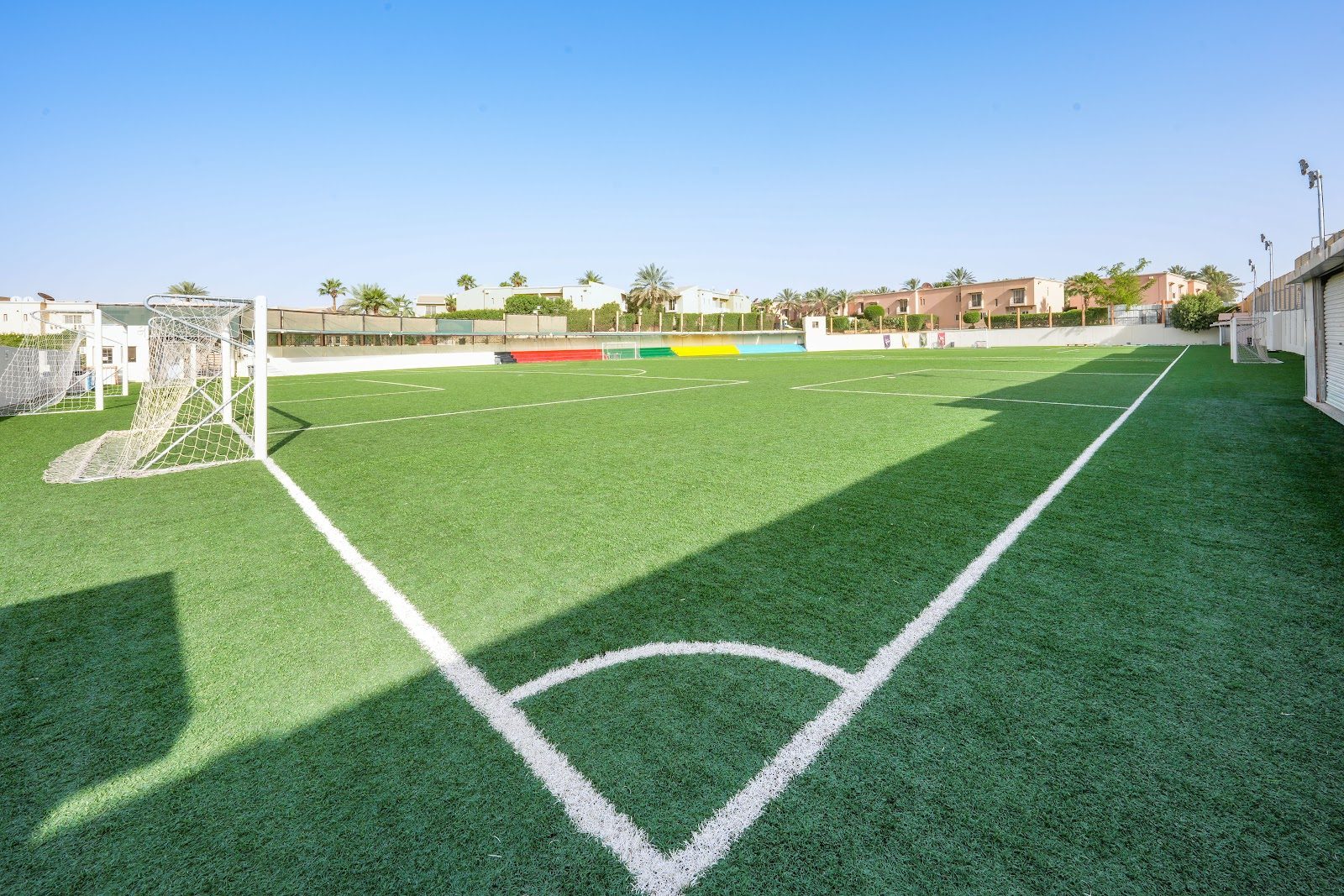
British International School Riyadh
Riyadh · Saudi Arabia
Founded in 1979 amid Riyadh's diplomatic and oil community, this multi-campus day school pairs A-Levels with the IB Diploma.
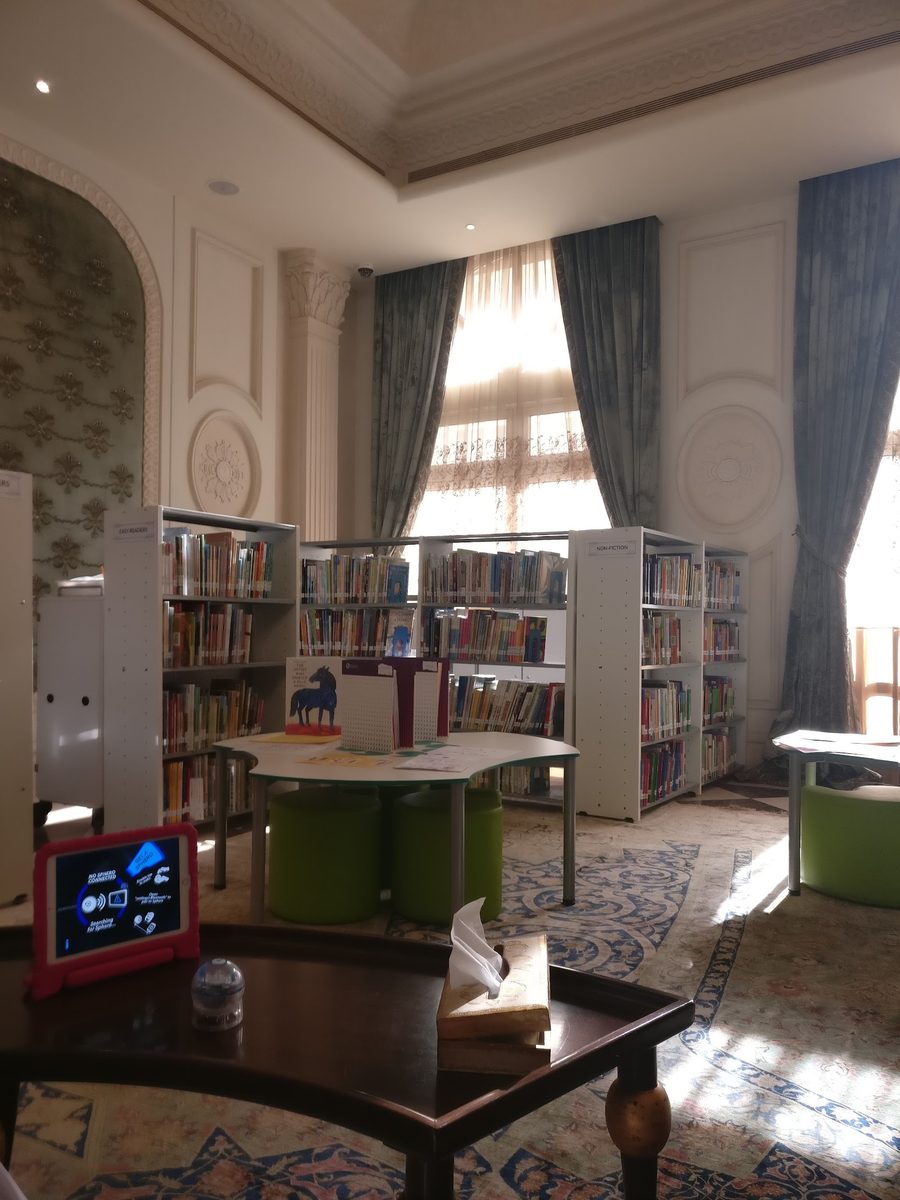
Misk Schools
Riyadh · Saudi Arabia
Nine single-sex academies share one royally founded Riyadh campus, built to engineer Vision 2030's next leaders.
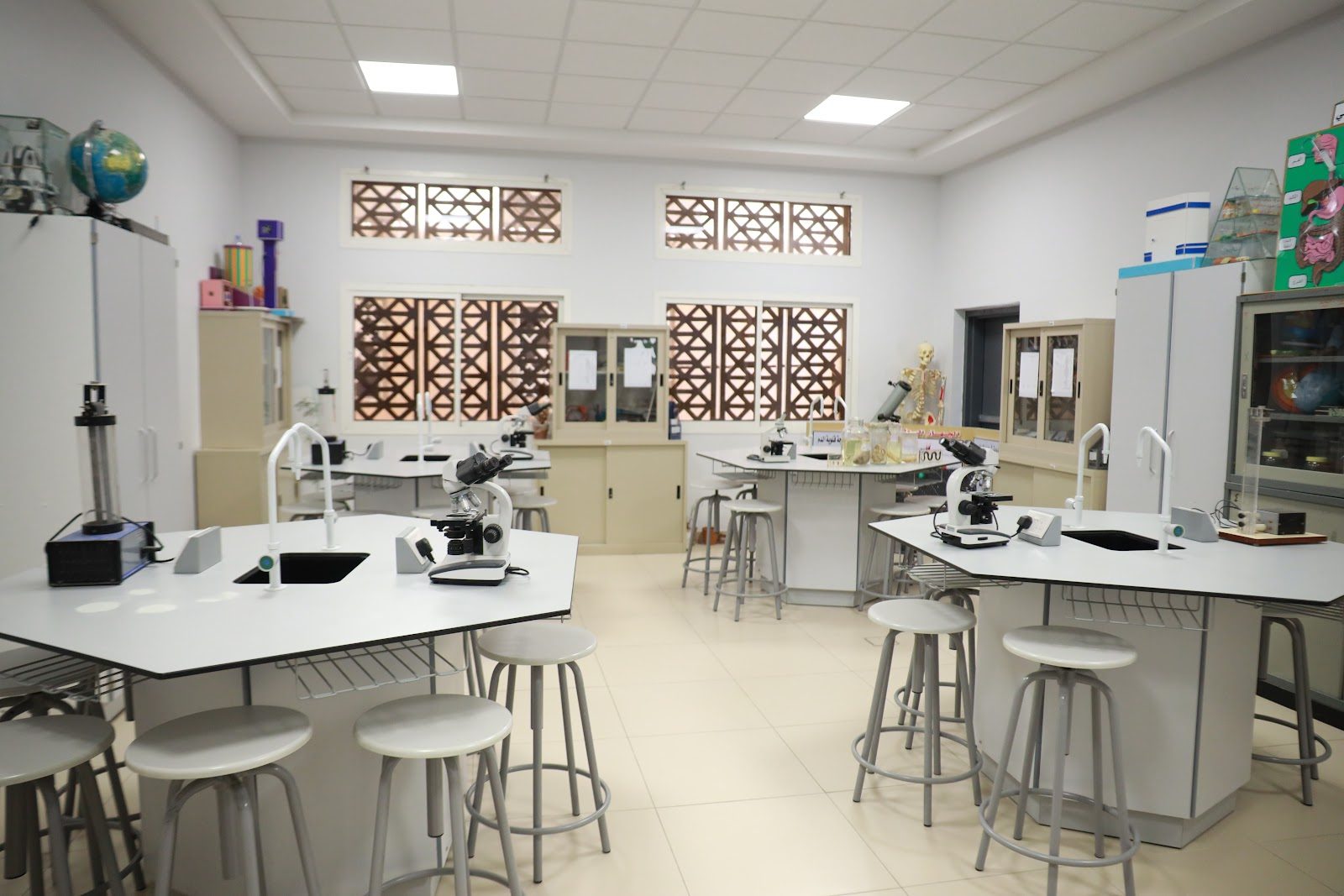
Manarat Al Riyadh Schools
Riyadh · Saudi Arabia
A Maarif-network day school where American diploma and British A-level tracks run alongside Riyadh's only inter-school Quran competition.
Jeddah Prep and Grammar School
Jeddah · Saudi Arabia
Founded in 1967 as the region's first British school, blending Cambridge rigor with a not-for-profit, fifty-nation community ethos.
Same country and curriculum — closest matches within ±10 points either way