
Dubai
Founded in 1966 by Dubai Petroleum, predating the UAE itself, this not-for-profit campus champions the AP Capstone diploma.
Photo © Hosein Jafary via Google Maps
Type
Day
Ages
3–18
Curriculum
American
Qualifications
AP
Ratio
9:1
The Verdict
Editor's commitment
Right for
Families wanting a serious American school with KHDA Outstanding status, NEASC and CIS accreditation, and a 9:1 student-teacher ratio.
Wrong for
Anyone chasing bargain Dubai schooling: the average annual fee is AED 89,319, and this is a large 2,000-student campus.
Watch out for
University destinations skew broad rather than elite-branded; the published list includes American University 11, Arizona State 2, and Alabama 1.
Ranking breakdown
American School of Dubai · #242 of 1591
Composite score 73.4. 8 weighted criteria.
By criterion
Academic Outcomes
Weight 20%
#261
of 1529 scored
University Placement
Weight 16%
#219
of 1529 scored
Prestige & Heritage
Weight 12%
#537
of 1571 scored
Alumni Network
Weight 12%
#432
of 1530 scored
Facilities
Weight 12%
#125
of 1533 scored
Transparency & Communications
Weight 8%
#254
of 1532 scored
Peer & Industry Review
Weight 10%
#335
of 1548 scored
Admissions Selectivity & Demand
Weight 8%
#760
of 1529 scored
Score history
American School of Dubai · 2026
Movement across 2024–2026. Peer average overlaid.
Overall — 2024–2026
73.4/ 100
▲ +21.2 vs 2025
year on year
Peer & Industry Review
How American School of Dubai is regarded in the sector
78
Strong · high confidence
American School of Dubai holds a long-established position as one of the emirate's most trusted community schools, with WhichSchoolAdvisor noting that many parents consider it "the only truly American school in Dubai" thanks to its history and predominantly US staffing. SchoolsCompared, which has repeatedly named it Best US Curriculum School in the UAE and its overall Top School Award winner in 2021, calls it a "genuinely fabulous, quite exceptional" institution, while cautioning that its KHDA rating remains stuck at Good rather than Outstanding due to persistent weaknesses in Arabic and Islamic Studies provision. The Good Schools Guide has separately rated it among the best thought-of schools in Dubai, and Gulf News coverage points to a 10,000-strong alumni base reinforcing its community standing. The consistent caveat across independent reviewers is the same regulatory blind spot, which keeps it just short of the very top tier occupied by Outstanding-rated peers.
Editors' overview
American School of Dubai has two features that cut through a crowded Dubai market: age and structure. It was founded in 1966, before the UAE itself, and it remains a not-for-profit day school rather than a branded for-profit outpost. That matters. The school has had time to build depth, habits and alumni continuity, and it does not read like a recent entrant chasing premium positioning. The regulator rating is Outstanding, the accreditations are NEASC and CIS, and the school runs an American curriculum with a clear AP identity, including AP Capstone. For families who want a US pathway in Dubai without the franchise feel, ASD sits in a rarefied bracket.
The practical offer is strong. ASD teaches ages 3 to 18 in English on a large campus in central Dubai, with more than 2,000 students, two libraries and a Center for Design and Innovation named in the school’s own account of its facilities. The staffing profile is a serious selling point: a 9:1 student-teacher ratio and average class size of 20 give it more room for individual attention than many large-city competitors. The average annual day fee across the full school is AED 89,319, which places ASD firmly in the expensive tier, but parents are paying for a mature operation with scale, specialist spaces and a long-established academic infrastructure. This is not a school trading on novelty; it is a settled, high-functioning institution.
What makes ASD special is not flamboyance but coherence. The mission is standard enough, yet the more telling detail is the combination of an American programme, AP Capstone, strong inspection standing and a campus built for design, arts and sport as well as classroom teaching. The university destination data in the context is uneven rather than glamorous — American University with 11 students, Arizona State with 2, The University of Alabama with 1 — and that is worth stating plainly. ASD does not publish a headline-grabbing list here of elite-name destinations. Parents who need that kind of signalling will want more disclosure. Parents who care more about fit, breadth and a serious American-school experience than about a parade of famous university badges will find ASD more convincing.
The students who thrive here are those who want a full American school life rather than a narrow exam factory. ASD suits internationally mobile families, confident joiners, and pupils who will use the campus, the activities and the elective breadth, not just the timetable. It also suits students who want strong teacher access without the intimacy of a tiny school. Children who need a highly structured, conservative, results-drilled environment have stronger options elsewhere in Dubai. ASD is for families buying into a mature community, an American curriculum with substance, and a school old enough to know exactly what it is.
Academic Performance
ASD’s academic profile is strong in structure and frustratingly opaque in output. The school’s public identity leans hard into AP, including AP Capstone, and that gives sixth formers a serious college-preparatory route with room for depth, research and writing rather than a narrow menu of test subjects. The regulatory verdict at the top tier reinforces the picture of a school with real academic substance. What ASD does not do, at least publicly, is publish the headline examination data that would let parents benchmark it cleanly against Dubai’s best US-curriculum competitors: no aggregate AP score profile, no pass-rate table, no subject-by-subject breakdown, no distribution of 3, 4 and 5 grades, and no clear class-wide university outcomes beyond a small destination snapshot.
That absence matters. In a market where top schools increasingly trade on disclosed results, ASD asks families to trust institutional reputation, inspection standing and long-run credibility more than hard published score data. That is a confident choice, but it leaves a gap. Relative to peers, ASD sits in the upper tier of Dubai’s American schools on reputation, student ambition and university preparation, yet it is harder to place precisely on pure examination performance because the school does not publish the numbers that would prove the case. Parents who want a data-rich academic comparison will need to press for AP aggregates and destination depth before treating ASD as an outright results leader.
Facilities
Facilities are one of ASD’s stronger cards. The school’s own account names a Center for Design and Innovation and 2 libraries, and that matters because many Dubai campuses promise breadth but concentrate their serious investment in sport and early-years gloss. ASD reads differently: the estate is built to support making, reading, research and performance alongside athletics, which is the right balance for a full American school. For parents comparing premium campuses, that points to a more academically purposeful use of space than the all-atrium, all-branding approach seen elsewhere. A school of more than 2,000 students also needs circulation, scheduling and specialist rooms that function at scale; ASD has had the time and operating maturity to build that in. This is a properly equipped, high-capacity campus, not a boutique setup.
Against Dubai peers, ASD sits in the top tier for breadth of provision, even if the school does not publish the square-footage chest-beating or exhaustive facility inventory that some rivals use as a sales tool. The advantage here is coherence. Design facilities, libraries and wider specialist spaces support the school’s academic and extracurricular life in a serious, workmanlike way. Families looking for wow-factor architecture alone will find shinier campuses in the city. Families looking for facilities that earn their keep in day-to-day school life will rate ASD highly.
American School of Dubai has two features that cut through a crowded Dubai market: age and structure
Prestige
ASD carries real prestige in Dubai, but not the brittle, badge-led kind. Its status rests on three harder assets: institutional age, a not-for-profit structure, and durable standing with the regulator. In a market full of polished entrants and premium branding, that gives ASD serious local weight. Parents, universities and rival schools know the name. So do employers who have lived in Dubai long enough to distinguish between schools with a deep root system and schools built on marketing spend. The school’s scale also matters here: a community of more than 2,000 students creates visibility, alumni continuity and a stronger civic footprint than smaller operators can match. Add an Outstanding KHDA judgement and a long-established AP identity, and the result is a school with earned authority rather than fashionable heat.
That said, ASD’s prestige is stronger in Dubai than it is in the global pecking order of famous international schools. The school does not publish the kind of headline outcomes that turn reputation into hard-edged academic cachet: no aggregate AP results, no broad destination table led by a procession of elite-name universities. The recent university snapshot does not do that work for it. So the prestige here is institutional, regulatory and community-based, not built on showy exclusivity or a relentless results narrative. For many families, that is a more credible form of status. It signals substance, stability and access to a mature professional crowd — but it stops short of the rarefied global aura attached to the very top export-name schools.
The regulatory verdict at the top tier reinforces the picture of a school with real academic substance
Communications
ASD communicates like an established institution that expects parents to engage, not like a school chasing clicks. The public-facing site is organised, information-dense and clear about core priorities: mission, campus, community and practical points of contact. It gives parents direct phone numbers, a postal address and a precise courier address, which is a small but telling mark of operational discipline. Navigation is broad without being chaotic, and the school does a competent job of surfacing major areas of school life. What it does not do is over-explain. For some families, that restraint will read as assured and adult; for others, it will feel a touch closed compared with competitors that publish every policy deck, data table and leadership update online.
That trade-off runs through ASD’s parent communications more widely. The school projects institutional confidence, but confidence is not the same thing as transparency. We have not seen the kind of public academic disclosure that answers the questions ambitious parents ask first, and that limits how effective the communication is at the sharp end of school choice. If you already value community, stability and a less promotional tone, ASD’s style will suit you. If you want granular public reporting, a constant stream of evidence and a forensically transparent dashboard of outcomes, ASD leaves work for the parent to do. In short: polished, orderly and credible in tone; selective in what it chooses to disclose.
Uniqueness
What marks ASD out is the combination of deep local roots and a governance model that resists the dominant Dubai script. This is not a chain campus engineered for rollout economics; it is an independent, not-for-profit school with its own long institutional memory and a community large enough to sustain real breadth. That gives students something valuable: a school culture with continuity, internal confidence and less pressure to chase novelty for its own sake. The result is a more settled educational experience. Children move through a place that has had time to refine traditions, build specialist programmes and absorb the city’s churn without losing its centre.
The second point of difference is the way ASD ties that maturity to a full-spectrum student experience. The Center for Design and Innovation and 2 libraries signal priorities that go beyond standard premium-school sport-and-staging. Students get a campus that backs research, making and independent thought, not just display. The low staffing ratio and class sizes sharpen that further: access to teachers is not a slogan here, it is built into the operating model. For students, that means stronger day-to-day relationships, more room to contribute in class, and a better chance of being known as individuals inside a community of more than 2,000. Add AP Capstone to that mix and ASD’s distinctiveness is clear: it offers a serious, well-rooted, non-franchise American education with enough scale to feel expansive and enough structure to feel personal.
It was founded in 1966, before the UAE itself, and it remains a not-for-profit day school rather than a branded for-profit outpost
Student Profile
The best fit at ASD is the student who wants a full-spectrum school life and has the confidence to use it. This is not a narrow, marks-only environment for children who want to keep their heads down, do the minimum and leave. It suits pupils who join in, build relationships easily and can handle a large, socially active community without getting lost in it. The low staffing ratio and class sizes give students more adult contact than many big schools manage, which helps children who are curious, articulate and willing to ask for help. Equally, that scale means students need a degree of self-direction. ASD suits the child who wants both teacher access and independence, not one in place of the other. In a community of more than 2,000, that combination matters.
Socially, the school fits internationally minded families who value a settled, grown-up culture over status theatre. Students who thrive here are busy, engaged and open to a broad peer group; they do not need a stiff, ultra-formal atmosphere to stay on track. The school also works well for children with genuine interests beyond the classroom, because the culture and facilities reward participation rather than passive attendance. Students who need constant external pressure, heavy-handed discipline or a tightly conservative social environment will fit less well. ASD is strongest for pupils who are motivated from within, comfortable in a high-cost setting, and ready to make use of a campus built for more than lessons alone.
The school has had time to build depth, habits and alumni continuity, and it does not read like a recent entrant chasing premium positioning
Co-curricular strengths
Arts & sport, on a separate axis
Overall 9.16/10
Scored 0-10 from the school's own published evidence. This axis is editorial-only — it does not feed the main WTS ranking.
Sports
9.2/10
Sports provision is 'a particular asset' with multiple indoor and outdoor facilities and a substantial athletics and games set-up, which evidences dedicated facilities and notable breadth.
Drama
9.2/10
'music and performance facilities' and lists Musical Theatre as an extracurricular, giving explicit drama-related provision plus a dedicated performance facility.
Dance
9/10
Music
9.2/10
Music facilities and the uniqueness section calls the arts programme 'genuinely serious,' which supports a dedicated music offering.
Visual Arts
9.2/10
Dedicated art and design spaces, and the AP 2-D Art and Design, AP 3-D Art and Design, and AP Drawing.
Editor-verified · 8/5/2026
Outcomes & destinations
Where students go next
457 graduates
Top destinations
436 placements
- The University of Alabama· 1
- American University· 11
- Arizona State University· 2
- Babson College· 4
- Barnard College· 1
- Baylor University· 3
- Bentley University· 3
- Berry College· 1
- Biola University· 2
- Boston College· 4
- Boston University· 9
- Bowdoin College· 1
- Brandeis University· 1
- Brown University· 1
- Bryant University· 1
- Bryn Mawr College· 1
- Bucknell University· 2
- Butler University· 1
- California State University· 1
- University of California, Berkeley· 7
- University of California, Davis· 5
- University of California, Irvine· 1
- University of California, Los Angeles· 1
- University of California, San Diego· 3
- University of California, Santa Barbara· 1
- Case Western University· 1
- Chapman University· 4
- University of Chicago· 3
- University of Cincinnati· 2
- Claremont McKenna University· 2
- University of Colorado· 5
- Colorado State University· 1
- Columbia University· 1
- University of Connecticut· 1
- Cornell University· 2
- Dartmouth College· 1
- Dickinson College· 1
- Drew University· 1
- Drexel University· 1
- Duke University· 1
- Emerson College· 1
- Fashion Institute of Technology· 1
- University of Florida· 1
- Florida International University· 1
- Florida State College at Jacksonville· 1
- Florida State University· 1
- Fordham University· 1
- Franklin & Marshall University· 1
- Franklin University Switzerland, NY· 1
- George Mason University· 2
- The George Washington University· 14
- Georgetown University· 7
- Georgia Institute of Technology· 1
- Georgia State University· 3
- Hamilton College· 1
- Hofstra University· 1
- University of Houston· 2
- University of Illinois at Urbana-Champagne· 6
- Indiana University· 2
- James Madison University· 1
- Johns Hopkins University· 2
- Lewis & Clark University· 1
- University of Louisiana at Monroe· 1
- Loyola Marymount University· 2
- Loyola University Chicago· 1
- Macalester College· 1
- University of Massachusetts, Boston· 1
- Massachusetts College of Pharmacy & Health Sciences· 1
- Merrimack College· 1
- University of Miami· 1
- University of Michigan· 2
- Michigan State University· 4
- The College of New Jersey· 1
- New Mexico Institute of Mining and Technology· 1
- The New School· 2
- New York Film Academy· 1
- New York University· 7
- University of North Carolina· 1
- North Carolina State University· 1
- Northeastern University· 16
- Northern Virginia CC· 1
- Northwestern University· 4
- University of Notre Dame· 1
- Ohlone College· 1
- University of Pennsylvania· 1
- Pennsylvania State University· 6
- Pitzer College· 1
- Pomona College· 1
- Princeton University· 1
- Purdue University· 6
- Reed College· 1
- Rhode Island School of Design· 2
- Rice University· 2
- Rutgers University· 2
- University of San Diego· 1
- San Diego State University· 1
- Santa Clara University· 1
- Savannah College of Art and Design· 3
- University of Southern California· 7
- Southern Methodist University· 1
- St. Edward’s University· 1
- Stanford University· 1
- State College of Florida, Bradenton· 1
- Suffolk University· 1
- Swarthmore College· 1
- Syracuse University· 2
- Temple University· 2
- University of Tennessee, Knoxville· 2
- Texas A & M University· 6
- Texas State University· 1
- Texas Tech University· 1
- The University of Texas, Austin· 2
- The University of Texas, Dallas· 1
- The University of Texas, Arlington· 1
- Trinity University· 1
- Tufts University· 3
- Tulane University· 3
- United States Air Force Academy· 1
- University of Virginia· 1
- Virginia Tech· 1
- Wake Forest University· 1
- Wellesley College· 2
- Wesley College· 1
- Wesleyan University· 1
- Wilkes Honor College of FAU· 1
- College of William & Mary· 2
- University of Wisconsin, Madison· 1
- University of Wyoming· 1
- Woodbury University· 1
- University of Alberta· 1
- University of British Columbia· 2
- Capilano University· 3
- Carleton University· 1
- Concordia University· 11
- Dalhousie University· 1
- University of Guelph· 1
- McGill University· 15
- McMaster University· 1
- Ontario College of Art and Design· 1
- University of Ottawa· 1
- University of Prince Edward Island· 1
- Queen’s University· 6
- Red Deer College· 1
- Ryerson University· 1
- Simon Fraser University· 2
- St. Francis Xavier University· 1
- University of Toronto· 23
- University of Victoria· 3
- University of Waterloo· 1
- Western University· 2
- York University· 5
- Amsterdam University College· 1
- City University of London· 3
- Conde Naste College of Fashion & Design, U.K.· 1
- Ecole Hoteliere de Lausanne, Switzerland· 1
- Erasmus University, Netherlands· 4
- Humanitas University, Italy· 1
- IE University, Spain· 6
- Instituto Marangoni, Italy· 1
- Jacob’s University, Germany· 1
- John Cabot University, Italy· 1
- King’s College, London· 4
- London College of Communication· 1
- London College of Fashion· 1
- Nuova Accademia di Belle Arti Milano, Italy· 1
- Queen Mary University of London· 1
- Sciences Po, France· 1
- Universidad de Navarra, Spain· 1
- University for the Creative Arts, U.K.· 1
- University of Birmingham, U.K.· 1
- University of Bristol· 1
- The University of Edinburgh· 2
- University of Groningen, Netherlands· 1
- University of Manchester· 1
- University of Oxford, U.K.· 2
- University of St. Andrews, Scotland· 3
- University of Sussex, U.K.· 2
- University of the Arts London, U.K.· 3
- University College London, U.K.· 8
- University Twente, Netherlands· 1
- Universita Vita-Salute San Raffaele, Italy· 1
- University of York, U.K.· 1
- Uppsala University, Sweden· 1
- American University in Dubai· 1
- American University of Beirut· 3
- American University of Sharjah· 2
- Heriot-Watt University· 1
- New York University, Abu Dhabi· 1
- Australian National University· 1
- Bond University, Australia· 1
- The Chinese University of Hong Kong· 1
- The University of Melbourne, Australia· 2
Reported by the school. Confirm with admissions.
Official inspection · Dubai
KHDA report · 2023/24
Official · KHDAInspectorate
Knowledge & Human Development Authority
Dubai's mandatory education regulator; annual DSIB inspections.
Curriculum
American
Held vs previous cycle
Full report
KHDA report finderRating history
WTS 300 badge
2025/26 editionAmerican School of Dubai is one of the World's Top 300 Schools for 2025/26. Claim your listing to add it to your site →
Strengths
- +Established in 1966, prior to the founding of the UAE, ASD is among the oldest international schools in Dubai, giving it a long-standing alumni network and institutional continuity rare in the local market.
- +It is a not-for-profit independent school governed by a Board of Trustees, so tuition income is reinvested in the school rather than distributed to shareholders.
- +The school offers a broad Advanced Placement programme in High School, including the AP Capstone Diploma pathway, supporting a clear US-university route.
- +Its purpose-built Al Barsha campus houses the Center for Design and Innovation for Public Purpose, over 100 classrooms, two libraries, and a world-class range of arts and athletics facilities.
- +Co-curricular provision is world-class across sports, music, drama, dance and visual arts, with the school reporting more than 400 extra-curricular offerings.
- +Its community spans more than 80 nationalities, giving a genuinely international, if US-dominated, student body.
Considerations
- −Fees sit at the top of Dubai's American-curriculum market — around US$27,000 a year for day pupils, with additional facility and capital charges — placing ASD in the ultra-premium band.
- −ASD does not offer an International Baccalaureate Diploma, so families wanting that pathway must look elsewhere among Dubai's American-curriculum schools.
- −The KHDA overall inspection rating is Good — solid, but below the Outstanding or Very good headline achieved by some rival American-curriculum schools, largely owing to non-compliance in Arabic and Islamic Studies.
- −A waitpool operates once places fill, so eligible applicants are not guaranteed a place at popular entry points, and high-school entry is generally limited to the start of each semester, making mid-year relocation difficult.
Availability
Primary entry gate & tests
CAT4 / Academic Record
Gallery
Photo © Hosein Jafary via Google Maps
Photo © Hosein Jafary via Google Maps
Photo © Hosein Jafary via Google Maps
Photo © Hosein Jafary via Google Maps
Photo © sandheep saraswathi via Google Maps
Photo © Kamel Abdalla via Google Maps
Photo © Jeeva via Google Maps
Photo © Hosein Jafary via Google Maps
Photo © ASD Advancement via Google Maps
Recommended reading
Independent write-ups of this school from editorial outlets we trust.
- American School of DubaiSchoolsCompared
Parent reviews
Have you sent your child here?
Voice reviews carry the strongest trust badge — we transcribe them for you to tidy up before they go live. Prefer to type? A written review is fine too.
Add your voice
In 60 seconds, tell other parents: what's the best thing about American School of Dubai, and what surprised you when your child joined?
We ask for a Google sign-in so every review has a real face behind it — no anonymous drive-by attacks on schools, and no faked positive reviews. Your email is never shown publicly.
Send this profile to a friend
International parents rely on word-of-mouth. Share this review with someone weighing the same decision.
Schools with places
Similar schools to American School of Dubai with places available now.
Dubai English Speaking College
Dubai · United Arab Emirates
- 2026-27
- CLOSEDStandard route
- 2027-28
- OPENS SOONOpens Sept '26
Swiss International Scientific School Dubai
Dubai · United Arab Emirates
- 2026-27
- PLACES OPENApps open / space-dependent
- 2027-28
- WAITPOOL2027/28 timetable TBC
Availability first, then country, area, curriculum, price, co-curricular
Consider also
Also worth looking at alongside American School of Dubai.
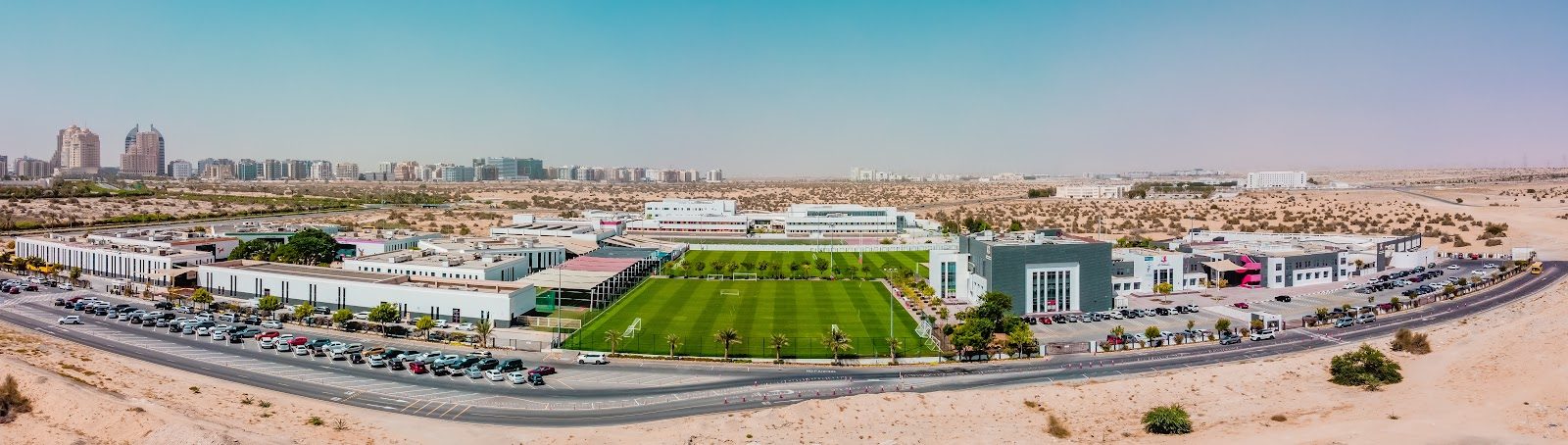
Dubai English Speaking College
Dubai · United Arab Emirates
Secondary heir to Dubai's oldest British school, pairing a not-for-profit ethos with a Sixth Form spanning A Levels to vocational BTECs.
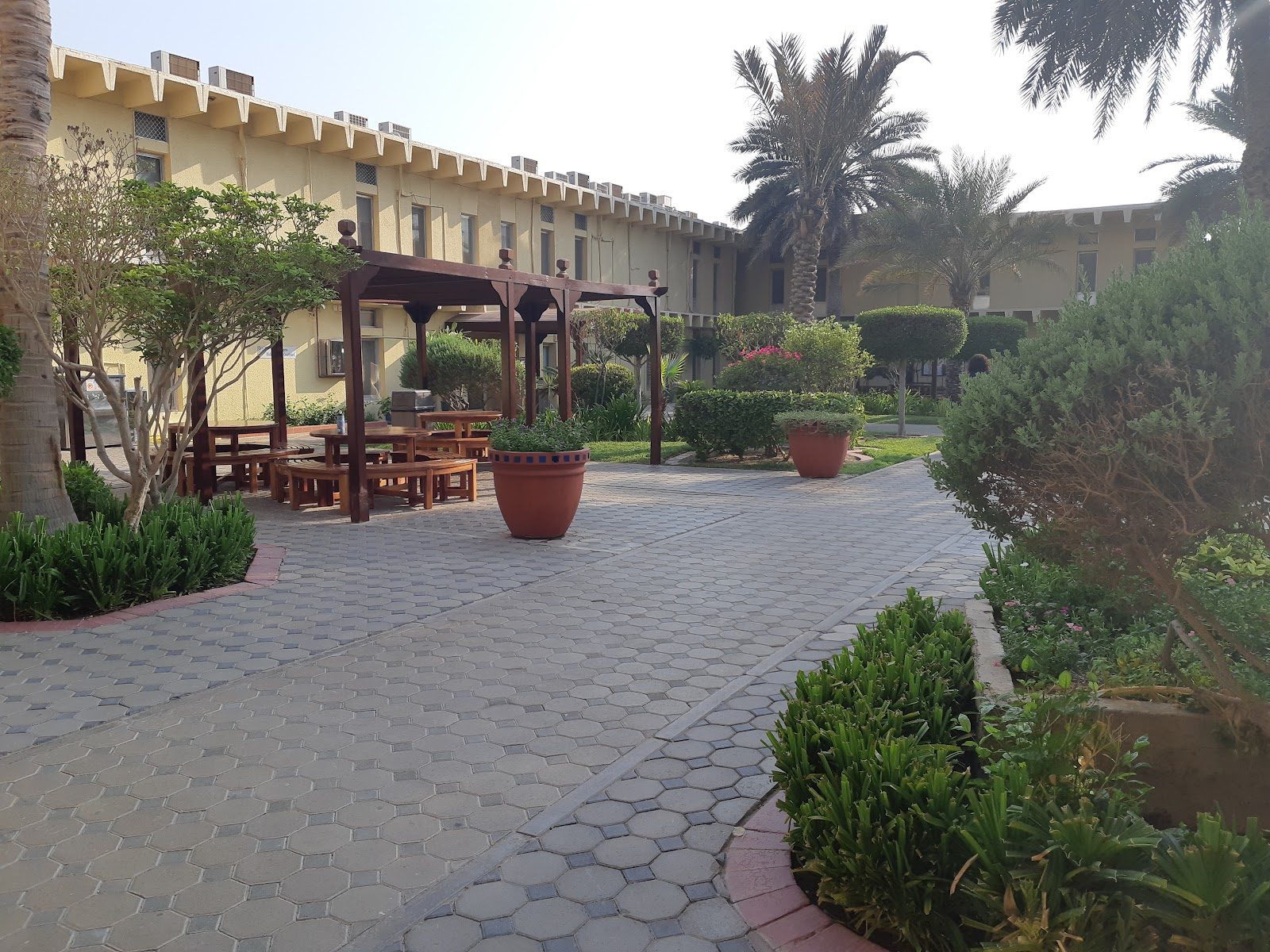
American Community School of Abu Dhabi
Abu Dhabi · United Arab Emirates
On Saadiyat Island, a nonprofit American campus lets seniors pick IB Diploma or AP -- a dual pathway rare in Abu Dhabi
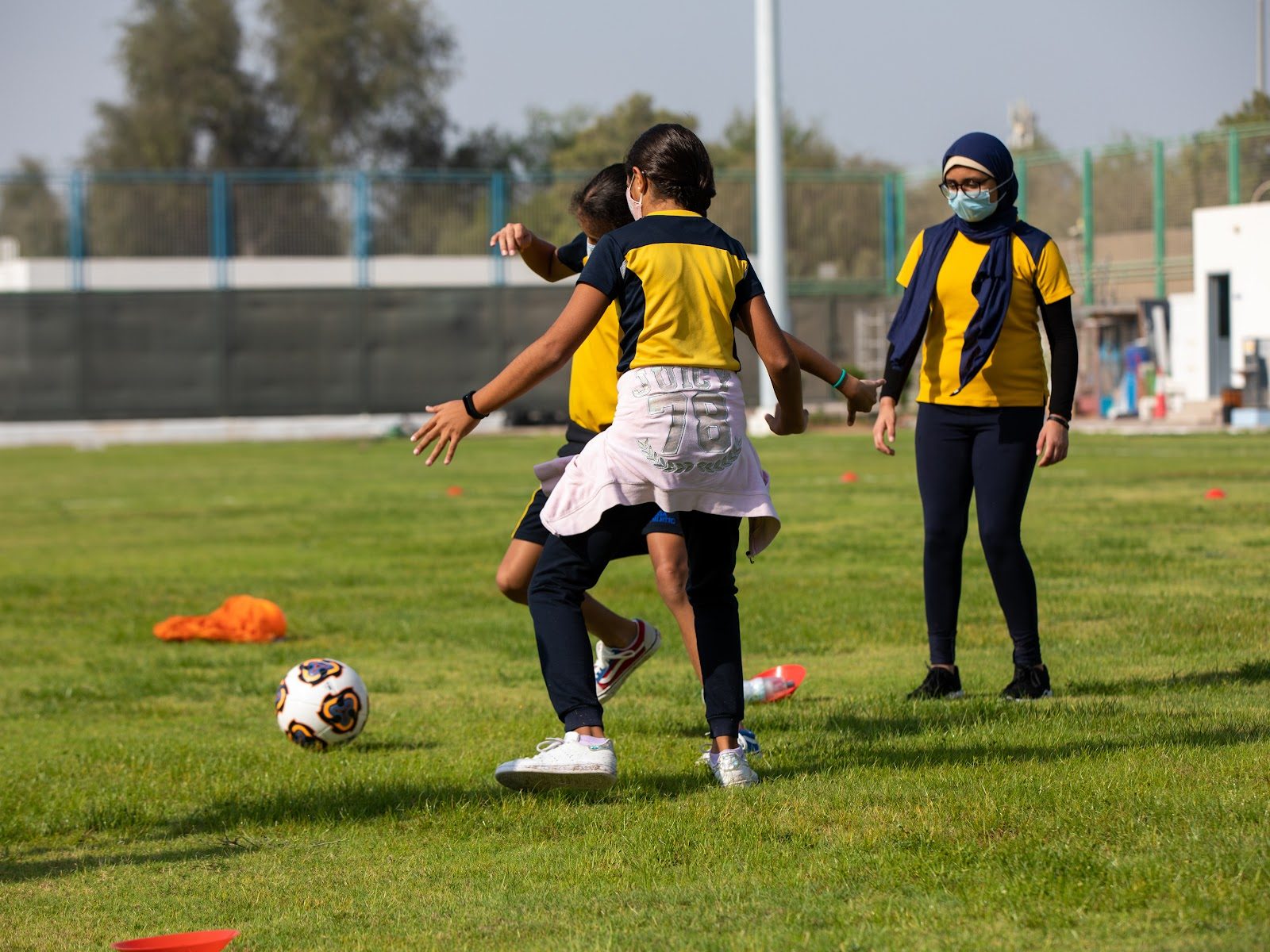
American International School in Abu Dhabi
Abu Dhabi · United Arab Emirates
Where American Common Core meets IB inquiry, having pioneered the UAE's first IB Diploma classroom back in the 1990s
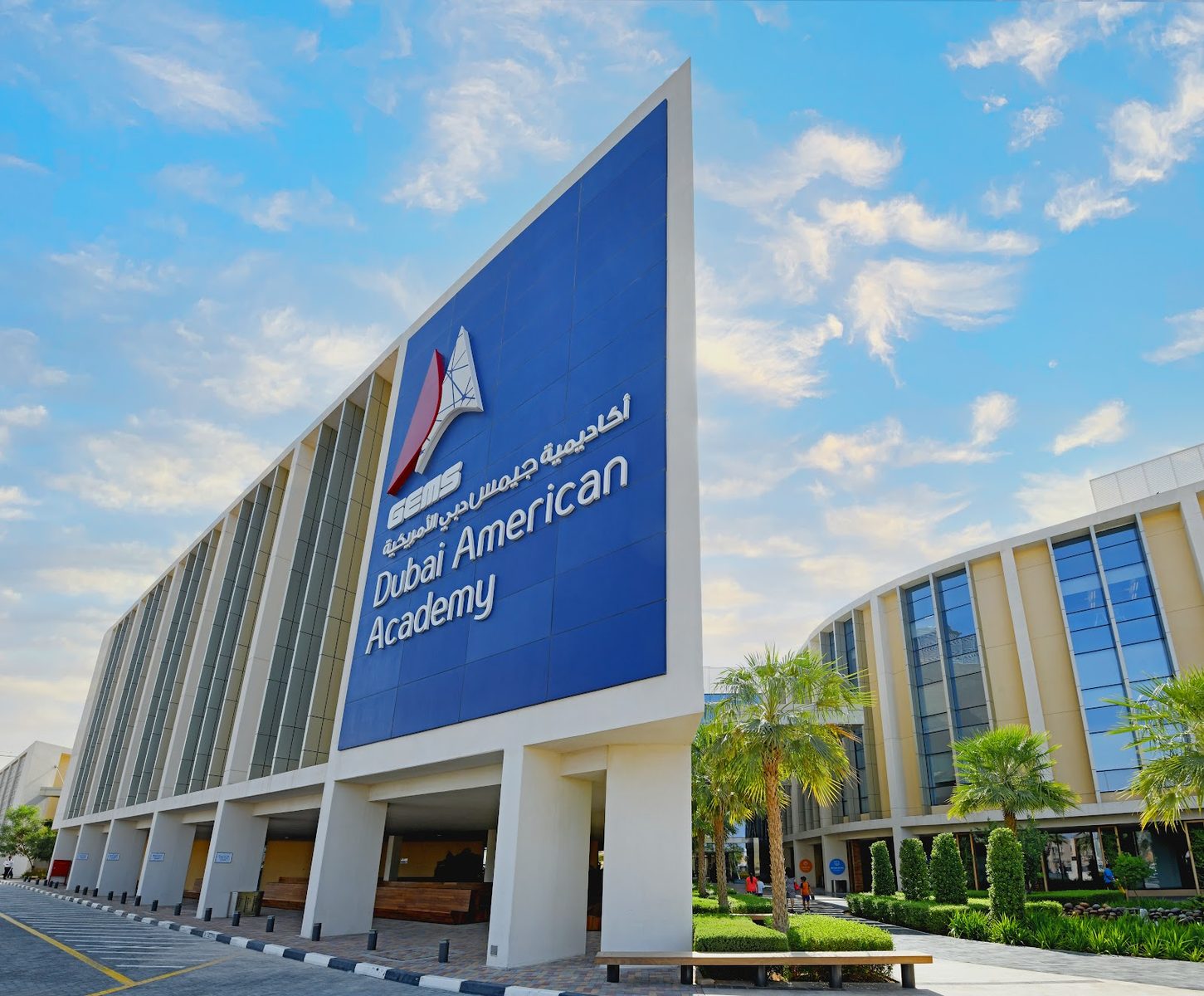
GEMS Dubai American Academy
Dubai · United Arab Emirates
The only American-curriculum school in Dubai to hold KHDA's Outstanding rating in every inspection since 2011, running US diplomas alongside the IB.
Same country and curriculum — closest matches within ±10 points either way