
Pirkanmaa
International School of Tampere
low confidence· 4/6 cats · 1 avg sourcesA 1954 Tampere primary school reborn as an English-medium campus, blending Finland's core curriculum with a path toward IB study.
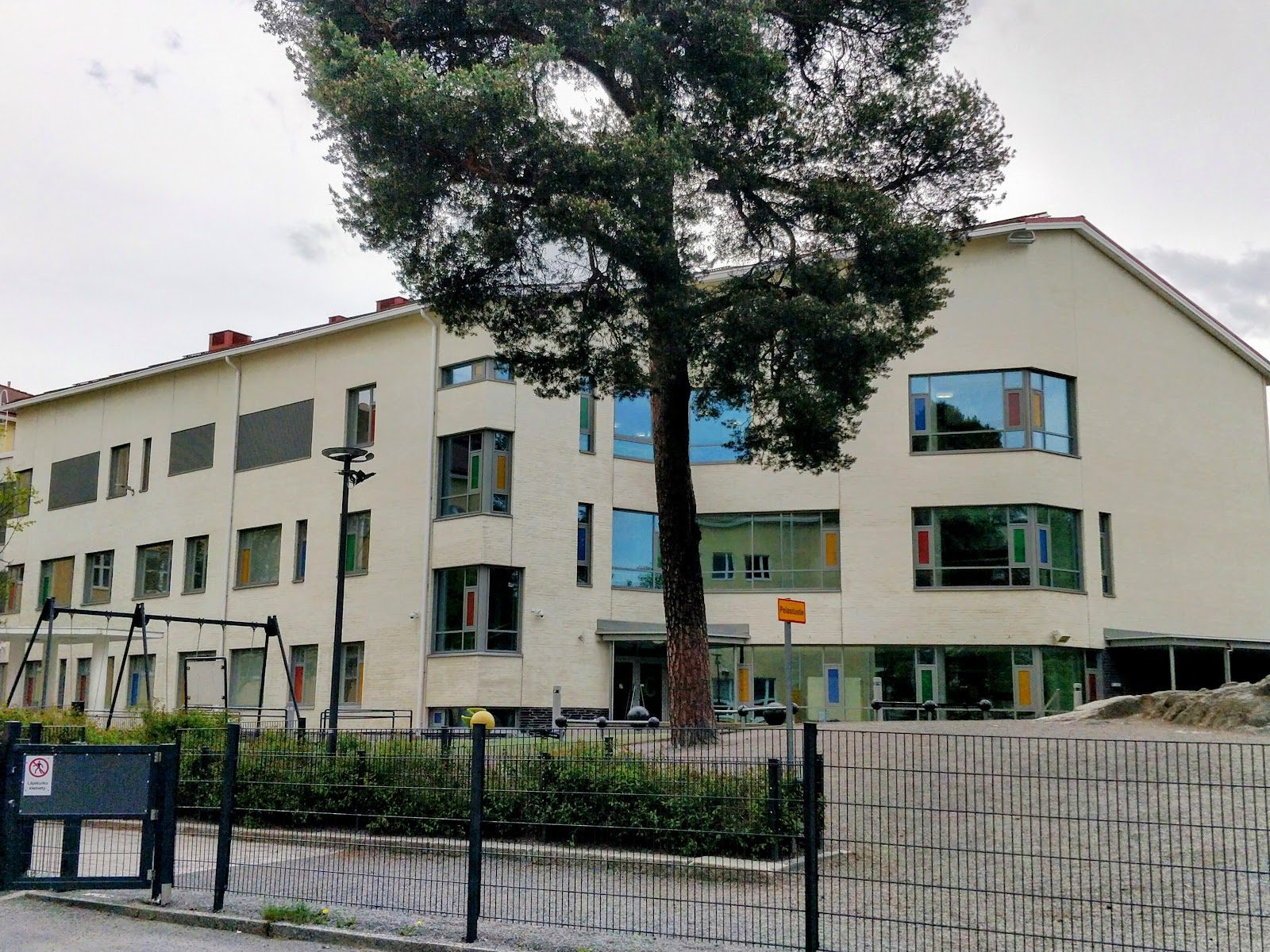
Photo © Mirja Raivio via Google Maps
Type
Day
Ages
6–19
Curriculum
Finnish · IB
Qualifications
IB Diploma · IB MYP
Ratio
—
The Verdict
Editor's commitment
Right for
Families in Tampere who want ages 6–19 in English and Finnish, with Finland's curriculum leading into an IB World School.
Wrong for
Parents chasing boarding, religion or a single-curriculum education: this is a non-religious day school mixing Finnish and IB.
Watch out for
Founded in 2011, the school is young in its current form; IB World School status signals pathway, not published outcomes.
Ranking breakdown
International School of Tampere · #1324 of 1591
Composite score 54.9. 8 weighted criteria.
By criterion
Academic Outcomes
Weight 20%
#1274
of 1529 scored
University Placement
Weight 16%
#1259
of 1529 scored
Prestige & Heritage
Weight 12%
#1357
of 1571 scored
Alumni Network
Weight 12%
#995
of 1530 scored
Facilities
Weight 12%
#1297
of 1533 scored
Transparency & Communications
Weight 8%
#1293
of 1532 scored
Peer & Industry Review
Weight 10%
#1319
of 1548 scored
Admissions Selectivity & Demand
Weight 8%
#1123
of 1529 scored
Peer & Industry Review
How International School of Tampere is regarded in the sector
62
Respected · medium confidence
I could not identify at least two independent, third-party sources (e.g., Tatler, Good Schools Guide, specialist education press, government inspectorate opinion, or established expat forum discussions) that substantively assess the reputation of International School of Tampere. Available information appears limited largely to the school's own materials or unverified directory listings, which do not meet the evidentiary bar required.
Editors' overview
International School of Tampere occupies a narrow but useful niche in Finland’s school market: an English-medium route inside the Finnish state system, with study running from age 6 to 19 and a declared path into the IB. Founded in 2011, it is not an old international school with embassy polish or a sprawling expatriate ecosystem. Its appeal lies elsewhere. This is a practical, public-minded school for families who want Finland’s academic framework without giving up English as a working language. That makes it distinctive in a market where many international options are private, smaller in scale, or tied to a transient expatriate population. The proposition has real force: serious academics, clear bilingual utility, and a grounded alternative to more branded international schools.
What puts it on a shortlist is that blend of Finnish and IB. Finland’s education system carries global credibility for good reason: coherent curriculum design, strong teacher training and less theatrical pressure than many anglophone systems. International School of Tampere adds an English-medium environment and IB World School status, which matters for older students aiming at an internationally legible qualification. For internationally mobile families, mixed-language households and Finnish families with outward-facing ambitions, that combination is genuinely useful. It offers continuity without cultural isolation. It also avoids the inflated gloss that clings to parts of the international-school sector. Parents who value substance over display will notice that quickly.
The school will suit self-directed students who can thrive in a less pampered environment than the premium private circuit. This is not the place for families chasing manicured prestige, lavish facilities or a social scene built around fees. It suits children who benefit from structure, intellectual independence and a community that reflects real life in Tampere rather than a sealed expatriate bubble. Students who move between English and Finnish, or who need one strong language for access and the other for local integration, stand to gain most. For the right child, that produces quiet confidence and useful resilience.
The cautions are straightforward. Parents hunting for the cachet of a centuries-old institution will not find it here. Nor will they find boarding: this is a day school, full stop. The school’s strength is not mystique; it is function. In a Finnish context, that is enough. For families who want an education that is internationally usable, locally anchored and not dressed up as a luxury product, International School of Tampere earns its place on the list.
Academic Performance
The school does not publish the hard performance data that serious parents need. We have not seen aggregate IB Diploma averages, subject score distributions, pass rates, university destinations by cohort, or multi-year trends. That absence matters. In the international sector, external results are the cleanest way to judge academic strength; when a school keeps them out of public view, outsiders cannot verify whether outcomes are merely acceptable or genuinely strong. The same applies to peer comparison. Without published figures, International School of Tampere cannot be placed with confidence against Finland’s better-known IB providers, nor against selective private international schools elsewhere in the Nordics. The public-facing picture is opaque where it should be exact.
That does not mean weak outcomes; it means unproven outcomes. The school’s structure gives students access to recognised external assessment, and that carries value in itself. But access is not the same as excellence. Parents considering the upper years should ask for the last 3 to 5 years of IB Diploma results, including cohort size, average point score, pass rate, highest score, and grade breakdown by subject. They should also ask how many students take the full diploma rather than certificates only. Until those figures are disclosed, the academic story remains incomplete, hard to benchmark, and less convincing than it needs to be.
Facilities
The school’s facilities case rests on utility, not spectacle. This is not a campus that trades on theatres, aquatics complexes or architect-designed wow. Parents should expect the core spaces a public international campus needs: general classrooms, science teaching areas, sports provision and age-appropriate learning support spaces across a through-school age range. That is enough for day-to-day teaching, but it places International School of Tampere below the premium international tier on physical plant. Against Finland’s municipal schools and smaller bilingual options, that is normal. Against fee-charging Nordic competitors, it reads as plain, workmanlike and decidedly unglamorous. Families choosing the school for academic route and linguistic access will not mind; families who equate quality with specialist buildings will.
The more important question is whether the facilities fit the school’s educational purpose. For a campus serving pupils from the early years of formal schooling through to pre-university study, the test is flexibility, upkeep and access to specialist rooms when students need them. We have not seen a public case for standout amenities in performing arts, elite sport or high-end design and technology. That absence matters because peer schools use such spaces to widen extracurricular life and strengthen sixth-form subject choice. International School of Tampere looks stronger as a practical teaching environment than as a destination for facility-led enrichment. In market terms, that puts it in the middle: adequate for serious schooling, weaker for families chasing campus polish or a broader co-curricular estate.
That is enough for day-to-day teaching, but it places International School of Tampere below the premium international tier on physical plant
Prestige
International School of Tampere carries functional prestige, not elite prestige. That distinction matters. In the hierarchy international parents recognise, it does not sit with Europe’s grand old independents, nor with the polished fee-heavy brands that trade on architecture, alumni and social signalling. Its standing comes from something narrower and more credible: access to Finland’s respected public education culture through an international route, with schooling spanning 6–19. For many families, that has real weight. It signals seriousness, civic purpose and a degree of academic discipline. It does not signal glamour. No one chooses this school for cachet at the school gates.
The rating stays in the middle tier because too much of the status case rests on system reputation rather than school-specific proof. Finland helps; the school’s own public profile does less. There is no deep institutional mythology, no aura of old-network influence, and no published results strong enough to convert respect into earned distinction. That leaves International School of Tampere with a credible, workmanlike name rather than a coveted one. For pragmatic families, that is enough. For parents who want a school name that opens doors on recognition alone, it is not. The prestige here is quiet, earned by context, and constrained by limited public evidence.
International School of Tampere looks stronger as a practical teaching environment than as a destination for facility-led enrichment
Communications
International School of Tampere communicates like a public-service school with an international brief: functional, direct and short on theatre. The website does the core job, but no more than that. It tells parents what the school is, who it serves and how to make contact; it does not build a rich public picture of daily school life, leadership thinking or academic outcomes. That matters, because schools serving families across systems need exceptional clarity. Here, the external communication reads as serviceable rather than expansive. Parents who want polished storytelling, frequent news flow or a strong sense of institutional voice will find the school thin in public-facing detail. Parents who prize efficiency over image will tolerate that.
Effectiveness, then, depends on the family. For local or already well-briefed parents, this level of communication is perfectly workable: essential information is accessible and the tone avoids brochure fluff. For internationally mobile families making a decision at distance, it is weaker. The school does not publish enough hard information on outcomes, enrichment depth, or the lived experience across the age range, and that creates avoidable friction. A stronger communications operation would answer the obvious parental questions before they are asked. As it stands, the school communicates competence, not distinctiveness. That suits its public-minded character, but it leaves too much unexplained for a school covering 13 year groups and speaking to families who need precision, not inference.
Uniqueness
What sets International School of Tampere apart is not prestige theatre but structure. It gives families an English-medium education inside Finland’s public framework, then carries that route through to the point where an internationally portable qualification enters the picture. That combination is rare in practical terms. Many international schools offer English; many Finnish schools offer local credibility. Few bind the two together across a full age range of 6–19 without turning the experience into a luxury product. For students, that means less friction between daily life and future options. They can work in one linguistic register at school while staying connected to the host country’s civic and educational logic. That is useful in a way glossy schools are not.
The benefit is strongest for children who live between systems: internationally mobile families, bilingual households, and local families who want outward mobility without stepping outside the national education culture. Students gain real-world adaptability rather than a sealed expatriate experience. They learn in an environment that asks for independence, not entitlement, and that has value in itself. The school’s distinctive offer is therefore not romance, heritage or social cachet. It is a hard-headed blend of local integration and international legibility. In a market crowded with schools selling image, that makes International School of Tampere unusually grounded and, for the right family, more useful than flashier rivals.
International School of Tampere carries functional prestige, not elite prestige
Student Profile
The best fit is a student who does not need constant hand-holding. This school suits children who can work steadily, cope with mixed peer backgrounds and move without fuss between local realities and international expectations. It will work well for pupils from bilingual or internationally minded homes, but also for Finnish families who want a less insular school experience without buying into the social performance that trails parts of the private market. The social mix matters here: this is not a rarefied enclave. Students who need a grounded, adult-toned environment and who can tolerate a campus that puts function before pampering will settle more easily than children who expect endless affirmation or a high-gloss co-curricular stage.
It is also a good match for families planning beyond one system. With education running across 13 year groups and up to age 19, the school can hold students through major transition points without forcing an early exit into another model. That continuity will suit children who value stable routines and clear academic progression. The weaker fit is easy to identify. Highly status-conscious families will chafe at the lack of polish, and students who thrive on heavy pastoral cossetting, lavish facilities or an overtly competitive social scene will find the culture too plain, too self-propelled and short on theatre. For resilient pupils with quiet ambition and a taste for substance, that restraint is a strength.
That leaves International School of Tampere with a credible, workmanlike name rather than a coveted one
Co-curricular strengths
Arts & sport, on a separate axis
Overall 4.8/10
Scored 0-10 from the school's own published evidence. This axis is editorial-only — it does not feed the main WTS ranking.
Sports
5.5/10
Drama
4.5/10
Dance
4.5/10
Music
4.5/10
Visual Arts
5/10
Editor first-pass · editor-reviewable · 7/30/2026
Strengths
- +Operates within Finland's public education system, meaning tuition is free or minimal compared to most international schools globally.
- +Delivers instruction in English while following the Finnish National Core Curriculum, easing transition for relocating expat families.
- +Located in Tampere, Finland's third-largest urban area, giving access to a well-regarded national education system and growing tech-sector expat community.
- +Combines a national curriculum pathway with an International Baccalaureate track, offering an internationally recognised qualification route.
- +Benefits from Finland's broader reputation for well-trained teachers and low class sizes across the state school sector.
Considerations
- −Little independent international ranking, inspection or alumni-outcome data is publicly available, making outside verification difficult.
- −As a municipal school, facilities and extracurricular breadth are likely narrower than fee-charging private international campuses.
- −Admission is probably shaped by residency, catchment or capacity rules typical of public schooling rather than open global enrolment.
- −Being a smaller, lesser-known institution, it lacks the established global alumni network or brand recognition of larger international school chains.
Availability
Primary entry gate & tests
Academic Record
Gallery
Photo © Teemu Sevon via Google Maps
Photo © Jasdeep Saini via Google Maps
Photo © jari aura via Google Maps
Photo © Jasdeep Saini via Google Maps
Photo © Jasdeep Saini via Google Maps
Parent reviews
Have you sent your child here?
Voice reviews carry the strongest trust badge — we transcribe them for you to tidy up before they go live. Prefer to type? A written review is fine too.
Add your voice
In 60 seconds, tell other parents: what's the best thing about International School of Tampere, and what surprised you when your child joined?
We ask for a Google sign-in so every review has a real face behind it — no anonymous drive-by attacks on schools, and no faked positive reviews. Your email is never shown publicly.
Send this profile to a friend
International parents rely on word-of-mouth. Share this review with someone weighing the same decision.
Schools with places
Similar schools to International School of Tampere with places available now.
Availability first, then country, area, curriculum, price, co-curricular
Consider also
Also worth looking at alongside International School of Tampere.
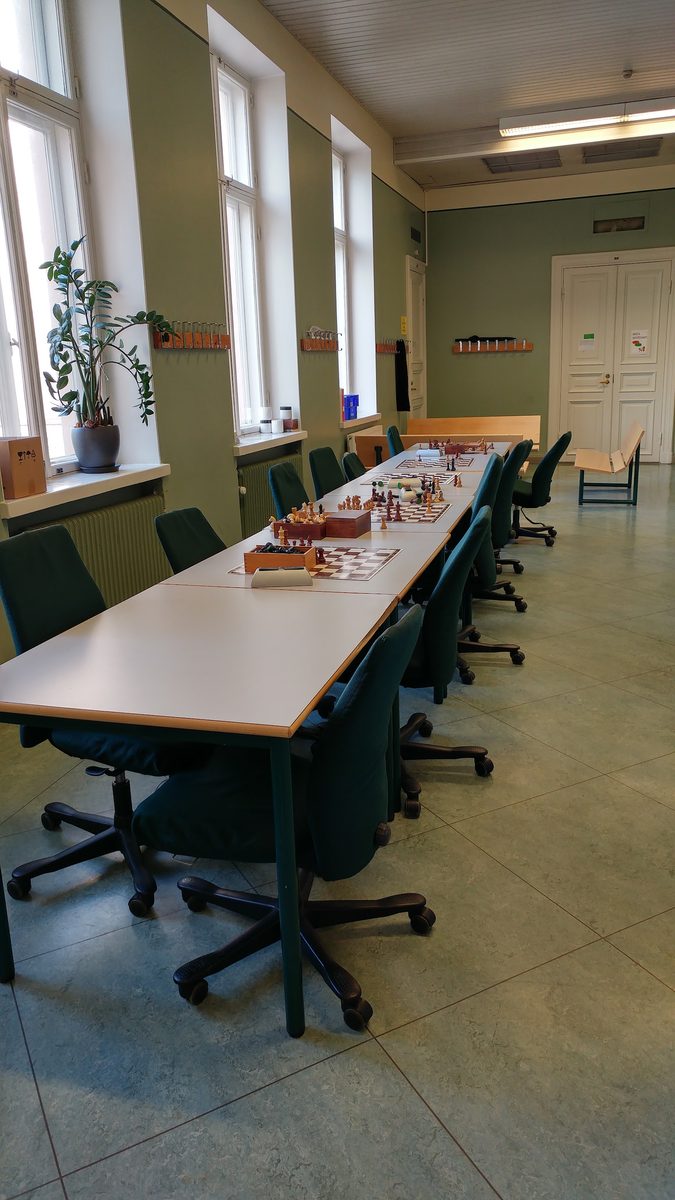
Ressun lukio
Helsinki · Finland
Since 1891 a pioneer beyond Latin, this central Helsinki lukio runs parallel Finnish and IB tracks for a competitive 120-seat intake.
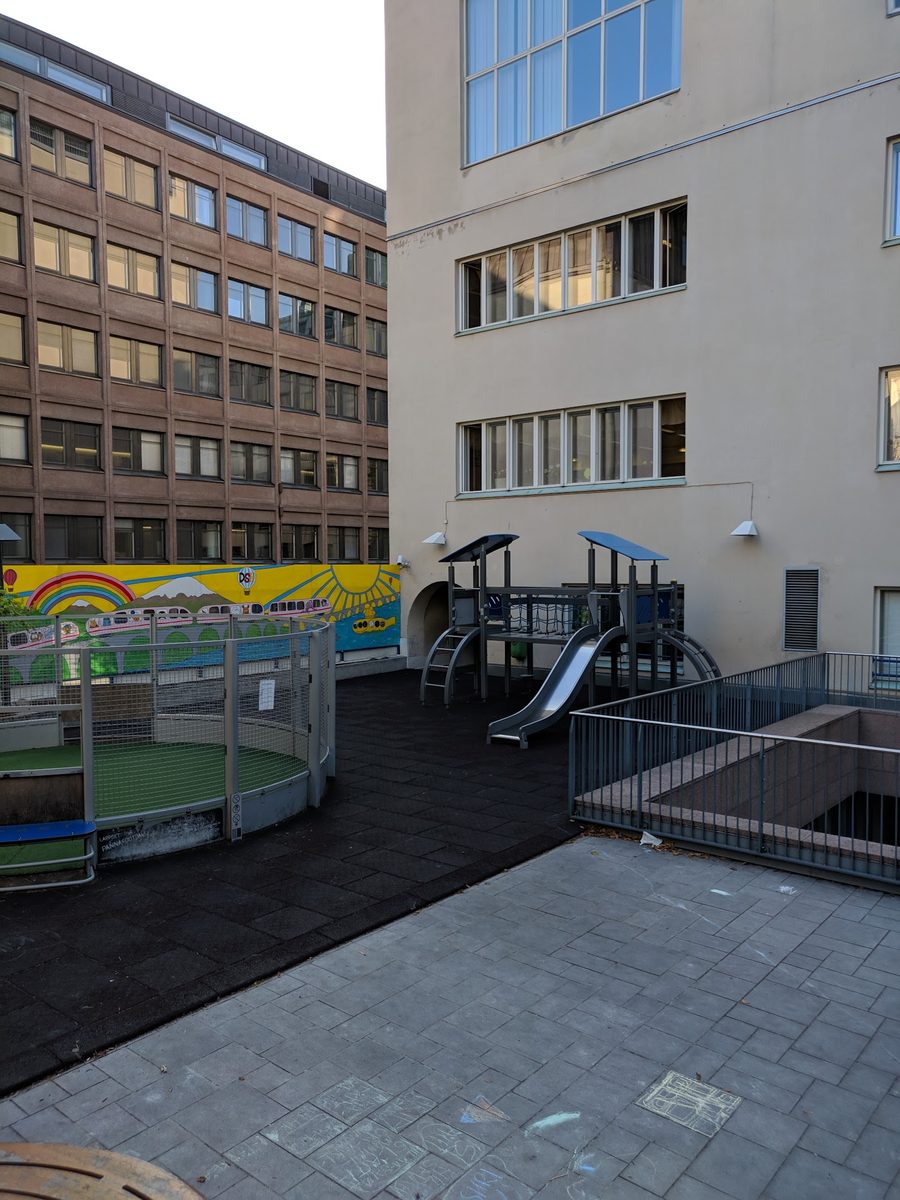
Deutsche Schule Helsinki
Helsinki · Finland
Founded in 1881 by German merchants, this Kamppi school now sends a mostly Finnish student body toward a dual Abitur-matriculation exit.
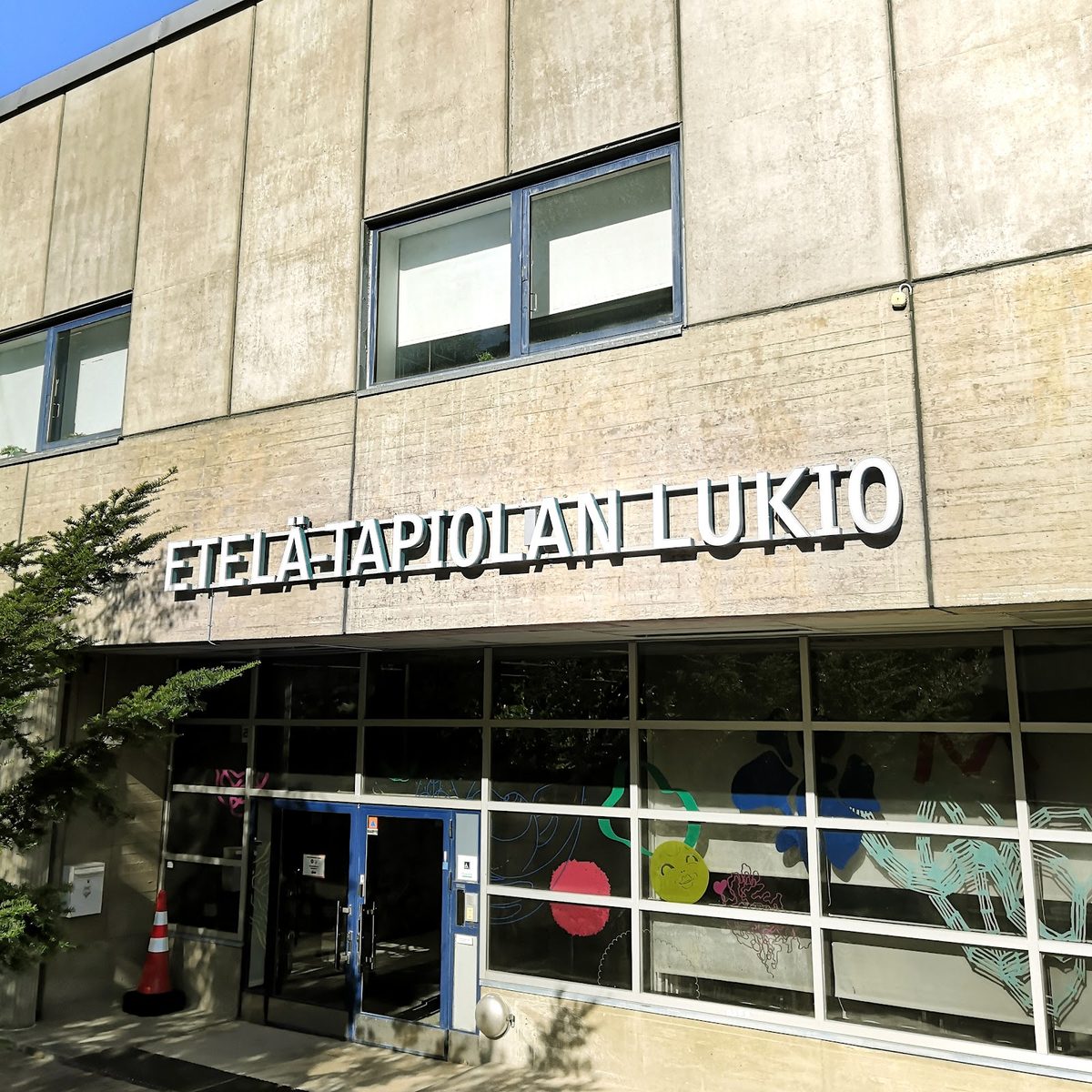
Etelä-Tapiolan lukio
Espoo · Finland
An economics-and-social-sciences lukio whose IB and Finnish streams share one ritual: a fall bootcamp in Nuuksio National Park
Sekolah Cikal Cilandak
Jakarta · Indonesia
South Jakarta's first competency-based school layers the IB onto an inclusion ethos built for children of all needs.
Same country and curriculum — closest matches within ±10 points either way