
Jakarta Selatan
Sekolah Cikal Cilandak
low confidence· 4/6 cats · 1.2 avg sourcesSouth Jakarta's first competency-based school layers the IB onto an inclusion ethos built for children of all needs.
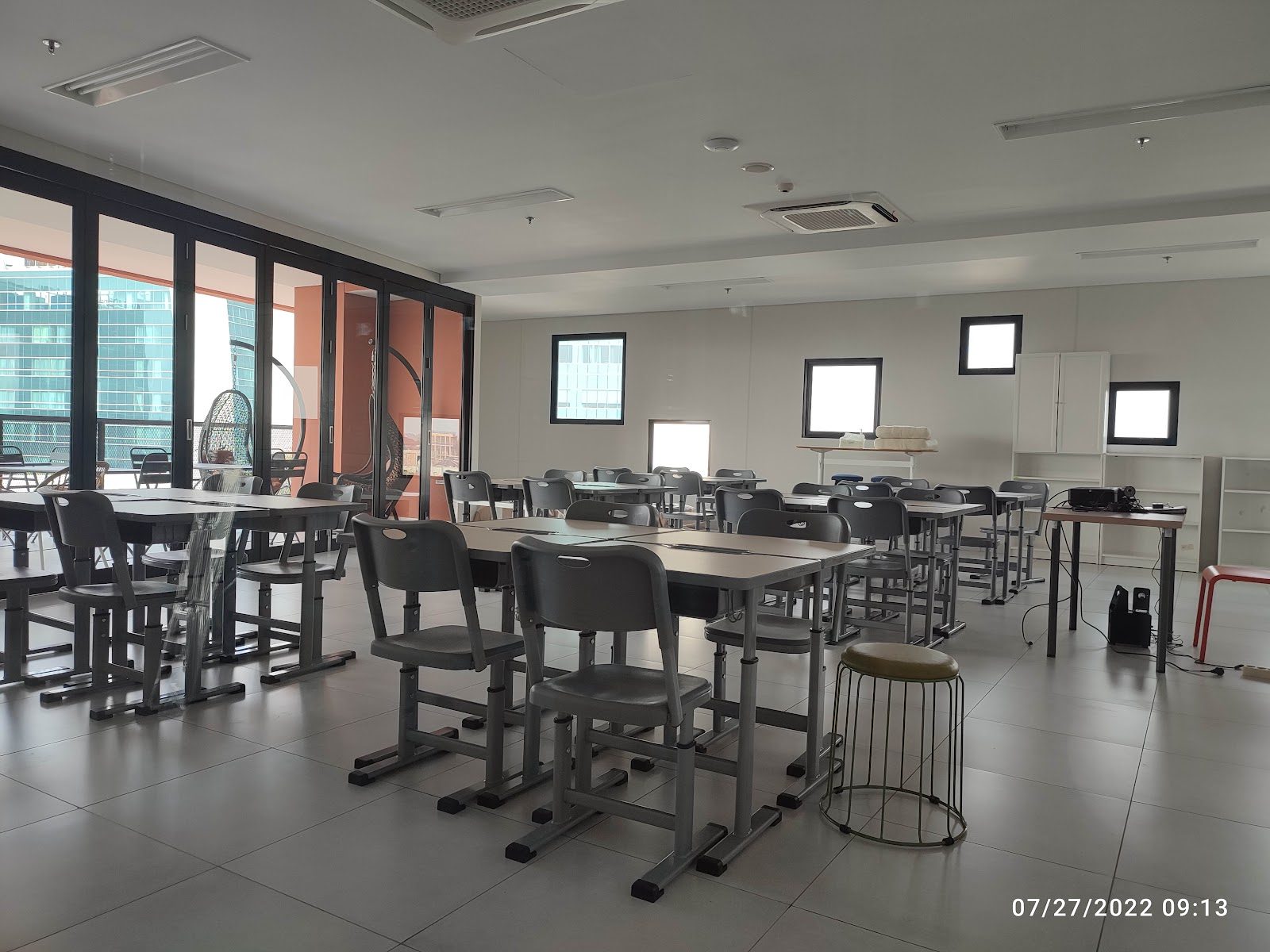
Photo © Aprin Kislina via Google Maps
Type
Day
Ages
2–18
Curriculum
IB
Qualifications
IB Diploma · IB MYP · IB PYP
Ratio
—
The Verdict
Editor's commitment
Right for
Jakarta families wanting a 1999-founded day school with IB, CIS accreditation and English-Indonesian teaching anchored in inclusion.
Wrong for
Parents seeking a narrow exam factory, a religious ethos, or boarding; Sekolah Cikal Cilandak is non-religious, day-only and inclusion-led.
Watch out for
The school states inclusion and special-needs support, but does not publish aggregate IB results; verify how support works from ages 2–18.
Ranking breakdown
Sekolah Cikal Cilandak · #1326 of 1591
Composite score 54.7. 8 weighted criteria.
By criterion
Academic Outcomes
Weight 20%
#1299
of 1529 scored
University Placement
Weight 16%
#1300
of 1529 scored
Prestige & Heritage
Weight 12%
#1357
of 1571 scored
Alumni Network
Weight 12%
#995
of 1530 scored
Facilities
Weight 12%
#1297
of 1533 scored
Transparency & Communications
Weight 8%
#1293
of 1532 scored
Peer & Industry Review
Weight 10%
#1108
of 1548 scored
Admissions Selectivity & Demand
Weight 8%
#1156
of 1529 scored
Peer & Industry Review
How Sekolah Cikal Cilandak is regarded in the sector
60
Respected · low confidence
Cikal is regularly cited in Jakarta expat-parent forums and local media (e.g., Jakarta Globe, The Jakarta Post) as one of the well-known national-plus schools, and its founder Najelaa Shihab is a recognized figure in Indonesian education circles, lending credibility. However, it lacks the kind of specialist press coverage (Tatler, Good Schools Guide, Times rankings) or international peer benchmarking that top-tier Jakarta international schools (e.g., JIS, BSJ) receive, suggesting a solid but regionally bounded reputation.
Evidence sources
Editors' overview
Sekolah Cikal Cilandak occupies a distinct place in the South Jakarta market. Founded in 1999, it was built around competency-based learning before that language became fashionable, and it still treats that framework as the spine of the school. The differentiator is not simply that it offers the IB across a 2–18 age range, but that it layers the IB onto a longstanding inclusion agenda: special needs support, personalised programmes, and a declared commitment to addressing each student’s learning needs sit at the centre of the school’s identity, not at the margins. In a city where many schools still organise themselves around standardisation, Cikal has chosen a different kind of ambition: student development measured in competencies, reflection, and individual growth. That gives it a clear educational point of view.
What makes it shortlist-worthy is the coherence of the model. Cikal talks in its own language — 5Cs, 5 Stars Competencies, talent growth, system growth — and, for once, the internal framework is not decorative branding but the organising logic of the school. Parents who want a school with a fixed academic script and a narrow definition of success may find that irritating. Parents who want serious inclusion, thoughtful personalisation, and a school that treats learning as more than exam delivery will find substance here. The bilingual setting — English and Indonesian — also matters in Jakarta: it gives the school stronger local rootedness than many international competitors while retaining an international curriculum and the credibility of 2 major accreditations, IB World School and CIS.
The best fit is a student who benefits from flexibility, close attention, and a school culture that values voice, reflection and collaboration. Children with uneven profiles, strong interests, or support needs fit this model well. So do families who want their children educated in a non-religious environment with a humane centre of gravity and *room to grow without being squeezed into one mould*. The weaker fit is the family chasing a hard-edged, exam-industrial atmosphere or a prestige school that trades on selective opacity and relentless competition. Cikal Cilandak offers something more unusual in Jakarta: an inclusion-first school with an established educational philosophy, broad age coverage, and enough maturity to make that philosophy more than a slogan.
Academic Performance
Sekolah Cikal Cilandak does not publish the basic external-results data that serious comparison requires. We have not seen aggregate IB scores, diploma pass rates, subject averages, score distributions, or destination figures broken out for this campus. That leaves parents without the usual markers for judging sixth-form strength against Jakarta competitors. In a market where many schools use headline exam numbers as proof of academic muscle, this level of opacity is a real weakness. It does not invalidate the school’s academic programme; it does block any clean claim that the school sits among the city’s exam-heavy front-runners.
Where Cikal fits, then, rests less on published scoreboards than on educational design. The school’s own language centres on competencies, personalised programmes, reflection and support for different learning needs. That points to a model that prizes student growth over public score-chasing. For the right family, that is a serious strength. For families who want hard evidence of top-end academic output, it is an unsatisfactory gap. Relative to peers, Cikal reads as a school where inclusion and individual development drive the academic experience, rather than one that markets itself through single-number triumphs. Until the school publishes campus-level outcomes, it remains difficult to place with precision in the upper tier of Jakarta IB schools on examination performance alone.
Facilities
The most consequential facilities here are the ones tied to support, not spectacle. Cikal states that it provides special-needs student support facilities as part of its core offer, and that matters more than another glossy atrium or oversized sports hall. For families choosing this school, the practical value lies in spaces and systems that allow children with different profiles to participate fully in school life. The school also runs daycare and has built personalised programmes into its operating model, which points to an infrastructure designed around age-range continuity and individual support rather than showpiece hardware. That sets Cilandak apart from Jakarta peers that talk inclusion but still organise their campuses around the mainstream child. What we have not seen is a clear public account of specialist rooms, laboratories, theatre provision, sports inventory or campus acreage. That absence leaves the physical plant hard to audit.
Against peer schools, then, Cikal’s facilities case rests on function and fit, not brute scale. Families looking for the country-club campus version of international schooling may find richer sports and arts complexes elsewhere. Families who care more about whether a school can actually accommodate a child’s needs will read the priorities differently. The school’s own ecosystem extends beyond classrooms into teacher development and wider learning communities, which gives the campus a more purposeful identity than schools that rely on architecture to do the talking. Still, without published detail on core teaching and co-curricular spaces across the 2–18 range, this remains a campus whose support infrastructure is easier to trust than its full physical specification.
Sekolah Cikal Cilandak occupies a distinct place in the South Jakarta market
Prestige
Sekolah Cikal Cilandak carries selective prestige, not mass-market prestige. In Jakarta, its name holds weight with parents who follow education closely, especially those who care about inclusion, child development and a school with an articulated philosophy rather than a luxury shell. Cikal’s distinction rests on educational identity: it built an entire ecosystem around the 5Cs, 5 Stars Competencies, personalised programmes and special-needs support, then extended that into a full school pathway. That gives it intellectual credibility and a recognisable point of difference. The network effect also matters. Cikal has grown beyond a single campus into multiple locations and related education ventures, including teacher development, which strengthens its standing among families who value serious educational intent over social display.
That said, this is not the kind of prestige built on public exam domination, old-money ritual or aggressive exclusivity. It does not occupy the status-anxiety end of the market. Its reputation is stronger among thoughtful, locally rooted and education-literate families than among parents hunting for the most instantly legible badge. The absence of published campus-level outcomes trims its prestige ceiling, because elite status in this segment still depends in part on visible academic proof. So the school lands in a narrower but more durable category: respected rather than idolised, influential in educational circles, and attractive to families who want substance before gloss. For the right audience, that is real prestige; for families chasing pure social cachet, it is not.
Sekolah Cikal Cilandak does not publish the basic external-results data that serious comparison requires
Communications
Cikal communicates like a school with a theory of education, not a school that relies on admin notices alone. The public-facing structure is extensive: separate navigation for learning phases, inclusion, publications, events, newsletters, blogs, FAQs, guest book, careers and enrolment, alongside repeated explanations of the school’s internal framework. That breadth tells parents two things. First, the school expects families to engage with how and why it teaches, not just where to park and when term starts. Second, it has built a high-verbal culture around its work. For families who value educational substance, that is useful and reassuring. For families who want fast, stripped-back clarity, it can feel dense and at times over-engineered.
The effectiveness is mixed. Cikal is strong at broadcasting philosophy, ecosystem and intent; it is weaker at publishing the hard operational and outcome data many parents use to judge a school quickly. The site gives abundant language about community, reflection and competencies, plus visible channels for news and contact, but less plain evidence on matters such as academic results, campus-by-campus specifics and the exact mechanics of support. That matters because communication is not only tone; it is disclosure. A school serving children across 2 to 18 and running more than 1 programme stream needs communication that is lucid, not just earnest. Cikal clears the mission test. It does not yet clear the transparency test with the same force.
Uniqueness
What marks Cikal out is that it did not bolt inclusion onto a conventional school model after the fact. Inclusion sits in the machinery: special-needs support, personalised programmes, daycare, teacher development, and an internal framework that links student growth to system design. That gives the school a rare degree of coherence. Many schools talk about the whole child, then run on a narrow academic script. Cikal built its own script instead. The language can be heavy with house terminology — 5Cs and 5 Stars competencies — but the underlying proposition is concrete: students are not treated as a standardised batch moving at one pace in one shape. For children with uneven development, strong interests, or support needs, that is genuinely valuable. It also gives the school a clear moral seriousness that many competitors lack.
The benefit to students is practical as much as philosophical. A child who thrives outside a rigid mainstream track gets more room to develop without being cast as a problem to fix. A child who needs challenge in one area and support in another fits the model better than in schools built around uniformity. The wider Cikal ecosystem strengthens this further; a school that invests in teacher learning as well as student learning is more capable of sustaining thoughtful practice instead of slogans. This does not suit families who want a hard-edged hierarchy of winners and losers. It suits families who want a school organised around human variation, and disciplined enough to make that work.
Sekolah Cikal Cilandak carries selective prestige, not mass-market prestige
Student Profile
The best fit is a child who does not thrive in a narrow, one-pace school culture. Cikal suits students with uneven profiles, strong interests, learning differences, or a need for adults to pay close attention to how they learn rather than just what they score. Its own framework centres on growth, reflection and competencies, and that gives the student body a different centre of gravity from schools built around ranking and pressure. Expect families who value inclusion as practice, not slogan; who want their children known well; and who accept that education here asks for engagement, not passive outsourcing. The age span from 2 to 18 also creates a through-school feel that can suit children who benefit from continuity rather than repeated institutional resets.
The weaker fit is the child who wants a hard-charging competitive pecking order or the family that treats school as an exam-production machine with a social badge attached. Students who flourish on visible hierarchy, public comparison and a constant race for top marks will find stronger alignment elsewhere. Cikal’s culture works better for children who need room to develop at different speeds, who respond to thoughtful adult support, and who gain confidence from a school that accommodates variation instead of punishing it. That does not make the student body soft. It makes it more mixed, more human, and less uniform than the standard premium-school mould.
For families who want hard evidence of top-end academic output, it is an unsatisfactory gap
Co-curricular strengths
Arts & sport, on a separate axis
Overall 8.04/10
Scored 0-10 from the school's own published evidence. This axis is editorial-only — it does not feed the main WTS ranking.
Sports
8/10
Drama
8/10
Dance
8/10
Music
8/10
Visual Arts
8.2/10
Editor first-pass · editor-reviewable · 7/30/2026
Strengths
- +Sekolah Cikal is an authorised IB World School, giving structured continuity from Primary Years through to the Diploma Programme.
- +Founded in 2007 by Najelaa Shihab, a recognised Indonesian education reform advocate, giving the school a distinct pedagogical identity rather than a generic franchise model.
- +Part of a multi-campus network across Jakarta and Surabaya, which can ease transitions for families relocating within Indonesia.
- +Bilingual Indonesian-English instruction supports both local integration and international curriculum pathways, useful for mixed-heritage or returning Indonesian families.
- +Long-standing presence (over 15 years) among Jakarta's national-plus schools gives it more institutional track record than many newer entrants.
Considerations
- −Less internationally recognised among relocating expat families compared to Jakarta's longer-established international schools such as JIS or BSJ.
- −As a national-plus school, the student body is likely to be predominantly Indonesian nationals rather than a broad international mix, which matters to some expat families.
- −Public information on fees, class sizes and university placement outcomes is less detailed and less independently verified than at higher-tier international schools.
- −Cilandak campus sits in South Jakarta, meaning families based in other parts of the greater Jakarta area may face significant commute times given the city's traffic.
Availability
Primary entry gate & tests
Academic Record
Gallery
Photo © Satya W via Google Maps
Photo © Satya W via Google Maps
Photo © Sekolah Cikal Lebak Bulus via Google Maps
Photo © Sekolah Cikal Lebak Bulus via Google Maps
Photo © Sekolah Cikal Lebak Bulus via Google Maps
Parent reviews
Have you sent your child here?
Voice reviews carry the strongest trust badge — we transcribe them for you to tidy up before they go live. Prefer to type? A written review is fine too.
Add your voice
In 60 seconds, tell other parents: what's the best thing about Sekolah Cikal Cilandak, and what surprised you when your child joined?
We ask for a Google sign-in so every review has a real face behind it — no anonymous drive-by attacks on schools, and no faked positive reviews. Your email is never shown publicly.
Send this profile to a friend
International parents rely on word-of-mouth. Share this review with someone weighing the same decision.
Schools with places
Similar schools to Sekolah Cikal Cilandak with places available now.
Availability first, then country, area, curriculum, price, co-curricular
Consider also
Also worth looking at alongside Sekolah Cikal Cilandak.
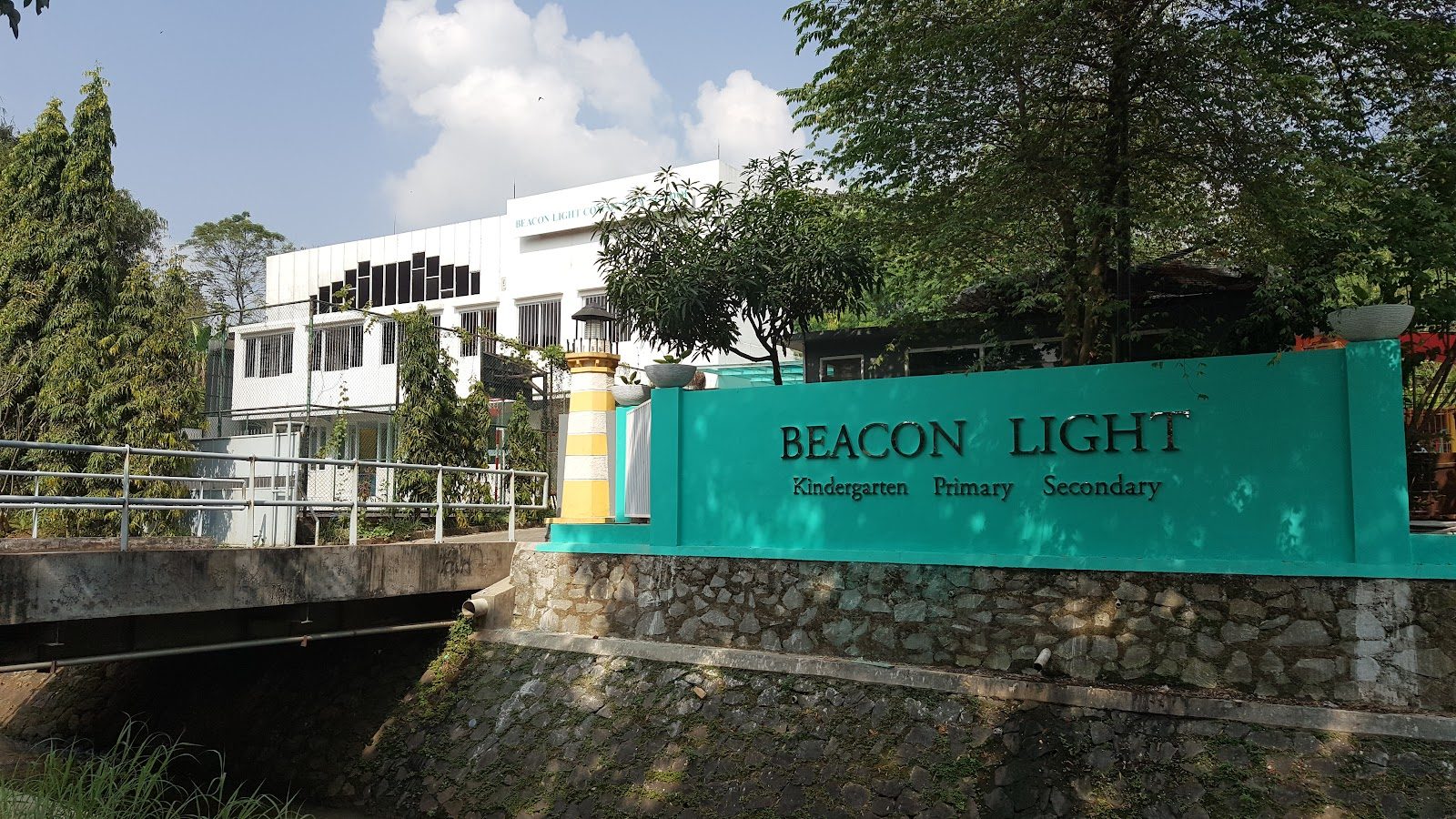
Beacon Academy
South Tangerang · Indonesia
A South Tangerang IB day school built on inquiry-driven learning and a service-first take on student leadership.
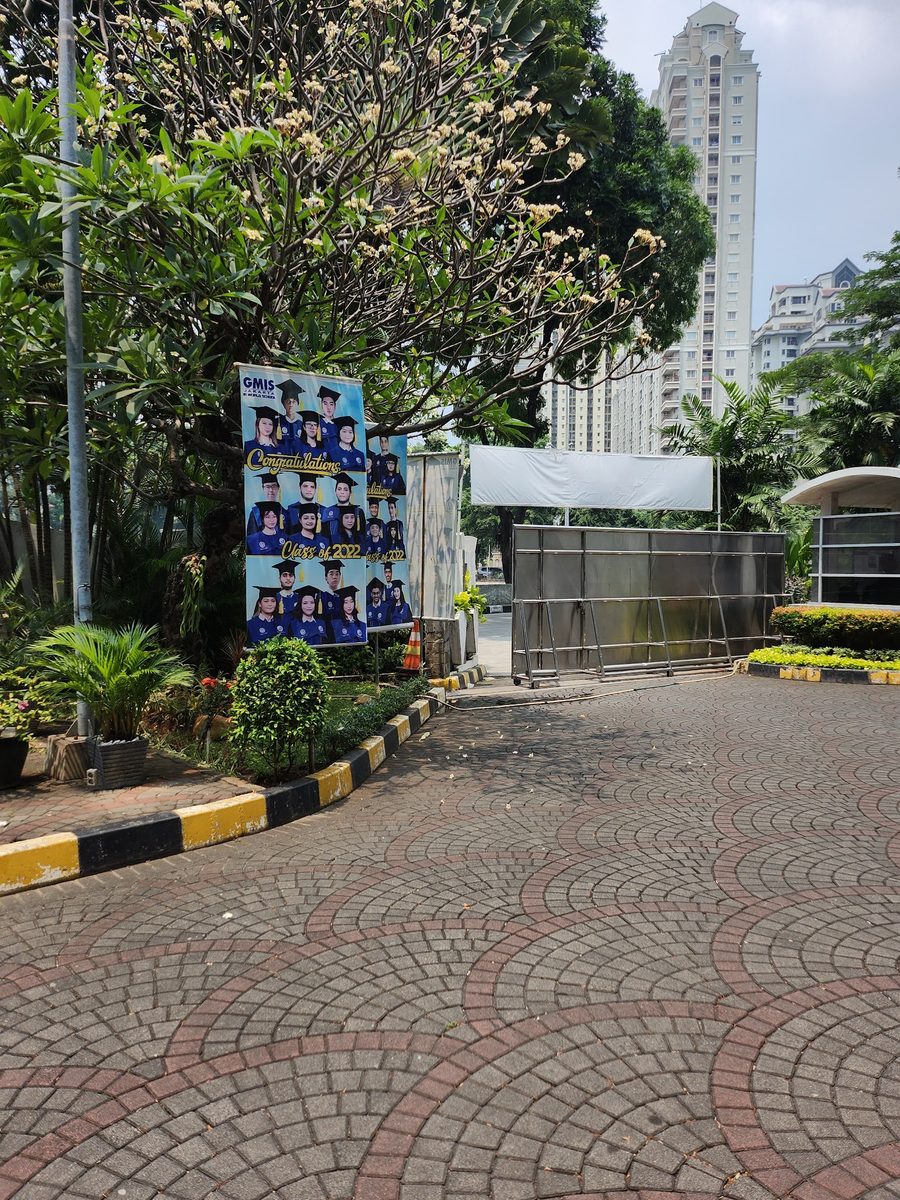
Gandhi Memorial Intercontinental School
Jakarta · Indonesia
Indonesia's oldest international school, where Gandhian ethics meet Pancasila values under an IB banner in central Jakarta.
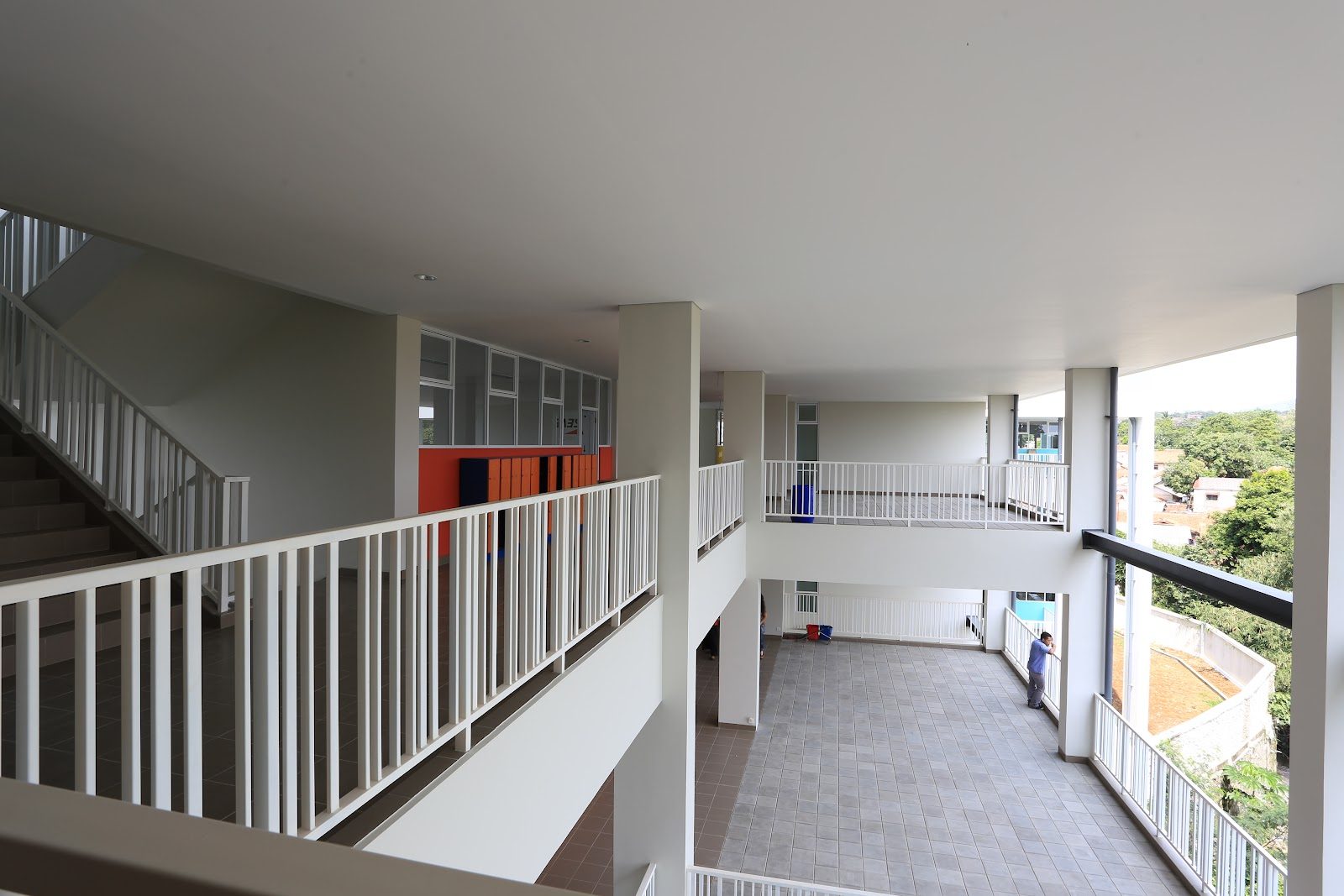
Sekolah Bogor Raya
Bogor · Indonesia
Set beside Bogor's lakeside estate, an SPK school braids the full IB continuum, Cambridge IGCSE and worship across five faiths.
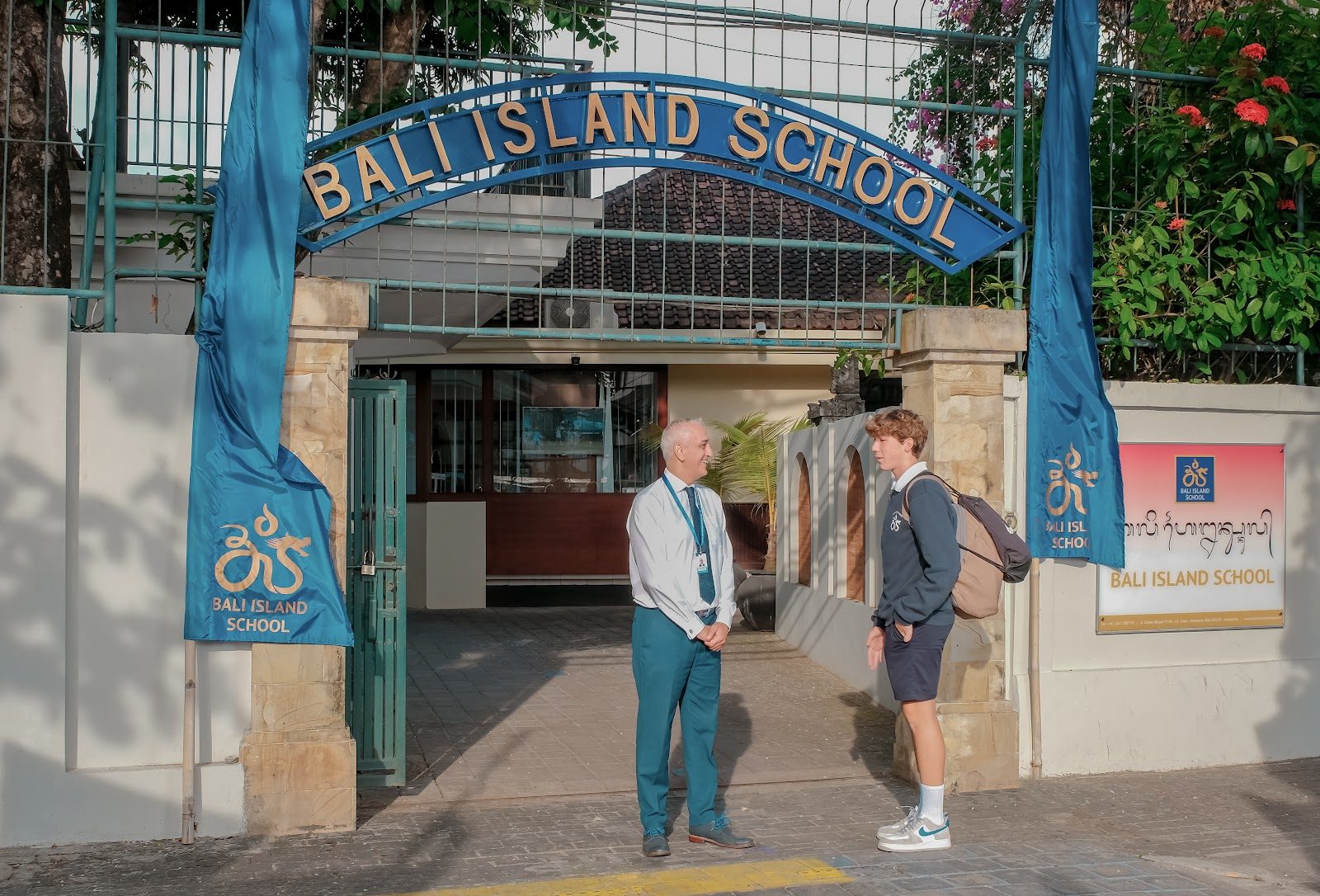
Bali Island School
Denpasar · Indonesia
Amid Sanur's temple lanes, this Denpasar campus has run the island's only full IB continuum since 1985.
Same country and curriculum — closest matches within ±10 points either way