
Sintra
Carlucci American International School of Lisbon
high confidence· 5/6 cats · 2.83 avg sourcesThe Iberian Peninsula's oldest American school pairs a U.S. diploma with the IB from its Sintra hillside campus.
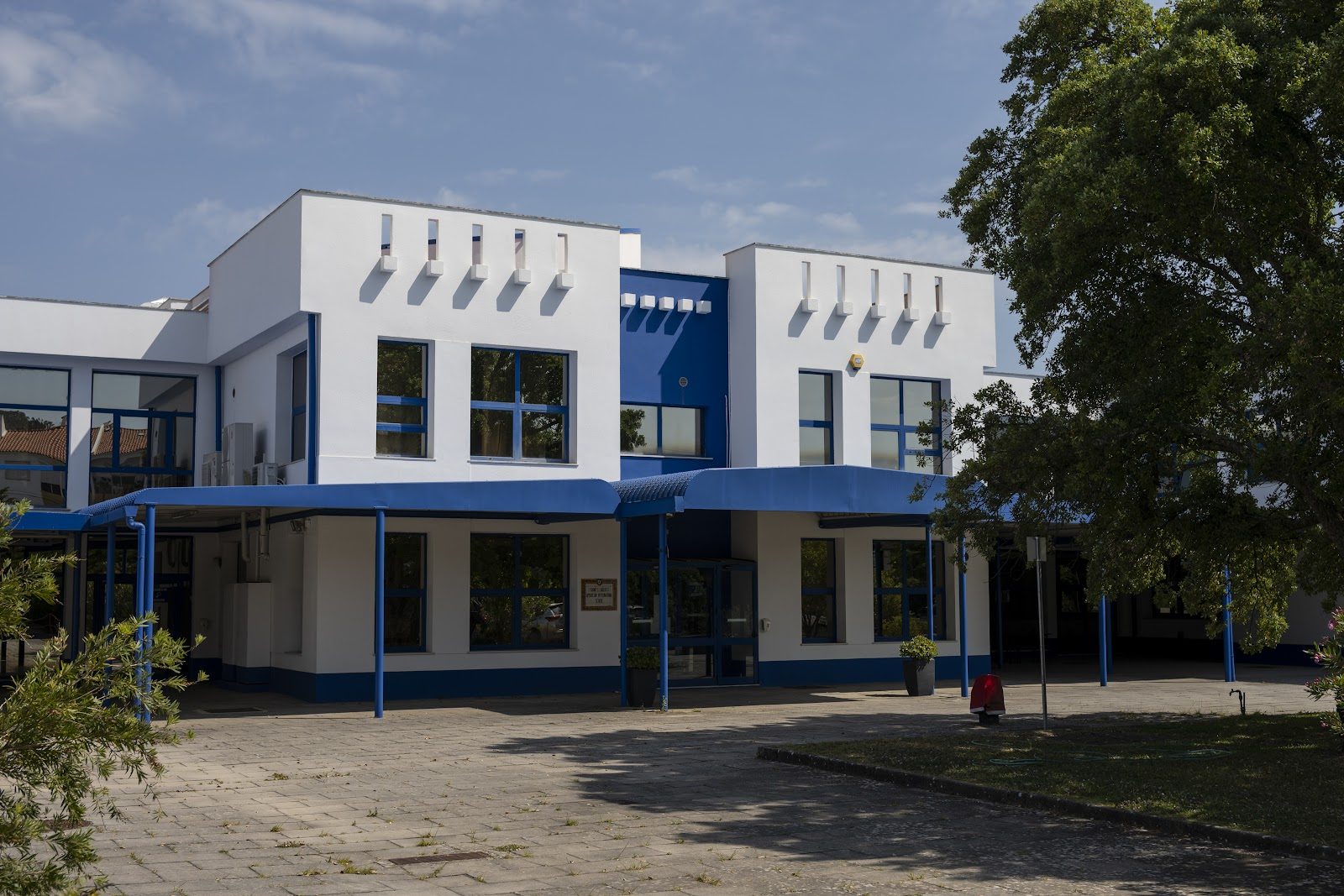
Photo © Carlucci American International School of Lisbon via Google Maps
Type
Day
Ages
3–18
Curriculum
American
Qualifications
AP · IB Diploma
Ratio
—
The Verdict
Editor's commitment
Right for
Families wanting Lisbon’s oldest American school, founded in 1956, with English teaching and an American curriculum from ages 3–18.
Wrong for
Parents set on boarding, religious formation or a British curriculum; CAISL is day-only, secular, and its recent destinations include King’s College London.
Watch out for
The average annual fee is €16,621, and the school cites over 700 pupils; ask how that scale shapes access, challenge and sixth-form outcomes.
Ranking breakdown
Carlucci American International School of Lisbon · #156 of 1591
Composite score 75.6. 8 weighted criteria.
By criterion
Academic Outcomes
Weight 20%
#183
of 1529 scored
University Placement
Weight 16%
#136
of 1529 scored
Prestige & Heritage
Weight 12%
#188
of 1571 scored
Alumni Network
Weight 12%
#158
of 1530 scored
Facilities
Weight 12%
#339
of 1533 scored
Transparency & Communications
Weight 8%
#41
of 1532 scored
Peer & Industry Review
Weight 10%
#221
of 1548 scored
Admissions Selectivity & Demand
Weight 8%
#991
of 1529 scored
Score history
Carlucci American International School of Lisbon · 2026
Movement across 2024–2026. Peer average overlaid.
Overall — 2024–2026
75.6/ 100
▲ +28.4 vs 2025
year on year
Peer & Industry Review
How Carlucci American International School of Lisbon is regarded in the sector
60
Respected · low confidence
Carlucci American International School of Lisbon is regularly cited in expat-parent forums (e.g., InterNations, Reddit r/Lisbon expat threads) and international school directories (International Schools Database, ISC Research) as one of the established American curriculum options in Lisbon alongside St. Julian's and St. Dominic's, but it lacks coverage in Tatler, Good Schools Guide, or specialist education press benchmarking lists. Reputation appears solid but regional/niche rather than top-tier, reflecting its smaller size and lower profile compared to Lisbon's larger British-curriculum international schools.
Evidence sources
Editors' overview
Carlucci American International School of Lisbon occupies a rare slot in the market: an American day school in Portugal with real history, not a recent international entrant. Founded in 1956, it is the oldest American school on the Iberian Peninsula, and that matters. Schools with this kind of longevity tend to have a clearer institutional identity than newer competitors still assembling one. CAISL’s version is straightforward: English-medium, American in curriculum, non-religious, and built around a campus in Linhó that brings together arts, academics and athletics in one place. The school’s own language leans hard on belonging and the “whole child”; stripped of the brochure gloss, the substantive point is that CAISL wants breadth, not a narrow exam factory. For families who want a stable, all-through international school from age 3 to 18, that has weight.
What makes it special is the combination of U.S. educational structure with Lisbon-area internationalism and a long local foothold. The school started with 9 pupils in a small apartment and now has over 700 students, which places it in a useful middle ground: big enough to offer range, small enough to avoid the impersonality that creeps into very large international schools. Its average annual day fee is €16,621, which puts it in the serious but not stratospheric bracket for an international school of this type. Recent destinations listed include King’s College London, Lancaster University and Goldsmiths, University of London. That is not a trophy-destination list designed to dazzle; it is a credible signal that students move on to recognised UK universities. Parents who need a school to publish a flood of aggregate outcomes data will find the picture thin. The school does not disclose a broad spread of destination or exam statistics here, so families comparing on hard outcomes alone will want sharper detail than CAISL currently puts into public view.
The pupil who will want CAISL is not the child chasing a hyper-pressurised, rank-obsessed atmosphere. This school suits internationally mobile families who want an American educational frame in English, a campus community with a strong social core, and room for sport and the arts alongside academics. It will also suit students who benefit from known-and-noticed school culture rather than anonymity. The less obvious caveat is that families seeking a sharply specialised academic brand, or the relentless intensity of the most selective British-style schools, may find CAISL’s balanced model too deliberately broad. On a Lisbon shortlist, though, it earns its place because it offers something distinct: a mature, long-established American international education with enough scale to feel complete and enough history to feel rooted.
Academic Performance
CAISL’s public picture on academic performance is thin where it matters most. We have not seen aggregate external examination results, no school-wide score profile is in the public domain, and the published university destinations are too sparse to carry a full outcomes case on their own. That places the school at a disadvantage against Lisbon-area competitors that publish IB averages, pass rates, subject highs or fuller destination lists. For a school asking parents to buy into a long-established academic model, that opacity is a real weakness. The recent destinations disclosed — a total of 3 named placements, all to recognised UK universities — point to credible progression, but not to a high-octane results brand.
Relative to peers, CAISL sits in the group of schools where families must judge academic quality through culture, structure and breadth rather than hard comparative data. That does not make the academics weak; it makes them harder to verify. The school talks consistently about challenge, balance and contribution, which fits an educational philosophy that values range over score-chasing. Parents who want a results-driven environment, with headline exam metrics and a sharper public account of top-end attainment, will find stronger transparency elsewhere. Parents who prize a broader school experience and can tolerate limited published outcomes data will read CAISL differently. In performance terms, then, this is not a market leader on disclosed results; it is a school with an under-evidenced academic story.
Facilities
CAISL’s strongest facility story lies in range rather than spectacle. The school points to labs, soccer fields, collaborative classrooms and dance studios, all brought together on a single purpose-built campus. That mix matters. Plenty of Lisbon-area international schools can show decent teaching rooms and outdoor space; fewer can credibly support science, sport and performing arts without feeling cramped or fragmented. For families who want a child’s week to move between academic work, team games and studio-based activity without endless compromise, that breadth is genuinely useful. The school’s all-through structure also strengthens the campus offer: specialist spaces serve pupils across the age range, which tends to make facilities feel well used rather than decorative.
Against peer schools, this is a solid, functional plant, not a trophy campus built to win on architectural drama alone. The key published signal is scale of use: what began with 9 pupils now serves over 700, which indicates facilities substantial enough to support a full day-school operation across all divisions. Still, the public picture lacks detail where sharper schools provide it. We have not seen a full breakdown of science provision, theatre capacity, library stock, indoor sports infrastructure or design-and-technology resources. That leaves CAISL short of the arms-race transparency some competitors now offer. The impression is of a campus that covers the essentials well and supports a balanced education competently, but does not publish enough hard detail to prove best-in-class provision.
Carlucci American International School of Lisbon occupies a rare slot in the market: an American day school in Portugal with real history, not a recent international entrant
Prestige
CAISL carries real prestige, but it is a specific kind of prestige. It does not trade on a grand British boarding legacy, a selective-exam mythology or a conveyor belt to global trophy universities. Its standing comes from durability, niche and official connection: this is the Iberian Peninsula’s oldest American school and the only U.S. State Department sponsored school in Portugal. In a crowded international market, that gives it a distinct institutional weight that newer schools cannot manufacture. The not-for-profit structure also matters. For many internationally mobile families, that reads as mission before margin. Add a student body of over 700, and the school lands in a useful category: large enough to feel established, small enough to retain community credibility.
That prestige has limits. CAISL is respected rather than glittering. The public case for elite academic status is weak because the school does not publish the kind of outcomes data that top-tier prestige schools use to prove their claims. Nor does the disclosed destinations list build an aura of relentless high achievement. So the value of a CAISL education lies less in status theatre and more in trust, continuity and recognisable American-school identity within Portugal. For families who want a school with history, a clear institutional shape and an international parent body, that has force. For families chasing bragging-rights prestige, it has less pull.
Founded in 1956, it is the oldest American school on the Iberian Peninsula, and that matters
Communications
CAISL communicates in the way many established all-through schools do: through a polished website, a strong visual identity and a steady emphasis on community life. The public-facing message is clear enough. Parents can grasp the school’s structure by division, its educational priorities and the broad shape of campus life without digging through clutter. The site gives each age phase its own space and keeps the central pitch consistent: children are known, challenged and included. That coherence matters. It tells parents the school has control of its message. It also helps that the school is not trying to sell ten different personalities at once. With a community of over 700 students, that kind of consistency is not trivial.
Where CAISL is less convincing is depth. The communications are confident on ethos and smooth on presentation, but thin on the hard information serious parents use to test a school’s claims. We have not seen a richer public account of academic outcomes, detailed destination patterns, or a granular explanation of how the school measures success across the age range. That weakens trust at the point where communications matter most: not attracting attention, but answering scrutiny. The result is effective brand communication and only partial parental communication. Families who value culture, belonging and day-to-day school atmosphere will get a usable picture. Families who want data, comparative evidence and operational detail will find gaps.
Uniqueness
What marks CAISL out is not novelty but institutional specificity. In a market full of schools that borrow bits of British, American and international branding, this one has a clean identity: an American school in Portugal with a long local foothold, a not-for-profit structure, and a formal tie to the U.S. diplomatic ecosystem through its status as the country’s only U.S. State Department sponsored school. That combination is rare and, for some families, decisive. It gives the school a clearer centre of gravity than many international competitors. Parents are not buying into a vague global-school formula; they are choosing a school with a defined tradition, a distinct community and a scale of over 700 pupils that still permits recognition over anonymity.
For students, that uniqueness brings practical benefits. A school with a settled identity can offer greater continuity for internationally mobile families, especially those who want a recognisable American educational culture without sending a child into a vast, corporate system. The school’s own emphasis on belonging is standard admissions language, but here it carries more weight because the institution has had decades to build norms, rituals and community habits rather than inventing them on the fly. That matters for children who need social anchoring as much as academic progression. The payoff is not flashy prestige or a hard-charging, exam-obsessed environment. It is a rooted internationalism: students learn in a diverse community that has enough history to feel stable and enough breadth to avoid becoming narrow.
Schools with this kind of longevity tend to have a clearer institutional identity than newer competitors still assembling one
Student Profile
The pupil who thrives here values breadth, routine and community over peacocking. This is a school for children who want to be known by name, not processed through a giant international machine. The school’s own account leans hard on belonging, and that points to a student body that includes mobile international families, diplomat-adjacent households and parents who want a socially coherent environment as much as an academic one. Children who like moving between classroom work, sport and the arts in the same week will fit the grain of the place. So will students who benefit from steady adult attention and a school culture that treats personal growth as part of the job, not an optional extra. With a roll of over 700, CAISL has enough scale for friendship groups and activity choice, but not the sprawl that lets quieter pupils vanish.
The weaker fit is just as clear. A child who wants a cut-throat, status-driven peer culture will not find much fuel here. Nor is this the obvious choice for families who define school quality through relentless public proof of elite outcomes. The better match is the student who wants an international peer group, a balanced weekly rhythm and a campus culture that feels socially anchored. For newcomers to Portugal, that has practical value. For highly self-directed, hyper-competitive teenagers, it may feel too deliberately even-tempered.
For families who want a stable, all-through international school from age 3 to 18, that has weight
Co-curricular strengths
Arts & sport, on a separate axis
Overall 7.66/10
Scored 0-10 from the school's own published evidence. This axis is editorial-only — it does not feed the main WTS ranking.
Sports
8/10
The extracurriculars explicitly list Football and Volleyball, showing a real but only lightly evidenced sports offering with no facilities, fixtures, tiers, or results described.
Drama
7.8/10
Drama productions, which indicates more than a bare listing because recurring productions are named.
Dance
5.5/10
Music
8.5/10
Choir and Jazz band are both explicitly listed, evidencing multiple named music ensembles and visible participation, though no dedicated facility, department, or competition results are given.
Visual Arts
8.5/10
Visual arts is explicitly named in the extracurriculars, but only as a bare listing.
Editor first-pass · editor-reviewable · 7/28/2026
Outcomes & destinations
Where students go next
Class of 2025
Top destinations
38 placements
- Goldsmiths, University of London· 1
- King's College London· 1
- Lancaster University· 1
- Loughborough University· 1
- Royal Academy of Music· 1
- University of Birmingham· 1
- University of Cambridge· 1
- University of Manchester· 1
- University of the Arts London· 1
- University of Warwick· 1
- Escola Superior de Comunicação Social· 1
- Instituto Universitário Egas Moniz· 1
- Instituto Superior Técnico· 1
- IPAM - Marketing Business School· 1
- ISCTE – Instituto Universitário de Lisboa· 1
- Universidade Católica· 1
- Universidade de Lisboa· 1
- Universidade Nova de Lisboa· 1
- CUNEF Universidad· 1
- ESADE Barcelona· 1
- IE University· 1
- RWTH Aachen University· 1
- Aarhus University· 1
- Malmö University· 1
- McGill University· 1
- Western University· 1
- Amsterdam University College· 1
- Erasmus University Rotterdam· 1
- Leiden University College· 1
- University College Utrecht· 1
- University of Amsterdam· 1
- Boston College· 1
- Georgetown University· 1
- High Point University· 1
- Northeastern University· 1
- SUNY Binghamton University· 1
- Texas Christian University· 1
- United States Military Academy - West Point· 1
Reported by the school. Confirm with admissions.
WTS 300 badge
2025/26 editionCarlucci American International School of Lisbon is one of the World's Top 300 Schools for 2025/26. Claim your listing to add it to your site →
Strengths
- +Founded in 1956, CAISL is the oldest American school in the Iberian Peninsula and the only school in Portugal assisted by the US State Department's Office of Overseas Schools.
- +Offers a dual-diploma pathway, awarding both the American High School Diploma and, in the final two years, the IB Diploma as an authorized IB World School.
- +Accredited by the Middle States Association and holds a permanent license from the Portuguese Ministry of Education, giving formal external validation of standards.
- +Draws a genuinely international community of roughly 700-750 students from more than 50 countries across PreK-12.
- +Runs an extensive school bus network linking the Linho/Sintra campus with Cascais and central Lisbon, easing commutes for families outside the immediate area.
Considerations
- −Campus is in Linho, Sintra, around 20 minutes from central Lisbon, meaning a real commute for families based in the city centre or Cascais without relying on the school bus.
- −Annual tuition runs from roughly EUR 12,000 to over EUR 23,000 depending on grade for 2025/26, a significant recurring cost before one-off fees.
- −Day school only, with no boarding option, so it is not viable for families seeking residential schooling.
- −The CAISL Scholarship is not currently available to new students, limiting financial-aid routes for incoming families.
Availability
Primary entry gate & tests
Academic Record
Gallery
Parent reviews
Have you sent your child here?
Voice reviews carry the strongest trust badge — we transcribe them for you to tidy up before they go live. Prefer to type? A written review is fine too.
Add your voice
In 60 seconds, tell other parents: what's the best thing about Carlucci American International School of Lisbon, and what surprised you when your child joined?
We ask for a Google sign-in so every review has a real face behind it — no anonymous drive-by attacks on schools, and no faked positive reviews. Your email is never shown publicly.
Send this profile to a friend
International parents rely on word-of-mouth. Share this review with someone weighing the same decision.
Schools with places
Similar schools to Carlucci American International School of Lisbon with places available now.
St. Julian's School
Carcavelos · Portugal
- 2026-27
- WAITPOOLMostly full / waitlist
- 2027-28
- PLACES OPEN
St Peter's International School
Palmela · Portugal
- 2026-27
- WAITPOOLSpace-dependent
- 2027-28
- PLACES OPENRolling
Availability first, then country, area, curriculum, price, co-curricular
Consider also
Also worth looking at alongside Carlucci American International School of Lisbon.
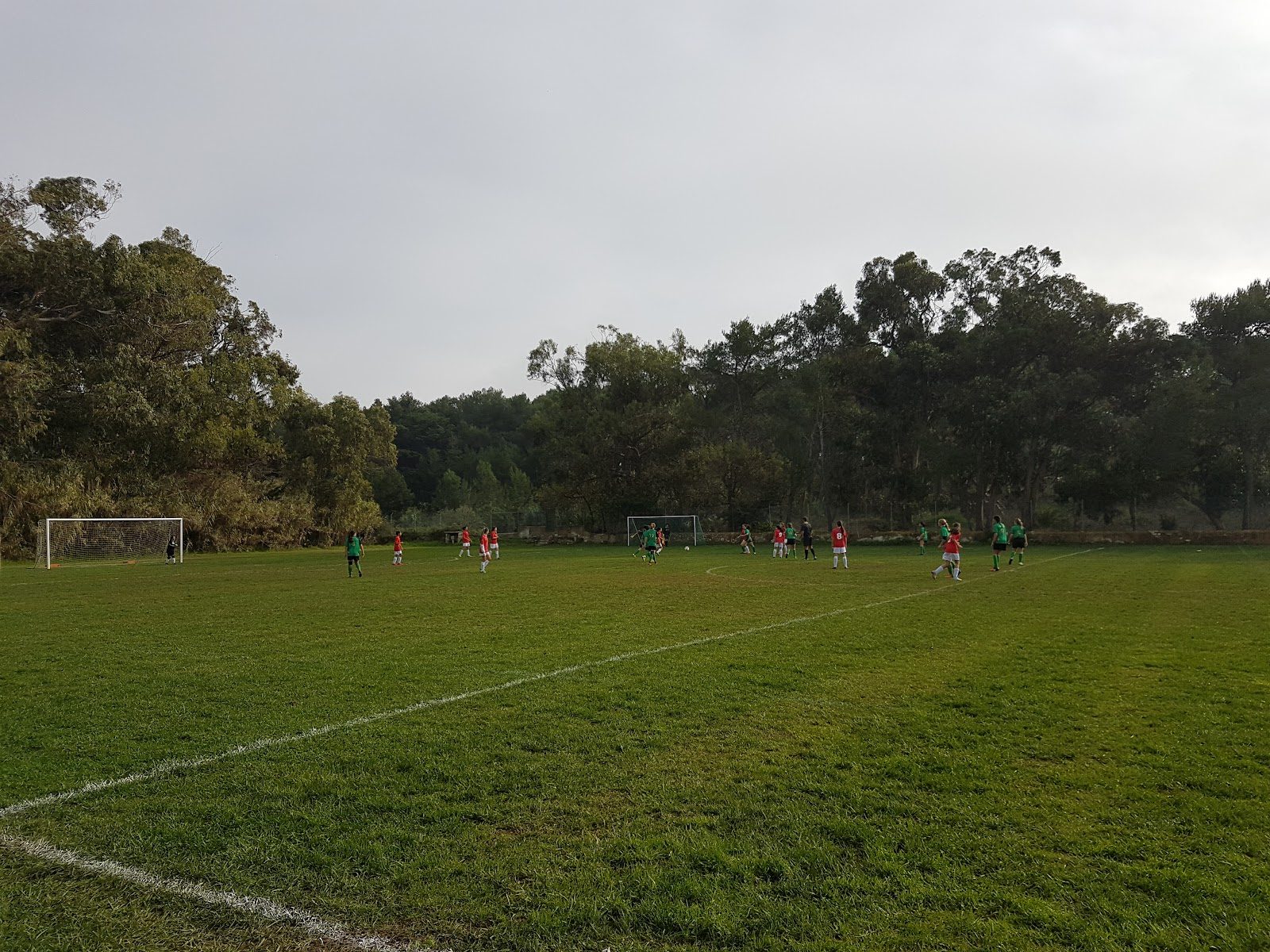
St. Julian's School
Carcavelos · Portugal
British curriculum since 1932 on a former transatlantic cable estate steps from Carcavelos beach, teaching bilingually since 1935.
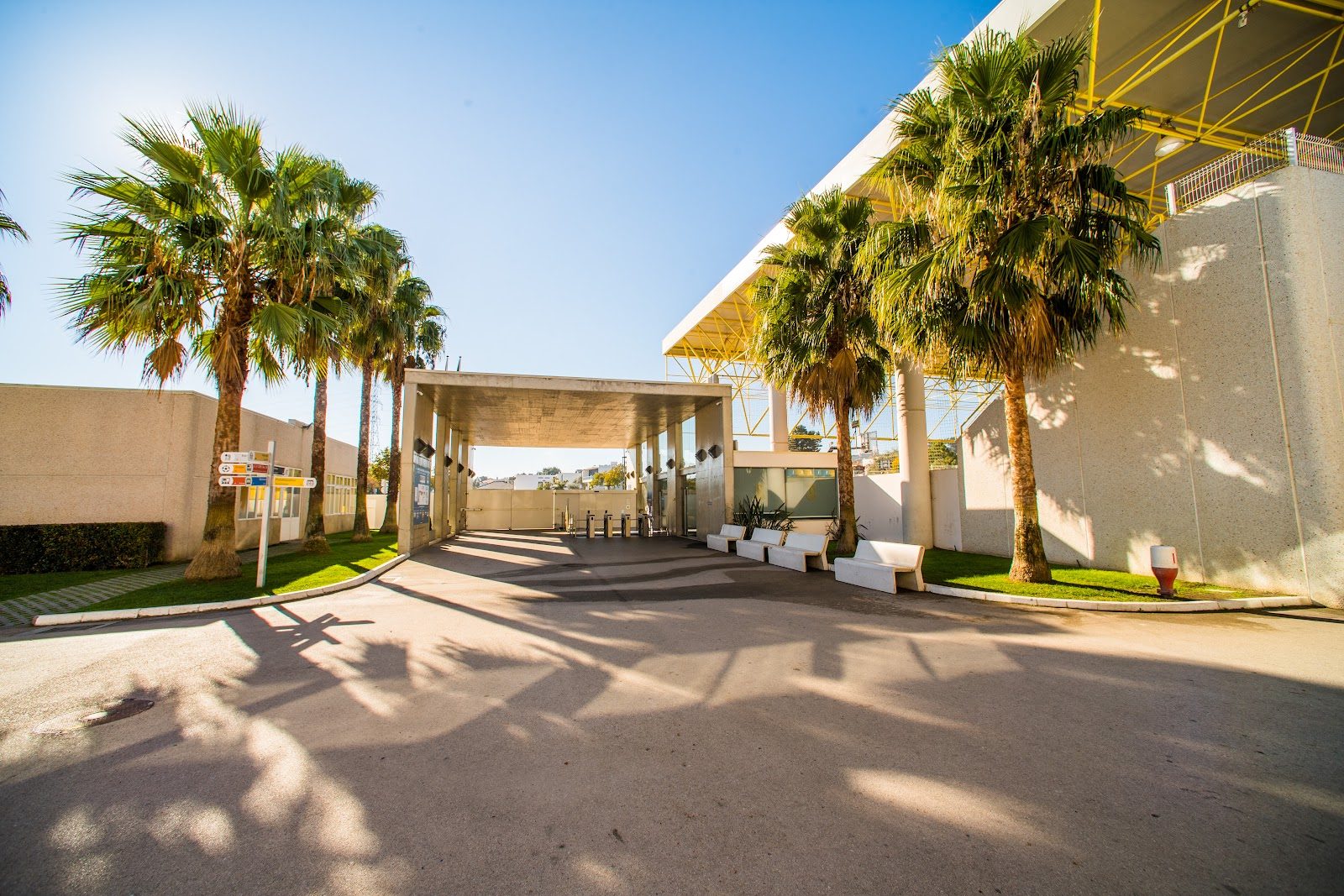
St Peter's International School
Palmela · Portugal
Between Lisbon and Comporta, twin pathways pair Portugal's national curriculum with British IGCSEs and the IB Diploma
Brunswick School
Greenwich · United States
An all-boys Greenwich day school since 1902, building character alongside a coeducational bond with Greenwich Academy.
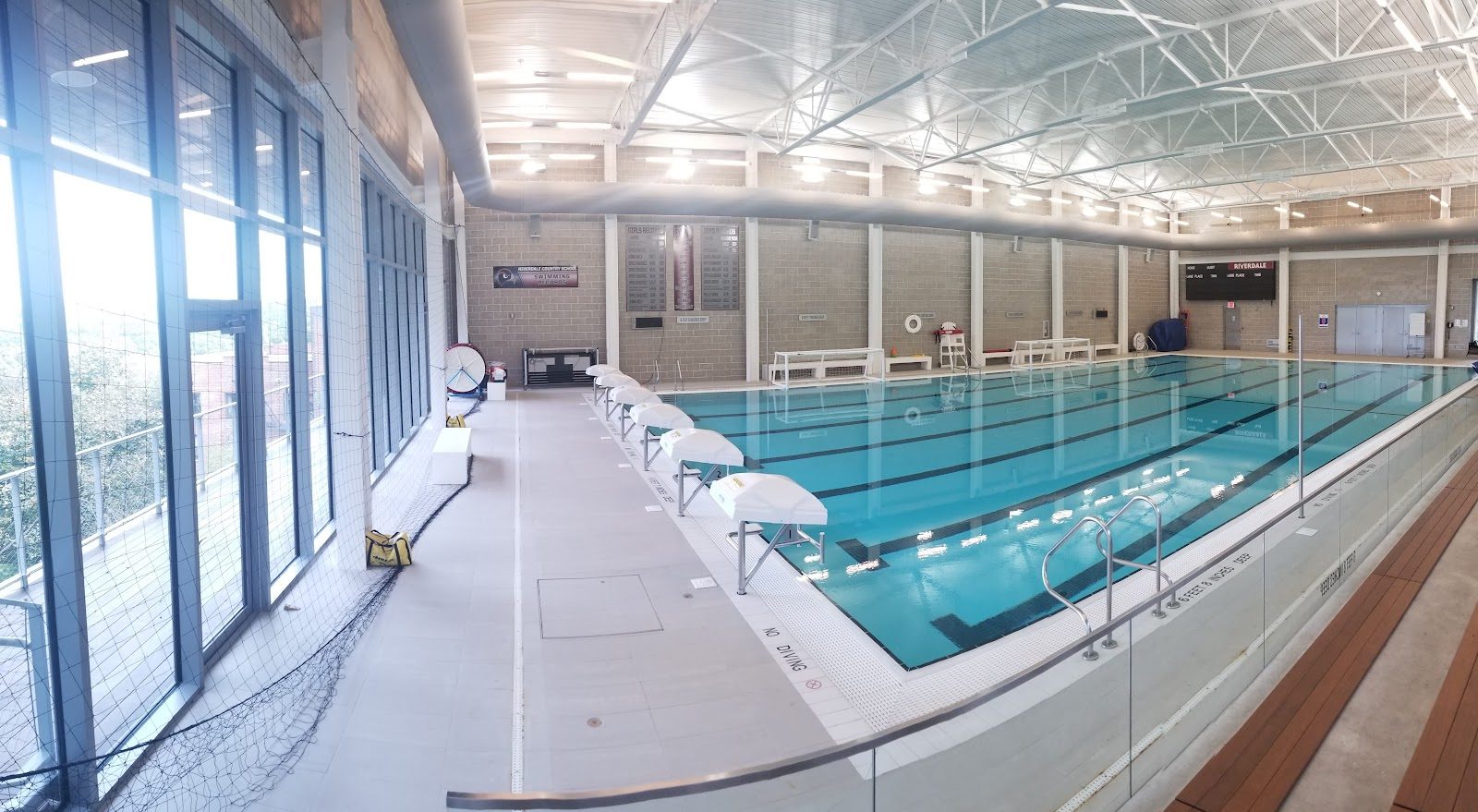
Riverdale Country School
New York City · United States
A century-old Bronx country day school split between a Hudson River campus and a Van Cortlandt Park hilltop, built on the motto Mind, Character, Community.
Same country and curriculum — closest matches within ±10 points either way