
New York
The only tuition-free Jesuit high school in America, drawing scholarship boys from across New York for a merit-based education.

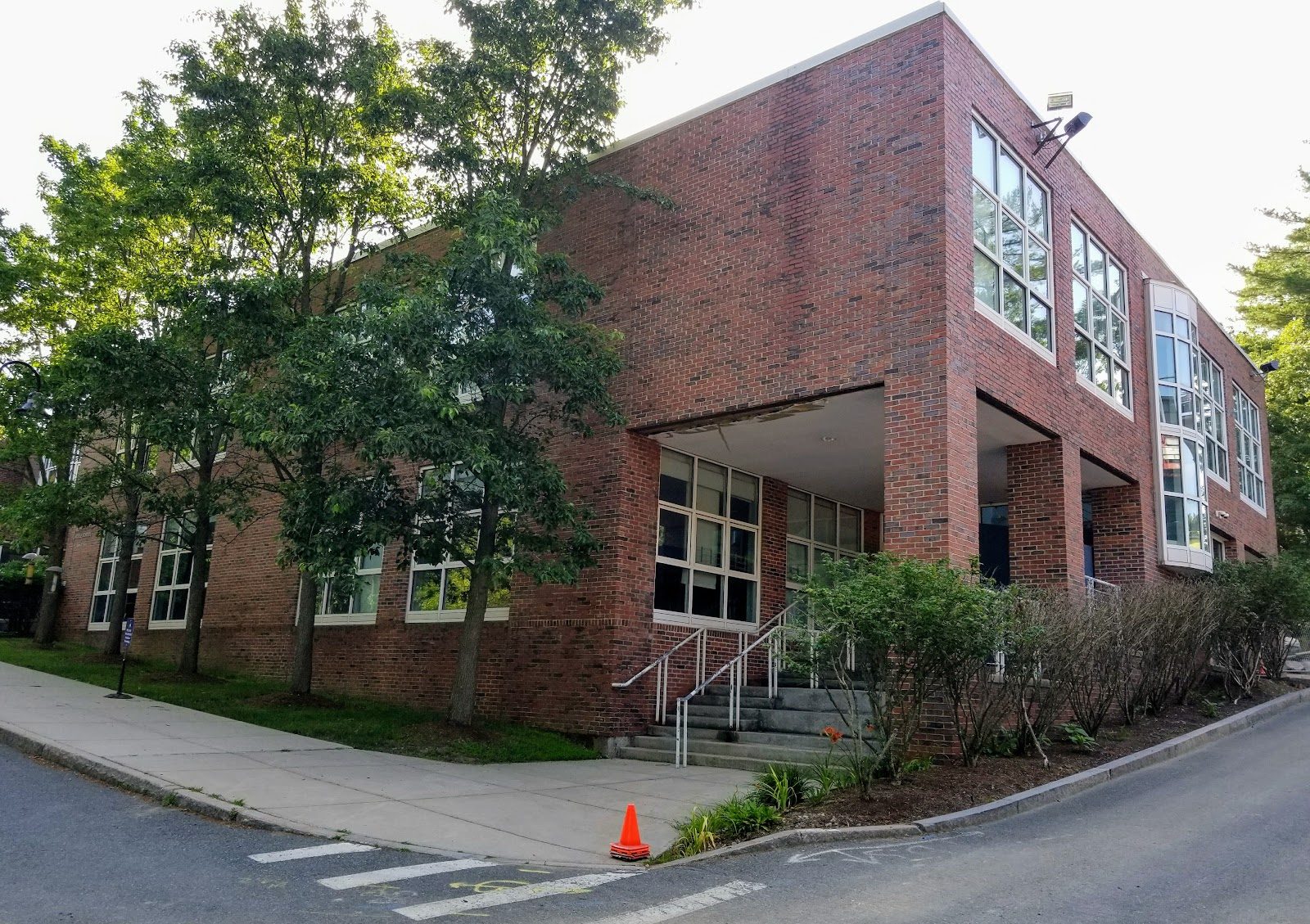
Photo © Janet Cugini via Google Maps
Type
Day
Ages
3–18
Curriculum
American
Qualifications
AP
Ratio
10:1
The Verdict
Editor's commitment
Right for
Bright Catholic boys who can win entry on merit: 540 pupils, 100% full scholarships, and a 10:1 ratio keep standards high.
Wrong for
Girls, boarders, and families wanting a local catchment school; Regis is boys-only, day-only, and draws commuters from 219 zip codes.
Watch out for
The haul is real: the average commute is 53 minutes each way, and 37,500 service hours signal a school that demands commitment.
Ranking breakdown
Regis High School · #118 of 1591
Composite score 77.1. 8 weighted criteria.
By criterion
Academic Outcomes
Weight 20%
#43
of 1529 scored
University Placement
Weight 16%
#41
of 1529 scored
Prestige & Heritage
Weight 12%
#212
of 1571 scored
Alumni Network
Weight 12%
#158
of 1530 scored
Facilities
Weight 12%
#1110
of 1533 scored
Transparency & Communications
Weight 8%
#288
of 1532 scored
Peer & Industry Review
Weight 10%
#164
of 1548 scored
Admissions Selectivity & Demand
Weight 8%
#45
of 1529 scored
Score history
Regis High School · 2026
Movement across 2024–2026. Peer average overlaid.
Overall — 2024–2026
77.1/ 100
▲ +32.1 vs 2025
year on year
Peer & Industry Review
How Regis High School is regarded in the sector
92
Top-tier · high confidence
Regis High School, a tuition-free Jesuit Catholic school in Manhattan, is consistently cited in national media (New York Times, Wall Street Journal) as one of the most academically elite and selective Catholic schools in the US, with alumni networks including prominent judges, journalists, and academics. It is frequently referenced in college counseling and Jesuit education press as a benchmark for rigorous, no-cost elite education, and its graduates' matriculation to Ivy League and top-tier universities is widely reported. Its reputation is reinforced by consistent coverage in outlets discussing New York City's top private/parochial schools and by peer Jesuit institutions nationally.
Evidence sources
Editors' overview
Regis occupies a niche no other American school matches: a tuition-free Jesuit high school with merit-based admission and a serious academic reputation. Every pupil is on a full scholarship, and that shapes the school’s social mix as much as its ethos. The intake is drawn from 219 zip codes across New York and beyond; 52% of students are sons of immigrants; all commute, with an average journey of 53 minutes each way. This is not a neighbourhood school and not a polished Manhattan finishing school. It is a selective city-wide institution built for boys prepared to travel, work hard and compete.
The academic proposition is strong and sharply defined. Regis enrols 540 boys in grades 9 to 12, with a 1:10 student-teacher ratio and a faculty that includes 3 Jesuit priests alongside 56 lay teachers. The school cites 69 National Merit Scholarship finalists from 2022 to 2025, and 28% of graduates in that period went to top 20 universities. Those figures matter, but so does the texture of the place: 37,500 hours of service in a single school year points to a school that takes mission seriously rather than using it as branding. Parents do need to note the tension in the listing context, which labels the school non-religious, against the school’s own statement of a Catholic Jesuit mission for young men. On the school’s own account, religion is central, not incidental.
Regis belongs on a shortlist for families who want intellectual pressure, social seriousness and a cohort chosen for academic ability rather than wealth. It will suit a boy who is fiercely self-motivated, happy in an all-boys setting, and comfortable with a long commute if the academic return is worth it. It will not suit families looking for breadth of age range, a relaxed admissions culture or a light-touch religious environment. The school does not trade on glossy extras; its appeal rests on access, standards and a clear sense of purpose. For the right student, that is exceptionally compelling.
Academic Performance
Regis does not publish AP or IB averages, SAT means, or grade distributions, so parents do not get the usual spreadsheet view of academic output. What it does publish is still enough to place the school firmly in the top academic tier of selective American day schools. The National Merit tally is the clearest hard signal: 69 finalists across four graduating cohorts is a serious concentration of high scorers in a school of this size. University destinations reinforce that picture. Acceptance rates to highly selective institutions run at 47% for top 25 universities and 67% for top 50 universities across recent classes, with placements at Columbia, Cornell, Princeton, MIT, Stanford, Yale and Chicago. That is not decorative list-padding; it is sustained placement power.
There are limits to the data. Acceptance is not the same as enrolment, and top-university percentages can flatter schools that encourage large volumes of ambitious applications. Regis partly answers that by also publishing where pupils actually went, and the list is strong across the Ivy League, major research universities and leading Jesuit institutions. The academic profile, then, is elite but not opaque: stronger on downstream outcomes than on granular exam disclosure. Relative to peers, Regis sits with the hard-driving urban selective schools whose results are measured less by internal grade inflation and more by the calibre of university offers secured.
Facilities
Regis is not a campus school in the American independent-school luxury mould. Parents will not find acres of playing fields, a theatre complex or the sort of arms-race amenities that headline brochures elsewhere. The school’s physical proposition is tighter and more urban: a single-purpose academic base for boys in the upper secondary years, with facilities geared to teaching, study and the day-to-day life of a selective all-boys school. The staffing model points to classrooms that can run at a high level of discussion and oversight, and the school’s service load and Jesuit formation indicate that communal spaces, chapels and meeting rooms matter as much here as spectacle spaces. For a family benchmarking against New York’s fee-charging independents, that is the key distinction: Regis offers institutional seriousness, not architectural theatre.
Against peers, that trade-off is easier to defend because the school is tuition-free and serves a commuting intake drawn from 219 zip codes. That catchment makes lavish after-hours campus life less central than it is at suburban day schools or boarding schools. The practical benchmark is therefore not “Does Regis match the biggest private-school campuses?” It does not. The sharper question is whether the facilities support concentrated study, orderly movement through a long day, and the school’s clear moral and academic mission. On that test, Regis has the shape of a high-functioning, no-frills urban selective: less expansive than elite boarding campuses, more purposeful than many schools with better sports real estate.
The school cites 69 National Merit Scholarship finalists from 2022 to 2025, and 28% of graduates in that period went to top 20 universities
Prestige
Regis carries real prestige, but not the glossy, status-signalling kind associated with old-money Manhattan schools. Its standing rests on scarcity, selectivity and outcomes. A place at Regis is hard to win, and the prize is unusual: an academically exacting Jesuit education for boys who meet the bar, not families who can meet the bill. That alone gives the school a distinct place in the American independent-school landscape. The daily commute pattern reinforces the point. Boys travel in from across the wider New York region because the school offers something difficult to find elsewhere: high-end academic access detached from tuition. The result is a reputation built on examination-grade intellect, discipline and social mobility rather than polish.
That prestige is strengthened by what happens after pupils leave. Recent university destinations include a dense run of Ivy League, highly selective private and flagship public institutions, and the school records 24% of graduates attending Jesuit colleges or universities. The scale of service also matters: 37,500 hours in a single school year is not a token programme but evidence of a school that expects duty alongside achievement. Prestige at Regis, then, has a hard-edged quality. It is respected by universities, by New York families who know selective schooling, and by alumni who treat it as a serious institution. It lacks the broad social cachet of co-educational luxury schools with sprawling campuses and brand-name facilities. What it has instead is earned distinction.
What it does publish is still enough to place the school firmly in the top academic tier of selective American day schools
Communications
Regis communicates with unusual clarity because the school has a sharply defined job to do: keep a dispersed, high-commitment parent body aligned with a demanding academic and moral programme. The public-facing messaging is disciplined and consistent. Mission, admissions basis, student profile, service expectations and university outcomes are all set out plainly, without the euphemisms many selective schools use to soften intensity or social filtering. The practical details also matter. A parent can see at once that this is a commuting school drawing boys from a very wide geography, and that daily family logistics are central rather than incidental. The publication of destination data, acceptance bands and the spread of home areas gives communication a useful concreteness. It tells parents what kind of school this is, who it serves and what it expects.
What is missing is the fuller operational picture that families now expect from top schools. We have not seen much about day-to-day parent communication channels, pastoral reporting, digital platforms, timetable rhythms or how the school handles routine concerns beyond the broad institutional story. That leaves the communications profile strong on identity and less strong on process. For a school with students travelling in from 219 zip codes and an average journey of 53 minutes each way, that gap matters. Distance raises the premium on fast, exact communication. Regis earns credit for candour and coherence; it loses marks for limited public visibility into how families are kept informed once a boy is actually enrolled.
Uniqueness
What sets Regis apart is not just selectivity or academic ambition. It is the combination of full scholarship access, serious Jesuit formation and a student body drawn from an exceptionally wide commuting map. In practical terms, boys are admitted for ability and promise, then educated in a school where money plays no part in who gets through the door. That changes the social chemistry. The intake is not a narrow local cohort and not a luxury-market enclave; it is a cross-section of able Catholic boys willing to organise their lives around the school’s demands. The result is a hard-earned meritocracy with a stronger claim to social mobility than almost any elite American day school. The figure that matters most here remains 100%: every student attends on a full merit scholarship.
That distinct model brings clear benefits. Students learn in a culture where intellectual horsepower, discipline and service carry more weight than polish or family spending power. The school’s mission is unapologetically religious and morally directive, which gives boys a coherent framework rather than the values-lite language many schools settle for. It also produces a cohort used to effort: long journeys, competitive entry and sustained service all filter for resilience. There is a cost. Regis offers a narrower, more exacting experience than a broad co-educational independent school with expansive extracurricular comfort. For the right boy, that narrowness is the point. He gets entry into a rare institution: selective, urban, all-boys, mission-driven and free.
Acceptance is not the same as enrolment, and top-university percentages can flatter schools that encourage large volumes of ambitious applications
Student Profile
The boy who fits Regis is high-octane, self-disciplined and happy to be measured against other able boys every day. He does not need hand-holding, social gloss or a broad church of adolescent lifestyles. He needs purpose. This is a school for pupils who can handle selective pressure, organised routine and a moral framework that reaches well beyond classroom performance. The intake is all male, academically screened and geographically dispersed, with students travelling in from 219 zip codes and an average one-way journey of 53 minutes. That commute alone filters out the casual applicant. Boys who thrive here will treat the school as a destination worth the effort, not a convenient default.
Socially, Regis suits families who value merit over display and substance over comfort. The student body has real breadth of background, including 52% who are sons of immigrants, but the common denominator is not lifestyle; it is stamina, seriousness and buy-in. A boy who wants co-educational ease, a loose culture or religion kept at arm’s length will chafe. A boy who likes intellectual competition, accepts service as part of the bargain and can live inside a demanding, mission-led, unshowy institution will fit well. This is not for the faint-hearted. It is for boys who want a school with standards, clear expectations and no interest in pampering them.
What is missing is the fuller operational picture that families now expect from top schools
Co-curricular strengths
Arts & sport, on a separate axis
Overall 7.06/10
Scored 0-10 from the school's own published evidence. This axis is editorial-only — it does not feed the main WTS ranking.
Sports
7.8/10
Wikipedia names multiple interscholastic teams in basketball, baseball, soccer, volleyball, golf, ultimate frisbee and track and field, cites an annual triple-header rivalry fixture with Xavier, and notes Regis won the CHSAA Class B state basketball championship in 2024 with seven titles overall.
Drama
7.5/10
Theater productions, plus a three-story-high 1,700-seat auditorium plus evidence of recurring named musicals such as Guys and Dolls and A Funny Thing Happened on the Way to the Forum.
Dance
4.5/10
Music
7.5/10
A jazz ensemble, and Wikipedia provides supporting evidence of a substantial auditorium and a dedicated student music publication, indicating more than a bare extracurricular mention.
Visual Arts
8/10
The Raven as a literary and visual arts magazine, which is clear evidence of visual-arts activity but without further detail on facilities, specialist staff, or broader programme depth.
Editor first-pass · editor-reviewable · 7/27/2026
WTS 300 badge
2025/26 editionRegis High School is one of the World's Top 300 Schools for 2025/26. Claim your listing to add it to your site →
Strengths
- +Regis offers a tuition-free Jesuit college-preparatory education, funded by an endowment dating to 1912, with no fees charged to admitted families.
- +Admission is need-blind in spirit but need-aware in practice: special consideration is given in the admissions process to applicants who could not otherwise afford a Catholic education.
- +Small class sizes with a student-to-teacher ratio of 1:12 across an enrollment of roughly 540 boys and 109 faculty.
- +Alumni network includes notable figures such as National Book Award-winning author Phil Klay, longtime book editor Robert Giroux, and Nobel laureate John O'Keefe, alongside multiple federal judges.
- +Accredited by the Middle States Association of Colleges and Schools and long-established (founded 1914) with a stable Jesuit institutional identity.
Considerations
- −All-boys, Catholic-only intake: the school enrolls only baptized Roman Catholic young men, which excludes girls and non-Catholic applicants by policy.
- −Highly selective and academically demanding entrance process centered on the HSPT exam, interviews, and a competitive semifinalist cut to around 230 candidates, making admission uncertain even for strong students.
- −Long average commute: students travel from across the New York metropolitan area, with an average one-way trip of about 53 minutes, and some commuting up to two and a half hours.
- −No specialized learning-support infrastructure: the school does not offer accommodations on its entrance exam or flexible programming for students needing tailored academic or behavioral support.
Availability
Primary entry gate & tests
HSPT Exam (Catholic Boys Only)
Gallery
Photo © Michael Shaoul via Google Maps
Photo © Steven Gomez via Google Maps
Parent reviews
Have you sent your child here?
Voice reviews carry the strongest trust badge — we transcribe them for you to tidy up before they go live. Prefer to type? A written review is fine too.
Add your voice
In 60 seconds, tell other parents: what's the best thing about Regis High School, and what surprised you when your child joined?
We ask for a Google sign-in so every review has a real face behind it — no anonymous drive-by attacks on schools, and no faked positive reviews. Your email is never shown publicly.
Send this profile to a friend
International parents rely on word-of-mouth. Share this review with someone weighing the same decision.
Schools with places
Similar schools to Regis High School with places available now.
The Bronx High School of Science
New York City · United States
- 2026-27
- CLOSEDStandard route
- 2027-28
- OPENS SOONOpens 6 Oct '26 (Closes 30 Oct)
Hunter College High School
New York City · United States
- 2026-27
- CLOSED
- 2027-28
- OPENS SOONOpens late Sept '26
The Chapin School
New York City · United States
- 2026-27
- CLOSEDRegular cycle
- 2027-28
- OPENS SOONOpens Aug '26
The Spence School
New York City · United States
- 2026-27
- CLOSEDRegular cycle
- 2027-28
- OPENS SOONOpens mid-Aug '26
Availability first, then country, area, curriculum, price, co-curricular
Consider also
Also worth looking at alongside Regis High School.
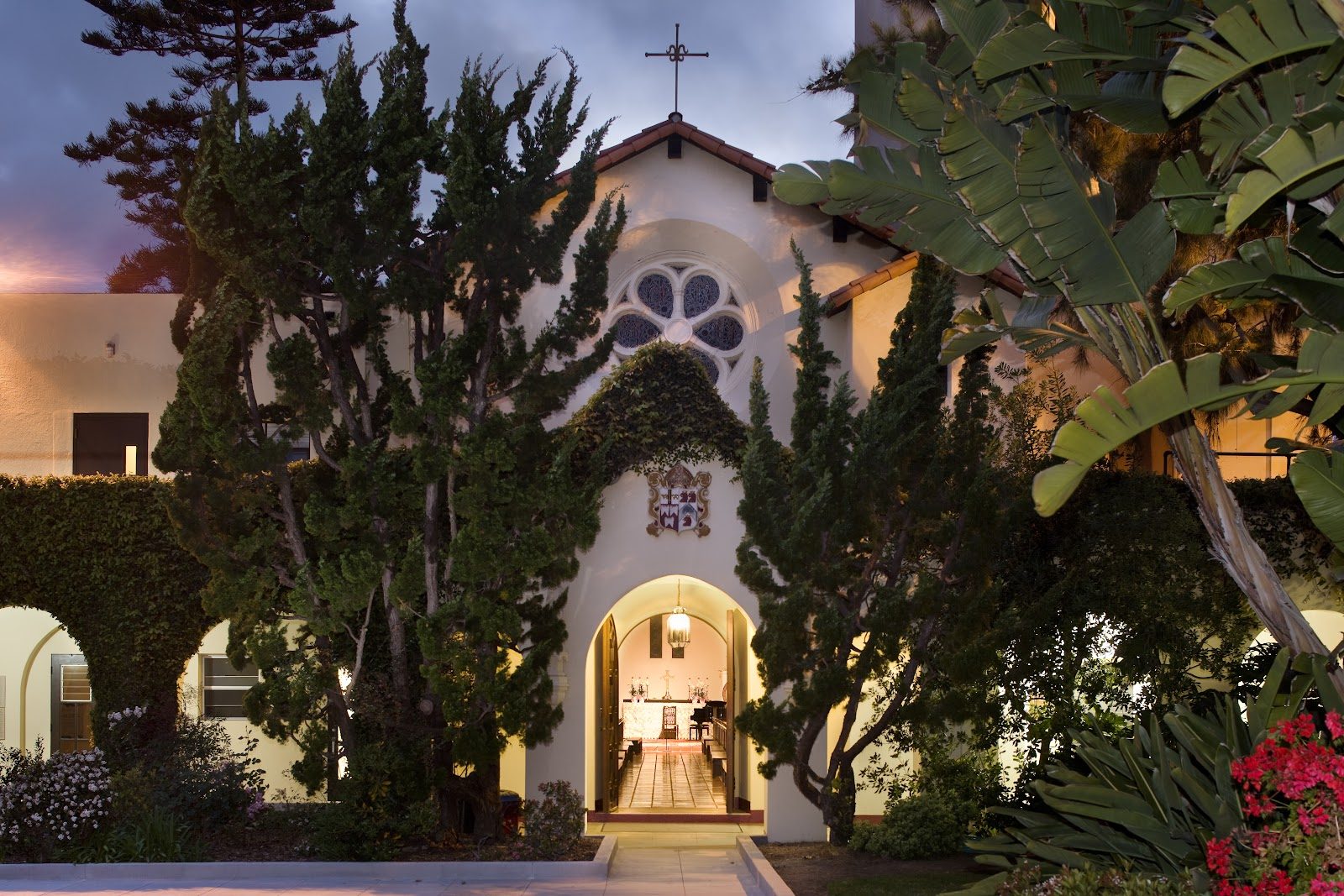
The Bishop's School
La Jolla · United States
A century-old Irving Gill campus steps from the Pacific, where tradition still bars the quad before noon.
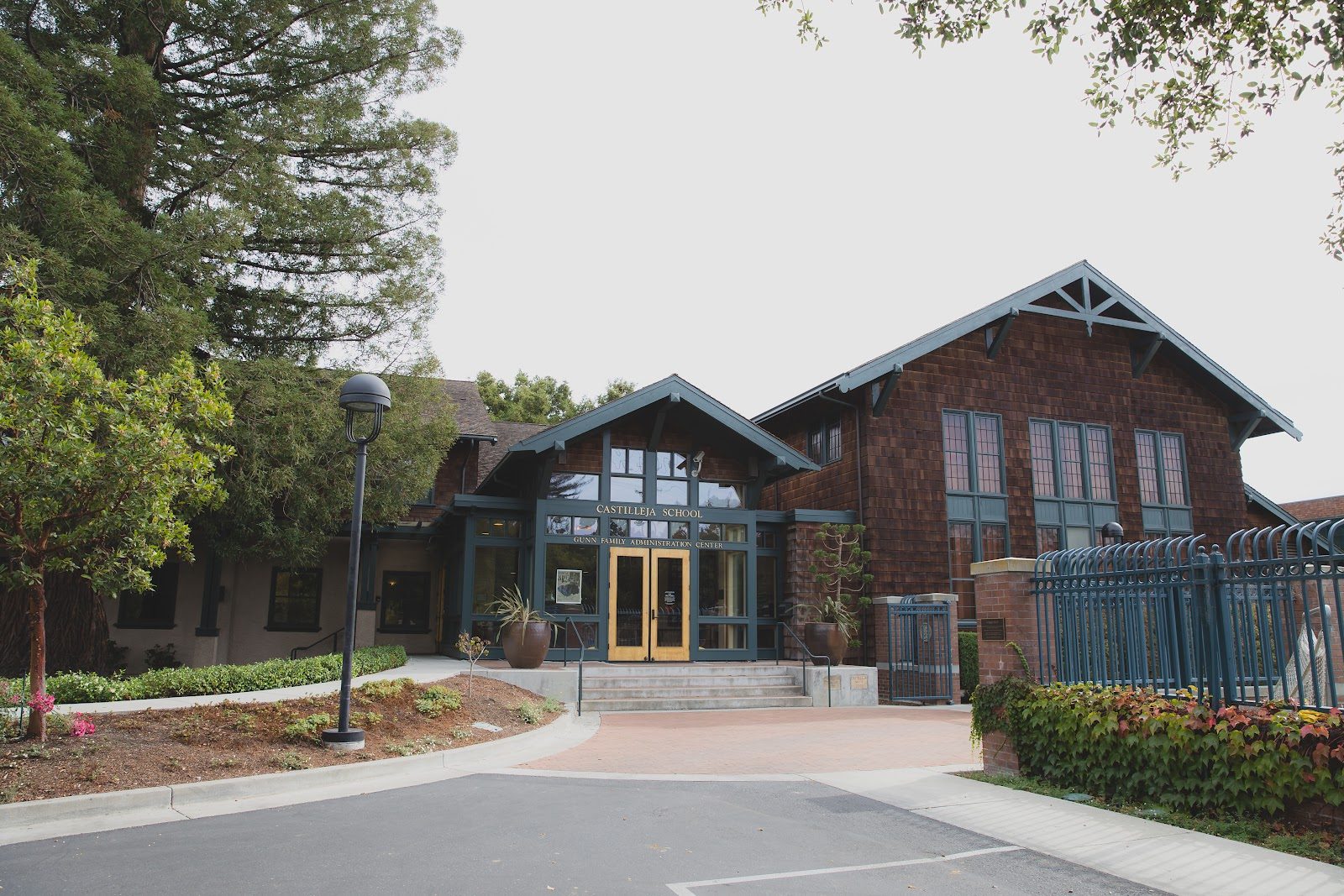
Castilleja School
Palo Alto · United States
The only nonsectarian all-girls campus in the Bay Area, pairing Stanford's front yard with a century-old leadership creed.
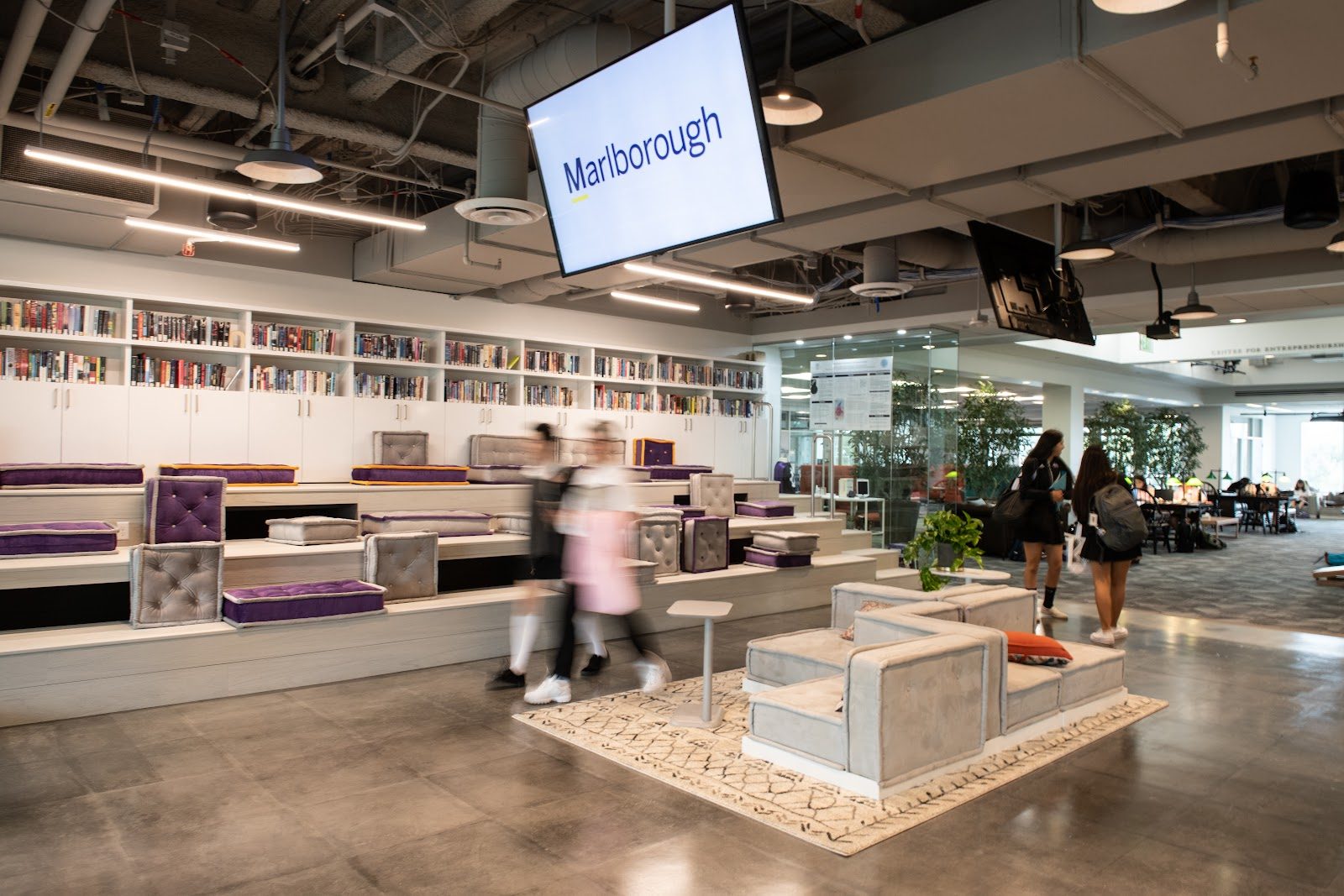
Marlborough School (LA)
Los Angeles · United States
Since 1889, this Hancock Park all-girls campus has paired a nationally recognized debate program with a first-of-its-kind Global Futures diploma.
Noble and Greenough School
Dedham · United States
Founded in Boston in 1866, this Charles River campus pairs rigorous academics with hands-on EXCEL leadership training.
Same country and curriculum — closest matches within ±10 points either way