
Rajasthan
Mayo College
high confidence· 6/6 cats · 3.18 avg sourcesHistoric all-boys boarding school in Ajmer offering the CBSE and Cambridge IGCSE curricula.
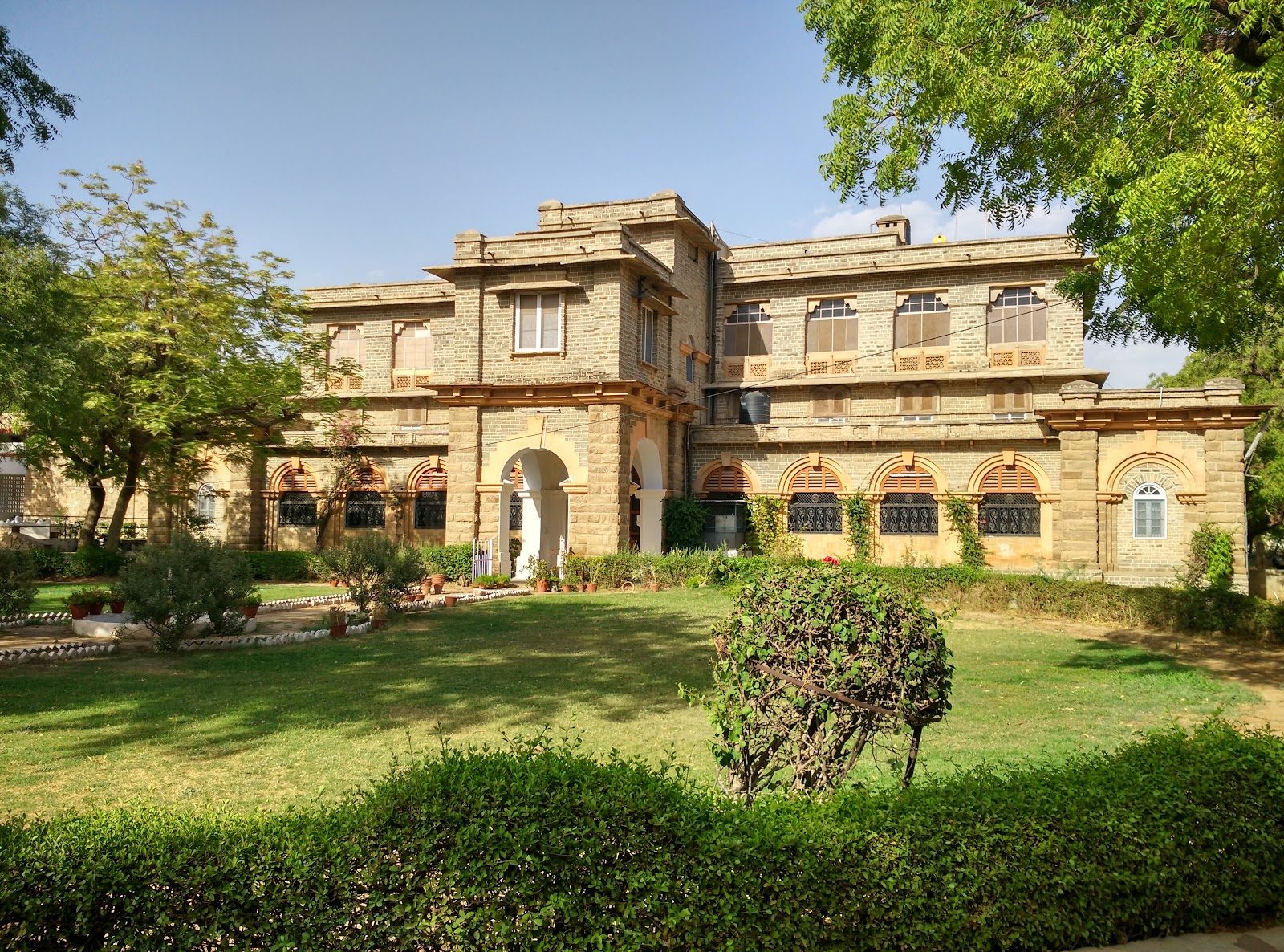
Photo © Dhruv Majumdar via Google Maps
Type
Boarding
Ages
11–18
Curriculum
IB · Indian National · British
Qualifications
ISC · IGCSE
Ratio
—
The Verdict
Editor's commitment
Right for
Families wanting full boarding in Ajmer with English instruction, boys aged 11–18, and a rare IB, CBSE and Cambridge mix.
Wrong for
Anyone needing day schooling, co-education or religious formation; Mayo College is non-religious, boarding-only, and serves boys 11–18.
Watch out for
The average annual boarding fee is INR 1,152,000, and CIS plus IBO accreditation do not compensate for a narrow all-boys format.
Ranking breakdown
Mayo College · # of 1591
Composite score 69.5. 8 weighted criteria.
By criterion
Academic Outcomes
Weight 20%
#791
of 1529 scored
University Placement
Weight 16%
#848
of 1529 scored
Prestige & Heritage
Weight 12%
#135
of 1571 scored
Alumni Network
Weight 12%
#62
of 1530 scored
Facilities
Weight 12%
#559
of 1534 scored
Transparency & Communications
Weight 8%
#844
of 1532 scored
Peer & Industry Review
Weight 10%
#791
of 1548 scored
Admissions Selectivity & Demand
Weight 8%
#607
of 1529 scored
Score history
Mayo College · 2026
Movement across 2024–2026. Peer average overlaid.
Overall — 2024–2026
69.5/ 100
▲ +16.4 vs 2025
year on year
Peer & Industry Review
How Mayo College is regarded in the sector
78
Strong · medium confidence
Mayo College is consistently referenced as one of India's oldest and most prestigious 'Eton of the East' boarding schools, frequently appearing in Indian media rankings (e.g., Education World India School Rankings) among the top boarding schools nationally. Its alumni network includes notable royals, politicians, and business leaders, and it is often benchmarked alongside Doon School and Scindia School in peer comparisons within Indian elite education circles, though it has less international specialist press coverage (Tatler, Good Schools Guide) compared to UK/US-focused institutions.
Evidence sources
Editors' overview
Mayo College trades on something few Indian schools can match: institutional weight. This is an all-boys boarding school in Ajmer, founded in 1875, with the kind of legacy operation that extends well beyond lessons into houses, student leadership, prize-giving, publications, sport and a formal pastoral structure. The school covers ages 11 to 18, teaches in English and runs more than one academic route: the context lists IB, Indian National and British, while the school’s own academic pages name CBSE and CAIE. That matters. For parents, this is not a single-track boarding school with one narrow definition of success; it is a large, established institution with multiple academic pathways and a full boarding culture built into the school’s daily life. It also carries two serious external markers in IBO and CIS accreditation.
What puts Mayo on a shortlist is not novelty but depth of structure. The school gives unusual prominence to boarding houses, pastoral roles, medical provision, counselling, international exchanges, community service, robotics and AI, music, dramatics and a museum, which tells you a great deal about the shape of the place. This is a school designed to occupy boys fully, not a day-school academic model with dormitories attached. The average annual boarding fee across the year groups is INR 1,152,000, which places Mayo in the premium Indian boarding bracket, but not in the stratospheric territory occupied by some international schools with weaker traditions and thinner identity. Parents paying that fee are buying scale, history and an entrenched boarding ecosystem.
The right student for Mayo is a boy who wants the full boarding-school experience and has the appetite for a highly structured, tradition-conscious environment. He needs to be comfortable living in houses, taking part in organised sport and co-curricular life, and operating inside a school with visible hierarchy and ceremony. This is not the school for a child who wants a loose, progressive, low-formality education or a highly personalised boutique setting. It is for families who value *discipline, institutional culture and belonging* as much as exam preparation, and who want a school that treats adolescence as something to be shaped collectively rather than managed gently. The missing piece is academic transparency: the school lists “Results” but the context supplied here gives no published outcome data, so parents will need to press hard for concrete leavers’ results and university destinations before signing up.
Academic Performance
Academic transparency is the weak point. Mayo has a “Results” page and public references to Class XII CBSE board roll numbers, but no aggregate board outcomes, no subject-level performance profile, no university placement breakdown and no published comparative data that lets a parent judge whether the school delivers serious academic lift or relies on legacy reputation. That matters more here than at a newer school, because an institution with this much heritage and infrastructure invites scrutiny. Without hard numbers, Mayo sits in the category of schools with a strong public identity and opaque academic disclosure. For parents comparing leading Indian boarding schools, that is a real handicap.
What can be said with confidence is structural rather than statistical. The school runs more than one academic route, maintains a substantial boarding operation with over 800 boys and gives visible space to libraries, departments, higher education awareness, robotics and AI, exchanges and publications. That points to breadth and institutional capacity, not exam proof. Relative to peers, Mayo belongs in the conversation because of scale, history and educational range; it does not yet earn top billing on published outcomes. Families with results-driven priorities need to ask for recent CBSE and IGCSE/CAIE distributions, top university destinations over several cycles, and value added across the middle and senior years. Until then, the academic case remains incomplete.
Facilities
Facilities are one of Mayo’s strongest cards. This is not a compact boarding school squeezed onto a tight urban site; it has the infrastructure of a full-scale residential institution. The school itself points parents to an environmental park and golf course, a Kangra amphitheatre, a museum, a music school, a library and resource centre, a centre of robotics and AI, technical skills development facilities and an Oman guest house, alongside extensive sports provision. Add the house system — 12 boarding houses in total — and you get a campus built to absorb a boy’s entire week, not just his classroom hours. The medical facility and school counsellor also matter here: in boarding, those are core operational assets, not decorative extras.
Against peer boarding schools in India, that mix is unusually deep and more varied than the standard formula of fields, courts, dormitories and a hall. The museum and amphitheatre add institutional texture; the robotics and AI centre and technical-skills provision stop the estate from feeling trapped in heritage. The risk, as with many legacy-heavy campuses, lies in upkeep and clarity. The school advertises a lot, but it does not publish the sort of crisp, current facility detail — specifications, usage, recent upgrades — that top contemporary schools now provide as routine. Even so, judged against domestic peers, Mayo’s physical plant is serious, broad and hard to replicate.
Mayo College trades on something few Indian schools can match: institutional weight
Prestige
Mayo carries old-money prestige in the Indian boarding-school market, and that prestige is real. Few schools command this level of recognition without needing to explain themselves. The institution’s public architecture — houses, prize giving, monitors, museum, alumni machinery, exchanges, publications and a formal pastoral chain — signals a school with deep-rooted social capital, not a newly packaged boarding operation. The scale of the residential setup strengthens that standing: 12 boarding houses and a community of over 800 boys create the kind of internal culture, competition and network density that families paying for elite boarding still value. In reputation terms, Mayo sits in the heritage heavyweight bracket.
That said, prestige here rests more on history, brand memory and institutional ritual than on published academic proof. For some families, that is enough; they want a school name that carries weight in Indian social and professional circles and a boyhood shaped by house identity, ceremony and durable peer networks. For others, the proposition is less complete. A prestigious school still needs to show what students achieve at the end, and Mayo does not publish the level of outcome detail that would turn ancestral prestige into fully earned modern authority. So the rating is high, but not unqualified: this is a school with genuine cachet and serious cultural standing, yet one that asks parents to trust the institution more than the data.
For parents comparing leading Indian boarding schools, that is a real handicap
Communications
Mayo communicates like a large, old institution: with volume, hierarchy and an appetite for internal channels. The website lists a parent portal, Mayo ERP, fee payment, contact-person details, a staff and department directory, calendar pages, newsletters, yearbooks, magazines, results links, withdrawal documentation and multiple pastoral pages covering boarding houses, medical support and counselling. For a boarding school, that breadth matters. Parents need routes into daily operations, not just an admissions front end, and Mayo has built them. The contact architecture also tells you something about the school’s culture. Communication here runs through systems, offices and named functions rather than through a single polished concierge layer. That is institutionally serious and, at times, cluttered.
The weakness is execution. The public-facing site is crowded, repetitive and badly organised in places, with duplicated navigation, placeholder text and pages that bury useful information under the school’s own sprawl. That does not inspire confidence in clarity or digital discipline. Parents can find the essentials, but they need patience, and the school asks them to decode its structure rather than guiding them cleanly through it. The strongest communication is functional: houses, pastoral care, fees, admissions processes and directories are all visible. The weakest communication is strategic: Mayo does not package key parent information with modern precision. For a school of this stature and fee level, that is an obvious gap.
Uniqueness
What sets Mayo apart is the way it turns schooling into a self-contained social system. This is not just a place where boys sleep on campus and attend classes. The house structure, monitors, prize-giving machinery, magazines, museum, outreach, exchanges and formal pastoral roles create a thick institutional world with its own routines, status markers and internal memory. The scale matters here: 12 houses and more than 800 boys give the school enough mass to sustain real house identity, competition and leadership pathways rather than token versions of them. For students, that brings immersion, visibility and pressure. A boy does not drift anonymously through Mayo; he is absorbed into a structure that expects participation and rewards stamina, loyalty and public contribution.
The other distinctive feature is the blend of aristocratic legacy with a deliberate push beyond old boarding-school orthodoxy. The school keeps one foot in ceremony and hierarchy, but it also gives space to robotics and AI, technical skills development, international exchange, community service, dramatics and a dedicated music school. That mix can produce students who are not just examination candidates but institutionally fluent young men: used to leadership, performance, competition and living with others under rules. The trade-off is clear. Mayo suits boys who thrive inside a high-formality culture and want to be shaped by it. It is a weaker fit for families who want informality, emotional softness or a looser definition of adolescence.
Relative to peers, Mayo belongs in the conversation because of scale, history and educational range; it does not yet earn top billing on published outcomes
Student Profile
The right Mayo boy is robust, competitive and happy inside a rule-bound collective. He needs to tolerate hierarchy, public standards and the loss of privacy that comes with a large residential community. This is a school for boys who gain energy from belonging to a house, taking their place in a pecking order and being pushed into sport, leadership, performance and organised activity whether or not they arrive as self-starters. A child who wants constant individual tailoring, soft edges or space to opt out will find the culture hard-edged. A child who likes ritual, team identity and visible markers of achievement will fit far better. In a school with more than 800 boys and 12 houses, sociability is not optional; boys need stamina, resilience and the confidence to live publicly.
Temperament matters as much as ability. Mayo suits boys who can handle adult expectations, communal living and the frictions of an intensely social adolescence. It will reward those who enjoy structure, accept discipline and are willing to be known for something — on the games field, on stage, in student leadership, in house life or in the classroom. The school also fits families who want character formed through institution rather than negotiated case by case. It is a weaker match for highly introverted boys, boys with a strong dislike of ceremony, or families looking for a gentler, more therapeutic school culture. This is a place for boys who want to be absorbed into something bigger than themselves — and who can cope when that system pushes back.
Against peer boarding schools in India, that mix is unusually deep and more varied than the standard formula of fields, courts, dormitories and a hall
Co-curricular strengths
Arts & sport, on a separate axis
Overall 8.3/10
Scored 0-10 from the school's own published evidence. This axis is editorial-only — it does not feed the main WTS ranking.
Sports
9.5/10
Substantial playing fields and strong sports infrastructure, while extensive facilities including football and hockey fields, a cricket ground that hosted first-class matches, many basketball courts, around 17 tennis courts, athletics coaching, and equestrian traditions including polo.
Drama
8/10
Dramatics, and notable acting and theatre alumni including Bobby Deol, Vivek Oberoi, Tinnu Anand and theatre personality Amir Raza Husain, indicating a notable drama tradition.
Dance
7/10
Music
8.5/10
Music ensembles and mentions music spaces.
Visual Arts
8.5/10
Visual arts and art spaces, and an Art School plus the Danmal Mathur Museum housed in Jhalawar House, evidencing dedicated institutional provision.
Editor first-pass · editor-reviewable · 7/27/2026
Strengths
- +Founded in 1875 as one of India's oldest public boarding schools, giving it a long institutional history and an extensive alumni network including diplomats, judges and royalty.
- +Offers a dual-curriculum structure - CBSE alongside Cambridge International (CAIE/IGCSE) - giving families a choice of academic pathway rather than a single fixed board.
- +Sits on a large, purpose-built 187-acre campus with an unusually wide sports offering, including polo, golf, horse riding, shooting and an Olympic-sized swimming pool.
- +Runs a house system of 12 boarding houses (roughly 64 boys each), which keeps pastoral groups smaller than the school's total enrolment might suggest.
- +Maintains active international exchange links, with the school citing more than 15 overseas student exchanges and conferences as part of its global-exposure programme.
Considerations
- −Boys-only school with no coeducational option, which rules it out for families wanting mixed-gender schooling or who have daughters to place alongside sons.
- −Fees are substantial: budgeting guidance suggests roughly INR 15-20 lakh in the first year and around INR 11 lakh annually thereafter, plus separate admission and security-deposit charges.
- −Located in Ajmer, a mid-sized Rajasthan city some distance from major international airports, which adds travel time and cost for relocating expatriate families.
- −Despite marketing references to a 'global' or 'international' outlook, the core academic backbone is CBSE (with Cambridge as an alternate track); there is no confirmed IB Diploma programme, so families specifically seeking an IB pathway should verify this directly with the school.
Availability
Primary entry gate & tests
Common Aptitude Analysis Test
Gallery
Photo © यायावर via Google Maps
Photo © Subhash Porwal (Ca sandy - legal factory) via Google Maps
Photo © Abha Deb via Google Maps
Photo © Mayo College Ajmer via Google Maps
Photo © L JA via Google Maps
Photo © L JA via Google Maps
Photo © Tarun Jaipal 2020 via Google Maps
Photo © Mayo College Ajmer via Google Maps
Photo © Colours Of Ajmer via Google Maps
Parent reviews
Have you sent your child here?
Voice reviews carry the strongest trust badge — we transcribe them for you to tidy up before they go live. Prefer to type? A written review is fine too.
Add your voice
In 60 seconds, tell other parents: what's the best thing about Mayo College, and what surprised you when your child joined?
We ask for a Google sign-in so every review has a real face behind it — no anonymous drive-by attacks on schools, and no faked positive reviews. Your email is never shown publicly.
Send this profile to a friend
International parents rely on word-of-mouth. Share this review with someone weighing the same decision.
Schools with places
Similar schools to Mayo College with places available now.
Oberoi International School
Mumbai · India
- 2026-27
- WAITPOOLSpace-dependent
- 2027-28
- PLACES OPENRolling
American International School Chennai
Chennai · India
- 2026-27
- WAITPOOLSpace-dependent
- 2027-28
- PLACES OPENRolling
American Embassy School
New Delhi · India
- 2026-27
- WAITPOOLSpace-dependent
- 2027-28
- PLACES OPENRolling
Kodaikanal International School
Kodaikanal · India
- 2026-27
- CLOSEDStandard route closed
- 2027-28
- OPENS SOONExpected Autumn '26 Reg
Availability first, then country, area, curriculum, price, co-curricular
Consider also
Also worth looking at alongside Mayo College.
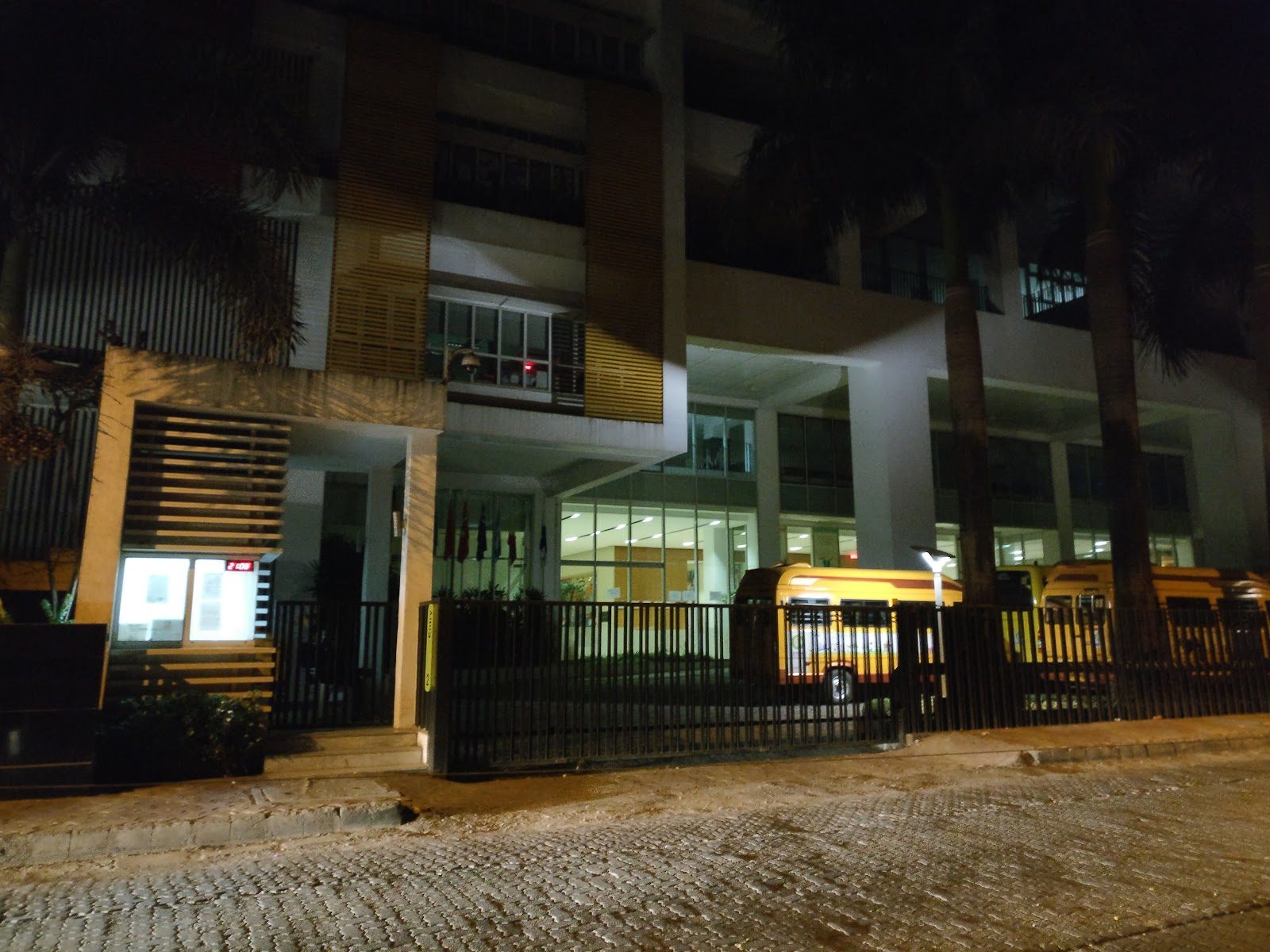
Oberoi International School
Mumbai · India
A full IB continuum from Nursery to Diploma, spread across twin Goregaon campuses inside Mumbai's Oberoi Garden City enclave.
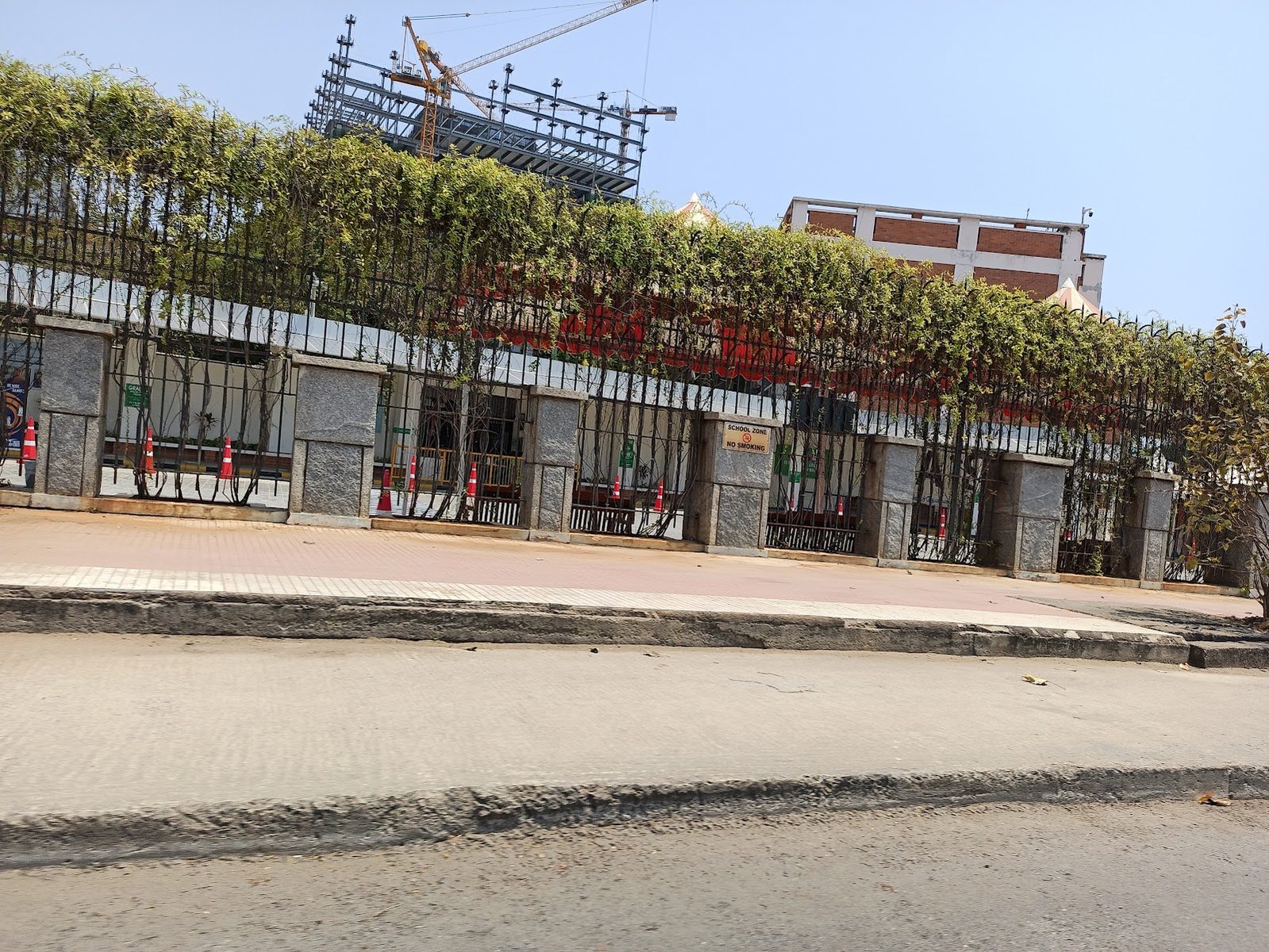
American International School Chennai
Chennai · India
Born of a 1995 US-India accord, this Taramani campus blends AP and IB rigor with the world's first K-12 LEED Platinum campus
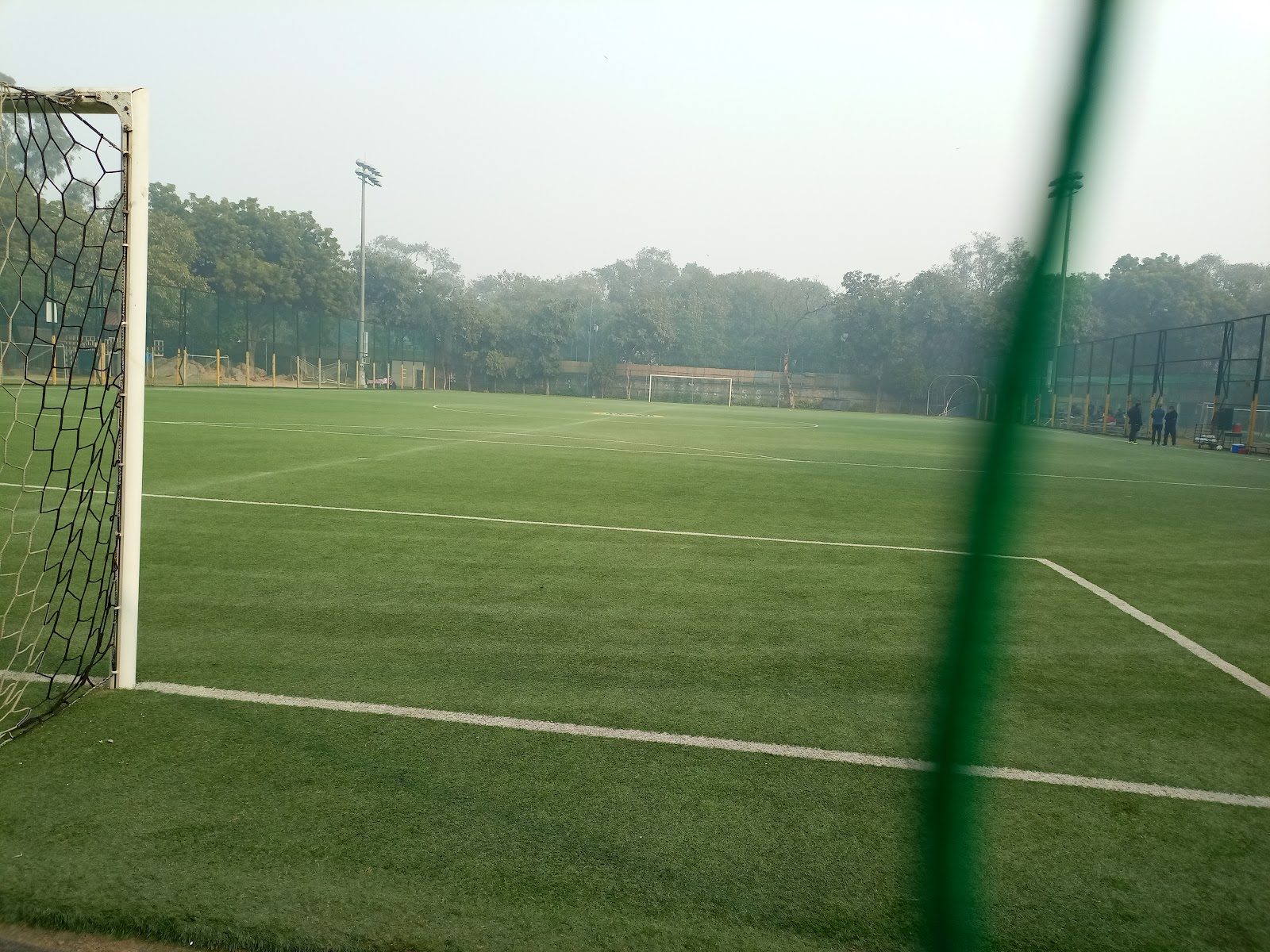
American Embassy School
New Delhi · India
Beside the U.S. Embassy in Chanakyapuri, a Joseph Stein-designed campus mixes American college prep with IB rigor for over 70 nationalities.
Kodaikanal International School
Kodaikanal · India
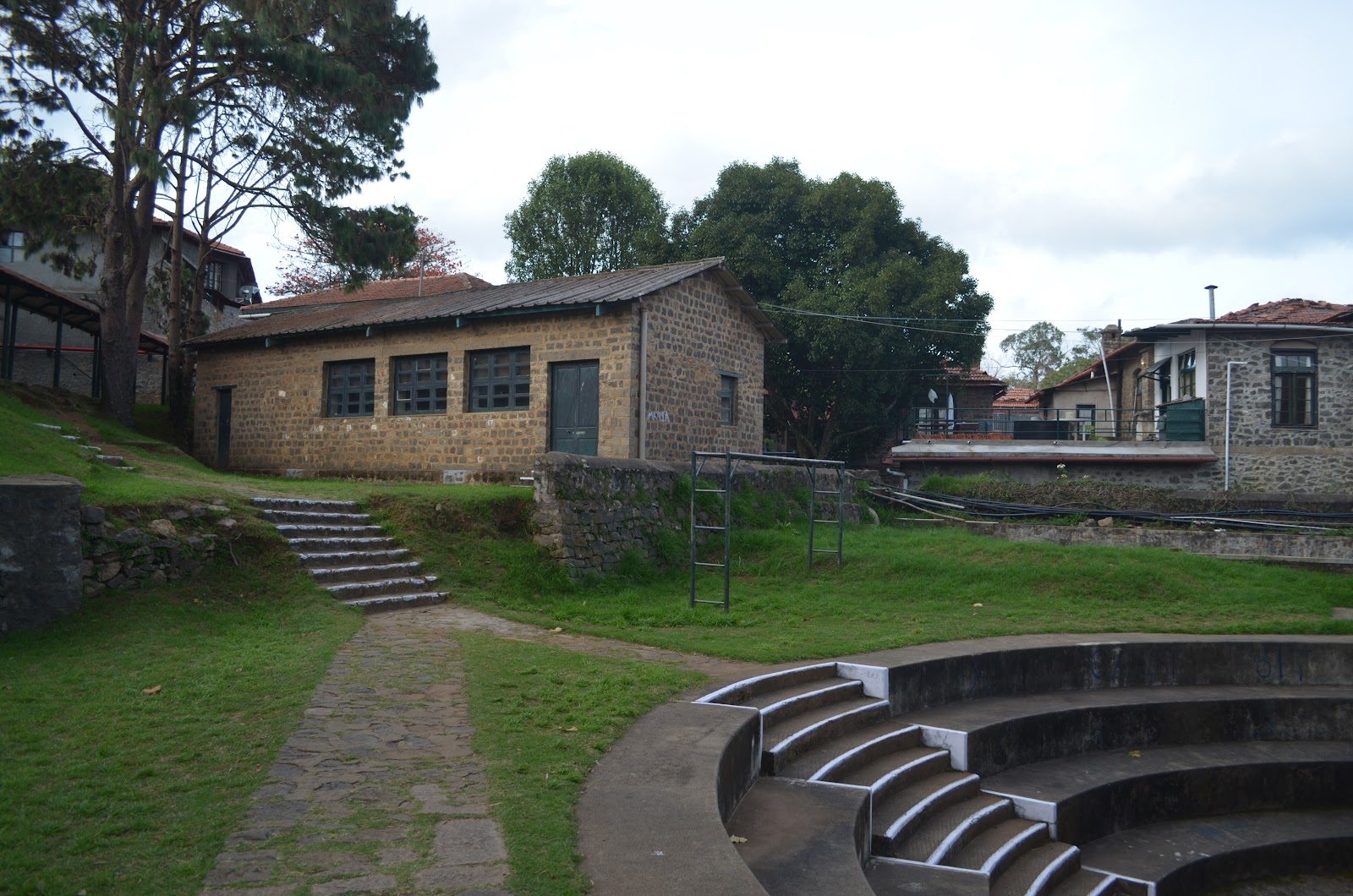
Founded in 1901 at 6,998 feet in the Palani Hills, it became India's first IB school and runs its own 135-acre wilderness campus for outdoor learning.
Same country and curriculum — closest matches within ±10 points either way