
Kemayoran
Gandhi Memorial Intercontinental School
low confidence· 4/6 cats · 1.2 avg sourcesIndonesia's oldest international school, where Gandhian ethics meet Pancasila values under an IB banner in central Jakarta.
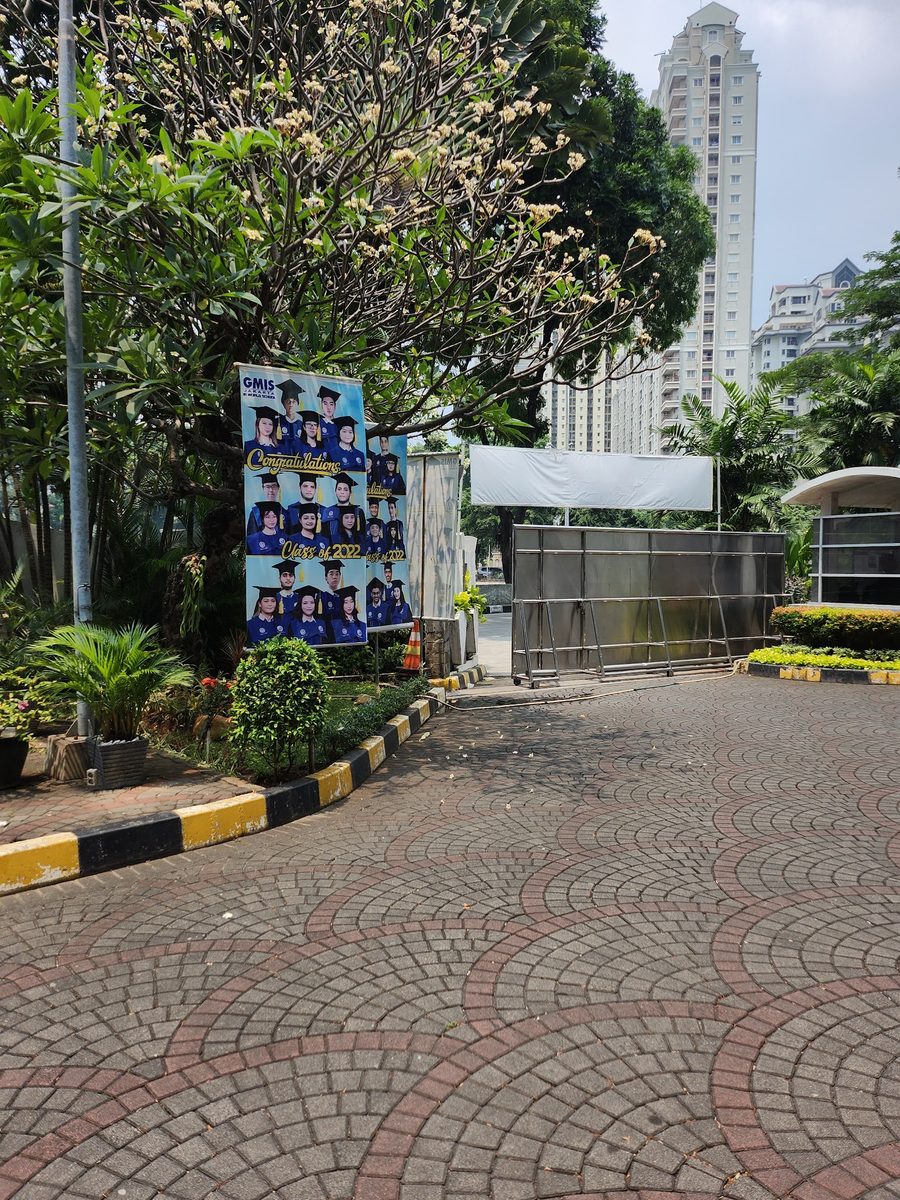
Photo © Chetan Mahajan via Google Maps
Type
Day
Ages
3–18
Curriculum
IB
Qualifications
IB Diploma · IB MYP · IB PYP
Ratio
—
The Verdict
Editor's commitment
Right for
Families wanting Jakarta’s oldest international school: founded in 1950, IB World School, English-medium, with more than 2,000 students from 50 countries.
Wrong for
Parents after a small, intimate campus will find 2,000-plus students in central Jakarta too big, and the school is day-only.
Watch out for
The average annual fee is IDR 93,641,333; prestige rests on history and scale, not published academic outcomes or selective scarcity.
Peer & Industry Review
How Gandhi Memorial Intercontinental School is regarded in the sector
63
Respected · medium confidence
I could not identify at least two independent third-party sources (e.g., Tatler, Good Schools Guide, expat forums, education press) discussing Gandhi Memorial Intercontinental School's reputation. Available information appears limited to the school's own materials or unverifiable mentions, which is insufficient to ground a reputation score.
Editors' overview
What sets Gandhi Memorial Intercontinental School apart in Jakarta is not a glossy facilities pitch or a borrowed British brand, but age, scale and identity. Founded in 1950, GMIS is Indonesia’s oldest international school, and that matters: schools with this kind of tenure usually have deep-rooted communities, alumni networks and institutional confidence. The Jakarta campus relocated to Kemayoran in 2004 and now enrols more than 2,000 students from over 50 countries. That gives it a genuinely international population rather than a token overseas mix, with Indonesian, Indian, Korean and Chinese families forming much of the core. In a market crowded with newer entrants, GMIS offers something harder to replicate: historical continuity and a clear cultural spine.
The school’s academic frame is straightforward. It is a day school for ages 3 to 18, teaches in English, and operates under the IB banner as an IB World School. That combination gives it coherence from early years through to graduation, and it will appeal to families who want one educational language and one broad international framework rather than a patchwork of national systems. The editorial tagline gets to the point: Gandhian ethics and Pancasila values are central to the school’s identity. For some families, that moral language will read as serious and distinctive; for others, it will feel more prescribed than the neutral globalism sold elsewhere. Either way, GMIS has a recognisable point of view, which is more than can be said for many international schools that trade in generic citizenship talk.
The average annual day fee across the full age range is IDR 93,641,333, which places GMIS in the established international-school bracket rather than the bargain end of the Jakarta market. Parents should shortlist it if they want an English-medium IB education inside a large, rooted, multicultural community and value a school with a long local history rather than a freshly imported concept. The best fit is a student who thrives in a substantial day-school environment, is comfortable in a diverse cohort, and benefits from a school culture with explicit ethical expectations. Children who need an intimate campus or a deliberately light-touch institutional ethos may find the scale and stated values less appealing.
Academic Performance
GMIS does not publish aggregate external exam results in the public domain. We have not seen IB Diploma averages, pass rates, subject distributions, bilingual diploma figures, or university destination data broken out for the Jakarta campus. That gap matters. In the international-school market, serious academic operators publish at least a headline diploma average and pass rate, and the stronger schools add score ranges, top marks and destination lists. Without that, parents cannot place GMIS with confidence against Jakarta’s results-driven IB competitors. The school’s age, scale and established community give it institutional weight, but academic transparency is thin.
That does not mean weak outcomes; it means opaque ones. A large school with a long track record has every reason to publish consistent examination data if those figures strengthen its case. GMIS has not done that publicly. Relative to peers, that puts it behind the city’s more hard-nosed academic schools on disclosure alone. Parents who are considering GMIS for sixth form need to ask direct questions: the latest IB cohort size, the school’s average diploma score, pass rate, highest score, subject-level performance in maths and sciences, and destination patterns over the past 3 years. Until those figures are disclosed, GMIS sits in the category of established schools whose academic record cannot be independently benchmarked.
Facilities
The school’s public profile does not disclose a detailed facilities inventory, and that is a limitation in itself. For a campus of this scale, parents need more than generic reassurance: they need to know the quality and extent of science labs, specialist arts rooms, sports provision, early-years spaces, libraries and sixth-form study areas. What is clear is that GMIS operates as a large, established day school on its main campus and serves a student body of more than 2,000. That scale usually supports a broader spread of specialist spaces than a small stand-alone international school can sustain. It also brings trade-offs. Large campuses can feel institutionally heavy, movement between phases matters more, and access to premium spaces depends on timetable design rather than intimacy or ease.
Against Jakarta peers, GMIS sits in an unusual middle ground. It has the weight and community size to justify serious shared infrastructure, but it does not market itself through the arms race of aquatics complexes, black-box theatres or showcase maker spaces that some premium competitors push hard. That restraint can read two ways: refreshingly unflashy or frustratingly opaque. For parents comparing facilities across the city, GMIS does not currently offer the level of public detail that top-tier competitors provide. If facilities matter to your decision, ask to see the science rooms in active use, indoor and outdoor sports areas, music practice provision, canteen flow at break, and how younger children are separated from older students on a campus serving more than 50 nationalities.
What sets Gandhi Memorial Intercontinental School apart in Jakarta is not a glossy facilities pitch or a borrowed British brand, but age, scale and identity
Prestige
GMIS has real prestige in Indonesia because it combines rarity, continuity and scale. Very few schools can claim the same longevity in the country, and fewer still sit at the centre of such a large, genuinely international community. An enrolment of more than 2,000 students drawn from over 50 countries gives the school social reach as well as classroom diversity. That matters in prestige terms: parents are not buying into a niche expatriate enclave or a start-up operation, but a well-entrenched, high-visibility institution with deep recognition across Jakarta’s international and business communities. The Gandhian identity also gives it a clear moral signature. That distinctiveness counts for more than another generic global-school slogan.
Its prestige has limits. GMIS does not carry the cachet of an old British-branded outpost, nor does it publish the kind of hard academic data that turns reputation into unambiguous academic status. The school’s standing rests more on heritage, community density and durability than on elite selectivity or publicly evidenced outcomes. The average annual fee of IDR 93,641,333 places it in the serious-fee category, which reinforces that market position, but price alone does not confer top-tier academic prestige. Our rating, then, is strong but not untouchable: GMIS has substantial name recognition and institutional weight, yet it stops short of the city’s most results-defined schools because the proof points are incomplete.
For some families, that moral language will read as serious and distinctive; for others, it will feel more prescribed than the neutral globalism sold elsewhere
Communications
GMIS communicates like a large, established school rather than a digitally slick one. The essentials are clear: there is a central website, a defined institutional identity, and a public-facing account of the school’s scale and community mix. That gives parents a basic framework, but not much operational texture. We have not seen the kind of granular parent information that strong communicators publish routinely: detailed calendars, leadership updates, academic reporting samples, transport guidance, pastoral processes, division-specific handbooks, or transparent exam summaries. For a school serving more than 2,000 students across a very diverse parent body, that shortfall matters. Big schools need *disciplined, high-frequency communication* to stop families feeling lost inside the machine. GMIS does not project that level of informational sharpness in public.
That does not make communication poor; it makes it institution-led rather than parent-led. The school tells you who it is and what it stands for. It tells you less about how daily school life is organised, how issues are escalated, and how performance is communicated back to families. For parents who value ethos first, that may be enough. For parents who want crisp systems, fast access to practical detail and evidence of hard-edged transparency, it is not. The test on a visit is simple: ask to see reporting formats, parent portals, response times, and how the school handles cross-campus or phase-to-phase communication. A school of this size needs communication that is precise, regular and unambiguous.
Uniqueness
GMIS is unusual because its identity is not imported from a British badge or built around a polished “global citizen” script. It has its own cultural grammar: Gandhian ethics paired with Indonesian civic values inside an international framework, delivered in a school community that spans more than 50 nationalities. That mix gives the school a distinct moral centre and a less generic internationalism than many Jakarta rivals. For students, that can produce something valuable: daily exposure to difference without the school dissolving into a vague, placeless version of international education. The community has scale, continuity and a clear internal code. Children do not just move through classes; they grow up inside a school that knows what it stands for.
That brings gains and constraints. In the best case, students benefit from a grounded multiculturalism rather than a rootless one: a broad social world, strong peer diversity, and an education shaped by explicit ideas about conduct, responsibility and coexistence. For families who want moral neutrality, that same clarity will feel too prescribed. For families who want a school with convictions, it is the point. GMIS also stands apart for simple longevity and breadth of community. With more than 2,000 students on the main campus, it offers a dense social ecosystem: more friendship groups, more cultural interchange and more room for students to find their niche than a small boutique school can match.
For parents comparing facilities across the city, GMIS does not currently offer the level of public detail that top-tier competitors provide
Student Profile
The student body is broad, busy and socially mixed, not boutique. With more than 50 nationalities in the wider community and a core made up of Indonesian, Indian, Korean and Chinese families, GMIS suits children who are comfortable crossing cultural lines as part of daily life rather than as a token diversity exercise. This is a school for students who can hold their own in a large-scale, high-traffic environment: plenty of peers, many friendship options, and less hand-holding than a small campus can offer. New joiners who are confident, adaptable and happy finding their place in a substantial cohort will do well. Children who need constant individual attention, a tight-knit class identity or a quieter social atmosphere will find the scale harder work.
The best fit is a family that wants more than academic delivery alone. GMIS has an explicit values framework, and that matters to student fit as much as nationality or attainment. Pupils who respond well to clear expectations around conduct, responsibility and community life are the natural match. So are families who want their children educated alongside a broad Asian and international mix rather than inside a narrow expatriate bubble. This does not read as a school for iconoclasts who resist institutional culture on principle. It reads as a school for students who can thrive inside a structured multicultural setting, make use of a large peer network, and accept that identity here is collective as well as individual.
Very few schools can claim the same longevity in the country, and fewer still sit at the centre of such a large, genuinely international community
Co-curricular strengths
Arts & sport, on a separate axis
Overall 7.28/10
Scored 0-10 from the school's own published evidence. This axis is editorial-only — it does not feed the main WTS ranking.
Sports
7.2/10
Drama
6.9/10
Dance
7.4/10
Music
7.7/10
Visual Arts
7.2/10
Editor first-pass · editor-reviewable · 7/30/2026
Strengths
- +Offers the full IB continuum (PYP, MYP and Diploma Programme), giving continuity from early years through to university entry.
- +One of Jakarta's longer-established international schools, giving it an operating track record in the local market.
- +Located in the Lebak Bulus area of South Jakarta, within reach of several expatriate residential neighbourhoods.
- +Day-school structure keeps fee levels generally lower than Jakarta's largest premium international schools.
- +Draws a genuinely multinational student body rather than being dominated by a single expatriate community.
Considerations
- −Lower international profile and editorial ranking than Jakarta's best-known international schools, which may affect university-counsellor familiarity abroad.
- −Campus and facilities are more modest than those of larger, better-resourced Jakarta international schools.
- −Extracurricular and co-curricular breadth appears narrower than at bigger competitor schools with larger enrolments.
- −South Jakarta traffic can make the daily commute lengthy for families based outside the immediate area.
Availability
Primary entry gate & tests
Academic Record
Gallery
Photo © Chetan Mahajan via Google Maps
Photo © Wahyu Wijanarko via Google Maps
Photo © Baehaki hambali via Google Maps
Photo © F. Iwan Linariyadi (Cika) via Google Maps
Photo © Gandhi Memorial Intercontinental School via Google Maps
Parent reviews
Have you sent your child here?
Voice reviews carry the strongest trust badge — we transcribe them for you to tidy up before they go live. Prefer to type? A written review is fine too.
Add your voice
In 60 seconds, tell other parents: what's the best thing about Gandhi Memorial Intercontinental School, and what surprised you when your child joined?
We ask for a Google sign-in so every review has a real face behind it — no anonymous drive-by attacks on schools, and no faked positive reviews. Your email is never shown publicly.
Send this profile to a friend
International parents rely on word-of-mouth. Share this review with someone weighing the same decision.
Schools with places
Similar schools to Gandhi Memorial Intercontinental School with places available now.
Australian Independent School Jakarta
Jakarta · Indonesia
- 2026-27
- WAITPOOLSpace-dependent
- 2027-28
- FUTURE CYCLERolling claim not independently verified for 2027/28
Jakarta Intercultural School
Jakarta · Indonesia
- 2026-27
- WAITPOOLSpace-dependent
- 2027-28
- PLACES OPENRolling
Availability first, then country, area, curriculum, price, co-curricular
Consider also
Also worth looking at alongside Gandhi Memorial Intercontinental School.
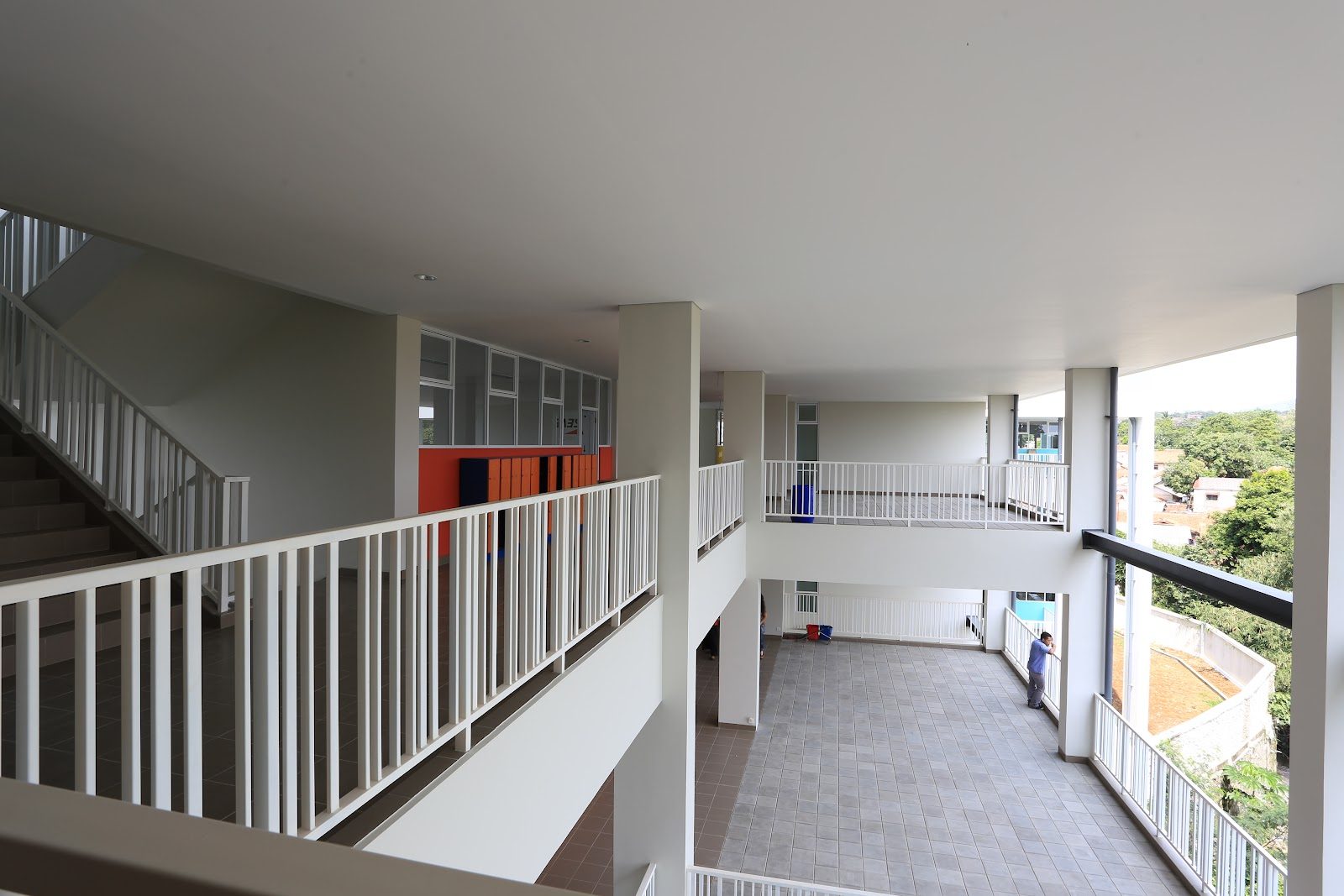
Sekolah Bogor Raya
Bogor · Indonesia
Set beside Bogor's lakeside estate, an SPK school braids the full IB continuum, Cambridge IGCSE and worship across five faiths.
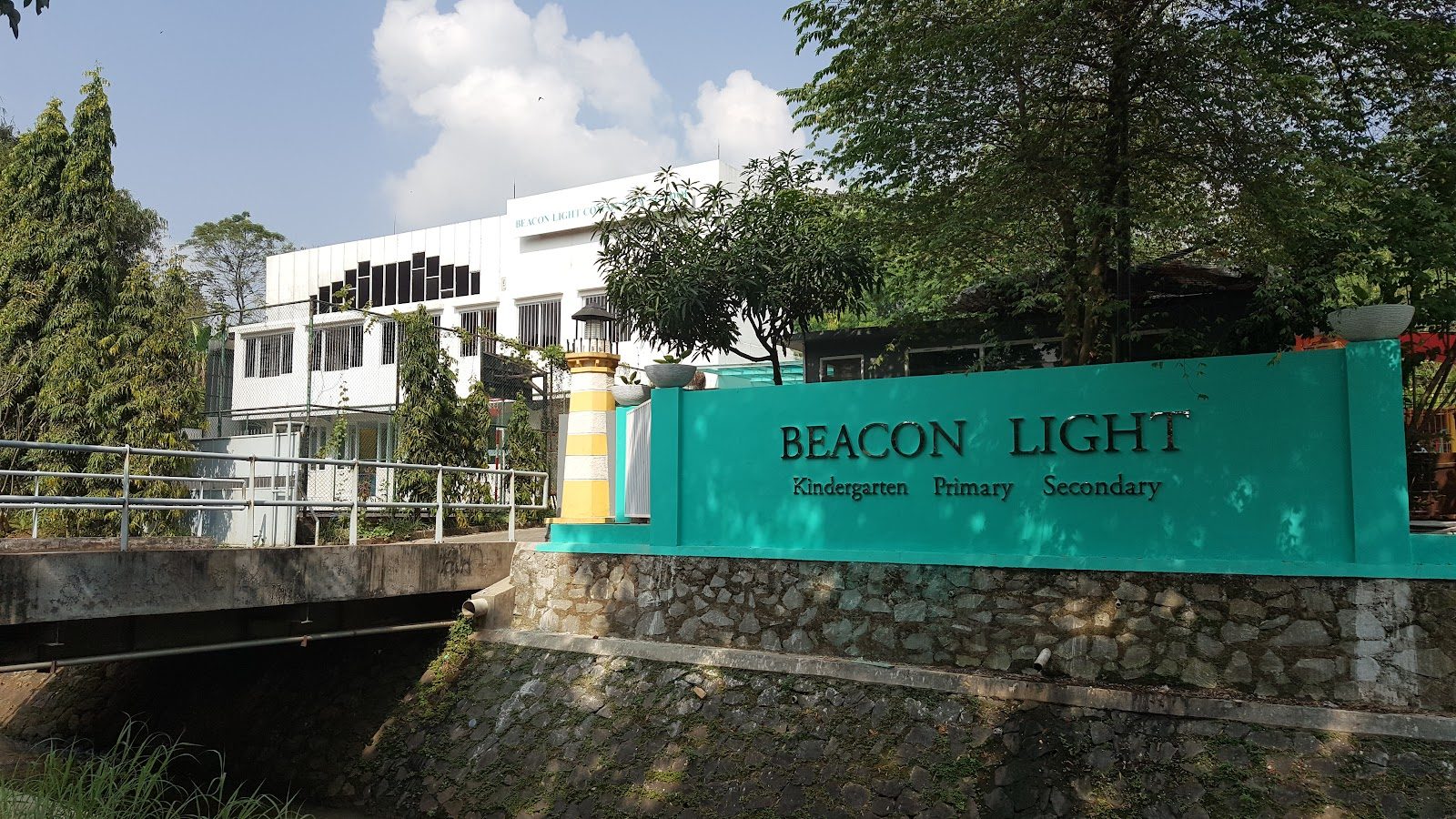
Beacon Academy
South Tangerang · Indonesia
A South Tangerang IB day school built on inquiry-driven learning and a service-first take on student leadership.
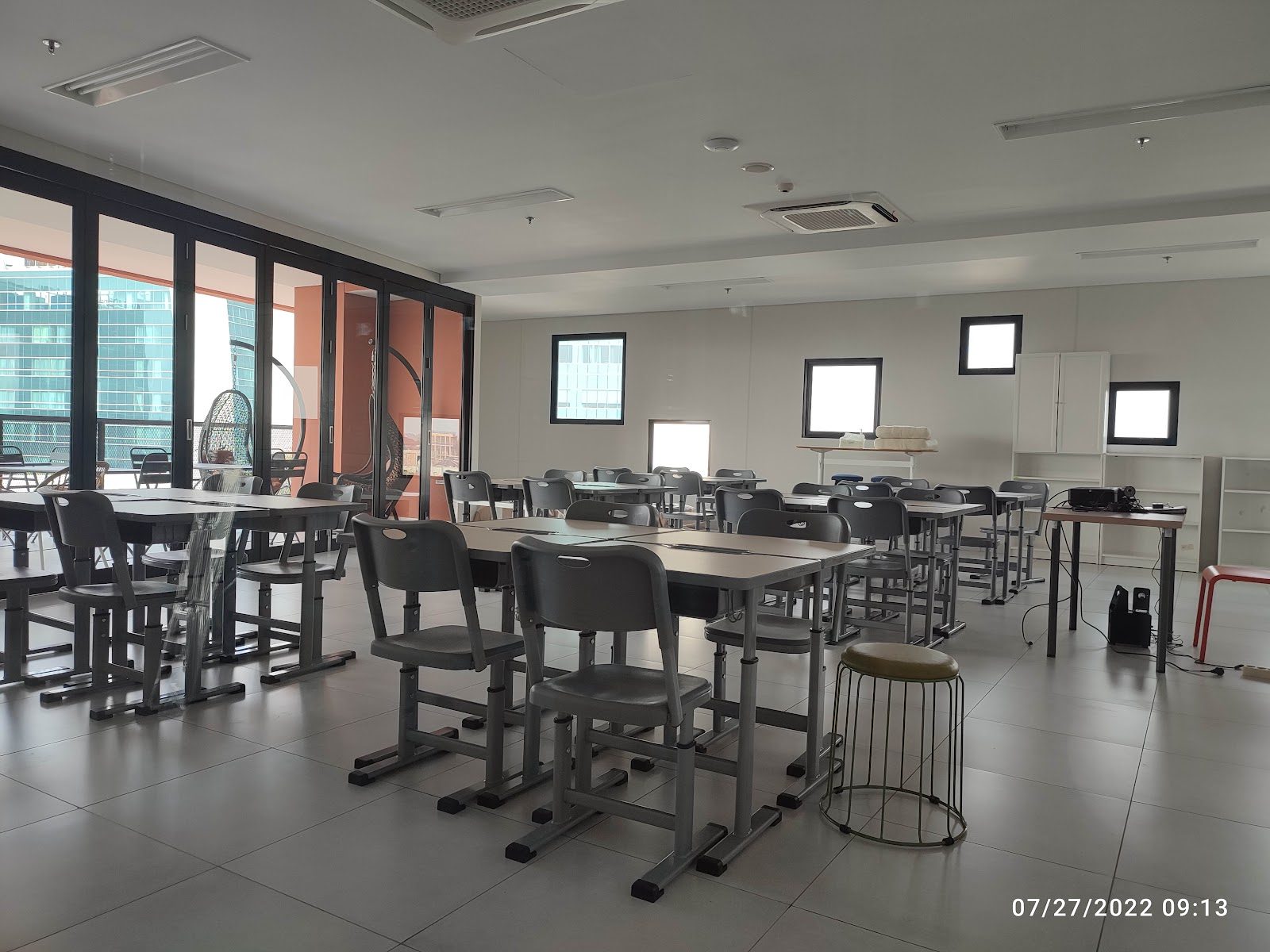
Sekolah Cikal Cilandak
Jakarta · Indonesia
South Jakarta's first competency-based school layers the IB onto an inclusion ethos built for children of all needs.
Sinarmas World Academy
Tangerang · Indonesia
In BSD City's business district, 2024 IB Diploma results averaged 38.2 points, eight above the global mean, with a perfect pass rate.
Same country and curriculum — closest matches within ±10 points either way