
Delhi
Springdales School
low confidence· 6/6 cats · 0 avg sourcesA 1955 progressive-education pioneer whose 'world is one family' motto powers a student-run literacy drive across Delhi since 1989.
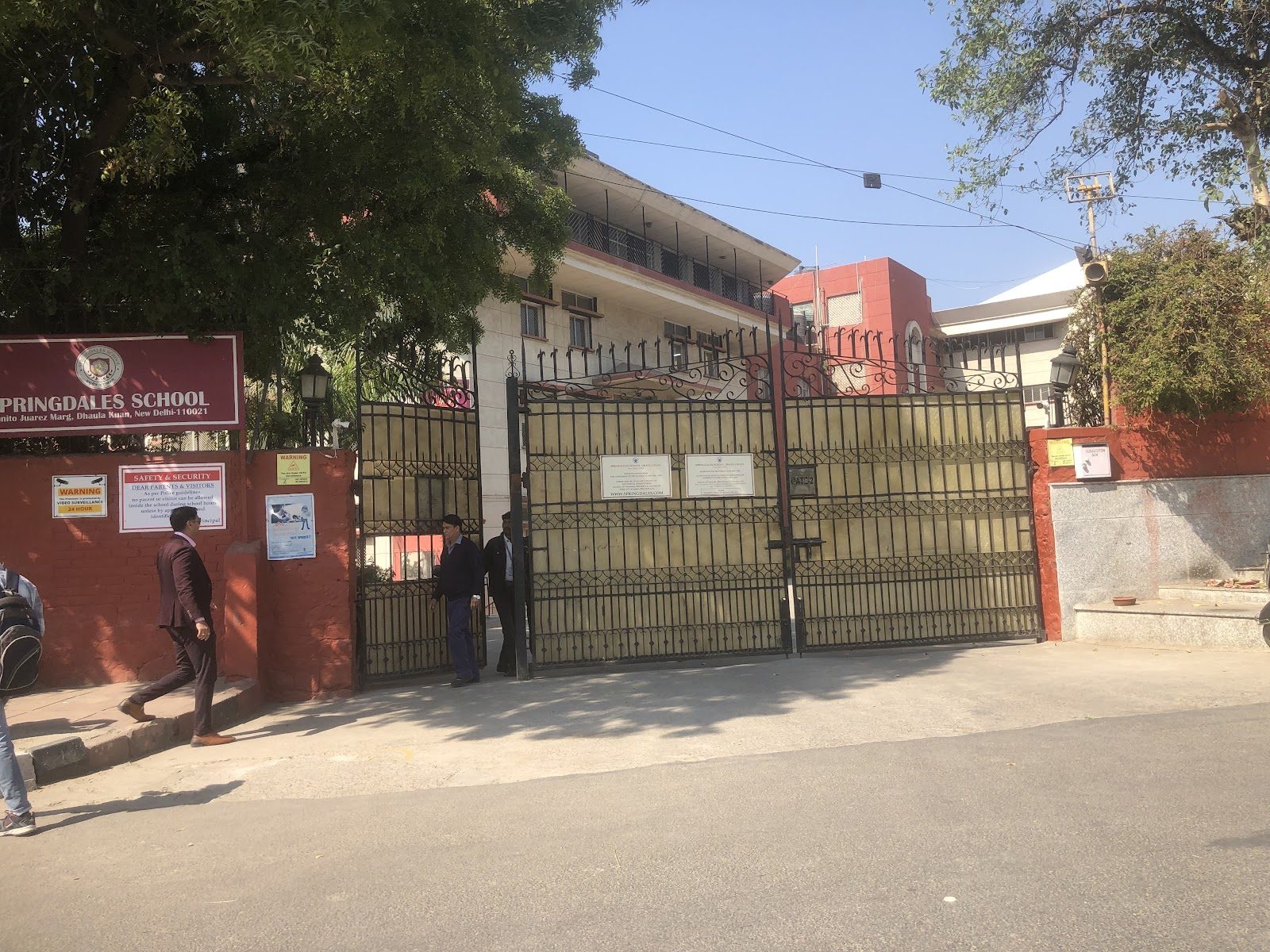
Photo © SOMIR HOSSAIN KHAN via Google Maps
Type
Day
Ages
5–18
Curriculum
CBSE
Ratio
16:1
The Verdict
Editor's commitment
Right for
Families wanting a non-religious Delhi day school with CBSE, a 16:1 student-teacher ratio, and a 1955 reformist pedigree.
Wrong for
Parents chasing tiny seminar classes or boarding will hit the limits fast: Springdales is day-only, with average classes of 32.
Watch out for
The motto and the 1989 literacy drive give Springdales moral seriousness; public academic outcome data beyond CBSE are not published.
Ranking breakdown
Springdales School · # of 1591
Composite score 68.8. 8 weighted criteria.
By criterion
Academic Outcomes
Weight 20%
#511
of 1529 scored
University Placement
Weight 16%
#584
of 1529 scored
Prestige & Heritage
Weight 12%
#597
of 1571 scored
Alumni Network
Weight 12%
#389
of 1530 scored
Facilities
Weight 12%
#923
of 1534 scored
Transparency & Communications
Weight 8%
#722
of 1532 scored
Peer & Industry Review
Weight 10%
#640
of 1548 scored
Admissions Selectivity & Demand
Weight 8%
#369
of 1529 scored
Peer & Industry Review
How Springdales School is regarded in the sector
65
Respected · medium confidence
Springdales School (Pusa Road/Dhaula Kuan, New Delhi) consistently appears in Education World India School Rankings among Delhi's top co-ed day schools, and is frequently cited in Indian education press and 'best schools in Delhi' listicles by outlets like India Today. It has a recognizable alumni network including public figures, but lacks the international benchmarking (Tatler, Good Schools Guide) seen for globally elite institutions, positioning it as a strong regional/national player rather than a top-tier global name.
Evidence sources
Editors' overview
Springdales School occupies a distinct place in Delhi’s day-school market: a long-established, non-religious CBSE school founded in 1955 with a progressive social mission that predates the current fashion for “values education” by decades. Its motto, the world is a family, is not decorative. The school’s own history ties that motto to international festivals, language initiatives, student camps on international understanding and, from 1979, an integrated scholarship scheme for pupils from economically deprived backgrounds. This is a school with institutional memory, civic purpose and an old Delhi reputation built over time, not a new campus built around branding. Parents who want academic structure without a narrow, exam-factory culture will take this seriously.
What sets Springdales apart is the depth of its public ethic. The editorial tagline points to the student-run literacy drive across Delhi since 1989, and that matters: service here sits inside the school’s identity, not on the edge of it. The school’s historical record also shows unusual consistency in linking education to citizenship, culture and social responsibility. Moral seriousness, social conscience and intellectual openness define the proposition more clearly than facilities talk or slogan-heavy claims ever could. The trade-off is clear as well. With an average class size of 32 and a student-teacher ratio of 16:1, Springdales does not sell boutique intimacy. It offers scale, energy and a strong communal culture instead.
For parents, the shortlist case is straightforward. Springdales combines Delhi pedigree, English-medium teaching, a full 5–18 age range and the familiarity of the CBSE curriculum with a much stronger sense of public purpose than many direct competitors. It has the texture of an institution, not a lifestyle product. That will appeal to families who value clear-minded idealism, independence of thought and exposure to a broad social mix. It will appeal less to parents who want hyper-selective academic signalling, lavish small-class pampering or a polished international-school aesthetic.
The right student for Springdales is engaged, articulate and ready to participate. This is a strong fit for children who enjoy debate, performance, school traditions and work beyond themselves; for pupils who thrive in a busy day-school environment; and for teenagers who want their education tied to civic commitment and a sense of common life. It suits the student who wants more than marks alone, but not at the expense of discipline or seriousness.
Academic Performance
Springdales does not publish the exam data that serious parents now expect: no board-toppers grid, no subject-by-subject breakdowns, no aggregate distribution of top CBSE bands, and no multi-year trend line for the senior years. That makes hard comparison with Delhi’s results-driven day-school leaders impossible. The school’s public history establishes academic legitimacy — it sent pupils for the Delhi State High School Examination early in its life, recorded a state-leading girl candidate in that first phase, and later moved its senior cohorts into the CBSE system — but those are historical milestones, not a current performance dashboard. In today’s market, that level of opacity is a real weakness.
Relative to peers, Springdales sits in the group of established Delhi schools whose reputation rests on institutional standing, selective demand and long-term parent confidence as much as on published score inflation. That does not place it among the city’s marks-first operators who advertise every headline result. It places it closer to schools where academic seriousness is taken for granted but not exhaustively marketed. For some families, that restraint reads as self-possession. For others, it reads as missing evidence. The practical conclusion is clear: treat Springdales as academically credible, but ask for current board outcomes, top-grade proportions and university destinations before treating it as a top-tier exam performer. Without those figures, no responsible editor can rank it above stronger-disclosing competitors.
Facilities
Springdales’ facilities story is tied less to glossy campus theatre than to the kind of infrastructure an old, serious Delhi day school accumulates when it has had time to build for activity, not display. The school’s own history points to dedicated playfields behind the Pusa Road school, a swimming programme in place early in its development, and an 8-acre work-experience farm acquired for students. It also maintained a holiday home in Mussoorie for summer use and established a teachers’ resource centre as a formal investment in staff development. That mix matters. It points to a school built around sport, outdoor experience, cultural production and teacher formation, not just classrooms and an assembly hall. The historical emphasis on large-scale performances and festivals also indicates substantial performance capacity and organisational muscle, even if the school does not publish the kind of polished facilities inventory that top private competitors now treat as standard. That opacity is a weakness.
Against Delhi peers, this places Springdales in the substantial but not showroom-led bracket. It has deeper institutional infrastructure than many mid-market schools, and a broader educational footprint than campuses that confine activity to conventional labs, courts and auditoriums. At the same time, parents shopping at the very top end of the market now expect published detail on science suites, maker spaces, visual arts studios, theatre specifications and indoor sports provision. Springdales does not disclose that with enough precision. So the verdict is solid, serious and lived-in, with signs of unusual breadth, but without the transparent facilities data that would place it among Delhi’s best-documented campuses.
The rating stops short of elite academic supremacy for one reason: the school does not publish the hard outcome data that would justify that claim
Prestige
Springdales carries real prestige in Delhi, but it is not prestige of the glossy, aspirational-international sort. Its standing rests on longevity, social reputation and the credibility of an institution that has educated generations across the capital under the same education society. The school’s history is studded with high-level public recognition: visits from ministers and diplomats in its early years, a school festival attended by Jawaharlal Nehru, inauguration of the Pusa Road branch by President Zakir Husain, and later national-level camps and civic platforms that placed pupils in public view. That record gives Springdales serious old-establishment weight. It also helps that the school has expanded into five branches, a scale that signals permanence and demand rather than a single-campus legacy story.
The rating stops short of elite academic supremacy for one reason: the school does not publish the hard outcome data that would justify that claim. Prestige built on ethos, civic seriousness and historic visibility still counts, and for many Delhi families it counts a great deal. Springdales has name recognition, social credibility and a reputation for producing articulate, engaged students rather than polished score machines. That is a distinguished profile, not an all-conquering one. In blunt terms, this is a respected school with cultural and civic cachet, not the city’s most status-anxious or results-advertising brand. For parents who value substance over display, that distinction works in its favour.
Families who want education tied to public life will find something genuinely unusual
Communications
Springdales communicates with parents in the manner of an old institutional school rather than a consumer brand. The website gives a strong sense of history, ethos and organisational continuity, with detailed archival storytelling, named milestones and a clear statement of the school’s governing society. That matters: parents can see what the school values and how long those values have shaped school life. The public voice is serious, ideological and institution-led, not chatty or sales-driven. There is also enough structural information to sketch the daily reality of the school, including a student-teacher ratio of 16:1 and average classes of 32. What is missing is just as important. The school does not publish the level of operational detail many parents now expect on communication channels, reporting routines, pastoral processes, complaints handling or senior-school academic tracking.
So the verdict is mixed. Springdales communicates its identity extremely clearly; it communicates its current performance and parent-facing processes less well. For families drawn to the school’s public-minded culture, that first strength carries weight. For hard-nosed parents making comparisons across Delhi’s stronger day schools, the gaps are frustrating. A school with this depth of tradition should have no difficulty setting out, in plain terms, how parents hear from teachers, how concerns are escalated, how progress is reported and what response times apply. Until it does, communication reads as principled but old-fashioned: strong on mission, weaker on the practical detail that supports parental confidence.
Uniqueness
What makes Springdales distinct is the age and consistency of its public mission. Plenty of schools talk about values; Springdales built them into school life through concrete programmes, exchanges and campaigns that ran far beyond token charity. Its own history records international children’s festivals, a national students’ camp on international understanding, an Africa Club, a twinning programme with a Moscow school, and the first school-level introduction of Russian as a third language under the Indo-Soviet cultural programme. It also set up an integrated scholarship scheme and grew under an education society rather than around a single founder’s brand. That gives the school a rare moral centre and a civic seriousness that feels institutional, not decorative. The scale of its cultural productions — one involved over 800 students before an audience of 1800 — also points to a school used to collective endeavour on a large stage.
For students, that brings more than a pleasant ethos statement. It means regular exposure to ideas of citizenship, public action and social responsibility as part of ordinary school identity. Children in this environment learn to speak, organise, collaborate and engage across social lines; they do not just collect certificates. That is Springdales’ real distinction. The school produces a community-minded type of student: outward-looking, articulate and comfortable with responsibility. The trade-off is clear. Families seeking a tightly managed, purely results-maximising culture will find the school’s priorities wider than that. Families who want education tied to public life will find something genuinely unusual.
This is a school with institutional memory, civic purpose and an old Delhi reputation built over time, not a new campus built around branding
Student Profile
The pupil who fits Springdales is not a passive consumer of schooling. This place suits children who will join in, speak up and accept that school life extends beyond the classroom. The historical record points to a culture built around public performance, collective projects and social engagement on a large scale: one production drew more than 800 students, and the school’s long habit of festivals, clubs, camps and exchange-minded programmes still signals the type. The natural fit is an outward-facing, socially alert student who likes being part of something bigger than a friendship group or an exam timetable. Children who enjoy debate, the arts, organising events, house activity and visible responsibility will have room here.
It is a weaker fit for the child who wants anonymity, ultra-personalised attention or a narrow marks-only routine. Springdales has a communal, high-participation culture, and pupils need enough confidence to navigate a busy peer environment and enough maturity to cope with a school that expects contribution, not just attendance. Its scholarship tradition and literacy work also point to a student body shaped by more than one social background, which strengthens the school’s public-minded character. Parents who want their child surrounded by polished entitlement should look elsewhere. Parents who want articulate, engaged young people with a civic instinct will find the profile compelling.
Parents who want academic structure without a narrow, exam-factory culture will take this seriously
Co-curricular strengths
Arts & sport, on a separate axis
Overall 7.96/10
Scored 0-10 from the school's own published evidence. This axis is editorial-only — it does not feed the main WTS ranking.
Sports
7.4/10
Drama
8/10
Dance
8.1/10
Music
8.3/10
Visual Arts
8/10
Strengths
- +Founded in 1955; long-established Delhi institution.
- +CBSE curriculum offers clear Indian board pathway.
- +English-medium teaching suits many international families.
- +16:1 student-teacher ratio is relatively manageable.
Considerations
- −CBSE only; no IB or British curriculum option.
- −Day school only; no boarding for overseas families.
- −Average class size 32 may feel large.
Availability
Primary entry gate & tests
Internal Assessment
Gallery
Photo © Preeti Upadhyay via Google Maps
Photo © Preeti Upadhyay via Google Maps
Photo © Aakash via Google Maps
Photo © Mayank Soni via Google Maps
Photo © Preeti Upadhyay via Google Maps
Photo © Deepak Joshi via Google Maps
Photo © Amit Kumar Shrivastava via Google Maps
Photo © Mayank Soni via Google Maps
Photo © chinmoy hazra via Google Maps
Parent reviews
Have you sent your child here?
Voice reviews carry the strongest trust badge — we transcribe them for you to tidy up before they go live. Prefer to type? A written review is fine too.
Add your voice
In 60 seconds, tell other parents: what's the best thing about Springdales School, and what surprised you when your child joined?
We ask for a Google sign-in so every review has a real face behind it — no anonymous drive-by attacks on schools, and no faked positive reviews. Your email is never shown publicly.
Send this profile to a friend
International parents rely on word-of-mouth. Share this review with someone weighing the same decision.
Schools with places
Similar schools to Springdales School with places available now.
Availability first, then country, area, curriculum, price, co-curricular
Consider also
Also worth looking at alongside Springdales School.
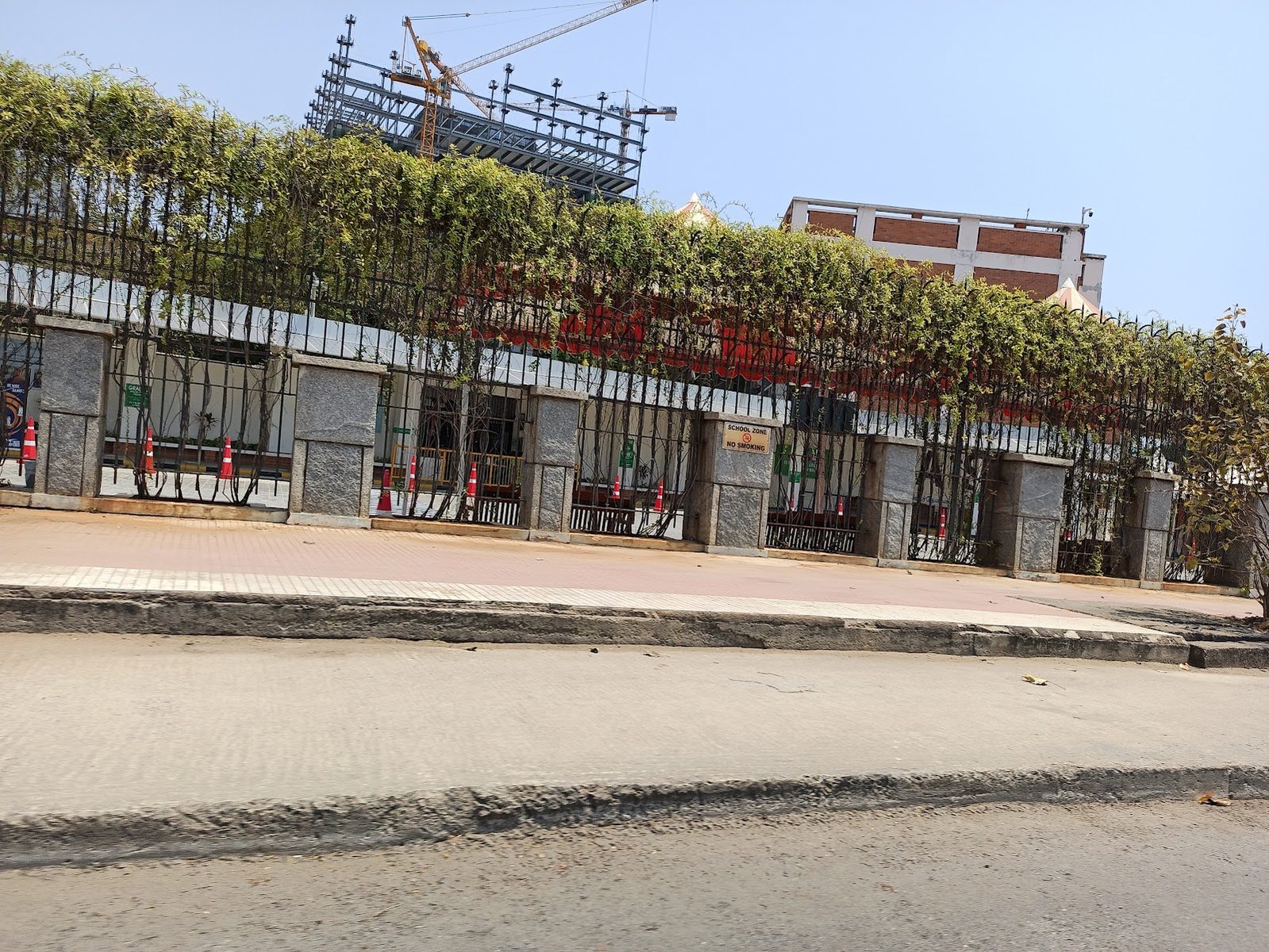
American International School Chennai
Chennai · India
Born of a 1995 US-India accord, this Taramani campus blends AP and IB rigor with the world's first K-12 LEED Platinum campus
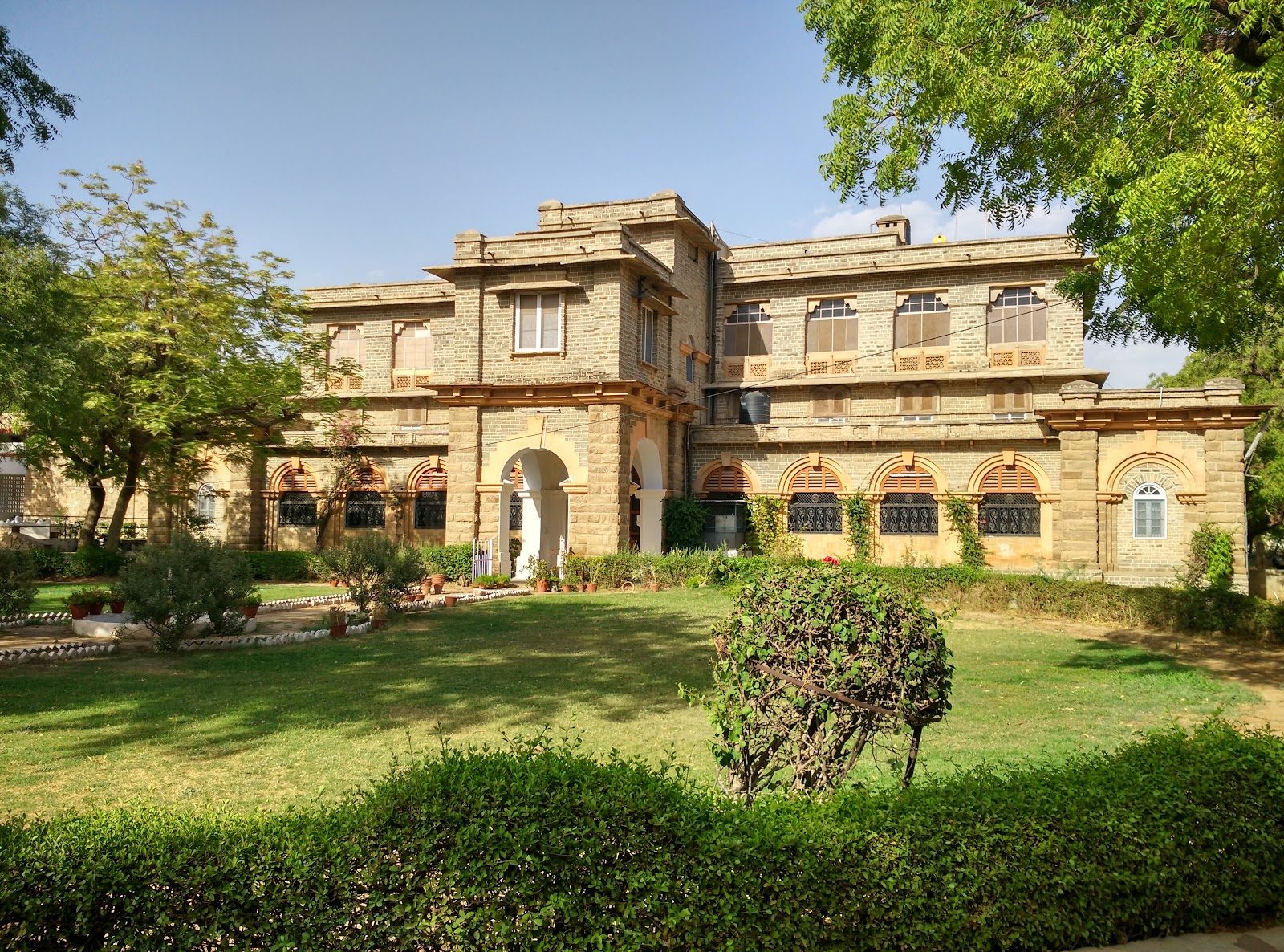
Mayo College
Ajmer · India
Historic all-boys boarding school in Ajmer offering the CBSE and Cambridge IGCSE curricula.
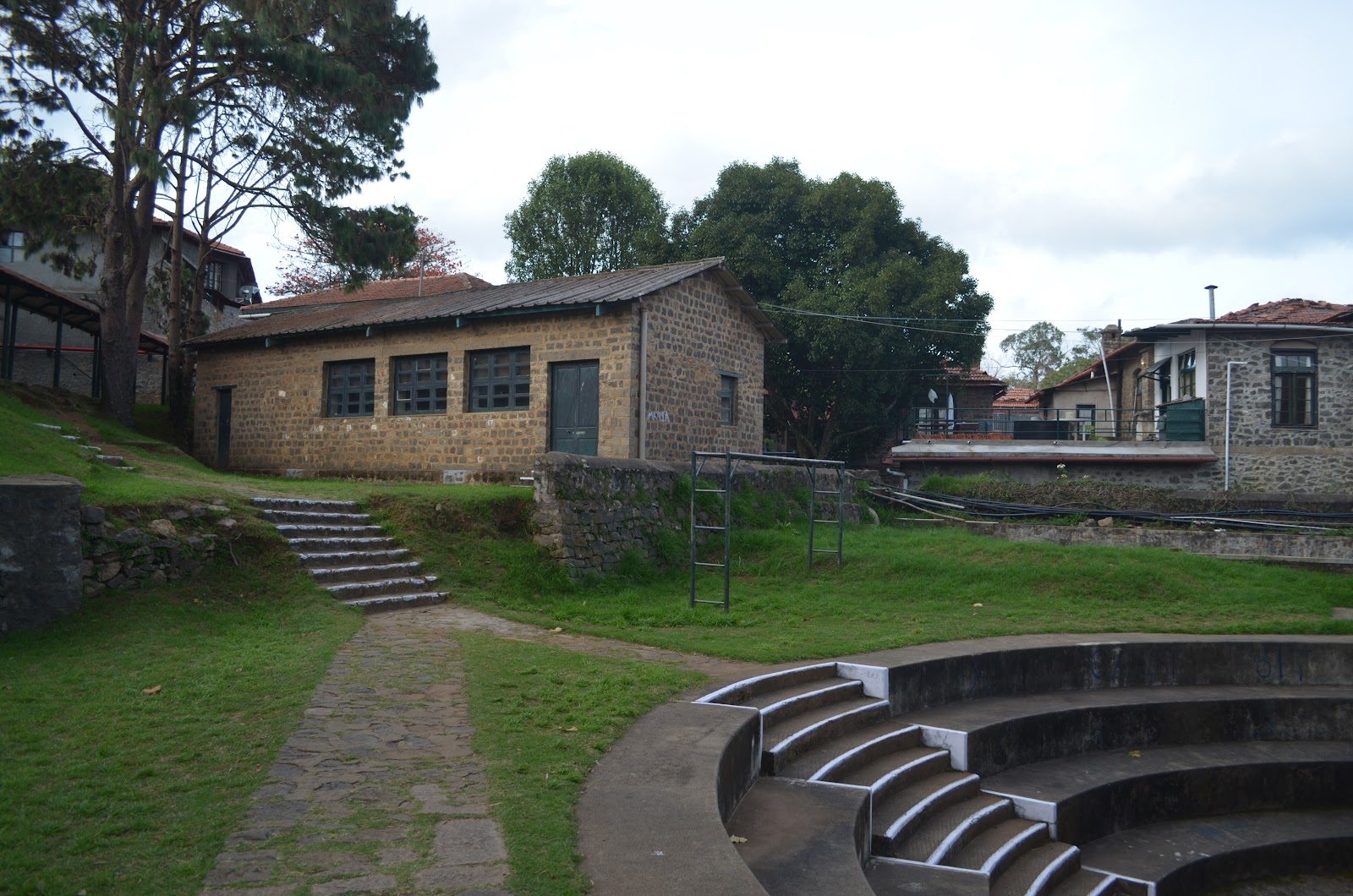
Kodaikanal International School
Kodaikanal · India
Founded in 1901 at 6,998 feet in the Palani Hills, it became India's first IB school and runs its own 135-acre wilderness campus for outdoor learning.
Oberoi International School
Mumbai · India
A full IB continuum from Nursery to Diploma, spread across twin Goregaon campuses inside Mumbai's Oberoi Garden City enclave.
Same country and curriculum — closest matches within ±10 points either way