
Lisbon District
St. Dominic's International School
Portugal's first full IB continuum school, tracing a Dominican search for truth back to 1954 on the Cascais coast.
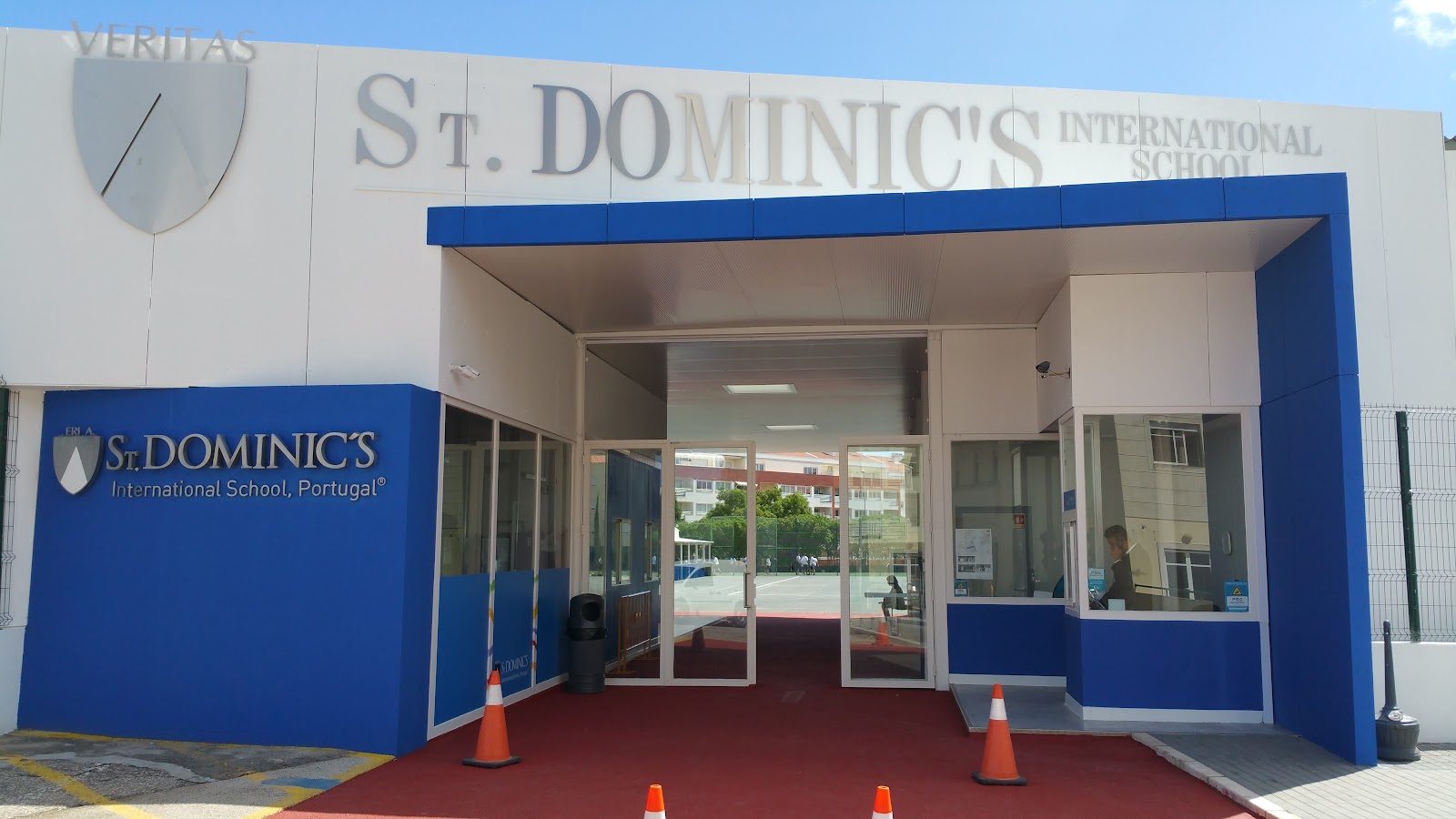
Photo © António Guerra via Google Maps
Type
Day
Ages
3–18
Curriculum
IB
Qualifications
IB PYP · IB MYP · IB Diploma
Ratio
—
The Verdict
Editor's commitment
Right for
Families wanting an English-medium, day-only IB school in São Domingos de Rana, with both IB and CIS accreditation.
Wrong for
Parents after boarding, a non-IB route, or a secular school; St. Dominic's is day-only, Catholic and IB throughout.
Watch out for
Founded in 1975 and billing itself as Portugal's first full IB continuum school, it publishes no hard academic results here.
Ranking breakdown
St. Dominic's International School · #1376 of 1591
Composite score 52.9. 8 weighted criteria.
By criterion
Academic Outcomes
Weight 20%
#1220
of 1529 scored
University Placement
Weight 16%
#1259
of 1529 scored
Prestige & Heritage
Weight 12%
#1396
of 1571 scored
Alumni Network
Weight 12%
#1247
of 1530 scored
Facilities
Weight 12%
#1193
of 1533 scored
Transparency & Communications
Weight 8%
#1151
of 1532 scored
Peer & Industry Review
Weight 10%
#1373
of 1548 scored
Admissions Selectivity & Demand
Weight 8%
#1419
of 1529 scored
Peer & Industry Review
How St. Dominic's International School is regarded in the sector
60
Respected · medium confidence
Among Lisbon-area international schools, St. Dominic's is generally positioned as a solid, long-established alternative to Carlucci American International School of Lisbon (CAISL) and St. Julian's School, rather than a headline name. Its standing rests chiefly on structural credentials -- CIS and NEASC accreditation and IB World School status -- which peer heads and admissions consultants in the Cascais/Estoril corridor treat as the baseline signal of seriousness rather than a differentiator. It rarely features in UK-oriented outlets like Good Schools Guide International or WhichSchoolAdvisor with detailed independent write-ups, and it is largely absent from mainstream national league tables, which in Portugal do not systematically track international schools the way UK broadsheets do. University-side recognition is inferred mainly from its IB Diploma pipeline feeding into UK, Portuguese (NOVA, Catolica) and broader European university systems, but no verifiable admissions-officer commentary or named endorsements are publicly documented. Overall, its reputation is that of a stable, community-trusted institution known locally rather than one actively discussed in international education press or peer-conference circuits.
Editors' overview
St. Dominic’s International School holds a clear position in the Lisbon–Cascais market: a long-established English-medium day school with the full IB continuum, Catholic roots and an international intake. That combination is still scarce in Portugal. For families who want one school from age 3 to 18, taught in English and anchored in the IB from start to finish, St. Dominic’s merits a serious look. The Dominican inheritance matters here. “Search for truth” schools tend to place weight on moral formation, service and pastoral order, not just academic throughput. Parents drawn to serious schooling with a moral centre will recognise the appeal at once.
What sets it apart is continuity. Plenty of schools offer one or two IB stages; St. Dominic’s runs PYP, MYP and Diploma under one roof. That gives children a coherent academic language across 3 to 18, and gives parents fewer transition shocks at 16. The school also carries institutional age. Founded in 1975, it is not a startup trading on new buildings and inflated promises. It has had time to build routines, expectations and a recognisable identity. The international dimension is also material rather than cosmetic: the public description cites more than 50 nationalities. That points to a genuinely mixed parent body, not a local school with a foreign badge.
The school belongs on a shortlist for families who want the full IB journey without boarding, and who prefer a school with quiet confidence over a high-gloss luxury proposition. It suits internationally mobile families, diplomat and executive households, and Portuguese families who want English-medium education with a clear route to university admissions abroad. It also fits students who do well in structured, broad academic programmes and who benefit from a stable all-through environment. The strongest match is the child who is curious, organised and comfortable in diverse classrooms; less so the student who wants a narrowly exam-drilled culture or a sixth-form experience detached from a whole-school ethos. St. Dominic’s offers *continuity, conscience and international breadth*. In this segment, that is a strong and distinctive proposition.
Academic Performance
Academic performance is hard to judge with precision because the school does not publish aggregate IB Diploma outcomes on the pages cited here. No average points score, pass rate, subject distribution or university offer data is in the public domain in this source set. That matters. In the Lisbon-area international market, the strongest academic operators publish headline results cleanly and consistently, because outcomes are one of the few hard measures parents can compare. St. Dominic’s instead foregrounds “Academic Results” and “University Destinations” in its navigation without any figures in the extract here. That leaves a real gap in transparency.
What can be said with confidence is narrower. The school runs the full IB pathway and positions university admissions support as a defined function, which signals a serious academic architecture rather than an informal college-counselling add-on. Its all-through structure also removes the disruption of a sixth-form transfer before the Diploma years. Against peers, that places St. Dominic’s in the group of established IB schools with a coherent route to external examinations, but not in the top tier for published accountability. Until the school discloses hard data, parents cannot rank it securely against stronger-reporting competitors. For a school asking families to commit for the long haul, that opacity is a weakness, not a footnote.
Facilities
The public picture of St. Dominic’s facilities is functional rather than expansive. The school’s own navigation points to sports, arts, after-school activities, refectory and food services, transport, pastoral support, academic and learning support, and English language support. That tells parents where the operational weight sits: not in one signature showpiece, but in the *whole machinery of a working all-through school*. For younger children through to sixth form, that matters more than an atrium and a marketing drone video. The arts and sports provision look embedded in school life rather than bolted on, and the presence of dedicated learning and language support is a serious practical strength for internationally mobile families. The weak point is disclosure. The school does not publish a clear facilities inventory in the source set here, so parents do not get the hard detail that stronger communicators provide: specialist labs, performance spaces, pitch count, pool access, maker facilities, or design studios.
Against Lisbon-area peers, that places St. Dominic’s in the middle of the pack for public-facing facilities clarity. Families can infer a broad, serviceable campus offer with the expected infrastructure for meals, transport, pastoral care and co-curricular life, but not a luxury estate engineered to impress on first sight. Some competitors now sell themselves on architecture, elite sports infrastructure or highly specified creative spaces. St. Dominic’s sells schooling. That has merit. It also leaves a real information gap when parents need to compare substance, not atmosphere, across 3 to 18.
That points to a genuinely mixed parent body, not a local school with a foreign badge
Prestige
St. Dominic’s carries real standing in its market, but this is not prestige in the British-brand, trophy-school sense. Its status rests on durability, educational coherence and the narrowness of its offer: one campus, one ethos, one uninterrupted route through the school years. In Portugal, that still counts. The combination of Catholic identity, international intake and the full IB pathway gives it a distinctive niche that many competitors do not match cleanly. The claim of more than 50 nationalities strengthens that standing because it points to a genuinely international parent body rather than a local school with a global marketing layer. For mobile families, that matters. For Portuguese families targeting overseas universities, it matters even more.
The ceiling on prestige sits elsewhere. St. Dominic’s does not project the social theatre, architectural grandeur or aggressive public results culture that drives elite reputations in some international-school markets. Its appeal is quieter and more serious: ordered pastoral life, moral framing, and a broad academic experience under a recognisable set of values. That gives it substantial respectability and loyal parent confidence, but not the aura of a hyper-selective brand that dominates every conversation. The missing piece is public academic proof. A school earns top-rank prestige through outcomes as well as history and ethos; here, the outcomes are not published clearly enough. That keeps St. Dominic’s in the category of well-regarded, not untouchable.
In this segment, that is a strong and distinctive proposition
Communications
St. Dominic’s communicates like an established school with a full operational load rather than a polished admissions machine. The public-facing structure is extensive: admissions steps, fees, calendar and term dates, timetable, uniforms, food services, transport, policies, pastoral support, learning support, English language support, university admissions testing, destinations, sports, arts, CAS, after-school activities and alumni all sit in clear view. That breadth matters. It tells parents where to look for the practical business of family life, and it reduces the friction that weaker schools create by hiding routine information behind enquiry forms. The inclusion of more than 50 nationalities in the public description also raises the bar: a parent body that international needs disciplined, plain communication, and the site architecture points in that direction.
The weakness is depth. Navigation is not the same thing as disclosure. Several important pages are signposted, but the extracts here do not show the detail beneath them, and some labels read like placeholders for reassurance rather than proof. “Academic Results” and “University Destinations” are the sharpest examples: parents need figures, lists and patterns, not just menu items. There is also a small but telling issue of polish — “Middle Years Programe” in the navigation is a basic error that a well-run school should catch. The overall impression is competent and serviceable, with strong operational intent, but not best-in-class transparency.
Uniqueness
What marks St. Dominic’s out is not novelty but coherence. Plenty of international schools bolt together an imported academic programme, a pastoral slogan and a global-minded sales pitch. St. Dominic’s has a tighter internal logic. Its Dominican inheritance gives the place a moral and intellectual frame that goes beyond chapel-window branding: the school’s own language puts mission, values, pastoral support, service and university preparation in one chain. For students, that brings a more ordered moral atmosphere than the market norm. The point is not doctrinal intensity; it is a school culture that treats character, conduct and responsibility as part of education, not a decorative side note. In a sector crowded with lifestyle schools, that is distinctly serious.
The other differentiator is internationalism with real social range. The public description cites more than 50 nationalities, which matters because it changes the daily texture of classroom discussion, friendships and identity. Students do not just study international-mindedness; they live with it. That can produce greater ease across borders, stronger listening habits and less provincial thinking than in schools where the international label masks a narrow parent base. Add the all-through structure and students get continuity in expectations, relationships and pastoral oversight from the first years to university exit. For the right child, that is quietly powerful: fewer institutional resets, a stronger sense of belonging, and an education that ties intellectual ambition to conscience rather than raw performance alone.
Dominic’s in the group of established IB schools with a coherent route to external examinations, but not in the top tier for published accountability
Student Profile
The best fit is the child who benefits from structure, steadiness and moral framing. This is not a school for families chasing social flash, adolescent looseness or a sink-or-swim academic culture. It suits students who can work within clear expectations, handle a broad workload and participate without needing constant spectacle or novelty. The Catholic Dominican setting will suit parents who want education to carry an ethical spine, even if they are not seeking heavy-handed religiosity. Pastoral support, learning support and English language support all sit visibly within the school’s public offer, which points to a student body that includes international arrivals, mixed educational backgrounds and children who need guided transition rather than brute selection. With more than 50 nationalities cited publicly, the social environment is genuinely international, and students who are open, adaptable and curious about other people will settle fastest.
The weaker fit is just as clear. A teenager who wants a fiercely competitive, status-driven sixth-form atmosphere may find the culture too contained and too adult-directed. Equally, a student who resists shared values, routine and community expectations will chafe. St. Dominic’s works best for families who want one school to know their child well over time, and for pupils who gain confidence from continuity rather than reinvention. The strongest candidates are *thoughtful, outward-looking and dependable*; the weakest fit is the child who wants school to function as a loose platform for personal freedom alone.
The combination of Catholic identity, international intake and the full IB pathway gives it a distinctive niche that many competitors do not match cleanly
Co-curricular strengths
Arts & sport, on a separate axis
Overall 8.1/10
Scored 0-10 from the school's own published evidence. This axis is editorial-only — it does not feed the main WTS ranking.
Sports
8.5/10
Drama
8/10
Dance
7/10
Music
8.5/10
Visual Arts
8.5/10
Strengths
- +Offers the full IB continuum (PYP, MYP, and Diploma Programme), giving families a consistent educational philosophy from early years through to university entry.
- +One of the longer-established international schools in the Lisbon area, giving it a track record and institutional memory that newer schools lack.
- +Located in the Cascais/Estoril corridor, a well-established expatriate and diplomatic community with good access to Lisbon.
- +Day-only structure keeps the school focused on a single, coherent pastoral and academic model rather than juggling boarding logistics.
- +Serves a genuinely international student body, which typically supports strong language exposure and cross-cultural social mixing.
Considerations
- −As a day school only, it offers no boarding option for families who relocate without establishing a permanent local household.
- −Editorial ranking (821) and rising_star tier indicate it sits outside the most internationally recognised top tier of IB schools, reflecting a more regional profile.
- −Being one campus in a single location limits flexibility for families who may need multiple site options or larger cohort sizes at each grade.
- −As with most Portuguese international schools, published fee and results data are less extensively benchmarked internationally than for larger global school groups.
Availability
Primary entry gate & tests
Academic Record
Gallery
Photo © António Guerra via Google Maps
Photo © Y LIZ via Google Maps
Parent reviews
Have you sent your child here?
Voice reviews carry the strongest trust badge — we transcribe them for you to tidy up before they go live. Prefer to type? A written review is fine too.
Add your voice
In 60 seconds, tell other parents: what's the best thing about St. Dominic's International School, and what surprised you when your child joined?
We ask for a Google sign-in so every review has a real face behind it — no anonymous drive-by attacks on schools, and no faked positive reviews. Your email is never shown publicly.
Send this profile to a friend
International parents rely on word-of-mouth. Share this review with someone weighing the same decision.
Schools with places
Similar schools to St. Dominic's International School with places available now.
Availability first, then country, area, curriculum, price, co-curricular
Consider also
Also worth looking at alongside St. Dominic's International School.
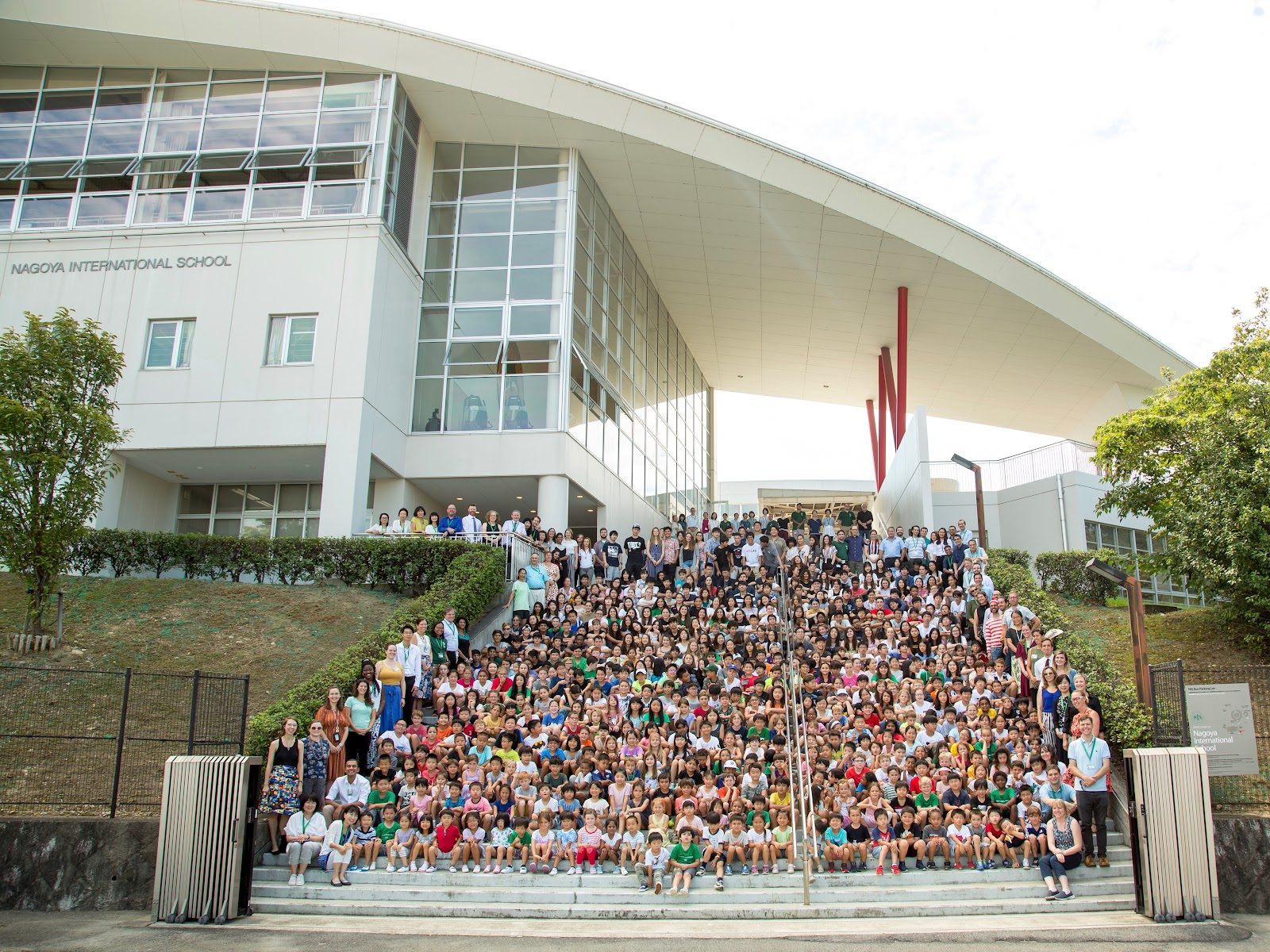
Nagoya International School
Nagoya · Japan
Since 1964, a full IB continuum school anchoring Nagoya's expatriate community at the heart of Japan's auto and aerospace corridor
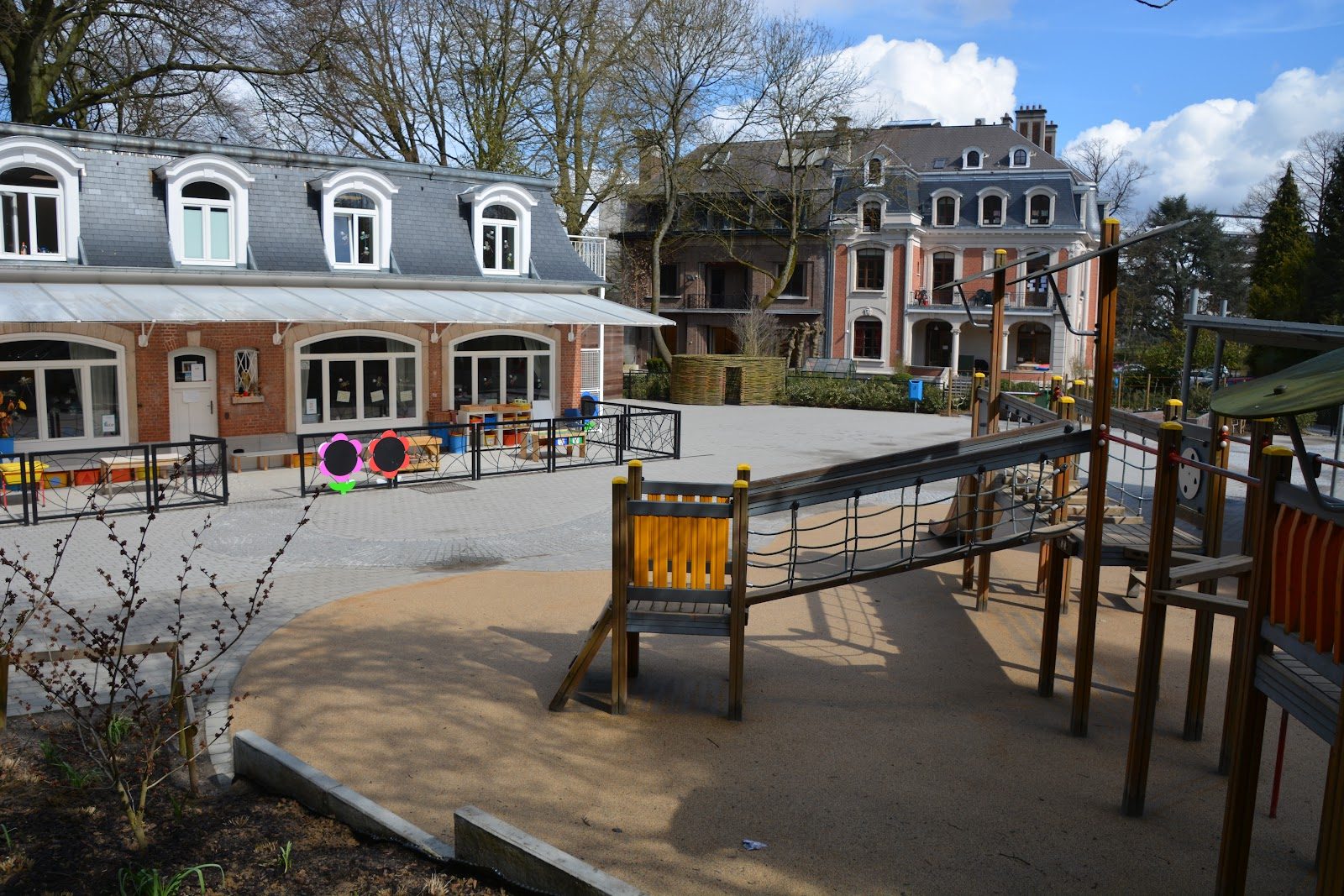
BEPS International School
Brussels · Belgium
A close-knit Bois de la Cambre campus guiding students from IB Early Years through Diploma and Career pathways since 1972.
Bernadotteskolen
Copenhagen · Denmark
Named for wartime Red Cross rescuer Folke Bernadotte, this Hellerup reform school pairs Danish grundskole roots with IB pathways.

Tokyo International School
Tokyo · Japan
Grown from five preschoolers into a full IB continuum, this Minato campus relocates to Takanawa Gateway City ahead of its first DP class in 2027.
Same country and curriculum — closest matches within ±10 points either way