
Overijssel
International School Eerde
medium confidence· 5/6 cats · 1.7 avg sourcesA moated 1715 castle that once sheltered Jewish refugee children now anchors an IB boarding community of 25-plus nationalities.
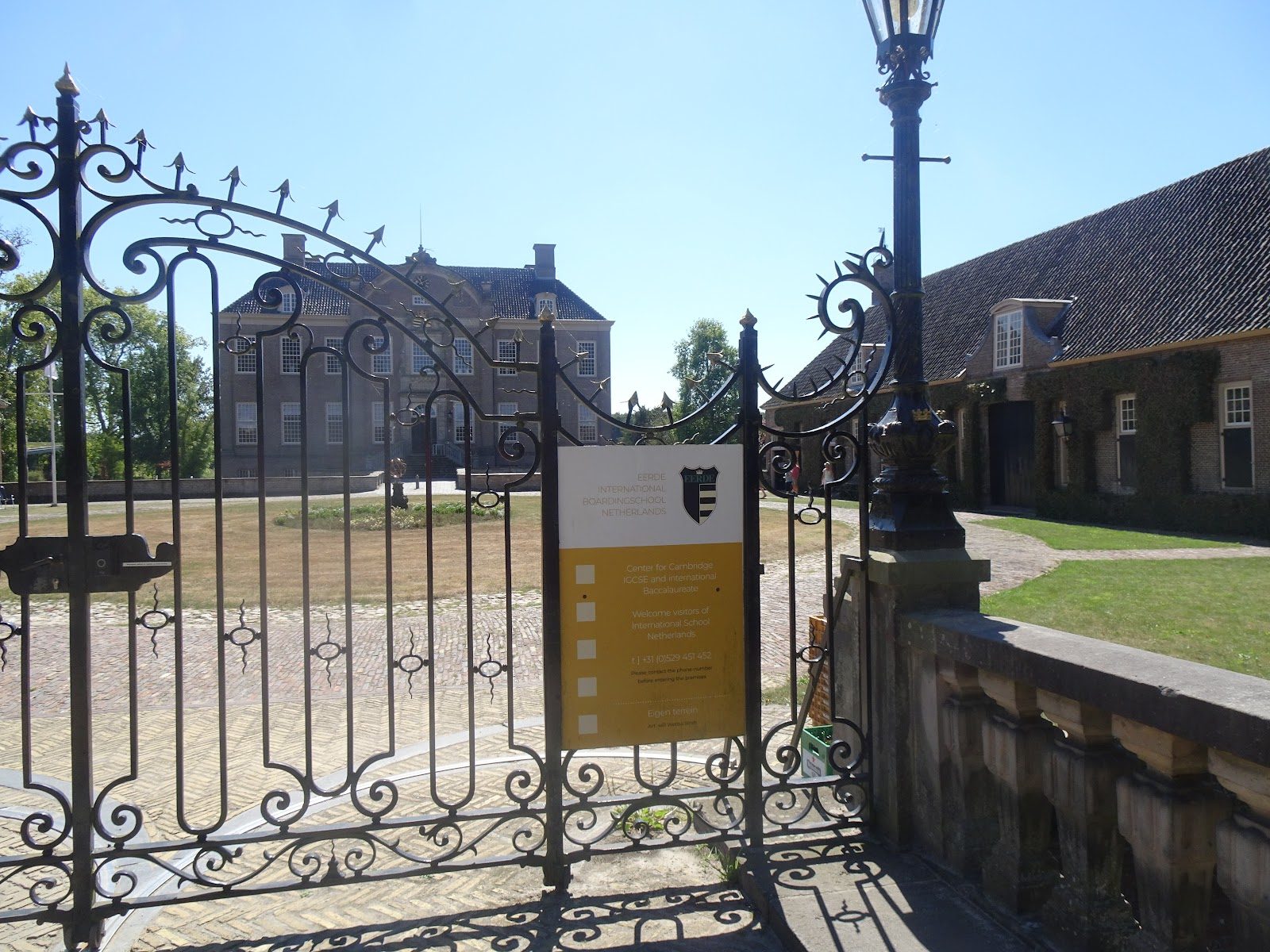
Photo © F.J.A.M. van der helm via Google Maps
Type
Both
Ages
10–19
Curriculum
IB
Qualifications
IB Diploma · IB MYP
Ratio
—
The Verdict
Editor's commitment
Right for
Boarders aged 10–19 who want the IB in English within a 110-student school on a 1715 moated castle estate.
Wrong for
Families wanting scale, anonymity or a broad peer pool; 110 students, 10–15 per class and Ommen keep life intimate.
Watch out for
CIS, Round Square and IB World status add credibility, but the school does not publish aggregate IB results or destinations.
Ranking breakdown
International School Eerde · #1000 of 1591
Composite score 62.2. 8 weighted criteria.
By criterion
Academic Outcomes
Weight 20%
#1085
of 1529 scored
University Placement
Weight 16%
#1089
of 1529 scored
Prestige & Heritage
Weight 12%
#912
of 1571 scored
Alumni Network
Weight 12%
#584
of 1530 scored
Facilities
Weight 12%
#857
of 1533 scored
Transparency & Communications
Weight 8%
#1073
of 1532 scored
Peer & Industry Review
Weight 10%
#893
of 1548 scored
Admissions Selectivity & Demand
Weight 8%
#888
of 1529 scored
Peer & Industry Review
How International School Eerde is regarded in the sector
50
Credible · low confidence
International School Eerde appears in general expat-education roundups (e.g., IamExpat and Expatica overviews of international/boarding schools in the Netherlands) as one of the country's few IB boarding schools, and has an independent entry in the Good Schools Guide International directory, but it rarely if ever appears in 'best schools' rankings, Tatler-style guides, or specialist press comparisons alongside top-tier international schools. This suggests a credible, niche reputation mainly within expat and boarding-school circles rather than broad peer or industry-wide recognition.
Evidence sources
- Freddy Heineken — Chairman/CEO, Heineken N.V., business
Editors' overview
International School Eerde has a setting few schools can match: a moated 1715 castle on a secluded estate outside Ommen, with boarding woven into daily life rather than bolted on as an add-on. The history matters. This campus housed the Quaker School Eerde from 1934 and served as a refuge for German and Jewish children persecuted by the Nazi regime; the school still marks that loss each year. That gives Eerde a moral seriousness that brochure schools cannot fake. It is also small by any measure: 110 students, classes of 10–15, and more than 25 nationalities among students and staff. Parents who want scale, bustle and a long menu of subject choices will find limits here. Parents who want adults to know their child properly will see the point at once. The castle setting is unforgettable, but the stronger selling point is *a compact international community with nowhere to hide*.
In market terms, Eerde sits in a narrow segment: a small English-medium IB school in the Netherlands with both day and boarding provision, accredited by the IB, CIS and Round Square. That combination gives it a clear identity. The school sells intimacy, pastoral structure and an outdoorsy rural environment, not metropolitan polish or institutional heft. Its estate, woodland setting and sport-and-culture programme suit students who gain from routine, space and close supervision. Its partnerships, including the Rijksmuseum and Natuurmonumenten, add substance, though Eerde does not publish the kind of aggregate outcome data that hard-nosed parents now expect from academically ambitious boarding schools. That opacity matters. If exam statistics are central to your search, you will want sharper disclosure. If your priority is personal attention, a second-home atmosphere and room to reset, Eerde earns a place on the shortlist.
The right student for Eerde is clear. This school fits internationally mobile children aged 10–19 who want the IB in English without the anonymity of a large campus. It suits boarders who need structure, younger students making their first move away from home, and families who value character formation as much as grades. It also suits students drawn to horses, outdoor activity and a campus life built around shared routines. It does not suit the child who wants a huge peer group, a city campus, or the status theatre of a famous British boarding school. Eerde’s appeal is more specific than that: close adult oversight, an unusually humane history, and a school size that turns every success and every wobble into something staff will notice quickly.
Academic Performance
Eerde does not publish aggregate external results in the public domain. We have not seen school-wide IB Diploma averages, pass rates, subject distributions, top-score counts or multi-year trends. That leaves parents without the basic benchmarks used to compare serious academic contenders: how many students sit the diploma, how scores cluster, whether results hold steady across cohorts, and how university destinations track from those outcomes. For a school that trades on close attention and individual care, that gap is conspicuous. In this part of the market, small schools still need to show what their pupils achieve in external examinations. Eerde does not.
That does not mean weak results; it means opaque results. The school’s small size also makes raw figures volatile: one strong or weak graduating group can shift averages sharply from year to year. That makes transparent reporting more important, not less. Relative to established IB boarding peers in the Netherlands and wider Europe, Eerde sits in the trust us category on academic performance, because the public evidence is thin. Parents who prioritise pastoral structure over league-table comparison will tolerate that. Parents choosing primarily on examination strength should press for hard data: the latest IB average points, the pass rate, cohort size, highest score, and several years of trend lines.
Facilities
The defining facility is the estate itself: a moated castle at the centre, woodland and open grounds around it, and enough space for boarding life to feel contained rather than cramped. The school also states that “high-tech school facilities” were added later, which matters because heritage settings can slide into picturesque inconvenience. Here, the old shell is paired with newer teaching infrastructure. The estate supports the school’s strongest non-classroom asset: direct access to trails, cycling, hiking and camping territory, with outdoor activity built into the location rather than staged on hired grounds. There is also an equestrian strand in the school’s menu, which sets Eerde apart from many small international schools. Against peers, this is a richer physical environment than the average compact Dutch day school, but it is not the same as the purpose-built breadth of a large British-style boarding campus with multiple specialist centres.
That trade-off runs through the rest of the offer. Eerde’s facilities look idiosyncratic and memorable, not exhaustive. The school highlights sport and cultural activities, a partnership with the Rijksmuseum, and ties with Natuurmonumenten; those add educational range beyond the classroom. What it does not advertise is just as telling: we have not seen the long inventory of theatres, elite-performance sports provision, major science complexes or extensive sixth-form social spaces that bigger boarding competitors publish as standard. Parents choosing Eerde are buying *character, supervision and outdoor access*, not a glossy arms race in buildings. For the right child, that is a better bargain. For facility-driven families, it is a constraint.
We have not seen school-wide IB Diploma averages, pass rates, subject distributions, top-score counts or multi-year trends
Prestige
Eerde’s prestige is specific, not broad. It does not carry the automatic social signal of an old British boarding name, nor the academic cachet that comes from publishing standout examination data year after year. In international-school terms, its status rests on distinctiveness: a castle campus with real historical weight, a student body drawn from more than 25 nationalities, and membership in recognised international networks that matter to globally mobile families. That gives it credibility and a memorable identity. It does not give it top-tier market clout. Among informed parents, Eerde reads as a niche choice for families who value close supervision, international breadth and boarding in a contained setting.
The school’s strongest prestige marker is not glamour but moral seriousness. Its history as a refuge for persecuted children during the Nazi era gives the place a depth that many international schools lack. That matters more than polished branding. The constraint is scale. A school of 110 pupils commands less influence, fewer alumni connections and less public visibility than larger boarding competitors. Prestige in this case comes from character, continuity and the confidence to stay small, not from institutional power. I would rate Eerde as respectable and distinctive rather than elite: a school that can impress the right family deeply, but not one that dominates the market or confers instant status on name alone.
International School Eerde has a setting few schools can match: a moated 1715 castle on a secluded estate outside Ommen, with boarding woven into daily life rather than bolted on as an add-on
Communications
Eerde’s parent communication is warm in tone, but the public-facing standard is mixed. The website answers the basic practical questions cleanly: where the school is, who it serves, what boarding routes exist, how to make contact, and what broad shape school life takes. There is a directness to that which parents will value, especially at first enquiry stage. The school also leans hard into reassurance — care, belonging, safety, community — and that fits its market. For families choosing a small boarding school, that emotional register is not fluff; it is part of the product. The issue is balance. The messaging is heavily pastoral, conspicuously emotive and at points thin on proof. You learn quickly that the school wants children to feel known and cared for. You learn less quickly how it measures success, how it reports progress, and how consistently it communicates outcomes beyond the anecdotal.
That matters because intimate schools trade on trust. Trust needs more than a welcoming voice and an enquiry form. Eerde publishes a phone number and email address and pushes direct contact, which suits a school of 110 pupils; parents are buying access as much as education. But strong communication also means disciplined disclosure, and here Eerde is less robust than it needs to be. We have not seen the sharper parent information that serious international families now expect in the public domain: aggregate exam data, fuller academic reporting cues, or a more detailed picture of day-to-day school-home communication. The result is personable but incomplete: good at invitation, weaker at evidence.
Uniqueness
What separates Eerde from other international schools is not the castle alone, striking though it is. The real distinction lies in the collision of setting, history and scale. This is a school where daily life unfolds on a country estate with a wartime memory still actively kept, not buried in an anniversary booklet. That gives the place a rare moral depth. Many schools borrow heritage for atmosphere; Eerde carries it as part of its institutional conscience. Add a student and staff body spanning more than 25 nationalities, and the result is a community that feels deliberately international without becoming anonymous. The rural estate also changes the rhythm of school life: less urban distraction, more shared routine, more dependence on the people around you.
For students, that brings benefits and pressures in equal measure. The gain is constant visibility: adults know when a child is thriving, drifting or struggling, and peers cannot disappear into a crowd. The estate and outdoor environment give boarding a grounded, old-fashioned solidity that many polished city schools cannot match. The cost is equally clear. Students who want churn, scale, glamour or the freedom of a looser campus will find Eerde intense and enclosed. Students who need structure, belonging and a school with a conscience will get something harder to find elsewhere: a close-knit international community in which character formation is not a slogan but part of the daily architecture.
That gives Eerde a moral seriousness that brochure schools cannot fake
Student Profile
The students who fit Eerde best are those who benefit from structure, close adult oversight and a community too small for drift or reinvention by avoidance. This suits children who do well when routines are firm, relationships are visible and school life extends well beyond lessons. Boarders making an early move away from home, internationally mobile families who want continuity, and students who need adults to notice mood, effort and habits quickly will all find a better match here than they would at a larger, looser campus. The school’s mix of more than 25 nationalities also means pupils need a degree of social agility: curiosity about other people, tolerance of difference and the confidence to live closely with peers from varied backgrounds.
This is not the place for students who need anonymity, a huge friendship market or the status game of a high-gloss boarding brand. Eerde will suit the outdoorsy, the community-minded and the child who prefers a contained, watchful environment to urban freedom. It also has a clear appeal for horse-interested students and for those who enjoy shared activities rather than a fragmented, independent social life. The pressure point is obvious. In a school of only 110, eccentricity is visible, conflict has nowhere to dissipate, and opting out is harder. For the right student, that produces belonging and momentum. For the wrong one, it feels intense very quickly.
It is also small by any measure: 110 students, classes of 10–15, and more than 25 nationalities among students and staff
Co-curricular strengths
Arts & sport, on a separate axis
Overall 7.04/10
Scored 0-10 from the school's own published evidence. This axis is editorial-only — it does not feed the main WTS ranking.
Sports
7.4/10
Drama
7/10
Dance
6/10
Music
7.2/10
Visual Arts
7.6/10
Editor first-pass · editor-reviewable · 7/29/2026
Strengths
- +Only fully-fledged IB boarding school in the Netherlands
- +10–15 students per class allows close teacher attention
- +1715 moated castle estate offers a distinctive school setting
- +CIS and Round Square add external standards and networks
Considerations
- −Only 110 students; limited peer group and subject breadth
- −Secluded Ommen estate may feel remote from city life
- −English-only instruction may not suit non-English-speaking families
Availability
Primary entry gate & tests
Academic Record
Gallery
Photo © Eerde International Boarding School via Google Maps
Photo © Eerde International Boarding School via Google Maps
Photo © T.Z. Brussen-Veenstra via Google Maps
Photo © T.Z. Brussen-Veenstra via Google Maps
Photo © Willem Kalb via Google Maps
Parent reviews
Have you sent your child here?
Voice reviews carry the strongest trust badge — we transcribe them for you to tidy up before they go live. Prefer to type? A written review is fine too.
Add your voice
In 60 seconds, tell other parents: what's the best thing about International School Eerde, and what surprised you when your child joined?
We ask for a Google sign-in so every review has a real face behind it — no anonymous drive-by attacks on schools, and no faked positive reviews. Your email is never shown publicly.
Send this profile to a friend
International parents rely on word-of-mouth. Share this review with someone weighing the same decision.
Schools with places
Similar schools to International School Eerde with places available now.
Nord Anglia International School Rotterdam
Rotterdam · Netherlands
- 2026-27
- WAITPOOLSpace-dependent
- 2027-28
- PLACES OPENRolling
The International School of The Hague
The Hague · Netherlands
- 2026-27
- WAITPOOLSpace-dependent
- 2027-28
- PLACES OPENRolling
International School of Amsterdam
Amstelveen · Netherlands
- 2026-27
- WAITPOOLSpace-dependent
- 2027-28
- PLACES OPENRolling
Availability first, then country, area, curriculum, price, co-curricular
Consider also
Also worth looking at alongside International School Eerde.
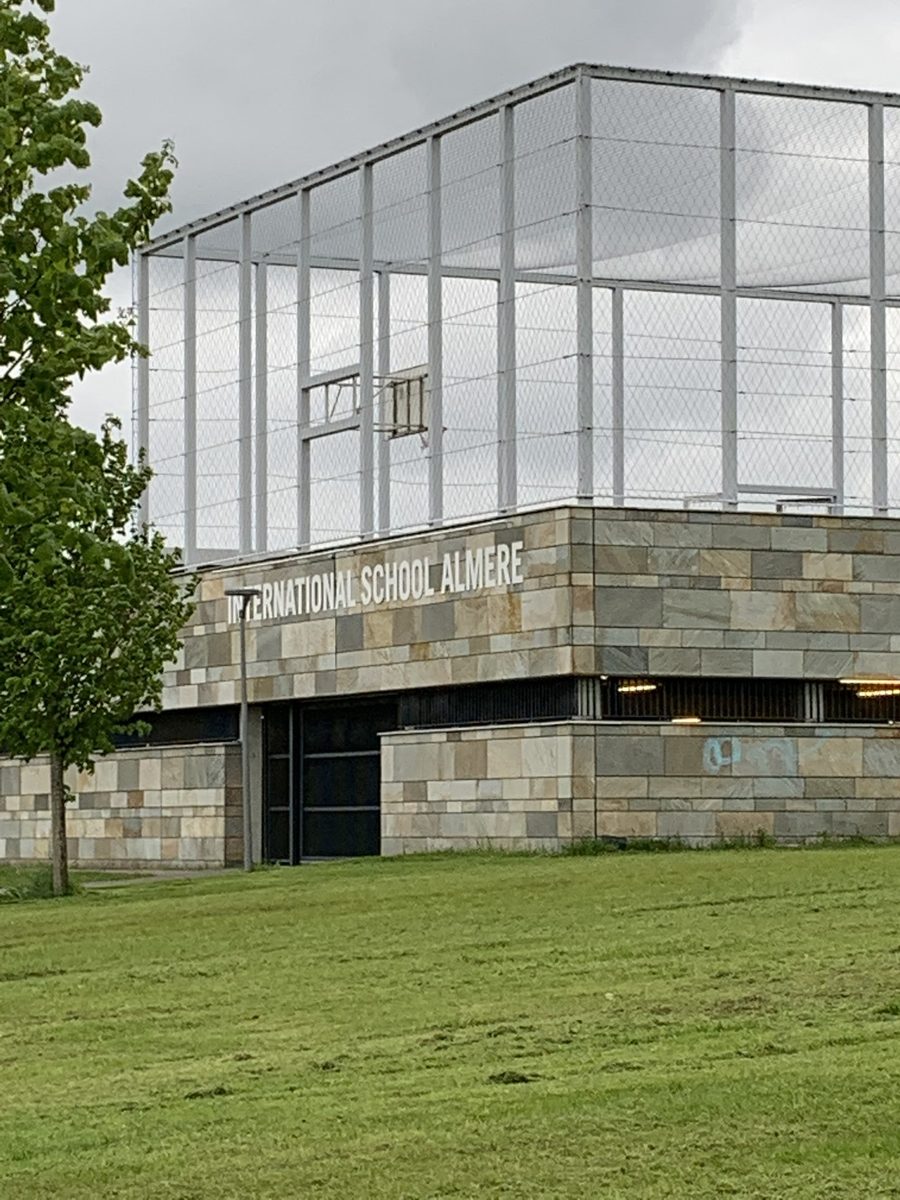
International School Almere
Almere · Netherlands
A full IB continuum, ages two to eighteen, on one shared campus in the Netherlands' fastest-growing city
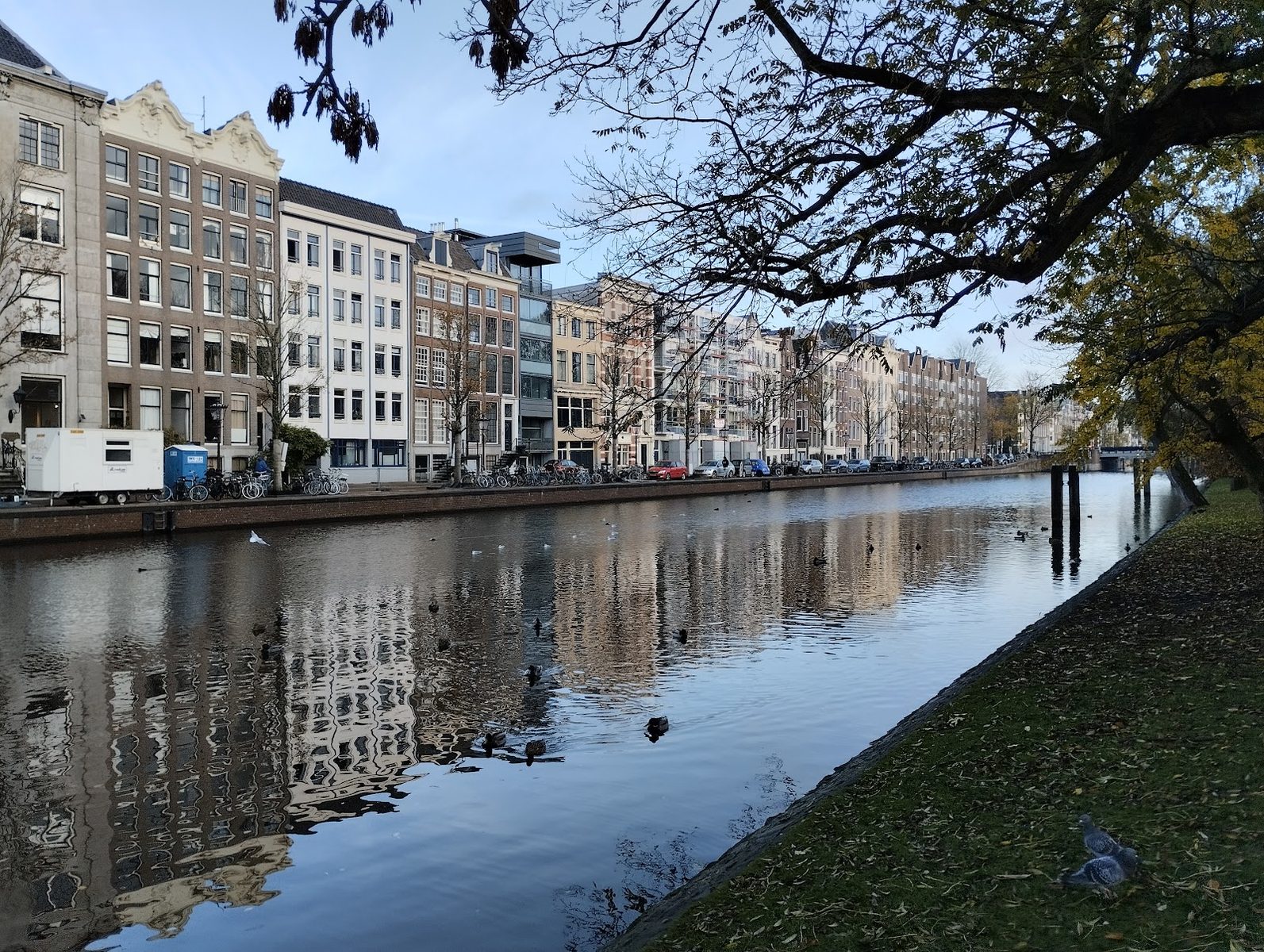
Amsterdam International Community School
Amsterdam · Netherlands
A public alternative to Amsterdam's private international schools, running the full IB continuum from a climate-neutral campus.
Rijnlands Lyceum Oegstgeest
Oegstgeest · Netherlands
One of five schools worldwide that piloted the IB Middle Years Programme, pairing Dutch rigor with a bilingual, Leiden-rooted campus.
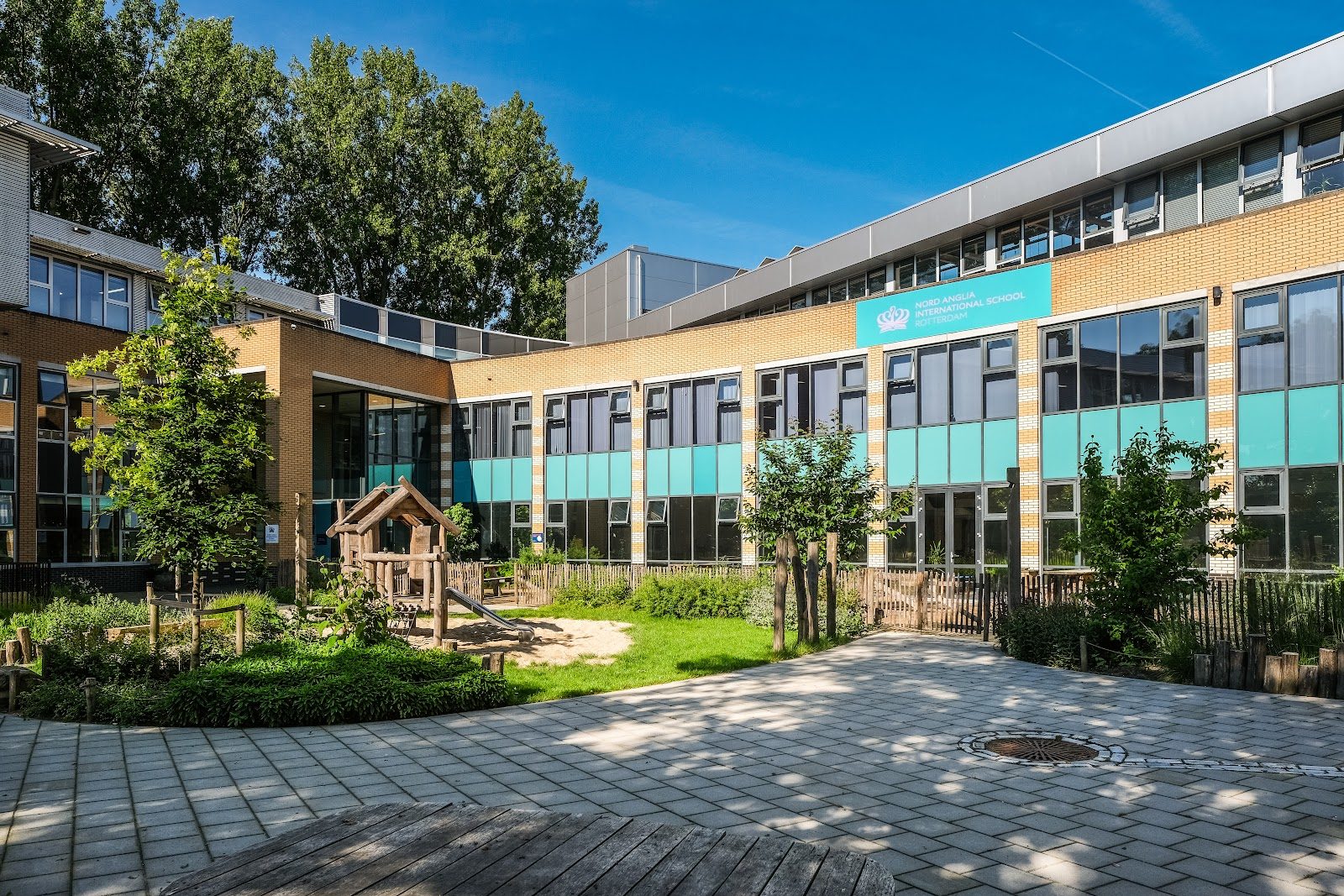
Nord Anglia International School Rotterdam
Rotterdam · Netherlands
Born from a 1959 American community, this Hillegersberg school pairs IB rigor with MIT-designed STEAM and Juilliard arts training.
Same country and curriculum — closest matches within ±10 points either way