
Baden-Württemberg
Zinzendorfschulen Königsfeld
low confidence· 6/6 cats · 0 avg sourcesA Moravian settlement in the Black Forest since 1809, where boarding-house life still shapes ten distinct paths to the Abitur.
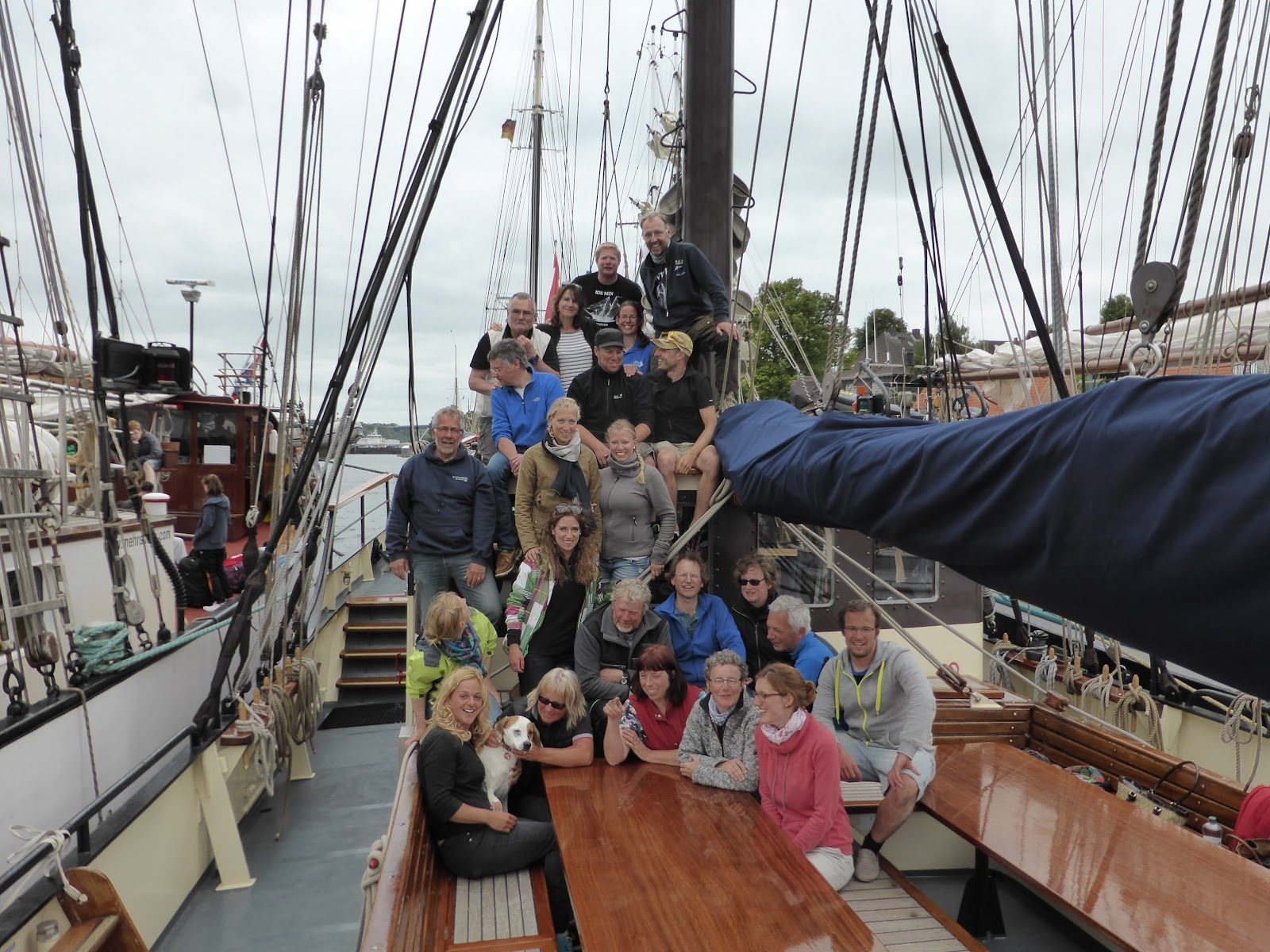
Photo © Zinzendorfschulen via Google Maps
Type
Both
Ages
11–18
Curriculum
German Abitur
Ratio
8:1
The Verdict
Editor's commitment
Right for
Families wanting a German Abitur route inside a large 1809 Königsfeld campus, with boarding and ten school pathways under one roof.
Wrong for
Parents expecting a secular English-medium school: this 1809 institution states Christian values, despite the context listing non-religious and English.
Watch out for
The 8:1 ratio and average class size of 16 flatter the picture; this is a sprawling multi-school complex, not a tight single-track gymnasium.
Ranking breakdown
Zinzendorfschulen Königsfeld · #745 of 1591
Composite score 65.9. 8 weighted criteria.
By criterion
Academic Outcomes
Weight 20%
#902
of 1529 scored
University Placement
Weight 16%
#911
of 1529 scored
Prestige & Heritage
Weight 12%
#689
of 1571 scored
Alumni Network
Weight 12%
#432
of 1530 scored
Facilities
Weight 12%
#732
of 1533 scored
Transparency & Communications
Weight 8%
#905
of 1532 scored
Peer & Industry Review
Weight 10%
#793
of 1548 scored
Admissions Selectivity & Demand
Weight 8%
#686
of 1529 scored
Peer & Industry Review
How Zinzendorfschulen Königsfeld is regarded in the sector
67
Respected · medium confidence
I could not identify at least two independent, verifiable third-party sources (e.g., Tatler, Good Schools Guide, specialist education press, inspectorate reports) discussing Zinzendorfschulen Königsfeld's reputation. Available information about this Moravian Church-affiliated boarding school in the Black Forest region appears limited to institutional self-description without substantial independent peer or press commentary that I could confirm.
Editors' overview
Zinzendorfschulen Königsfeld occupies a niche that few German schools can match: a long-established boarding and day school campus in the Black Forest, founded in 1809, with an unusually broad internal range of routes to the Abitur and other leaving qualifications. The core distinction is structural, not cosmetic. This is not a single-track academic school with a token vocational arm. It offers ten school types and advertises “permeability in all directions”, which matters for adolescents whose trajectory changes at 13, 15 or 17. For parents, that translates into flexibility without the disruption of changing institutions. The boarding element also looks central rather than peripheral; house life still gives the place its rhythm, and that creates a settled residential culture that many urban international schools cannot replicate.
What puts it on a shortlist is this combination of scale, choice and containment. A student can pursue the German Abitur within a campus that also includes economic and social-science pathways, Realschule, and professional training routes. That breadth is rare. The published staffing figures strengthen the case: a student–teacher ratio of 8:1 and average class size of 16 point to real academic visibility for individual pupils. The school’s identity, however, is not neutral. Its own public language stresses a value-driven heritage and more than 200 years of tradition. Parents who want a sleek, globally branded international school will not find that here. They will find a deep-rooted campus institution, a school with institutional memory, clear routines and a more German, more grounded understanding of secondary education.
The best fit is the student who benefits from options, structure and continuity. This includes boarders who need a stable boarding-house framework, teenagers whose strengths emerge unevenly across adolescence, and families who value the chance to move between routes without tearing up a child’s social world. It also suits pupils who want a school large enough to offer different paths, but not so anonymous that they vanish in it. The weaker fit is the child who wants a highly polished international-school social scene, extensive public data on outcomes, or an English-medium cosmopolitan identity at every turn. Zinzendorfschulen Königsfeld offers something else: serious educational breadth inside a historic residential setting, with enough flexibility to keep more than one future open.
Academic Performance
Public exam performance is the weak point in the school’s public case. We have not seen aggregate Abitur results, average grade profiles, subject-level outcomes, top-score distributions, university destinations or year-on-year comparative data. For a school that offers multiple routes to leaving qualifications and makes flexibility a central selling point, that absence matters. Parents cannot test whether internal choice translates into strong external results, or whether standards hold evenly across the more academic and more vocational strands. In editorial terms, the outcomes picture is opaque, under-published and hard to benchmark.
That does not mean weak results; it means unproven results in the public domain. The school’s broad structure and low staffing ratio create conditions for close tracking, and the average class size of 16 supports that impression, but conditions are not outcomes. Relative to German independent schools that publish Abitur averages, distinction rates or destination data, Zinzendorfschulen asks families for more trust than evidence. Relative to schools that publish nothing at all, it sits in the middle: not evasive, but not transparent either. The academic offer looks serious and internally varied; the external proof remains thin. For parents who rank published attainment data high on the list, this is a clear limitation.
Facilities
Facilities are defined less by trophy architecture than by functional breadth. The key asset is the campus’s ability to house multiple school forms, an Internat, a Mensa, and training provision within one institution. That matters more than a glossy performing-arts centre when a family values continuity across adolescence. The school also runs a Lerncampus and foregrounds Berufsorientierung and Förderangebote, which points to spaces designed for support, guidance and transition rather than a single prestige track. In practice, the physical plant serves ten educational routes and a residential life that includes its own social calendar. Against peer German boarding schools, that is a structural advantage: many rivals offer stronger public photography, more aggressively marketed specialist buildings, or a cleaner premium aesthetic, but fewer support this level of internal movement without a campus change.
The limitation is public detail. The school does not publish the kind of granular facilities inventory that serious parents now expect: no clear breakdown of science labs, arts studios, theatre provision, sports infrastructure or sixth-form study spaces. That leaves the estate under-described and hard to benchmark on quality, maintenance and ambition. The available evidence supports a working campus, not a showcase campus. For some families, that is enough; for others, especially those comparing independent schools that display every lab, hall and pitch in forensic detail, it is a real weakness. The boarding and multi-pathway infrastructure give Zinzendorfschulen substance. The public presentation of that infrastructure is plain and thin.
What sets Zinzendorfschulen apart is not one flagship programme or a polished international-school identity
Prestige
Prestige here rests on heritage, breadth and regional standing, not on elite global cachet. Zinzendorfschulen is one of the larger state-recognised independent schools with boarding in its segment, and its internal architecture carries weight: ten school types, movement between routes, and a campus structure that does more than funnel everyone through one academic mould. That gives it institutional substance. Parents in Germany will read this as a serious domestic school with real educational reach, not a boutique operation built on branding. The Moravian and evangelical inheritance also gives it a distinct identity, even if that identity sits awkwardly beside a non-religious listing in some directories. Either way, this is a school with a thick institutional culture and a settled sense of itself.
That said, prestige has limits. This is not a German equivalent of a world-famous boarding school whose name alone opens doors. The school does not publish the kind of outcomes data that underwrite top-tier academic prestige, and it does not project the polished international aura that drives status in expatriate markets. Its strength lies elsewhere: continuity, structure, and the credibility that comes from running multiple pathways on one site for a long time. The published staffing profile and average class size of 16 reinforce that seriousness. Our rating, then, is solid rather than rarefied: respected, well-established, and locally weighty, but not prestige-first in the way some fee-paying schools trade on reputation alone.
This is not a single-track academic school with a token vocational arm
Communications
Parent communication is competent, serviceable and more practical than polished. The website foregrounds the basics a family actually needs: contact points, parent information, registration, calendar dates, menu, news and jobs, all reachable from the top navigation and repeated in quick-access links. That repetition is useful rather than clumsy; it tells you the school knows parents come looking for routine logistics first. The calendar also carries concrete operational detail, not just event names, with holiday dates, first-day arrangements and downloadable PDFs. News flow is active, with multiple updates clustered in late July, which gives the sense of a school that keeps its channels moving instead of letting them go stale for months. The site also offers a wide language menu, which broadens access, though we have not seen how much of the site is fully translated beyond navigation.
The weakness is depth and finish. Communication is clear on administration but thin on substance where demanding parents want more: academic outcomes, strategic direction, departmental insight, and a sharper account of daily boarding and pastoral life. The tone is institutional rather than intimate; you get announcements, dates and access routes, not much evidence of a school opening its inner workings. That will suit families who prize order and self-service. It will frustrate those who expect forensic transparency or a richer editorial window into teaching and student progress. In short, communication works for logistics and routine confidence; it is less persuasive as a tool for scrutiny.
Uniqueness
What sets Zinzendorfschulen apart is not one flagship programme or a polished international-school identity. It is the internal map. Few schools keep so many routes under one roof and treat movement between them as part of the design rather than a failure of selection. The school talks about ten different school types and permeability in all directions; that gives it a rare structural flexibility that most secondary schools do not have. A child who matures late, changes academic pace, or finds a better fit in an economic, social-science or more vocational direction does not need to leave and start again elsewhere. That protects friendships, routines and adult oversight at the exact point adolescence tends to scramble plans. For students, the practical gain is continuity without entrapment.
The second distinguishing feature is the setting’s institutional culture. This is a school where the Internat, the school day, the Mensa, the calendar and the wider community still read as one organism rather than disconnected services. The result is a settled, communal rhythm that can steady students who need structure and can push along those who drift in looser environments. Add the explicit blend of Christian values and world openness, and the school offers a moral frame as well as an academic one, even if that will not suit every family. In the best cases, students get room to change course without losing belonging, and a school life that feels coherent rather than modular.
It offers ten school types and advertises “permeability in all directions”, which matters for adolescents whose trajectory changes at 13, 15 or 17
Student Profile
The best fit is the student who wants a school with routes, rules and adult oversight built into daily life. This is a strong match for adolescents whose direction is still forming: the pupil who is academic but not uniformly so, the teenager who needs a second chance after a poor patch, or the boarder who benefits from a settled communal routine rather than a loose, metropolitan social scene. Because the school houses ten pathways under one institutional roof, it suits students who need room to redirect without the social and academic shock of starting again elsewhere. It also fits families who value clear structure, practical seriousness and a school culture that treats adolescence as something to be managed, not merely celebrated.
The weaker fit is easy to name. This is not for the child who wants a glossy international environment, a highly individualised elective culture, or a campus identity built around display and status. Students who resist boundaries, bridle at shared routines, or want maximum personal latitude will find the place constraining. So will families who want a secular atmosphere scrubbed clean of inherited values language; the school’s own public identity still carries that legacy. The low staffing ratio and average class size support close supervision, which is an advantage for many pupils and a poor bargain for those who want anonymity. In short: a good home for the late developer, the structure-seeker and the steady boarder; a weaker one for the fiercely independent or image-driven child.
For parents, that translates into flexibility without the disruption of changing institutions
Co-curricular strengths
Arts & sport, on a separate axis
Overall 7.9/10
Scored 0-10 from the school's own published evidence. This axis is editorial-only — it does not feed the main WTS ranking.
Sports
8/10
Drama
8/10
Dance
6.5/10
Music
8.5/10
Visual Arts
8.5/10
Strengths
- +Boarding and day options in one school
- +Founded in 1809, with long institutional continuity
- +8:1 student-teacher ratio allows close attention
- +Several school types, including Gymnasium and Realschule
Considerations
- −German Abitur may limit non-German university alignment
- −English-only instruction conflicts with German school pathways
- −Christian school ethos despite non-religious context listing
Availability
Primary entry gate & tests
Academic Record
Gallery
Photo © ThomasMüller via Google Maps
Photo © Helmar via Google Maps
Photo © Zinzendorfschulen via Google Maps
Photo © Zinzendorfschulen via Google Maps
Photo © Katarina Kala Kralj via Google Maps
Photo © Paul Bauer via Google Maps
Photo © Paul Bauer via Google Maps
Photo © Paul Bauer via Google Maps
Photo © Zinzendorfschulen via Google Maps
Parent reviews
Have you sent your child here?
Voice reviews carry the strongest trust badge — we transcribe them for you to tidy up before they go live. Prefer to type? A written review is fine too.
Add your voice
In 60 seconds, tell other parents: what's the best thing about Zinzendorfschulen Königsfeld, and what surprised you when your child joined?
We ask for a Google sign-in so every review has a real face behind it — no anonymous drive-by attacks on schools, and no faked positive reviews. Your email is never shown publicly.
Send this profile to a friend
International parents rely on word-of-mouth. Share this review with someone weighing the same decision.
Schools with places
Similar schools to Zinzendorfschulen Königsfeld with places available now.
International School of Stuttgart
Stuttgart · Germany
- 2026-27
- WAITPOOLSpace-dependent
- 2027-28
- PLACES OPENRolling
Schule Schloss Salem
Salem · Germany
- 2026-27
- WAITPOOLVacancy-dependent
- 2027-28
- WAITPOOLVacancy-dependent / Rolling
Availability first, then country, area, curriculum, price, co-curricular
Consider also
Also worth looking at alongside Zinzendorfschulen Königsfeld.
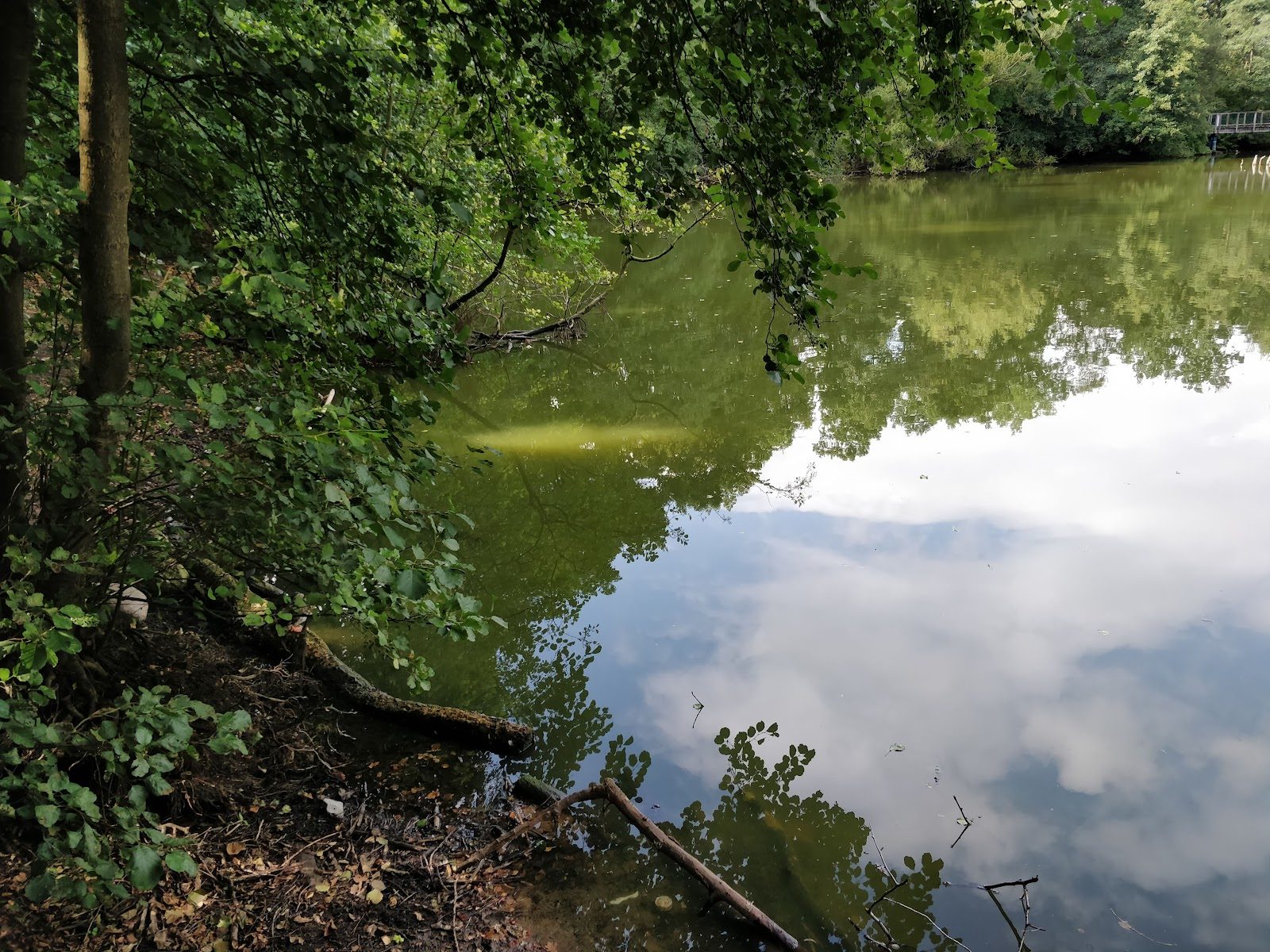
International School of Hamburg
Hamburg · Germany
Germany's first international school since 1957, still the only CIS-accredited IB continuum campus in the port city of Hamburg.
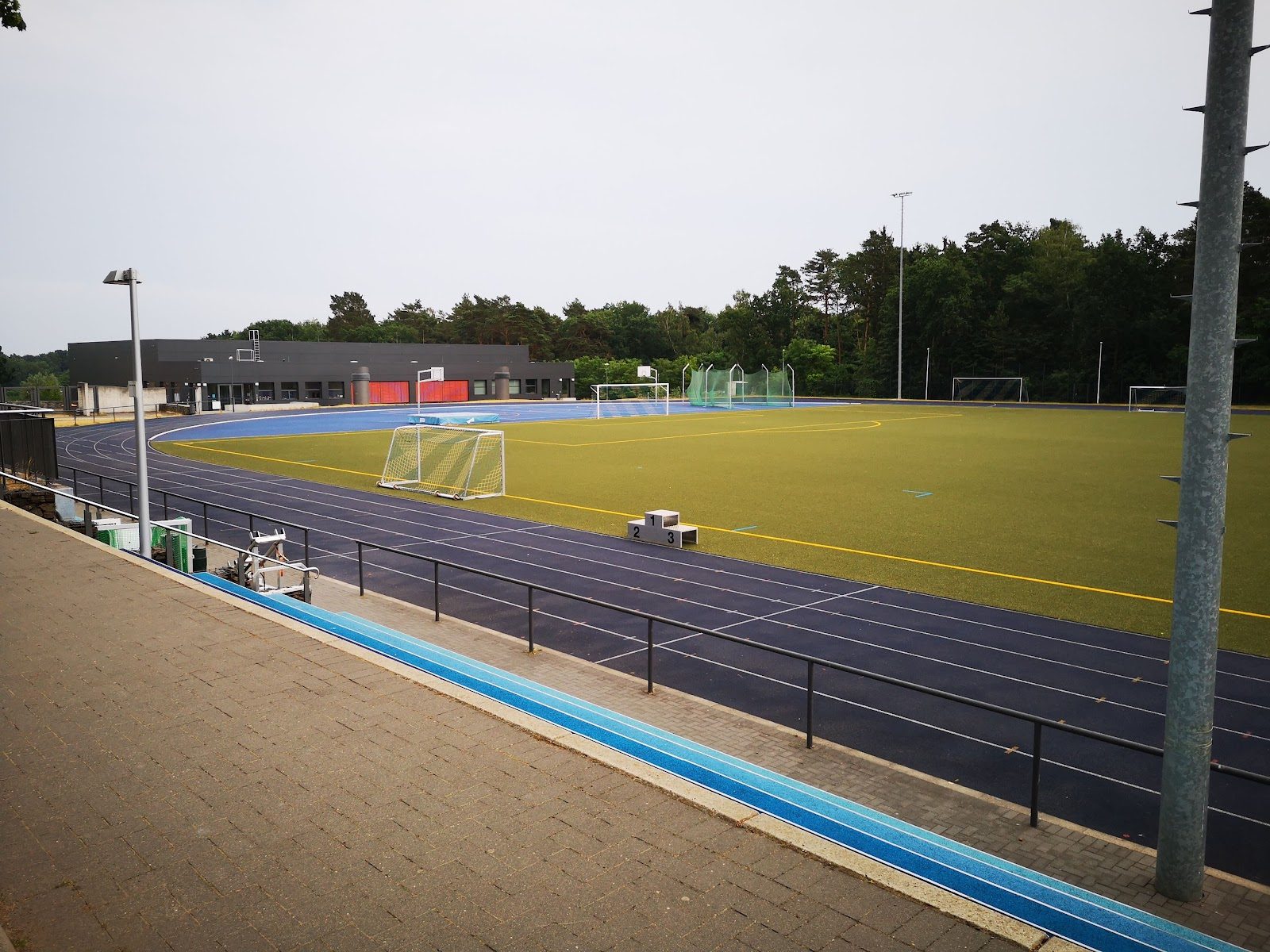
Berlin Brandenburg International School
Kleinmachnow · Germany
Set on a forested campus between Berlin and Potsdam, this day school runs the full IB continuum for students from 60-plus nations.
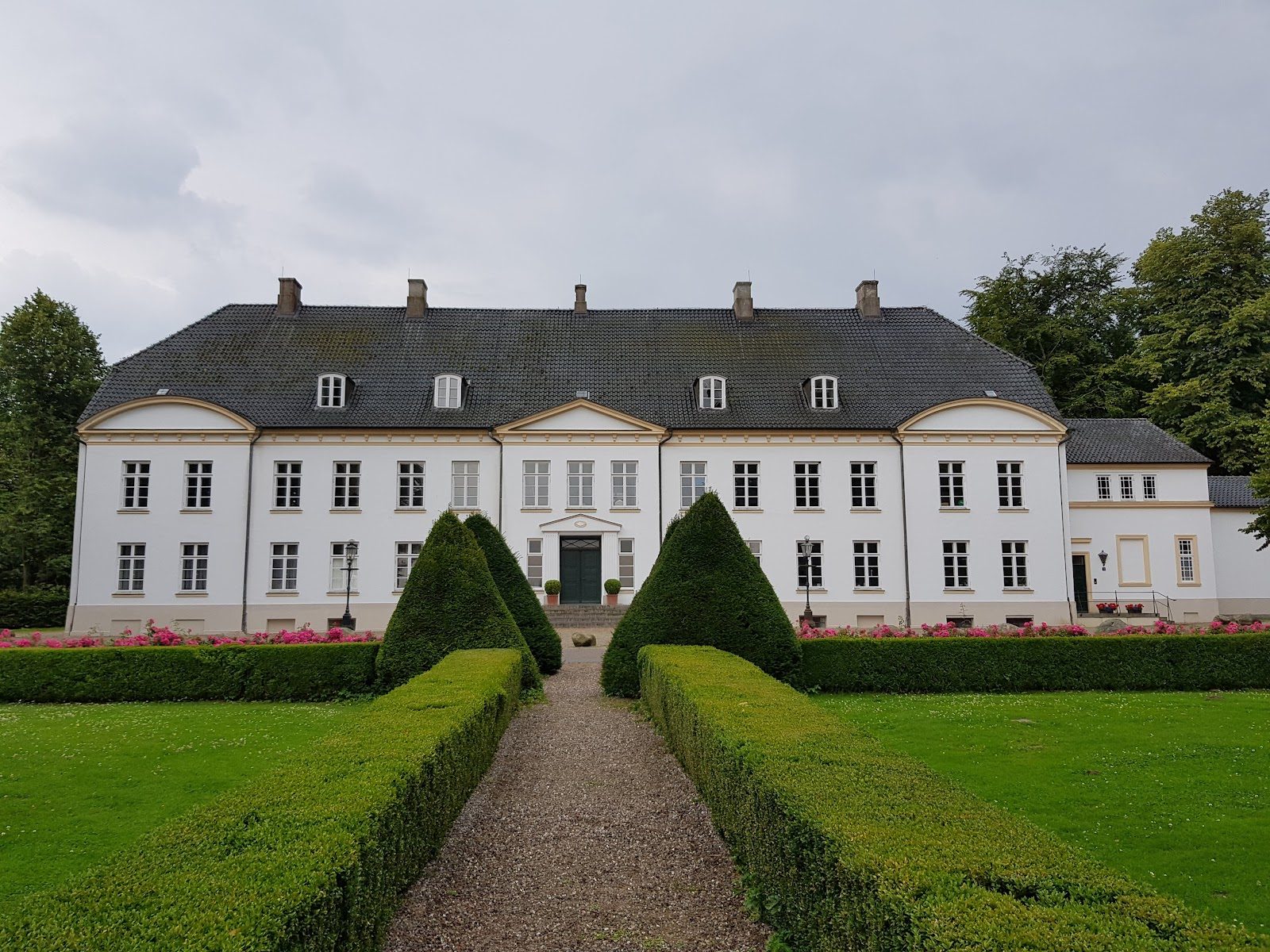
Stiftung Louisenlund
Güby · Germany
A fjord-side castle campus built on Kurt Hahn's ethos pairs IB rigor with a sailing harbour that breeds national champions.
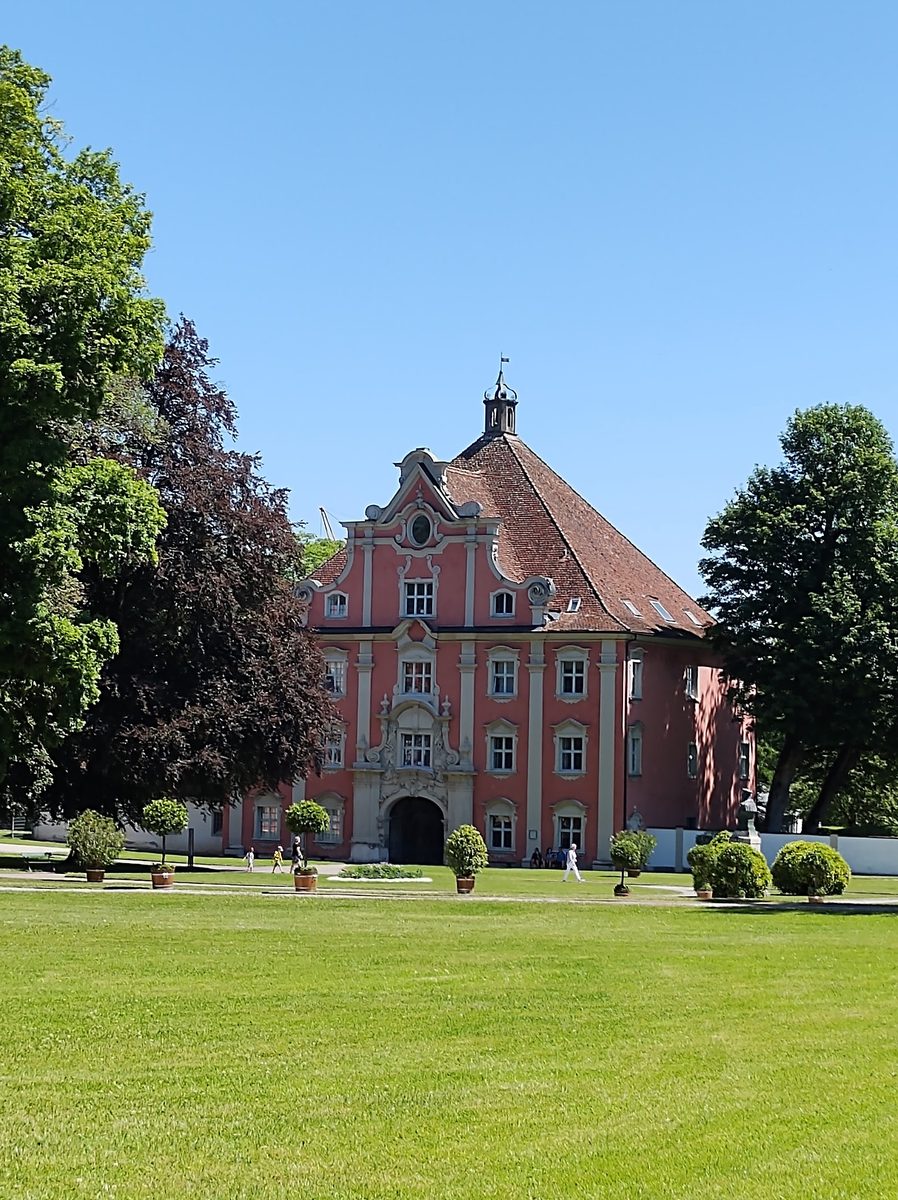
Schule Schloss Salem
Salem · Germany
Kurt Hahn's founding creed of head, heart and hand still means mandatory fire-brigade duty inside a former Cistercian monastery on Lake Constance.
Same country and curriculum — closest matches within ±10 points either way