
Somerset
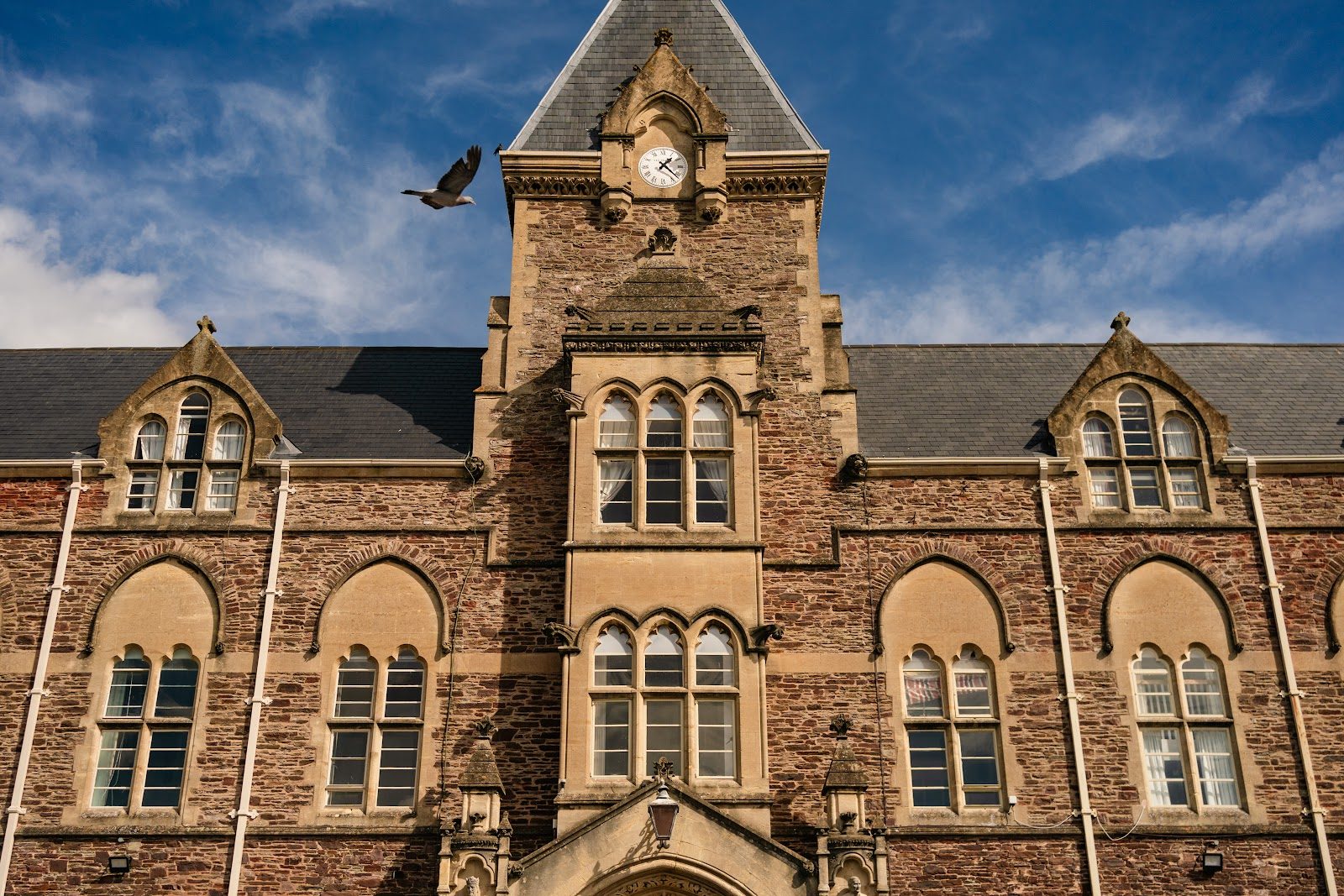
King's College Taunton
low confidence· 2/6 cats · 2.67 avg sourcesA Woodard foundation whose 1st XV pitch once hosted Disraeli's campaign speeches, pairing rigorous scholarship with a West Country sporting pedigree.
Type
Both
Ages
2–18
Curriculum
British
Qualifications
A-Level · GCSE
Ratio
—
The Verdict
Editor's commitment
Right for
Families wanting a 2–18 Anglican school with ISI and HMC credentials, 99.2% A-level pass rates and serious Somerset sporting culture.
Wrong for
Parents who dislike faith framing, boarding, or independent-school pricing: average annual fees run at £20,000 day and £43,000 boarding.
Watch out for
The headline 96.4% GCSE 9–4 rate is solid, not rarefied; for a school founded in 1880, outcomes read dependable rather than exceptional.
Ranking breakdown
King's College Taunton · #1088 of 1591
Composite score 58.8. 8 weighted criteria.
By criterion
Academic Outcomes
Weight 20%
#855
of 1529 scored
University Placement
Weight 16%
#848
of 1529 scored
Prestige & Heritage
Weight 12%
#723
of 1571 scored
Alumni Network
Weight 12%
#1372
of 1530 scored
Facilities
Weight 12%
#799
of 1534 scored
Transparency & Communications
Weight 8%
#778
of 1532 scored
Peer & Industry Review
Weight 10%
#998
of 1548 scored
Admissions Selectivity & Demand
Weight 8%
#760
of 1529 scored
Peer & Industry Review
How King's College Taunton is regarded in the sector
65
Respected · medium confidence
Among Somerset's independent schools, King's is regarded as a respectable but not top-tier alternative to Millfield, Sherborne or Wellington School, occupying similar territory to Taunton School and Queen's College in local competitive rankings. Good Schools Guide commentary has historically praised its pastoral care and music/drama provision while noting academic results are solid rather than exceptional. University destinations lean toward Russell Group institutions with occasional Oxbridge places, reflecting a broad, non-hyper-selective intake rather than a pipeline school. Independent education press coverage is limited and largely regional, with the school rarely featuring in national league-table headlines or peer-conference keynote circuits. ISI inspection reports have been consistently positive on pastoral and co-curricular grounds. Overall, its reputation among peers is that of a steady, values-driven Woodard school rather than a nationally benchmarked academic powerhouse.
- Peter Wilson — Olympic gold medallist, shooting
- Ollie Devoto — Rugby union player, England/Exeter Chiefs
- Jack Wilson — Rugby union player
Editors' overview
King’s College Taunton trades on two things that still matter in the English boarding market: institutional depth and a genuine all-through offer. This is an Anglican Woodard school founded in 1880, taking children from age 2 to 18 as both day pupils and boarders, with English as the language of instruction and a declared British curriculum. That breadth gives it a cleaner educational journey than schools that feel stitched together from separate prep and senior identities. The school’s own published results are strong and concrete: 96.4% of GCSE pupils achieved grades 9–4, and the A-level pass rate stands at 99.2%. Those are not boutique-super-selective numbers advertised from a tiny specialist sixth form; they are the kind of outcomes that keep a traditional regional boarding school competitive against sharper London and South East rivals.
What marks King’s out is the mix. It sells culture heavily, as many schools do, but there is substance behind the pitch: this is a school with a settled boarding tradition, a visible West Country sporting identity, and enough scale to offer more than a purely nurturing prep-school atmosphere. The tone is high-expectation without swagger. Parents also get external markers that matter: ISI accreditation and HMC membership place it firmly inside the recognised independent-school mainstream. Fee-wise, King’s sits in the serious-but-not-absurd bracket for this sector: the average annual day fee across the full age range is £20,226, while boarding averages £42,748. That makes it expensive, but not stratospheric by UK full-boarding standards, and it strengthens King’s case for families who want a credible boarding school without paying the top-end rates charged by the biggest brand-name houses.
The school will suit children who want structure, competition and community in the same place. The best fit is a pupil who thrives in a disciplined, full-tilt school life: lessons taken seriously, sport woven into status and belonging, and pastoral care framed through duty as much as warmth. It will also appeal to families who want a boarding option without the social frostiness or metropolitan gloss that some older schools still project. Children who need a highly alternative, ultra-progressive environment, or a school built around radical curricular flexibility, will find King’s too traditional. For families after a *rooted, academically credible, sport-conscious* Somerset school with both day and boarding routes, it earns a place on the shortlist.
Academic Performance
King’s publishes enough headline exam data to place it in the solidly high-performing bracket, even if the detail stops short of the forensic disclosure offered by the most academically hard-driving independents. The published GCSE figure — 96.4% at grades 9–4 — clears the basic threshold comfortably, but that measure is not the sharpest tool for peer comparison in this market. Far more selective rivals push their top-grade profile hard, because the spread of 9s, 8s and 7s is what separates a merely good set of outcomes from a genuinely competitive one. King’s does not publish that breakdown here. The A-level picture is similar: 99.2% pass rate is strong, but pass rates alone tell less than A–A and A–B distributions, subject-level outcomes, and university destinations.
That leaves King’s in a clear editorial category. This is not a results-black-box school with nothing to show, and it is not a data-maximalist academic shopfront either. The public message is one of reliable attainment and positive value added, reinforced by the school’s own claim of its strongest recent A-level performance and strong GCSE value-added performance. Against regional boarding peers, that reads as credible and competitive. Against the most ruthlessly academic national names, the absence of deeper published score detail limits how far the case can be pressed. Parents who want reassurance get it here; parents who want a full statistical x-ray do not.
Facilities
The school’s own site points to a split-site structure as the key practical asset: one school operating across two distinct campuses, with specialist provision mapped to age rather than crammed into a single all-purpose estate. That matters. At schools covering the full run from nursery to sixth form, weak estates blur prep and senior life together and leave younger pupils borrowing facilities built for older ones. King’s avoids that trap. The Pelican, Pre-Prep, Prep, Senior and Sixth Form are all signposted as separate stages, which indicates a campus planned around progression rather than convenience. The Somerset setting also counts as a real facility in itself: space, playing fields and room for outdoor school life still give traditional regional boarding schools an advantage over tighter urban independents.
What is less clear is the specialist depth beyond that broad framework. The school refers to modern teaching facilities, a DT laser machine, and a busy sporting calendar that includes cricket and hockey, but it does not publish the kind of hard estate detail that stronger peer schools now use to prove their case: theatre specifications, science-lab stock, music practice capacity, design suites, boarding-house upgrades or a proper facilities map. That leaves King’s with a credible but under-evidenced facilities story. Against direct West Country boarding rivals, the estate reads as ample, practical and sport-friendly. Against top-fee schools that market major capital investment aggressively, the public picture lacks the showpiece detail that parents now expect.
Against top-fee schools that market major capital investment aggressively, the public picture lacks the showpiece detail that parents now expect
Prestige
King’s has real prestige, but it sits in the regional heavyweight tier rather than the tiny circle of British schools whose names alone travel globally. In the South West, the brand carries weight: it has age, continuity, a proper boarding tradition, HMC membership and the sort of sporting culture that still matters in the English independent sector. That matters because prestige in this market is not built by marketing language; it is built by long institutional memory, alumni networks, fixtures, confidence in the boarding house system and the assumption that the school knows exactly what it is. King’s passes that test. The school also projects enough academic credibility to avoid the trap of being dismissed as a sports-first boarding school with soft classroom standards. Published outcomes, including a 99.2% A-level pass rate, protect its standing.
Why not rate it higher? Because the prestige here is solid rather than rarefied. King’s does not occupy the national command tier dominated by the most selective boarding schools with relentless Oxbridge pipelines, global name recognition and a near-hereditary social cachet. Its public academic disclosure does not support that level of claim, and its reputation rests more on being a well-run, culturally settled school than on intellectual glamour. For many families, that is an advantage. Prestige at King’s is earned, not theatrical: strong enough to open doors, grounded enough not to overwhelm the child.
King’s College Taunton trades on two things that still matter in the English boarding market: institutional depth and a genuine all-through offer
Communications
King’s communicates in the idiom of a traditional independent school that still expects the visit, the open day and the head’s message to do serious work. The tone is warm, confident and tightly managed. Parents get a clear sense of the school’s values, the age-range structure and the broad offer at each stage, and the site keeps fresh news flowing across sport, trips, pupil achievements and school events. That matters: an active news stream signals organisational energy and gives current families regular proof that school life is moving. The school also publishes a parent-satisfaction figure — 98% backing teaching progress — which tells you it wants reassurance front and centre. What it does less well is depth. The communication is polished, culture-heavy and visitor-led, but not especially forensic.
That limitation shows in the academic and operational detail. King’s gives parents enough headline performance data to feel secure, yet stops short of the hard-edged transparency that stronger communicators now provide: fuller exam breakdowns, richer facilities evidence, clearer outcome granularity and more practical substance beyond atmosphere. The repeated invitation to “discover the magic” pushes the messaging towards romantic schoolcraft when some families will want plain facts. Still, this is not muddled communication. It is disciplined, frequent and institutionally coherent, with a consistent voice from prep through sixth form. For parents who value ethos and tone, it works well. For parents who want every claim pinned down, it leaves important gaps.
Uniqueness
What gives King’s its edge is not novelty for its own sake. It is the combination of a true all-through structure with a proper boarding-school engine and a distinctly West Country sense of self. Plenty of schools claim continuity from the early years to sixth form; fewer carry that through with a shared culture built around duty, effort, competition and belonging. At King’s, the prep and senior story reads as one institution rather than a loose federation. That brings real advantages for pupils: transitions carry less social and academic shock, staff can build a longer view of a child’s strengths, and families do not face the annual reinvention that weaker all-through schools quietly demand. The school also leans harder than many peers into character language — courage, risk-taking, responsibility — which can sound formulaic elsewhere but here fits a school that values full-tilt participation as much as polished self-expression.
The other point of difference is how openly King’s combines scholarship with a status-conscious sporting culture. That mix still matters in British boarding, and King’s does not pretend otherwise. Cricket, hockey and team identity are woven into school life, while published headline outcomes — 96.4% at GCSE 9–4 and a 99.2% A-level pass rate — keep the academic side credible. For students, that produces a less brittle kind of ambition than at schools where intellectual prestige crowds out everything else. The gain is confidence, resilience and social ease. The trade-off is clear too: children who dislike organised community, visible expectations and the competitive pull of team sport will find the atmosphere too traditional, too managed, too busy.
That breadth gives it a cleaner educational journey than schools that feel stitched together from separate prep and senior identities
Student Profile
The pupil who fits King’s best is the one who wants to be busy, visible and involved. This is not a school for children hoping to drift anonymously through lessons and go home untouched by the wider culture. The public face of the school points instead to a community that rewards contribution: team sport, house life, trips, performances, leadership and the steady expectation that pupils will throw themselves in. The presence of both day pupils and boarders matters here. It broadens the social mix and keeps the school from becoming either a pure local commuter school or a sealed boarding enclave. International boarders are part of that picture too, which gives the student body more range than a purely county intake. Children with energy, resilience and a taste for structured challenge will find traction.
Temperament matters as much as ability. King’s suits pupils who respond well to adults setting standards, who can handle a culture where effort is noticed, and who do not mind school life carrying moral language around duty, kindness and responsibility. The right student does not need to be a star athlete, but life here will suit those comfortable with a sport-conscious, community-led environment. Academic high-flyers can do well, and the published headline outcomes are strong — 96.4% at the basic GCSE pass benchmark and a 99.2% overall A-level pass rate — but the social fit is broader than raw grades. The weaker fit is the child who wants a looser, more alternative atmosphere or who recoils from organised belonging.
The school’s own published results are strong and concrete: 96.4% of GCSE pupils achieved grades 9–4, and the A-level pass rate stands at 99.2%
Co-curricular strengths
Arts & sport, on a separate axis
Overall 8.96/10
Scored 0-10 from the school's own published evidence. This axis is editorial-only — it does not feed the main WTS ranking.
Sports
9.3/10
High-performance UK independent sports dynasty; fields highly competitive national-caliber hockey, rugby, and cricket squads across expansive grounds.
Drama
9/10
Ambitious theater curriculum utilizing an exceptional on-campus theater venue, providing deep training in scriptwriting and tech.
Dance
8.5/10
Active afternoon co-curricular activity offering structured contemporary and jazz choreography classes.
Music
9.2/10
Outstanding musical depth; supports multiple jazz big bands, massive symphonies, and elite choirs with deep civic pipelines.
Visual Arts
8.8/10
Breathtaking visual studios producing top-tier design portfolios, digital multimedia creations, and fine art pieces.
Strengths
- +Founded in 1880 with a long-established Anglican independent-school tradition.
- +Boarding and day options for ages 2–18 across two sites.
- +Publishes detailed results: 52.4% of GCSE grades at 9-7, 72.7% of A-Levels at A*-B and thirteen recent Oxbridge places.
- +Central boarding ethos with house-based community drawing UK and overseas pupils.
- +Extensive facilities including six floodlit Astro pitches, a music school, theatres and an equestrian centre.
- +World-class sport, music and drama in co-curricular terms.
Considerations
- −Anglican ethos may not suit every family.
- −Somerset location offers countryside rather than city convenience.
- −Positioning wavers between academic, co-curricular and values-based identities.
Availability
Primary entry gate & tests
Written Exams + Interview
Gallery
Parent reviews
Have you sent your child here?
Voice reviews carry the strongest trust badge — we transcribe them for you to tidy up before they go live. Prefer to type? A written review is fine too.
Add your voice
In 60 seconds, tell other parents: what's the best thing about King's College Taunton, and what surprised you when your child joined?
We ask for a Google sign-in so every review has a real face behind it — no anonymous drive-by attacks on schools, and no faked positive reviews. Your email is never shown publicly.
Send this profile to a friend
International parents rely on word-of-mouth. Share this review with someone weighing the same decision.
Schools with places
Similar schools to King's College Taunton with places available now.
Availability first, then country, area, curriculum, price, co-curricular
Consider also
Also worth looking at alongside King's College Taunton.
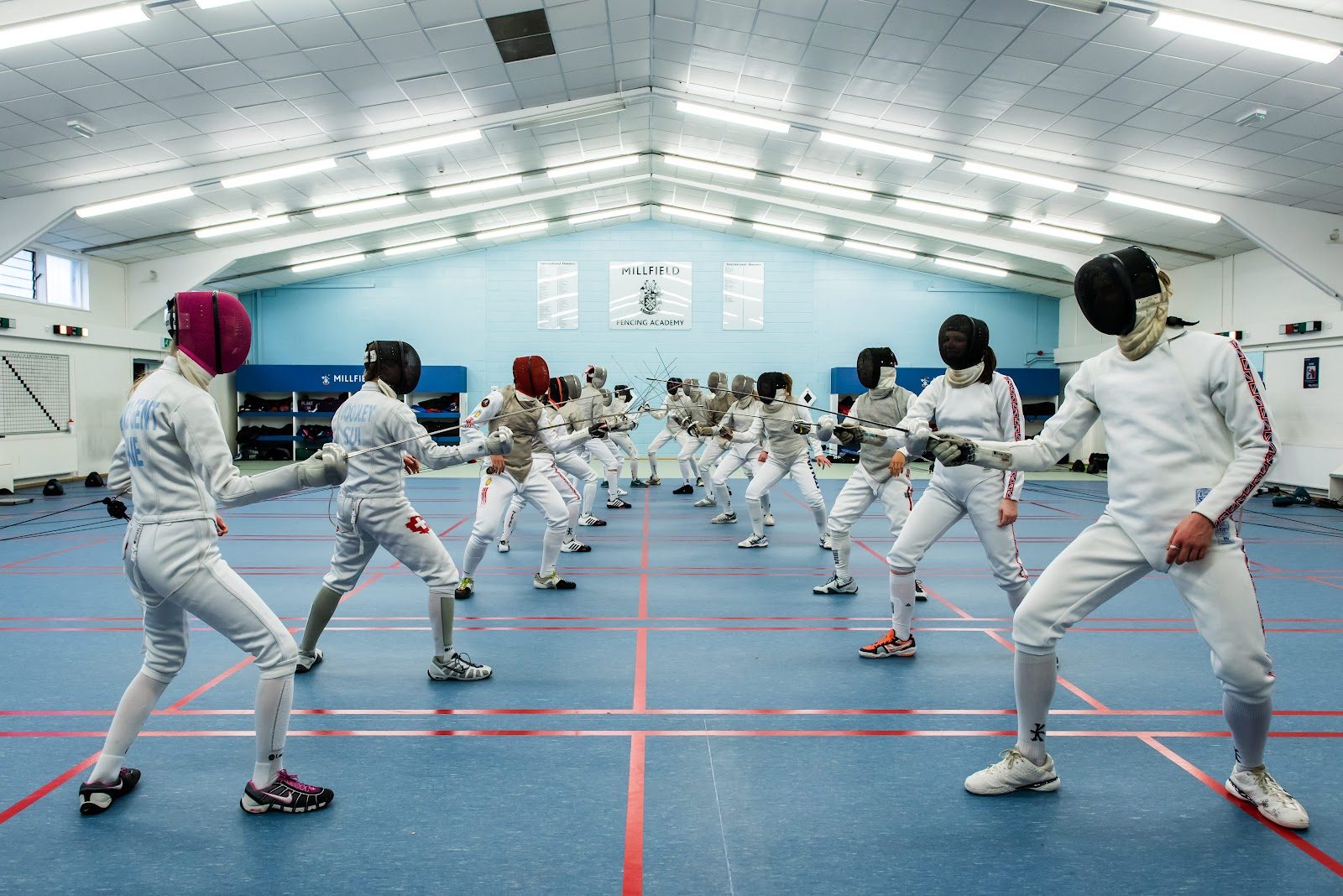
Millfield School
Street · United Kingdom
Sixty-plus sports and an Olympic-length pool anchor a 240-acre Somerset campus built for athletes and scholars alike.
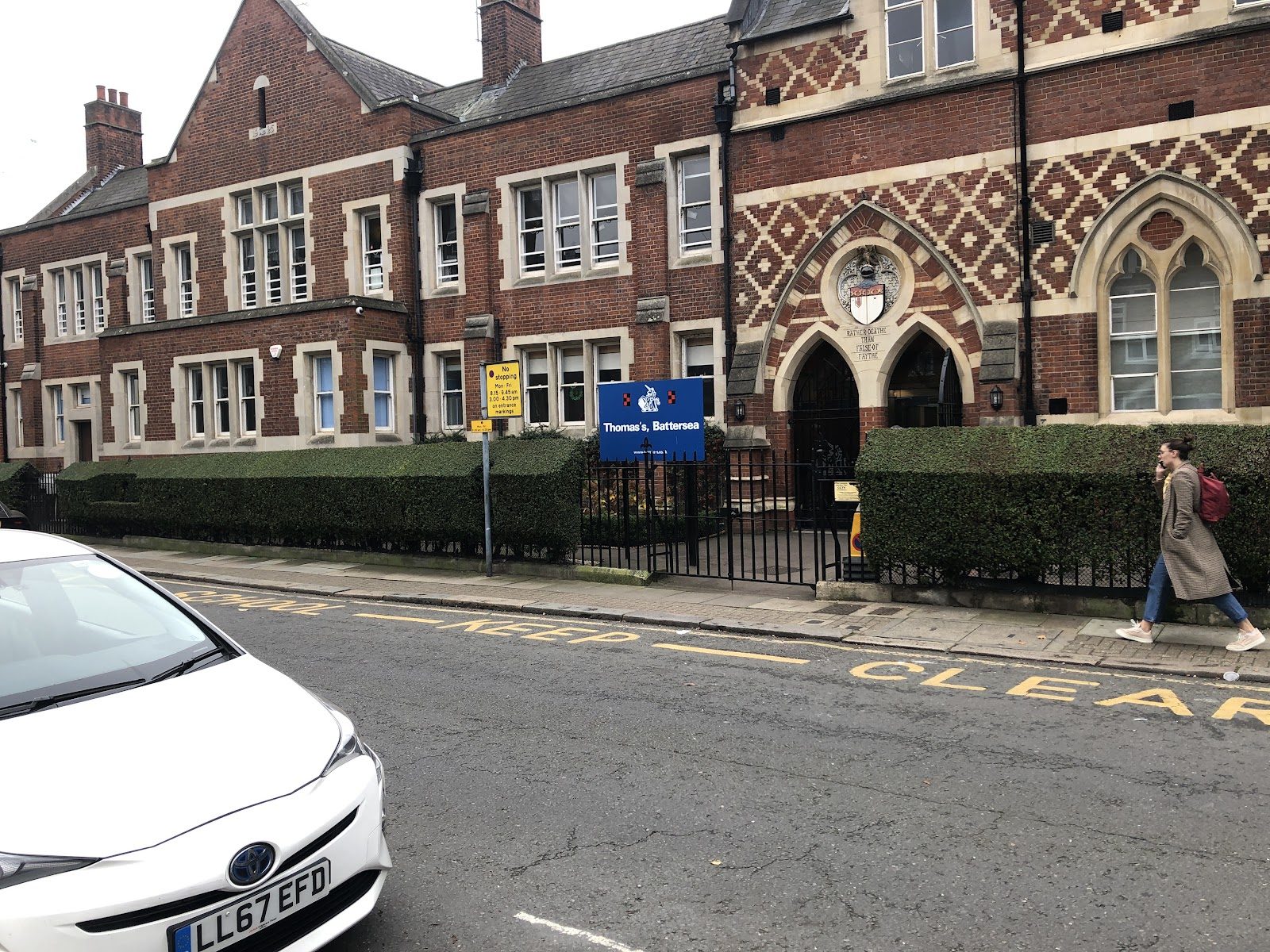
Thomas's Battersea
London · United Kingdom
In a former Victorian art school, an 'enquiry mindset' and a 'Be Kind' ethos feed London's top senior schools.
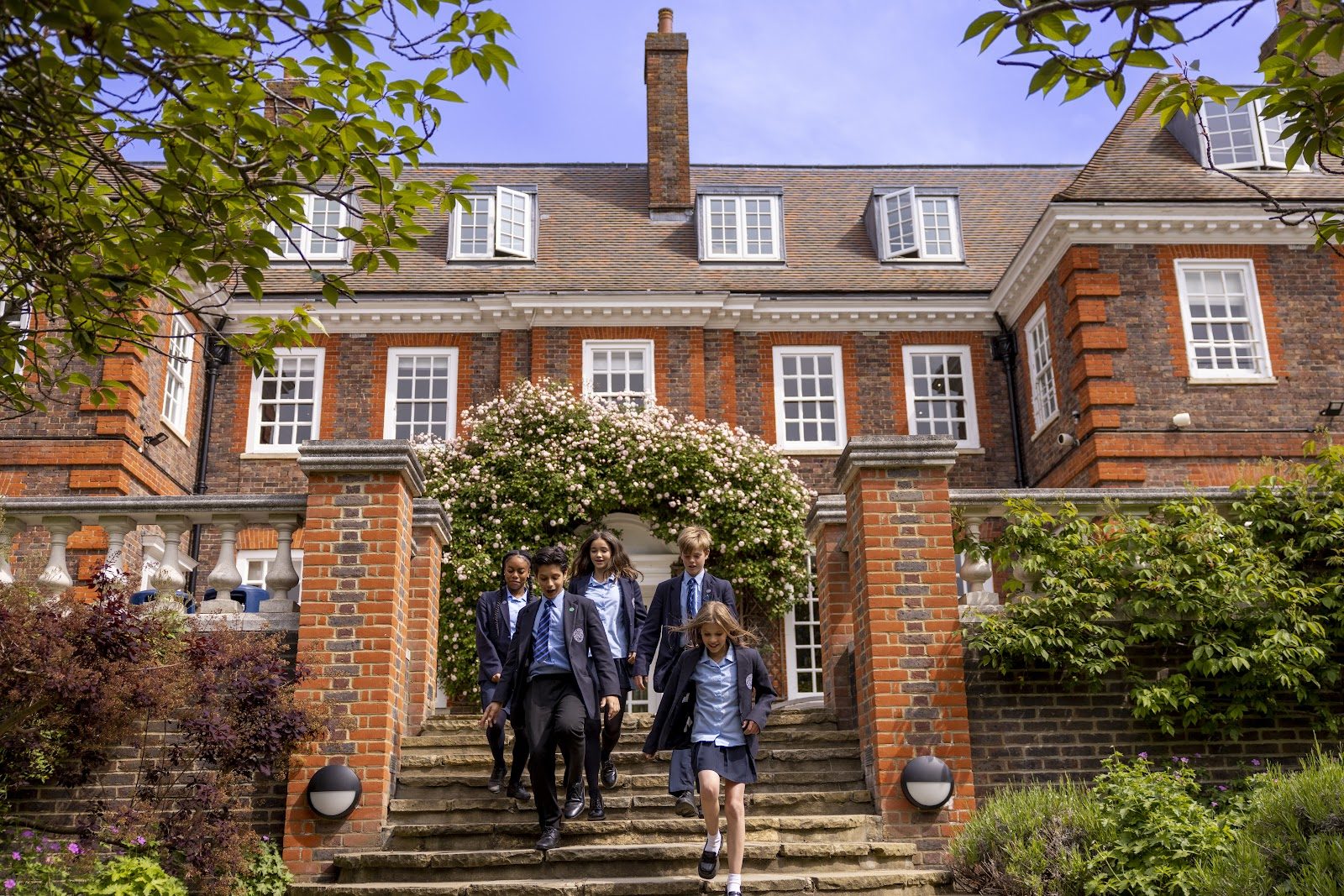
Ibstock Place School
London · United Kingdom
On the fringe of Richmond Park, a Froebel-founded day school has championed co-education since 1894.
Downe House School
Cold Ash · United Kingdom
Rooted in Charles Darwin's former home, now a 110-acre Berkshire estate where science thrives and Oxbridge ambition runs deep.
Same country and curriculum — closest matches within ±10 points either way