
Muscat Governorate
Muscat International School
medium confidence· 4/6 cats · 2.8 avg sourcesIn Qurum since 1989, the school that first brought IGCSE and A-Level study to Oman's classrooms
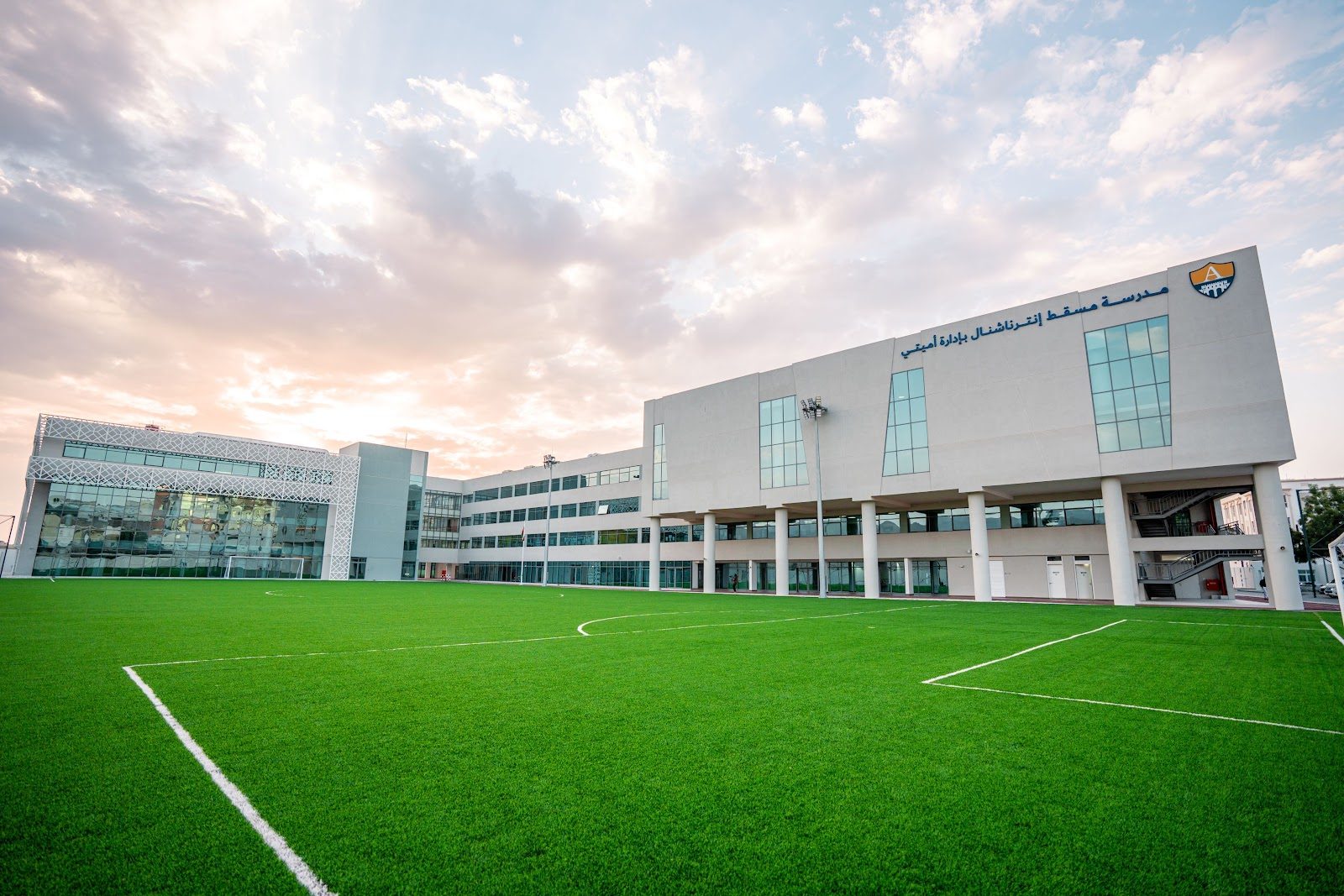
Photo © kaustubh kamat via Google Maps
Type
Day
Ages
3–18
Curriculum
British
Qualifications
A-Level · IGCSE
Ratio
—
The Verdict
Editor's commitment
Right for
Families in Muscat wanting an English-medium day school, ages 3–18, with a British curriculum and long local roots since 1976.
Wrong for
Parents wanting boarding, religious formation, or a non-British route; this is a non-religious day school in Qurum, not a specialist niche.
Watch out for
The 1989 Qurum claim and 1976 founding date point to longevity, not proof of current results; the school does not publish them here.
Ranking breakdown
Muscat International School · # of 1591
Composite score 56.5. 8 weighted criteria.
By criterion
Academic Outcomes
Weight 20%
#1219
of 1529 scored
University Placement
Weight 16%
#1227
of 1529 scored
Prestige & Heritage
Weight 12%
#1272
of 1571 scored
Alumni Network
Weight 12%
#856
of 1530 scored
Facilities
Weight 12%
#1218
of 1534 scored
Transparency & Communications
Weight 8%
#1224
of 1532 scored
Peer & Industry Review
Weight 10%
#1108
of 1548 scored
Admissions Selectivity & Demand
Weight 8%
#1077
of 1529 scored
Score history
Muscat International School · 2026
Movement across 2024–2026. Peer average overlaid.
Overall — 2024–2026
56.5/ 100
▲ +26.5 vs 2025
year on year
Peer & Industry Review
How Muscat International School is regarded in the sector
64
Respected · medium confidence
I could not identify at least two independent, third-party sources (e.g., Tatler, Good Schools Guide, specialist education press, or established expat forums) that substantively assess Muscat International School's reputation. Without verifiable independent coverage, I cannot responsibly assign a score.
Editors' overview
Muscat International School occupies an unusual position in Oman’s school market: founded in 1976 and in Qurum since 1989, it has longevity that newer premium schools cannot match. Its clearest point of distinction is historical rather than theatrical. This is the school that first brought IGCSE and A-Level study into Omani classrooms, and that matters. Parents looking for a British curriculum school with institutional memory, exam-route continuity and a settled identity will find real value here. In a market crowded with polished newcomers, MIS offers something harder to manufacture: earned credibility, long institutional memory and a clear academic inheritance.
The school’s appeal rests on stability, breadth of age range and a direct British academic track from ages 3–18. That makes it a practical choice for families who want one school to carry a child from early years to sixth form without a curriculum switch midstream. It also suits parents who care more about academic structure than lifestyle branding. MIS belongs on a shortlist because it is not trying to reinvent the category. It offers a known model in a known location, with English as the language of instruction and a day-school format that fits established Muscat family life. For many families, that sense of continuity and serious academic route will count for more than grand campus rhetoric.
The pupils who will thrive here are those who want a conventional British schooling framework with external examinations, clear progression and adult expectations around work habits. This suits ambitious, steady students more than children who need a highly progressive or experimental environment. It also fits internationally mobile families who want qualifications with global recognition, and local families who want an English-medium education without a religious frame. In that sense, MIS serves a precise constituency: students who value academic steadiness, exam-focused purpose and a school with roots in the city, not a passing fashion.
Academic Performance
Muscat International School trades heavily on its place in Oman’s exam-route history, but the public picture on outcomes is thin where it matters most. We have not seen consolidated IGCSE or A-Level performance tables, no multi-year subject breakdowns, and no cohort-wide university destinations data in the public domain. That puts MIS behind stronger operators in the region that publish headline pass rates, top grade bands and destination lists as routine. For parents trying to judge academic performance against peers, that lack of disclosure is a real handicap. A school with a long-standing external examination pathway should publish hard results clearly and annually. MIS does not do that in a way that supports serious comparison.
That does not mean weak outcomes; it means opaque outcomes. The distinction matters. A school can have solid teaching and still underperform on transparency. In Muscat’s competitive market, the schools that inspire confidence put aggregate data front and centre and let parents inspect the pattern over time. MIS asks families to rely more on reputation than on published evidence. For some, that institutional trust will suffice. For exacting parents, especially those comparing sixth-form options, reputation without numbers is not enough. Relative to peers, MIS sits in the group that needs to disclose more before it can claim clear academic authority on results.
Facilities
Facilities are not the school’s main selling point, and parents should calibrate expectations accordingly. MIS sits in the established-school category where function matters more than spectacle. That can work perfectly well for families who value day-to-day usability over architectural theatre, but it also places the school at a disadvantage against newer Muscat competitors with purpose-built sports complexes, larger performing arts venues and more expansive specialist blocks. We have not seen a public facilities profile detailed enough to rank individual spaces with confidence, and that gap matters. When a school does not publish a clear inventory of labs, sports provision, libraries, studios and sixth-form spaces, parents are left to inspect the campus in person and test how much is fit for purpose versus simply ageing but serviceable.
Against peers, then, MIS reads as a school where the campus supports the academic core without driving the proposition. That is a respectable position, but not an aspirational one. Families hunting for flash infrastructure, resort-style grounds or a campus that doubles as a status symbol will find stronger options elsewhere in the city. Families content with workmanlike provision and a school that spends its credibility on continuity rather than buildings will judge the trade-off differently. The key question on a visit is simple: do the teaching spaces, science rooms, sports areas and social spaces feel well-kept and fully used, or merely inherited from an earlier era?
Muscat International School carries local standing and historical weight, but it does not sit in the top prestige bracket of the international-school market
Prestige
Muscat International School carries local standing and historical weight, but it does not sit in the top prestige bracket of the international-school market. Its status rests on being an established fixture with a long record in the city, not on exclusivity, global brand power or loudly published outcomes. That distinction matters. In Oman, longevity still commands respect, and MIS benefits from that. Families know the name; older generations of parents have encountered it before; and the school has the kind of earned familiarity that newer operators spend years trying to build. That gives it credibility in its home market. It does not give it elite cachet across the wider Gulf.
Our rating stays below the region’s prestige leaders for two reasons. First, the school lacks the institutional aura that attaches to the big imported brands and embassy-adjacent flagships. Second, its public case is weaker than it should be: schools with real prestige publish results, destinations and points of distinction with confidence. MIS does not. Prestige is never just heritage; it is heritage plus proof. At MIS, the first part is secure and the second is underpowered. The result is a school with solid respectability, genuine local name recognition and a serious past, but not the kind of first-rank prestige that shifts a family’s decision on status alone.
Muscat International School trades heavily on its place in Oman’s exam-route history, but the public picture on outcomes is thin where it matters most
Communications
Parent communication looks serviceable rather than exemplary. The school gives families the core institutional facts a parent expects to find — age range, location, contact routes and a clear sense of school identity — but the public-facing picture lacks the depth and regularity that marks out *disciplined, parent-conscious communication*. The weakness is not style; it is disclosure. A school that communicates well publishes the information parents need before they ask: calendar clarity, leadership visibility, policy access, staff structure, exam-results summaries, university destinations and a current sense of what is happening across the school. MIS does not put enough of that into the public domain. That leaves too much work to the parent and too much dependent on direct enquiry, which is a dated way to run communications in a competitive market.
That matters because communication is not an ornamental extra at a through-school serving children from age 3 to 18. Parents need different information at different stages, and the school needs to deliver it with consistency, specificity and pace. Where MIS falls short is not basic accessibility but informational confidence. Schools with strong communications answer the next three parental questions before they are asked. MIS answers the first one, then asks the family to make contact for the rest. Some parents will accept that because they value the school’s settled character. More exacting families will read it as underpowered communications from a school that has not matched its institutional seriousness with equally serious parent-facing transparency.
Uniqueness
What sets Muscat International School apart is not novelty but first-mover weight. In Oman’s international-school landscape, very few schools can claim to have opened the external-exam route before the market filled with polished copycats. That gives MIS a distinct kind of authority: not brand theatre, not imported prestige, but institutional memory built over decades of doing the same job. For students, that brings something practical. A school with a long record in one system tends to understand pacing, exam transitions, subject choice and the habits needed for senior-school study. Parents who want a steady, no-nonsense education rather than a school wrapped around lifestyle extras will recognise the value immediately.
Its other point of difference is cultural rather than architectural. MIS feels rooted in its city in a way many newer international schools do not. It is part of the educational fabric, not an isolated premium outpost. That matters for students because it can produce a more grounded social environment: less churn, less performance, less obsession with spectacle. The trade-off is clear. Families do not choose MIS for campus glamour or status-display polish; they choose it for continuity, familiarity and a school identity that was earned rather than assembled. In a market where many schools sell aspiration first and substance later, that remains a genuinely distinctive proposition.
What sets Muscat International School apart is not novelty but first-mover weight
Student Profile
The best fit here is the student who works steadily, accepts structure and does not need a school to entertain them into learning. MIS suits children who are comfortable in a conventional academic culture: classes with clear expectations, teachers who value follow-through, and a school day built around progress rather than performance. Pupils who flourish in this environment tend to be self-directed, resilient and content with routine. This is not the obvious choice for families chasing a hyper-curated premium experience or a child who needs constant novelty, extensive hand-holding or a highly experimental classroom style. It fits pupils who can get on with the job, build momentum over time and treat school as a place for work first.
Socially, the school suits families who value grounded peer culture over status display. Its through-school structure also favours children who benefit from continuity and who prefer to grow within one community rather than reset at each phase. That can work well for internationally mobile families seeking stability, and for local families who want a serious, non-religious school environment without unnecessary theatre. The pupils most at ease here will not need glossy surroundings to feel motivated. They will value familiarity, adult standards and a community that reads as settled rather than showy. For the right child, that brings reassurance. For a child who needs a more expansive pastoral cushion or a more dynamic social scene, the fit is weaker.
In a market where many schools sell aspiration first and substance later, that remains a genuinely distinctive proposition
Co-curricular strengths
Arts & sport, on a separate axis
Overall 7.8/10
Scored 0-10 from the school's own published evidence. This axis is editorial-only — it does not feed the main WTS ranking.
Sports
8/10
Multiple sports—Football, Basketball, Swimming, Athletics, Volleyball and Netball—showing a solid breadth of participation, but gives no facility, staff or competitive detail.
Drama
8/10
Drama appears explicitly only as a bare extracurricular listing ('Drama club').
Dance
7.5/10
Music
8/10
Music is evidenced only by a bare extracurricular listing of 'School choir'.
Visual Arts
7.5/10
Visual arts is explicitly present only as a bare extracurricular listing ('Art club').
Editor first-pass · editor-reviewable · 7/27/2026
Strengths
- +British curriculum throughout ages 3–18
- +English-medium teaching suits expatriate families
- +Day school avoids boarding for younger children
- +Established in 1976, not a new entrant
Considerations
- −No boarding option for families needing residential care
- −British-only curriculum limits non-British pathways
- −Non-religious ethos may not suit faith-based preferences
Availability
Primary entry gate & tests
CAT4 / Assessment
Gallery
Photo © عُماني إيطالي via Google Maps
Photo © Ahmed Al Leheby via Google Maps
Photo © kaustubh kamat via Google Maps
Photo © kaustubh kamat via Google Maps
Photo © kaustubh kamat via Google Maps
Parent reviews
Have you sent your child here?
Voice reviews carry the strongest trust badge — we transcribe them for you to tidy up before they go live. Prefer to type? A written review is fine too.
Add your voice
In 60 seconds, tell other parents: what's the best thing about Muscat International School, and what surprised you when your child joined?
We ask for a Google sign-in so every review has a real face behind it — no anonymous drive-by attacks on schools, and no faked positive reviews. Your email is never shown publicly.
Send this profile to a friend
International parents rely on word-of-mouth. Share this review with someone weighing the same decision.
Schools with places
Similar schools to Muscat International School with places available now.
The Sultan's School
Muscat · Oman
- 2026-27
- PLACES OPENApps open / space-dependent
- 2027-28
- WAITPOOL2027/28 timetable TBC
British School Muscat
Muscat · Oman
- 2026-27
- PLACES OPENApps open / space-dependent
- 2027-28
- WAITPOOL2027/28 timetable TBC
Availability first, then country, area, curriculum, price, co-curricular
Consider also
Also worth looking at alongside Muscat International School.

St. Nicholas School São Paulo
São Paulo · Brazil
A full IB continuum across two Sao Paulo campuses, where Oxford, London and Cambridge Houses meet annually for a countryside challenge.
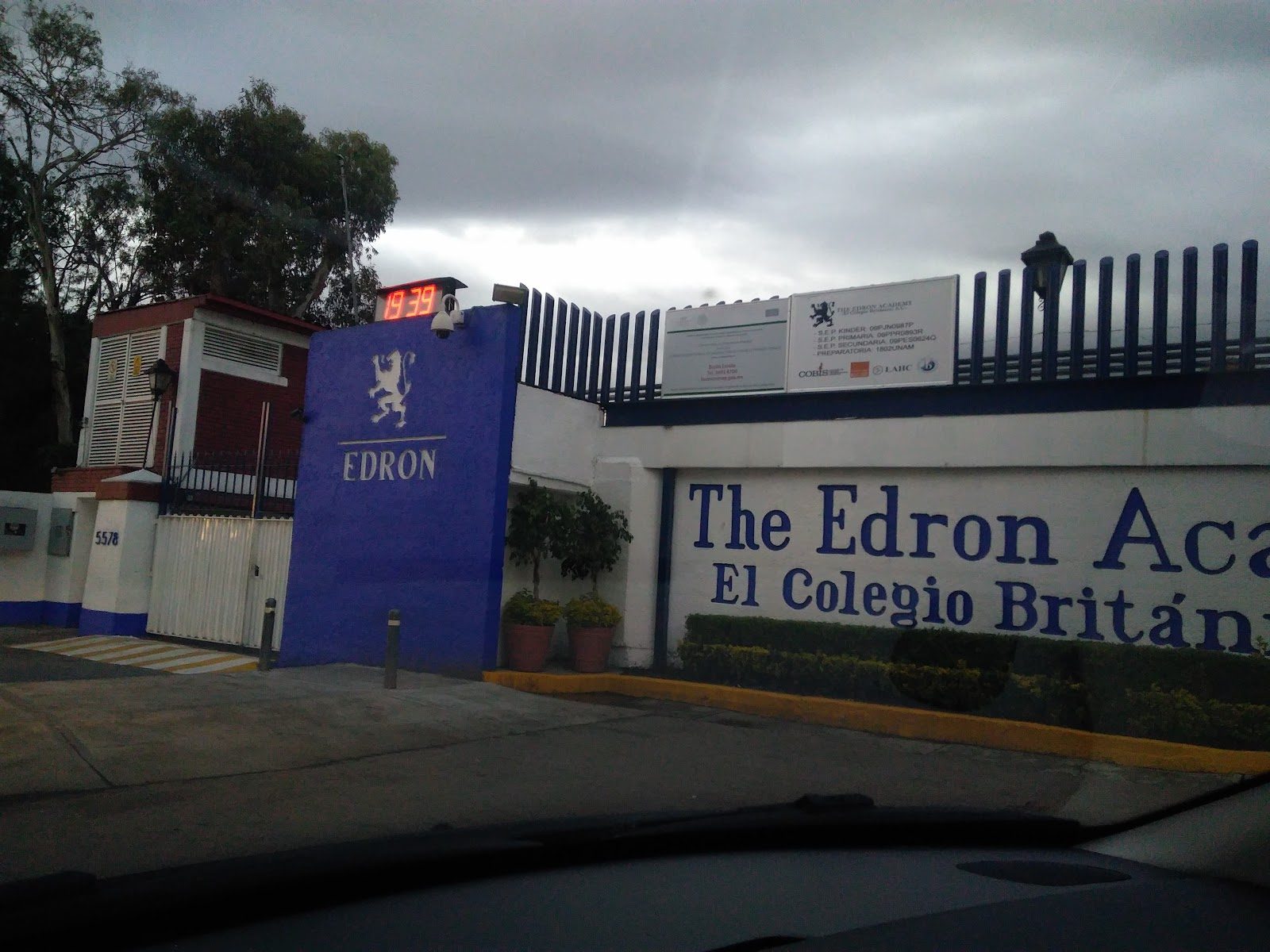
The Edron Academy
Mexico City · Mexico
Mexico City's oldest British school since 1963, blending SEP and IB study into a genuinely bicultural sixth form
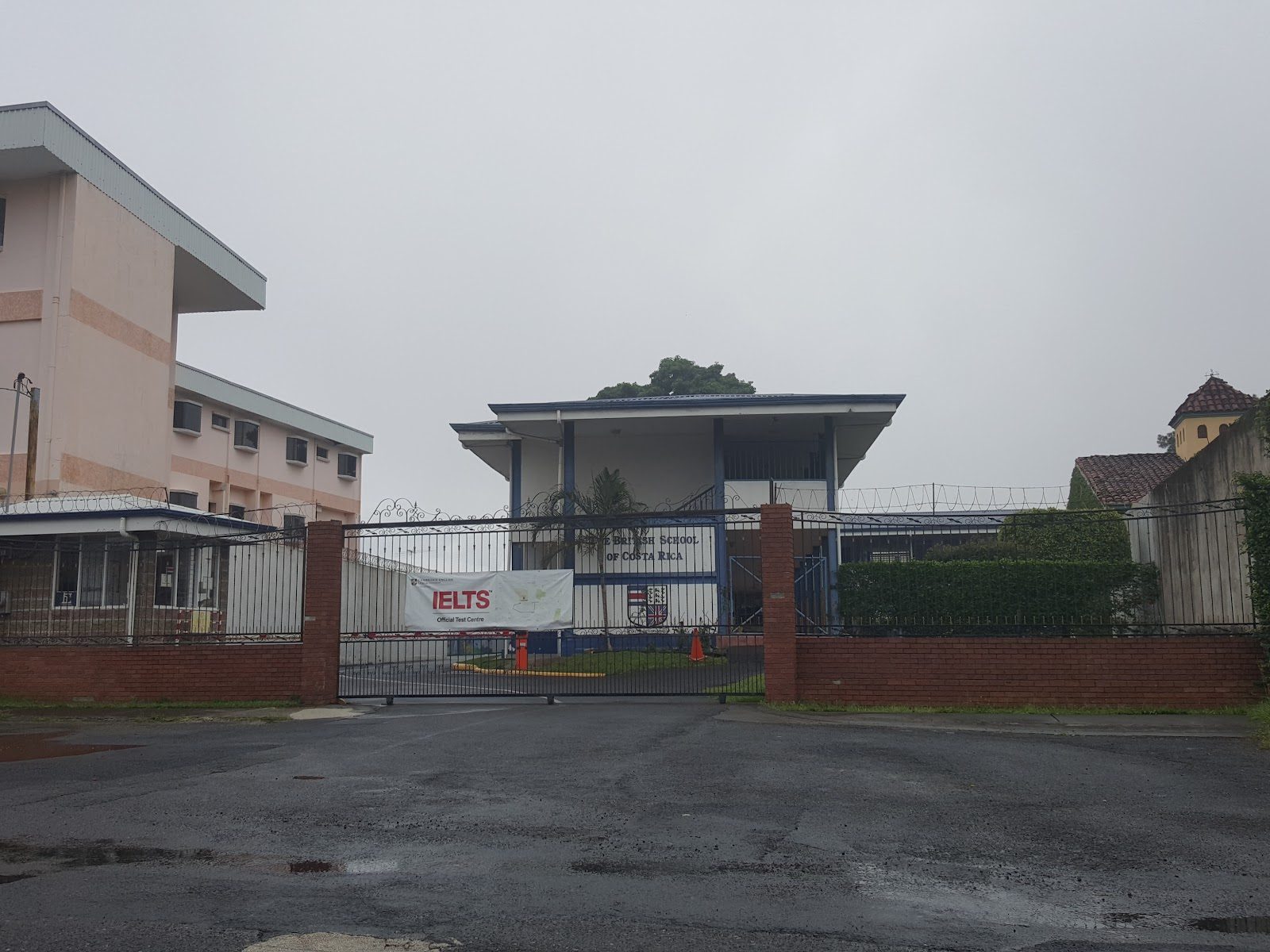
The British School of Costa Rica
San José · Costa Rica
Houses named for Arenal, Irazu, Barva and Poas frame a bilingual IB diploma taught equally in English and Spanish.
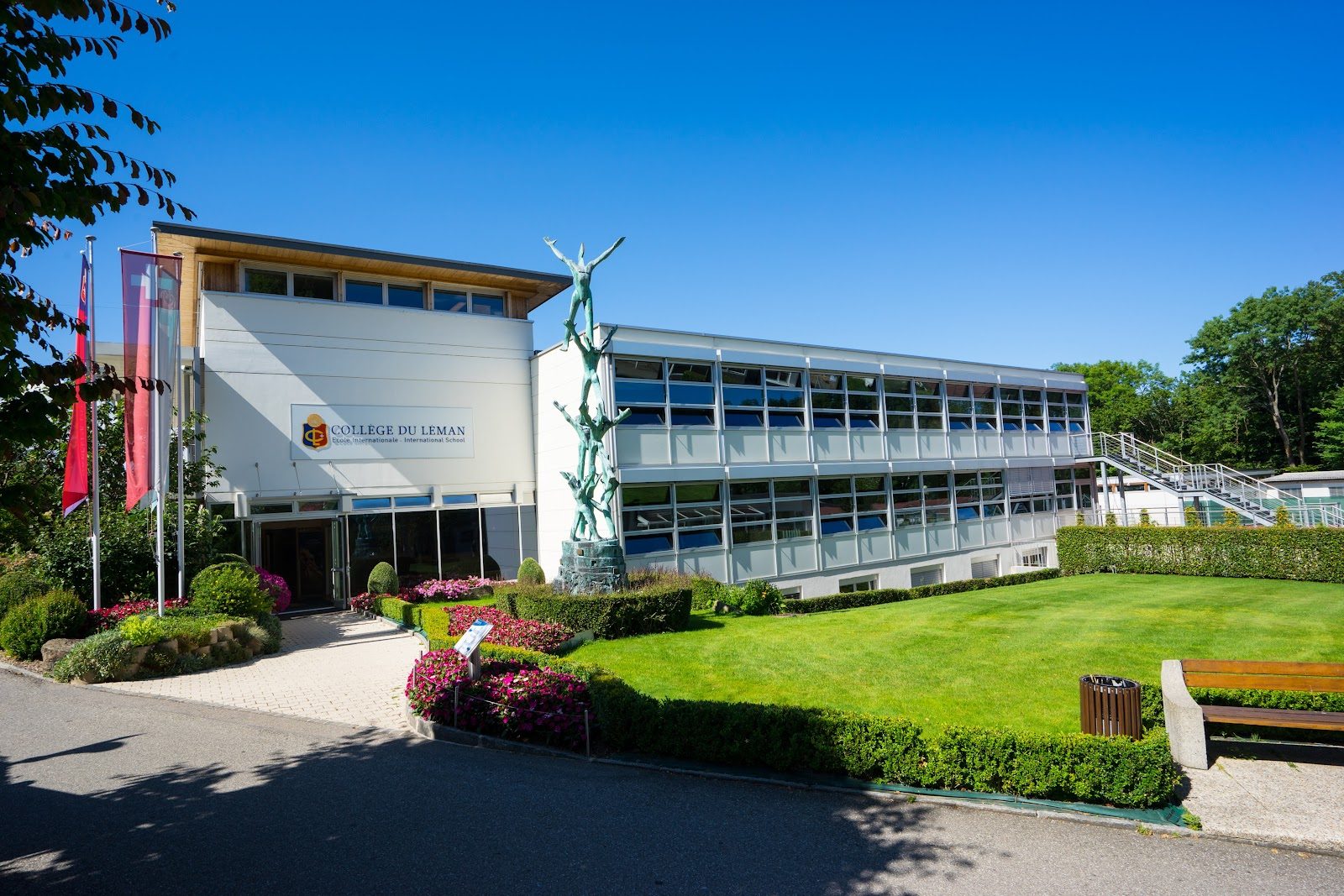
Collège du Léman
Versoix · Switzerland
On the shores of Lake Geneva, Switzerland's largest K-12 campus threads five diploma pathways into one international community.
Same country and curriculum — closest matches within ±10 points either way