
Japan
Aichi Prefectural Asahigaoka High School – Fine Arts
New · 2026/27Type
Ages
—
Curriculum
—
Ratio
—
Ranking breakdown
Aichi Prefectural Asahigaoka High School – Fine Arts · #1475 of 1591
Composite score 49.5. 8 weighted criteria.
By criterion
Academic Outcomes
Weight 20%
No data yet
1529 of 1591 scored
University Placement
Weight 16%
No data yet
1529 of 1591 scored
Prestige & Heritage
Weight 12%
#1503
of 1571 scored
Alumni Network
Weight 12%
No data yet
1530 of 1591 scored
Facilities
Weight 12%
No data yet
1533 of 1591 scored
Transparency & Communications
Weight 8%
No data yet
1532 of 1591 scored
Peer & Industry Review
Weight 10%
No data yet
1548 of 1591 scored
Admissions Selectivity & Demand
Weight 8%
No data yet
1529 of 1591 scored
Peer & Industry Review
How Aichi Prefectural Asahigaoka High School – Fine Arts is regarded in the sector
Insufficient peer signal
We couldn't find enough independent third-party evidence to score this school's peer & industry standing with confidence. It doesn't mean the school isn't well regarded — only that public reputation sources we trust don't yet cover it. This axis is left blank for now and the composite score is median-imputed from the other six categories.
Award
Elite Visual & Fine Arts 76
World's Top School · The Global Ranking
Aichi Prefectural Asahigaoka High School – Fine Arts is featured on our Global Top 76 ranking at #38. This seal is available for the school's marketing team to use on their website, prospectus and social channels.
Editors' overview
Full editorial coverage forthcoming. This institution has been included in the 2026 Visual Arts & Fine Art audit on the strength of its specialist Fine Art pathway. A long-form editorial review — covering curriculum, faculty, graduate conversion, portfolio provision and international accessibility — will be published as editorial capacity allows. The rank position, country and international-access classification shown on the ranking page have been verified against the methodology.
An Elite Visual & Fine Arts 76 school
Aichi Prefectural Asahigaoka High School's Fine Arts course, in Nagoya, Japan, sits at rank thirty-eight on the Elite Visual & Fine Arts 76. The single fact that anchors its place here is generational: the dedicated art course, established in 1950 inside a public general high school, produced Shusaku Arakawa, who went on to mount a solo exhibition at the Guggenheim Museum in New York in 1997, show work at the 1970 Venice Biennale, and build the land-art installation Yoro Park. Few public secondary art programmes anywhere have produced an alumnus of that international stature.
Asahigaoka runs two parallel tracks, a General Course and a dedicated Art Course (Bijutsuka), admitting students through a separate practical-plus-academic entrance examination. All art-course students complete foundation work across Japanese painting, oil painting and sculpture before specializing, alongside design, in the upper years. Teaching happens in a dedicated three-story studio building students call the atelier, with a sculpture room, a Japanese-painting and drawing room, and an oil-painting and drawing room kept open before and after formal classes. A summer sketching trip producing oil paintings, a second-year study trip to the temples of Kyoto and Nara, and the December Kyokuten degree show at the Aichi Prefectural Museum of Art Gallery round out a portfolio culture that locals consistently describe as the strongest public high-school art programme in Aichi Prefecture.
Arakawa is the clear anchor name: he entered the art course in 1951, sat alongside classmate Genpei Akasegawa, himself a noted avant-garde artist, and was a year behind sculptor Shoji Ishiguro. Arakawa's later honors included Japan's Order of the Rising Sun and standing as one of the few Japanese artists given a full Guggenheim retrospective. Behind that generation stands the course's founding teacher, painter Susumu Fujishima, who lobbied for the art course's creation and later received Aichi Prefecture's own cultural awards, underlining a lineage built on practicing artists rather than pure art history instruction.
Openness for overseas families is limited and should be assessed honestly. Instruction is entirely in Japanese, there is no boarding, and admission runs through Aichi Prefecture's standard public high-school entrance system, though the prefecture operates a separate selection route for returnee children and for foreign-national or China-returnee applicants. As a public school, fees are nominal under Japan's national tuition-support scheme for residents, far below any private international art school. This is not a plug-and-play destination for a family arriving cold; it suits a family already relocating to Nagoya, with a year or more to build Japanese fluency and a practical drawing portfolio before sitting the entrance exam.
Academic Performance
Asahigaoka is a prefectural high school in Nagoya combining a standard academic track with a rare specialized Fine Arts (bijutsu-ka) course, one of the few such programs within a Japanese public school system. The general course follows the national curriculum with heavy emphasis on mathematics, sciences and humanities, preparing students for entrance to national universities including Nagoya University, Kyoto University and the University of Tokyo. The Fine Arts course runs a parallel academic load alongside studio training in drawing, painting, sculpture and design theory, requiring students to balance conventional exam subjects with practical portfolio work. Teachers are drawn from prefectural staff with art-education specialisms. Entrance is competitive and based on prefectural high school examinations plus, for the art course, a practical skills assessment. The dual structure gives the school unusual academic breadth compared with typical art-specialist institutions, though it places significant time pressure on art-track students preparing for both university entrance exams and art-school portfolios.
Facilities
The campus reflects its status as a long-established prefectural school, with standard classroom blocks, a gymnasium, library and outdoor sports grounds used for the wider student body. What sets the physical plant apart is its dedicated art wing, built to support the Fine Arts course: multiple studio spaces for painting, sculpture and design, printmaking equipment, kilns and life-drawing rooms not typically found in general academic high schools. Science laboratories serve the regular curriculum track but are not the school's distinguishing feature. Sports facilities are functional rather than showcase, consistent with a public prefectural institution operating on government budgets rather than private endowment. Maintenance and equipment in the art studios appear prioritised, reflecting the course's role in preparing students for entrance to specialist art universities. There is no boarding provision, as is standard for Japanese prefectural day schools, and most facilities are shared between the general and art-course student populations outside specialist teaching hours.
This institution has been included in the 2026 Visual Arts & Fine Art audit on the strength of its specialist Fine Art pathway
Prestige
Founded in the late nineteenth century, Asahigaoka is among the older prefectural high schools in Aichi and carries long-standing regional standing as an academically strong public school in Nagoya. Its reputation rests on two pillars: consistent placement of general-course graduates into Japan's top national universities, and its unusual, decades-old Fine Arts course, which has made it a recognised feeder toward art universities such as Aichi Prefectural University of the Arts and Tokyo University of the Arts. This dual identity gives it a distinct cultural weight locally, regarded both as a rigorous academic school and as a serious training ground for young artists, a combination uncommon among Japanese public high schools. It does not carry the national name recognition of Tokyo's most famous prep schools, but within Aichi Prefecture and the wider Chubu region it is consistently counted among the leading public institutions, particularly for its art specialism.
The rank position, country and international-access classification shown on the ranking page have been verified against the methodology
Communications
As a public prefectural school, Asahigaoka communicates primarily through official channels typical of Japanese public education: a school website maintained under Aichi Prefecture's board of education framework, printed notices to parents, and information sessions for prospective students ahead of entrance examinations, including separate briefings for the Fine Arts course applicants covering portfolio and practical test requirements. Academic and course-related updates are distributed through homeroom teachers and the school office rather than through marketing material, consistent with the low-key communication style of Japanese public schools generally. Open-campus days and art exhibitions showcasing student work provide a public-facing element, allowing families and the wider community to view the Fine Arts course's output directly. There is limited English-language public communication, reflecting its role as a domestic prefectural school rather than an internationally oriented institution. Formal reporting to families follows the standard Japanese public school calendar of term reports and parent-teacher conferences.
Uniqueness
The defining feature of Asahigaoka is its combination of a rigorous, university-focused general academic course with a fully integrated, examination-entry Fine Arts course inside a single public prefectural school. This is unusual in Japan, where specialist art training is normally offered through private schools, dedicated art high schools, or after-school ateliers rather than as a formal track within an otherwise conventional academic institution. Students in the art course must meet the same broad academic demands as their general-course peers while also developing a portfolio to the standard expected by competitive art university entrance boards. This produces a student body split between conventional university-track ambitions and specialist creative training, coexisting within shared facilities and school culture. The school's long history as an academic institution, paired with its comparatively newer identity as an art-education centre, gives it a hybrid character that is genuinely distinctive among Japanese prefectural high schools rather than a marketing distinction.
Teachers are drawn from prefectural staff with art-education specialisms
Student Profile
Students at Asahigaoka are drawn from Nagoya and the wider Aichi Prefecture, admitted through competitive prefectural entrance examinations. The general course attracts academically strong pupils aiming at national university entrance, typical of Japan's top public high schools, with a strong work ethic shaped by exam-focused secondary education. The Fine Arts course draws a smaller, self-selected cohort of students who have pursued art training before high school and are committed to a demanding dual path of academic study and studio practice, often aiming at entrance to specialist art universities. Socioeconomically the intake reflects the broad public-school population of the Nagoya metropolitan area rather than a narrow elite, since entry is governed by examination rather than fees. The coexistence of two distinct pupil groups, one exam-oriented and one creatively specialised, gives the school a mixed but generally disciplined and ambitious student character, shaped by Japan's competitive public education system.
Entrance is competitive and based on prefectural high school examinations plus, for the art course, a practical skills assessment
Co-curricular strengths
Arts & sport, on a separate axis
Overall 7.08/10
Scored 0-10 from the school's own published evidence. This axis is editorial-only — it does not feed the main WTS ranking.
Sports
6.8/10
Drama
6.2/10
Dance
6/10
Music
7/10
Visual Arts
9.4/10
Parent reviews
Have you sent your child here?
Voice reviews carry the strongest trust badge — we transcribe them for you to tidy up before they go live. Prefer to type? A written review is fine too.
Add your voice
In 60 seconds, tell other parents: what's the best thing about Aichi Prefectural Asahigaoka High School – Fine Arts, and what surprised you when your child joined?
We ask for a Google sign-in so every review has a real face behind it — no anonymous drive-by attacks on schools, and no faked positive reviews. Your email is never shown publicly.
Send this profile to a friend
International parents rely on word-of-mouth. Share this review with someone weighing the same decision.
Schools with places
Similar schools to Aichi Prefectural Asahigaoka High School – Fine Arts with places available now.
Nishimachi International School
Tokyo · Japan
- 2026-27
- WAITPOOLSpace-dependent
- 2027-28
- PLACES OPENRolling
Christian Academy in Japan
Tokyo · Japan
- 2026-27
- WAITPOOLSpace-dependent
- 2027-28
- PLACES OPENRolling
Aoba-Japan International School
Tokyo · Japan
- 2026-27
- WAITPOOLSpace-dependent
- 2027-28
- PLACES OPENRolling
Osaka International School of Kwansei Gakuin
Osaka · Japan
- 2026-27
- WAITPOOLSpace-dependent
- 2027-28
- PLACES OPENRolling
Availability first, then country, area, curriculum, price, co-curricular
Consider also
Also worth looking at alongside Aichi Prefectural Asahigaoka High School – Fine Arts.
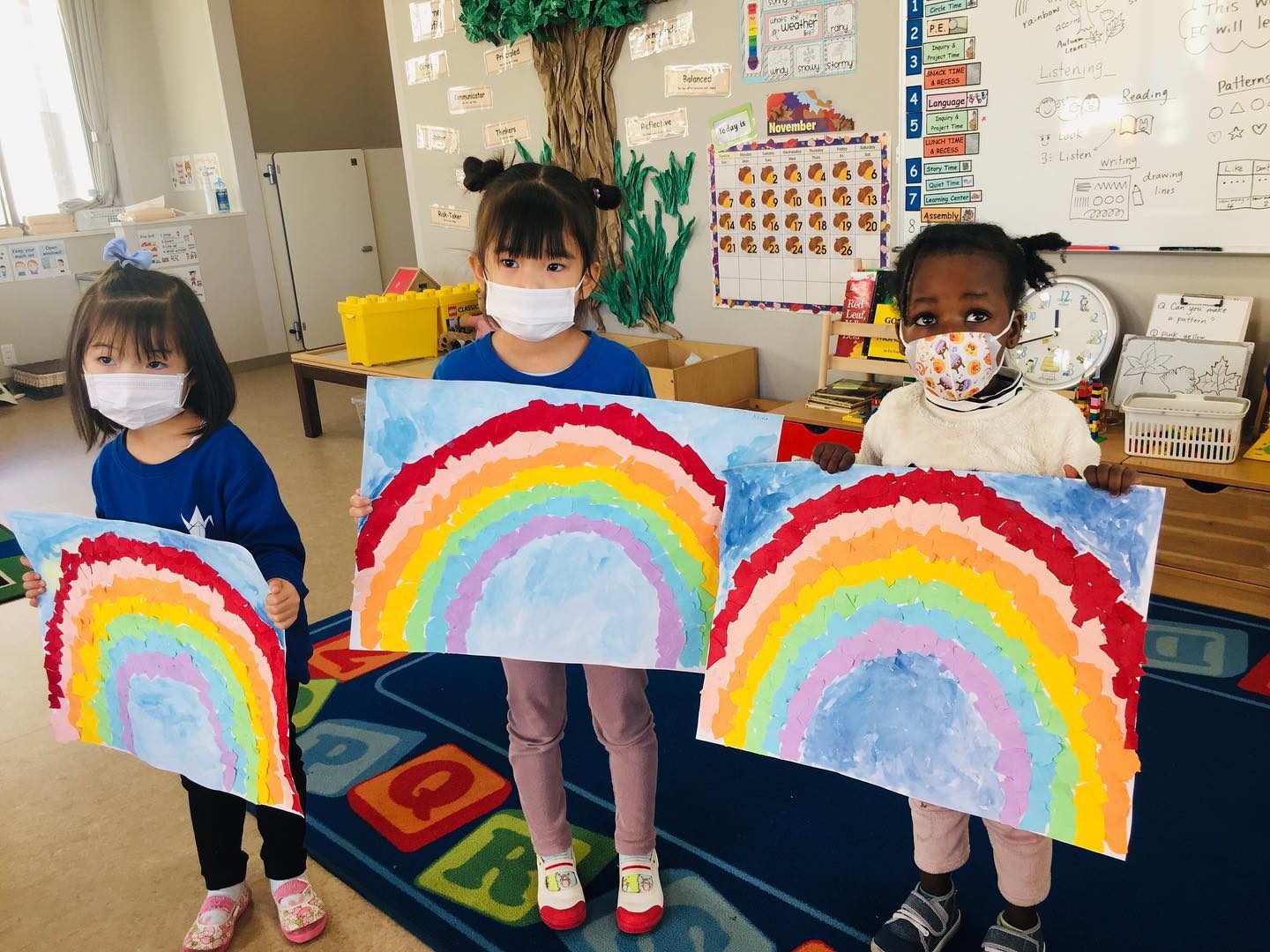
Hiroshima International School
Hiroshima · Japan
One of Japan's oldest IB schools, where students carry origami cranes to Hiroshima's Sadako Peace Monument each year.
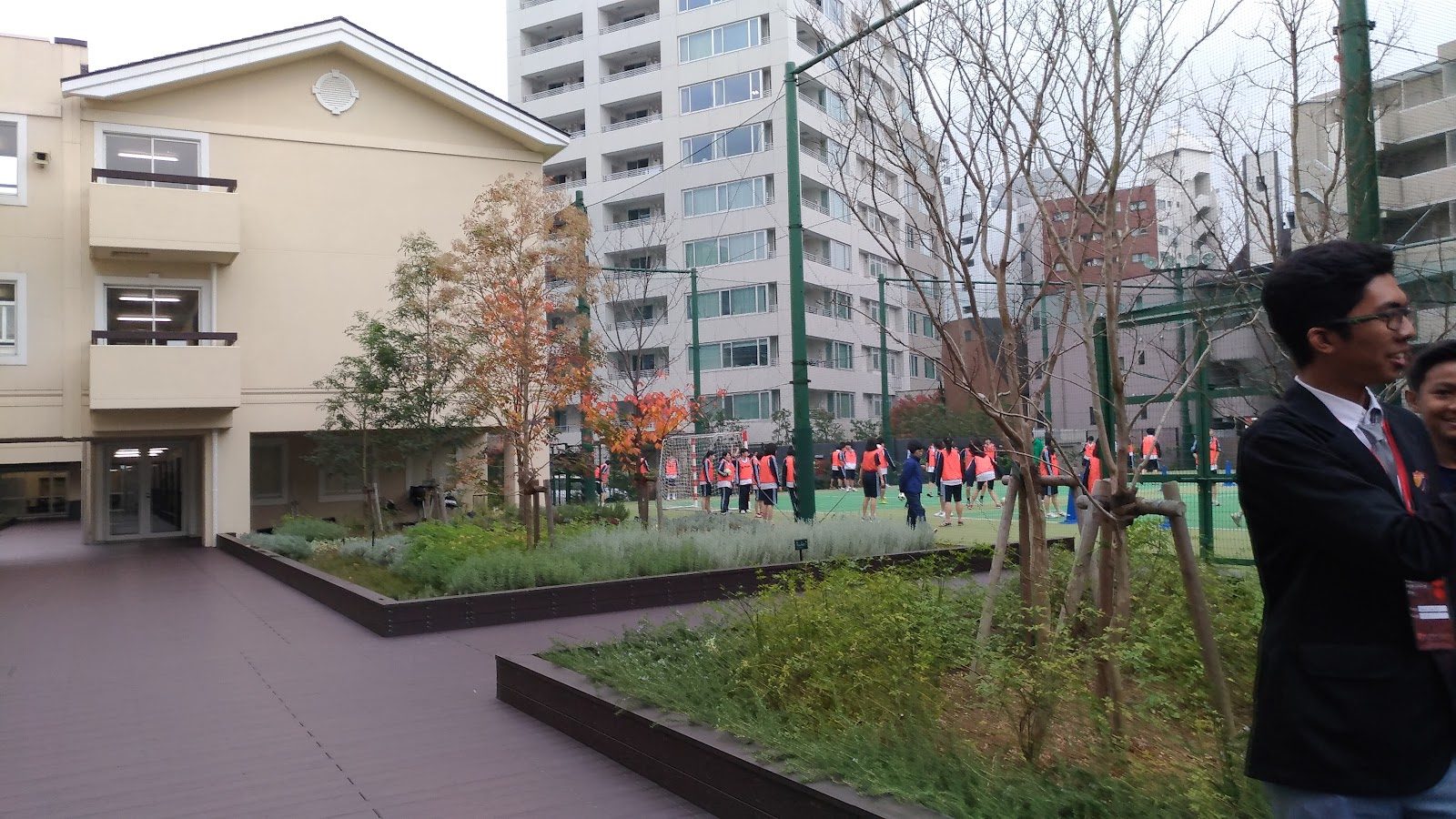
Kanto International Senior High School
Tokyo · Japan
A Shibuya campus where ten foreign-language tracks, from Vietnamese to Russian, outnumber most universities' language departments

Tokyo International School
Tokyo · Japan
Grown from five preschoolers into a full IB continuum, this Minato campus relocates to Takanawa Gateway City ahead of its first DP class in 2027.
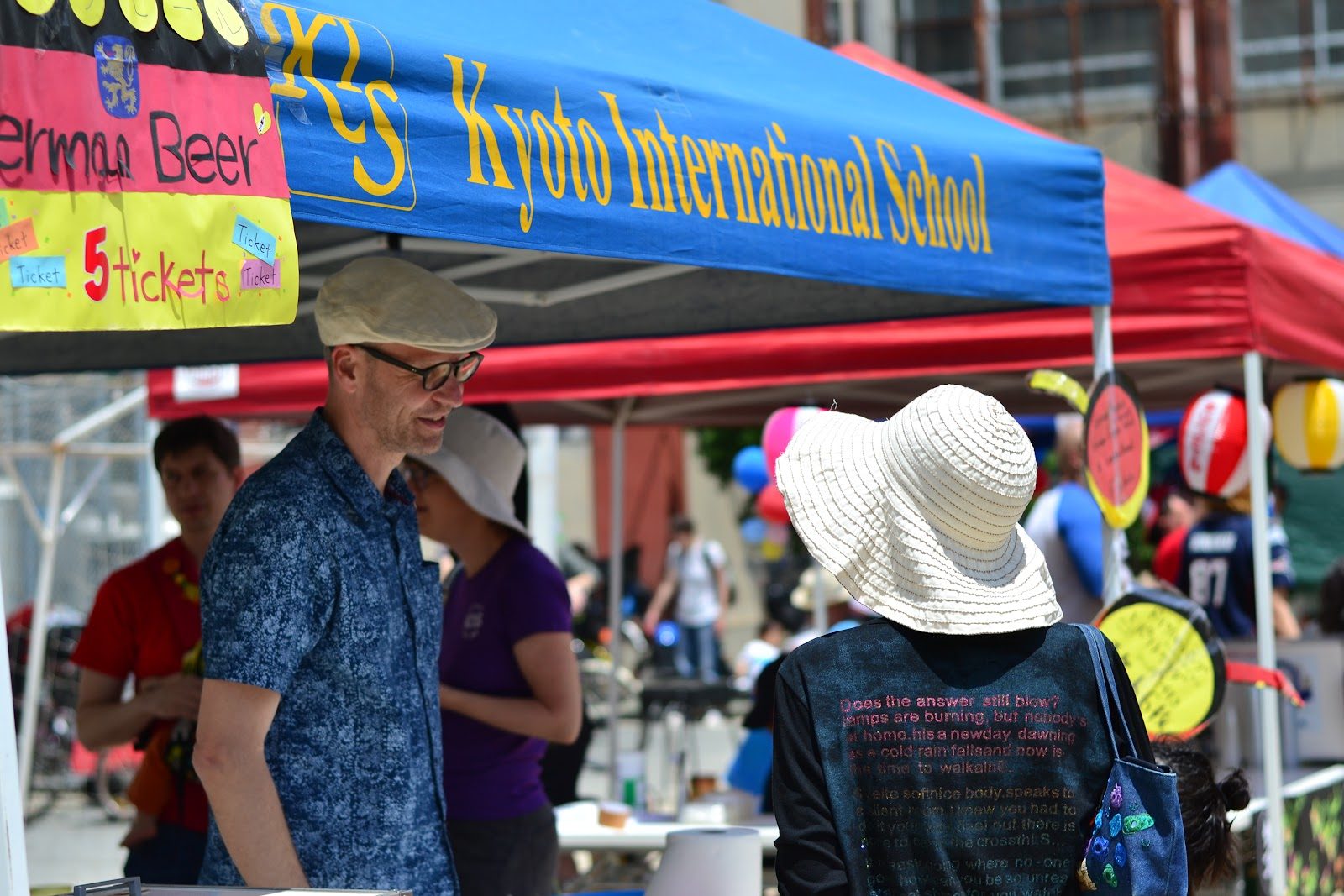
Kyoto International School
Kyoto · Japan
Grown from a 1957 missionary homeschool into Kyoto's only full IB continuum, blending British rigor with inquiry-based learning.
Same country and curriculum — closest matches within ±10 points either way