
Bristol
Clifton College
low confidence· 1/6 cats · 3 avg sourcesFounded in 1862 to champion science and equality over classics, its house system still shapes life on this Bristol clifftop campus.
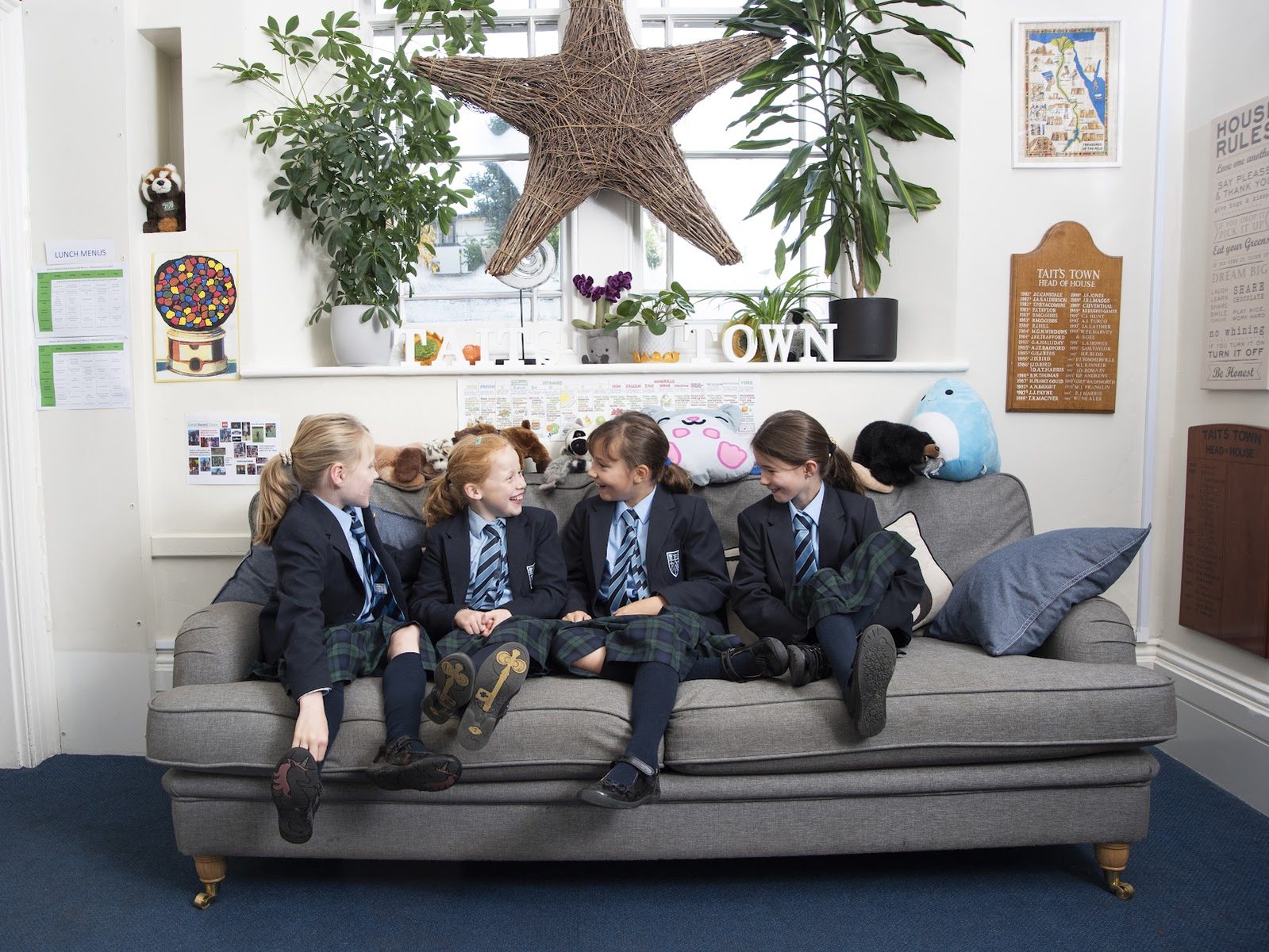
Photo © Clifton College via Google Maps
Type
Both
Ages
3–18
Curriculum
British
Qualifications
A-Level · GCSE
Ratio
1:9
The Verdict
Editor's commitment
Right for
Families wanting a 3–18 British school in Bristol with Anglican roots, HMC membership and a tight 1:9 ratio.
Wrong for
Parents seeking a secular ethos, another curriculum beyond British, or a day-only school; Clifton College is both and Anglican.
Watch out for
Founded in 1862 and proud of its house-driven continuity, Clifton trades on tradition; the school publishes no aggregate exam data.
Ranking breakdown
Clifton College · #681 of 1591
Composite score 59.4. 8 weighted criteria.
By criterion
Academic Outcomes
Weight 20%
#902
of 1529 scored
University Placement
Weight 16%
#848
of 1529 scored
Prestige & Heritage
Weight 12%
#537
of 1571 scored
Alumni Network
Weight 12%
#1413
of 1530 scored
Facilities
Weight 12%
#569
of 1533 scored
Transparency & Communications
Weight 8%
#779
of 1532 scored
Peer & Industry Review
Weight 10%
#893
of 1548 scored
Admissions Selectivity & Demand
Weight 8%
#837
of 1529 scored
Peer & Industry Review
How Clifton College is regarded in the sector
66
Respected · medium confidence
Within the West of England independent sector, Clifton College is respected as a historic, HMC-affiliated boarding school but is generally ranked behind Bristol Grammar School and Queen Elizabeth's Hospital in local day-school comparisons, and behind West Country boarding rivals such as Sherborne and Wells Cathedral School. The Good Schools Guide highlights strong pastoral care, sport and a substantial international boarding cohort while noting academics that are solid rather than outstanding. National broadsheet league tables place it in the middle tier of HMC schools rather than among the top fifty. University destinations lean heavily towards Russell Group institutions - Bristol, Exeter, Durham - with a modest but real annual Oxbridge intake, reflecting a broad rather than hyper-selective cohort. Long-standing HMC membership and cricketing heritage secure it credibility at headmasters' and independent-schools sporting circuits, but commentary consistently frames it as a well-regarded second-tier boarding school rather than a peer of the country's leading ten public schools.
- Douglas Haig — Field Marshal, Military
- John Cleese — Actor/Comedian, Entertainment
- Michael Redgrave — Actor, Entertainment
Editors' overview
Clifton College occupies a distinct place in the British independent market: a historic Bristol school founded in 1862 with a reforming streak still worth noting. Its early commitment to science over classics, and its refusal to reserve status for boarders over day pupils, gave it a more modern starting point than many old public schools. That matters. This is not a country-house fantasy school dressed in ivy and nostalgia. It is a city school with reach, scale and institutional memory, serving children from age 3–18 across day and boarding. Parents who want the architecture and house culture of an old English school, without the dead weight of inherited snobbery, should have Clifton on the list. The line the school pushes — aim high, stay grounded — lands because the underlying history supports it.
What sets Clifton apart is the combination of continuity and breadth. A through-school structure from Pre-Prep to Sixth Form gives families a single educational track rather than a sequence of exits and re-entries. The house system still shapes the place, and for the right child that brings belonging, identity and a durable social framework. Bristol also gives Clifton an edge over more isolated boarding schools: this is a proper urban campus, not a remote estate, which changes the feel of school life and broadens what older pupils can access. The published pupil-teacher ratio of 1:9 points to strong staffing levels. The school also makes a point of its coeducational character; since 1987 it has educated girls across every year group, and that shift is now fully embedded rather than cosmetic. Academic outcomes get celebratory headlines from the school, but aggregate result data are not published in the extracts here, so parents should ask for hard numbers, subject by subject.
The market position is clear. Clifton sits in the upper tier of traditional British schools that offer full pastoral infrastructure, serious extracurricular provision and a recognisable public-school social education, but with a less archaic brief than some rivals. It will suit pupils who thrive in a busy, structured environment and want more than classroom performance from school: sport, performing arts, clubs, outdoor activity and house loyalties all carry weight. The ideal Clifton child is not fragile and not excessively specialised at 13–18. This is a school for students with appetite: children who want momentum, community, pastoral steadiness and room to develop across multiple fronts. For international families, the attraction is straightforward: a long-established English boarding and day school with strong tradition, a clear all-through pathway and a culture that prizes confidence with substance over polish alone.
Academic Performance
Clifton talks up a “brilliant” GCSE year and “outstanding” A Level and BTEC results, but that is publicity, not evidence. The school does not publish aggregate headline data in the extracts here: no overall A*/A rates, no grade distribution, no subject breakdown, no university destinations tied to attainment, and no multi-year trend line. That leaves parents without the basic comparators needed to place Clifton cleanly against HMC peers. In a market where top schools routinely publish hard numbers, that gap matters. It pushes Clifton out of the data-transparent camp and into the trust us camp, which is a weaker position for an academically ambitious family.
That does not make Clifton weak academically; it makes it opaque. The inclusion of BTEC alongside A Level points to a broader post-16 offer than the narrowest exam factories, and that breadth will suit some pupils well. The question is where the school sits relative to nearby and national competitors. On published evidence, Clifton does not claim the kind of ruthlessly high-performing exam profile that defines the most selective day schools or the strongest academic boarding brands. It reads instead as a school that values attainment within a wider institutional brief: pastoral care, activities, and a full-spectrum school life. Parents considering Clifton for serious academic stretch should ask for the last 3 years of GCSE, A Level and BTEC results, with subject-level outcomes and top-grade rates, before drawing conclusions.
Facilities
Clifton’s facilities profile centres on breadth rather than one headline showpiece. The school itself foregrounds competitive sport, performing arts, outdoor adventure and a wide clubs programme, which tells you a lot about the physical plant: this is a campus built to keep pupils occupied well beyond lessons. For parents comparing traditional independent schools, that matters more than a single glossy theatre or elite lab block. A through-school of this scale needs specialist spaces across the age range, and Clifton has the institutional shape to support that. The house structure also changes how facilities function. At weaker peers, shared spaces can feel anonymous; here, the surrounding pastoral framework gives them more social purpose and better day-to-day use. The low staffing ratio of 1:9 strengthens that further, because facilities only count when adults are present enough to animate them.
Against direct competitors, Clifton sits in the well-resourced upper tier rather than the arms-race end of the market. Some old public schools in the countryside have more land, more theatrical acreage and a stronger sense of spectacle. Some top academic day schools have sharper investment in science and sixth-form study space. Clifton’s advantage is different: an all-round working campus that supports sport, arts and co-curricular life without turning into a museum of prestige spending. The weakness is public detail. The school does not publish much hard, facility-by-facility substance in the extracts we have seen, so parents should ask bluntly about sports provision, music practice space, theatre use, design and technology, and how boarding and day pupils access everything after hours.
In a market where top schools routinely publish hard numbers, that gap matters
Prestige
Clifton carries real public-school prestige, but not the flashiest kind. Its name has weight in British independent education because it belongs to the old established tier: a school with enduring social recognition, a substantial alumni network, and a house-based culture that families instantly understand. The prestige is strengthened by institutional distinctiveness. Clifton’s historical break from the narrow classics-and-caste model still matters; it gives the school a more modern-minded inheritance than many traditional rivals. Full coeducation is also long embedded, which makes the school feel less museum-piece, more usable for contemporary families who want tradition without theatrical antiquity.
I rate it as high-status but not mythic. Clifton sits below the tiny cluster of schools whose names function as global shorthand, and above the large field of competent independent schools that lack national pull. That is a strong position. For British families, the badge carries credibility. For international families, it offers a recognisable English boarding-and-day education without the more rarefied social coding of the most fetishised names. The published 1:9 staffing ratio helps the proposition: prestige at Clifton is not only architectural and historical, but tied to a serious level of adult support. The limitation is academic opacity. Schools at the very top of the prestige market can combine social standing with brutally clear results data. Clifton does not do that in public, and that keeps its reputation in the *substantial, respected, second-rank elite* rather than the indisputable top bracket.
Some top academic day schools have sharper investment in science and sixth-form study space
Communications
Clifton’s parent communications look functional, organised and admissions-led. The public-facing structure is clear: separate entry points for Pre-Prep, Prep and Upper School, a visible parent hub, open-event listings, admissions prompts, international application guidance, news updates and a live social feed. That covers the basics without fuss. Parents can find the next practical step quickly, and that matters. The weakness is depth. The site gives plenty of invitation and reassurance, but less hard operational substance than the best-run schools publish. We have not seen much public detail on routine parent reporting, academic tracking, calendar logistics, policy access or how the school handles day-to-day queries once a family is enrolled. For a school of this scale and complexity, that leaves communications serviceable rather than exemplary.
The tone is warm, polished and carefully managed. It leans heavily on values language — confidence, resilience, positive difference, personalised support — and on staged discovery through visits and enquiry routes. That works for recruitment. It tells parents less about institutional candour. Even the results coverage stays in congratulatory mode, with headlines about success but no aggregate numbers attached. That is a communications choice, and not a strong one. Strong school communications do more than project atmosphere; they publish the information parents need before they ask. Clifton does enough to look welcoming and well-drilled. It does not yet read as radically transparent. The visible open-event schedule, with dates spread across 3 age-phase groupings, shows decent segmentation; the broader picture stays tidy, controlled and selective.
Uniqueness
Clifton’s clearest point of difference is historical and cultural, not cosmetic. This is an old public school that broke early with the standard script: science mattered here when many peers still treated classics as the only serious route; day boys were admitted on equal terms; and the school once ran a dedicated house for Jewish pupils rather than forcing conformity to a single social mould. That legacy still gives Clifton a less caste-ridden feel than many traditional rivals. Add the move to full coeducation across every year group, and you get a school whose traditions carry *more practical value than ornamental weight*. For students, that brings a social world with structure and ritual, but without quite the same stale hierarchy that hangs around some heritage brands.
The other distinctive feature is the way the all-through model and house culture work together. A child can move from the earliest years to sixth form within one institution, and that continuity matters. It gives families a cleaner educational arc, fewer disruptive transitions, and a stronger chance of long-term belonging. The public claim of 1:9 adult staffing reinforces that sense of close handling. In student terms, the benefit is plain: younger children are not treated as a separate enterprise, older pupils inherit a settled culture rather than entering a fragmented one, and school identity runs deeper than exam season. Clifton’s version of old-school English education is *more inclusive, more urban and more usable* than the country-house model many parents picture.
The prestige is strengthened by institutional distinctiveness
Student Profile
The Clifton pupil fits a school that asks for range, stamina and social ease. This is not the place for a child who wants to drift anonymously through lessons and disappear home. The house structure, the weight given to sport, performing arts, clubs and outdoor activity, and the school’s all-through shape all favour students who will join in properly. That does not mean extroverts only. Quieter children can do well here if they are steady, coachable and willing to attach themselves to a community. The stronger fit is a pupil with good internal ballast: someone who can handle a full timetable, mixed-age institutional culture and the expectations that come with a traditional independent school. The published staffing ratio of 1:9 supports children who need adult oversight, but Clifton still reads as a place that rewards self-possession more than fragility.
It will suit families who want breadth over narrow exam-drilling. The inclusion of A Level and BTEC in the senior years points to a student body that is not built only around one definition of academic success. That matters. Clifton works best for children with multiple gears — pupils who want to study seriously, play hard, perform, compete or take on responsibility without turning every choice into a special case. International families who want a recognisable English school culture, but not the most starchy version of it, will find the social profile easier than at some heritage rivals. Children who dislike structure, resist communal life or want a purely cerebral atmosphere will fit better elsewhere.
Schools at the very top of the prestige market can combine social standing with brutally clear results data
Co-curricular strengths
Arts & sport, on a separate axis
Overall 9/10
Scored 0-10 from the school's own published evidence. This axis is editorial-only — it does not feed the main WTS ranking.
Sports
9.5/10
Drama
9/10
Dance
8.8/10
Music
9.2/10
Visual Arts
8.5/10
Strengths
- +All-through education from ages 3 to 18 on a single-city footprint
- +Boarding and day options add flexibility for local and overseas families
- +World-class co-curricular provision, especially in sport and drama, with elite dance and visual arts
- +Established in 1862 with a liberal, inclusive founding ethos and longstanding traditions
- +ISI-accredited and a member of HMC
Considerations
- −Anglican foundation and traditional ethos may not suit every family
- −English-medium, British-only curriculum narrows non-British pathway options
- −Strong co-curricular identity means academically driven families should seek current results directly
- −Published fee range is wide, so families must confirm the exact cost for their entry stage
Availability
Primary entry gate & tests
Written Exams + Interview
Gallery
Photo © Clifton College via Google Maps
Photo © Clifton College via Google Maps
Photo © Clifton College via Google Maps
Photo © Clifton College via Google Maps
Photo © Clifton College via Google Maps
Parent reviews
Have you sent your child here?
Voice reviews carry the strongest trust badge — we transcribe them for you to tidy up before they go live. Prefer to type? A written review is fine too.
Add your voice
In 60 seconds, tell other parents: what's the best thing about Clifton College, and what surprised you when your child joined?
We ask for a Google sign-in so every review has a real face behind it — no anonymous drive-by attacks on schools, and no faked positive reviews. Your email is never shown publicly.
Send this profile to a friend
International parents rely on word-of-mouth. Share this review with someone weighing the same decision.
Schools with places
Similar schools to Clifton College with places available now.
Availability first, then country, area, curriculum, price, co-curricular
Consider also
Also worth looking at alongside Clifton College.
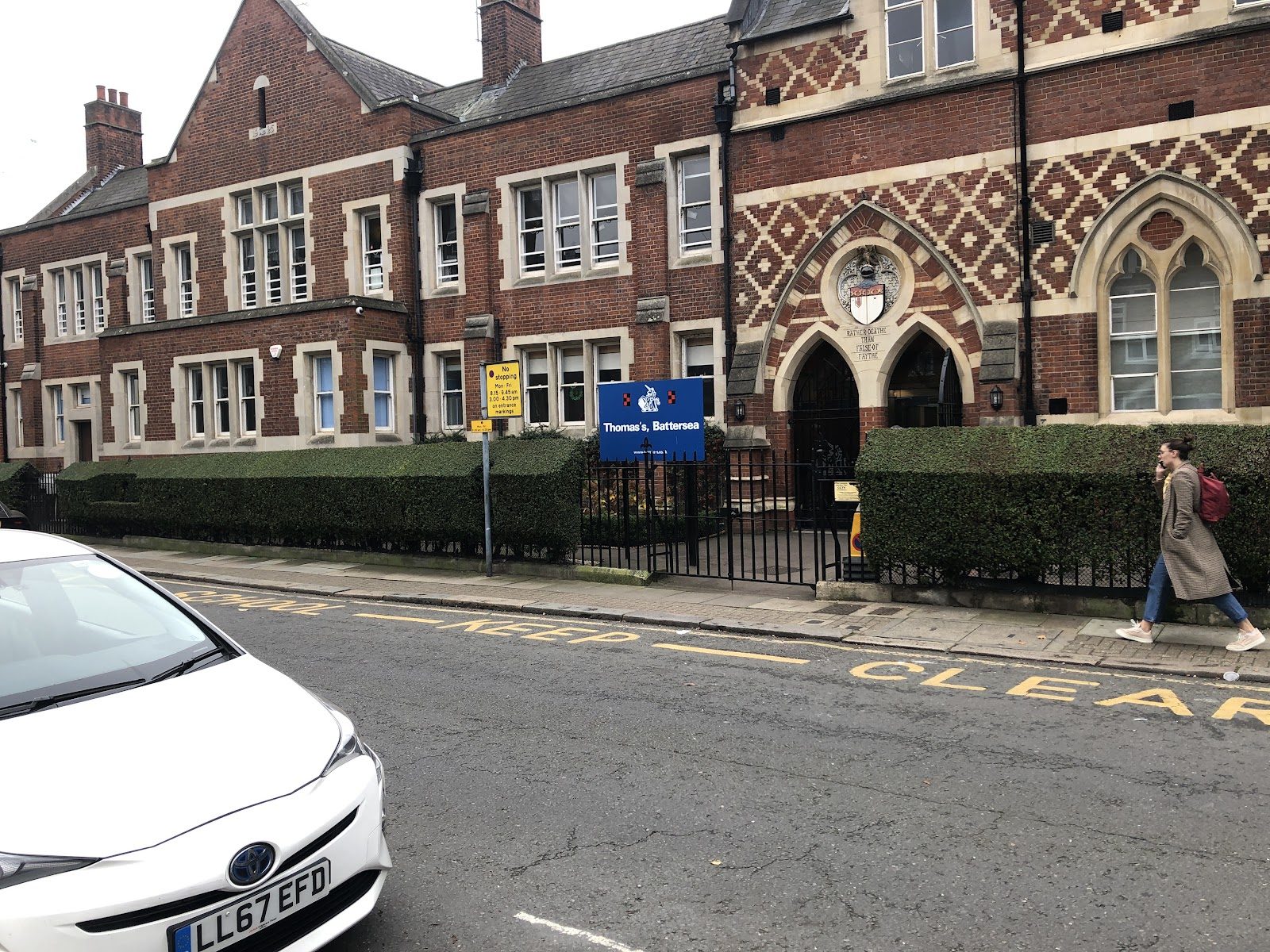
Thomas's Battersea
London · United Kingdom
In a former Victorian art school, an 'enquiry mindset' and a 'Be Kind' ethos feed London's top senior schools.
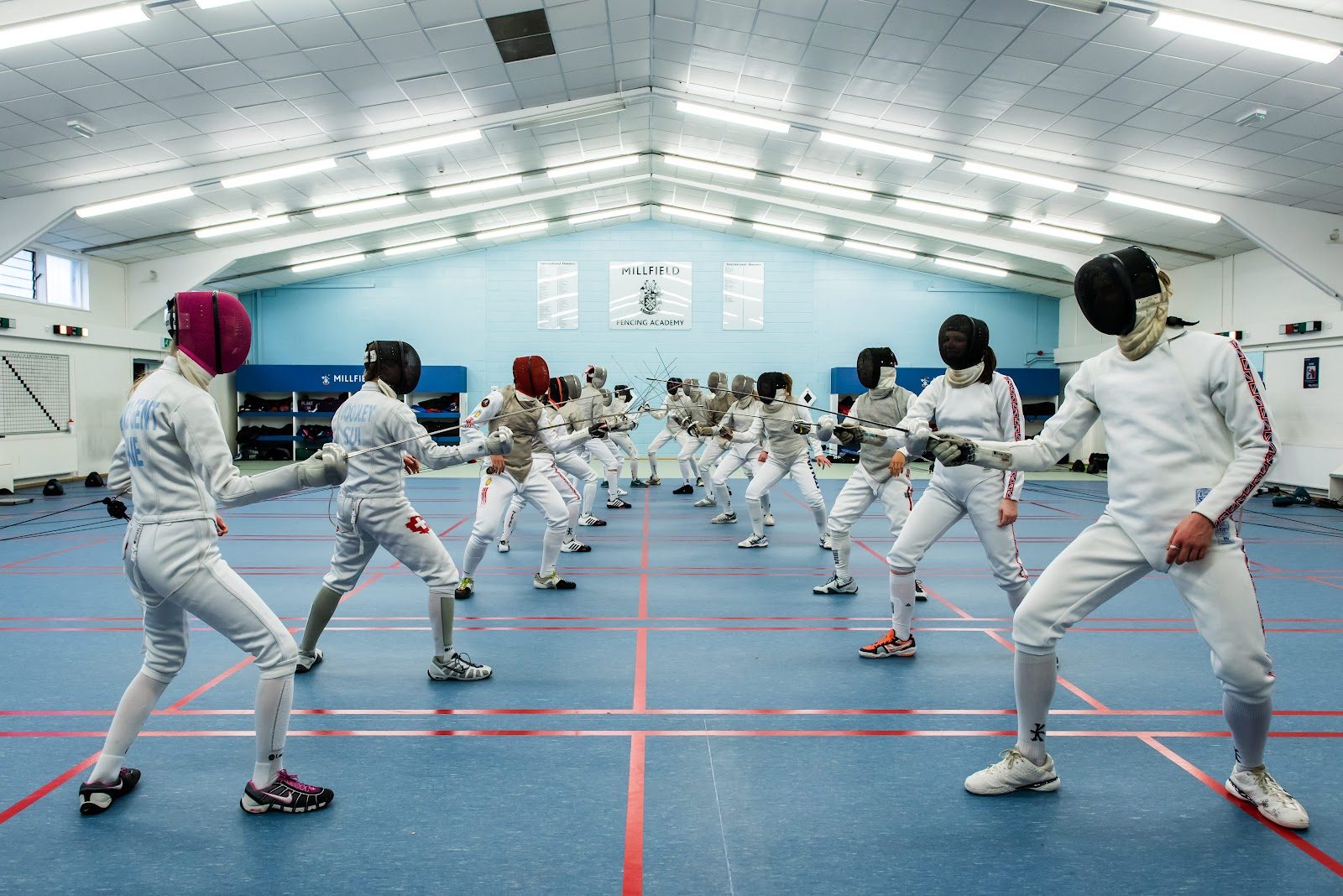
Millfield School
Street · United Kingdom
Sixty-plus sports and an Olympic-length pool anchor a 240-acre Somerset campus built for athletes and scholars alike.
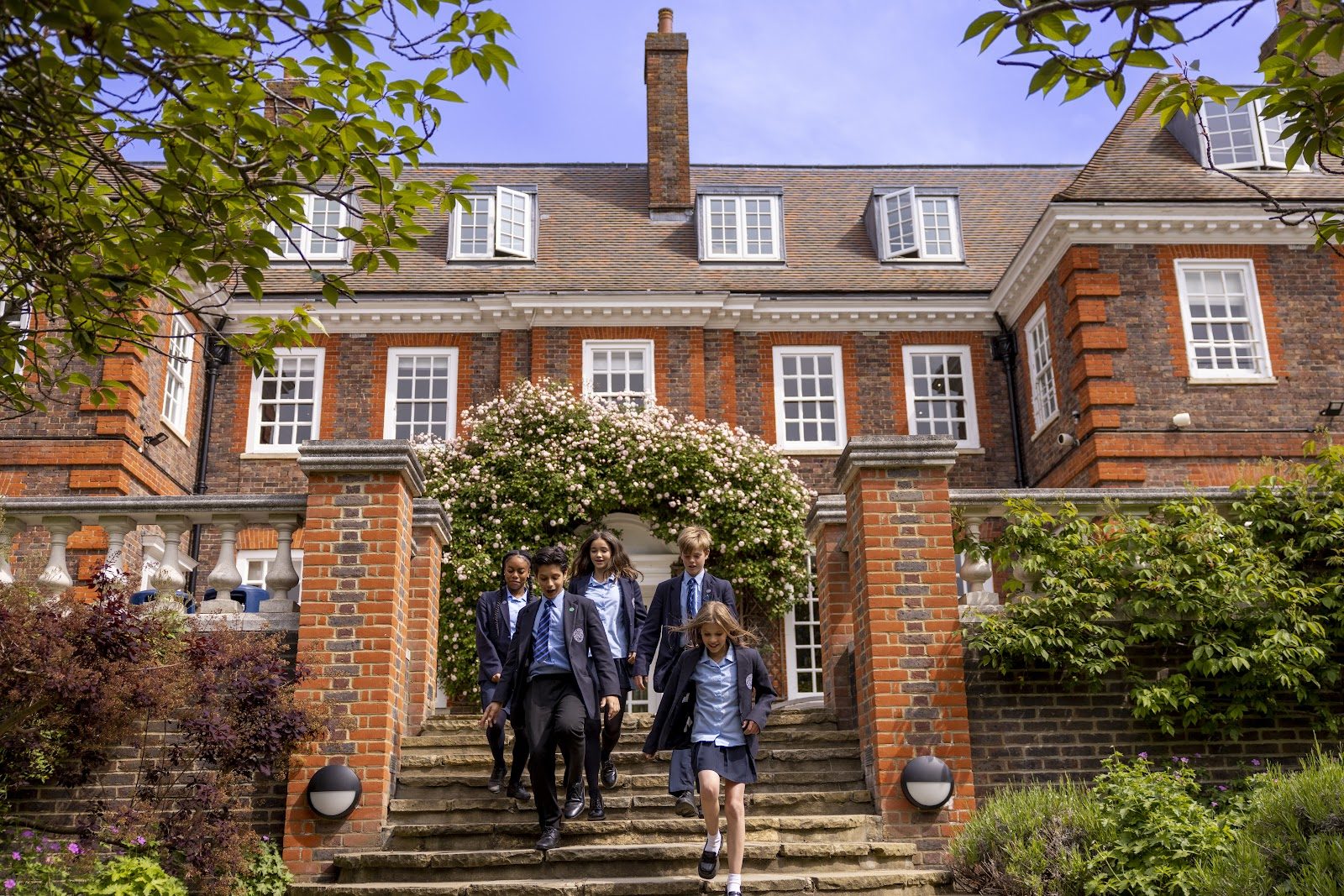
Ibstock Place School
London · United Kingdom
On the fringe of Richmond Park, a Froebel-founded day school has championed co-education since 1894.
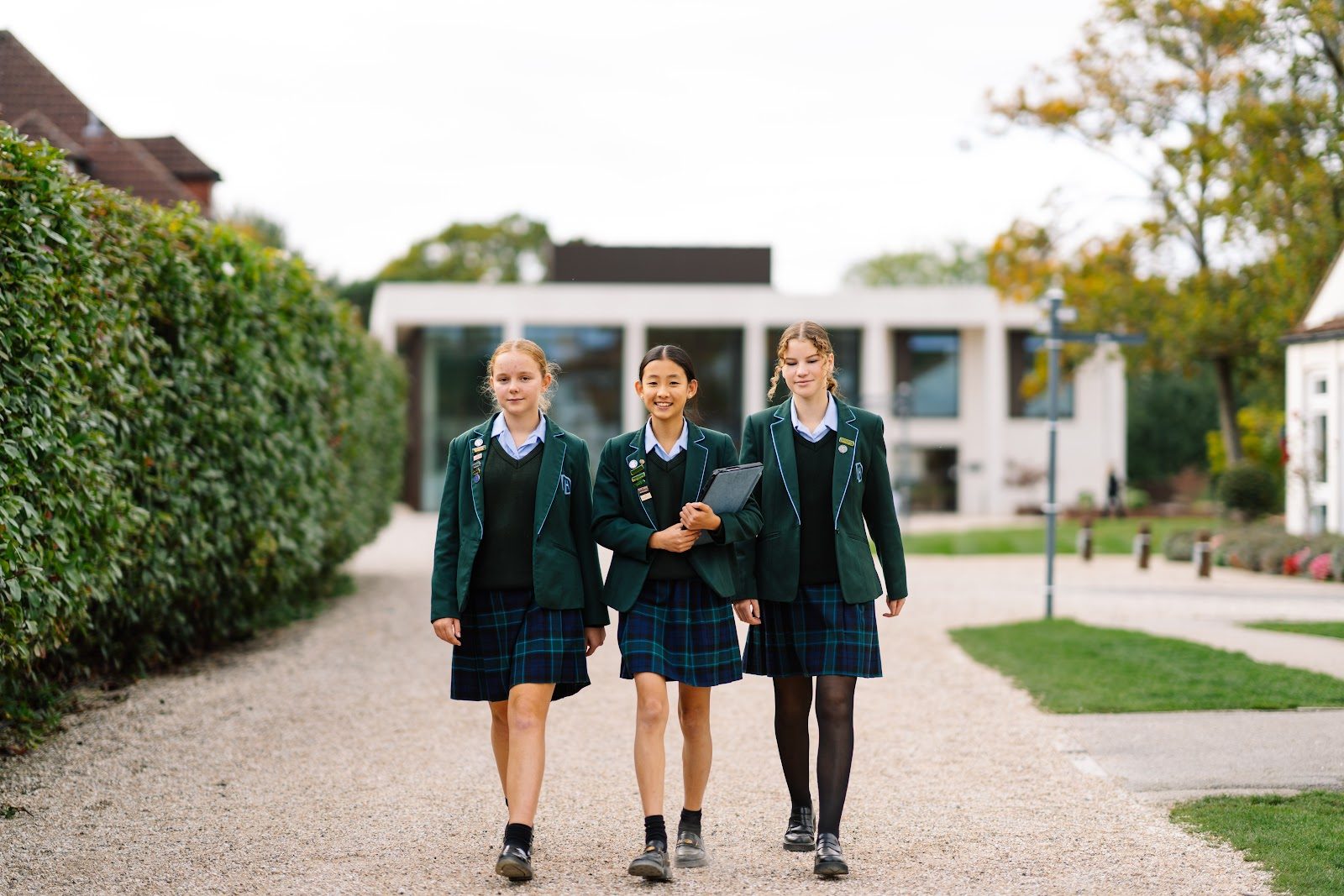
Downe House School
Cold Ash · United Kingdom
Rooted in Charles Darwin's former home, now a 110-acre Berkshire estate where science thrives and Oxbridge ambition runs deep.
Same country and curriculum — closest matches within ±10 points either way