
Devon
Ten day houses, recently renamed for Devon's landscape, sit on a 25-acre campus built by Butterfield in 1880.
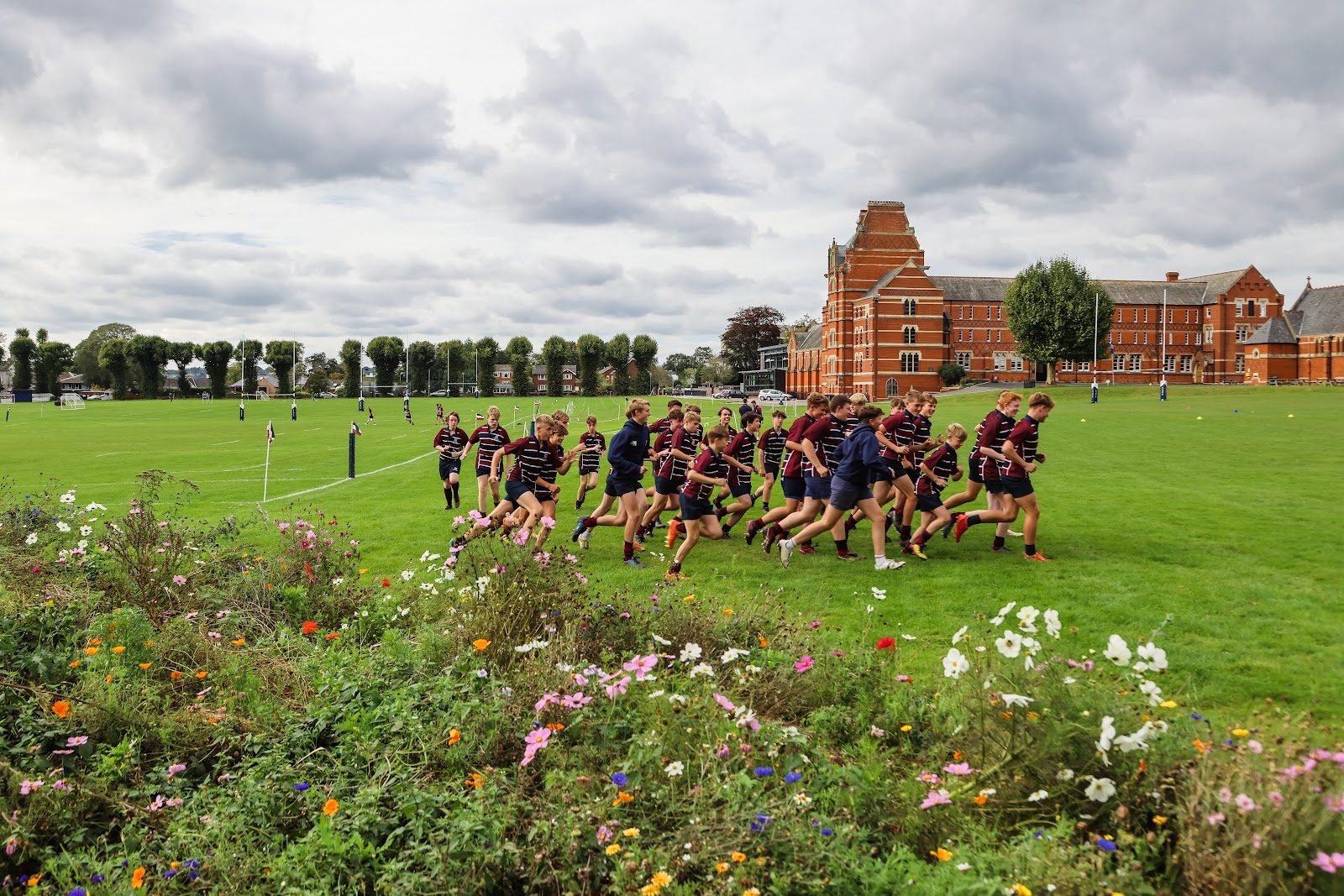
Photo © Exeter School via Google Maps
Type
Day
Ages
3–18
Curriculum
British
Qualifications
A-Level · GCSE
Ratio
—
The Verdict
Editor's commitment
Right for
Families wanting a 3-18 British day school with ISI and HMC backing, on a 25-acre Exeter campus anchored by ten houses.
Wrong for
Parents set on boarding, a religious ethos, or anything beyond English-medium British schooling from a school founded in 1633.
Watch out for
The average annual fee is £17,788; for a day school in Exeter, that price demands scrutiny of outcomes the school does not publish here.
Ranking breakdown
Exeter School · #682 of 1591
Composite score 66.8. 8 weighted criteria.
By criterion
Academic Outcomes
Weight 20%
#792
of 1529 scored
University Placement
Weight 16%
#793
of 1529 scored
Prestige & Heritage
Weight 12%
#689
of 1571 scored
Alumni Network
Weight 12%
#432
of 1530 scored
Facilities
Weight 12%
#732
of 1533 scored
Transparency & Communications
Weight 8%
#725
of 1532 scored
Peer & Industry Review
Weight 10%
#893
of 1548 scored
Admissions Selectivity & Demand
Weight 8%
#726
of 1529 scored
Peer & Industry Review
How Exeter School is regarded in the sector
66
Respected · medium confidence
Among South West independent schools, Exeter School is generally viewed as one of the stronger local HMC day options, regularly mentioned alongside Blundell's and Exeter Cathedral School in regional comparisons, though it lacks the boarding-school prestige of Sherborne or Millfield. University admissions patterns show consistent Russell Group placement with a small, steady Oxbridge intake rather than a headline pipeline. Good Schools Guide coverage typically frames it as a solid, well-run day school with strong pastoral care and good all-round provision rather than an academic powerhouse, a characterisation echoed in WhichSchoolAdvisor-style regional round-ups. National newspaper league tables place it comfortably mid-to-upper tier for day schools outside London, reflecting reliable but not exceptional exam outcomes. It has limited visibility at HMC conference level compared with larger metropolitan schools, and independent education press rarely singles it out for innovation; its reputation is built on quiet consistency rather than distinctive positioning.
Editors' overview
Exeter School is an old, established Exeter independent day school with a broad age range, a non-religious stance and a campus that gives it more architectural character than many regional competitors. Founded in 1633, it now runs from age 3–18, with the younger children based at the pre-prep in Exminster and the main school on a 25-acre site built by Butterfield in 1880. The day-house system is a distinguishing feature: ten houses, recently renamed for Devon’s landscape, give the school a stronger internal identity than the standard administrative tutor-group model. For parents scanning the South West market, that matters. It creates a real sense of belonging inside a school that is big enough to offer range, but not so big that children vanish into it.
The practical attraction is continuity. Exeter takes children from nursery through sixth form, and the pre-prep structure is tightly specified: a one-form intake in each year group beyond nursery, classes of around 18, and specialist teaching from Reception in music, sport, PE, wellbeing and French, plus swimming in the indoor pool from the summer term. That early specialist provision gives the school a more ambitious feel than many prep settings. At the same time, the Year 2 wording on selective school preparation is revealing: this is a school that understands competition, parental expectation and the mechanics of transition. It is not anti-academic, and it does not hide from selection. That frankness is useful. Parents who want clear structure, steady pastoral oversight and an all-through route with academic seriousness will find Exeter easy to place on a shortlist.
Its market position sits in the upper tier of regional day schooling: traditional in foundation, modern in co-educational delivery, and broad rather than niche. This is not a tiny boutique school built around one educational fad, nor a boarding school borrowing day pupils to fill benches. It is a full day-school operation with scale: Wikipedia records around 200 pupils in the junior school and 700 in the senior school in 2019. That scale supports choice in sport, arts, co-curricular life and sixth-form study, while the house structure and phase-specific pastoral systems work against impersonality. The school publishes academic outcomes and university destinations as a headline area, which is a sensible sign, though parents should still read those figures closely rather than settle for warm institutional confidence.
The pupil who will thrive here is one who wants a busy, well-organised school life rather than a loose or experimental one. Exeter suits families who value consistency, visible standards and a campus culture with tradition but no religious overlay. It will work well for children who enjoy being part of a defined community, who benefit from routine, and who want access to sport, music, drama and enrichment without sacrificing academic momentum. It will suit many able, grounded children; it will suit fewer who need a radically alternative environment or a very small school’s intensity of individual tailoring. In a crowded independent market, Exeter earns shortlist status through institutional depth, strong continuity and a model that knows exactly what it is.
Academic Performance
Exeter flags academic outcomes and university destinations as a central part of its public case, which is the right place to look in a school of this type. The problem is that the key comparative data are absent here. We have not seen aggregate GCSE or A-level results, no multi-year breakdown of top grades, no value-added data, and no university destination table detailed enough to judge the strength of outcomes against serious independent-school peers. That leaves parents without the numbers needed to separate solid attainment from genuinely strong academic performance. A school with Exeter’s scale and market position needs to publish headline examination data clearly and annually. Anything less is opaque.
What the school does show points to an institution that takes academics seriously from the start. The pre-prep language is candid about entrance testing, scholarships and movement into selective schools, which tells parents that Exeter is comfortable with competition and structured preparation. That is useful, but it is still proxy evidence, not proof of senior-school exam strength. Relative to peer independents in the South West, Exeter sits in the group that needs to demonstrate outcomes, not simply assert ambition. Until the school discloses hard public results, the academic picture remains incomplete. Parents who care about league-table positioning, Oxbridge rates or the share of top grades need to ask for the data directly.
Facilities
Facilities are a genuine asset here, and not in the hollow brochure sense. The pre-prep alone has more specialist access than many stand-alone prep schools: children start specialist teaching in music, sport, PE, wellbeing and French from Reception, and swimming begins in the school’s indoor pool in the summer term. That matters. An indoor pool on an all-through day-school campus lifts sports provision above the regional norm, where many peers still rely on hired municipal water time or patchier access. The wider site also carries enough infrastructure to support distinct senior arts, design technology and sport strands rather than folding everything into a generic “enrichment” offer. For a family comparing Exeter with smaller local independents, this is a clear competitive strength: the school has the physical plant of a serious full-range operation, not a compact prep that runs out of space and specialist rooms as pupils get older.
The limitation is that Exeter does not publish the kind of hard facility detail that would sharpen the picture further. We have not seen a clear inventory of theatres, science labs, sixth-form study spaces or high-performance sports provision, so parents cannot benchmark every area with precision against the strongest HMC day schools. Even so, the publicly stated provision points to a campus with real depth, especially for younger pupils moving through the school. Against peer schools in the South West, the combination of a pre-prep in Exminster, an indoor pool, dedicated arts and sport structures, and 10 houses gives Exeter a more fully developed institutional feel than many mid-market competitors.
That leaves parents without the numbers needed to separate solid attainment from genuinely strong academic performance
Prestige
Exeter carries real regional standing, but this is not a national trophy school with the automatic pull of the most selective London or ancient public-school names. Its prestige rests on durability, scale and local recognition rather than on a single elite calling card. In the South West, that counts for a great deal. A school that runs all the way through, has a substantial senior cohort and sustains 10 day houses projects institutional heft and social confidence. The Butterfield setting adds visual authority; the house renaming gives the school a more self-conscious internal culture than a loose day-school model. Parents buying Exeter are buying a known quantity: established, ambitious and firmly embedded in its city’s professional class.
The ceiling on prestige is straightforward. Publicly available academic evidence does not match the certainty of the brand. Exeter talks about outcomes and destinations, and the pre-prep is frank about scholarships and selective entry, but that does not elevate the senior school into the top-flight academic bracket on trust alone. Prestige in this market comes from hard results, visible destination strength and a reputation that travels well beyond its home region. Exeter has strong local cachet and a solid independent-school profile; it does not command national scarcity value. That still places it above minor independents and start-up schools. It sits in the bracket of schools parents shortlist when they want a serious, traditional day education with status, but not mythic exclusivity.
Parents who care about league-table positioning, Oxbridge rates or the share of top grades need to ask for the data directly
Communications
Exeter’s parent communication is organised, menu-heavy and functional. The website gives families clear routes into the areas that matter in daily school life: admissions, term dates, policies, safeguarding, inspection reports, transport, uniform, food, fixtures, calendars, box office, alumni and contact points. That breadth matters because it tells you the school treats communication as infrastructure, not decoration. The navigation also breaks pastoral information down by phase, with separate pages for pre-prep, junior, senior and sixth form, plus dedicated sections on houses and safeguarding. In a school with 10 houses and multiple phases, that kind of structure is not optional; it is the minimum for keeping families oriented. Exeter meets that test. The tone is controlled, clear-eyed and institutional rather than chatty.
The limitation is depth and proof. The school signposts “academic outcomes and university destinations” prominently, yet the public presentation here does not deliver the data a hard-headed parent wants. That weakens trust at the point where communication matters most: not announcing values, but backing claims with evidence. There is also a lot of navigation and a great many sub-pages, which carries a familiar risk in large schools: parents can find the category they need, but not always the answer with enough speed or precision. So the verdict is competent rather than outstanding. Exeter communicates the mechanics of school life efficiently; it communicates measurable performance with frustrating restraint.
Uniqueness
What marks Exeter out is not one flashy differentiator but an unusually coherent structure. The school combines an all-through model with a pre-prep that still feeds selective independents, which creates a dual character: internal continuity for families who stay, and outward-facing academic readiness for those who do not. That is a more hard-headed setup than the standard “through school” promise. The school starts specialist teaching early, keeps the youngest classes tight at around 18, and talks openly about entrance tests and scholarships rather than hiding behind progressive fog. For students, that brings clear expectations, routine and a stronger sense that each stage is preparing them for the next, not merely occupying time until transfer.
The other distinctive feature is cultural rather than academic: the day-house system has real weight. With 10 houses spread across a full age-range school, Exeter gives pupils a second layer of belonging inside a sizeable institution. That matters in practice. It reduces the anonymous feel that larger day schools can slip into and gives sport, pastoral life and identity a firmer framework. Add a non-religious foundation and a campus with visible architectural inheritance, and Exeter lands in a distinctive middle ground: traditional without chapel culture, structured without stiffness, and broad enough to offer range without losing institutional shape. For the right child, that produces a school life that feels ordered, busy and socially anchored.
What marks Exeter out is not one flashy differentiator but an unusually coherent structure
Student Profile
Exeter suits children who do well in a structured, busy environment and do not need a school to reinvent itself around them. This is a through-school with a clear sense of progression from the earliest years onward, and the student who fits best is one who is comfortable moving through defined stages, expectations and routines. In the pre-prep, classes stay small beyond nursery, with a one-form intake and around 18 pupils per class, which points to a cohort that is known individually but still socialised into a wider institutional culture early. The language around Year 2 entry tests and scholarships is also instructive: this is a school for families who are comfortable with academic seriousness, preparation and measurable outcomes, not for parents who want a deliberately low-pressure ethos or a school that treats competition as distasteful.
Socially, Exeter will work well for pupils who like belonging to something bigger than their own year group. The house system gives the school a strong internal identity, and that matters in a day school of this scale: children who enjoy organised sport, performances, trips, house activity and the rhythm of a full calendar will find plenty to attach to. The best fit is a child who is steady, engaged and game for involvement rather than one who needs a very loose culture or intensive therapeutic individualisation. It also suits grounded families who want a polished but not theatrical independent-school experience: visible standards, clear pastoral structures, and no appetite for educational fashion.
The other distinctive feature is cultural rather than academic: the day-house system has real weight
Co-curricular strengths
Arts & sport, on a separate axis
Overall 8.5/10
Scored 0-10 from the school's own published evidence. This axis is editorial-only — it does not feed the main WTS ranking.
Sports
9/10
Drama
8.5/10
Dance
7.5/10
Music
9/10
Visual Arts
8.5/10
Strengths
- +Founded 1633; an unusually longstanding local institution.
- +World-class strength in team sport and music.
- +Ages 7–18 allows continuity through to sixth form.
- +ISI accreditation and HMC membership provide recognised oversight.
- +Publishes academic outcomes and university destinations openly.
Considerations
- −English-medium teaching may limit non-fluent entrants.
- −British curriculum only; no IB pathway offered.
- −Fees below the London tier also mean fewer bursary-funded places than better-endowed peers.
- −Sixth-form subject range narrower than the largest national institutions.
Availability
Primary entry gate & tests
Written Exams + Interview
Gallery
Photo © Exeter School via Google Maps
Photo © Exeter School via Google Maps
Photo © Exeter School via Google Maps
Photo © Exeter School via Google Maps
Photo © Exeter School via Google Maps
Parent reviews
Have you sent your child here?
Voice reviews carry the strongest trust badge — we transcribe them for you to tidy up before they go live. Prefer to type? A written review is fine too.
Add your voice
In 60 seconds, tell other parents: what's the best thing about Exeter School, and what surprised you when your child joined?
We ask for a Google sign-in so every review has a real face behind it — no anonymous drive-by attacks on schools, and no faked positive reviews. Your email is never shown publicly.
Send this profile to a friend
International parents rely on word-of-mouth. Share this review with someone weighing the same decision.
Schools with places
Similar schools to Exeter School with places available now.
Shrewsbury School
Shrewsbury · United Kingdom
- 2026-27
- CLOSEDStandard route
- 2027-28
- PLACES OPEN16+ Active; 13+ Std Closed; 13+ Late enquire
Gordonstoun
Elgin · United Kingdom
- 2026-27
- CLOSEDStandard route closed
- 2027-28
- PLACES OPEN11+ / 13+ / 16+ active
The Grammar School at Leeds
Leeds · United Kingdom
- 2026-27
- CLOSEDStandard route closed
- 2027-28
- PLACES OPEN11+ / 13+ / 16+ active
Oxford High School
Oxford · United Kingdom
- 2026-27
- CLOSEDStandard route
- 2027-28
- PLACES OPENCloses Oct/Nov
Availability first, then country, area, curriculum, price, co-curricular
Consider also
Also worth looking at alongside Exeter School.
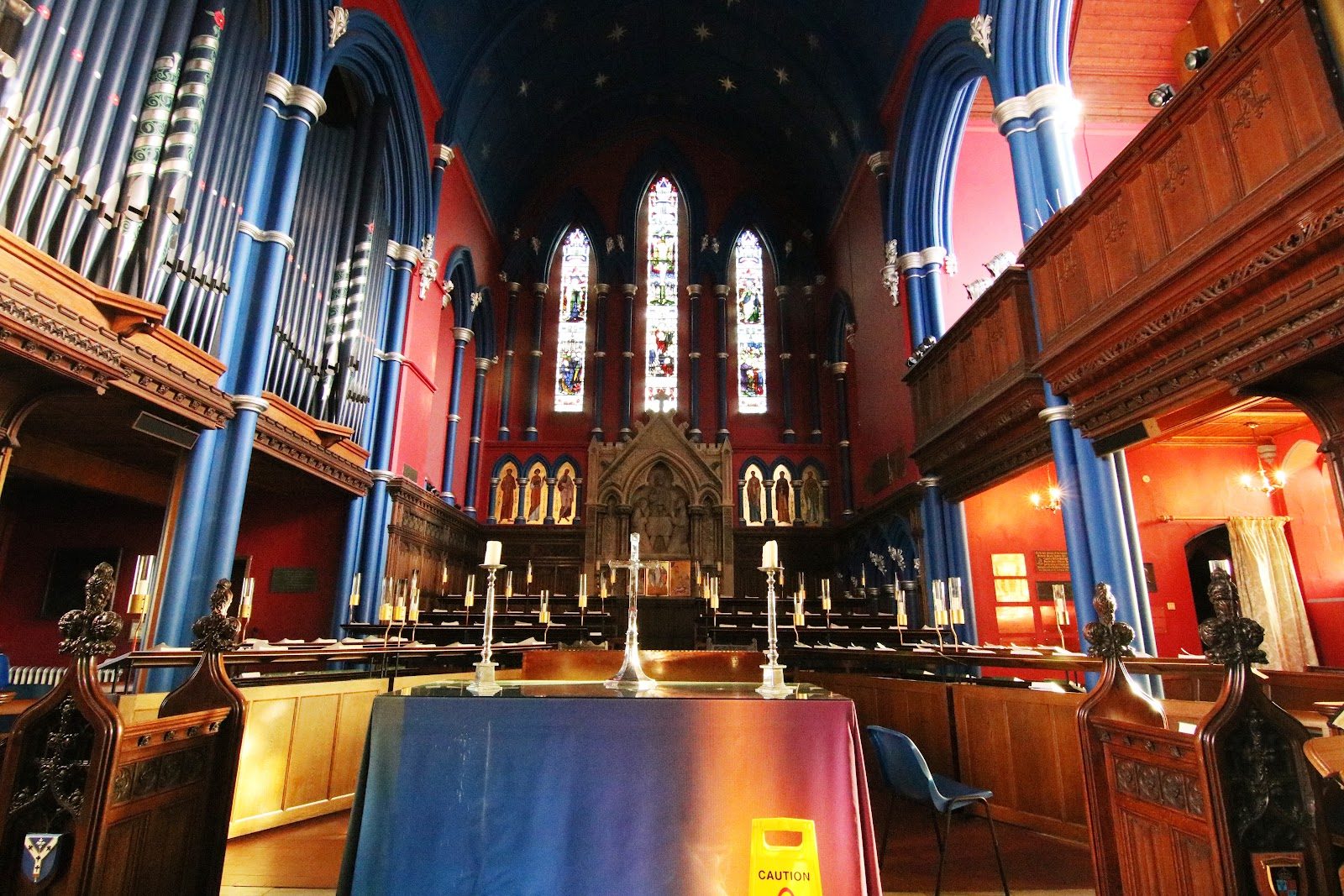
Shrewsbury School
Shrewsbury · United Kingdom
Curled inside a loop of the River Severn, twelve boarding houses keep alive a rowing tradition dating to 1866.
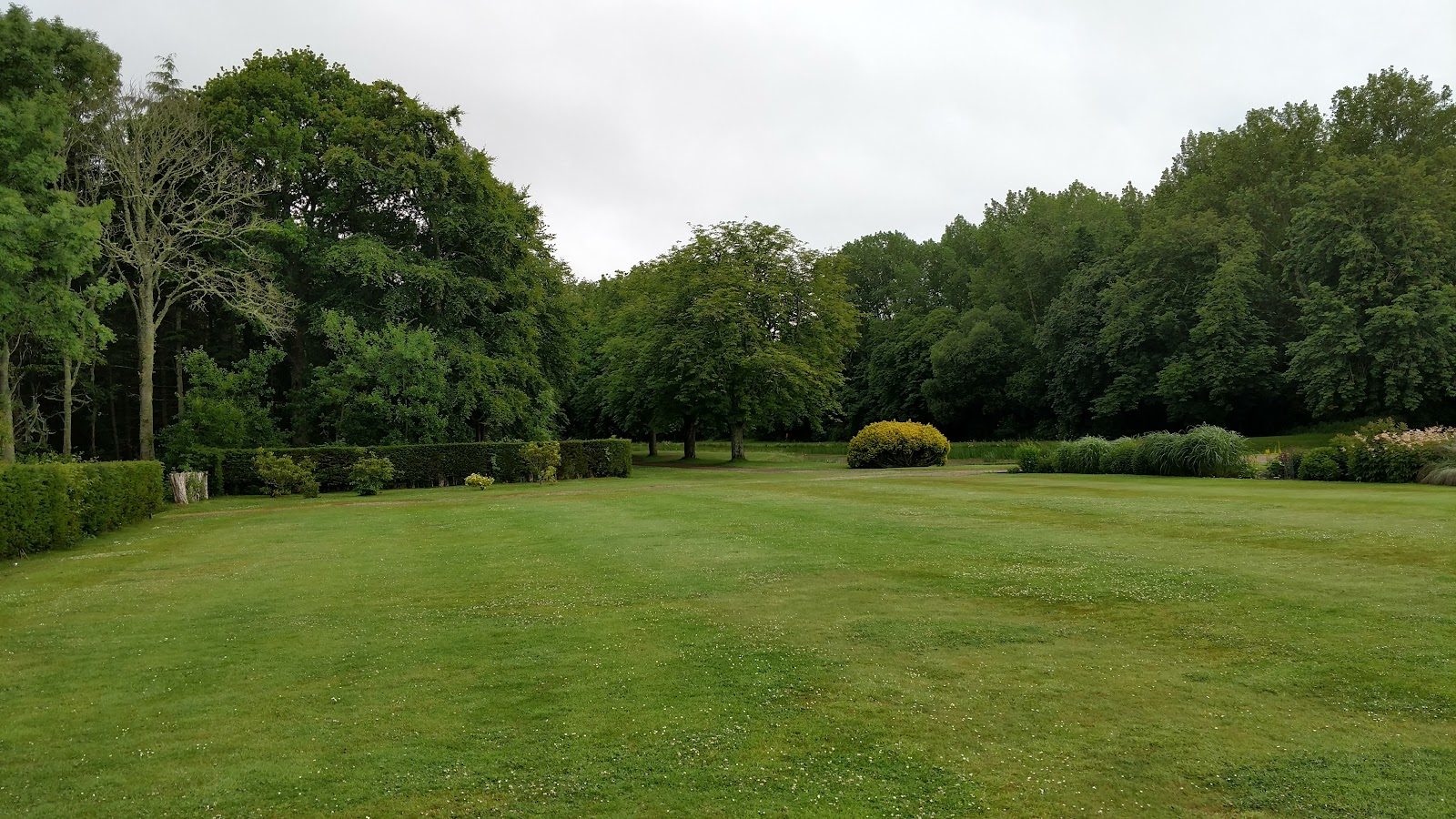
Gordonstoun
Elgin · United Kingdom
On Scotland's Moray coast, birthplace of Outward Bound, where sail training aboard the school's own ocean-going yacht counts as curriculum.
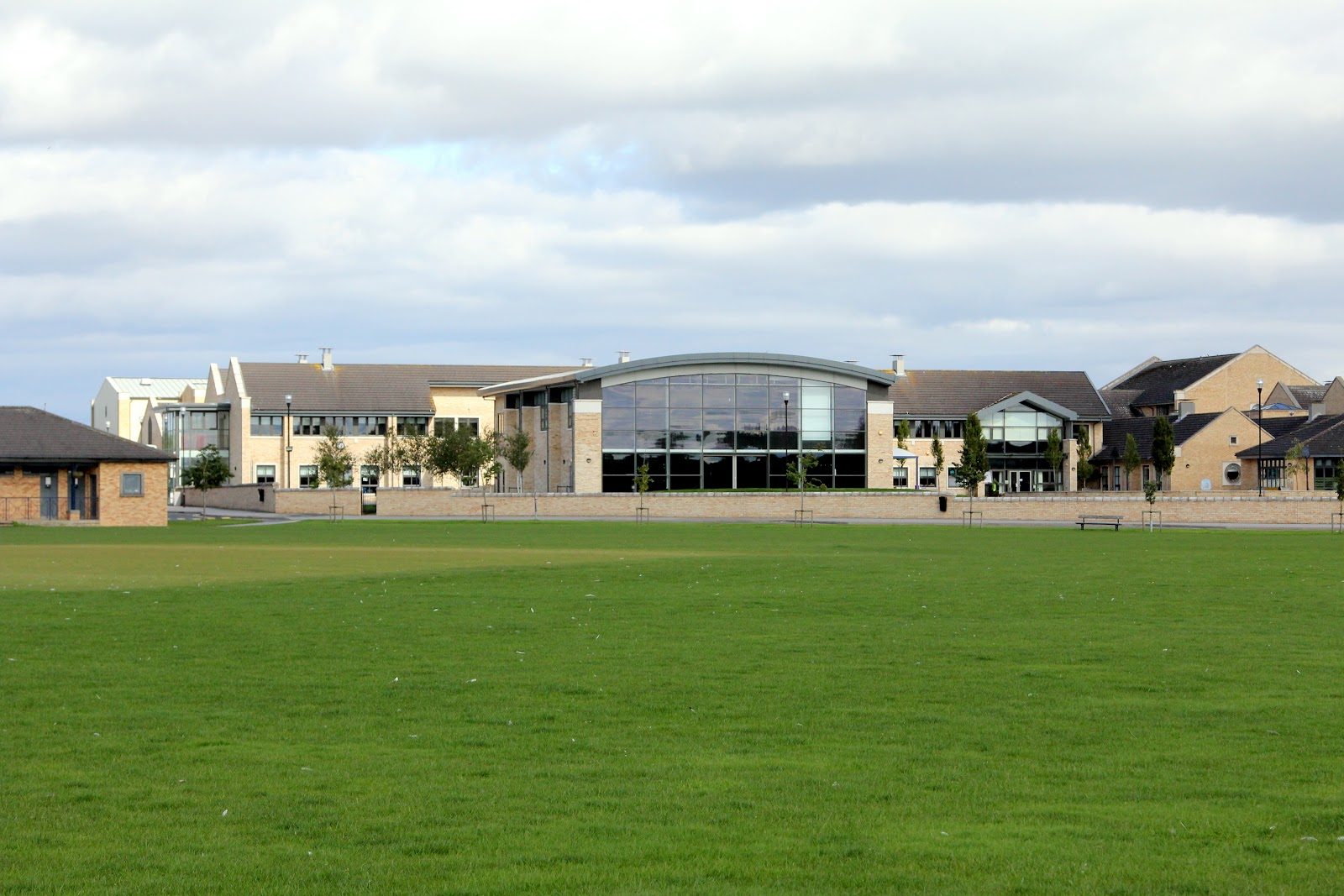
The Grammar School at Leeds
Leeds · United Kingdom
Where a 1552 boys' grammar school and an 1876 girls' high school fused into one diamond-model campus across 140 Yorkshire acres

Oxford High School
Oxford · United Kingdom
One of England's earliest girls' day schools, founded in 1875, pairs Oxford scholarship with a culture of fearless inquiry.
Same country and curriculum — closest matches within ±10 points either way