
Essex
Bancroft's School
low confidence· 6/6 cats · 0 avg sourcesBorn from a 1737 Drapers' Company bequest, now pairing rigorous academics with a distinctive outdoor-adventure pillar in Woodford Green.
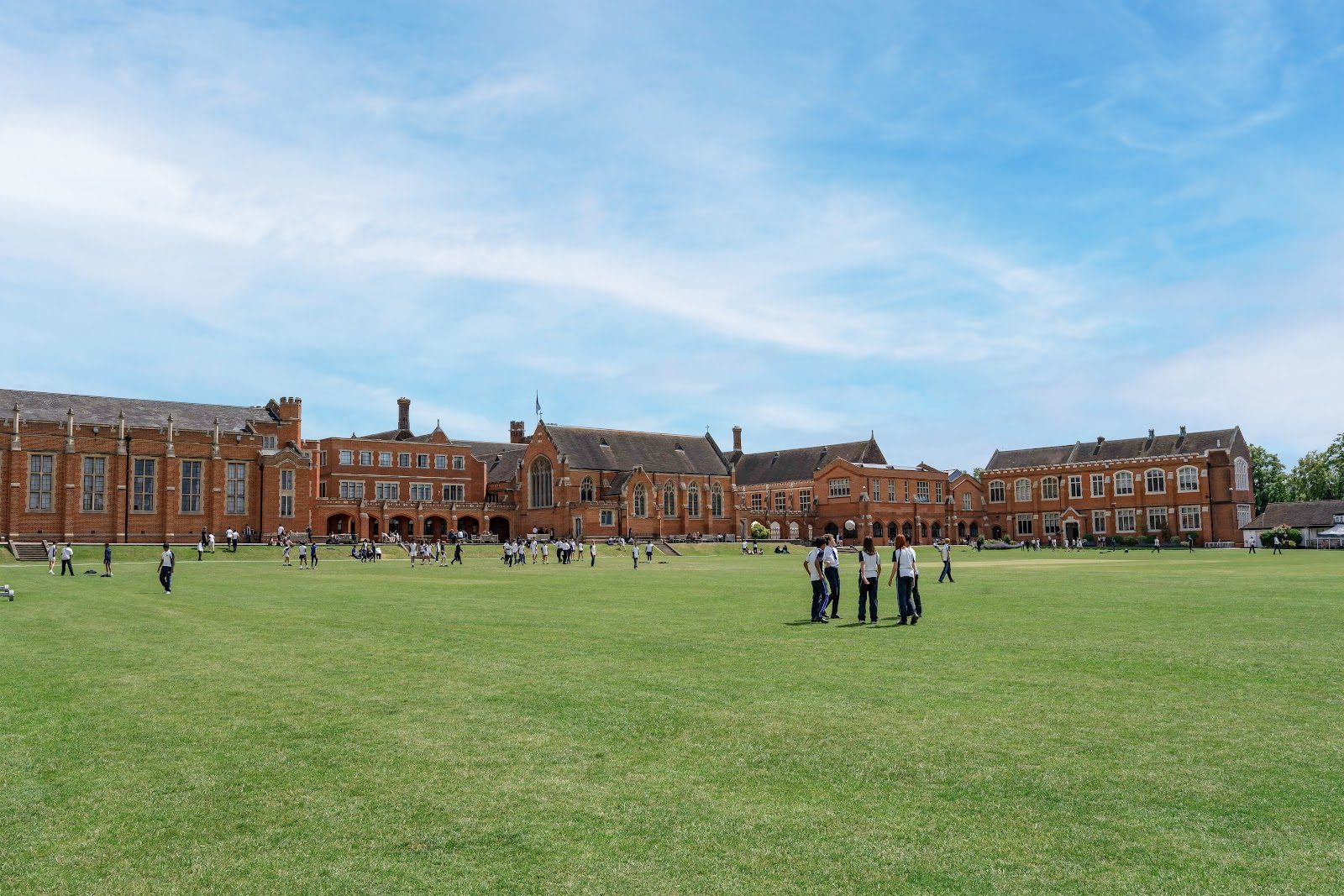
Photo © Bancroft's School via Google Maps
Type
Day
Ages
13–18
Curriculum
British
Ratio
—
The Verdict
Editor's commitment
Right for
Families wanting a serious British day school in Woodford Green, with 1737 roots and a co-educational senior cohort of about 850.
Wrong for
Parents seeking boarding, a faith ethos or early-years entry; this is a non-religious day school for ages 13–18.
Watch out for
The average annual day fee is £28,683, and the senior school’s 850 pupils sit within a wider school of around 1,100.
Ranking breakdown
Bancroft's School · #1109 of 1591
Composite score 60.6. 8 weighted criteria.
By criterion
Academic Outcomes
Weight 20%
#1050
of 1529 scored
University Placement
Weight 16%
#1057
of 1529 scored
Prestige & Heritage
Weight 12%
#1115
of 1571 scored
Alumni Network
Weight 12%
#721
of 1530 scored
Facilities
Weight 12%
#1193
of 1533 scored
Transparency & Communications
Weight 8%
#1098
of 1532 scored
Peer & Industry Review
Weight 10%
#998
of 1548 scored
Admissions Selectivity & Demand
Weight 8%
#760
of 1529 scored
Peer & Industry Review
How Bancroft's School is regarded in the sector
74
Respected · high confidence
Bancroft's School is a well-established fixture of the UK independent day-school sector, regularly featured among Tatler's "Top Public Schools in the UK" and praised for results that are "stupendous across the board", including 91 per cent A*-B at A-level in coverage of its academic record. The Good Schools Guide, the other benchmark UK independent reviewer, calls it "a contemporary, forward-looking school, with traditions but without entitlement" and highlights its highly selective entry and strong pastoral structure. Its alumni network, the Old Bancroftians, includes two Victoria Cross recipients and prominent contemporary figures such as Lord Pannick and Mike Lynch, lending it genuine historical and professional weight. The 2026 merger with St Aubyn's and Woodford Green Preparatory into a wider Bancroft's Family of Schools signals continued sector confidence, though the school remains a strong regional rather than nationally pre-eminent name compared with London's most famous day schools.
Evidence sources
Editors' overview
Bancroft’s trades on two things that rarely sit together this cleanly: deep institutional age and a school culture that still feels active rather than ceremonial. The 1737 Drapers’ Company bequest gives it real historic weight, but the sharper point for parents is the modern shape of the school: a co-educational private day school in Woodford Green, teaching in English, non-religious, and focused on ages 13 to 18 in its senior entry. It sits in a useful market niche. This is not a boarding-school proposition built on inherited grandeur, and it is not a flashy London day school selling metropolitan gloss. It is a serious academic school with a more grounded, outward-facing character, helped by that distinctive outdoor-adventure strand flagged in its identity.
Scale matters here. The school has around 1,100 pupils overall, with around 850 in the Senior School and 250 in the Preparatory School, so it is large enough to offer breadth without tipping into anonymity. For families targeting the senior years, that 13–18 structure suits pupils ready for a decisive academic push rather than those needing a softer all-through setting from nursery onward. The average annual day fee is £28,683, which places Bancroft’s in the expensive but not stratospheric end of the independent London market. That matters: parents are paying for a long-established academic environment and a strong peer group, not for boarding houses, a global brand, or resort-style facilities.
Why shortlist it? Because Bancroft’s offers a clear, unsentimental proposition for families who want intellectual seriousness without the more theatrical habits of some London independents. Its special edge lies in that pairing of rigorous academics with an outdoor-adventure pillar, which gives the school a less cloistered feel than many competitors built purely around exam culture. The pupil who will want Bancroft’s is bright, self-propelled and comfortable in a school that expects work to matter. It suits children who value substance over spectacle, who want a co-educational day school rather than a boarding identity, and who will thrive in a setting that is ambitious, disciplined and not designed for hand-holding.
Academic Performance
Bancroft’s academic standing cannot be judged properly from published exam data because the school does not disclose aggregate public results in the source set here. That matters. In this tier of independent day school, serious competitors publish at least a headline run of GCSE and A-level outcomes, university destinations, or both. Bancroft’s asks parents to rely more on reputation than on hard-edged comparative evidence. That does not weaken the school’s academic identity; it does limit external scrutiny. For a family benchmarking selective London-area peers, that opacity is a real drawback. You cannot place the school with confidence in the very top bracket, the strong second tier, or the merely respectable middle of the market without the numbers that normally anchor that judgement.
What can be said with confidence is structural rather than statistical. This is a school built for academically serious pupils in the senior years, with the intake profile and institutional history to support a demanding sixth-form culture. That points to a high-expectation environment rather than a broad-church school chasing inclusivity at the expense of pace. But parents should ask direct questions: recent GCSE and A-level grade distributions, subject-by-subject strength, Oxbridge and medicine offers, and destination patterns across the cohort. At an average annual fee of £28,683, that information should be routine, not elusive.
Facilities
Facilities are not Bancroft’s main sales pitch, and that is not a criticism. In this part of the market, some schools lean hard on atriums, branded centres and architectural theatre. Bancroft’s draws its strength from functional breadth instead: the scale to sustain serious sport, arts and co-curricular provision without turning the campus into a showpiece. The standout asset is the school’s outdoor-adventure strand, which gives the estate a more active, less cloistered identity than many academic day-school peers whose grounds serve games and little else. That matters because facilities shape culture. Here, the physical environment supports challenge, movement and independence rather than polished display. With around 1,100 pupils across the whole school, Bancroft’s also has the numbers to keep specialist spaces busy and programmes viable in a way smaller independents cannot.
Against peer schools, that places Bancroft’s in the substantial but not extravagant bracket. Parents should expect the infrastructure of a well-established independent school with enough capacity for a full senior experience, not the hyper-capitalised campus language now common at the top end of London private education. The omission is plain too: the school does not publish a detailed public account of major facilities, so there is no clean way to compare theatres, science provision, design spaces or elite sports assets line by line. That lack of specificity leaves Bancroft’s at a disadvantage against competitors that document their estates properly. Visit quality will matter more here than brochure claims, because the school’s facilities case rests on credible use rather than glossy inventory.
It is a serious academic school with a more grounded, outward-facing character, helped by that distinctive outdoor-adventure strand flagged in its identity
Prestige
Bancroft’s carries real old-school prestige, but not the peacock kind. Its status rests on durability, selectivity, and the social confidence that attaches to a long-entrenched independent school with a substantial senior roll. In the London day-school market, that gives it quiet weight. Families know the name; universities know the name; peer schools know the name. The school benefits from scale too: around 1,100 pupils overall and about 850 in the senior school create the critical mass for strong societies, competitive sport, and a serious sixth-form culture. That matters because prestige in this segment does not come only from heritage. It comes from whether a school feels established enough to shape ambitious pupils without fuss. Bancroft’s does.
That said, this is solid prestige, not untouchable prestige. It does not occupy the same rarefied bracket as the handful of London names that dominate public conversation and publish results that silence debate. Bancroft’s reputation is stronger than its public proof. The school’s long-standing standing in independent education gives it genuine cachet, but the lack of disclosed aggregate outcomes stops it short of the top table on evidence alone. Parents should read it as a school with serious social and academic currency in its region, not as an automatic national trophy brand. That distinction matters. Prestige here is earned through continuity and culture, not amplified by relentless result-publishing or status theatre.
At an average annual fee of £28,683, that restraint stops looking measured and starts looking opaque
Communications
Bancroft’s does not flood the public domain with information, and that tells you something about its communications culture. This is a school that relies on inherited confidence more than constant explanation. For existing parents, that can work well if the operational basics are tight: clear calendars, prompt notices, fast responses on pastoral or academic issues, and sensible channels for day-to-day contact. For prospective parents, the effect is more mixed. The school gives the outline of what it is, but not the level of academic disclosure or facilities detail that sharper competitors now treat as standard. At an average annual fee of £28,683, that restraint stops looking measured and starts looking opaque. Schools charging at this level do not get credit for saying less than the market now expects.
The likely pattern, then, is communication that is orderly and institutionally self-assured with current families, but underpowered as public-facing communication. Strong schools can afford brevity; they cannot afford vagueness. Bancroft’s leaves too much for parents to infer, especially on outcomes and the practical texture of school life. That does not signal chaos. It signals a school that has not fully adapted to the modern expectation of hard information delivered plainly and routinely. Parents who value crisp transparency will need to ask direct questions and judge the answers carefully.
Uniqueness
What marks Bancroft’s out is the combination of institutional age with a culture that is not trapped by it. Plenty of old independent schools still run on inherited manners, house mythology and the assumption that history does the work for them. Bancroft’s has a different centre of gravity. Its identity pairs a serious academic core with an outdoor-adventure strand that pushes pupils beyond the classroom and beyond the polished routines of conventional London day-school life. That is unusual. It gives the school a less mannered, more testing character than peers whose co-curricular offer reads well but changes little about how pupils grow up. For students, the gain is plain: intellectual pressure sits alongside managed discomfort, physical challenge and the expectation that competence matters in more than exams.
The other distinguishing feature is scale in the senior years. With around 850 pupils in the Senior School, Bancroft’s has enough mass to sustain a properly adult sixth-form atmosphere, broad subject choice and a busy range of societies and teams, without dissolving into the impersonality that larger institutions struggle to control. That combination matters. Students get the benefits of a substantial school — opportunity, competition, strong peer culture — while staying in an environment that still feels coherent rather than corporate. For the right pupil, that produces maturity fast: not the cultivated polish some schools sell, but resilience, independence and the confidence to hold their own.
This is not a boarding-school proposition built on inherited grandeur, and it is not a flashy London day school selling metropolitan gloss
Student Profile
The pupil who fits Bancroft’s is academically purposeful, socially steady and happy being stretched without fuss. This is not a school for children who need constant affirmation, heavy pastoral choreography or a culture built around performance of personality. It suits students who like being busy, can handle competition, and do not crumble when standards are high. The senior cohort is large — around 850 pupils — which changes the social dynamic. There is room to find one’s tribe, but there is also nowhere to hide for long. Pupils need enough self-command to navigate a substantial peer group and enough confidence to contribute in classrooms, teams and societies without being stagey about it. The best fit is self-propelled, thick-skinned and comfortable with challenge.
The outdoor-adventure strand sharpens that profile. Bancroft’s does not just reward the child who collects grades; it favours students willing to cope with discomfort, take instruction, work in groups and keep going when things stop being convenient. That gives the school a less cosseted feel than some independent day-school rivals. It will suit able pupils who want a serious education but dislike polish for its own sake. It will not flatter the child who wants a soft landing, a highly curated social life or endless hand-holding. In a school of around 1,100 pupils overall, the successful student is grounded, resilient and ready to earn their place.
The average annual day fee is £28,683, which places Bancroft’s in the expensive but not stratospheric end of the independent London market
Co-curricular strengths
Arts & sport, on a separate axis
Overall 8.02/10
Scored 0-10 from the school's own published evidence. This axis is editorial-only — it does not feed the main WTS ranking.
Sports
8.8/10
Drama
8.5/10
Dance
5.5/10
Music
9/10
Visual Arts
8.3/10
Strengths
- +Founded in 1737, with long institutional continuity and Drapers' Company governance
- +Co-educational day school spanning ages roughly 7 to 18
- +World-class music provision
- +Elite sport and drama, backed by generous Woodford Green grounds
- +Drapers' endowment underwrites a meaningful bursary programme
- +English-medium British curriculum suits UK university preparation
Considerations
- −Day school only; no boarding for overseas families
- −British curriculum only; no IB or bilingual pathway
- −Dance provision is only solid, well below the school's other performing arts
- −Lower international profile than the most famous London names
Availability
Primary entry gate & tests
Written Exams + Interview
Gallery
Photo © Bryan Allen via Google Maps
Photo © Bryan Allen via Google Maps
Photo © Bancroft's School via Google Maps
Photo © Mirela Colbeanu via Google Maps
Photo © Mirela Colbeanu via Google Maps
Photo © Mirela Colbeanu via Google Maps
Photo © Mirela Colbeanu via Google Maps
Photo © Leigh Strong via Google Maps
Photo © Leigh Strong via Google Maps
Parent reviews
Have you sent your child here?
Voice reviews carry the strongest trust badge — we transcribe them for you to tidy up before they go live. Prefer to type? A written review is fine too.
Add your voice
In 60 seconds, tell other parents: what's the best thing about Bancroft's School, and what surprised you when your child joined?
We ask for a Google sign-in so every review has a real face behind it — no anonymous drive-by attacks on schools, and no faked positive reviews. Your email is never shown publicly.
Send this profile to a friend
International parents rely on word-of-mouth. Share this review with someone weighing the same decision.
Schools with places
Similar schools to Bancroft's School with places available now.
Thomas's Battersea
London · United Kingdom
- 2026-27
- CLOSEDStandard route closed
- 2027-28
- PLACES OPENRegistration open for Sept 2027 and beyond
Badminton School
Bristol · United Kingdom
- 2026-27
- CLOSEDStandard route closed
- 2027-28
- PLACES OPENCloses Oct/Nov '26
Christ's Hospital
Horsham · United Kingdom
- 2026-27
- CLOSEDStandard route closed
- 2027-28
- PLACES OPEN2027 entry assessment timetable active
Millfield School
Street · United Kingdom
- 2026-27
- CLOSEDStandard route closed
- 2027-28
- PLACES OPEN11+ / 13+ / 16+ active
Availability first, then country, area, curriculum, price, co-curricular
Consider also
Also worth looking at alongside Bancroft's School.
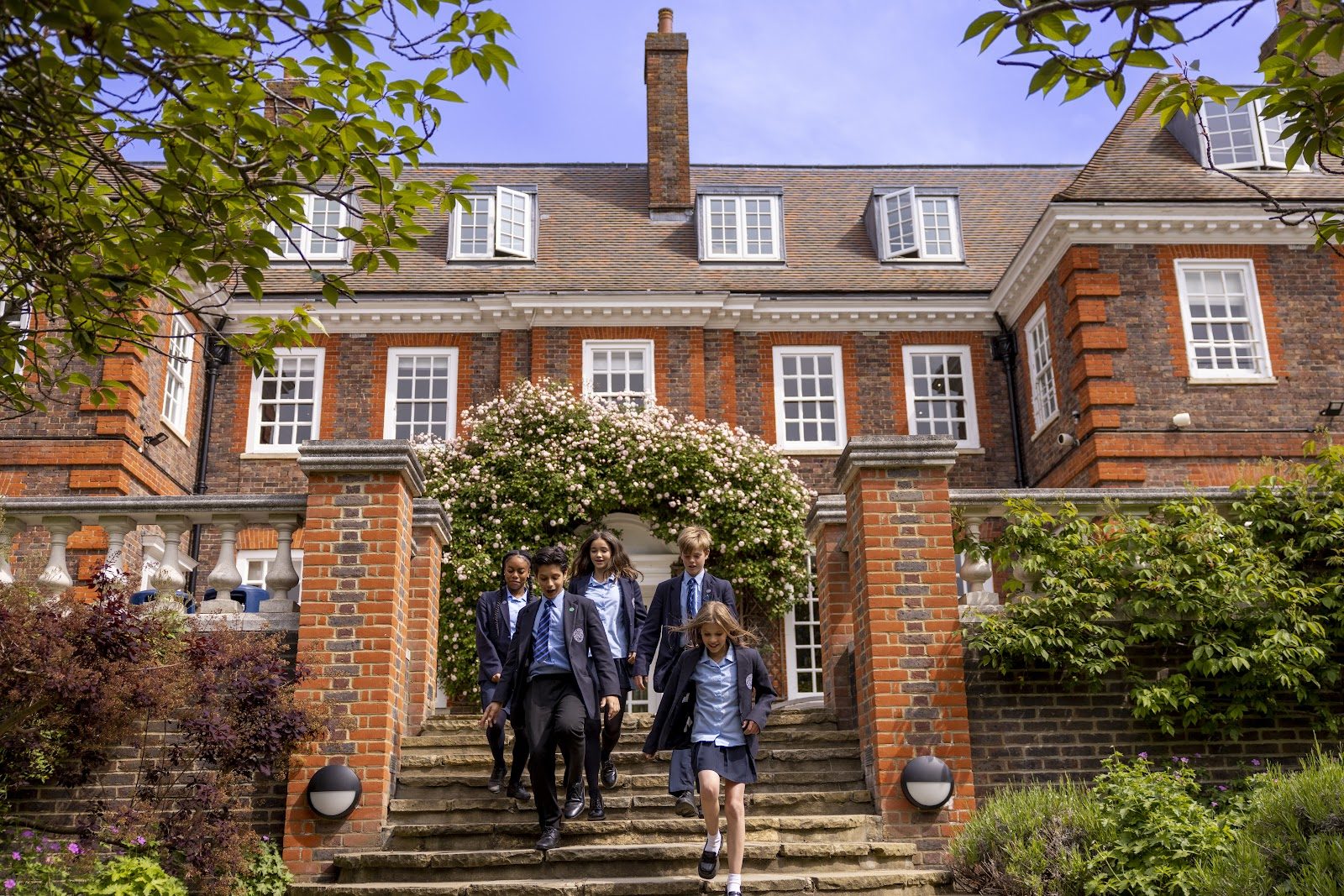
Ibstock Place School
London · United Kingdom
On the fringe of Richmond Park, a Froebel-founded day school has championed co-education since 1894.
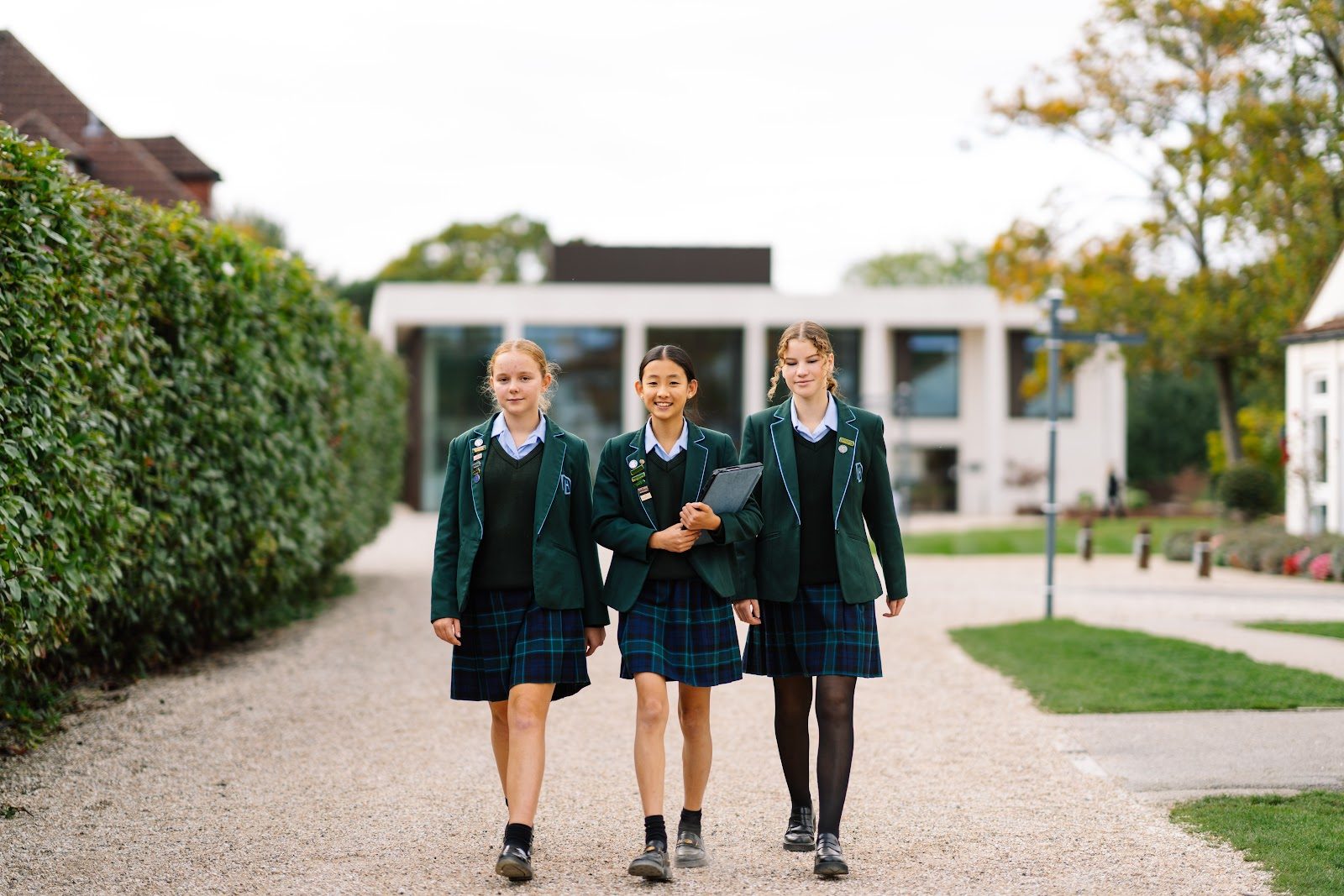
Downe House School
Cold Ash · United Kingdom
Rooted in Charles Darwin's former home, now a 110-acre Berkshire estate where science thrives and Oxbridge ambition runs deep.

Oakham School
Oakham · United Kingdom
Where a 1584 market-town foundation meets Rutland Water sailing, early co-education, and a long-standing IB Diploma alongside A-levels.
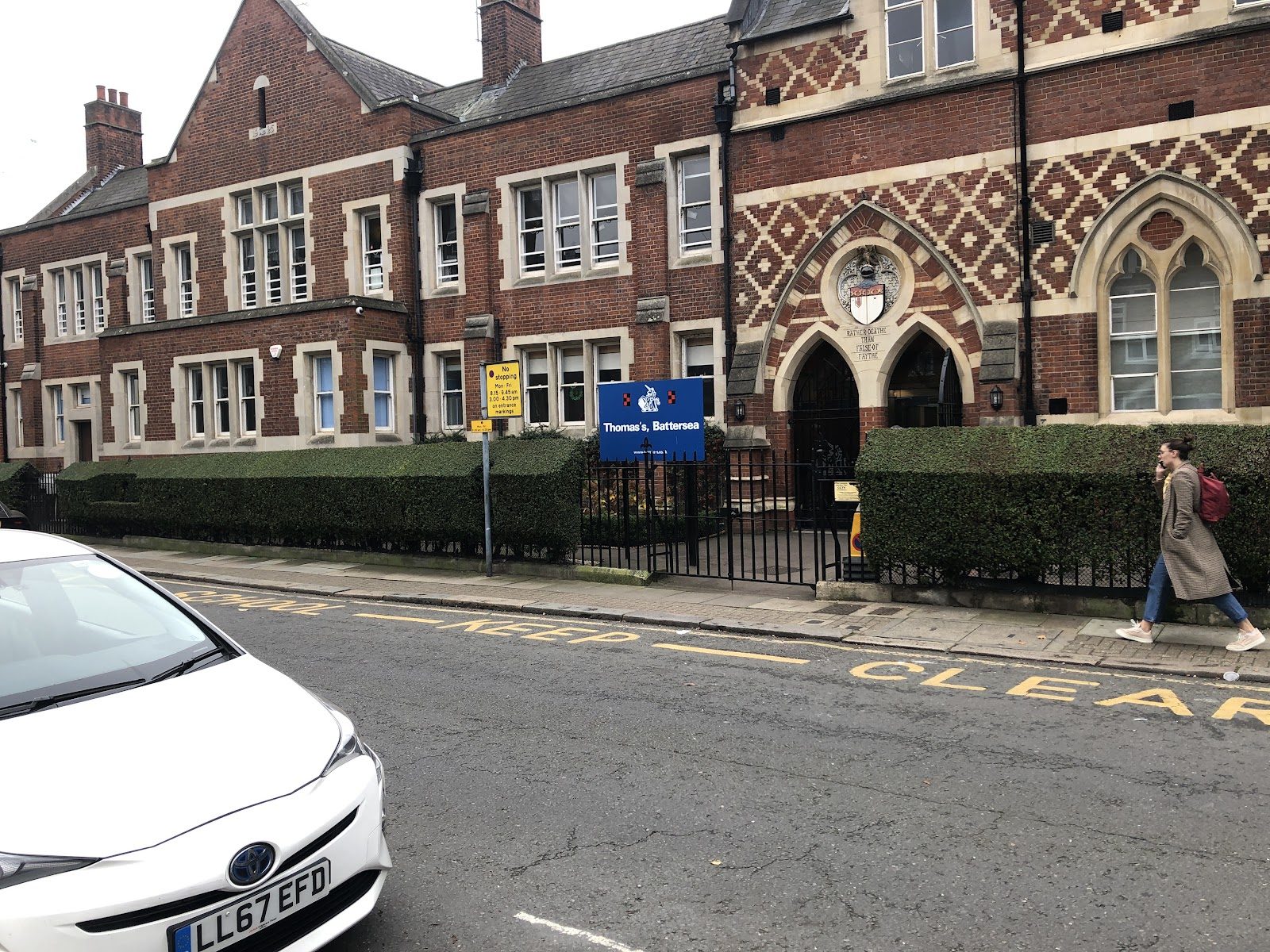
Thomas's Battersea
London · United Kingdom
In a former Victorian art school, an 'enquiry mindset' and a 'Be Kind' ethos feed London's top senior schools.
Same country and curriculum — closest matches within ±10 points either way