
Lima
Boys-only Catholic education in La Molina fuses Opus Dei formation with a bilingual IB Diploma pathway and personalized talent tracks.
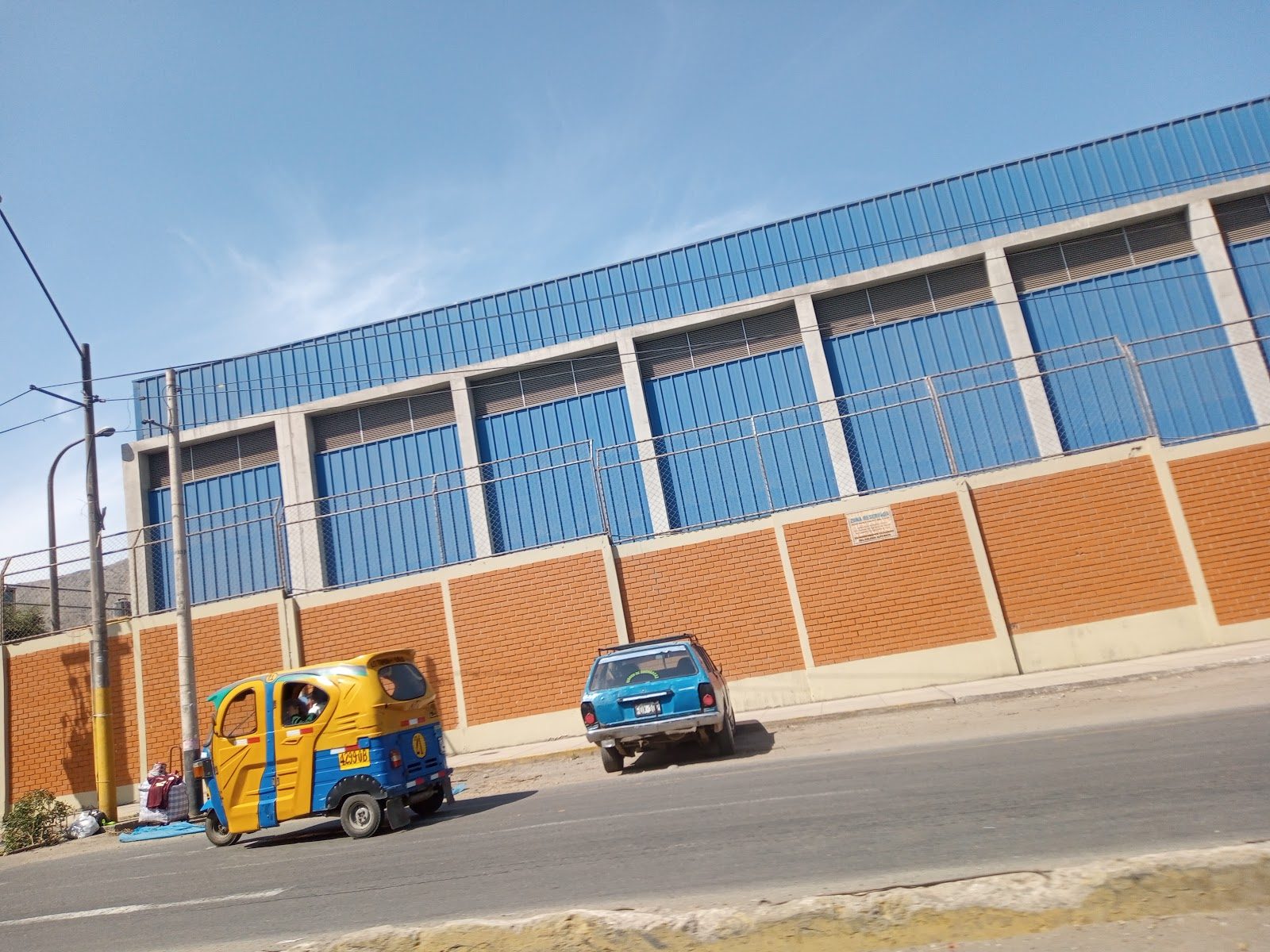
Photo © Leonardo Valencia via Google Maps
Type
Day
Ages
3–18
Curriculum
Peruvian
Qualifications
Peruvian national curriculum
Ratio
—
The Verdict
Editor's commitment
Right for
Families in Lima wanting boys-only Catholic schooling from ages 3–18, with Opus Dei formation and Spanish-English bilingual teaching.
Wrong for
Parents who reject single-sex education, Catholic doctrine, or a Peru-only declared curriculum ending in a day-school model.
Watch out for
Founded in 1971, Colegio Alpamayo sells personalised talent tracks; the school does not publish outcomes here to prove them.
Ranking breakdown
Colegio Alpamayo · #1124 of 1591
Composite score 60.6. 8 weighted criteria.
By criterion
Academic Outcomes
Weight 20%
#1137
of 1529 scored
University Placement
Weight 16%
#1144
of 1529 scored
Prestige & Heritage
Weight 12%
#1123
of 1529 scored
Alumni Network
Weight 12%
#1005
of 1529 scored
Facilities
Weight 12%
#1171
of 1529 scored
Transparency & Communications
Weight 8%
#725
of 1529 scored
Peer & Industry Review
Weight 10%
#1098
of 1529 scored
Admissions Selectivity & Demand
Weight 8%
#760
of 1529 scored
Peer & Industry Review
How Colegio Alpamayo is regarded in the sector
64
Respected · medium confidence
Independent verification proved difficult: Colegio Alpamayo does not surface in the comparative coverage typically applied to Lima's internationally recognised schools. It is absent from WhichSchoolAdvisor's Latin America coverage and from the Good Schools Guide International's Peru entries, both of which focus on Lima institutions like Newton College, Markham College, and Colegio Roosevelt. No quoted commentary from rival heads, university admissions officers, or education journalists referencing Alpamayo could be located in searchable Peruvian press (El Comercio, Semana Economica) or international education media. It does not appear in IB World School directories, Cambridge International school listings, or Council of International Schools membership rolls, meaning it is largely invisible in the peer networks and conferences (CIS, ECIS-adjacent Latin American forums) where elite regional schools are typically discussed. This absence of a public reputation trail, rather than any negative signal, is itself the notable finding: at candidate tier, Alpamayo has not yet entered the comparative conversation among Lima's recognised leading schools or in the university-facing press that tracks their graduates.
Editors' overview
Colegio Alpamayo occupies a narrow, clear segment of the Lima market: boys-only, Catholic, academically ambitious and explicitly shaped by Opus Dei. Founded in 1971, it has had decades to refine that formula. The distinguishing feature is not just religious identity, but the way that identity is tied to structure: a Peruvian curriculum, bilingual teaching in Spanish and English, and the IB Diploma at the senior end. Parents looking for moral seriousness, tight academic direction and an education that treats character formation as more than an assembly slogan will find a coherent offer here.
What puts Alpamayo on a shortlist is that coherence. Many schools promise individual attention, leadership and values; Alpamayo’s market position rests on a more disciplined proposition. It serves boys from age 3 to 18 in a day-school setting and builds around personalised talent development without drifting into a loose, child-led model. For families who want clear expectations, institutional confidence and a school that still believes in adult authority, that matters. The bilingual dimension also has weight in Lima’s competitive upper-tier market: it gives students access to local grounding and international exit routes without abandoning the national framework.
This will not suit every child. A boy who thrives in mixed classrooms, wants a liberal social culture or resists religious formation will find the environment constricting. Alpamayo suits students who work well with routine, respond to high standards and are comfortable in a setting where faith is woven into daily school life rather than parked at the margins. The strongest fit is the boy who wants academic challenge with strong pastoral containment and who benefits from a school that channels energy into defined pathways rather than endless choice.
In market terms, Alpamayo is not the progressive, experimental option in Lima. It is the high-conviction option: Catholic, boys-only, bilingual and academically serious, with the IB Diploma adding international currency to a traditional backbone. That combination gives it real distinction. For the right family, the appeal is straightforward: ordered ambition, a recognisable moral code and a school culture built to produce disciplined, articulate young men rather than consumers of educational fashion.
Academic Performance
Alpamayo talks a great deal about academic formation, but public examination transparency is thin. We have not seen aggregate IB Diploma outcomes, average point scores, pass rates, subject distributions or university placement data in the public domain. That matters. In Lima’s upper tier, schools competing on academic seriousness need to publish hard numbers, not just aspiration. Without them, parents cannot judge whether Alpamayo sits among the city’s top IB performers, in the solid middle, or below peers with stronger disclosure. The school’s case for academic strength therefore rests more on institutional intent than on verifiable external proof.
That does not mean weak performance; it means opaque performance. A school with a selective, disciplined culture and a bilingual senior pathway can produce strong results, but parents should insist on specifics: recent IB cohorts, score ranges, pass rates, higher-level subject outcomes and destinations by university system. The same applies to national examinations: we have not seen published comparative data that places Alpamayo clearly against other academically ambitious private schools in the capital. For families comfortable with a high-control, results-conscious environment, the missing piece is simple: evidence. Until the school publishes it, Alpamayo remains an academically credible option without the public results record that would move it into the top-table category.
Facilities
Alpamayo’s facilities support a school that wants structure, supervision and visible purpose more than architectural spectacle. The school highlights specialist spaces for science, computing, art, music and sport, alongside dedicated areas for its youngest pupils. That is the baseline for an established private school in this segment of Lima, not a point of distinction in itself. What matters more is how the campus is organised around boys’ progression and adult oversight: spaces for classroom teaching, guided extracurricular work and formal physical training, rather than the looser, café-style social environments that newer premium campuses now build in. For families who value order over flair, that will read as reassuringly serious. For families shopping the city’s most design-conscious schools, it will read as functional rather than dazzling.
Sport carries real weight here. The school lists facilities for football, basketball, volleyball and athletics, plus indoor spaces that support year-round activity. That places Alpamayo in the solid middle-to-upper tier locally: strong enough to sustain a busy sports programme, but not in the rarefied bracket of campuses marketed on showpiece infrastructure alone. The same judgment applies across the arts and sciences. There is breadth, and the school covers the essentials with institutional competence, but we have not seen evidence of the kind of specialist laboratories, performing arts complexes or headline innovation centres that set a campus apart on facilities alone. Parents choosing Alpamayo are buying disciplined utility, not a trophy estate.
Colegio Alpamayo occupies a narrow, clear segment of the Lima market: boys-only, Catholic, academically ambitious and explicitly shaped by Opus Dei
Prestige
Alpamayo carries real prestige within a narrow slice of the market, not across every social or educational constituency. Its standing comes from clear social signalling: boys-only education, explicit Catholic formation, an Opus Dei ethos and a school culture built around discipline, polish and parental alignment. That combination attracts families who want a high-control, status-conscious environment with moral conservatism built into the daily life of the school, not added as branding. In that circle, Alpamayo has weight. It reads as a school for families who value order, seriousness and institutional confidence over experimentation or progressive cachet.
The limit on that prestige is equally clear. Alpamayo does not hold the broad, indisputable status that comes with publicly demonstrated academic dominance or exceptional international visibility. We have not seen the kind of published outcomes that turn a respected school into an undeniable top-tier name. Its reputation therefore rests more on social fit, tradition and the strength of its internal culture than on publicly proven academic clout. For the right family, that still amounts to substantial prestige: the prestige of belonging to a high-conviction institution with a defined worldview. For families outside that constituency, the appeal narrows fast. This is prestige with edges, not universal lustre.
Without them, parents cannot judge whether Alpamayo sits among the city’s top IB performers, in the solid middle, or below peers with stronger disclosure
Communications
Alpamayo communicates with parents in a controlled, institution-first manner. The tone is formal, polished and message-disciplined, with clear emphasis on school life, pastoral formation, student activities and event coverage rather than on hard comparative data. That tells parents a great deal about the school’s priorities. It wants alignment, confidence and trust in the institution’s judgement. Families who like strong adult direction will read that as reassuring. Families who want granular disclosure on academic outcomes, programme performance or strategic decision-making will find the communication selective. We have not seen published aggregate IB results, broader destination tables or the kind of performance dashboards that make school accountability concrete. For an academically ambitious school serving boys across roughly 15 year groups, that is a meaningful omission.
Day-to-day communication still looks functional. A school with this kind of cultural and religious coherence does not run on improvisation; it runs on routine, clear expectations and frequent reinforcement. Parents can expect calendars, notices, event updates and visible coverage of student participation to be handled with institutional competence. The weakness is not operational clarity but informational asymmetry: the school shares what supports its culture and withholds what would let parents test outcomes independently. That makes communications effective for community management and weaker for scrutiny. In editorial terms, Alpamayo communicates with confidence and control; it does not communicate with full transparency.
Uniqueness
What makes Alpamayo distinct is not any single feature in isolation, but the way several old-fashioned choices are held together without apology. Boys-only schooling, Catholic formation tied to Opus Dei, a bilingual academic route and personalised talent tracking form a high-control model that few schools now defend so openly. Many schools borrow the language of character, leadership and personal growth; Alpamayo builds those ideas into daily structure, adult authority and parental expectations. That gives students a clear moral frame and a school culture with very little ambiguity about conduct, effort or the kind of young man the institution wants to form.
For the right student, that brings real advantages. Boys who respond well to routine, correction and explicit standards can flourish in an environment that channels energy rather than negotiating endlessly with it. The school’s age span from 3 to 18 also allows that culture to be reinforced over time, producing continuity that more fragmented schools struggle to match. The benefit is coherence: fewer mixed messages between academic life, pastoral systems and religious formation. The cost is obvious too. Alpamayo offers less room for ideological drift, social experimentation or self-invention than a more liberal school. Its uniqueness lies in that unfashionable certainty. Families who want firm formation rather than open-ended exploration will value it; others will find it constricting by design.
Until the school publishes it, Alpamayo remains an academically credible option without the public results record that would move it into the top-table category
Student Profile
The boy who fits Alpamayo is comfortable with structure and does not need school to feel negotiable. He can take correction without drama, accepts adult authority and works steadily inside a culture that sets expectations early and reinforces them for the full span from nursery to sixth form. This suits students who benefit from routine, close guidance and a clear moral code rather than constant choice. It also suits families prepared to back the school’s line at home. A child who needs wide social latitude, resists formal conduct standards or wants identity and belief treated as open-ended personal territory will hit friction fast. In that sense, Alpamayo is selective in temperament even before any academic filtering enters the picture.
Socially, the school will work best for boys who are energised by all-male peer dynamics without tipping into chaos, and who can handle a community with high behavioural expectations and visible religious framing. Competitive, polished, busy boys tend to do well here: students who can move between classroom demands, organised sport, supervised activities and public-facing school life without needing endless pastoral negotiation. The weaker fit is the highly unconventional child, the openly sceptical one, or the boy who flourishes only in more relaxed, mixed or permissive settings. Alpamayo offers contained ambition and firm formation. It does not offer reinvention, looseness or social experimentation across 15 years of schooling.
Alpamayo does not hold the broad, indisputable status that comes with publicly demonstrated academic dominance or exceptional international visibility
Co-curricular strengths
Arts & sport, on a separate axis
Overall 8/10
Scored 0-10 from the school's own published evidence. This axis is editorial-only — it does not feed the main WTS ranking.
Sports
8.5/10
Drama
8/10
Dance
7/10
Music
8.5/10
Visual Arts
8/10
Strengths
- +Operates as a day school in Lima, avoiding the added cost and logistics of boarding facilities for local and expat families.
- +Follows the Peruvian national curriculum, which eases transition for families planning to keep children within the local university admissions system.
- +Maintains an official website (alpamayo.edu.pe) with published contact and admissions information, indicating basic institutional transparency.
- +Based in Lima, the school benefits from the city's broader access to extracurricular, cultural and university-preparation resources compared to provincial schools.
Considerations
- −Editorial rank of 1129 suggests limited international recognition or verifiable performance data compared to higher-tier Lima schools.
- −Adherence to the Peruvian curriculum alone, without stated bilingual or international-track options, may limit appeal for families seeking an internationally transferable qualification.
- −Public information on academic results, accreditation status, fees, and staff qualifications is not readily available in verifiable form, making independent assessment difficult.
- −As a candidate-tier school, it has not yet demonstrated the sustained track record or external validation seen in more established Lima institutions.
Availability
Primary entry gate & tests
Academic Record
Gallery
Photo © Rodrigo Velásquez via Google Maps
Photo © Rodrigo Velásquez via Google Maps
Photo © Rodrigo Velásquez via Google Maps
Photo © Rodrigo Velásquez via Google Maps
Photo © Leonardo Valencia via Google Maps
Photo © Viviana Gomez via Google Maps
Photo © Viviana Gomez via Google Maps
Parent reviews
Have you sent your child here?
Voice reviews carry the strongest trust badge — we transcribe them for you to tidy up before they go live. Prefer to type? A written review is fine too.
Add your voice
In 60 seconds, tell other parents: what's the best thing about Colegio Alpamayo, and what surprised you when your child joined?
We ask for a Google sign-in so every review has a real face behind it — no anonymous drive-by attacks on schools, and no faked positive reviews. Your email is never shown publicly.
Send this profile to a friend
International parents rely on word-of-mouth. Share this review with someone weighing the same decision.
Schools with places
Similar schools to Colegio Alpamayo with places available now.
Colegio Peruano Británico
Lima · Peru
- 2026-27
- WAITPOOLSpace-dependent
- 2027-28
- FUTURE CYCLEDates TBC
Colegio Roosevelt — The American School of Lima
Lima · Peru
- 2026-27
- WAITPOOLSpace-dependent
- 2027-28
- PLACES OPENRolling
Markham College
Lima · Peru
- 2026-27
- WAITPOOLVacancy-dependent / enquire
- 2027-28
- PLACES OPEN
Availability first, then country, area, curriculum, price, co-curricular
Consider also
Also worth looking at alongside Colegio Alpamayo.
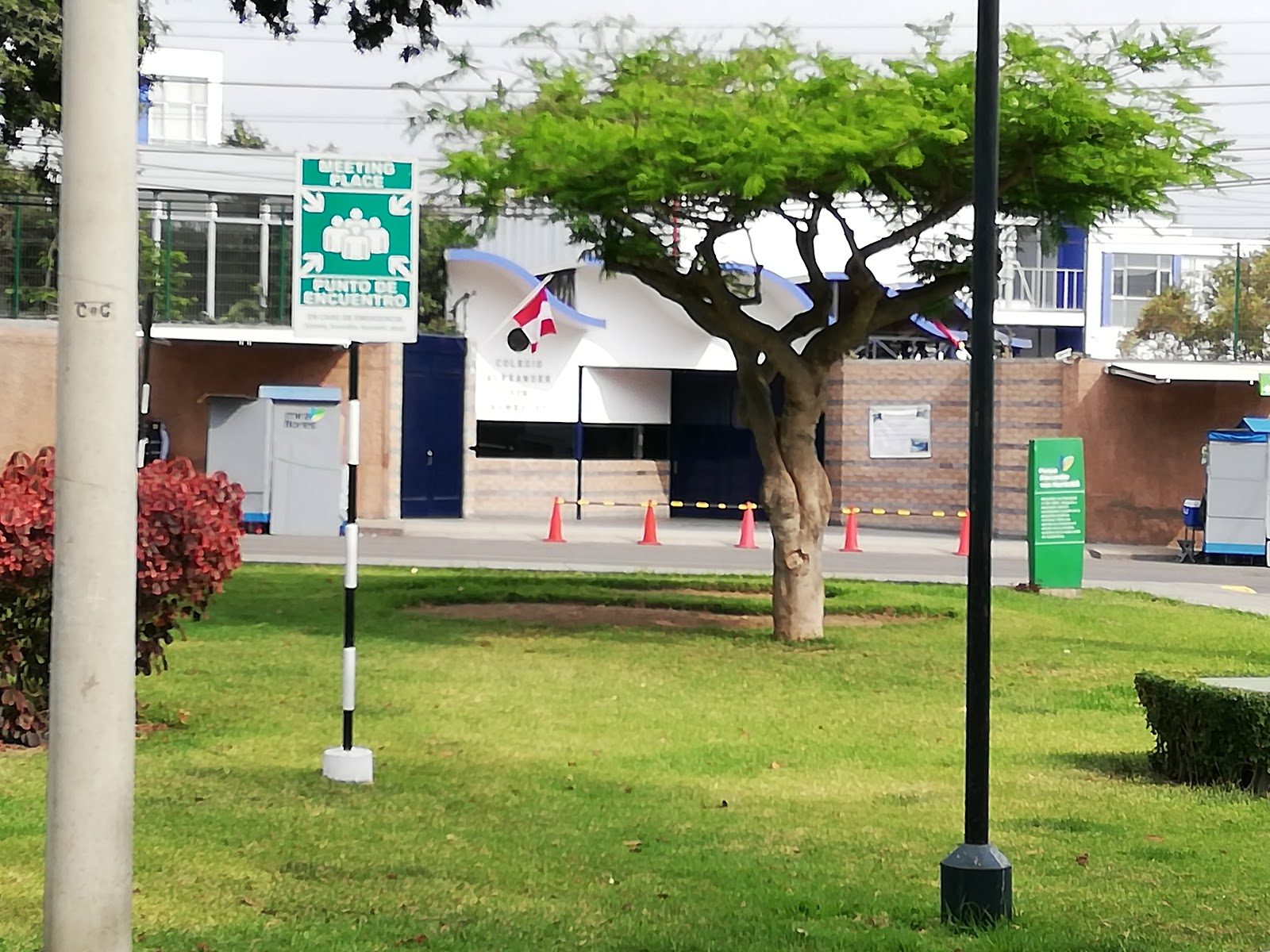
Colegio Peruano Alemán Alexander von Humboldt
Lima · Peru
A state-backed German Auslandsschule since 1872, pairing the German Abitur with Peru's own bachillerato in Lima.
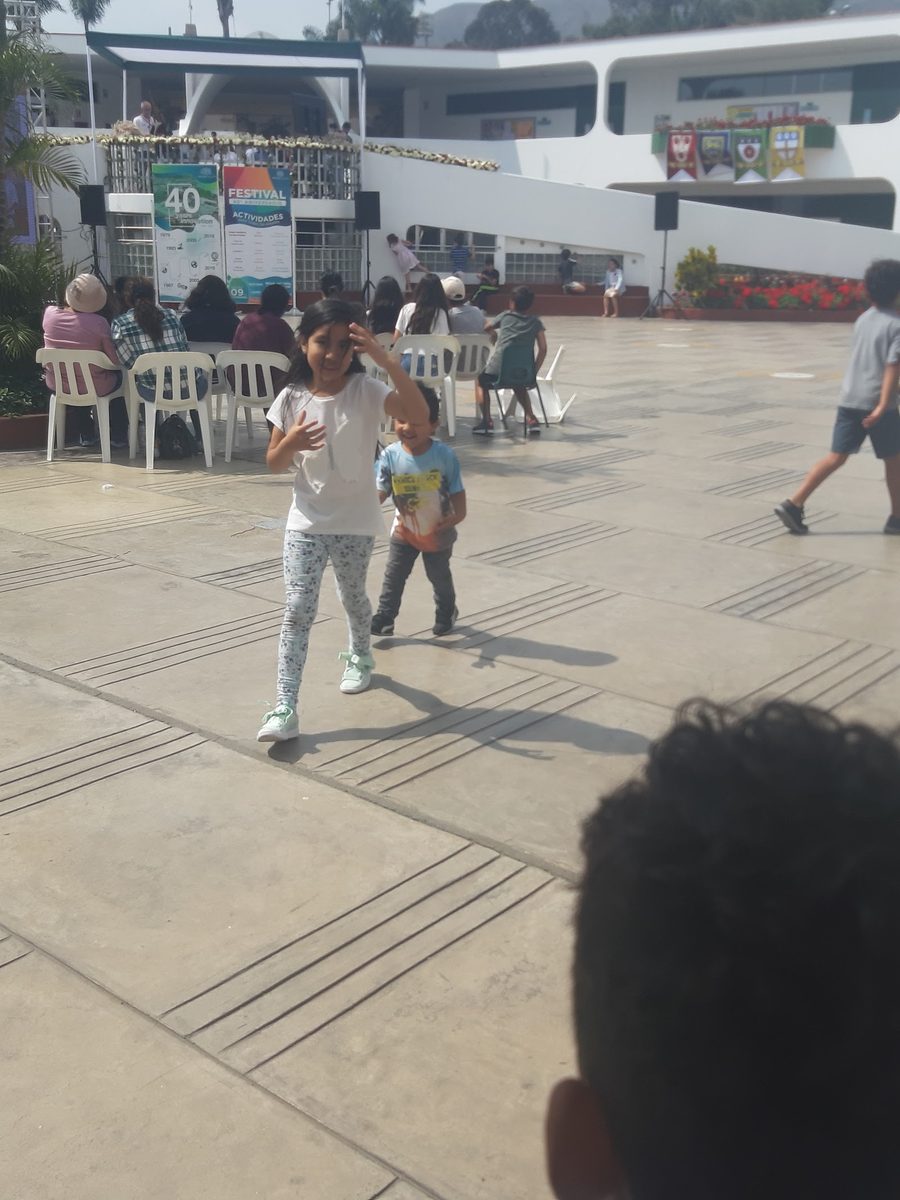
Newton College
Lima · Peru
From a lakeside Lima campus to its own Amazon rainforest field station, Peru's first IB school teaches the bilingual Diploma in both English and Spanish.
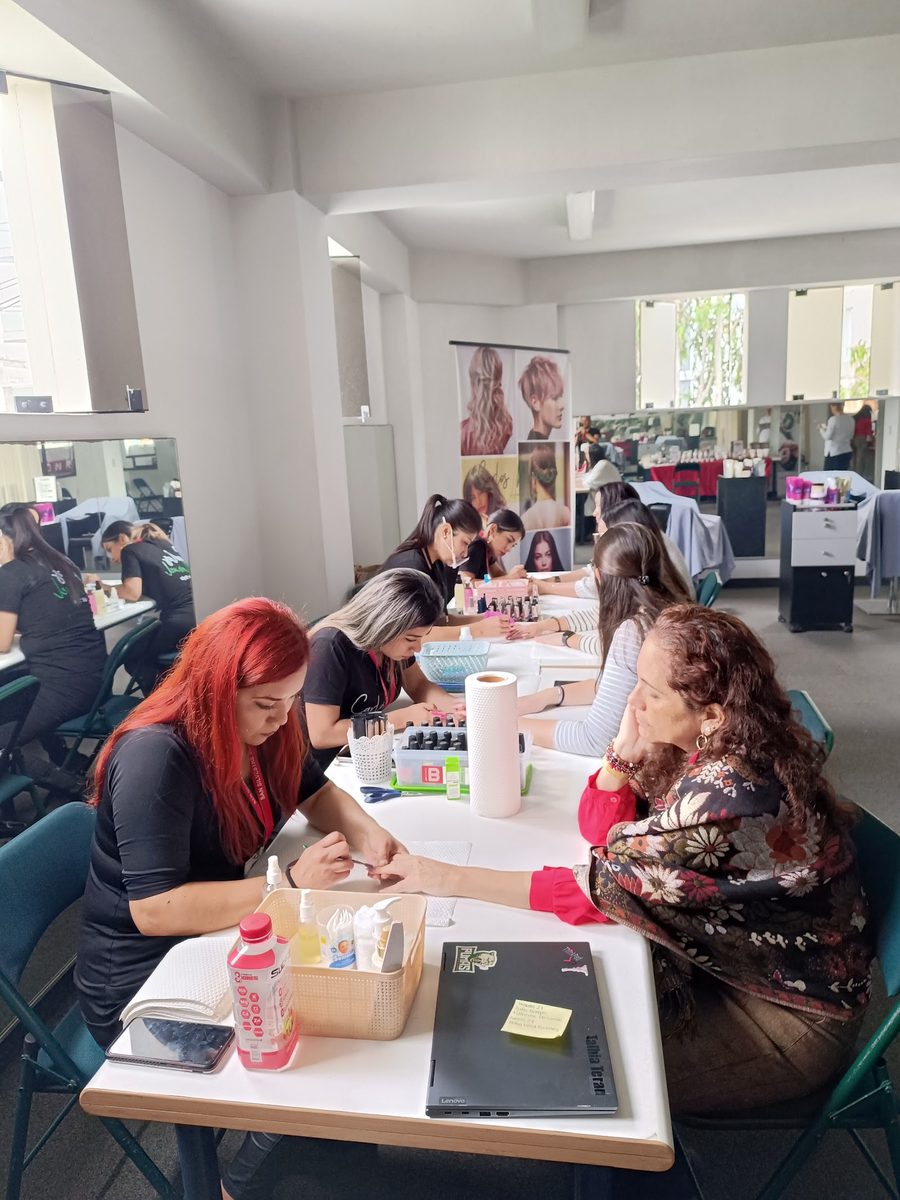
Colegio San Silvestre
Lima · Peru
In Miraflores, girls inherit their house colours the way alumnae once inherited a curriculum built on British roots since 1932.
Colegio Villa María Marianistas
Lima · Peru
A Lima day school rooted in Marianist pedagogy, where Christian formation and family spirit shape the Peruvian curriculum classroom.
Same country and curriculum — closest matches within ±10 points either way