Ohio
The Seven Hills School
low confidence· 1/6 cats · 2 avg sourcesA 1906 girls' prep and a 1916 open-air school merged into Ohio's largest nonsectarian K-12 day school in Cincinnati.
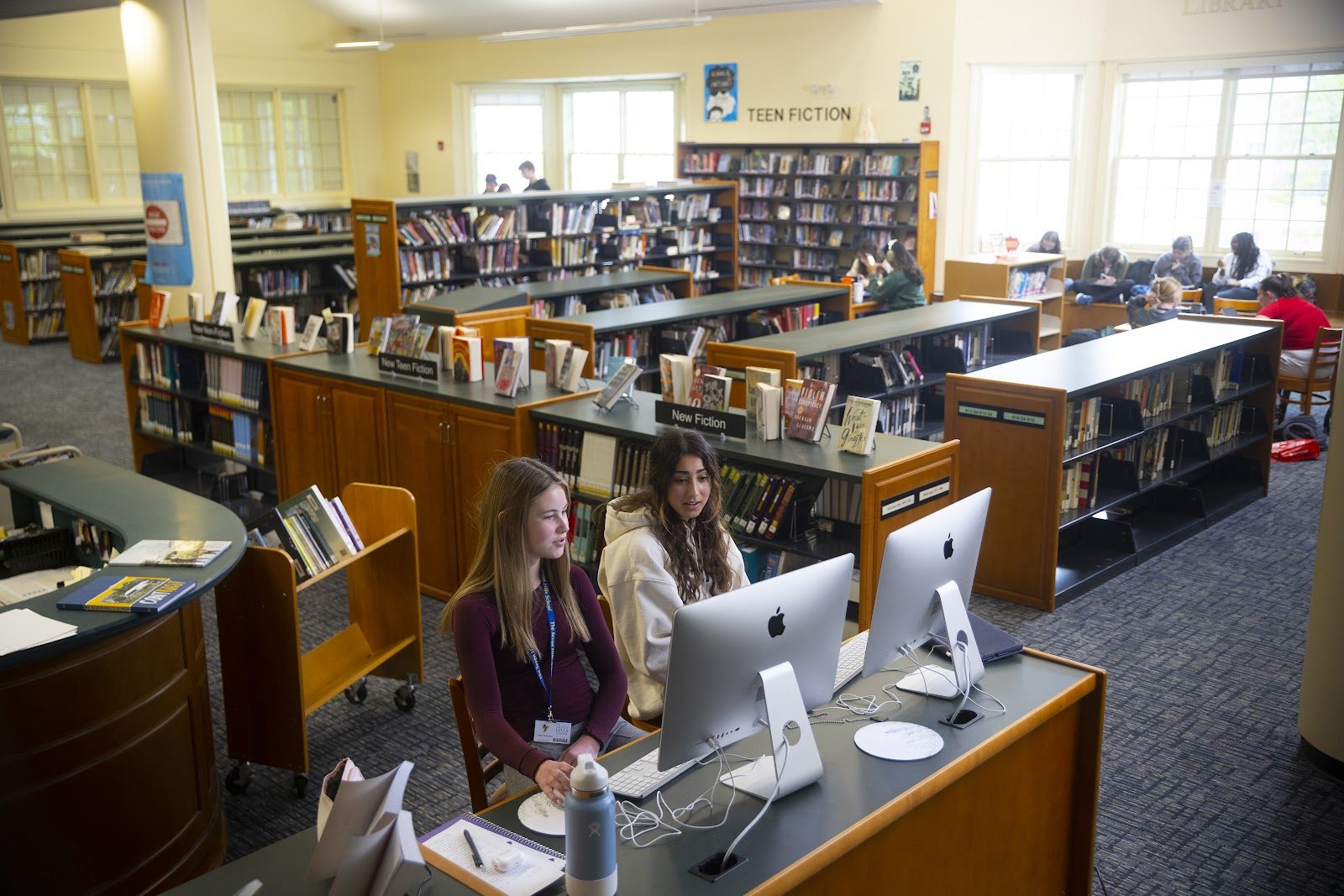
Photo © The Seven Hills School - Hillsdale Campus via Google Maps
Type
Day
Ages
3–18
Curriculum
American
Qualifications
AP
Ratio
1:9
The Verdict
Editor's commitment
Right for
Families wanting a non-religious American K-12 day school in Cincinnati, with a 1:9 ratio and ISACS accreditation.
Wrong for
Parents seeking boarding, a faith setting, or an international curriculum beyond the school's declared American programme for ages 3–18.
Watch out for
The average annual fee is $27,801; the school cites four-year college attendance, but publishes no aggregate exam results.
Ranking breakdown
The Seven Hills School · #389 of 1591
Composite score 70.8. 8 weighted criteria.
By criterion
Academic Outcomes
Weight 20%
#512
of 1529 scored
University Placement
Weight 16%
#459
of 1529 scored
Prestige & Heritage
Weight 12%
#537
of 1571 scored
Alumni Network
Weight 12%
#338
of 1530 scored
Facilities
Weight 12%
#406
of 1533 scored
Transparency & Communications
Weight 8%
#436
of 1532 scored
Peer & Industry Review
Weight 10%
#480
of 1548 scored
Admissions Selectivity & Demand
Weight 8%
#547
of 1529 scored
Peer & Industry Review
How The Seven Hills School is regarded in the sector
71
Respected · medium confidence
Within Cincinnati's small independent-school market, Seven Hills is generally discussed alongside Cincinnati Country Day School and Summit Country Day School as one of three comparable options for college-preparatory, non-religious day education; heads and admissions counselors in the region treat the three as a natural comparison set rather than a hierarchy. National independent-school press and outlets like the Good Schools Guide or WhichSchoolAdvisor do not carry substantive standalone coverage of Seven Hills, reflecting its regional rather than national profile. There is no US News or equivalent K-12 league table ranking to cite, since such rankings do not exist for private day schools in this category. University admissions offices do not publicly comment on individual feeder schools of this size, and no verifiable statements from rival heads or admissions officers naming Seven Hills specifically could be confirmed. Its standing rests on accreditation credentials (membership in NAIS and ISACS) and steady local reputation rather than documented peer commentary, conference visibility, or press recognition beyond the Cincinnati metropolitan area.
Editors' overview
The Seven Hills School occupies a strong niche in Cincinnati: a large, nonsectarian K–12 day school with deep local roots and enough scale to offer breadth without losing the feel of a settled community. The current school dates from 1974, with heritage that reaches back to a 1906 girls’ preparatory school and a 1916 open-air school. That history matters. Seven Hills is not a new-build independent school trying to manufacture tradition; it has institutional memory, a recognisable place in the city, and a clear sense of itself. It also operates across two campuses — Hillsdale for PreK–12 and Doherty for PreK–5 — which gives the lower years their own space while keeping the full K–12 structure intact.
What sets it apart is the combination of continuity, scale and tone. Ohio has no shortage of private schools, but Seven Hills stands out as the state’s largest nonsectarian K–12 day school and gives families a full educational runway from age 3 to 18 in English, under an American curriculum, with accreditation from the Independent Schools Association of the Central States. The published student-teacher ratio of 1:9 points to genuine access to adults rather than assembly-line schooling. The school also advertises that 100% of its students attend a four-year college. That headline tells you more about aspiration and guidance than academic granularity: Seven Hills is college-focused, ambitious and carefully structured, but parents who want hard public data on aggregate external results will find less transparency than at schools built around exam-score marketing. The atmosphere the school projects is warm, deliberately inclusive and student-centred, with equal emphasis on academics, arts, athletics and character.
This is a school for families who want a polished independent-school education without a religious framework and without boarding. It will suit students who thrive in a kind but demanding environment, value close relationships with teachers, and want a broad school life rather than a narrow exam factory. Confident all-rounders will do well here, but so will thoughtful children who benefit from steady pastoral support and a long runway to grow. Seven Hills belongs on a shortlist because it offers rarity in one package: heritage, K–12 continuity, strong adult access, and a civic, nonsectarian identity that fits many modern families in Cincinnati. For parents seeking serious schooling with humanity, it is one of the city’s clearest options.
Academic Performance
Seven Hills gives parents a clear destination but not much public academic granularity. The school states that 100% of students go on to a four-year college, which signals a firmly university-directed culture and strong college counselling. It does not publish the aggregate external data that would let families judge academic performance against hard national or independent-school benchmarks: no school-wide SAT or ACT profile, no AP summary, no IB data, and no university destinations list in the sources here. That matters. In a market where many academically ambitious independents use results as proof, Seven Hills asks parents to trust the broader proposition.
That does not make it weak; it makes it opaque. The low staffing ratio and the school’s emphasis on experienced teachers, inquiry, and a full programme beyond the classroom point to an education built around sustained support rather than exam-score theatre. Relative to peers, Seven Hills fits best among broad-spectrum independent schools that prioritise college readiness, teacher access and an all-round school life over public performance metrics. Families who want a school with a serious academic spine and an evidently strong college-going culture will find enough here to take interest. Families who want published comparative data before they commit will find the public picture thin and will need to ask direct questions.
Facilities
Facilities are split across two campuses, and that matters. The arrangement gives younger children their own environment while the main campus carries the full weight of the school’s academic, arts and athletic life. The school itself places athletics, the arts and a wide range of programmes alongside classroom teaching, which points to a campus built for more than lessons alone. That is the baseline parents should expect here: not a single-purpose academic site, but a full-service independent-school plant with room for performance, sport and day-to-day student life. The low published staffing ratio of 1:9 also has a facilities implication: spaces are used in smaller teaching groups, which tends to make classrooms, studios and support areas feel more workmanlike than crowded.
Against peer schools, Seven Hills sits in the strong middle-to-upper bracket on functional breadth, but the public picture lacks detail. The school does not publish the kind of facilities inventory that sharper operators now provide: no clear breakdown of science labs, performing arts venues, sports provision or specialist centres. That absence does not mean the estate is weak; it means parents must do more of the work themselves. In comparison with schools that showcase every theatre seat, turf field and maker space, Seven Hills is under-explained. The advantage is that the facilities read as part of a serious, lived-in school rather than a real-estate pitch. The drawback is plain: families cannot benchmark the estate precisely without a visit.
What makes Seven Hills distinctive is not a single programme or a flashy specialism
Prestige
Seven Hills carries solid local prestige and a serious independent-school stamp, but it does not trade in the global cachet of a famous East Coast boarding school or a headline-driven super-selective. Its status rests on something more durable: scale, continuity, and a long-established place in its city’s private-school landscape. Being the state’s largest nonsectarian K–12 day school gives it reach and visibility; being spread across two campuses gives it institutional heft rather than the feel of a boutique start-up. The published 1:9 staffing ratio strengthens that reputation because it signals resources, adult access and a school built for sustained attention rather than volume. The school’s claim that 100% of students proceed to a four-year college reinforces the impression of a high-expectation, university-facing culture.
The limit on prestige is public proof. Seven Hills does not publish the kind of aggregate exam and destination data that turns reputation into hard competitive standing, so its prestige remains reputation-led rather than results-led. For many families, that will be enough: in local terms, this is a well-regarded, established independent school with social credibility, a broad programme and a polished college-preparatory identity. For families comparing national-level prestige markers, it lands a tier below the most overtly elite names because the public evidence is thinner. In plain terms: Seven Hills has real standing, but not the kind built on relentless public scoreboards.
The current school dates from 1974, with heritage that reaches back to a 1906 girls’ preparatory school and a 1916 open-air school
Communications
Seven Hills communicates in the idiom of an established independent school: warm in tone, values-heavy, and intent on conveying culture as much as logistics. The public-facing message leans hard on kindness, inclusion, character and the relationship between heart and mind. Parents who want a school to state its moral and pastoral priorities plainly will find that coherent and reassuring. The school also gives some useful headline markers — the low 1:9 ratio and the claim that 100% of students move on to four-year colleges — which anchor the broader narrative in facts. The dual-campus structure and the prominence given to leadership, diversity work, and the faculty directory also help families understand who runs the school and what it cares about.
The weakness is precision. Seven Hills communicates ethos better than it communicates mechanics. It tells parents what kind of community it wants to be, but offers less hard public detail on academic outcomes, facilities and the day-to-day workings of school life than the sharper operators in this market. That leaves the communications polished but selective: strong on identity, thinner on evidence. For current parents, that may matter less if routine communication is direct and well managed; for prospective parents, it matters a great deal. A school asking families to make a major financial and educational commitment needs more than gracious rhetoric. Seven Hills does many of the right things in tone and structure, but the public communication still feels underpowered where scrutiny counts.
Uniqueness
What makes Seven Hills distinctive is not a single programme or a flashy specialism. It is the combination of rare continuity, real scale, and a culture that puts personal development at the centre without lapsing into therapeutic vagueness. Children can move through one institution from nursery age to sixth form, while younger pupils still get the protection of a separate lower-school campus. That structure matters. It gives students a long runway to grow, lets staff know families over time, and reduces the churn and reinvention that mark schools built around repeated transition points. The low published adult access — 1:9 — reinforces that advantage. Students do not disappear into the machinery.
The other point of difference is tonal. Seven Hills talks openly about human complexity, difference and inclusion, and that language fits a deliberately civilised school identity rather than a narrow win-at-all-costs model. Coupled with its emphasis on arts, athletics and character, that produces an education with more range than a pure exam hothouse and *more structure than a loose progressive school*. The result for students is practical: they get academic direction, broad participation, and an environment that prizes kindness without sacrificing ambition. The school’s claim that 100% of students move on to four-year colleges sharpens that picture. This is a school for families who want serious schooling with a humane centre, not a finishing school for résumé assembly.
What sets it apart is the combination of continuity, scale and tone
Student Profile
Seven Hills suits children who can use a broad school well. The fit is strongest for students who want to do more than collect grades: those ready to move between classroom work, sport, the arts and the quieter business of learning how to live with other people. The school’s language about difference, inclusion and “human complexity” points to a student body expected to engage civilly, not perform aggression as ambition. That makes it a good home for thoughtful all-rounders, socially at-ease contributors and students who value a kind, orderly culture. It also suits families who want one institution to know their child over time rather than restart the story every few years. The low 1:9 ratio strengthens that model; students get adult attention, and there is less room to hide in the crowd.
This is not the natural habitat for children who want a hard-edged, winner-takes-all atmosphere or a school built around public academic scoreboard culture. Seven Hills talks much more about growth, character and community than raw competitive sorting. That will appeal to students with breadth, curiosity and a degree of emotional steadiness. It will also work for able pupils who need encouragement to participate rather than endless pressure to posture. The college-going outcome — 100% to four-year colleges — tells you the school expects forward motion and sustained effort. The best fit, then, is a student who is serious without being brittle, willing to join in, and comfortable in a school that prizes decency as much as drive.
The published student-teacher ratio of 1:9 points to genuine access to adults rather than assembly-line schooling
Co-curricular strengths
Arts & sport, on a separate axis
Overall 8.76/10
Scored 0-10 from the school's own published evidence. This axis is editorial-only — it does not feed the main WTS ranking.
Sports
9/10
Drama
8.8/10
Dance
8.2/10
Music
8.8/10
Visual Arts
9/10
Strengths
- +One of the oldest independent schools in the region, with roots dating to 1906 and formal founding in 1974 through a merger of two Cincinnati institutions.
- +Described as the largest non-church-affiliated independent school in Ohio, giving it scale and depth of programming across PK-12.
- +Low student-teacher ratio (reported as approximately 6:1 to 1:9 depending on source), enabling more individualized attention than many larger private schools.
- +Broad co-curricular offering, including around 17 interscholastic sports and roughly 19 AP courses across the upper school.
- +Accredited by the Independent Schools Association of the Central States (ISACS) and a member of the National Association of Independent Schools (NAIS).
Considerations
- −Day tuition of roughly $34,690 places it among the pricier private options in the Cincinnati market, with additional fees likely for supplies and activities.
- −High school admission requires the ISEE, adding a standardized-testing hurdle for families used to non-selective local schooling.
- −Operates on two campuses (Hillsdale and Doherty) rather than one unified site, which can complicate logistics for families with children spanning both younger and older grades.
- −As a single, Cincinnati-based day school with no boarding option, it is not structured for relocating families seeking residential care or a national/international boarding community.
Availability
Primary entry gate & tests
ISEE/SSAT + Interview
Gallery
Photo © The Seven Hills School - Hillsdale Campus via Google Maps
Photo © The Seven Hills School - Hillsdale Campus via Google Maps
Photo © The Seven Hills School - Hillsdale Campus via Google Maps
Photo © The Seven Hills School - Hillsdale Campus via Google Maps
Photo © The Seven Hills School - Hillsdale Campus via Google Maps
Parent reviews
Have you sent your child here?
Voice reviews carry the strongest trust badge — we transcribe them for you to tidy up before they go live. Prefer to type? A written review is fine too.
Add your voice
In 60 seconds, tell other parents: what's the best thing about The Seven Hills School, and what surprised you when your child joined?
We ask for a Google sign-in so every review has a real face behind it — no anonymous drive-by attacks on schools, and no faked positive reviews. Your email is never shown publicly.
Send this profile to a friend
International parents rely on word-of-mouth. Share this review with someone weighing the same decision.
Schools with places
Similar schools to The Seven Hills School with places available now.
Ransom Everglades School
Miami · United States
- 2026-27
- CLOSEDRegular cycle closed
- 2027-28
- OPENS SOONOpens Sept '26
The Hill School
Pottstown · United States
- 2026-27
- CLOSEDRegular cycle closed
- 2027-28
- OPENS SOONOpens Sept '26
Trinity School
New York City · United States
- 2026-27
- CLOSEDRegular cycle
- 2027-28
- OPENS SOONOpens Sept '26
Episcopal High School
Alexandria · United States
- 2026-27
- CLOSEDRegular cycle closed
- 2027-28
- OPENS SOONOpens Sept '26
Availability first, then country, area, curriculum, price, co-curricular
Consider also
Also worth looking at alongside The Seven Hills School.
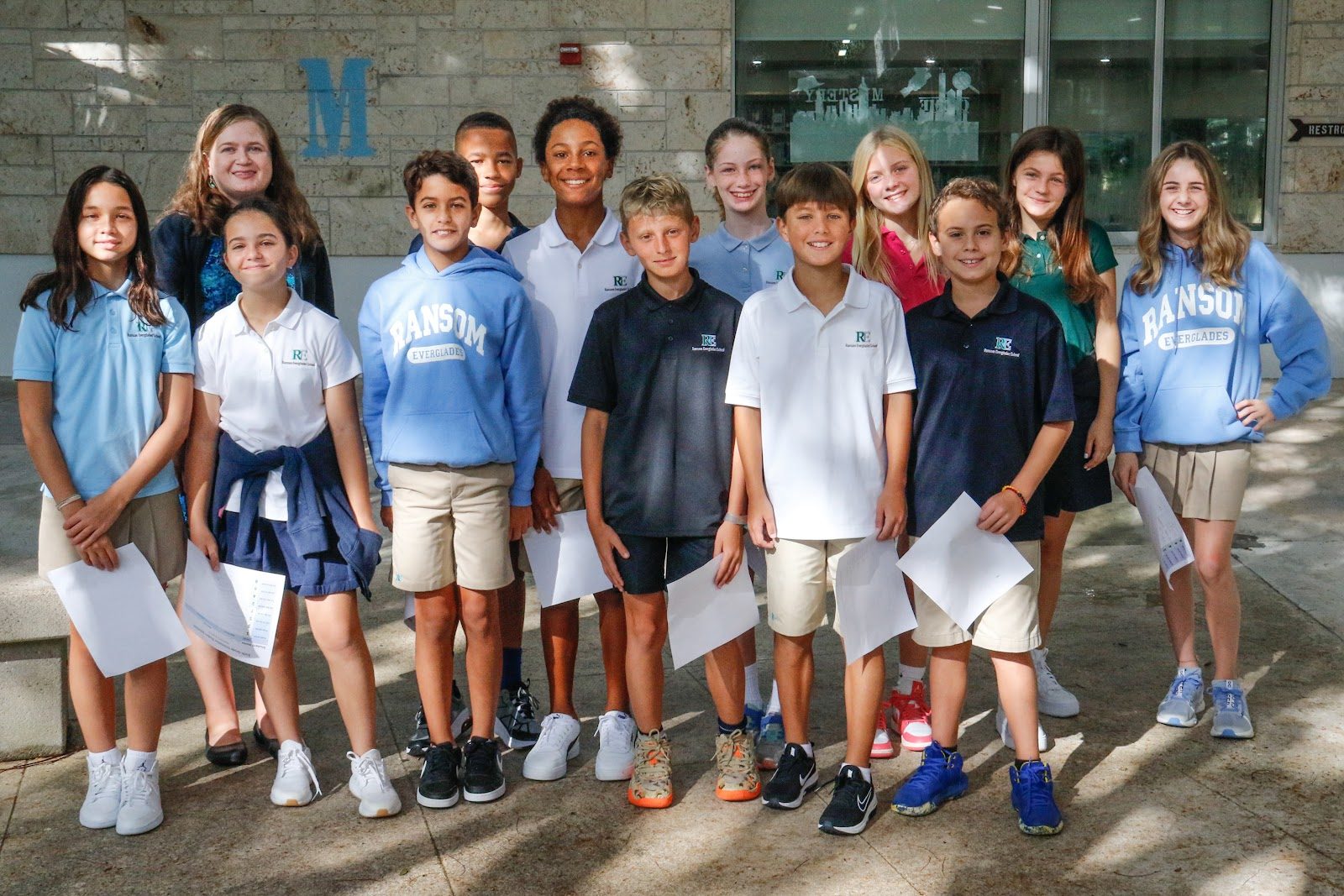
Ransom Everglades School
Miami · United States
On Biscayne Bay since 1903, where sailing and marine science turn the water itself into a classroom
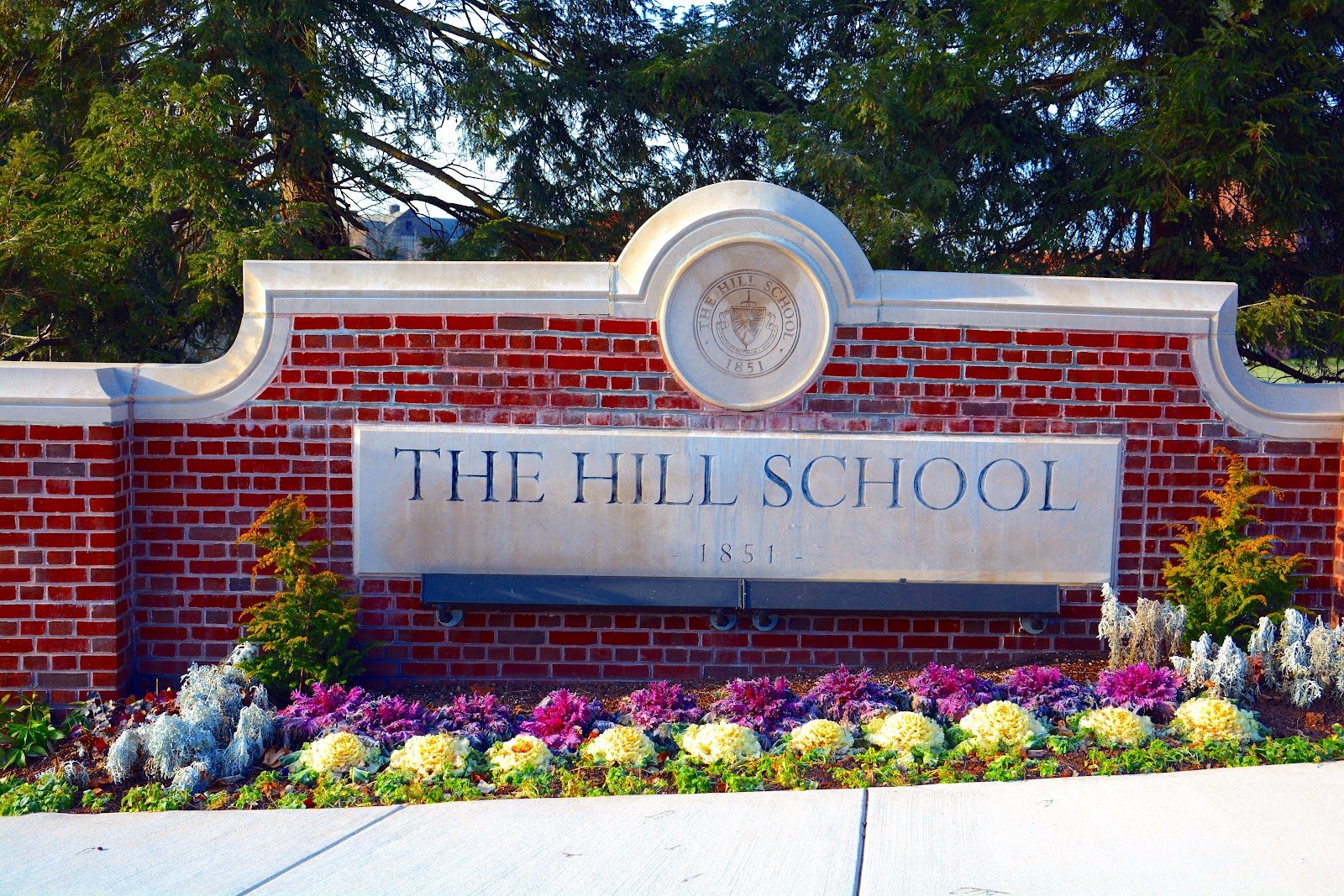
The Hill School
Pottstown · United States
Born in 1851 as the nation's first family boarding school, still pairing faculty and students under one roof on a Pottstown hilltop.
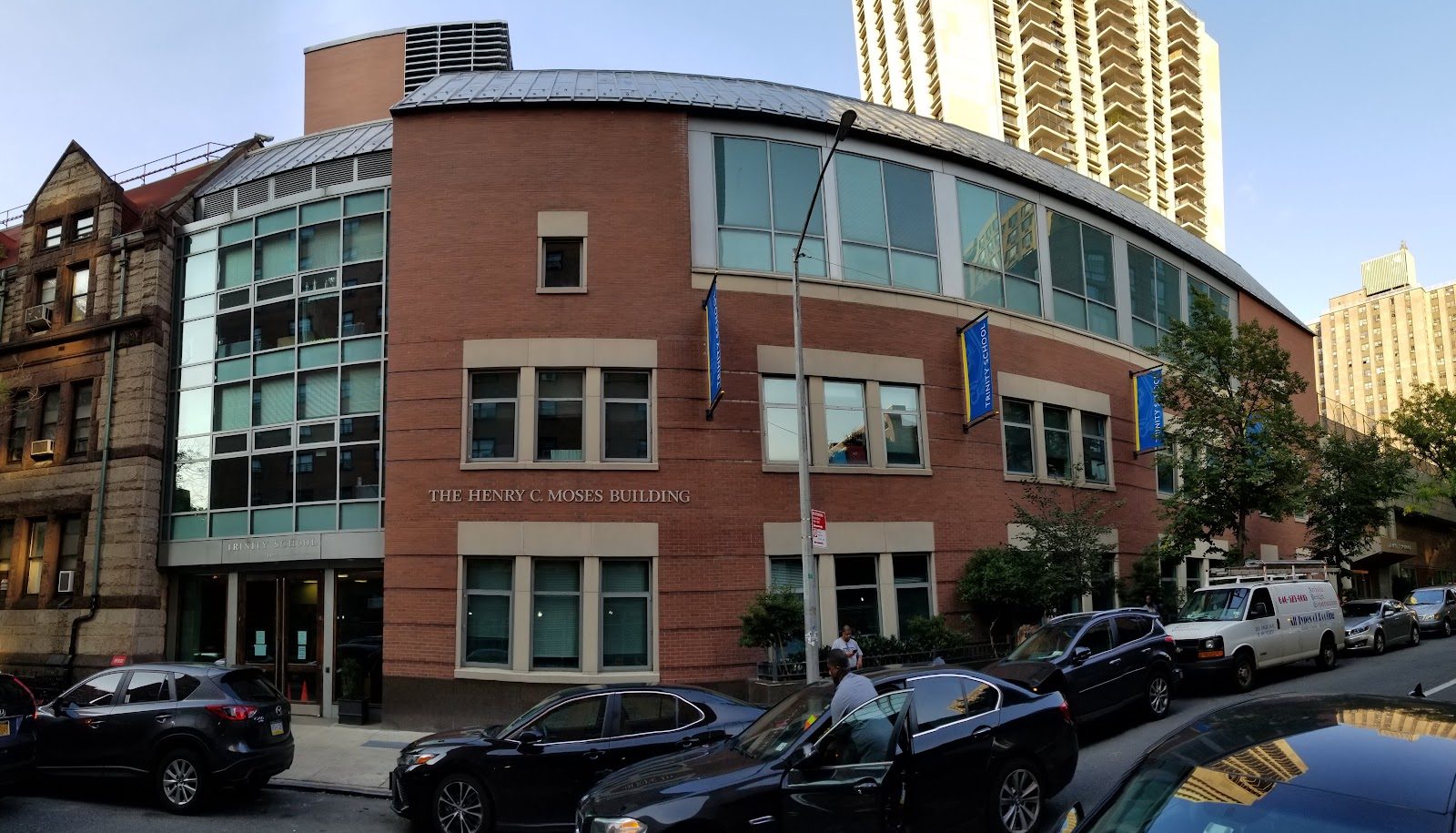
Trinity School
New York City · United States
Founded in 1709 as a charity school, now the oldest continuously operating school in New York City, still built on a rare full Classics department
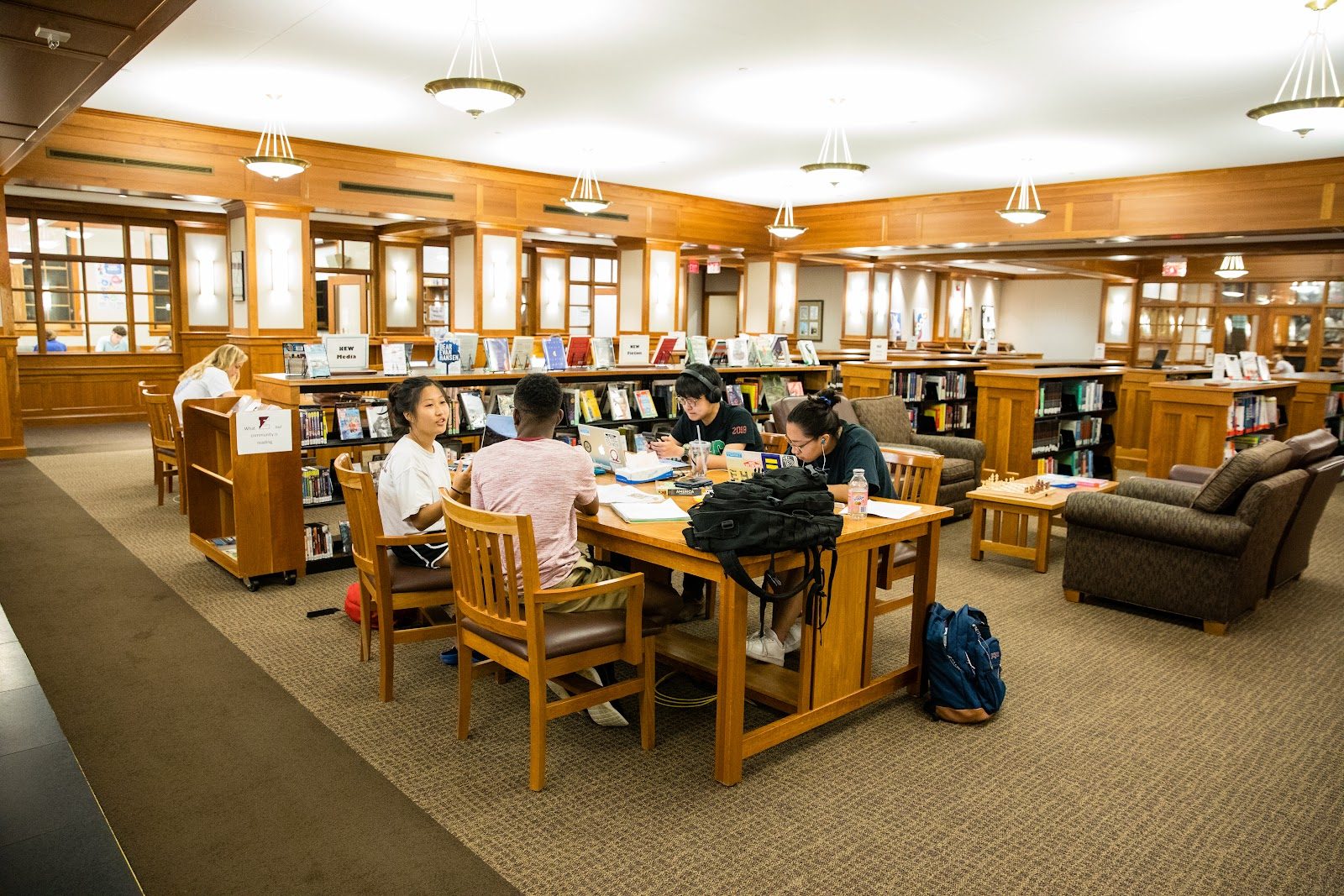
Episcopal High School
Alexandria · United States
A 130-acre hilltop campus 10 minutes from the Capitol, running America's only fully residential school of its caliber in a major metro area.
Same country and curriculum — closest matches within ±10 points either way